Never Buy Fall Mums This Early In Arizona — Here’s The Exact Week To Buy Them For Color Into November
Walk into any Arizona garden center in September and you’ll find rows of colorful mums begging to come home with you. The problem is that our low-desert heat can work against those plants in ways that aren’t obvious until the petals start dropping or the buds refuse to open.
Knowing how Arizona’s temperatures actually behave in fall, and what to look for on the plant itself, gives you a much better shot at real color when you want it most.
Heat changes what an early mum can deliver
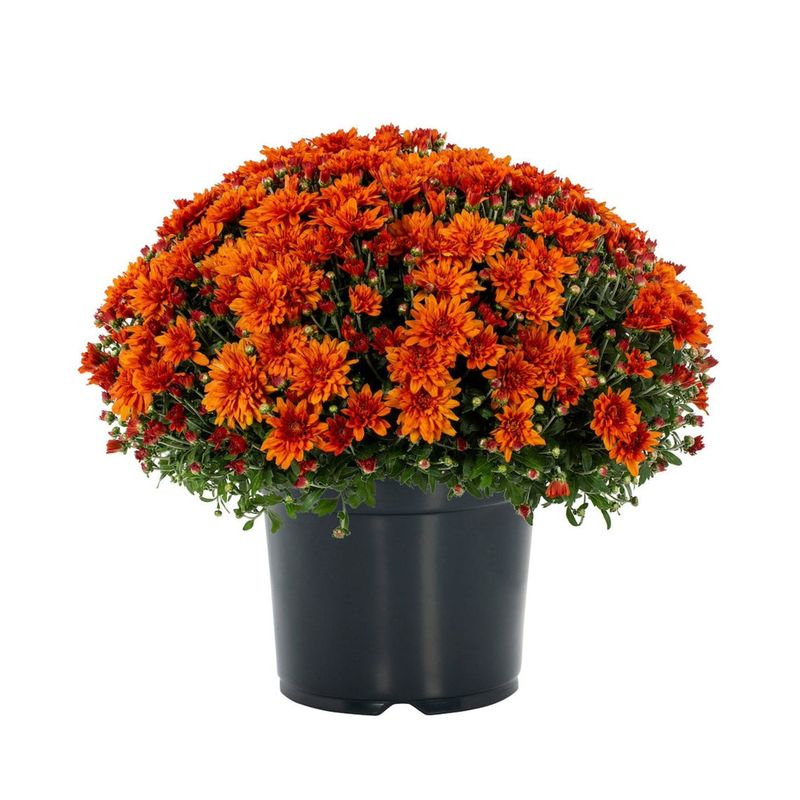
Chrysanthemums are short-day plants, meaning longer fall nights are what trigger flower initiation and development. Production research from Michigan State University shows that temperatures around 85 degrees Fahrenheit and higher can delay flowering, especially early in the short-day period, because heat interferes with the plant’s ability to respond fully to those longer nights.
That delay matters a lot when you’re buying a mum in September and expecting color in October.
In Phoenix and Tucson, that temperature threshold is routinely exceeded well into October. A mum sitting in a small black nursery pot on a south- or west-facing patio absorbs radiated heat from walls, pavement, and the container itself, pushing the root zone well above air temperature.
None of that means an early purchase is automatically doomed. A mum kept in bright morning light, shielded from the most intense afternoon sun, and watered consistently can perform acceptably even during lingering heat.
Heat raises the risk of delayed color, rapid drying, and container stress; it does not guarantee a crispy plant. The practical lesson is that buying early puts more of the outcome on your care routine and less on the plant’s natural timing.
Use mid-to-late October as a weather-based heuristic
Rather than locking in one exact purchase date, think of roughly October 15 through 25 as a practical low-desert window, not a published recommendation or a scientifically proven best week. The idea is to aim for the period after daytime highs stop repeatedly reaching near 90 degrees Fahrenheit.
That 90-degree figure is an editorial rule of thumb inferred from chrysanthemum temperature research and Arizona climate data, not a tested threshold with a guaranteed result on either side of it.
Tucson runs slightly cooler, with an average October high of 86.3 degrees and roughly 13 days at or above 90 degrees, dropping to an average November high of 75.1 degrees. Neither city is reliably cool in early October.
University of Arizona October gardening guidance reinforces this picture, describing October as the transition from warm-season to cool-season planting rather than the start of dependably mild weather. The heuristic should yield to actual conditions: if your forecast still shows a prolonged stretch near 90 degrees in late October, delay the purchase or plan for extra protection.
Nighttime temperatures, neighborhood exposure, nearby pavement, and yearly weather variation can all shift the window earlier or later for your specific yard.
Choose buds that still have room to open
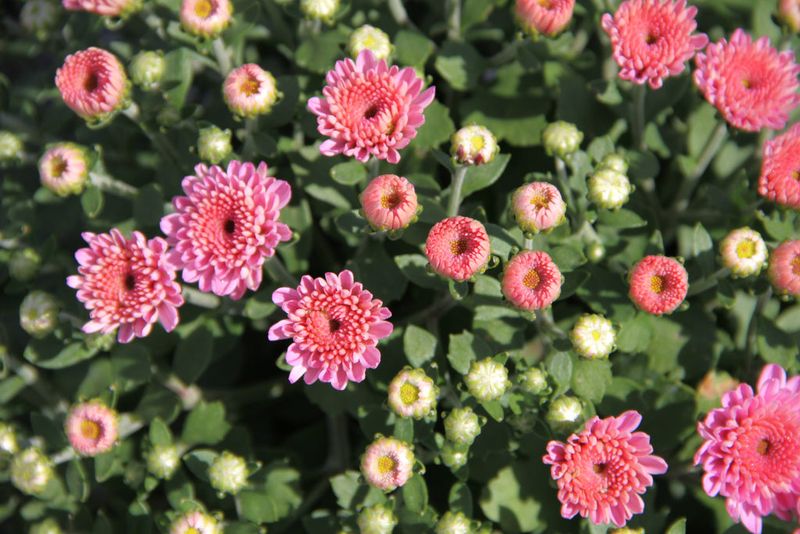
Once you’re at the nursery, the plant you pick matters as much as the week you show up. Oklahoma State University Extension specifically advises shoppers to avoid mums already in full flower if the goal is a longer home display, because most of the bloom potential has already been spent before the plant reaches your porch.
Your Arizona Garden Changes Every Week. Your Plan Should Too.
Gardening in Arizona changes quickly throughout the season. Every Friday you’ll receive a simple weekly plan showing exactly what to plant, prune, fertilize, harvest, and protect so you never miss the right timing.
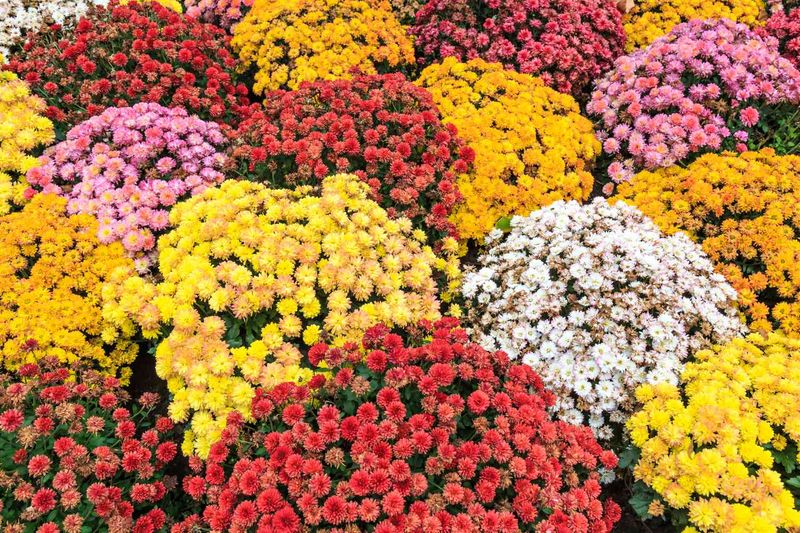
Look for pots loaded with tight, closed, or just-beginning-to-open buds and limited fully open color. Those plants will continue developing at home, giving you a display that builds over time rather than one that peaks in the store parking lot.
A fully open mum provides immediate color, which has its own value if you need something for a gathering or a porch photo. The trade-off is that it generally carries less unopened bloom potential.
Bud count and development stage are better selection criteria than pot size or the density of open color, because a big pot of fully open blooms can look spectacular at the store and fade within a week or two at home. Cultivar still determines the ceiling on bloom duration, so no selection strategy eliminates variability entirely.
Give the container relief from afternoon heat
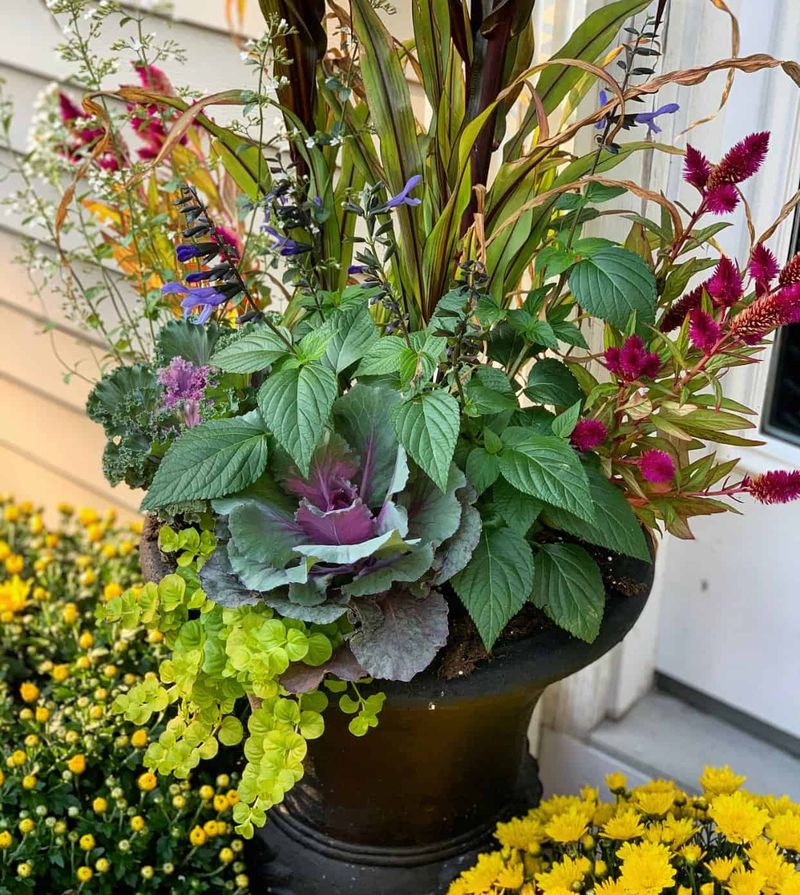
Mums generally prefer full sun and well-drained soil, but that advice was written for climates where full sun means something different than it does on a Phoenix or Tucson patio in October. A small nursery pot sitting on a west-facing concrete slab or near a stucco wall can reach root-zone temperatures that accelerate drying and stress the plant well beyond what the air temperature alone would suggest.
A practical approach during lingering warm weather is to position the pot where it receives bright morning light from the east and gets natural or artificial shade from the most intense afternoon sun, roughly from early afternoon onward. University of Arizona guidance on container gardening in the Southwest desert notes that containers are especially vulnerable to heat gain from surrounding surfaces, and University of Florida IFAS chrysanthemum notes confirm that mums prefer full sun but benefit from protection under extreme conditions.
Afternoon protection reduces stress rather than replacing the light the plant needs to function. Once temperatures moderate consistently, move the pot back into fuller sun if the location allows.
Good drainage is non-negotiable throughout: a container sitting in a saucer of standing water invites root problems that no amount of shade will fix. Wind is also a factor on exposed patios, because it accelerates moisture loss and can physically stress blooms.
Check the pot before you water
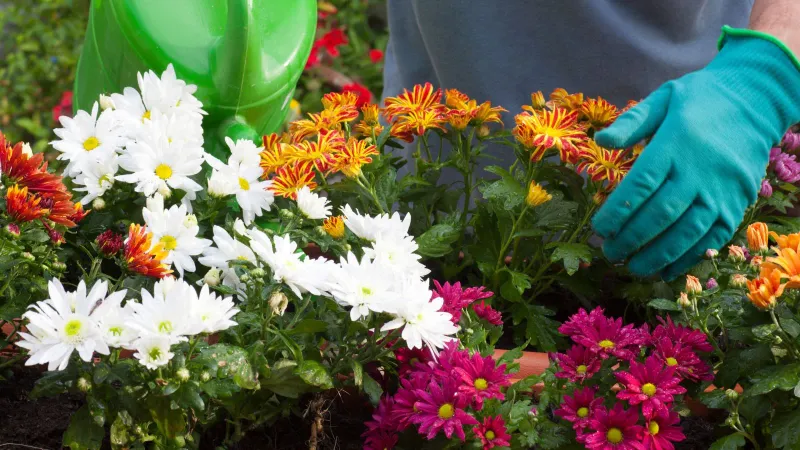
Fall container watering in the low desert does not follow a tidy calendar. Small pots, wind, reflected heat, plant size, and an unexpected warm spell can keep water demand high through mid-October or beyond, while a stretch of cooler, cloudy weather after a monsoon remnant can leave the potting mix damp for several days.
The most reliable method is to check the potting mix directly before reaching for the hose. Press a finger about an inch into the mix; if it feels dry at that depth, water thoroughly until excess flows freely from the drainage holes, then stop.
University of Arizona’s watering guide for Southern Arizona lists patio container plants at roughly every two to five days in spring and fall conditions, but the guide itself frames that as a general range rather than a prescription.
Both extremes cause damage. A mum that dries out completely between waterings during a warm October day can drop buds before they open.
A mum sitting in a poorly drained pot that stays saturated can develop root rot that looks like drought stress from the outside, because a damaged root system cannot move water efficiently regardless of how much is in the soil. University of Missouri Extension guidance on flowering potted plants reinforces the same principle: water thoroughly, confirm drainage, and let the plant tell you when it needs more rather than following a fixed schedule.
November color is a better chance, not a promise
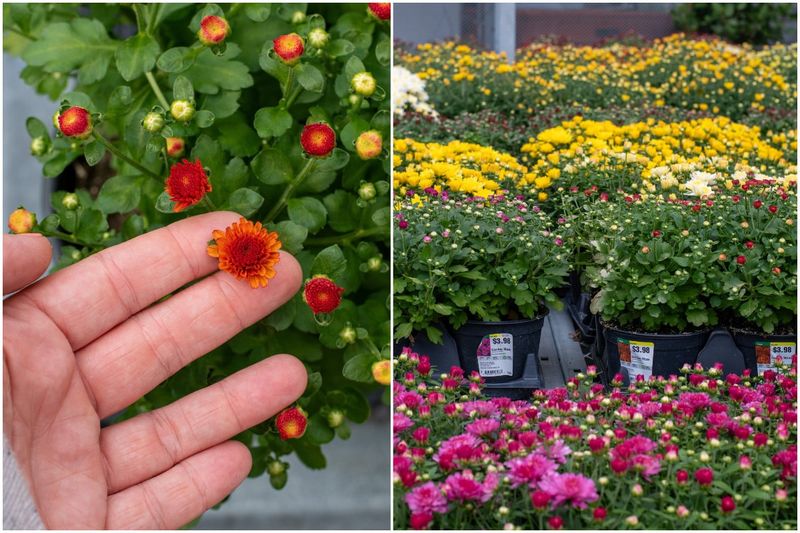
Buying mums after heat moderates and selecting plants with tight buds can meaningfully improve your odds of a longer display. Those are the most controllable factors available to a low-desert gardener working with a seasonal ornamental.
What no source can honestly promise is that a mum purchased in mid-to-late October will flower continuously into November or maintain peak color for a specific number of weeks.
Bloom duration depends on cultivar, the bud development stage at purchase, exposure, wind, reflected radiation from walls and pavement, watering consistency, and whether the plant is in a small black nursery container or a larger, better-insulated pot.
A plant that survives into November is not the same thing as a plant flowering continuously throughout the month. Mums can flower for several weeks under favorable conditions, but a late-October heat spike, a dry wind, or a poorly matched cultivar can shorten that window without warning.
Treating mid-to-late October timing and careful bud selection as tools that shift the odds in your favor, rather than as a formula that guarantees an outcome, keeps expectations honest and lets you make adjustments when conditions change.
Treat retail mums as seasonal unless conditions say otherwise
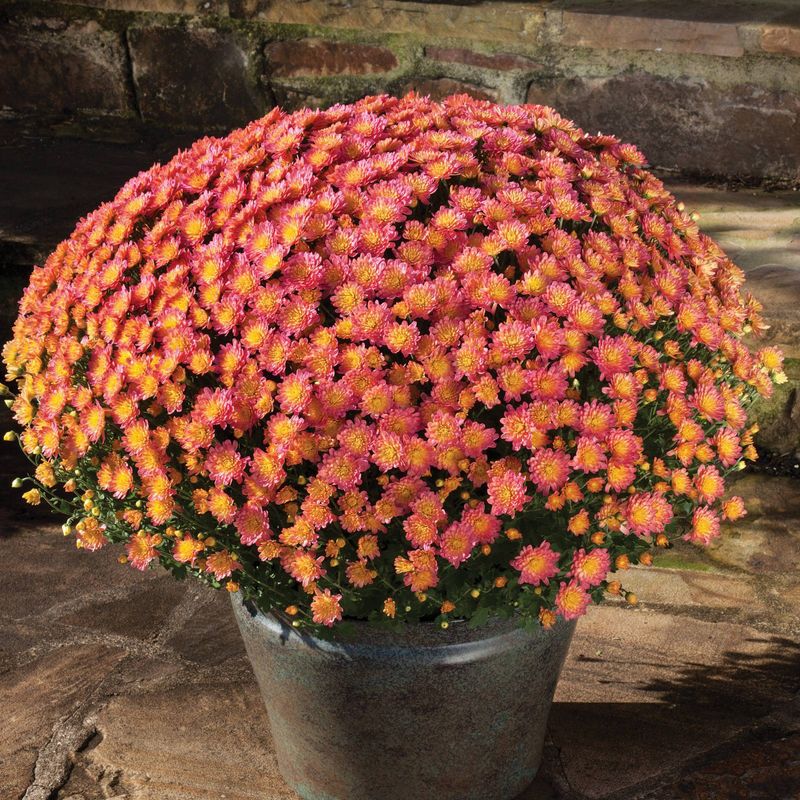
Most mums sold at Arizona garden centers and big-box stores in fall are produced for seasonal display. That is different from a garden mum selected and grown specifically for landscape planting and perennial performance, even though both may carry the word “mum” on the tag and belong to the same genus.
Extension sources are consistent on this point: many retail potted mums are bred and timed for a single season of color, and their ability to overwinter in a low-desert landscape depends on cultivar, planting time, drainage, heat exposure through summer, and the specific winter microclimate of your yard. Ask Extension’s planting mum guidance notes that perennial performance is not automatic, and Virginia Cooperative Extension reinforces that retail mum types vary widely in cold hardiness and landscape durability.
In a Phoenix or Tucson yard, the challenges are less about winter cold and more about summer heat, alkaline soil, reflected radiation, and irrigation practices during the off-season. A mum that blooms beautifully in November may not survive the following August even if it technically belongs to a perennial species.
Plan the purchase as seasonal color unless the plant label specifies a cultivar known to perform in low-desert landscapes, and you have a spot with appropriate drainage and manageable summer exposure. That framing protects you from disappointment and keeps the budget realistic.
Let the forecast outrank the calendar
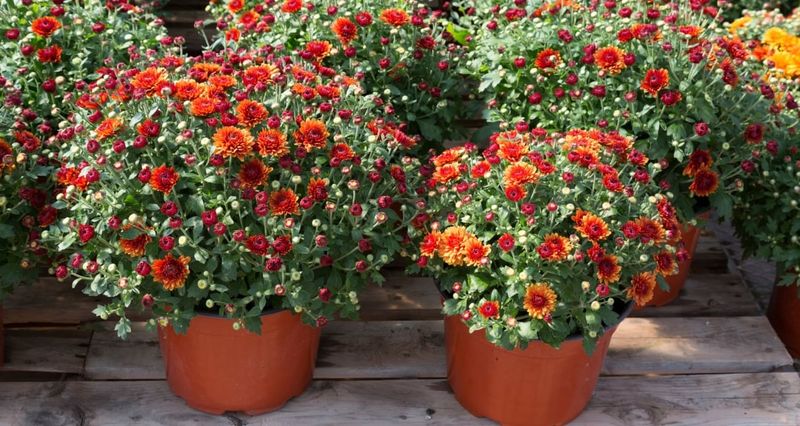
September and early October carry higher heat risk for container mums in the low desert, and mid-to-late October can serve as a practical starting point when temperatures are genuinely moderating. That heuristic, inferred from chrysanthemum temperature research and Arizona climate data, is a starting point rather than a rule.
The University of Arizona’s low-desert flower guide states plainly that planting dates are general guides requiring adjustment for yearly weather and local microclimate, and the same logic applies to buying dates for seasonal containers.
A workable decision process looks like this: watch the forecast, not the date. When several days in a row no longer show highs pushing near 90 degrees, go to the nursery and select a plant with mostly closed buds.
Position it for morning light and afternoon relief during any remaining warm spells, water based on the pot rather than a schedule, and set your expectation on improving the odds of November color, not locking it in. Phoenix and Tucson differ from each other, and individual yards differ further still.
The best outcome a timing strategy can deliver is a better chance at a longer display. A good forecast read and a plant full of tight buds put you ahead of the gardener who bought in September and hoped for the best.