10 Fruit Trees That Actually Thrive in Arizona’s Caliche Soil
If you have ever swung a shovel into an Arizona yard and heard a loud clank, you have met caliche. That rock-hard layer of white mineral crust can make planting feel like a losing battle.
The good news is that some fruit trees shrug off alkaline, crusty ground and still reward you with shade, fresh harvests, and happy pollinators. Here are ten tough picks that can turn a stubborn desert yard into a backyard orchard that works for you.
1. Pomegranate
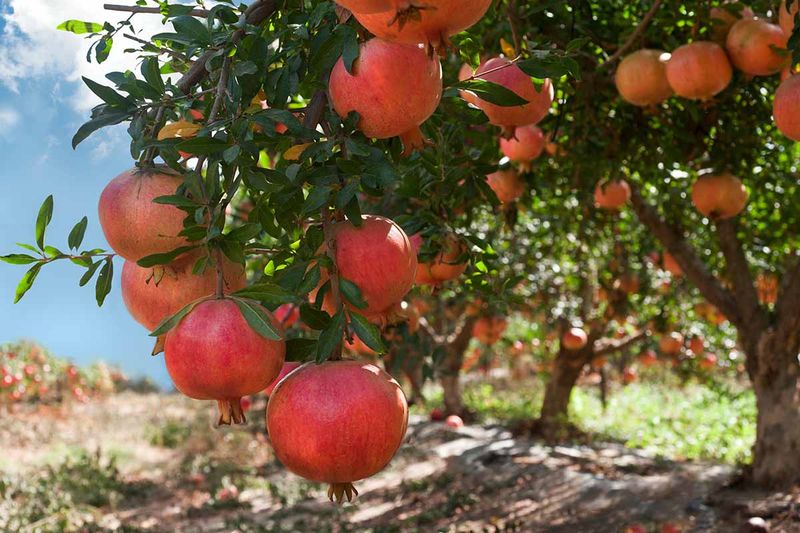
Ancient travelers carried pomegranates across hot, dusty trade routes, and the fruit still acts like it was built for a Phoenix July. Few trees handle full sun, alkaline ground, and thin soil with so little complaining.
If you want one sure win in caliche, start here.
Pomegranates send out bright orange-red flowers in spring that can pull in hummingbirds and native bees. By fall, the leathery fruit splits open with juicy red seeds.
Most plants begin fruiting within two to three years, and they root easily from cuttings, so sharing with neighbors is simple.
Plant in October or November, or in early spring before the heat returns. Dig a square hole about one and a half times wider than the root ball, break up chunks of caliche, and mix in some compost.
Square corners help roots push outward instead of circling.
Once established, deep watering every week or two in summer is usually enough. Varieties like Wonderful, Parfianka, and Eversweet do well in the low desert.
Plants can be shaped as a tidy hedge or a small multi-trunk tree, giving you privacy, color, and a fruit bowl all at once.
2. Fig
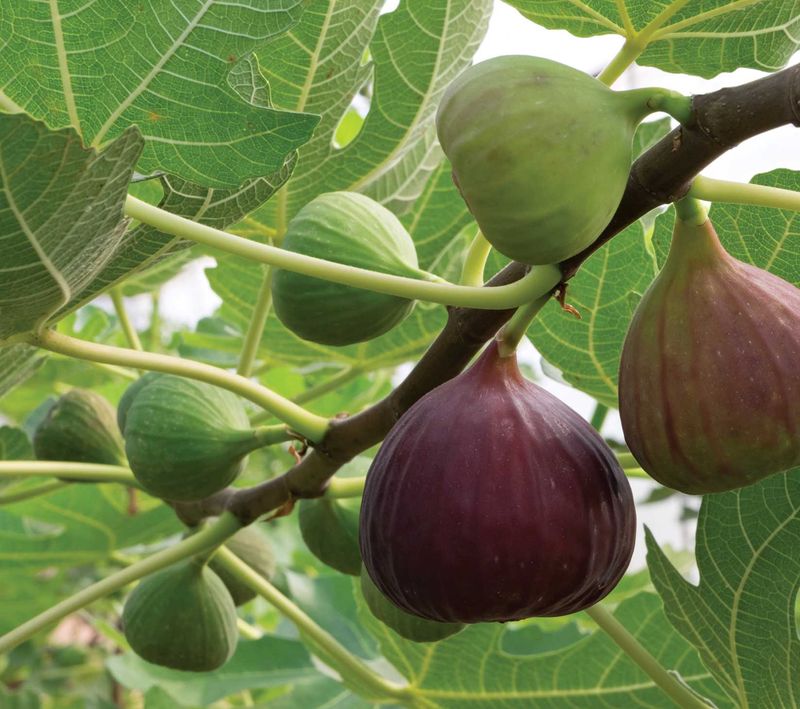
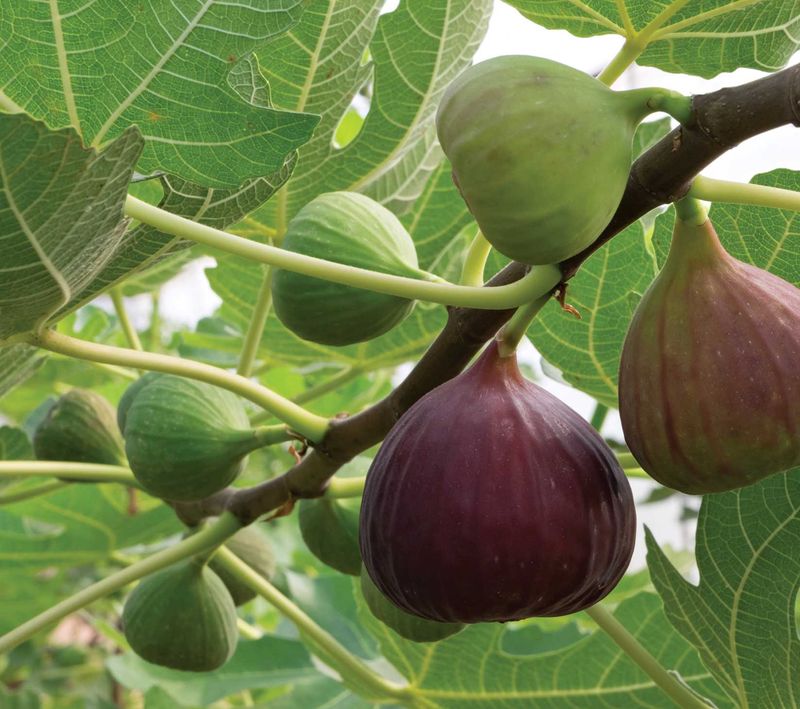
Picture yourself on a June morning, coffee in hand, plucking a warm Black Mission fig straight off the branch. Fig trees love heat, and they do not demand perfect soil to deliver.
Even in rocky, caliche-heavy yards, they often grow with surprising speed.
Big, broad leaves make figs a natural shade maker for west-facing walls and patios. That cooler pocket can make a real difference when temperatures climb past 110.
Ripe fruit also draws birds like finches and orioles, so expect some company at harvest time.
Popular picks for the low desert include Black Mission, Kadota, Brown Turkey, and Celeste. Many give two crops a year: a small early one called the breba crop, then a bigger main crop in late summer.
Pretty generous for a tree that asks so little.
Give your fig a wide planting hole with roughened sides so roots can grip native soil. Mulch heavily to keep roots cooler and hold moisture.
Young trees may need afternoon shade cloth during their first summer, but after that, a deep soak every week or so usually keeps them thriving.
3. Lemon
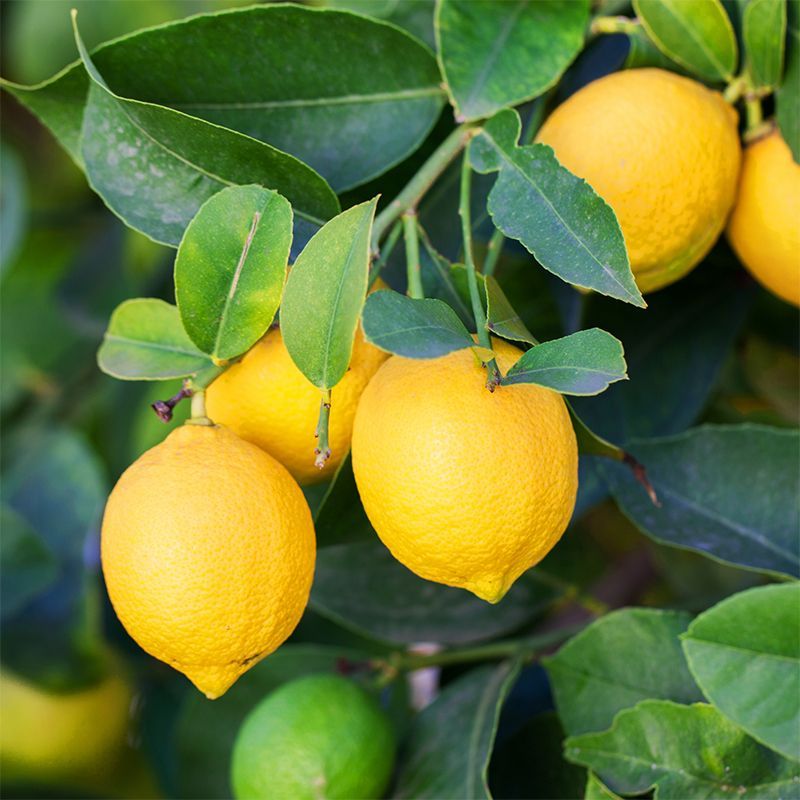
Lemonade stand dreams come true in the Valley. Low-desert winters are mild enough that lemon trees stay productive for months, often hanging fruit from late fall into spring.
Lisbon and Improved Meyer are two of the most dependable choices here.
Your Arizona Garden Changes Every Week. Your Plan Should Too.
Gardening in Arizona changes quickly throughout the season. Every Friday you’ll receive a simple weekly plan showing exactly what to plant, prune, fertilize, harvest, and protect so you never miss the right timing.
Spring blossoms smell sweet enough to stop you on the sidewalk, and bees adore them. A single mature tree can supply a household with more lemons than you can squeeze.
Lisbon handles heat especially well, while Meyer stays smaller and sweeter.
Citrus is a bit thirstier than some trees on this list, so plan for deep, slow watering, especially during hot spells. Water out near the edge of the canopy, where feeder roots spread.
Let the soil dry slightly between soaks to avoid soggy roots in poorly draining caliche.
Sunscald is a real risk for exposed trunks. Let low branches grow to shade the bark, or paint the trunk with diluted white latex paint.
If your caliche layer is too thick to break through, a raised mound of about two feet of loose soil can give roots room to settle in and stretch out.
4. Orange
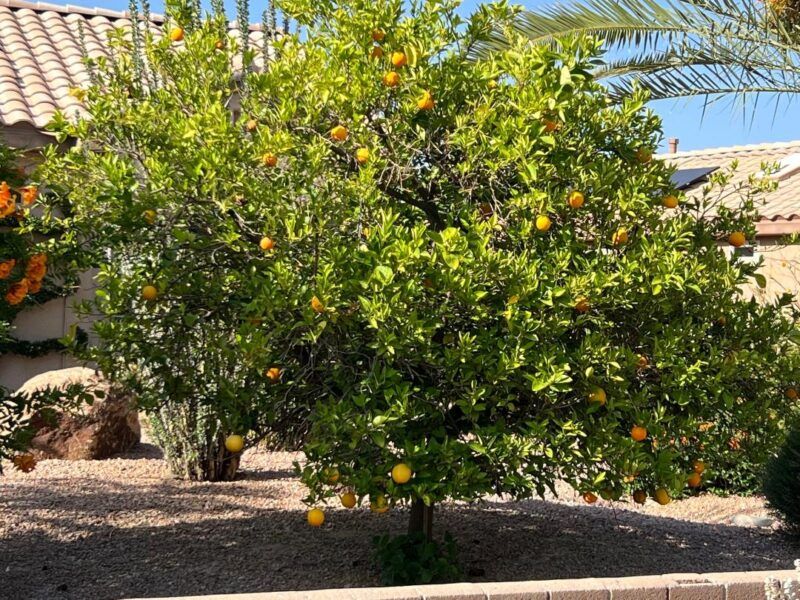
Long before freeways and subdivisions, much of the Phoenix area was covered in citrus groves. Some older neighborhoods still have orange trees planted decades ago, quietly producing fruit every winter.
That history alone shows how well oranges can adapt to this region.
Navel oranges ripen in winter and are easy to peel, making them a hit with kids. Valencias hang on the tree into summer, stretching out your harvest.
Clementines and other mandarins offer small, sweet fruit on a more compact tree, great for smaller yards.
A full-grown orange tree forms a dense, rounded canopy, so it doubles as a shade tree. Fragrant blossoms in March fill the air with that famous orange blossom scent and attract honeybees by the hundreds.
Fallen fruit should be picked up quickly, since it can attract roof rats.
Plant in early spring after frost danger passes, giving roots time to settle before summer. Build a watering basin around the tree and extend it as the canopy grows.
Feed with a citrus fertilizer in February, May, and August, and your tree can stay productive for generations.
5. Low-Chill Peach
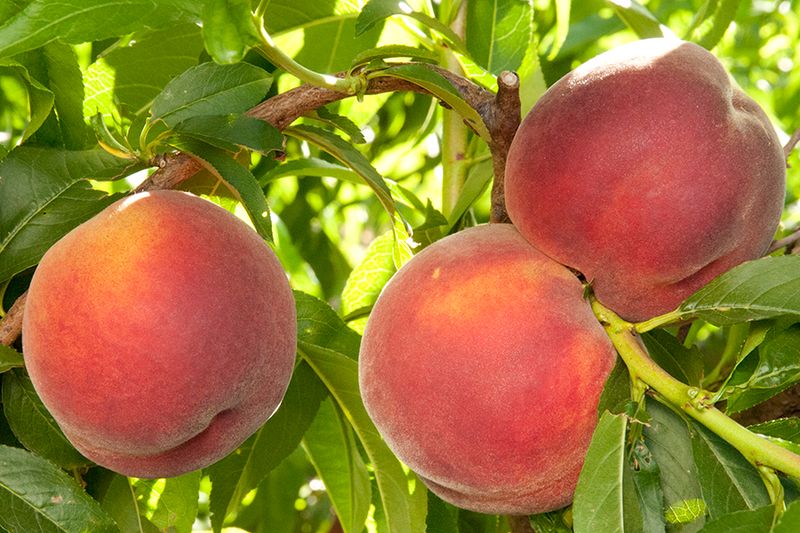
Most peaches need cold winters to set fruit, which sounds like bad news for Arizona. Clever breeders solved that problem with low-chill varieties.
Desert Gold and Florida Prince need only a few hundred chill hours, which the low desert can usually provide.
Pink blossoms burst open in February, and they are one of the earliest bloom shows of the year. Bees and other pollinators rush in when little else is flowering.
By May, you can bite into ripe peaches before summer heat really kicks in.
Peaches do need more attention than a pomegranate or fig. Prune each winter into an open, vase-like shape so sunlight reaches the center. Thin young fruit to about six inches apart, which gives bigger peaches and protects branches from snapping under heavy loads.
Caliche can block drainage, and peaches dislike wet feet. Test your planting hole by filling it with water and checking that it drains within a day.
If it does not, break through the hard layer or plant on a mound. Thick mulch and afternoon shade on the trunk help young trees handle their first summer.
6. Anna Apple
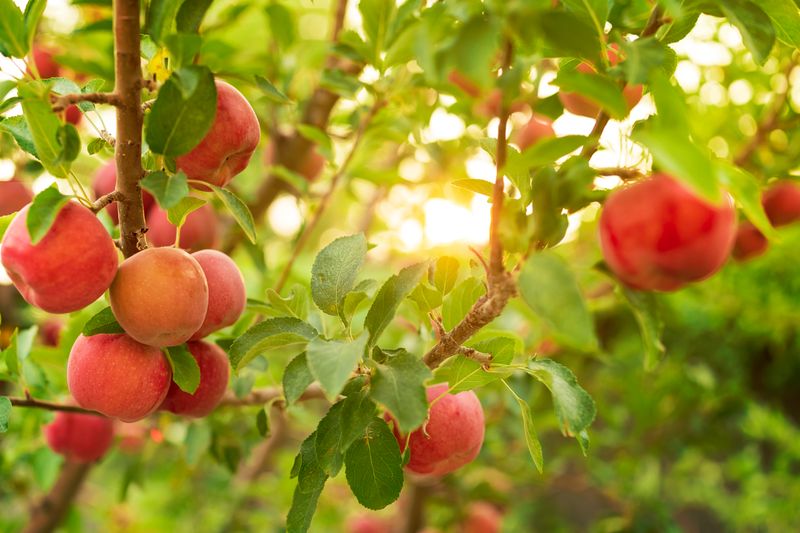
Homegrown apples in the Sonoran Desert? Plenty of gardeners raise an eyebrow at the idea, but the Anna apple proves it works.
Originally developed for warm regions, Anna needs very little winter chill to bloom and set fruit.
Crisp, sweet-tart apples usually ripen in June, which is early for apples anywhere. Anna can produce some fruit on its own, but pairing it with Dorsett Golden often leads to much bigger harvests.
Both bloom around the same time, so bees can carry pollen between them.
Apple trees grow a pleasant rounded canopy that offers light shade for a patio or play area. Spring flowers are soft pink and white, giving pollinators an early meal.
Ripe fruit left too long may attract birds, so pick promptly or share a few on purpose.
Plant bare-root trees in January or February while they are still dormant. Break up caliche well and blend compost into the backfill to help roots spread.
Water deeply and regularly through summer, and use mulch to keep soil cool. With some care, an Anna tree can be a fun conversation piece that actually feeds your family.
7. Fruiting Mulberry
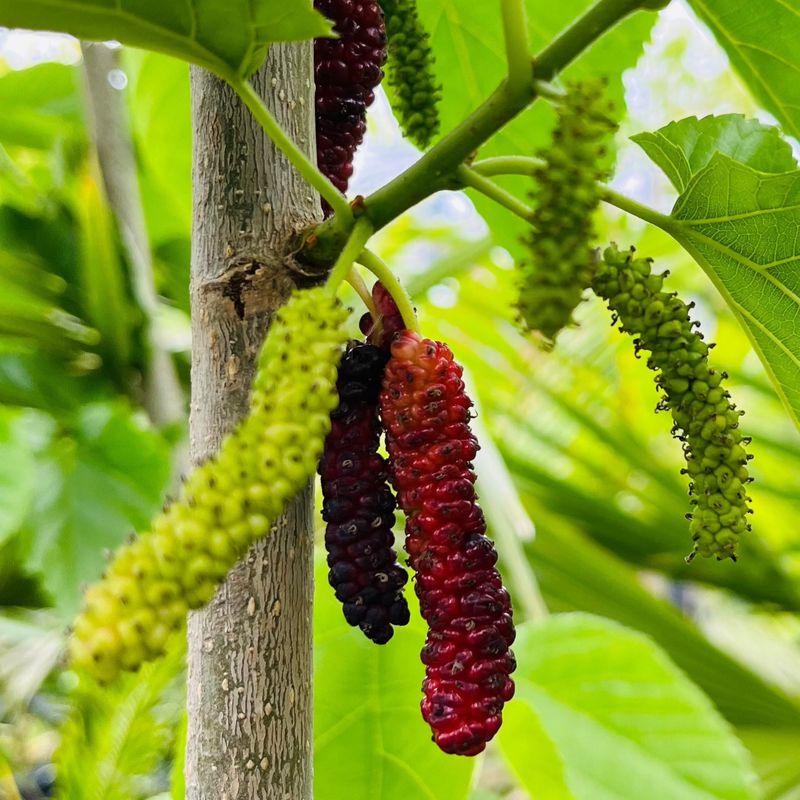
Need shade fast? Few fruit trees grow as quickly as a fruiting mulberry.
Pakistan and Black Beauty varieties can shoot up in just a few seasons, creating a leafy roof over a hot yard.
Pakistan mulberry produces long, sweet berries that look a bit like purple caterpillars. Black Beauty stays smaller, which suits tight spaces.
Both deliver piles of fruit in spring, more than enough for jam, smoothies, and snacking.
Birds go wild for mulberries. Mockingbirds, thrashers, and even curve-billed thrashers may visit, turning your tree into a busy wildlife hangout.
More birds around the yard can mean more insect eating too, which may help keep some pests in check. Just plant away from driveways, since dropped berries stain.
Fruiting types differ from the fruitless mulberries some Arizona cities restrict, and they tend to produce less pollen. Check local rules before planting.
Mulberries handle alkaline, rocky soil well and can push roots past caliche with steady deep watering. Prune after harvest to manage size and keep berries within easy reach for picking.
8. Barbados Cherry
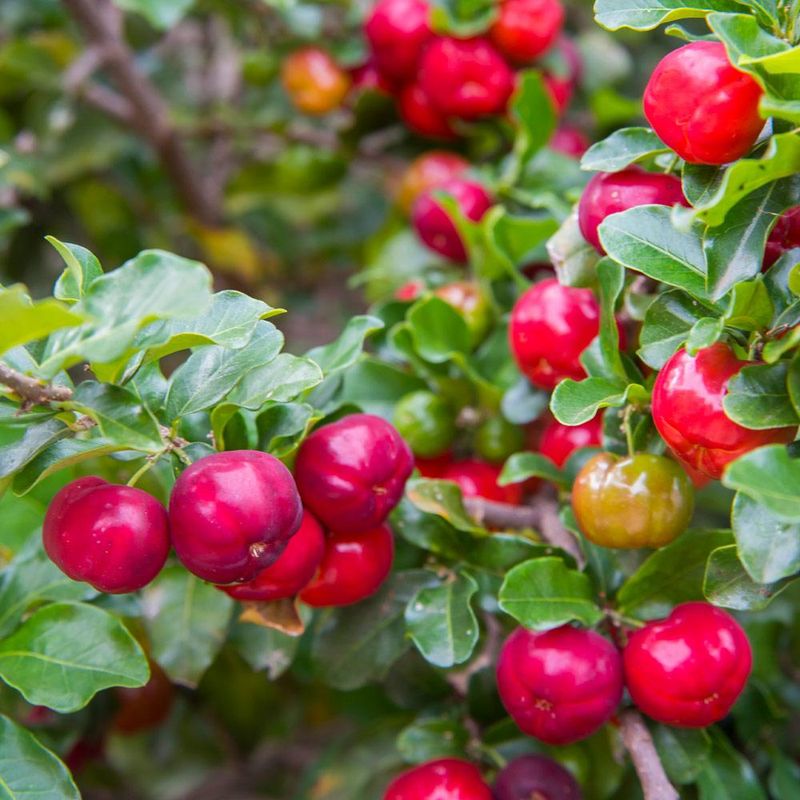
Small but mighty, the Barbados cherry packs more vitamin C into one bite than an orange. Gardeners call it acerola, and it grows more like a big shrub than a towering tree.
That compact size makes it handy for courtyards and side yards.
Pretty pink flowers appear several times a year, often after a good watering or monsoon storm. Each round of blooms can bring bees and butterflies to your garden.
Bright red cherries follow quickly, with a tangy flavor that shines in juices and sauces.
Expect your first real crop around year three. Plants enjoy heat but appreciate a spot with some afternoon shade in the low desert, such as an east-facing wall.
Reflected heat from bare walls can scorch leaves, so a little protection goes a long way.
Frost can damage young plants, so cover them on cold winter nights. Plant in spring once nights stay warm.
Loosen caliche thoroughly and mix in compost, since acerola prefers slightly richer ground. A thick mulch layer helps hold moisture, and steady water keeps the fruit coming several times each year.
9. Date Palm
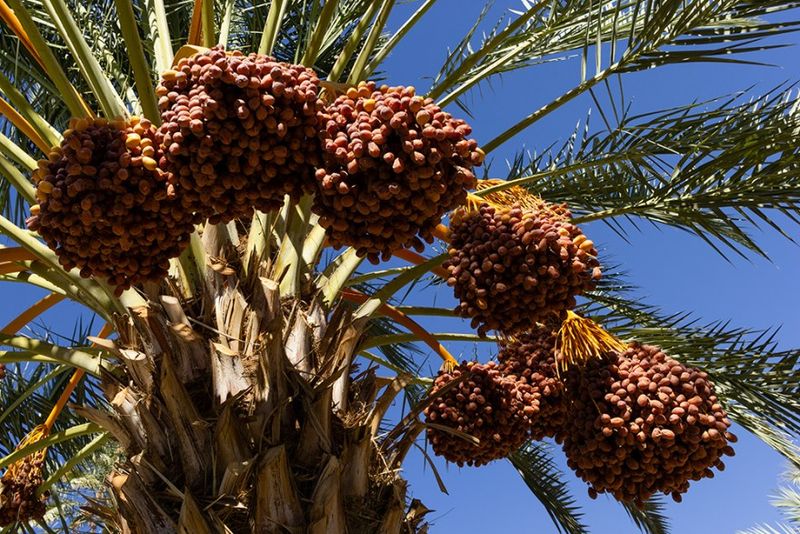
Walk through older parts of Phoenix or Yuma and you will spot towering date palms that look right at home. Medjool and Deglet Noor dates have been grown in the Southwest for over a century.
Heat that wilts other trees barely fazes them.
Date palms love intense sun and dry air, and they handle alkaline, salty soils better than most fruit trees. Their deep roots can work through tough ground once established.
A mature palm becomes a striking focal point that gives filtered shade.
Here is a fun twist: date palms come as male or female plants, and only females make fruit. Commercial growers often hand-pollinate flowers to get big harvests.
Home growers can do the same with a few strands of male flowers tied into female clusters.
Large palms are best planted in late spring or summer, when soil is warm and roots grow quickly. Deep, infrequent watering suits them best.
Prune dried fronds carefully, and note that dense old fronds may shelter scorpions and rats, so keeping the trunk tidy can make your palm less inviting to unwanted guests.
10. Quince
Grandma might remember quince jelly simmering on the stove, filling the house with a sweet, flowery scent. Quince is an old-fashioned fruit that deserves a comeback, especially in Arizona.
It grows readily in hot, dry gardens and tolerates alkaline ground with ease.
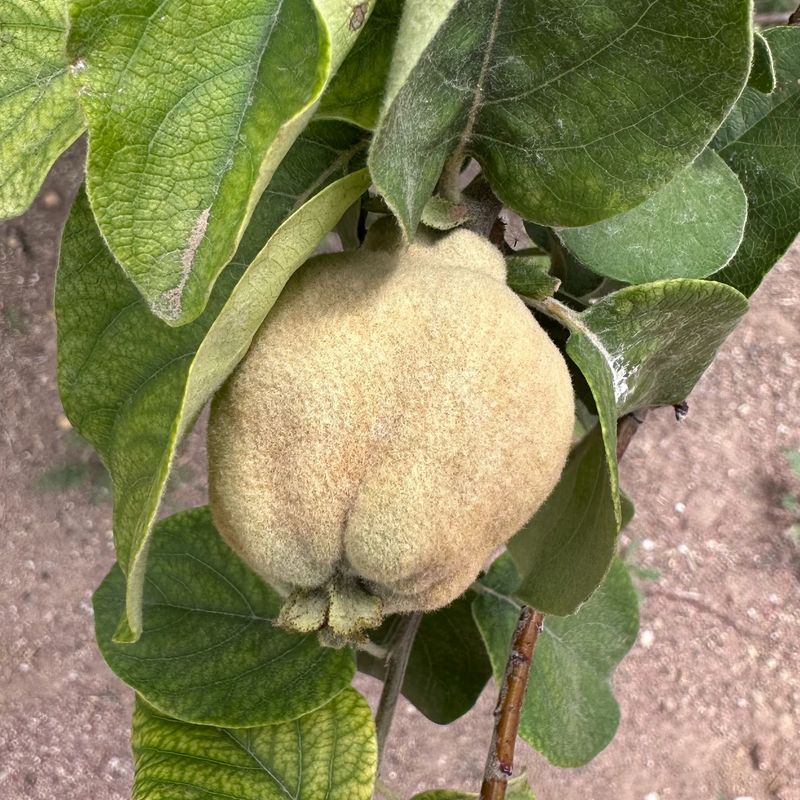
Fuzzy golden fruit looks like a lumpy pear and feels hard as a rock when picked. Raw quince is too sour for most people, but cooking transforms it.
Slow-baked or made into jam, paste, or preserves, it turns rosy pink and tastes like honeyed apple.
Spring brings large, cup-shaped blossoms in soft pink and white. Bees work the flowers eagerly, and the tree stays small enough to fit most yards.
Its twisting branches give it charming character even in winter.
Plant bare-root quince in January or February. Dig wide, rough up the hole sides, and pull out any big caliche chunks.
Once established, quince is pleasantly low-maintenance, needing only deep summer watering and light pruning. For gardeners who love kitchen projects, few trees offer such a rewarding mix of toughness and old-world flavor.