Illinois Oaks Have A Pruning Window That Stays Shut Most Of The Year
There is a tree standing in plenty of Illinois yards that keeps a surprisingly strict social calendar. Show up with tools at the wrong hour, and the whole neighborhood of insects hears about it.
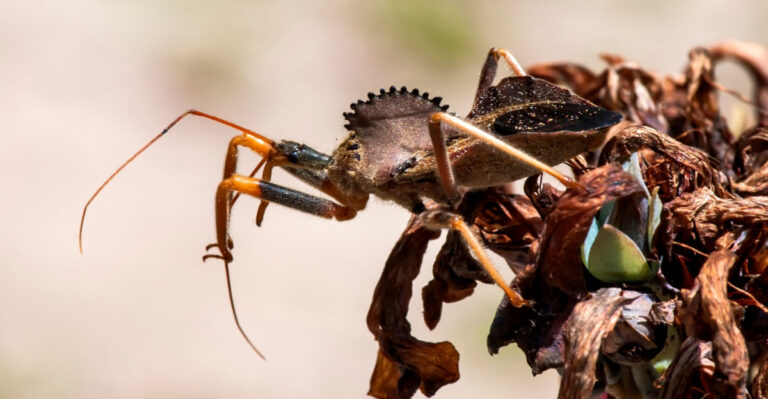
Bugs no bigger than a grain of rice are the ones quietly checking the guest list. They follow their noses toward fresh sap, they travel fast, and they are rarely fashionably late.
Most homeowners grab their tools on the first warm Saturday of April, feeling wonderfully productive about it. That cheerful timing works out to be the leafy equivalent of ringing a loud dinner bell.
Illinois experts have spent decades warning people that only a narrow stretch of months is truly safe. The calendar, it turns out, is bossier than the tree, the bugs, and your ambitious Saturday combined.
The Dormant Stretch From November Through March
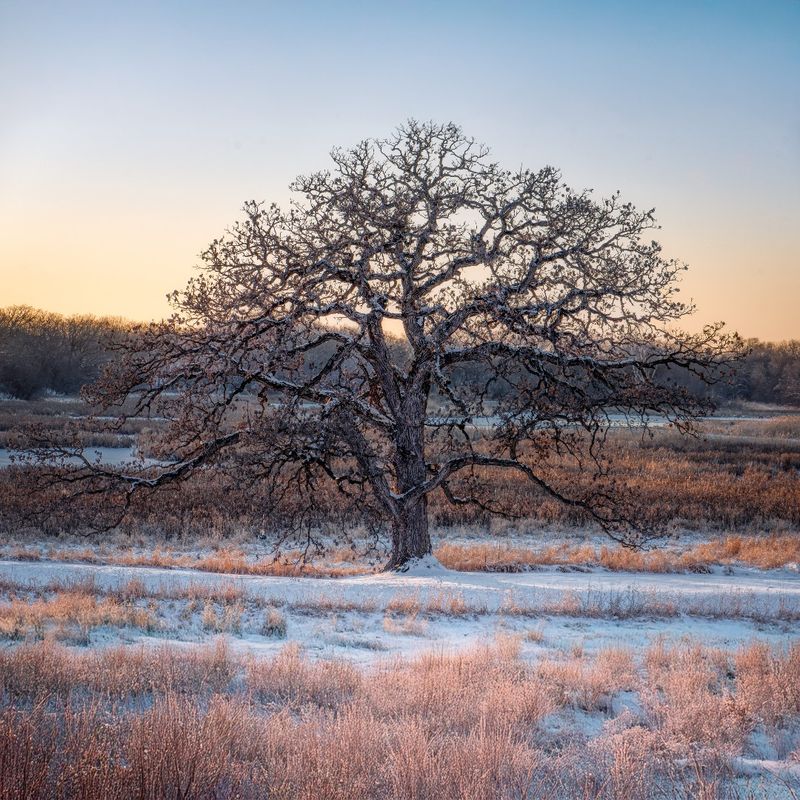
Oak trees in Illinois hand out one reliable safe period, and it arrives with frost. Cold weather shuts down the insects and the fungus that cause the biggest trouble here.
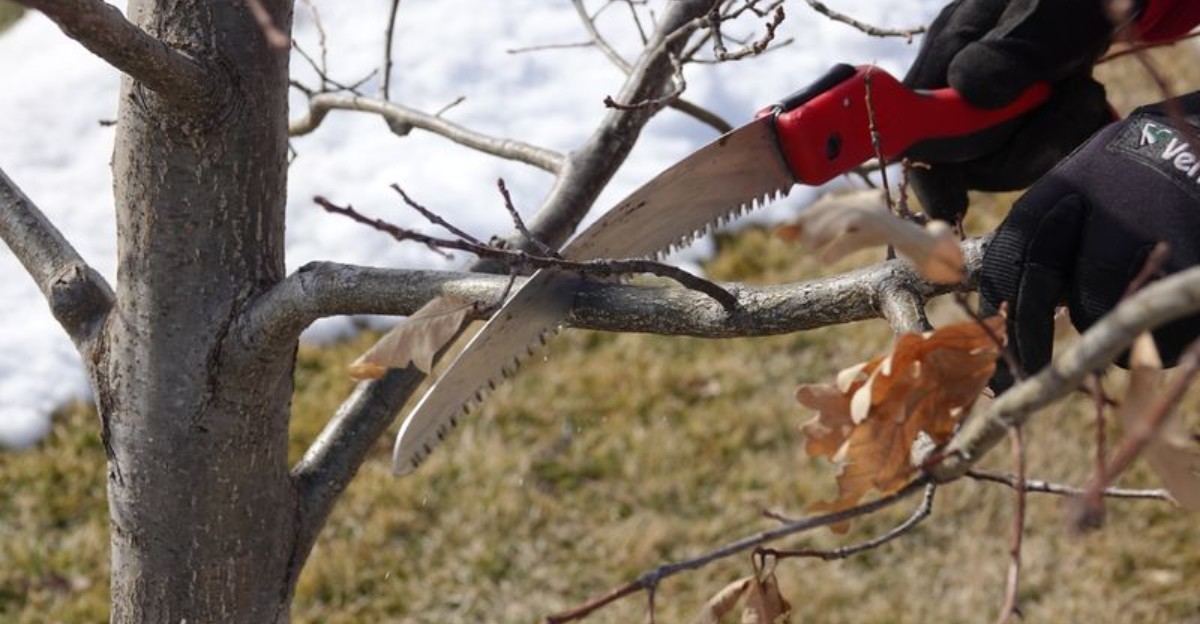
University of Illinois Extension points to the window between November and March as the safest choice. Some local arborists trim that down further, sticking with December, January, and February only.
During those months, sap flow slows and beetles stay tucked away instead of hunting fresh wounds. A cut made in January has many weeks to seal over before anything comes looking.
Winter also gives you a clear view of the tree’s whole structure without leaves in the way. Crossing branches, weak forks, and rubbing limbs stand out against a gray sky.
Cold air keeps fungal spores inactive, so sawdust and sap do not turn into an invitation. The tree essentially rests while you work, which is the whole point of the schedule.
Plan ahead by walking your yard in autumn and marking the limbs you want removed. Come winter, you already know the plan and can finish the job in one afternoon.
Frozen ground helps too, since heavy equipment leaves fewer ruts across your lawn and roots. Professional tree crews often book winter oak work months in advance for exactly that reason.
Treat the calendar as the first tool you reach for, well ahead of any sharp saw. Everything else about this job gets easier once the timing lines up properly.
The Fungus That Travels On A Fresh Cut
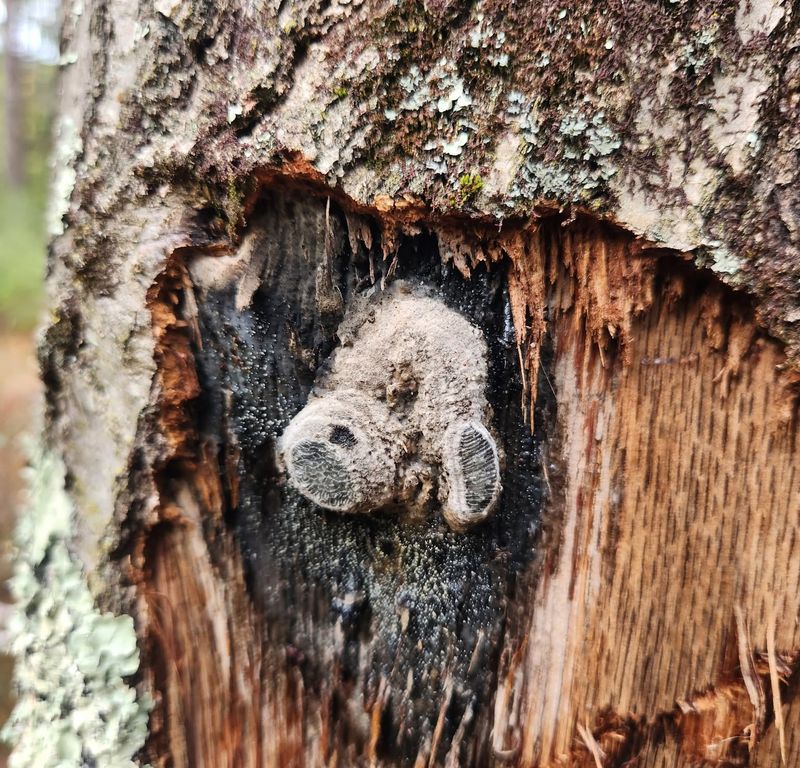
Oak wilt is the real reason Illinois arborists treat springtime pruning like a genuinely bad idea. The fungus clogs a tree’s internal plumbing, and water stops reaching the leaves above.
Tiny sap beetles carry fungal spores from infected wood to healthy trees during warm weather. Fresh sap smells like an easy lunch to them, and an open cut is an open door.
Red oaks, including pin oaks and black oaks, suffer the fastest and most dramatic decline. Leaves brown from the edges inward, then drop while still partly green and oddly healthy-looking.
White oaks and bur oaks resist much better, often containing the fungus branch by branch. Resistance is not immunity, though, so the same timing rules still apply to them.
Underground, oak roots from neighboring trees graft together and quietly share the infection through soil. A single sick tree can pass trouble to a whole row of oaks along a street.
Beetles become active once temperatures climb above roughly fifty degrees, which usually means early April. They stay busy through summer, which is exactly the stretch when homeowners feel like working.
Spores survive on fungal mats hiding under the bark of infected trees, especially during spring. Moving that firewood to new areas can carry the fungus far beyond where beetles would ever take it.
Knowing the culprit makes the calendar feel less like an arbitrary rule and more like sense. The fungus keeps fairly regular office hours, and you simply avoid stopping by.
The Springtime Mistake That Costs Illinois Homeowners Trees
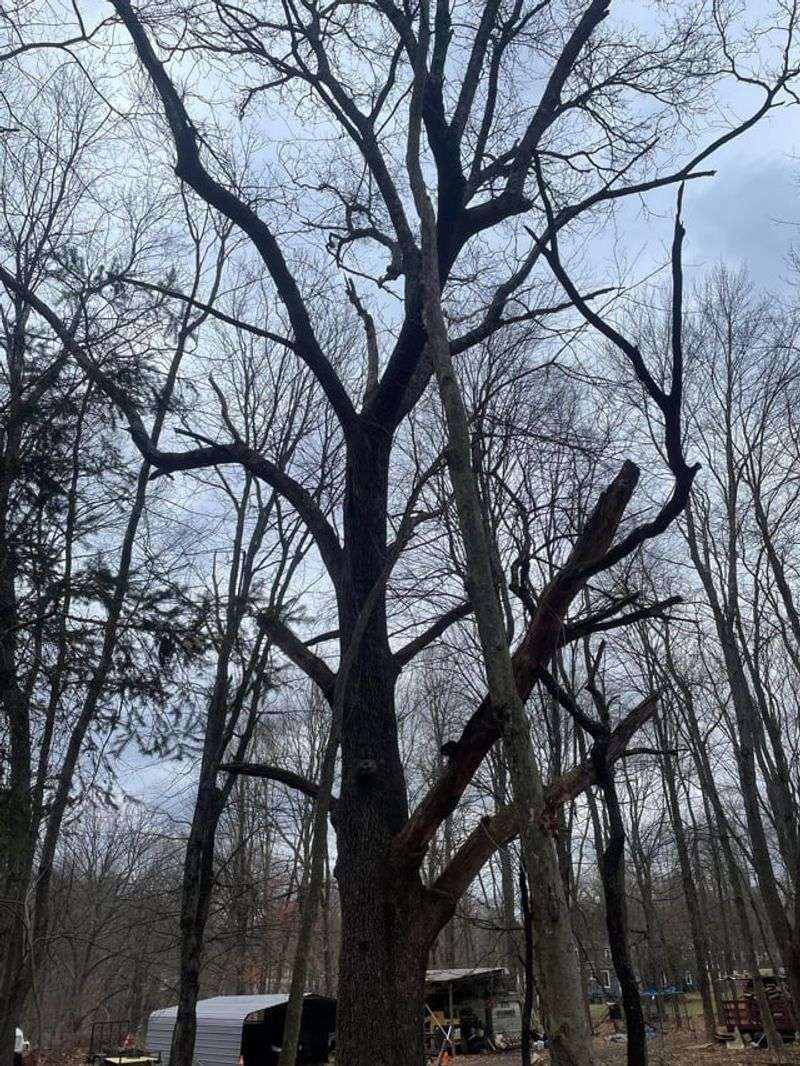
Picture a sunny April weekend, the grill going, and somebody eyeing one low, awkward oak branch. That one single cheerful cut is how a surprising number of Illinois oak wilt cases begin.
April through June sits squarely inside the riskiest stretch of the entire Illinois year. Beetles are flying, sap is running, and the fungus has plenty of easy chances to move.
Storm cleanup crews knocking on doors after a May windstorm can cause very similar problems. Rushed cuts on healthy limbs, made for tidiness rather than real safety, invite trouble.
Another common slip involves nailing signs, hanging swings, or stringing lights onto sturdy oak trunks. Each puncture counts as a wound, even though it looks perfectly harmless to us.
Lawn equipment does damage too, since mower decks and string trimmers scrape bark near the base. Those scuffs stay open for days and smell just as interesting to passing beetles.
If a branch truly must come off during warm months, act within fifteen minutes. Paint the wound right away with pruning sealer, which is the one time sealer truly helps.
Otherwise, write the job on a calendar for December and walk away from the saw. An overgrown branch waiting seven months costs nothing compared with losing the entire mature tree.
Neighbors sometimes need the reminder more than you do, especially newcomers to the rural Midwest. A friendly heads-up over the fence has rescued more oaks than any glossy pamphlet.
Storm Damage, Wound Paint, And Sensible Prevention
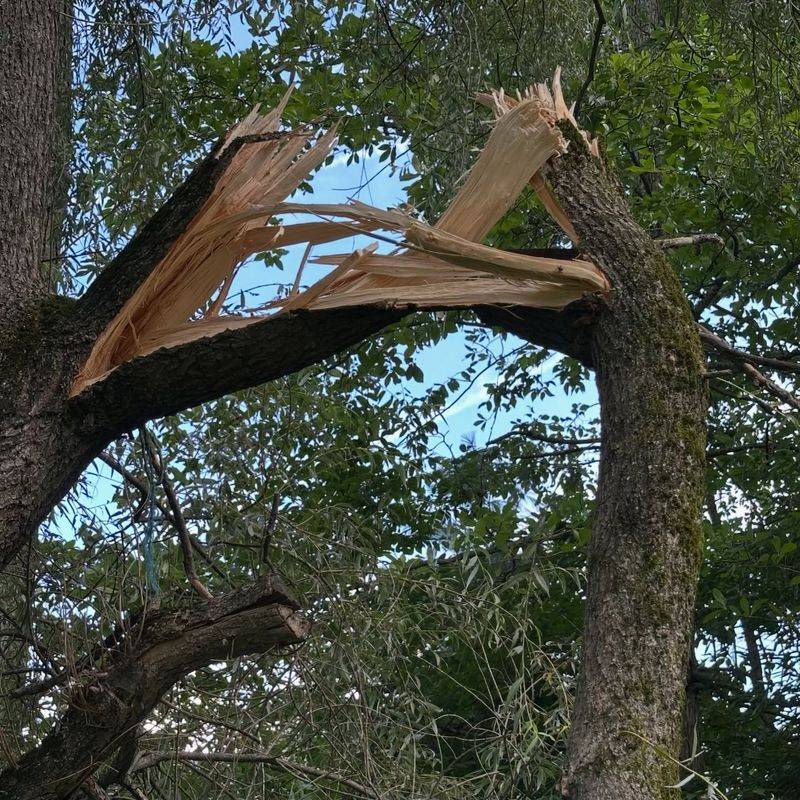
Illinois weather does not read extension bulletins, and a June thunderstorm tears limbs off anyway. When that happens, speed matters far more than patiently waiting for the perfect month.
Clean up the ragged break, then seal the exposed wood right away, ideally within fifteen minutes. Latex paint or commercial pruning sealer both work fine for this one specific emergency situation.
Outside of genuine storm damage, sealer offers no real benefit and can trap moisture instead. Winter cuts heal best when they are simply left alone to close on their own.
Prevention starts with sharp, clean tools that leave smooth cuts rather than ragged, torn bark. Wipe your blades down with isopropyl solution between trees so nothing hitches an unwanted ride.
Keep firewood from an unhealthy oak out of your yard, or cover that pile very tightly. Burn it before spring arrives and the sap beetles wake up hungry all over again.
Watering during dry Illinois summers keeps oaks strong enough to handle minor stress without much struggling. A slow soak under the canopy edge beats a quick sprinkle near the trunk.
Call a certified arborist if you spot sudden browning that spreads through the crown quickly. Early detection sometimes allows root-graft trenching, a technique that protects the healthy neighboring trees nearby.
Oaks in Illinois can outlive several generations of homeowners with reasonable care and a little patience. Respecting one stubborn calendar seems like a small price for a two-hundred-year shade tree.
Certified Arborists Bring More Than Just A Chainsaw
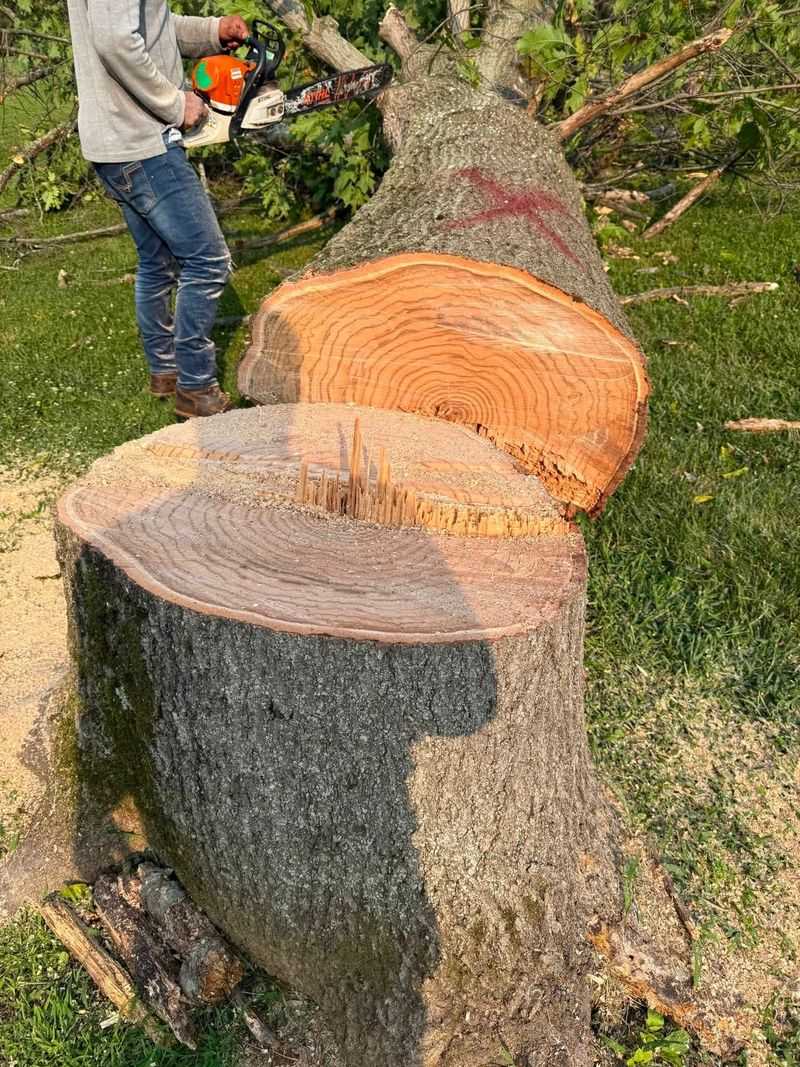
A homeowner with a ladder and a handsaw can trim a low branch just fine. A hundred-year-old oak with heavy limbs over a roofline calls for someone with real training.
Certified arborists carry credentials from the International Society of Arboriculture, which means ongoing exams and continuing education. That background helps them judge which cuts actually protect a tree instead of just shortening it.
Illinois has hundreds of ISA-certified arborists spread across cities and small towns alike. Finding one nearby usually takes nothing more than a quick search through the ISA public directory.
Insurance sets professionals apart from a neighbor with a chainsaw and some free time. A licensed crew carries liability coverage in case a falling limb damages a fence or a car.
Cost naturally rises with a trained crew, though the price reflects real safety equipment and years of practice. Climbing spikes, rigging ropes and bucket trucks are not casual purchases for a weekend project.
Ask any arborist about oak wilt before signing a contract for winter work. A professional who cannot explain the seasonal risk clearly is probably not the right hire for an oak.
Scheduling early matters just as much as picking the right company for the job. Winter slots for oak pruning fill up fast once the ground freezes solid across the county.
Homeowners who wait until February to call around often find every good crew already booked. A phone call now secures a spot before the rush for dormant-season work begins.
Recovery Signs Worth Watching After A Winter Cut
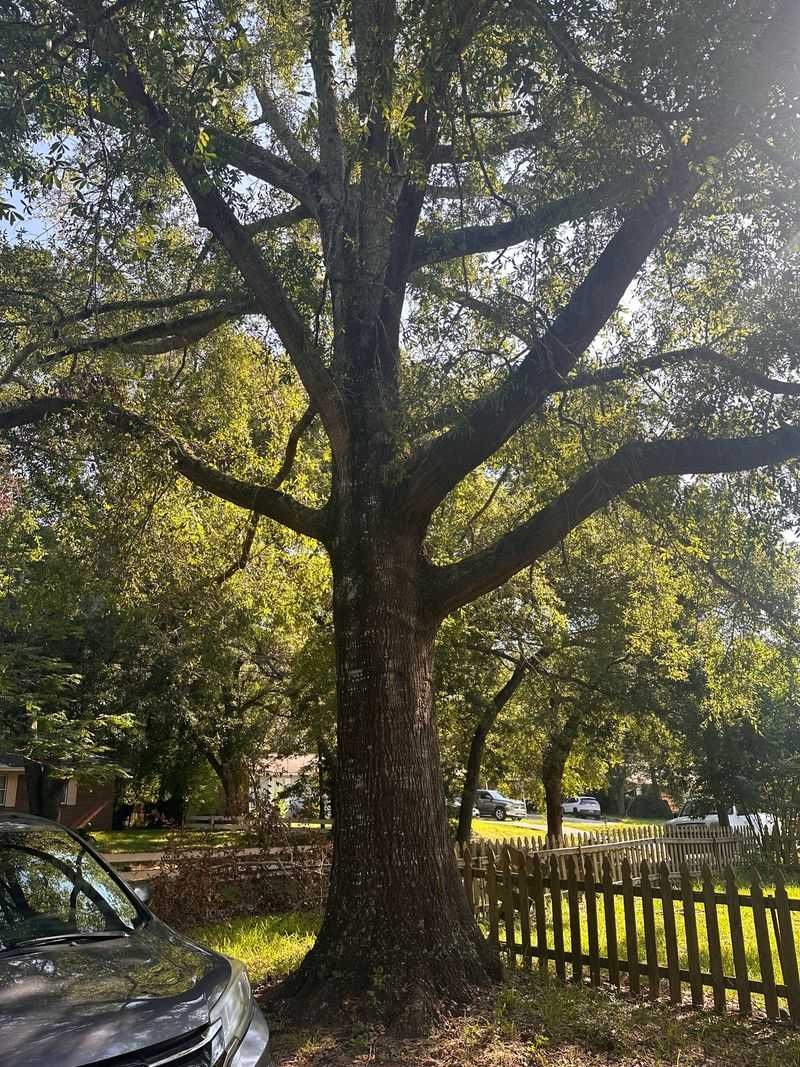
Cutting the right branch on the right day is only half of the job. What happens over the next few seasons decides whether that oak truly benefits from the work.
A ring of mulch spread under the canopy edge helps the roots recover from any nearby soil compaction. Two to three inches is plenty, kept a few inches back from the trunk itself.
Spring brings the real report card for a winter cut. New leaves should fill in evenly around the pruned area within several weeks of budbreak.
Sparse or discolored growth near a cut site is worth a phone call to an arborist. Catching a problem in May beats discovering it after an entire summer has passed.
Watering matters most during the first dry stretch after any major pruning session. A slow, deep soak once a week keeps a stressed tree from struggling through a hot July.
Skip heavy fertilizer right after cutting, since a tree recovering from wounds needs energy for healing first. Extra nitrogen pushes fast new growth that a stressed root system cannot properly support.
Keep an eye on nearby oaks too, especially any connected by root grafts underground. One neighboring tree showing sudden wilting deserves quick attention before the problem spreads further along the row.
A simple photo taken each spring of the same limb makes changes easy to track over the years. That habit turns a single afternoon of cutting into decades of steady, healthy growth.