The Pest Problems Illinois Gardeners Should Handle Before Summer’s End
Your tomatoes were loaded with green fruit back in June. The roses hit their second bloom right on schedule.
Then August showed up. Something started chewing holes through everything you worked for.
This is the moment Illinois gardeners recognize every year. Heat, humidity, and soft new growth turn your backyard into easy pickings for whatever’s hungry.
Bugs that stayed quiet all spring suddenly multiply fast. By the time you notice the trouble, entire plants can already be struggling to bounce back.
Illinois summers give pests exactly what they need to thrive. Your squash, hostas, and vegetable beds are right in the middle of it. Skip the guesswork and start looking closer.
Spotting them early makes all the difference before they spread. And the fixes ahead actually turn things around before fall closes the window for good.
1. Japanese Beetles Chew Through Roses And Grape Leaves
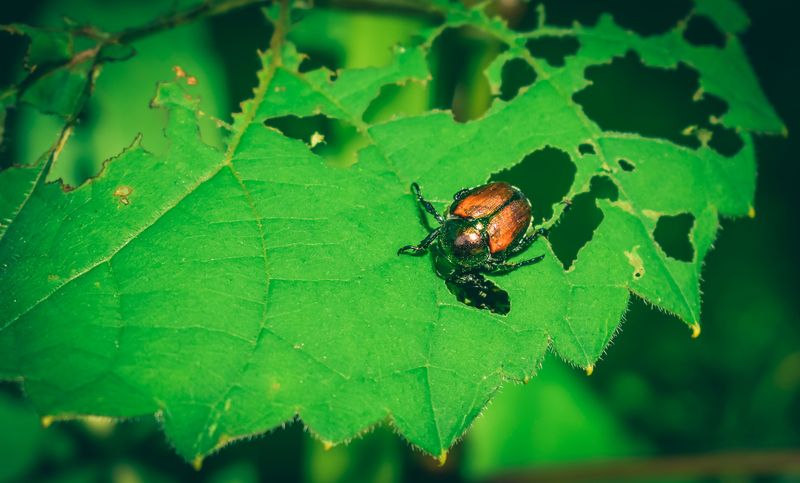
Shiny and copper-winged, Japanese beetles are one of the most persistent pests you’ll deal with all summer. They show up in swarms and eat your roses down to bare stems in a single afternoon.
These beetles skeletonize leaves by eating the soft tissue between the veins. What gets left behind looks like thin, skeletal green lace across the leaf surface.
Roses and grape leaves are their absolute favorites, but they will also hit beans, raspberries, and linden trees. Once one beetle finds a plant, it releases a scent that calls more beetles over.
Hand-picking works surprisingly well for small infestations. Drop them into soapy water in the early morning when they move slowly and are easiest to catch.
Neem oil sprays applied every few days can deter feeding. Products containing spinosad or pyrethrin also help knock back populations without wiping out beneficial insects entirely.
Skip the Japanese beetle traps sold at hardware stores. Research shows those traps actually attract more beetles to your yard than they catch.
Milky spore powder is a long-term organic solution that targets grubs in the soil. It takes a season or two to build up, and it tends to work best in regions with milder winters, so results can vary across Illinois.
Getting ahead of this pest before summer ends protects your perennials heading into fall. Healthy roses and grape vines need their leaves intact to store energy for next spring’s growth.
2. Squash Bugs Cluster Under Leaves Laying Bronze Eggs
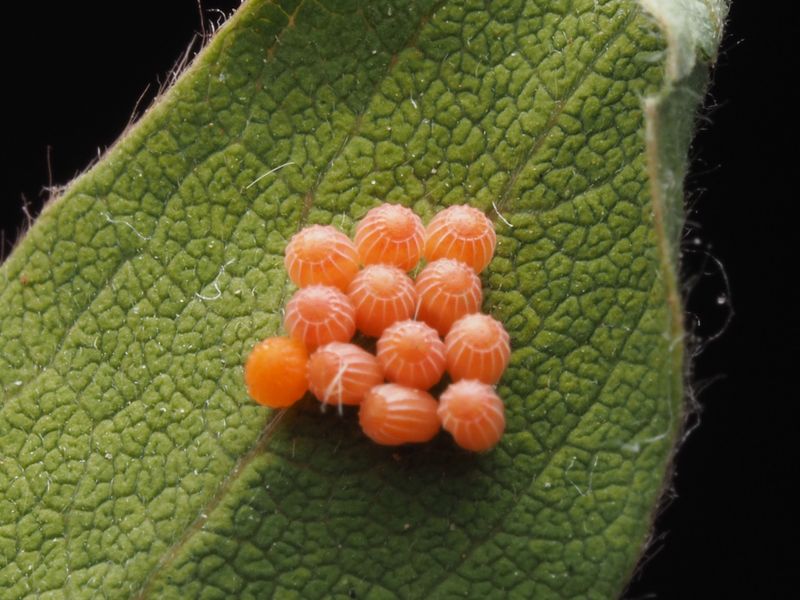
Flip over your squash leaves right now and look closely at the undersides. If you see tight clusters of bronze, oval eggs arranged in neat rows, squash bugs have already moved in.
These flat, gray-brown insects are sneaky. They hide under leaves during the day and feed on plant sap at night, causing wilting that looks like drought stress.
Squash bugs inject a toxin as they feed, which blocks water movement inside the plant. Leaves yellow, then brown, and eventually the whole vine collapses even with regular watering.
The eggs are the easiest stage to manage. Use a piece of tape or your fingers to remove egg clusters from leaf undersides and drop them into a bucket of soapy water.
Your Illinois Garden Changes Every Week. Your Plan Should Too.
Gardening in Illinois changes quickly throughout the season. Every Friday you’ll receive a simple weekly plan showing exactly what to plant, prune, fertilize, harvest, and protect so you never miss the right timing.
Nymphs, which are the young squash bugs, are soft and easier to treat than adults. Catch them early with insecticidal soap spray before their shells harden.
Kaolin clay applied to leaves creates a gritty barrier that makes feeding uncomfortable for adults. Reapply after rain for consistent protection through late summer.
Row covers over young plants can prevent adults from laying eggs in the first place. Remove covers when flowers appear so pollinators can still reach the blooms.
Tackling squash bugs before fall arrives gives your zucchini and pumpkins the best shot at finishing strong. A few minutes of scouting now saves weeks of frustration later.
3. Tomato Hornworms Strip Foliage Overnight
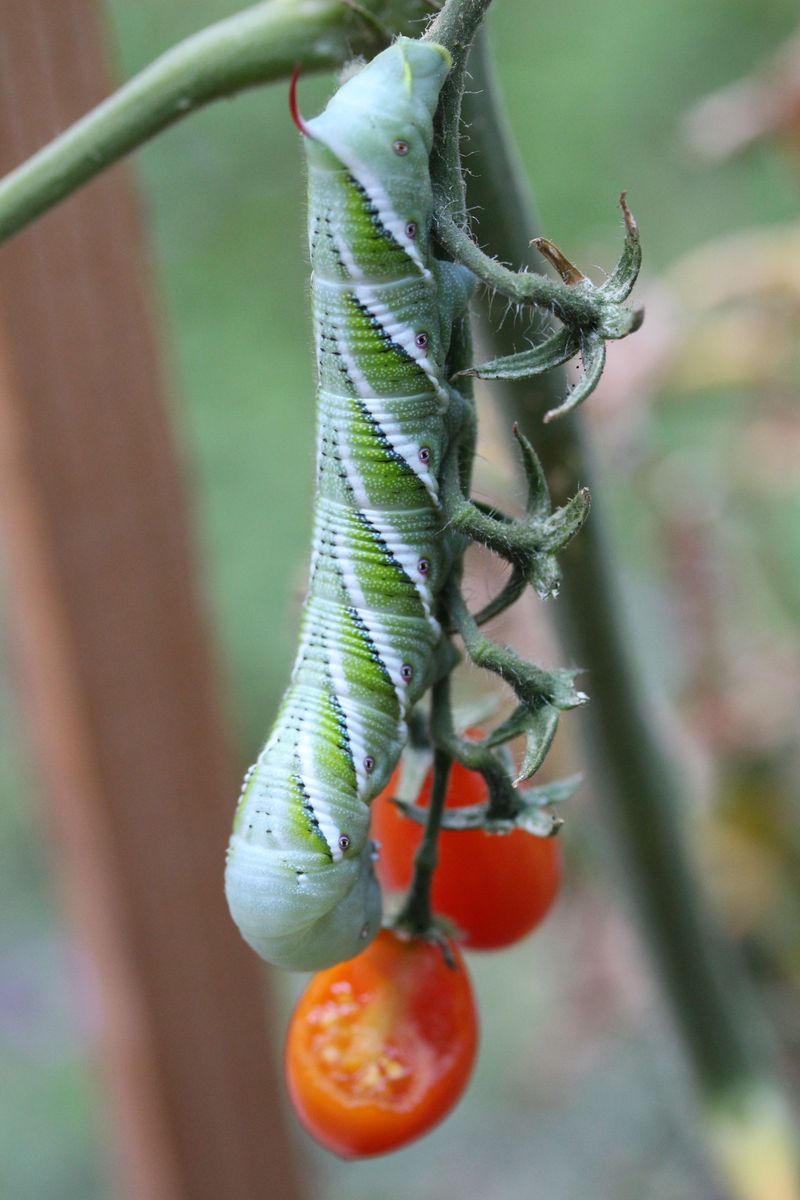
You walk out to your tomato plants one morning and half the foliage is just gone. No warning, no chewing sounds, just bare stems where lush leaves used to be.
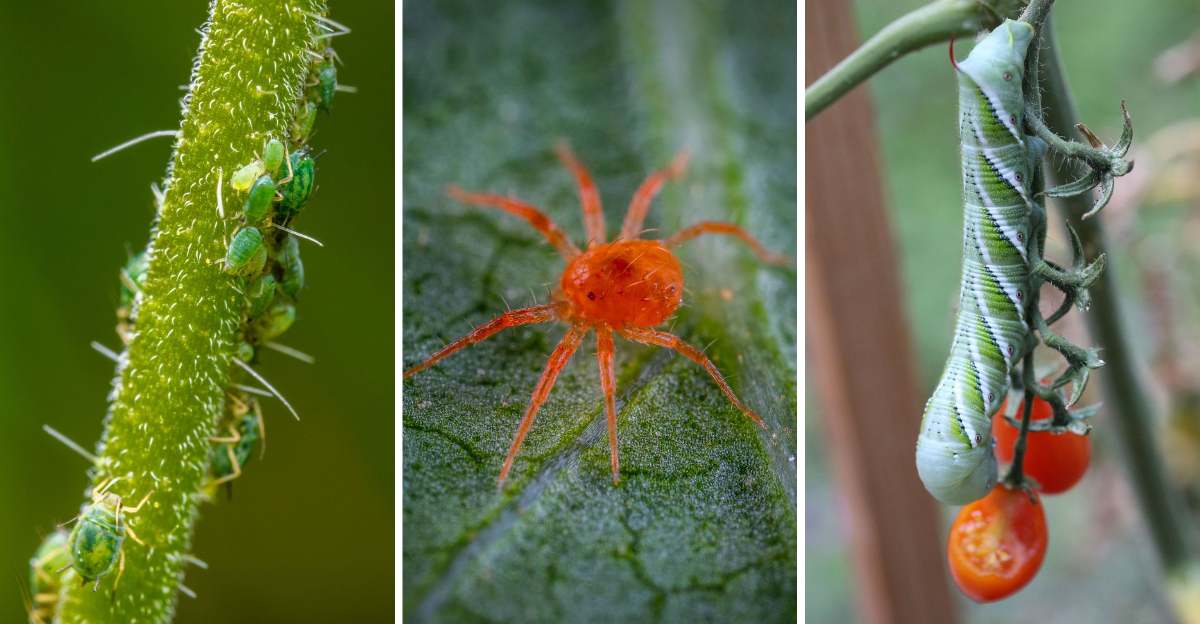
Tomato hornworms are massive green caterpillars that can reach four inches long. Their green color blends so perfectly with tomato foliage that they are almost impossible to spot during the day.
Look for dark green or black droppings on leaves and the soil below plants. Those droppings are your best clue that a hornworm is feeding somewhere above.
Check stems and the undersides of branches carefully, especially near the top of the plant. Hornworms tend to feed near the growing tips first before working their way down.
Hand-picking is the most effective control method. Drop hornworms into soapy water or move them far from your garden if you prefer a gentler approach.
Bacillus thuringiensis, commonly called Bt, is an organic spray that specifically targets caterpillars. Apply it in the evening when hornworms are most active for the best results.
If you spot a hornworm covered in small white rice-like bumps, leave it alone. Those bumps are parasitic wasp eggs, and those wasps will go on to attack future hornworm populations naturally.
Protecting your tomatoes from hornworms before summer ends keeps plants productive well into October. Illinois gardeners who act fast often enjoy fresh tomatoes long after their neighbors have given up.
4. Aphids Cluster On New Growth And Buds
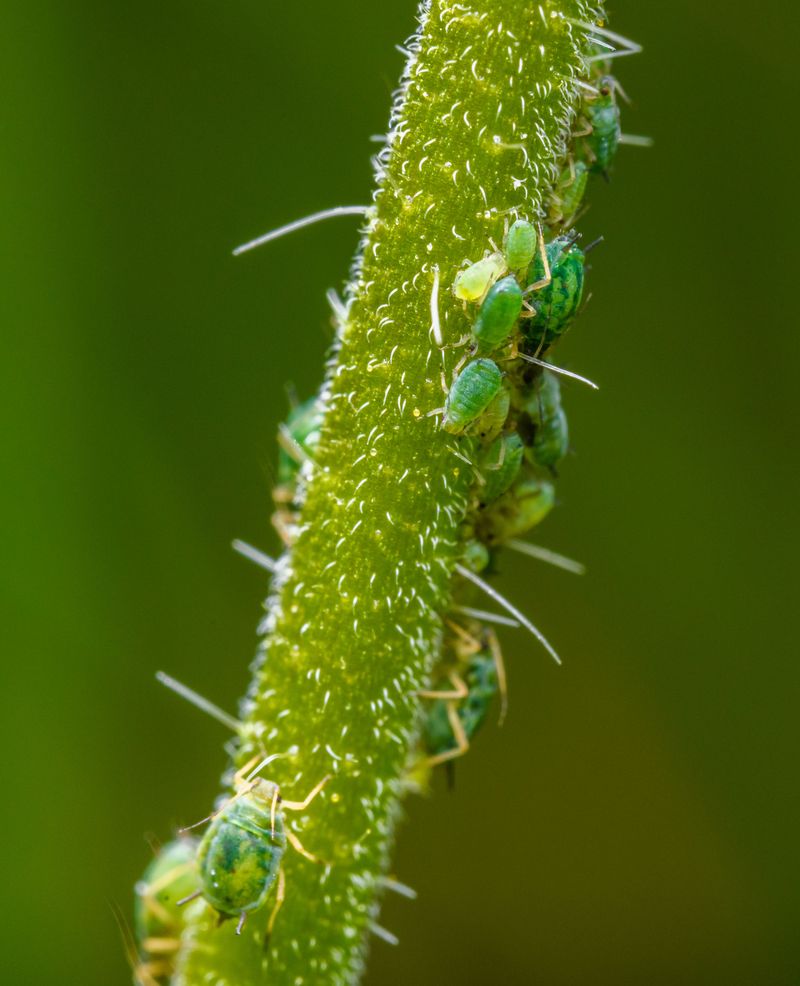
Soft, tiny, and endlessly hungry, aphids are the pests that never seem to take a break. They show up on the most tender, delicious parts of your plants and set up permanent camp.
New growth and flower buds are their favorite targets because the tissue is soft and full of sugary sap. A single aphid can reproduce without mating, which means populations grow fast.
Curling leaves, sticky residue on stems, and stunted new growth are all classic aphid warning signs. That sticky substance is called honeydew, and it encourages a black sooty mold that blocks sunlight from leaves.
A strong blast of water from the garden hose knocks aphids off plants effectively. Repeat every two or three days since new ones keep hatching from eggs still attached to stems.
Insecticidal soap spray smothers soft-bodied insects on contact without leaving harmful residue. Cover the undersides of leaves thoroughly since that is where aphids tend to hide.
Ladybugs and lacewings are natural aphid predators that you can attract by planting dill, fennel, or yarrow nearby. Encouraging these beneficial insects creates a long-term defense system.
Ants actually farm aphids for their honeydew, protecting them from predators. If you see ants climbing your plants, put a sticky barrier around the base of stems to cut off their access.
Handling aphid pressure before fall protects buds that will become next season’s blooms and strengthens plants heading into cooler weather.
5. Spider Mites Thrive In The Summer Heat
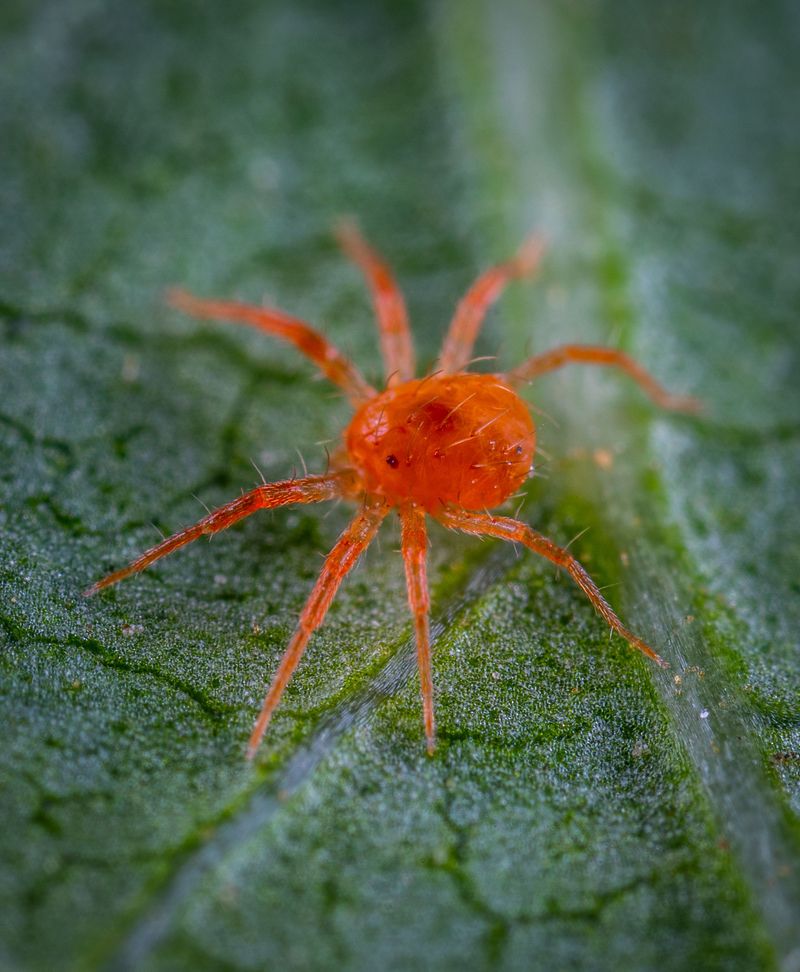
Hot, dry summers are basically a paradise for spider mites. They multiply so fast in high heat that a light infestation can become a serious problem within a week.
Spider mites are not insects, they are actually arachnids related to spiders. They pierce plant cells and suck out the contents, leaving behind a stippled, bronze, or silvery appearance on leaves.
Look for fine webbing on the undersides of leaves and between stems. That webbing is a sure sign a colony has grown large enough to need serious attention.
Hold a white piece of paper under a suspicious leaf and tap the branch sharply. If tiny moving specks fall onto the paper, you have spider mites confirmed.
Water stress makes plants more vulnerable to mite damage. Keeping your garden well-watered during hot spells actually helps plants resist mite feeding more effectively.
Neem oil mixed with water and a few drops of dish soap makes an effective spray. Apply it in the evening to avoid burning leaves in direct afternoon sun.
Predatory mites, available at many garden centers, feed exclusively on pest mites without harming plants. Releasing them during an active infestation can bring numbers down quickly and naturally.
Overhead watering can also help since mites avoid moisture on leaf surfaces. Addressing spider mites before summer ends protects the Illinois pest problems you need to manage for a strong fall garden finish.
6. Cucumber Beetles Spread Bacterial Wilt Fast
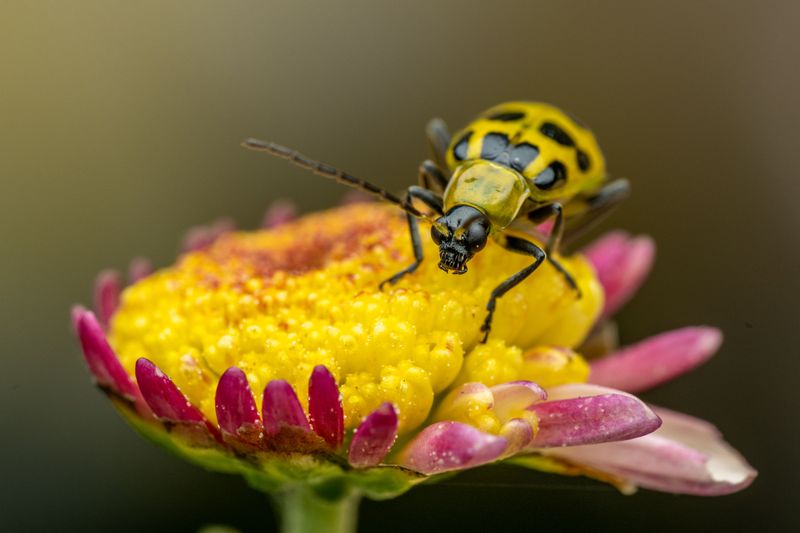
Bright yellow with bold black spots, cucumber beetles look almost cheerful. Do not let the color fool you, because these small beetles carry a bacteria that can wipe out an entire cucumber bed.
Bacterial wilt is the real threat here, not just the feeding damage. The beetles pick up the bacteria from infected plants and spread it to healthy ones as they move through the garden.
Infected plants wilt suddenly and dramatically, even when the soil is moist. Once bacterial wilt takes hold, recovery is extremely unlikely, and the plant should come out immediately to protect neighbors.
A quick test for bacterial wilt: cut a wilted stem and touch the two cut ends together, then slowly pull them apart. If you see thin, thread-like strands stretching between the ends, bacterial wilt is confirmed.
Row covers over young transplants prevent beetles from feeding before plants get established. Remove covers once flowering begins so bees can pollinate the blooms.
Yellow sticky traps placed near cucumber and squash beds catch adult beetles before they reach plants. Check and replace traps every few days for consistent monitoring.
Kaolin clay spray coats leaves and makes feeding uncomfortable for adult beetles. Reapply after every rain event to maintain the protective layer through the rest of the season.
Catching cucumber beetles early is one of the most important pest problems Illinois gardeners face in late summer. Act fast and your fall cucumbers will thank you.
7. Slugs Shred Hostas And Leafy Greens
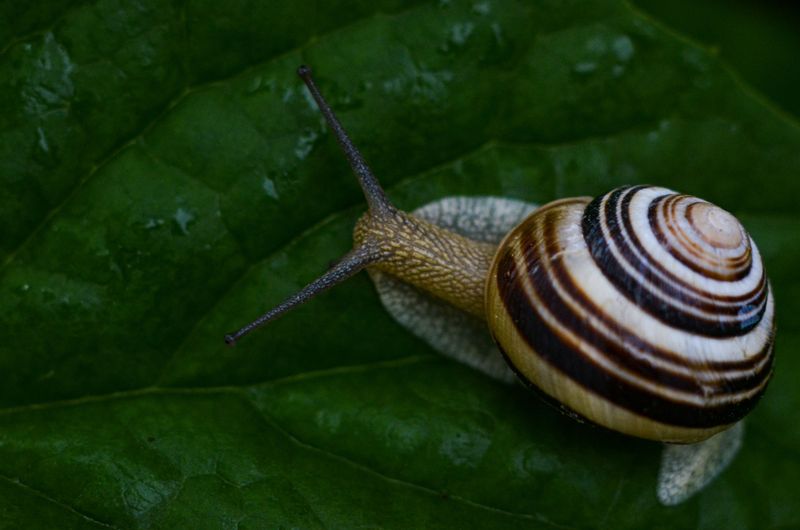
Ragged holes appearing on your hostas overnight with no insect in sight means one thing: slugs. These soft, slimy creatures feed after dark and hide under mulch and debris by day.
Hostas are a slug’s favorite meal in the ornamental garden. Leafy greens like lettuce, spinach, and kale are equally at risk in the vegetable beds as temperatures begin to cool.
Slugs thrive in moist, shaded conditions and become especially active after rain. A wet August in Illinois creates near-perfect conditions for slug populations to surge before fall arrives.
Pull back thick mulch from around plant bases to expose slugs to drying sun. Reducing hiding spots during the day cuts down on the number of slugs surviving to feed at night.
Iron phosphate bait, sold under brand names like Sluggo, is safe around pets, kids, and wildlife. Scatter it around affected plants in the evening when slugs begin their nightly feeding runs.
Copper tape placed around raised beds or containers creates a mild deterrent that slugs avoid crossing. It is not foolproof, but it adds another layer of protection with minimal effort.
Beer traps buried at soil level attract and catch slugs overnight. Empty and refill them every morning for a surprisingly effective and low-cost control method.
Diatomaceous earth sprinkled around plant bases cuts through slug bodies and dehydrates them. Reapply after rain since moisture neutralizes its effectiveness quickly in outdoor settings.
8. Colorado Potato Beetles Devour Potato Foliage Quickly
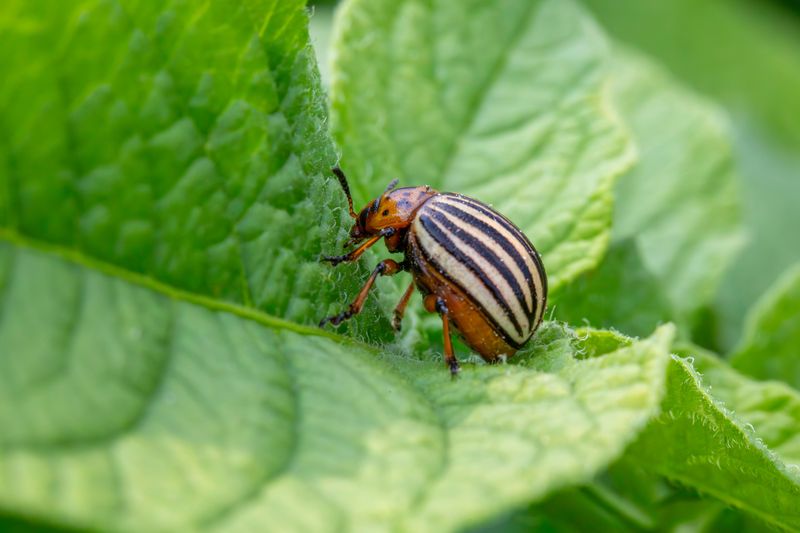
Striped orange and black like a tiny tiger, the Colorado potato beetle is one of the most stubborn pests in the vegetable garden. It has developed resistance to many common pesticides over the decades.
Adults and larvae both feed on foliage, and they are not picky about timing. A medium-sized infestation can strip a potato plant completely bare within just a few days of arriving.
Look for bright orange egg clusters on the undersides of leaves in late summer. Each female can lay several hundred eggs in her lifetime, so catching egg masses early matters enormously.
Crush egg masses by hand as soon as you spot them. This one simple habit, done consistently during garden walks, can prevent a full infestation from ever getting started.
Spinosad-based organic sprays are highly effective against both larvae and adults. Apply in the early morning or evening to protect pollinators that visit your garden during daylight hours.
Neem oil disrupts the feeding and reproductive cycles of beetle larvae. Consistent applications every five to seven days through late summer keep pressure on the population before it rebounds.
Crop rotation is your best long-term defense against Colorado potato beetles. Moving potato plants to a different bed each year prevents beetles from overwintering in the same soil and emerging near their food source.
Handling this pest before fall is one of the most critical Illinois pest problems you can tackle. A clean finish to the season sets up a healthier, stronger garden for next year.