What Your Texas Roses Need After Summer
Texas roses earn their rest after summer. They’ve pushed through months of heat, humidity, and sustained stress that would defeat most flowering plants.
By the time summer eases, most rose bushes are showing exactly what the season asked of them. Spent canes, tired foliage, and a general look of plants that are ready for something to change.
Something does need to change. And what you do right now determines how the fall season unfolds.
Post-summer rose care in Texas is one of the most important windows in the entire rose growing calendar. The decisions made now directly affect fall bloom quality, winter health, and how strongly the plant returns in spring.
Most Texas rose growers either do too much too soon or not enough at the right moment. Here’s exactly what your Texas roses need after summer and why the timing of each step matters.
1. A Good Fall Pruning
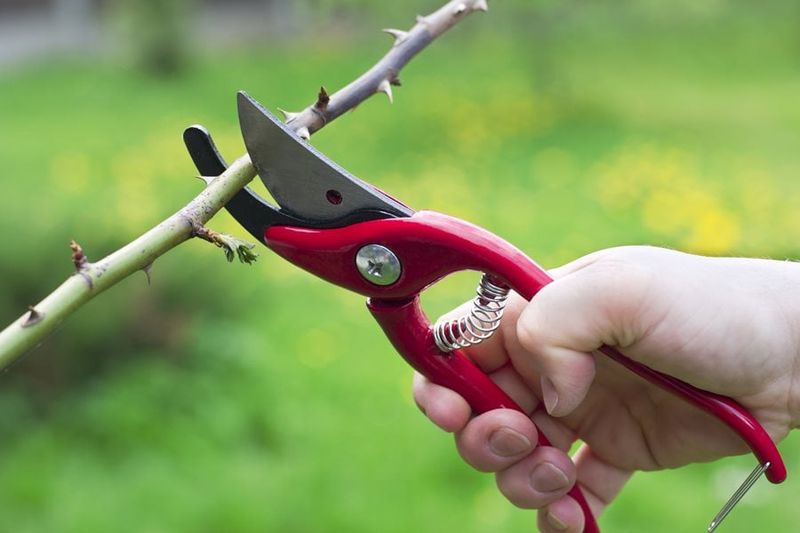
Summer heat leaves rose bushes leggy, with dry tips and crossing branches. A light trim in early fall clears out the mess and tells the plant it is time to grow again.
Grab a clean pair of sharp shears before you start. Cut away any dry or brown canes first, then remove branches that rub against each other. Make your cuts just above a leaf that faces outward, so new growth spreads open instead of crowding the center.
In most parts of Texas, aim to prune in late August or early September. This gives your roses enough time to push out fresh stems and buds before the first cold snap. Do not cut too much, though.
A gentle shaping is all you need in fall, saving the heavy pruning for late winter. Removing spent flowers, called deadheading, also counts here. Snip off faded blooms to encourage the plant to make more instead of forming seed pods.
Wipe your shears with rubbing alcohol between bushes. This stops any sickness from spreading from one plant to the next. It only takes a second and saves you headaches later.
Fun tip: roses often reward a fall trim with their best blooms of the year. The cooler air lets colors stay bright and flowers last longer than they do in July.
After pruning, your bushes may look a little bare, but do not worry. Within a couple of weeks you will spot tiny red buds poking out along the stems, a sure sign your roses are ready for their comeback.
2. A Fresh Layer Of Mulch
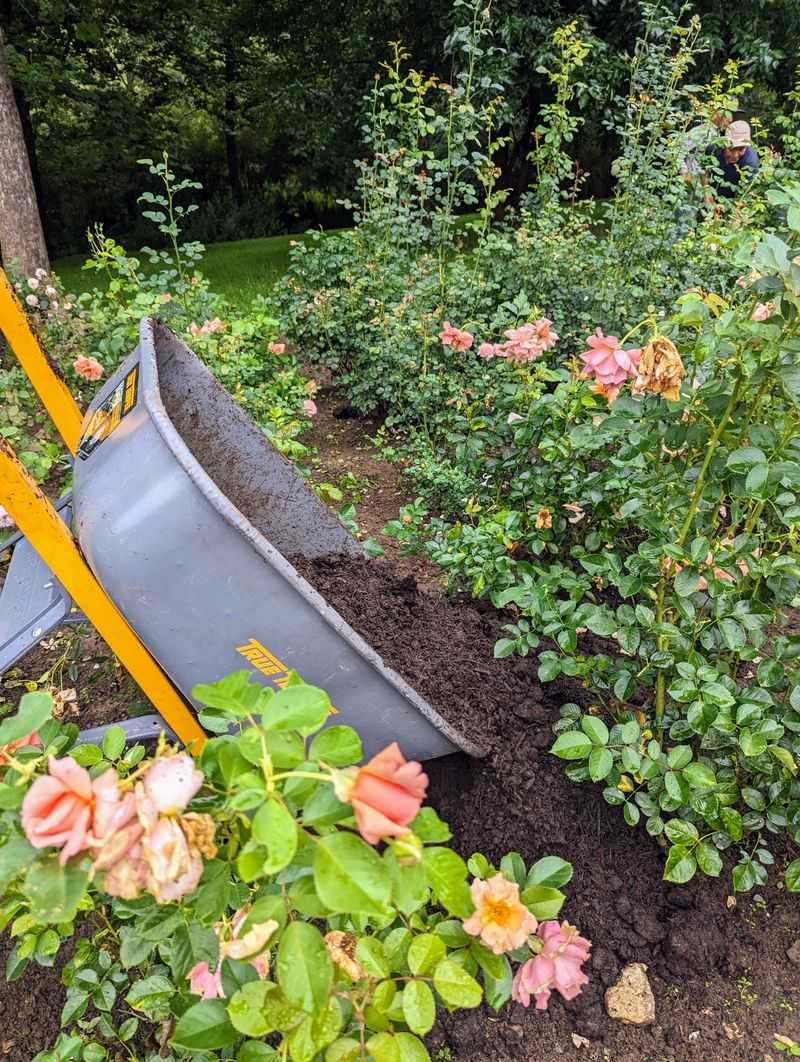
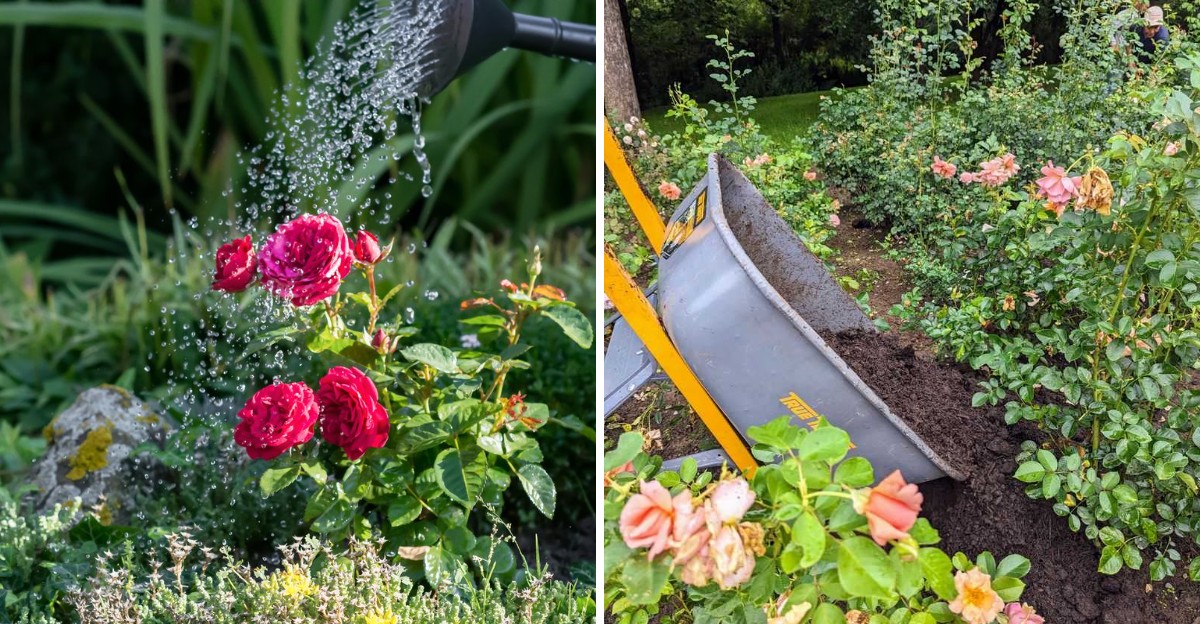
By the end of summer, the mulch around your roses has usually broken down or blown away. Adding a fresh layer works like a cozy blanket for the roots.
Mulch does more than look tidy. It holds moisture in the soil, so your roses stay hydrated even when the ground feels dry. It also keeps weeds from stealing water and food that your bushes need.
Spread two to three inches of shredded bark, pine straw, or compost around each plant. Keep the mulch a few inches away from the main stem, though. Piling it right against the base can trap too much moisture and invite rot.
Your Texas Garden Changes Every Week. Your Plan Should Too.
Gardening in Texas changes quickly throughout the season. Every Friday you’ll receive a simple weekly plan showing exactly what to plant, prune, fertilize, harvest, and protect so you never miss the right timing.
In Texas, mulch also protects roots from wild temperature swings. Fall days can be warm while nights turn chilly, and that stress bothers plants. A good layer keeps the soil steady and comfortable.
Organic mulches slowly break down and feed the soil as they do. That means you are improving your dirt for free every time you add more. Over the seasons, your ground becomes richer and easier for roots to grow in.
Water the area lightly after spreading mulch so it settles into place. This helps it start working right away instead of drifting off with the next gust of wind.
Here is a handy trick: run your mulch layer out to the edge of where the branches reach. That is roughly where most of the feeder roots live, and they will soak up all the benefits.
A little effort now keeps your roses cool, moist, and protected through the changing weather ahead.
3. The Right Amount Of Water
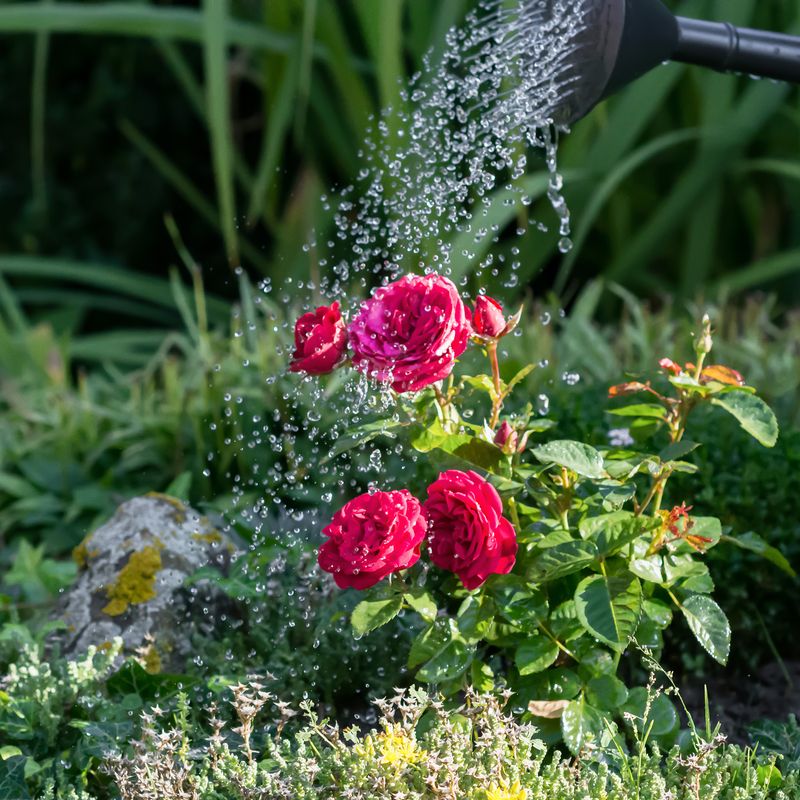
Even as the weather cools, roses still get thirsty. Their roots worked overtime through the summer, and fall is when they rebuild for the next round of blooms.
Deep watering beats quick sprinkles every time. Give your bushes a long, slow drink so the water sinks deep into the soil. This pushes roots to grow downward, where they find steady moisture and stay strong.
Try to water early in the morning. That way the leaves dry off during the day, which cuts down on spots and mildew. Wet leaves at night are an open door for plant sickness.
A soaker hose or drip line works great for roses. It puts water right at the base where it belongs, without splashing the leaves. You save water and keep your plants healthier at the same time.
How often should you water? In fall, twice a week is usually plenty, but check your soil first. Stick a finger a couple inches down.
If it feels dry, it is time to water. If it still feels damp, wait a day or two.
Texas weather can be tricky in fall, swinging from hot afternoons to sudden rainy spells. Pay attention and adjust. There is no need to water after a good soaking rain.
Cut back a bit as real cold weather nears, since plants slow down and need less. But never let the soil bake completely dry. Consistent, deep watering now sets your roses up to burst into color when the temperatures turn just right.
4. A Boost Of Fall Fertilizer
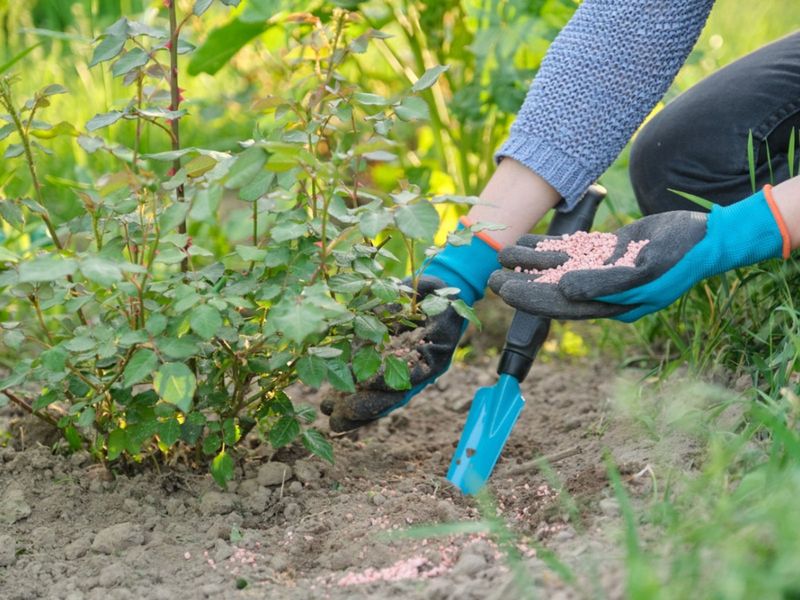
Roses are hungry plants, and a long Texas summer drains their energy. A well-timed feeding in early fall helps them recover and fuel that gorgeous autumn bloom.
Reach for a fertilizer made for roses or a balanced blend. Look at the three numbers on the bag, which stand for nitrogen, phosphorus, and potassium. A mix like 10-10-10 gives your plants a solid, even meal.
Timing matters a lot here. Feed your roses about six to eight weeks before your area’s first expected frost. This gives them time to use the nutrients without pushing tender new growth that cold weather could harm.
Sprinkle the fertilizer around the base, out toward the branch tips, then water it in well. The water carries the food down to the roots where it does the most good. Never toss fertilizer onto dry soil, since that can burn the roots.
Compost is another great choice, especially if you prefer natural options. It feeds gently and improves the soil at the same time. Many Texas gardeners mix compost right into their mulch for a double benefit.
Watch for signs your roses are hungry. Yellowing leaves, weak stems, or few flowers often mean they need a boost. A healthy, well-fed bush shows off deep green leaves and plenty of buds.
Stop feeding once cooler weather sets in for good. Late fertilizer encourages soft growth right when plants should be slowing down and resting. Get the timing right, and your roses will thank you with rich color and strong, sturdy canes heading into the cooler months.
5. Protection From Pests
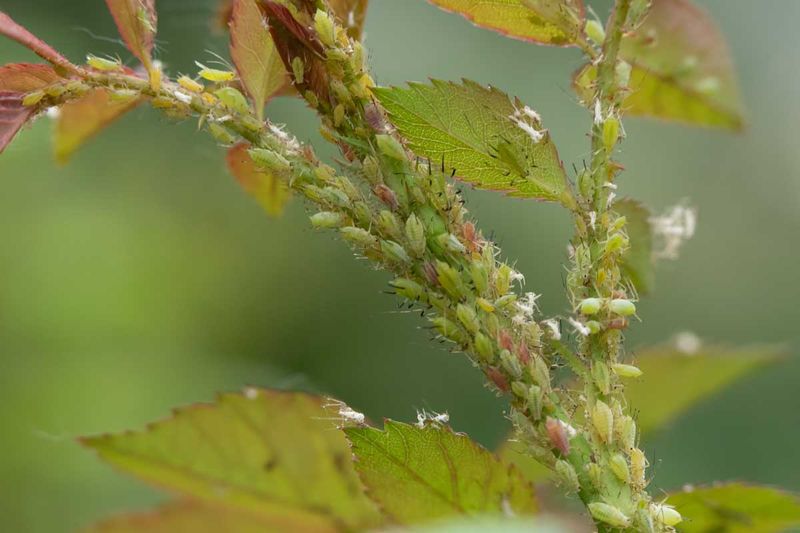
Bugs love roses just as much as we do. After summer, pests like aphids, spider mites, and thrips can still be munching away on tender leaves and buds.
Start by checking your plants closely. Flip over the leaves and peek at new growth, since that is where trouble usually hides. Catching pests early makes them far easier to handle.
A strong blast of water from the hose knocks many bugs right off. For stubborn crawlers like aphids, this simple trick works surprisingly well and costs nothing at all.
Insecticidal soap or neem oil are gentle, effective helpers. Spray them in the early morning or evening, never in the hot midday sun, which can scorch wet leaves. Cover both the tops and bottoms of the leaves for the best results.
Good bugs can be your allies too. Ladybugs and lacewings feast on aphids, so try not to spray so much that you scare off these helpful visitors. A balanced garden takes care of a lot of problems on its own.
Keep the ground around your roses clean. Fallen leaves and old petals give pests and disease a place to hide and spread. Rake them up and toss them in the trash, not the compost pile.
Watch out for spider mites during dry spells, since they thrive in dusty, hot conditions. Tiny webs under the leaves are a telltale sign. A regular rinse keeps them from settling in.
Staying alert now means fewer headaches later. Healthy roses can fight off bugs better, so all your other fall care pays off here too, keeping your bushes strong and beautiful.
6. Clean Leaves And Disease Control
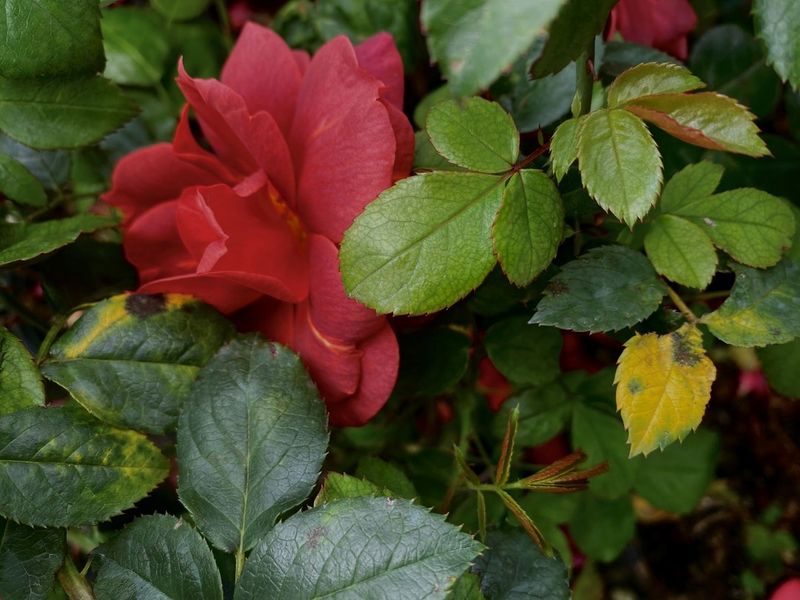
Humid Texas air combined with summer stress often leaves roses battling leaf problems. Black spot and powdery mildew are the usual troublemakers, and fall is the time to clean them up.
Look for leaves with dark spots or a dusty white coating. These are signs of fungal trouble that spreads fast if you ignore it. Removing sick leaves right away slows the problem down.
Pick off any affected leaves and toss them in the trash. Do not leave them lying on the ground, and skip the compost bin, since the fungus can survive and come back later.
Good airflow helps a ton. When your bushes are too crowded, damp air gets trapped and disease loves that. Thinning out the center during pruning lets breezes move through and dry the leaves.
Watering at the base instead of overhead keeps leaves dry, which cuts off the moisture fungus needs to grow. This small change makes a big difference over time.
If problems keep coming back, a fungicide made for roses can help. Follow the label directions carefully and spray on a calm, dry day. Prevention beats treatment, so start before things get bad.
Some rose varieties naturally resist disease better than others. If you plan to add new plants, ask your local nursery about tough Texas-friendly types that shrug off common fungal issues.
Clean up the whole garden bed while you are at it. Clearing old debris removes hiding spots for spores waiting to strike. A tidy, breezy, well-watered rose bush stands the best chance of staying green, healthy, and covered in blooms through fall.
7. Prep For Cooler Weather

Texas winters are usually mild, but sudden cold snaps do happen. Getting your roses ready now means they will sail through chilly nights without missing a beat.
Building up soil around the base gives roots extra warmth. Mound a few inches of compost or mulch over the crown, which is where the stems meet the roots. This spot needs the most protection.
Ease off on fertilizer as the season winds down. You want your roses to slow their growth naturally and settle in for a rest, not push out soft new shoots that cold weather could nip.
Keep watering, though, even in cooler months. Roots that stay hydrated handle cold much better than dry ones. Just water on warmer days when the ground is not frozen.
If a hard freeze is coming, cover your bushes with a light cloth or frost blanket overnight. Old sheets work fine in a pinch. Remove the cover in the morning so the plant gets sunlight and air.
Container roses need extra attention since their roots sit closer to the cold. Move pots near a wall or into a garage when a big freeze rolls through. That little bit of shelter goes a long way.
Take a moment to clean and store your tools too. A tidy, sharp set of shears makes next season’s work easier and keeps disease from spreading.
Doing these simple steps now sets your roses up for a strong start next spring. With their roots snug and their energy stored, your bushes will wake up ready to fill your Texas garden with color once again.