Why Bluebirds Start Gathering Around Arizona Yards As The Heat Breaks This Fall
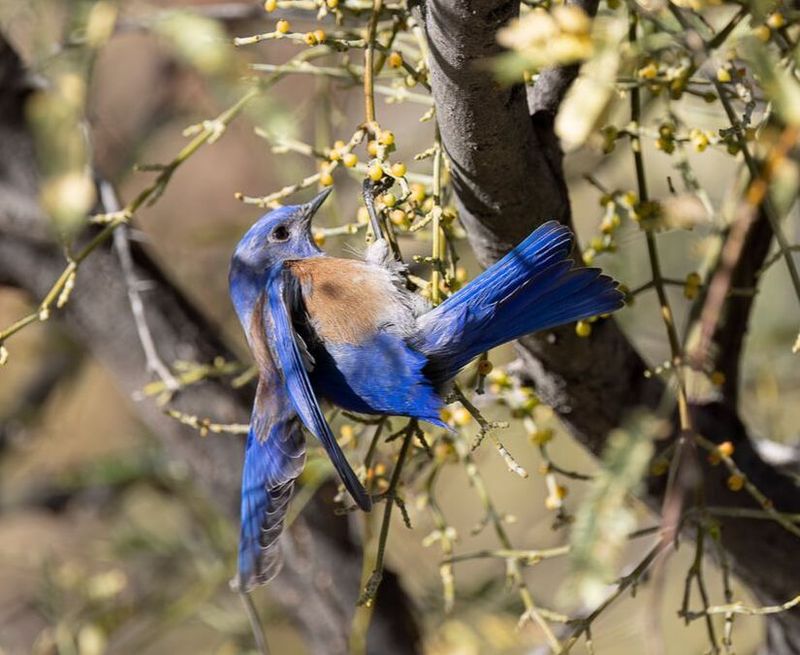
Every fall, some Arizona homeowners start noticing small, colorful birds perching on fences or foraging across open patches of yard, and many wonder if the cooling weather brought them in. The truth is a bit more interesting than that.
Bluebird sightings in low-desert yards tend to reflect a mix of elevation shifts, food availability, and seasonal movement patterns that cooler temperatures may coincide with but do not fully explain. Understanding what actually draws these birds, and which species you might realistically see, can help you set up your yard to be genuinely useful to them.
Fall visibility reflects movement, not just cooler weather
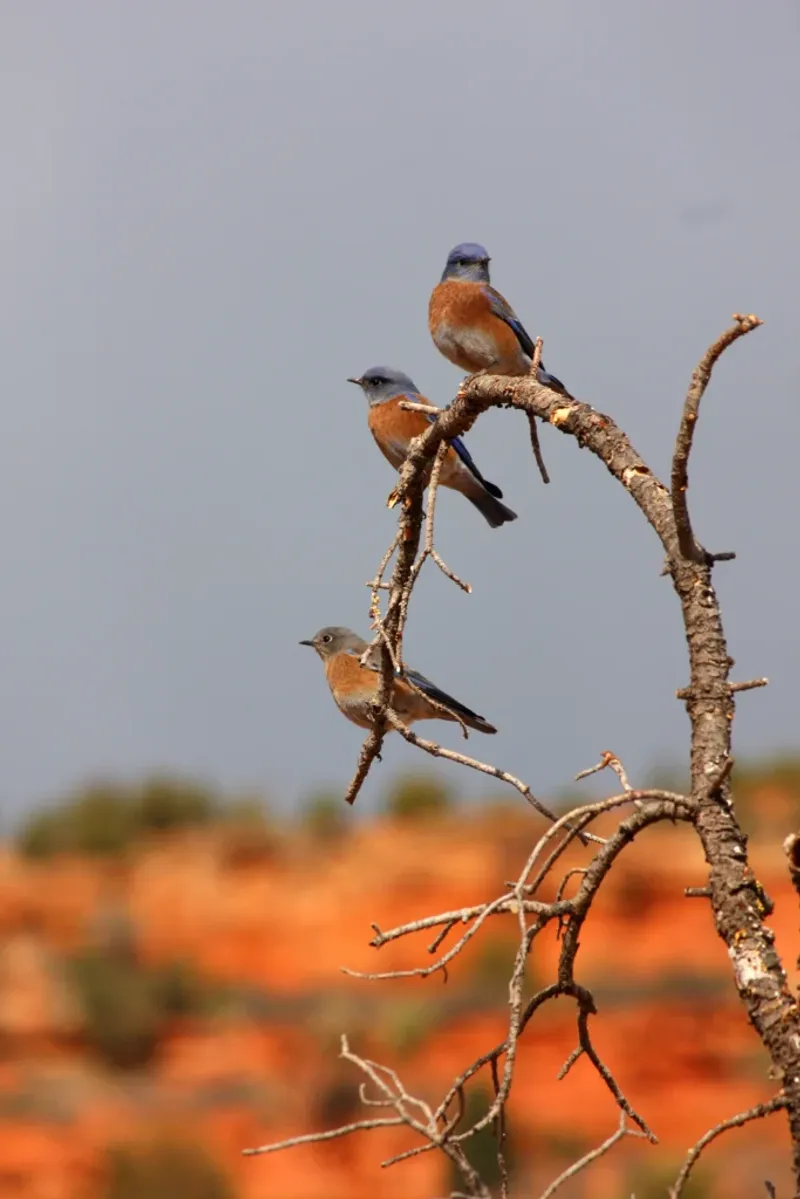
When September and October roll around in Arizona, some yards do start seeing bluebirds show up where none were visible all summer. The reason has less to do with the thermometer dropping and more to do with what these birds are doing ecologically at this time of year.
Some Western Bluebirds that spent the warmer months breeding at higher elevations begin moving downslope or southward as fall progresses, making them visible in lower-elevation areas, including desert-adjacent neighborhoods, for the first time since spring.
In the Huachuca Mountains, for example, Western Bluebirds have been documented moving to lower elevations as early as mid-August, well before the desert heat fully breaks. Cooler weather and bluebird sightings can happen at the same time, but one does not cause the other.
Cornell Lab notes that birds from the interior West may begin appearing in Arizona and nearby regions broadly in October and November, though that window shifts depending on elevation, food crops, and the specific year. Resident birds, post-breeding family groups, and nomadic flocks following fruiting resources also contribute to fall activity.
Not every Arizona yard will see this uptick, and those that do may host birds for only a short stretch before they move on to the next food source.
Arizona hosts three bluebird species or forms
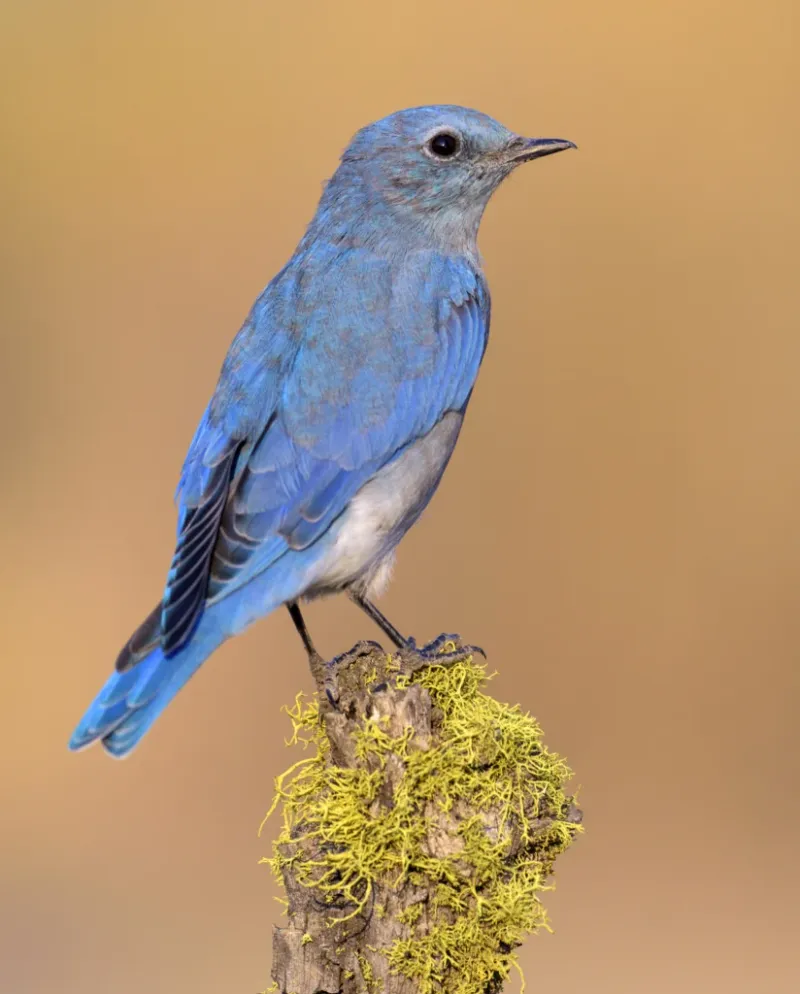
Not every bluebird spotted in Arizona belongs to the same species, and the differences matter when you are trying to understand what your yard might realistically attract.
Western Bluebirds are the most broadly relevant species for low-desert Arizona homeowners. They use open woodlands, mesquite stands, woodland edges, and desert-adjacent areas, and they form small flocks outside the breeding season.
Mountain Bluebirds also winter in Arizona, but they tend to favor meadows, grasslands, agricultural fields, and pinyon-juniper or oak-juniper settings. Cornell’s life history account makes clear that Mountain Bluebirds generally avoid the most intensely arid desert habitats, which means a densely landscaped Phoenix neighborhood is not their most likely destination.
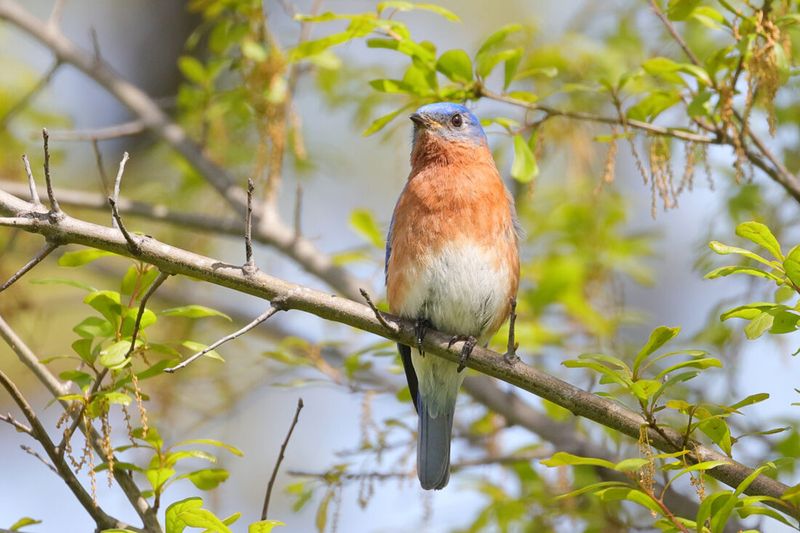
Eastern Bluebirds are the third species on the Arizona list, and this is where some confusion arises. The Azure Bluebird, associated especially with southeastern Arizona’s oak-grassland and sky-island habitats, is a form or subspecies of the Eastern Bluebird, not a fourth separate species.
Referring to it as the Azure form of the Eastern Bluebird keeps the identification accurate. A bluebird seen near Tucson or Phoenix cannot be identified by location alone.
Your Arizona Garden Changes Every Week. Your Plan Should Too.
Gardening in Arizona changes quickly throughout the season. Every Friday you’ll receive a simple weekly plan showing exactly what to plant, prune, fertilize, harvest, and protect so you never miss the right timing.
Plumage details, habitat context, and behavior all matter, and a quick check against a reliable field guide or birding app will help you confirm what you are actually looking at before assuming species.
Build the habitat bluebirds actually use
Western Bluebirds shift their diet significantly between seasons. During summer, insects make up the bulk of what they eat, but by fall and winter, fruits and berries become central to their survival.
Documented food sources include juniper berries, mistletoe berries, wild grapes, elderberry, serviceberry, and sumac.
Translating that biology into yard design starts with structure rather than ornamental plantings. Open ground or short vegetation gives bluebirds room to spot and chase insects on the surface.
Scattered perches, whether fence posts, low branches, or simple wooden stakes, let birds scan for prey from above. Shrubs and trees provide cover from predators and a place to rest between foraging bouts.
Where locally appropriate and water-wise, adding fruiting shrubs that produce small berries gives visiting birds a reason to linger.
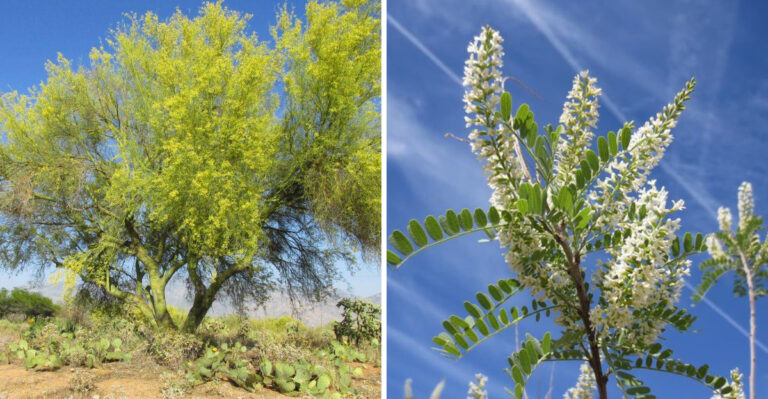
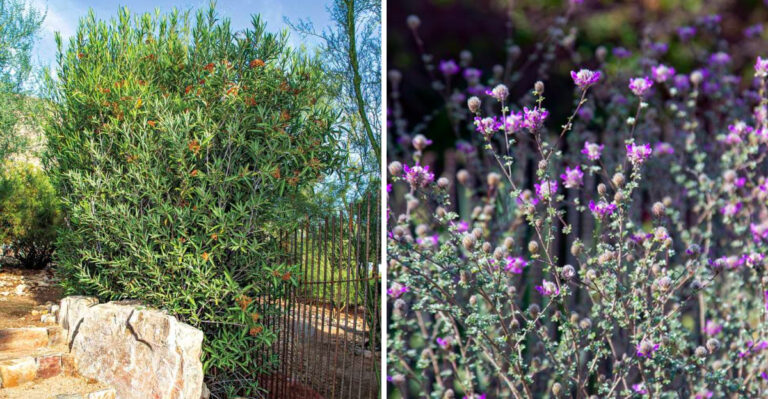
Mesquite and palo verde are worth keeping or planting for their broader habitat value, offering structure, shade, and insect communities that support birds generally. However, desert willow, penstemon, agave, and palo verde should not be labeled as proven direct bluebird attractants, because the clearest evidence for bluebird food in Arizona points specifically to juniper, mistletoe berries, and other small fruits.
Supporting those fruiting resources where they fit your yard’s conditions is a more targeted step than replanting around species that may or may not bring bluebirds closer.
Use desert-adapted plants and healthy mistletoe carefully
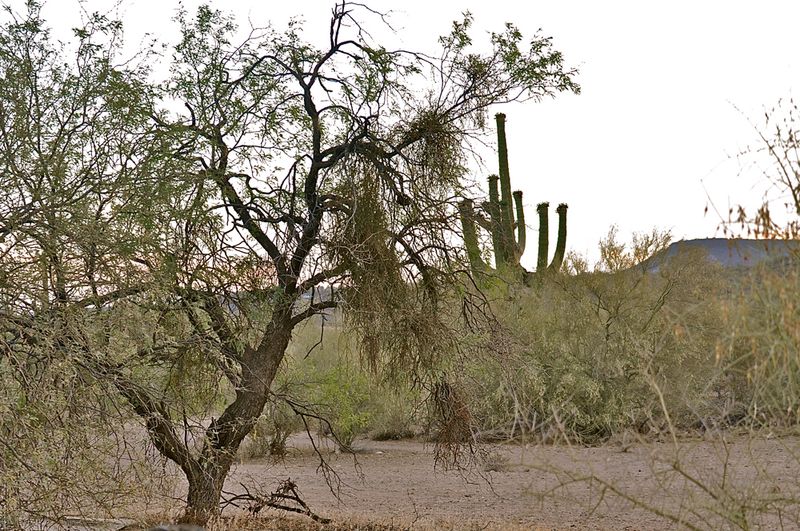
Mesquite and palo verde are foundational trees in low-desert Arizona yards, and both earn their place on habitat value alone. Mesquite in particular provides canopy structure, insect communities, and seasonal shade that benefit a wide range of wildlife.
Mistletoe is worth understanding carefully. It does produce berries that birds eat, and tolerating a modest, healthy infestation on a mature mesquite can genuinely support wildlife.
At the same time, mistletoe is a parasitic plant, and heavy infestations can weaken or structurally compromise a tree over time. The practical approach is to allow limited mistletoe growth where the host tree is healthy and the infestation is minor, while managing or removing it when it becomes dense or the tree shows signs of stress.
Deliberately spreading mistletoe to other trees is not recommended.
For shrubs and understory plants, focus on species that provide cover, structure, and fruiting resources appropriate to your elevation and water budget. A yard does not need to become a botanical collection to be useful to bluebirds.
Even modest improvements, retaining existing woody structure, limiting bare concrete, and keeping some open ground near perching spots, can make a yard more functional for birds passing through than a densely planted space with no foraging room.
Offer water and mealworms only with a maintenance plan
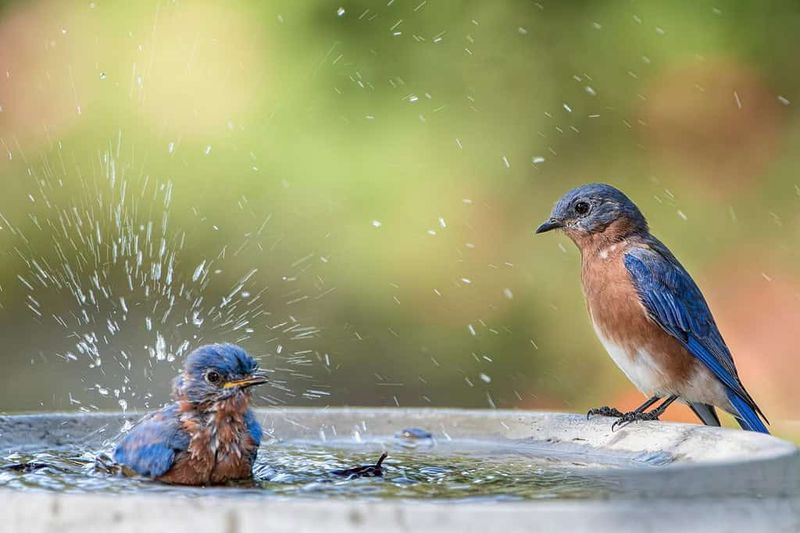
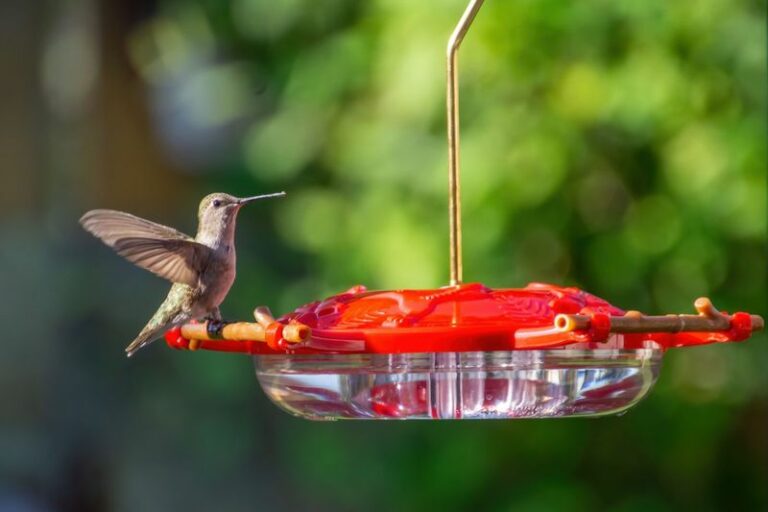
Water is one of the most reliably useful things a low-desert yard can offer any wild bird, including bluebirds passing through in fall and winter. A shallow birdbath or water dish works well when placed in an open location where birds can see approaching predators from all sides.
Depth matters too: bluebirds prefer water that is no more than a couple of inches deep, so a gently sloping basin or a dish with a textured bottom gives them confidence to land and drink.
A separate Arizona backyard bird guide recommends dumping and refilling water every day. When your schedule allows, the daily practice is the safer habit, especially during warm stretches when water can become stagnant quickly.
Adding a small dripper or fountain may make the birdbath easier for passing birds to detect by sound and movement, but moving water does not replace scrubbing or eliminate the need to remove other standing water nearby that could support mosquito breeding.
Mealworms are a genuinely useful supplemental food for Western Bluebirds, which are primarily insectivorous and will visit feeders stocked with fresh or dried mealworms. Treat them as an optional add-on, not a substitute for habitat.
Offer mealworms in a shallow dish that is easy to clean, keep portions modest to limit crowding, and remove uneaten mealworms before they attract rodents or other unwanted visitors. Habitat improvements remain the more durable foundation, because a yard that offers structure, cover, and fruiting resources can support birds even when no one is home to refill a feeder.
Reduce hazards before you attract more birds
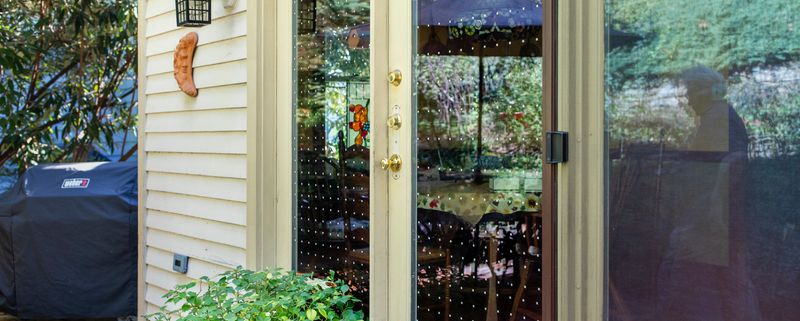
Attracting more birds to a yard also means taking responsibility for the hazards that come with it. Routine broad-spectrum pesticide applications can reduce the insect populations that bluebirds depend on for food, particularly during the warmer months when insects make up the core of their diet.
Feeders and birdbaths bring birds into closer contact with each other and with your property, which raises the risk of disease transmission, rodent activity, and conflicts with cats or other predators. Arizona Game and Fish encourages residents to be thoughtful about wildlife attractants, and some city or county ordinances treat supplemental bird feeding differently than others.
Checking your local rules before setting up a feeding station is a straightforward step that can prevent problems later.
Window collisions are a real and preventable hazard. Birds drawn to fruiting plants, water, or feeders near a home will sometimes fly toward reflective glass.
The U.S. Fish and Wildlife Service recommends making problem windows visible from the outside using exterior patterns, screens, films, decals spaced no more than two inches apart, or similar treatments.
Interior curtains or blinds alone are not effective because the exterior reflection is what birds respond to. Finally, nest boxes are worth mentioning only to set realistic expectations: they support cavity-nesting during the breeding season and are not a reliable tool for attracting fall or winter flocks, which respond primarily to food, water, open foraging space, and existing cover rather than an empty box.
Let seasonal visitors remain wild and unpredictable
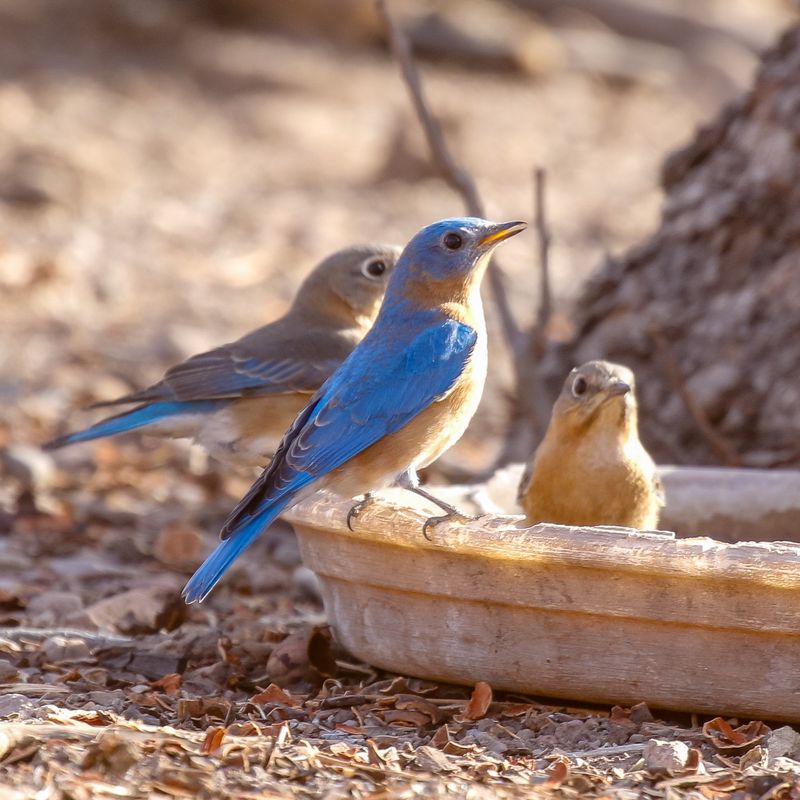
A group of bluebirds moving through your yard in October or November may represent any number of things: a post-breeding family group still traveling together, a small flock making a short elevation shift, birds passing through on a longer migration, or a nomadic cluster following a fruiting resource that happened to include your block this year. None of those scenarios guarantees the birds will stay, and none of them means your yard has become a permanent colony site.
The most practical approach is to build habitat first, add carefully maintained water if your schedule allows for consistent upkeep, treat mealworms as optional rather than essential, protect collision-prone windows before you bring more birds close to the glass, and then pay attention to which species actually use what you have built. Your elevation, the surrounding vegetation, and the food resources nearby will shape which birds show up more than any single yard feature.
A yard that offers open foraging ground, a few good perches, some shrubby cover, and clean water becomes useful to a wide range of seasonal wildlife regardless of whether bluebirds happen to pass through in any given year. The birds that do visit, whatever species they turn out to be, are telling you something real about your local habitat.
That information is worth more than a flock that appears once and moves on.