The Shade-Loving California Groundcovers That Replace Ivy Safely
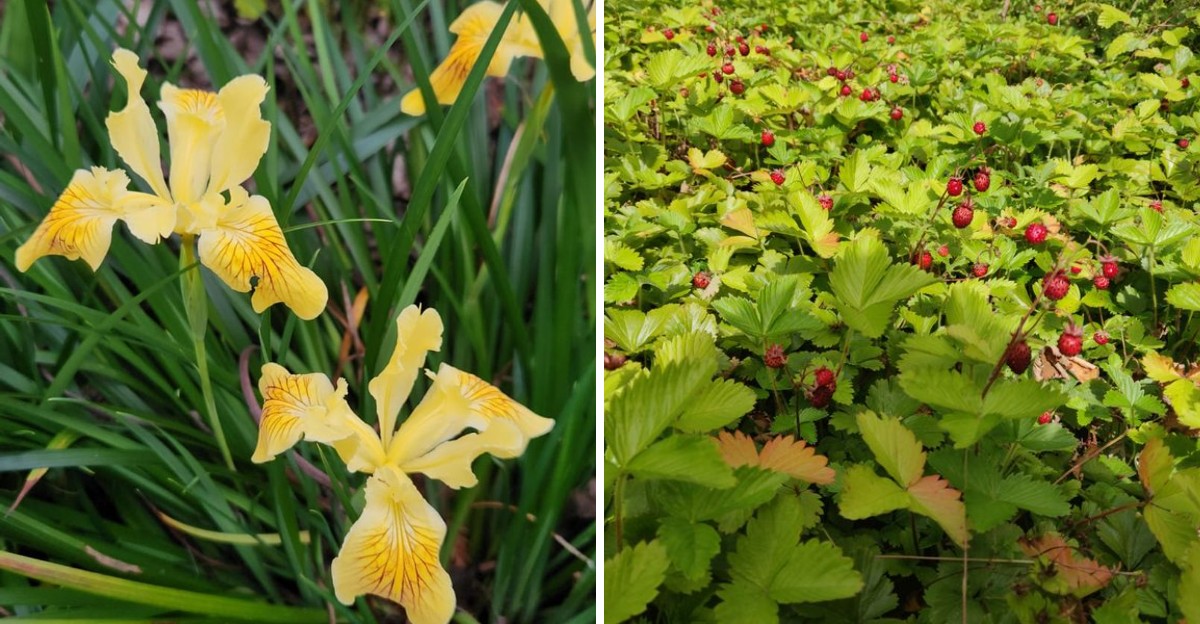
Behind a garage in a shady Bay Area backyard, a homeowner tore out English ivy back in 2019, and the glossy green vines are still climbing the fence today.
That stubborn corner is a familiar story across California, where ivy refuses to quit and keeps creeping toward creeks, oak woodlands, and open space.
The California Invasive Plant Council lists English ivy as an invasive plant here, which makes replacing it a conservation choice rather than a decorating whim.
Most homeowners assume shade means limited options. Ivy, periwinkle, maybe a patch of tired pachysandra, and not much else worth considering.
That assumption skips over a whole lineup of native groundcovers built for exactly this kind of dim, dry corner.
Stick around, because the shady ground behind your garage has plenty of options that stay put, feed local wildlife, and look far more interesting than a wall of sameness ever could.
1. English Ivy Is Officially Invasive Here
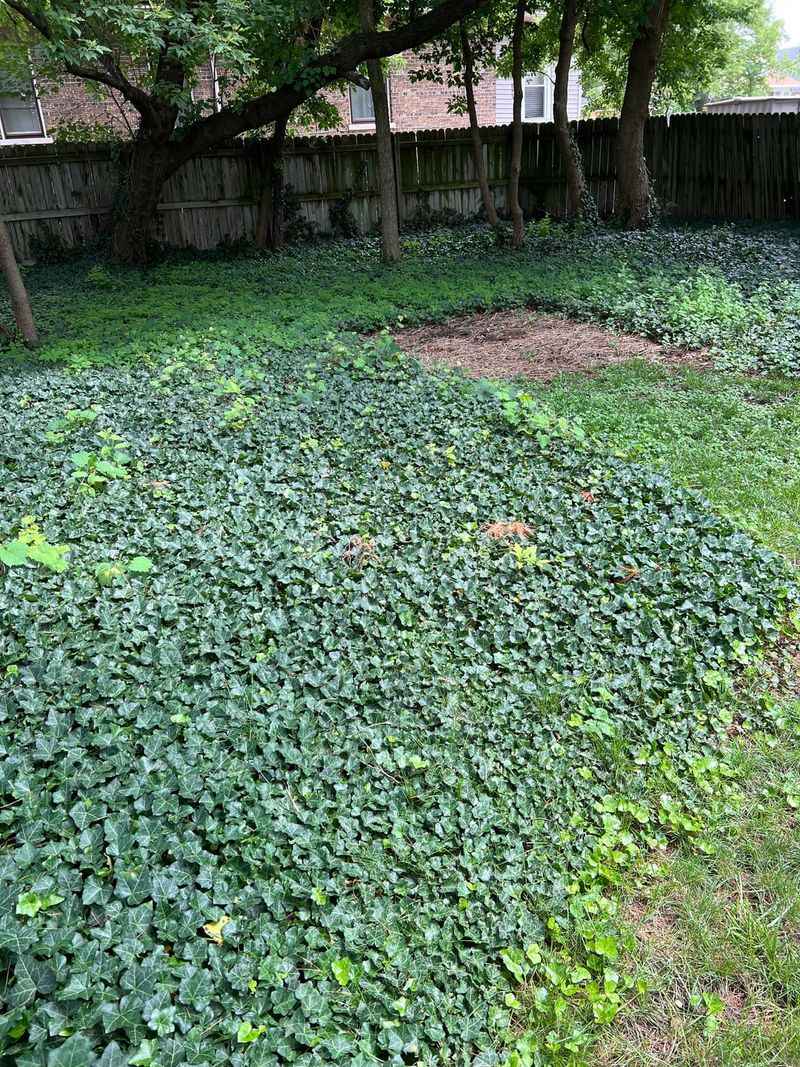
Start with the part most garden centers skip: the California Invasive Plant Council formally lists English ivy as an invasive plant in the state.
That rating is not about looks or taste. It reflects documented evidence that ivy escapes from yards and moves into wildland areas.
How does a tidy groundcover turn into a problem?
Birds eat the berries from mature, climbing ivy and drop seeds far from the original planting. Broken stem pieces also root easily in compost piles, green waste, and creek banks.
Once ivy settles into a woodland, it forms thick mats that block sunlight from reaching seedlings of native wildflowers, ferns, and shrubs.
Cal-IPC and UC ANR materials describe this smothering effect as the main ecological harm, since the understory simply stops regenerating.
Climbing ivy adds another layer of trouble.
The weight of heavy vines can stress trees, and the dense growth makes it harder to spot damage or decay in the trunk.
Removal takes patience rather than one weekend.
Cut climbing stems at the base of trees, pull rooted runners with as much root as you can manage, and bag the material instead of composting it.
Then watch that ground for a year or two. Missed fragments resprout quickly, so replanting with natives after knocking back regrowth gives new plants a fair shot at winning the space.
2. Redwood Sorrel Thrives In Deep Shade
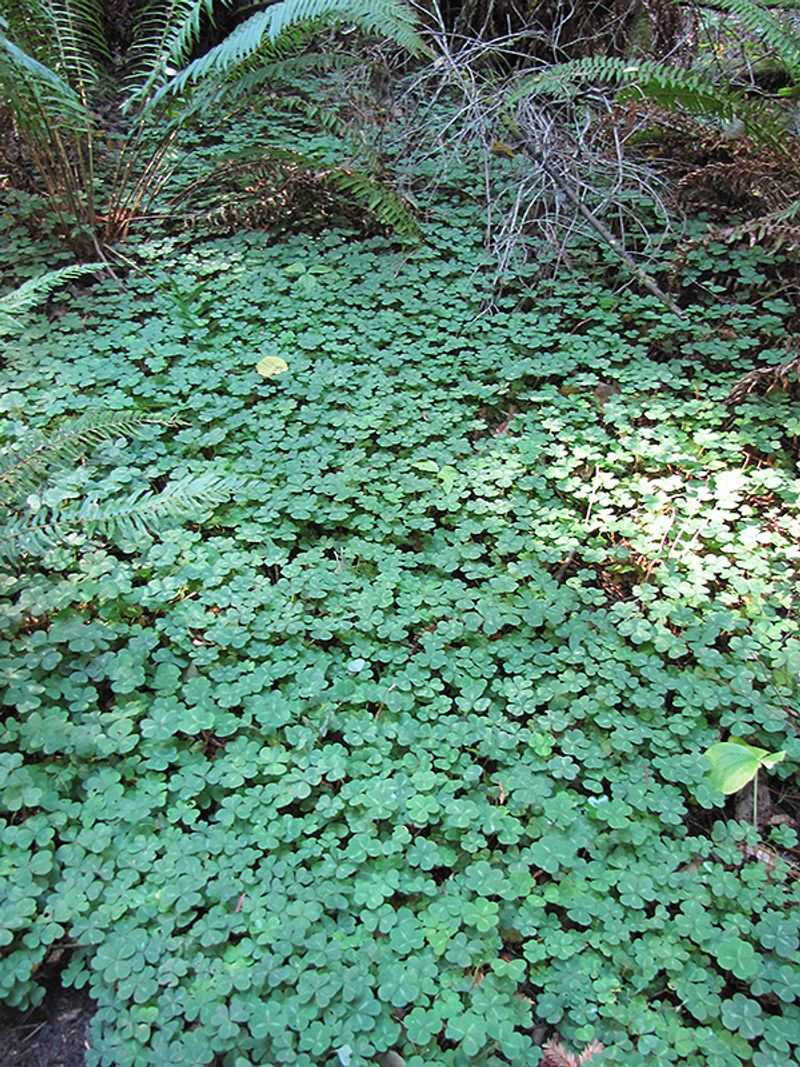
Walk into a coast redwood grove and look down.
That soft green carpet with clover-shaped leaves is redwood sorrel, and it handles shade so dark that most lawn grasses would sulk and fade.
Each leaf splits into three heart-shaped leaflets that fold downward when strong sun hits them, then open again as light softens.
Gardeners often notice the movement within minutes on a bright afternoon, which makes it an oddly entertaining plant to watch.
Pale pink or white flowers appear in spring and sometimes again later in the season.
They sit just above the foliage on thin stems, delicate rather than showy.
Where does it work best? Think north-facing side yards, the space under mature oaks or redwoods, and shaded slopes that stay cool.
Your California Garden Changes Every Week. Your Plan Should Too.
Gardening in California changes quickly throughout the season. Every Friday you’ll receive a simple weekly plan showing exactly what to plant, prune, fertilize, harvest, and protect so you never miss the right timing.
Coastal and near-coastal gardens suit it best, since redwood sorrel wants regular moisture and dislikes hot inland afternoons.
Plant from small containers in fall so winter rain helps establish the roots.
Space plugs about a foot apart, mulch lightly with leaf litter, and let the rhizomes knit together over a season or two.
Unlike ivy, it spreads at a pace you can actually manage. Runners stay shallow and pull up easily if the patch wanders past where you wanted it.
3. Wild Ginger Forms A Dense Native Mat
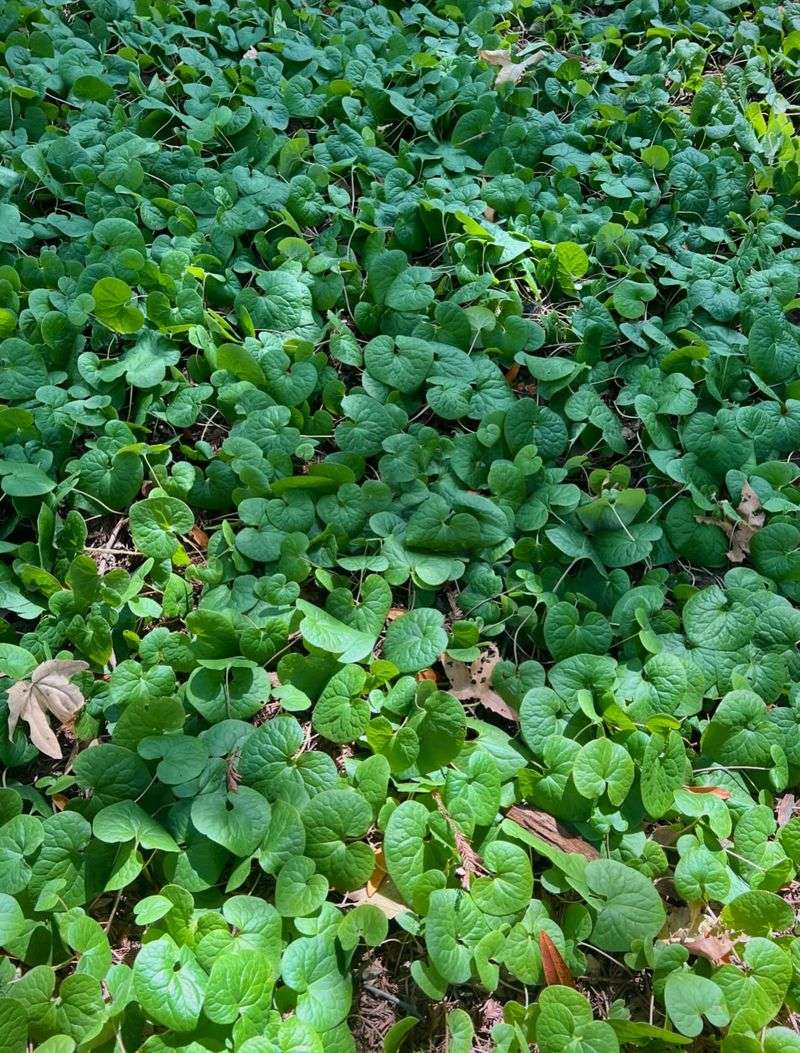
Crush a leaf of western wild ginger between your fingers and you get a spicy scent that explains the common name, even though it is unrelated to the ginger in your kitchen.
The fragrance alone sells a lot of people on this plant.
Glossy, heart-shaped leaves overlap into a low mat that hugs the ground at about four to six inches tall.
The texture reads lush and tropical, which surprises visitors when you tell them it grows wild in Northern California forests.
Flowers hide underneath the foliage.
They are maroon, strange looking, and shaped with long tails, so hunting for them becomes a small treasure hunt for anyone who bends down to check.
Shade is non-negotiable.
Wild ginger wants filtered light or full shade, rich soil with plenty of organic matter, and consistent moisture through the dry months, especially during its first couple of years.
Spreading happens through creeping rhizomes that stay near the surface.
Growth is steady but polite, so a planting fills in over several seasons without jumping fences or climbing trees.
Pair it with sword ferns, wood strawberry, or shaded native currants for a layered woodland look.
Slugs and snails sometimes chew the edges. Handpicking at dusk or using an iron phosphate bait keeps damage cosmetic rather than serious.
4. Pacific Coast Iris Adds Spring Color
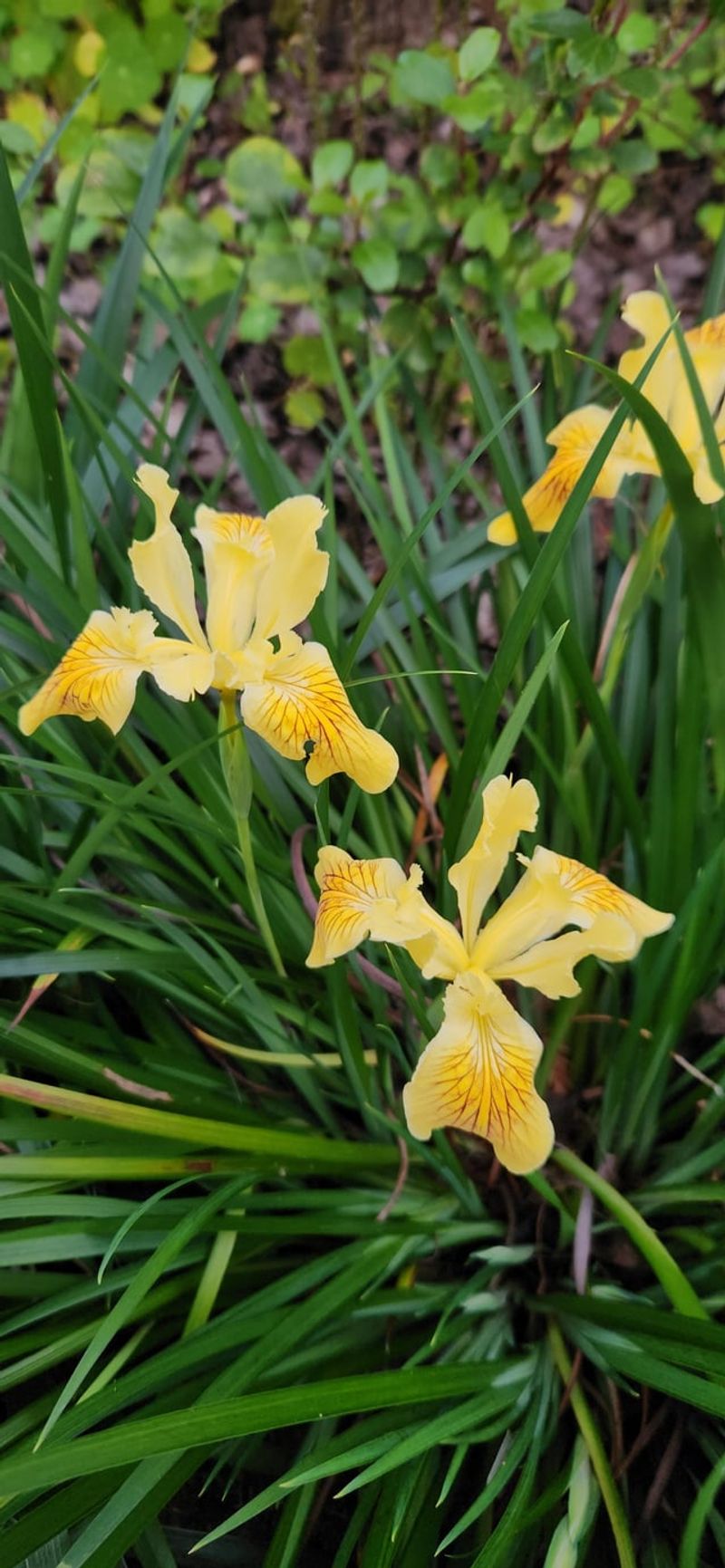
Color in the shade is the hard part of garden design, and Pacific Coast iris solves it every spring.
These hybrids come from native species like Iris douglasiana, and they bloom in purple, cream, gold, bronze, and soft lavender with veined petals that look hand-painted.
Clumps of narrow evergreen leaves stay green year-round, roughly a foot tall, forming grassy tufts that slowly widen.
They work beautifully massed along a shaded path or tucked between larger shrubs.
Partial shade suits them best, especially filtered light under oaks or on the east side of a house.
Full deep shade cuts down flowering, while blazing all-day sun inland stresses the foliage.
Water needs are modest once roots are established, which is why UC ANR and native plant groups often list them for low-water shade plantings.
Summer irrigation should be occasional, not constant, since soggy soil invites rot.
Fall is planting season.
Divide existing clumps in late fall or early winter when new white roots appear, then replant divisions right away so they never dry out.
Do they cover ground like ivy? Not exactly. Iris forms clumps rather than a continuous carpet, so combine them with a spreading native to fill the gaps between plants.
5. Yerba Buena Offers Fragrant Groundcover
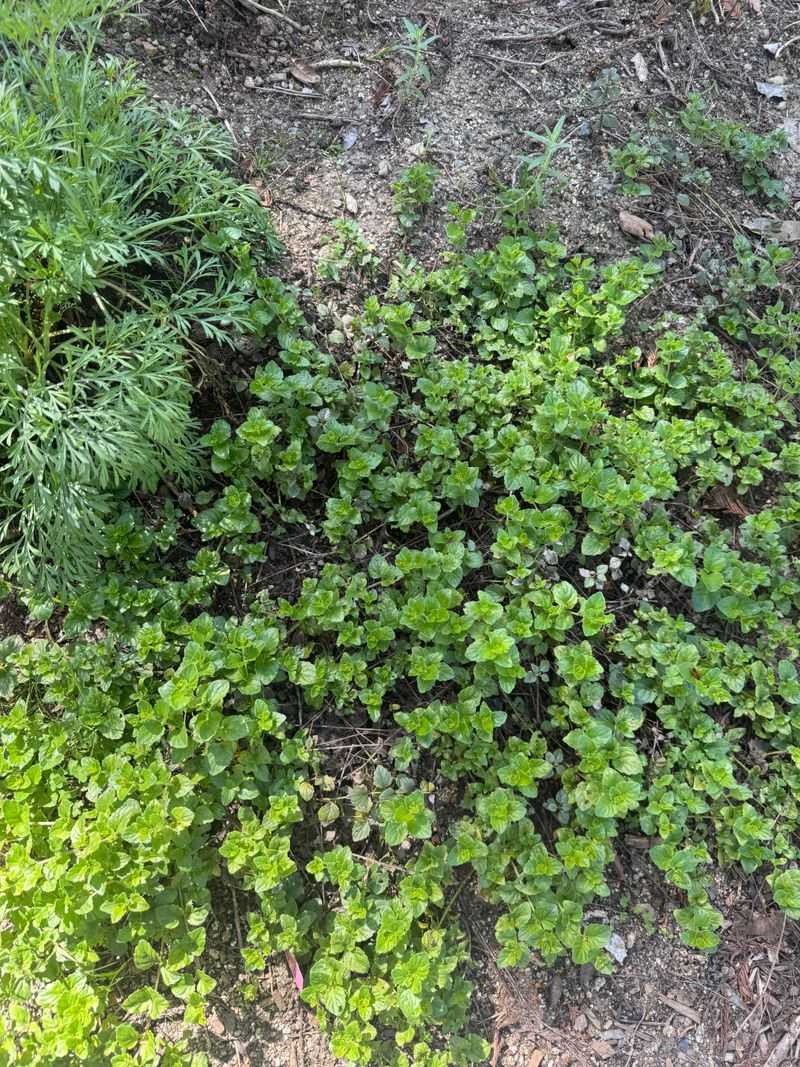
San Francisco was once called Yerba Buena, named after this very plant.
Clinopodium douglasii, the trailing mint that early residents brewed into tea, still grows in shaded coastal woodlands up and down the state.
Small rounded leaves release a sweet minty scent when brushed or stepped on lightly.
Planting it beside a shaded walkway means you catch that smell every time you pass, which is a quiet daily pleasure.
Stems trail along the ground and root where nodes touch soil, creating a thin, loose mat only a few inches high.
Coverage is airy rather than solid, so it looks best weaving between ferns, heuchera, or stepping stones.
Give it part shade with some morning light, well-draining soil, and moderate summer water.
Coastal gardens grow it easily, while hot inland yards need deeper shade and more attention during heat waves.
Tiny white flowers appear in spring and summer, drawing small native bees.
The blooms are easy to miss unless you crouch, but pollinators find them without trouble.
Compared with ivy, the difference in behavior is night and day.
Yerba buena’s shallow rooting stems lift out with a gentle tug, so redirecting the patch takes a few minutes instead of a multi-year removal project.
6. Coral Bells Handle Dry Shade Well
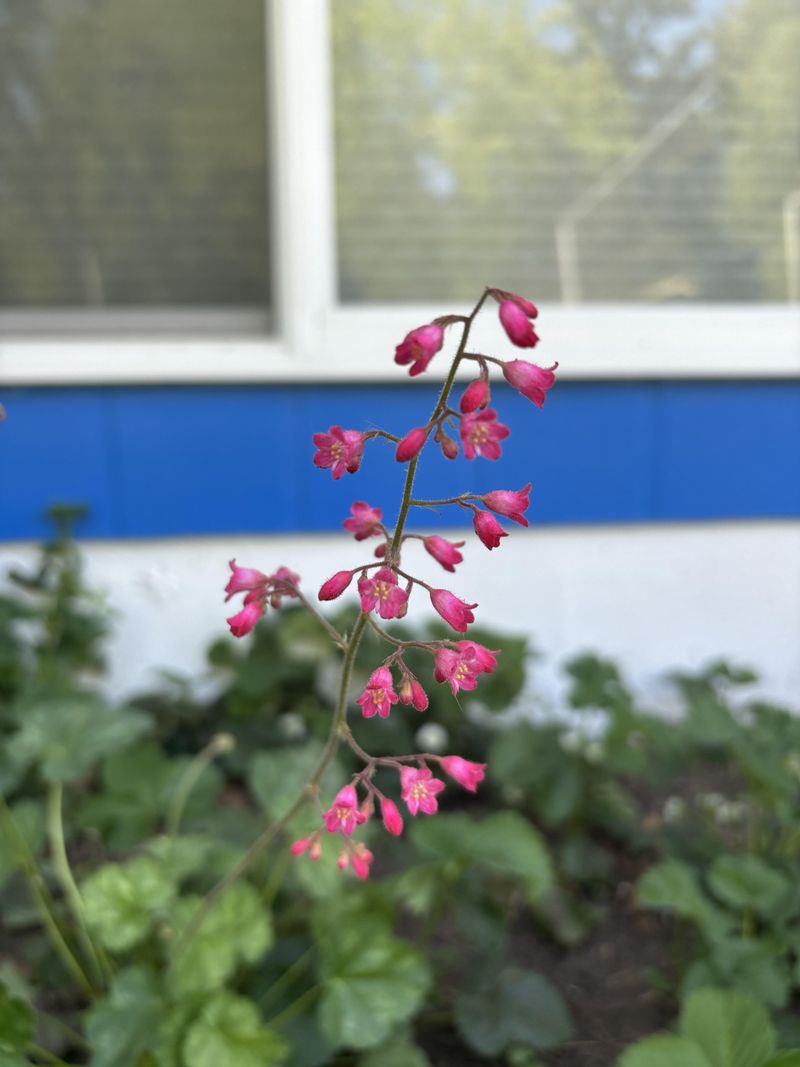
Dry shade is the toughest spot in most California yards, the strip under an oak where nothing thrives and irrigation is discouraged.
Coral bells step into that gap without complaint.
Native species such as island alum root and crevice alum root form mounds of ruffled leaves about a foot across.
Tall thin stems carry clouds of tiny pink or white bells in late winter and spring.
Hummingbirds work those flower wands constantly.
Anna’s hummingbirds in particular show up early in the season when few other blooms are open.
Root rot is the main way gardeners lose these plants, so drainage matters more than fertility.
Set the crown slightly high, skip heavy mulch right against the base, and water deeply but rarely once established.
Group several plants two feet apart and the mounds will touch, covering ground with layered foliage instead of a flat mat.
Under oaks, that spacing also keeps plants away from the trunk, which oak health guidance recommends.
Foliage stays attractive year-round, with colors ranging from deep green to silvery marbling depending on the selection.
Trim old flower stalks and any brown leaves in summer to keep clumps tidy.
7. Western Sword Fern Adds Ferny Texture
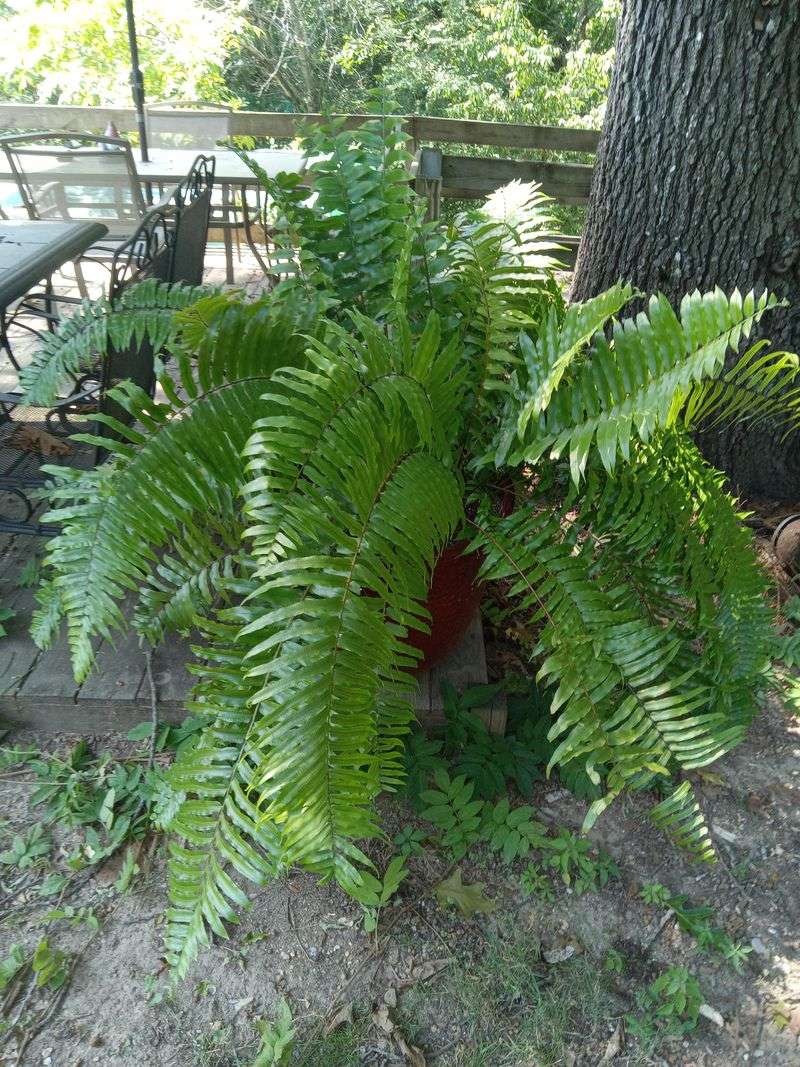
Western sword fern brings a completely different texture to a shady bed, all arching green fronds instead of flat leaves or trailing stems.
Polystichum munitum grows naturally in coastal forests and canyon bottoms throughout California, often forming dense colonies under oaks and redwoods.
Individual fronds can reach two to four feet long, radiating out from a central crown in a fountain-like shape that holds up year-round.
Deep to partial shade suits it best, and it tolerates the dry summer conditions found under mature trees once its roots settle in.
A little supplemental water during the first two summers helps enormously, though established plants get by on rainfall alone in most coastal gardens.
Rich, organic soil helps it thrive, so working in some compost or leaf mold at planting time gives new ferns a real head start.
Pair it with wild ginger or redwood sorrel for layered groundcover, letting the ferns rise above the lower mats for a woodland look that develops real depth.
8. Woodland Strawberry Fills Gaps Between Plants
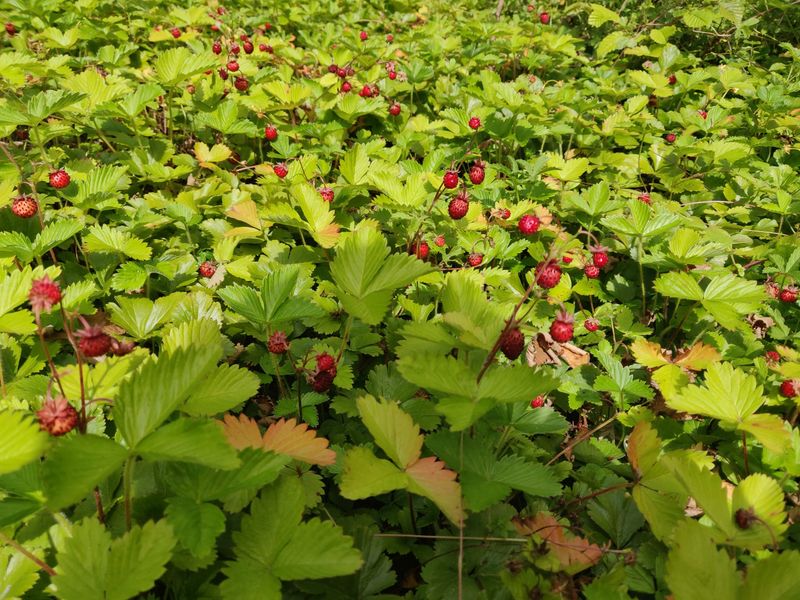
Woodland strawberry offers one more option for tying a shaded bed together, spreading by runners the same way garden strawberries do.
Fragaria vesca forms a low mat of bright green, deeply toothed leaves rarely more than six inches tall, with small white flowers appearing in spring.
Tiny red berries follow the blooms, sweet but modest in size, and birds usually find them before any human does.
Part shade to full shade works well, especially the dappled light found under oaks or along the edge of a wooded planting.
It spreads readily but stays shallow-rooted, so redirecting or thinning the patch takes only a few minutes with a hand fork.
Regular moisture during the growing season keeps it lush, though established plantings tolerate occasional dry spells without much drama.
Use it as a filler between taller natives like coral bells or Pacific Coast iris, letting the strawberry weave through gaps and knit the whole bed together into one connected planting.
9. Meadow Sedge Forms A Grassy, Low Carpet
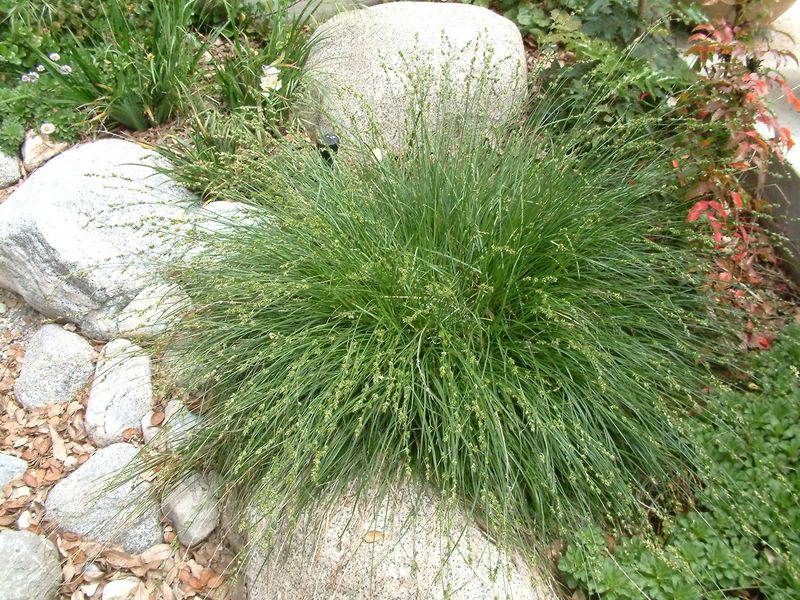
Meadow sedge offers a grass-like alternative to the broad-leafed groundcovers already covered, bringing fine, arching blades instead of flat mats or ferny fronds.
Carex pansa forms a dense, low carpet reaching roughly four to eight inches tall, spreading slowly by rhizomes into a solid, lawn-like patch over a few seasons.
It tolerates a surprising range of light, handling everything from partial shade under oaks to more open, sunnier spots at a bed’s edge.
Flowers are inconspicuous and easy to miss, since this plant earns its place through texture and coverage rather than bloom.
Established sedge needs only occasional deep watering during the driest months, and mowing once or twice a year keeps it tidy for those wanting a neater look.
It handles light foot traffic far better than most natives on this list, making it a practical stand-in anywhere a small lawn alternative is needed.
Pair it with wild ginger or redwood sorrel in shadier pockets, or let it run along a sunnier path edge where a soft, grassy border does more work than a hard hardscape line.