The September Mulching Mistake That Backfires In Windy California Conditions
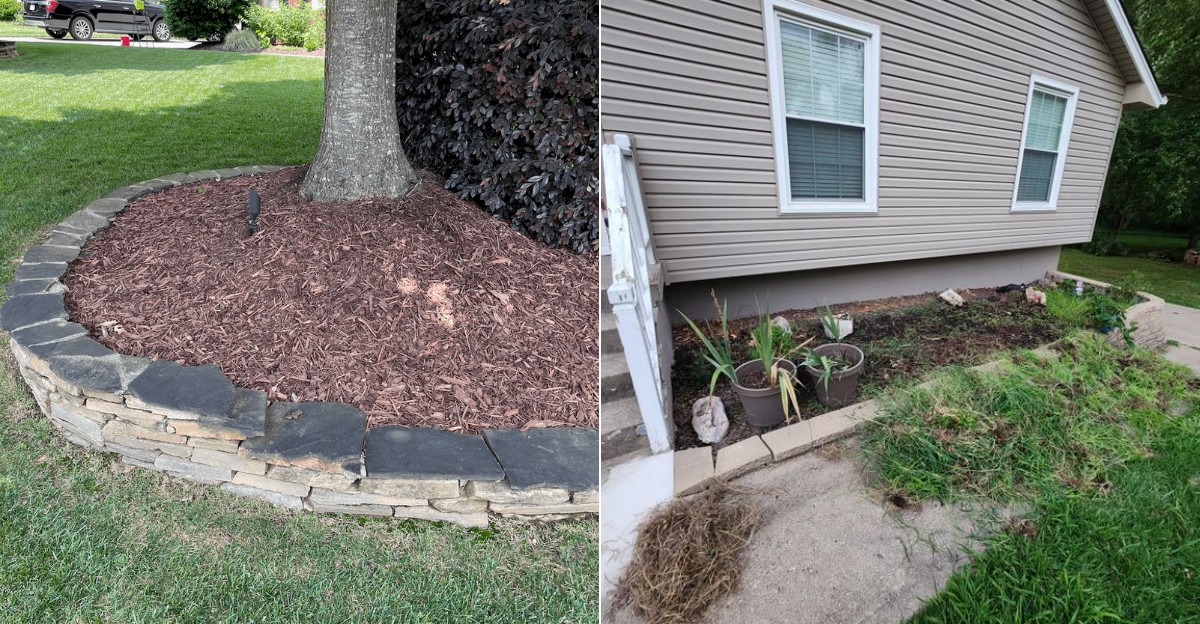
Mulch can make a California garden look tidier while helping the soil hold moisture and stay protected through changing weather.
But September brings conditions that can make your usual mulching routine less effective, especially in yards that regularly deal with strong winds.
If you are refreshing your garden beds this month, a few details deserve more attention than they might seem to at first. The type of mulch you choose, how you apply it, and where you place it can all affect how well it performs once the weather turns gusty.
Getting those details right can keep your beds looking neat and give your plants the protection you want without creating extra work later.
Before you spread a fresh layer, it is worth knowing what can go wrong and how to avoid a frustrating cleanup when the next round of strong winds arrives.
Light Mulch Can Blow Across The Yard
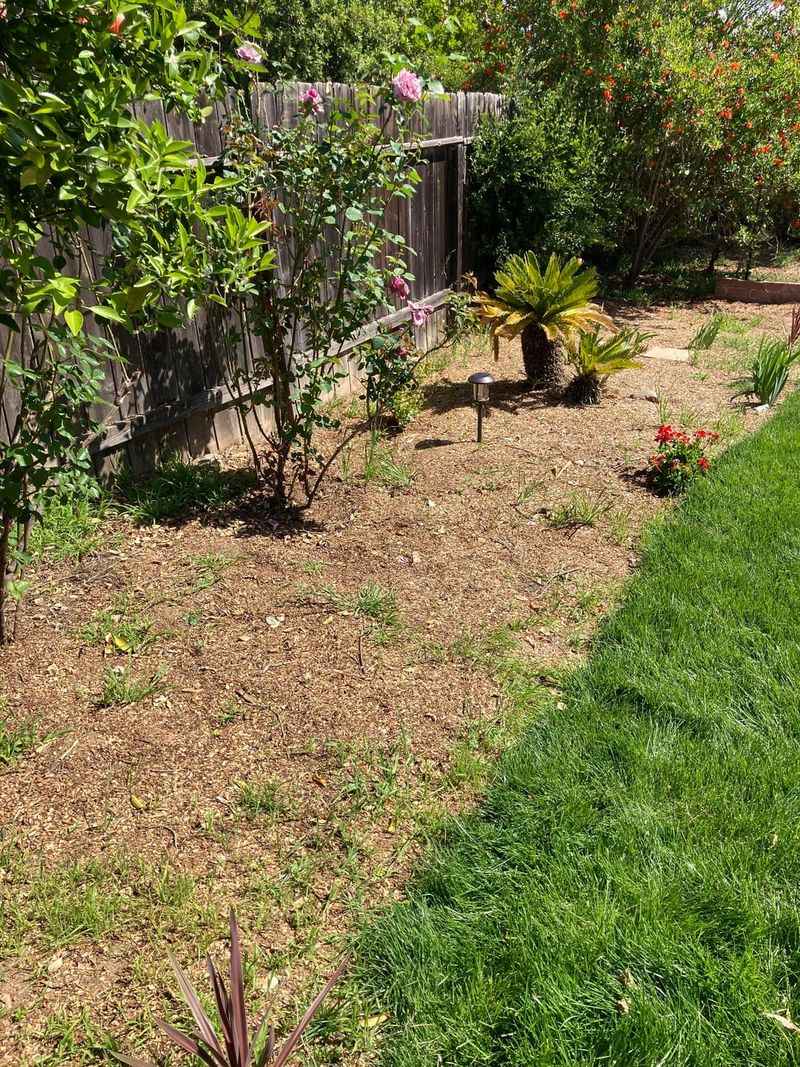
Feather-light mulch feels easy to spread, but wind treats it like confetti. Materials such as dry shredded leaves, straw, or fine bark lift off the ground with even a small gust.
California autumn winds can arrive without warning. One calm morning turns into a breezy afternoon, and suddenly your fresh mulch is drifting across the lawn. That leaves your garden beds thin and patchy again.
Cleaning up scattered mulch takes real time. You end up raking it off the grass, the patio, and sometimes the neighbor’s driveway. All that effort undoes the work you just finished.
Weight matters more than most people expect. Lightweight options simply do not have enough mass to stay grounded when strong air pushes against them.
A smart move is to test a small area first. Spread a little mulch, wait for a windy day, and watch how it behaves before covering the whole yard.
You can also mix in denser material to help hold things together. Combining chunky bark with lighter mulch adds stability without losing softness.
Watering the mulch lightly after spreading helps too. Damp mulch clings better and resists those sneaky gusts for a while.
Picking the right texture from the start saves you headaches later and keeps your beds looking full and tidy through the season.
Wind Can Expose Bare Soil Again
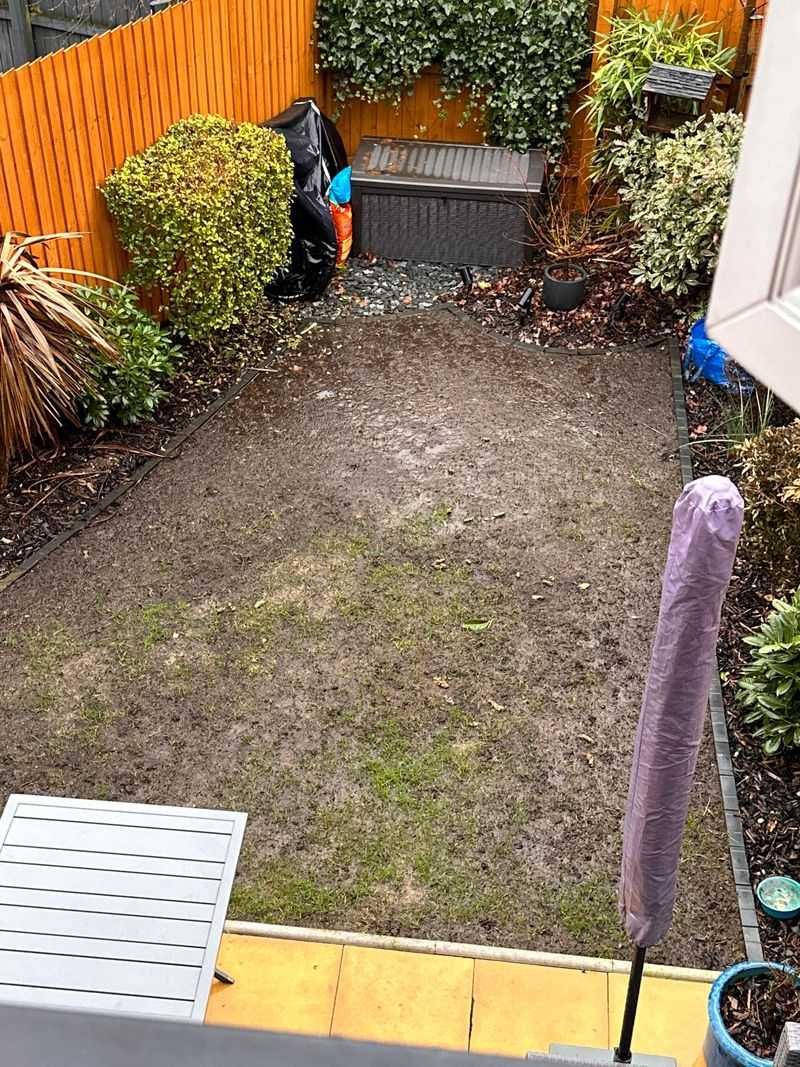
The whole point of mulch is to shield the ground, so losing it defeats the purpose. When gusts strip mulch away, your soil sits open once more.
Bare dirt dries out quickly under California’s warm September sun. Moisture escapes fast, and your plants have to work harder just to stay hydrated.
Exposed soil also invites weeds to sprout. Without a protective blanket, seeds find sunlight and space to grow right where you did not want them.
Roots near the surface feel the change too. They rely on that cool, shaded layer, and sudden exposure can stress them during hot afternoons.
Another problem is erosion. Loose topsoil blows away alongside the mulch, slowly thinning the rich layer your plants depend on.
You can spot trouble early by checking your beds after breezy days. If you see patches of bare ground, add fresh mulch before the damage grows.
Your California Garden Changes Every Week. Your Plan Should Too.
Gardening in California changes quickly throughout the season. Every Friday you’ll receive a simple weekly plan showing exactly what to plant, prune, fertilize, harvest, and protect so you never miss the right timing.
Choosing heavier material helps keep coverage steady. Denser mulch stays put and continues doing its job even when the air turns rough.
Layering carefully around plant bases, without piling too high, gives balanced protection. That way your soil stays covered, cool, and ready to support healthy growth all season long.
Loose Mulch Can Collect Against Fences

Wind does not just scatter mulch randomly. It often pushes loose pieces in one direction until they pile up along fences and walls.
Those growing heaps look messy and uneven. What started as a smooth garden bed becomes a lopsided pile stuck in the corners of your yard.
Damp mulch pressed against wooden fences can cause trouble too. Trapped moisture may lead to rot over time, weakening the boards you paid good money for.
Pests sometimes enjoy these hidden piles. Insects and small critters find shelter in the thick, undisturbed mounds near your fence line.
Clearing these buildups takes extra effort each week. You have to shovel the mulch back, spread it evenly, and repeat the cycle after every windy stretch.
A helpful fix is to leave a small gap between mulch and fencing. That buffer keeps material from stacking directly against the wood.
Using chunkier mulch also slows this drifting problem. Heavier bits resist rolling and tumbling toward the edges of your yard.
Checking corners regularly lets you catch pileups early. A quick rake keeps everything level and prevents rot from settling in.
With a little planning, you can enjoy tidy beds and protect your fence at the same time.
Mulch Can Block Drains And Gutters
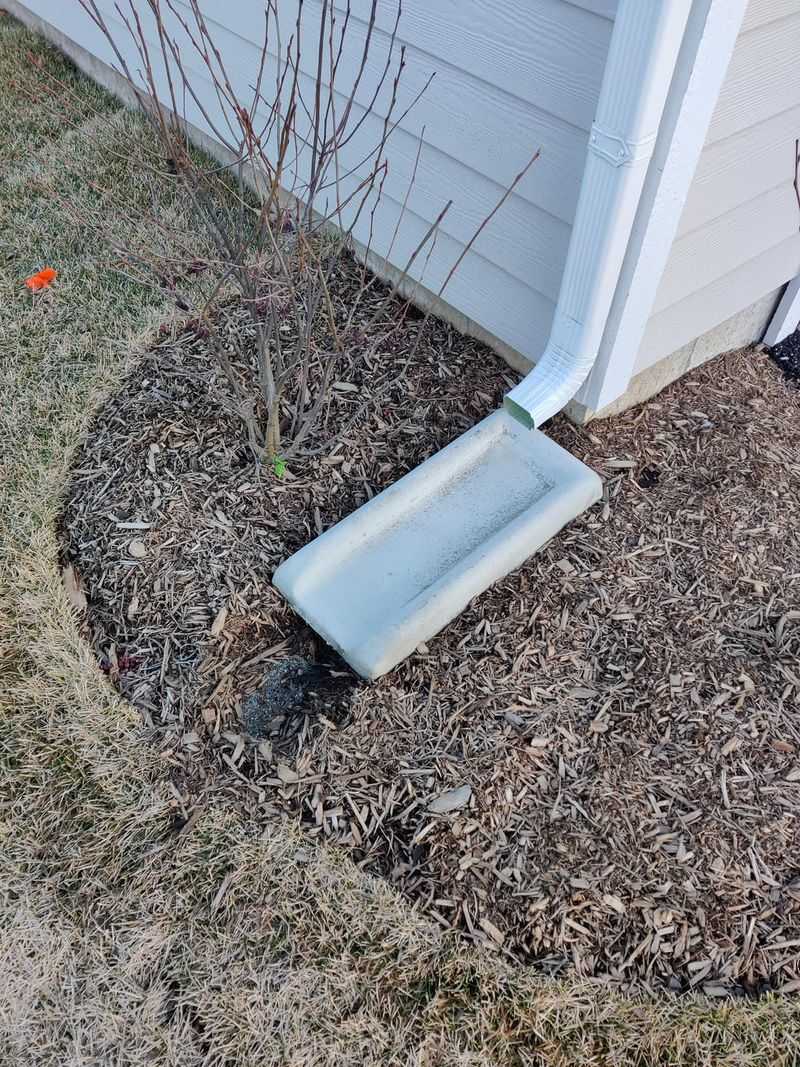
Blown mulch has a sneaky habit of ending up where it does not belong. Storm drains and gutters are common landing spots after a gusty day.
Clogged drains cause water to back up fast. When the first fall rains arrive, that blockage can lead to puddles or even flooding near your home.
Gutters filled with mulch and debris cannot move water properly. Overflow can splash down walls and damage your foundation over time.
The lightweight pieces travel easily through the air. Once they settle into a drain grate, they trap more leaves and dirt, making the clog worse.
Fixing this means climbing ladders and scooping out soggy clumps. That chore is far less fun than spreading mulch in the first place.
Keeping mulch away from driveways and paths helps reduce the risk. The farther it sits from drains, the less likely it drifts inside.
Heavier mulch stays grounded and rarely reaches your gutters. Choosing denser material protects both your garden and your drainage system.
Regular checks during breezy weeks make a difference. A quick look at drains after wind lets you clear small messes before they turn serious.
Staying ahead of this problem keeps water flowing freely and your home dry when the rainy season begins.
Thick Layers Are Not Always Better

It is tempting to pile mulch on thick, thinking more coverage means more protection. In windy conditions, that idea often backfires.
Deep layers hold loose material on top that wind grabs easily. The upper mulch has nothing anchoring it, so gusts sweep it right off.
Too much mulch can also smother plant roots. Thick blankets block air and trap water in ways that harm your garden instead of helping it.
Stems buried under heavy mulch may rot near the base. Moisture sits against the plant too long, creating soft spots and fungus.
Most gardens do best with about two to three inches of mulch. That amount protects the soil without piling up loose, flyaway material.
Spreading an even layer works far better than dumping mounds. Smooth coverage lets the mulch settle and knit together over time.
You can rake the surface flat after spreading. A level top has fewer loose edges for the wind to catch and carry away.
Checking the depth with your fingers helps you stay accurate. Push down gently to feel whether you have enough or too much.
Keeping layers moderate saves money too, since you use less material. Thin and even beats thick and messy every windy September.
Keep Mulch Away From House Walls

Piling mulch right up against your house feels natural, but it creates hidden risks. Wind can push loose material into cracks and corners near the walls.
Mulch touching the foundation holds moisture against it. Over time, that dampness can seep in and cause problems you cannot easily see.
Termites and ants love mulch that sits beside walls. It gives them a moist, sheltered path straight toward your home’s wooden parts.
Windblown mulch also gathers along the base of the house. Those little piles trap water and slow drying after rain or sprinklers.
A safe habit is leaving a gap of about six inches between mulch and any wall. That space lets air flow and keeps pests at bay.
The clear zone also makes it easy to spot leaks or cracks. You can check your foundation without digging through damp material.
Using heavier mulch near the house reduces drifting. Denser pieces stay put and do not creep toward the walls during gusts.
Sweeping away any mulch that blows against the siding keeps things clean. A quick check after windy days prevents buildup.
Protecting your home this way costs nothing extra. A little space between mulch and walls keeps both your garden and your house in good shape.
Heavier Mulch Stays Put Better

When wind is a regular guest, weight becomes your best friend. Heavier mulch simply refuses to fly away like the light stuff does.
Chunky bark, wood chips, and larger nuggets have real mass. Gusts push against them, but they stay grounded and hold their position.
These materials also lock together as they settle. The pieces overlap and grip one another, forming a stable layer that resists blowing.
Rock and gravel take the idea even further. In beds where plants do not mind, stone mulch stays perfectly still no matter the breeze.
Heavier mulch usually lasts longer too. It breaks down slowly, so you replace it less often and save money over the seasons.
The tradeoff is that dense mulch costs a bit more upfront. Still, fewer cleanups and refills often make it worth the price.
Spreading it takes a little more muscle. The reward is a bed that looks neat even after the windiest afternoons.
You can mix heavy and light types for balance. A base of chunky bark with a thin light top gives softness plus stability.
For California yards facing regular gusts, leaning toward weight is smart. Solid, heavier mulch keeps your beds covered and your weekends free from constant raking.
Secure The Edges Of Exposed Beds
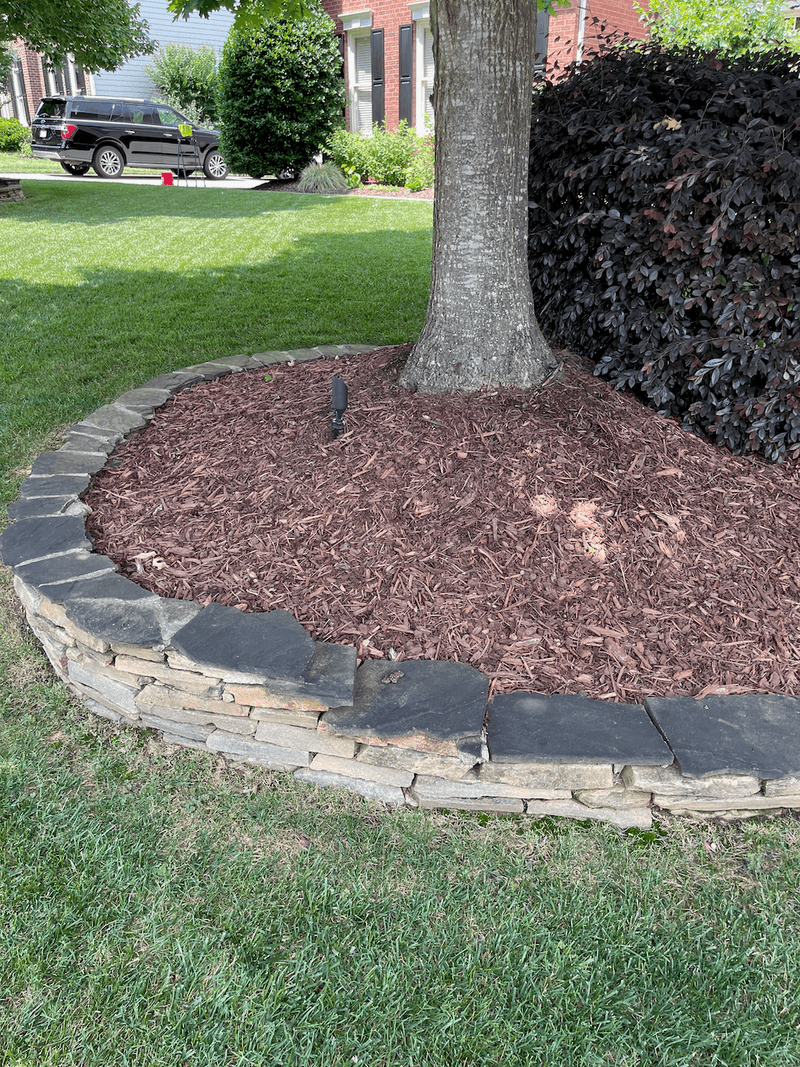
The edges of a garden bed are where trouble usually starts. Wind sneaks under loose mulch at the borders and lifts it away.
Adding a physical edge helps a lot. Bricks, stones, or plastic edging create a wall that keeps mulch from spilling out.
Raised borders also catch drifting pieces. Instead of blowing across the yard, mulch stays trapped inside the bed where it belongs.
Edging gives your garden a crisp, finished look too. The clean line makes the whole space feel tidy and well cared for.
You can press mulch slightly lower near the edges. Keeping the border level with the barrier stops it from tumbling over the top.
Living borders work as well. Low plants or ground cover along the rim slow the wind and hold mulch in place naturally.
Digging a shallow trench edge is another simple trick. The dip catches loose mulch that tries to roll out of the bed.
Checking the borders after storms lets you fix gaps fast. A quick refill keeps the protective layer solid all around.
Securing edges takes a little setup, but the payoff lasts. Once your borders are firm, your mulch stays where you put it, even through gusty September days across California yards.