Why More Silverfish Are Showing Up Inside Michigan Homes This Fall
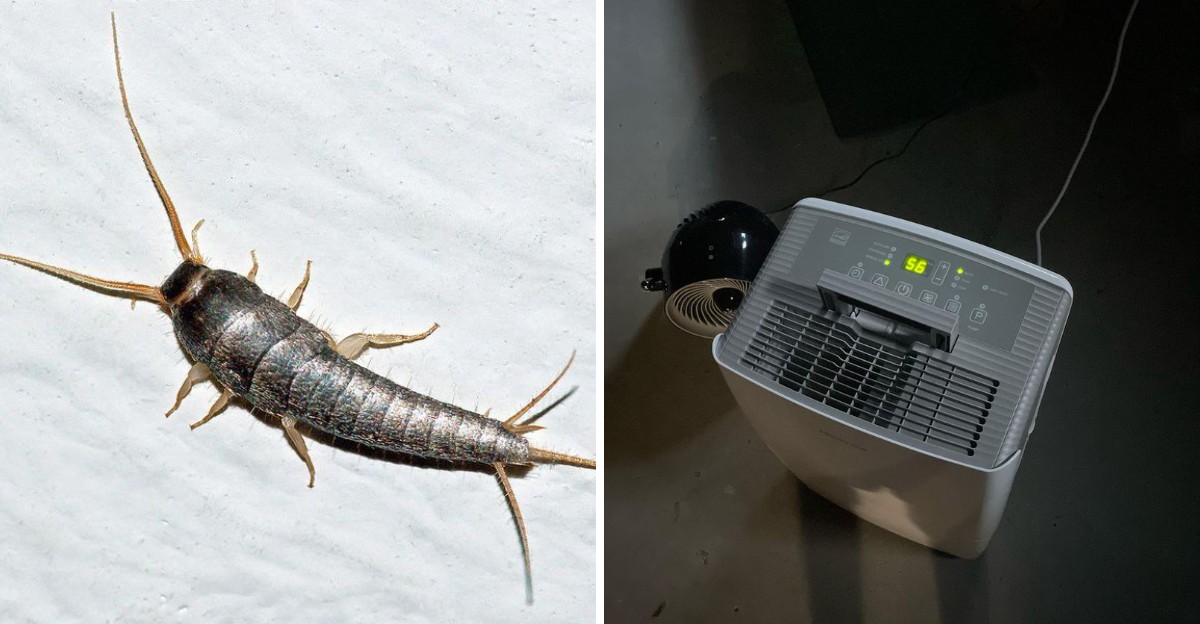
You flip on the bathroom light late on a cool October night in Lansing, and something small, silvery, and shaped like a tiny fish darts across the tile before slipping behind the baseboard without a trace.
That quick little visitor is a silverfish, and plenty of Michigan homeowners start noticing them right around now, once fall really settles in for good.
They look genuinely unsettling to most people. That reaction makes sense at first glance, watching something move that fast and disappear that quickly into a wall gap nobody knew existed.
The truth turns out to be a lot less alarming than the reaction it usually causes though.
Once you understand what actually pulls silverfish indoors this time of year, you can make your house a lot less appealing to them without ever reaching for a can of spray.
1. Cooling Weather Sends Them Indoors
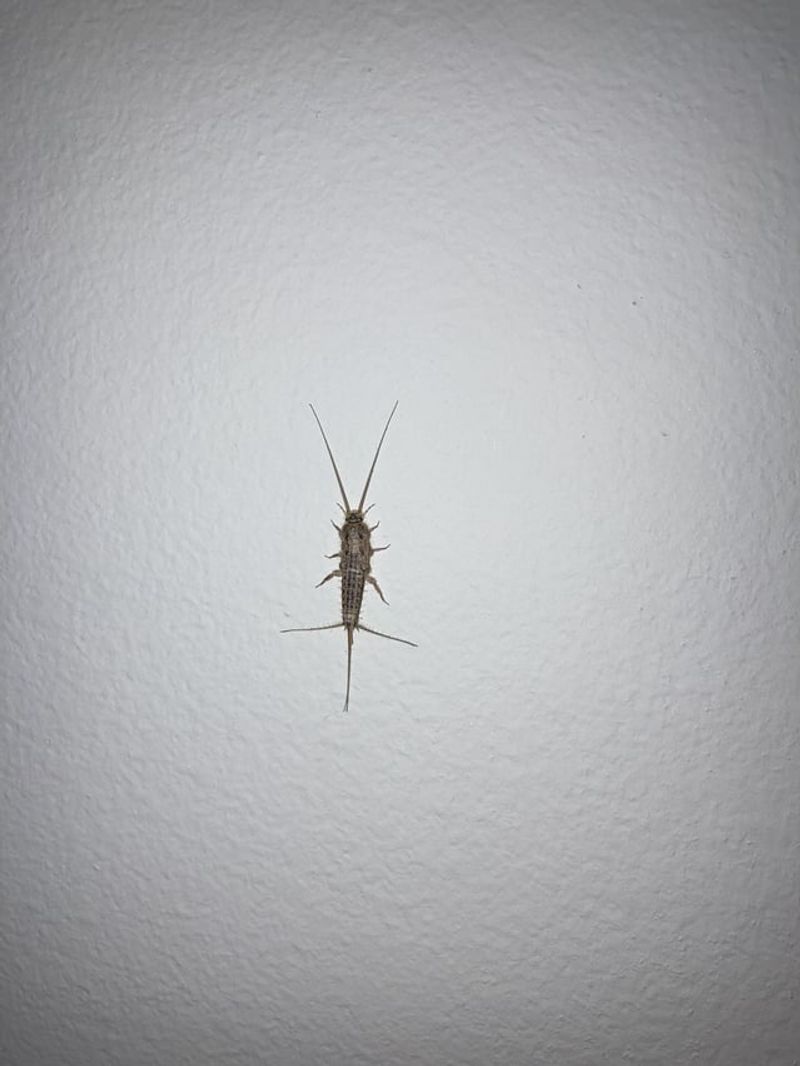
Late autumn in Michigan has a way of pushing small creatures toward shelter, and these slim, silvery insects are no exception to that pattern.
As outdoor temperatures slide and leaf litter dries or freezes, the damp hiding spots silverfish rely on outside start to vanish fast.
Michigan State University Extension notes that silverfish are nocturnal insects that favor dark, protected places, which describes the inside of most homes once heating season begins in earnest.
Cooling weather alone does not pull them through your door though. What actually keeps them around is the steady mix of warmth, moisture, and food waiting in basements, wall voids, and storage boxes throughout the house.
A silverfish that wanders into a Grand Rapids crawl space in October may simply never leave, because conditions inside stay comfortable all winter long without much change.
Populations also build slowly over time. Silverfish can live several years, far longer than most household insects, so the ones you spot this fall might have hatched inside your house two seasons ago already.
Fall is also when people dig into closets, haul down boxes of holiday decorations, and rearrange basement shelves for the season. Those chores disturb the quiet corners where silverfish sit undisturbed the rest of the year.
The insects scatter, you see them, and it feels like an invasion that started overnight. In truth, they were already there, waiting out the season in the dark like everything else in Michigan tends to do.
2. Humid Bathrooms And Basements Attract Them
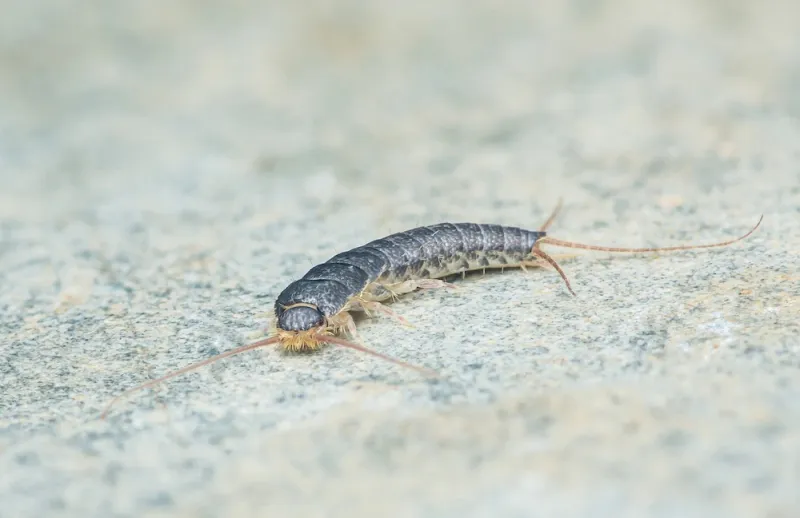
Moisture is the single biggest reason silverfish choose one room over another in any given house. Extension specialists describe them as insects of high humidity, most comfortable in places that stay damp and rarely dry out completely.
That description fits a Michigan basement almost perfectly, most months of the year.
Think about where you actually find them. Under the bathroom sink, behind the toilet tank, along the laundry room floor, inside a shower caddy left sitting on the tile.
All of those spots hold moisture long after you have already left the room.
Add a slow drip from a supply line or a bathroom fan that vents into the attic instead of outside, and you have built silverfish habitat without ever meaning to.
Your Michigan Garden Changes Every Week. Your Plan Should Too.
Gardening in Michigan changes quickly throughout the season. Every Friday you’ll receive a simple weekly plan showing exactly what to plant, prune, fertilize, harvest, and protect so you never miss the right timing.
Older homes across the state, especially ones with fieldstone or block foundations, tend to hold groundwater against their walls throughout the year. Fall rain and early snowmelt push that moisture inward, raising basement humidity right when heating season starts drying out the upstairs.
The result is a house with two climates, and silverfish head straight for the wetter one every time.
A cheap hygrometer from the hardware store tells you more than guessing ever will. Readings above sixty percent relative humidity mean the lower level is comfortable for silverfish, dust mites, and mold alike.
Fixing drips, rerouting downspouts away from the foundation, and running the bathroom fan for twenty minutes after a shower all chip away at that dampness steadily.
3. Paper And Starch Items Draw Them In
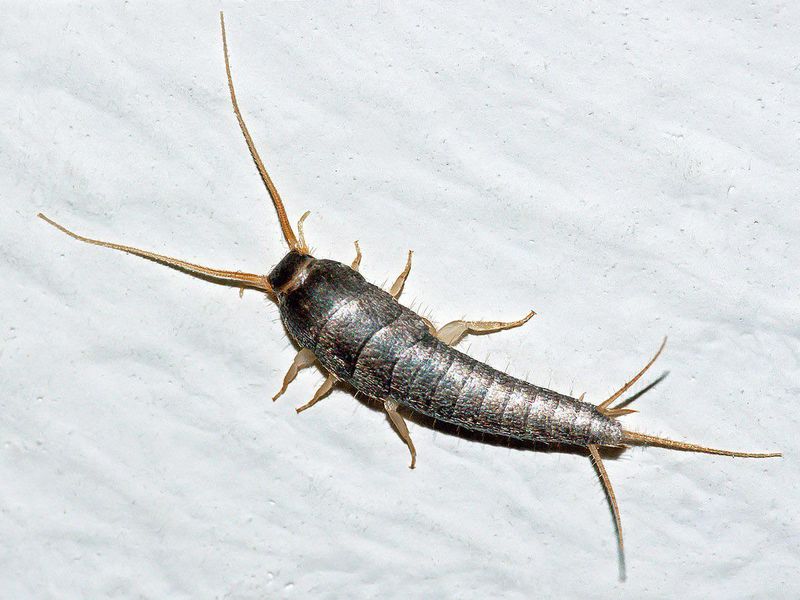
Book lovers, take note here. Silverfish have expensive taste in snacks, and their diet centers on carbohydrates, especially starches and sugars found around most homes.
That is why paper, cardboard, book bindings, and old wallpaper paste show up again and again in Extension descriptions of what they eat. Glue in a box seam counts as a full meal to them.
The damage looks distinctive once you know what to look for. Silverfish scrape surfaces rather than chew holes straight through, leaving thin, irregular grazed patches, ragged edges, and sometimes yellowish stains on photographs, wallpaper, or stored paperwork.
Tiny black specks of waste often sit nearby too, a telltale sign of their presence.
Beyond paper, they will feed on linen and rayon, starched collars, dried pasta and flour spilled behind a pantry shelf, insect debris, and even mold growing on a damp basement wall.
That broad menu is why a single leaky corner can support them for years without anyone noticing.
Storage habits make a real difference here. Cardboard boxes stacked on a basement floor combine food, shelter, and moisture in one convenient package, while sealed plastic totes with tight lids offer none of the three.
Swapping a dozen old boxes for bins is one of the most effective things a Michigan homeowner can do before winter sets in. Keep valuable papers, photo albums, and yearbooks upstairs rather than below grade.
Vacuum pantry shelves, wipe up flour dust, and store dry goods in glass or hard plastic containers instead. Remove the buffet, and the guests generally lose interest fast.
4. They Pose No Real Health Threat
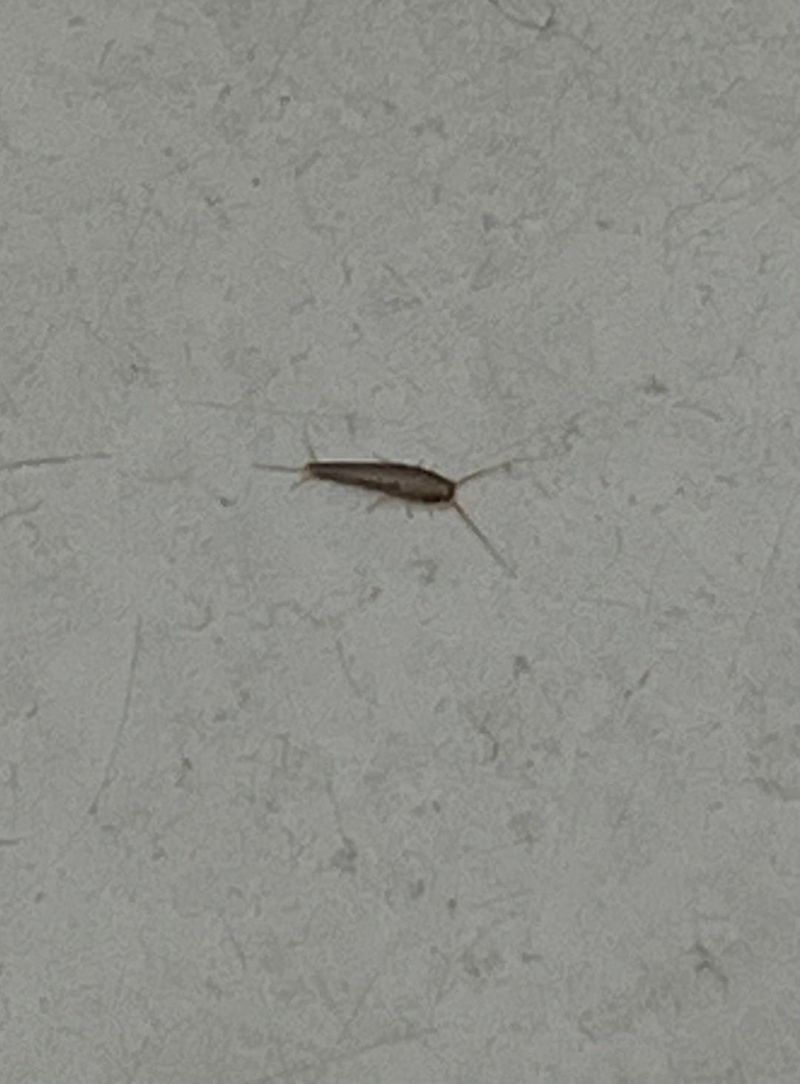
Here is the reassuring part of the whole story. Silverfish do not bite people, they do not sting, they carry no known diseases, and they are not venomous in any way.
Extension entomologists classify them squarely as a nuisance pest, meaning the trouble they cause is property damage and discomfort rather than any real danger. They will not harm pets either.
Compared with the insects that genuinely worry Michigan homeowners, such as ticks that transmit Lyme disease or mosquitoes that carry West Nile virus, a silverfish in the tub is a fairly minor character in the story.
It cannot climb smooth porcelain, which is exactly why you keep finding it stranded there in the morning light.
The honest downsides are real but limited in scope. Silverfish can ruin books, wallpaper, stored documents, and occasionally fabric, and their shed skins and droppings may bother people with sensitive allergies, though that link is not as well documented as it is for cockroaches or dust mites.
Treat that as a maybe rather than a certainty either way.
Knowing the actual stakes should change how you respond to seeing one. There is no reason to fog your basement, call for emergency treatment, or panic over a handful of sightings in October.
The measured approach that Extension recommends, drying things out and closing gaps, works better over time than any spray bottle ever could. Feeling squeamish is fair, since few people enjoy a wriggling insect near their toothbrush.
5. Dehumidifiers Make Your Home Less Inviting
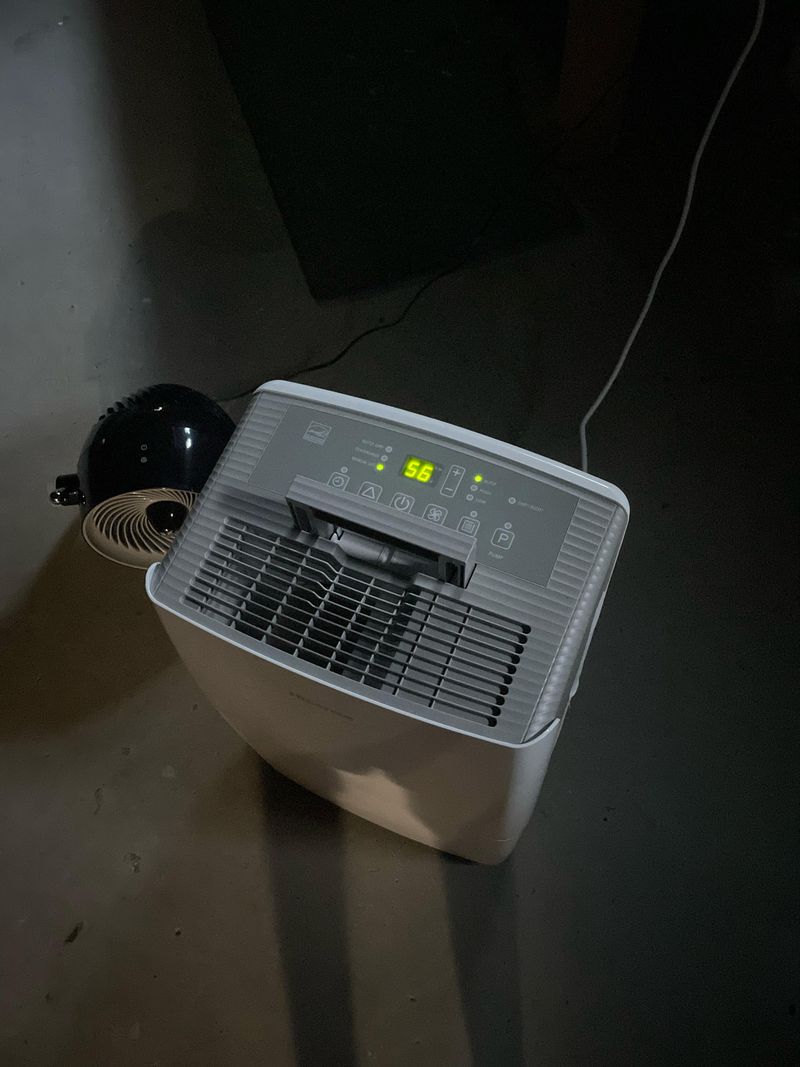
Ask any Michigan basement owner about their dehumidifier, and you will get a genuine opinion pretty fast. Running one is the closest thing to a silent weapon against silverfish, because it removes the one resource they cannot live without.
These insects lose body water quickly and need humid air to survive at all. Aim for relative humidity between forty and fifty percent in living spaces and below sixty in the basement specifically.
At those levels, silverfish struggle to develop properly, eggs fail more often, and the adults that remain move on or fade out without any chemical help needed at all.
Mold and musty odors fade too, which is a nice bonus on top of the pest control.
Placement matters more than people expect when setting one up. Set the unit in the dampest area, keep it several inches away from walls so air can circulate properly, and empty the reservoir or run a hose to a floor drain so it never shuts off unnoticed.
Clean the filter monthly during heavy use throughout the season.
Pair the machine with simple fixes around the house. Extend downspouts at least four feet from the foundation, grade soil so it slopes away from the house, insulate cold water pipes that sweat in summer, and vent bathroom and kitchen fans to the outdoors rather than the attic.
Each change shaves a little moisture out of the air over time. Homeowners who stick with it usually report the same pattern: fewer sightings within a few weeks.
6. Sealing Cracks Limits Future Entry
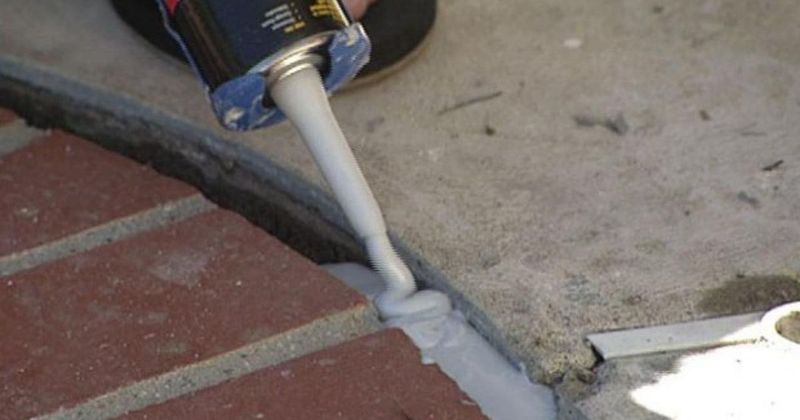
Caulk is cheaper than a pest control contract, and for silverfish it does considerably more good in the long run. They enter through the same small openings everything else uses around a house.
Gaps around basement window frames, unsealed pipe penetrations, cracks in mortar joints, spaces beneath exterior doors, and torn screens on crawl space vents all count as entry points.
Walk the outside of the house on a mild October afternoon with a flashlight and a notepad in hand. Mark every opening wider than a credit card edge, since a flattened silverfish body slips through remarkably thin spaces without much trouble.
Silicone or acrylic latex caulk handles hairline foundation cracks and window trim well, expanding foam fills larger voids around pipes and cables, and a fresh door sweep closes the gap that shows daylight at the bottom of the garage door.
Copper mesh stuffed into a hole before caulking stops chewing from larger visitors too, if that becomes a concern.
Inside the house, seal the seams where baseboards meet the floor in bathrooms and repair loose wallpaper edges, which offer both shelter and paste to feed on.
Fix the gap under the sink where the supply lines come through the wall as well, since that spot often goes overlooked.
Patience matters more than firepower with this particular insect. Silverfish reproduce slowly, move slowly, and disappear slowly, so expect improvement over a season rather than a weekend.
7. Outdoor Lighting Choices Can Reduce Attraction
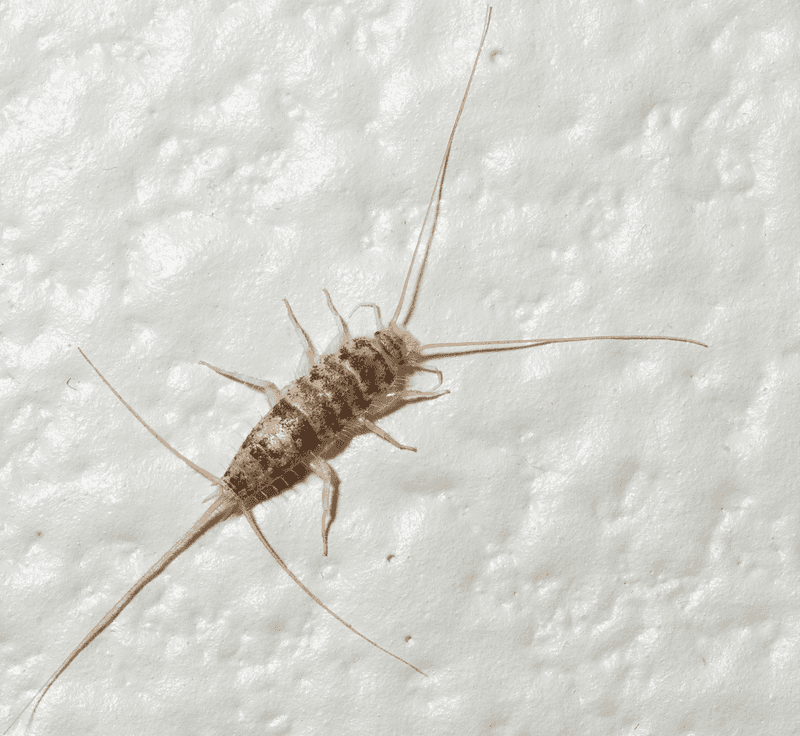
Porch lights and exterior fixtures near doors do more than help you find your keys at night. Certain types of bulbs attract far more flying and crawling insects than others, indirectly increasing the odds silverfish and their food sources end up near entry points.
Standard white or blue-toned LED and incandescent bulbs draw insects from a wider radius than warmer-toned options.
Yellow “bug” bulbs or sodium vapor lights attract noticeably fewer insects overall, which means less general insect traffic building up around doors and windows.
Fewer insects near an entry point means fewer opportunities for silverfish to hitch a ride inside on a person, pet, or gust of wind through an open door.
It also means fewer insect carcasses accumulating in window wells and doorframes, which silverfish will happily feed on if given the chance.
Swapping exterior bulbs near frequently used doors is a small, one-time fix. Combine that switch with keeping porch lights off when not needed, since darkness near the house naturally reduces insect gathering overall.
This tip works best alongside sealing and moisture control rather than as a stand-alone fix. Reducing insect traffic outside is one more small layer working in your favor.
8. Professional Help Makes Sense For Persistent Cases
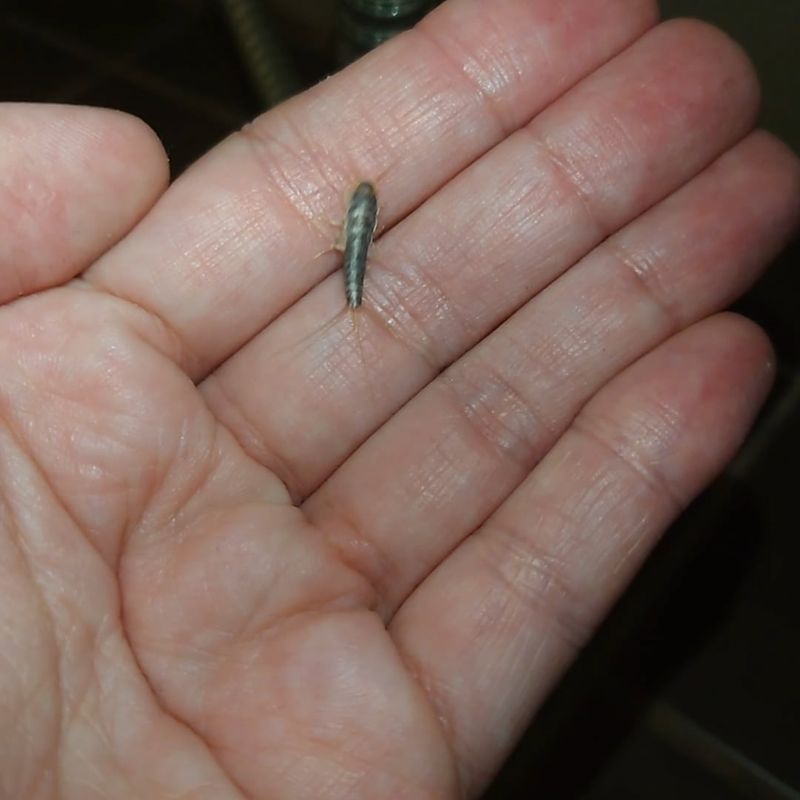
Most Michigan homeowners can handle silverfish entirely on their own using moisture control, sealing, and better storage habits.
Some situations call for a bit more help though, especially in older homes with widespread structural gaps or chronic dampness that simple fixes cannot fully resolve.
A pest control professional can identify moisture sources hidden behind walls or under flooring that are difficult for homeowners to find without specialized tools.
They can also apply targeted treatments in wall voids and crawl spaces where sprays and traps are more effective than general household products.
Signs worth escalating include seeing silverfish daily despite consistent dehumidifying and sealing efforts, or discovering repeated damage to stored items even after switching to sealed containers.
A persistent population despite genuine effort usually points to a structural or moisture issue beyond typical DIY reach.
Professional treatment for silverfish is generally straightforward and low-risk compared with treatments for more aggressive pests.
Most companies combine a moisture assessment with targeted product application rather than broad spraying throughout the home.
Getting a professional opinion once, even if you handle ongoing prevention yourself afterward, can identify the root cause faster than months of guessing.
That one visit often saves both time and unnecessary product use down the road for a stubborn case.