This Texas Spider Looks Dangerous But Is Quietly Protecting Your Home From Roaches
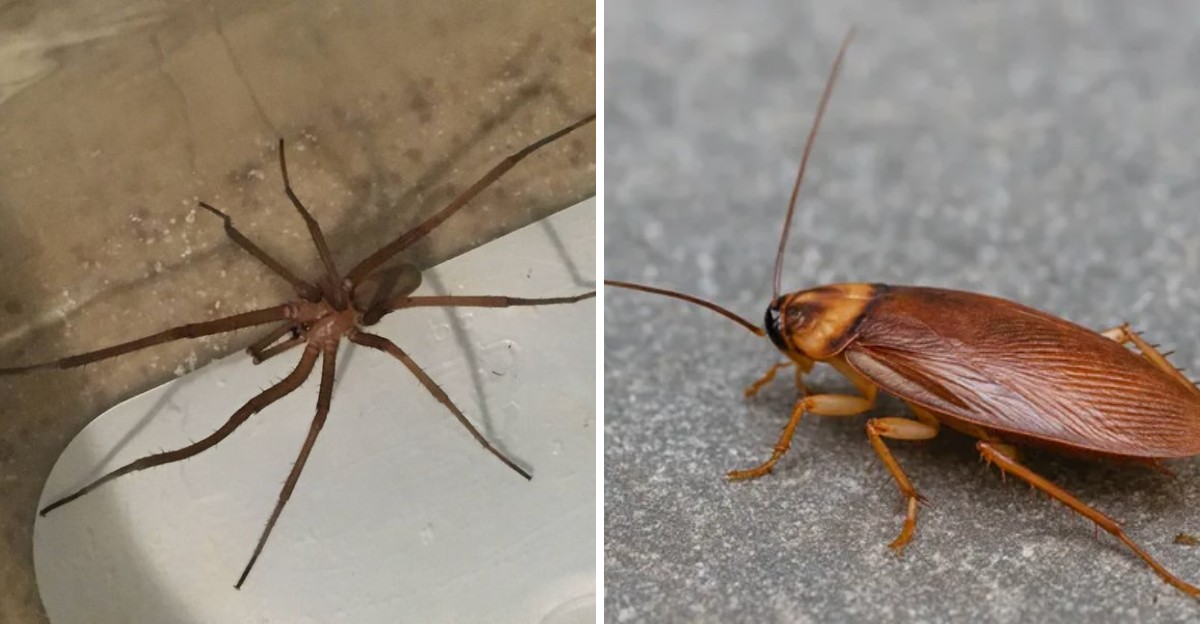
There is a spider that shows up in Texas homes and garages that sends most people immediately looking for something to deal with it.
It’s large enough to notice, moves with an unsettling confidence in enclosed spaces, and its appearance alone tends to trigger a very quick removal response. Before you do that, there’s something worth knowing.
This spider is one of the most effective natural predators of cockroaches in the Texas home environment.
While it goes about its business in garage corners and along utility room baseboards, it’s actively hunting the pest insects most Texas homeowners find considerably more troubling than the spider itself.
The protection it provides is quiet, consistent, and completely free. Here’s which Texas spider this is, what it’s actually doing in your home, and why leaving it alone might be the smartest pest control decision you make this fall.
The Harmless-Looking Pest Hunter
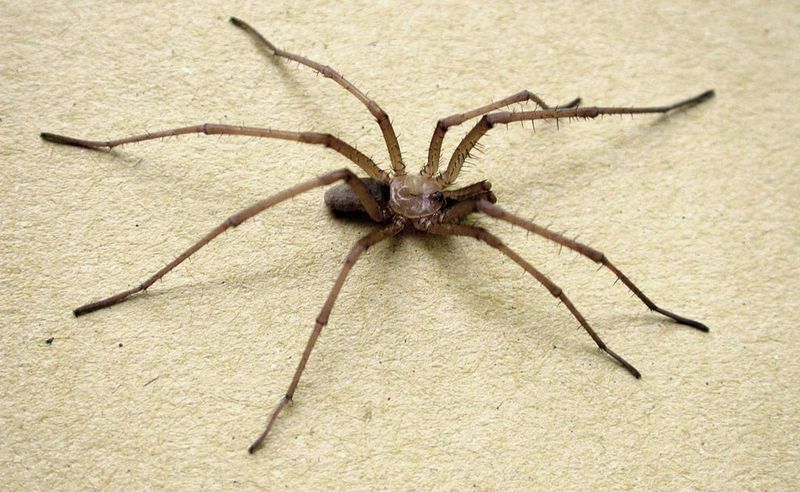
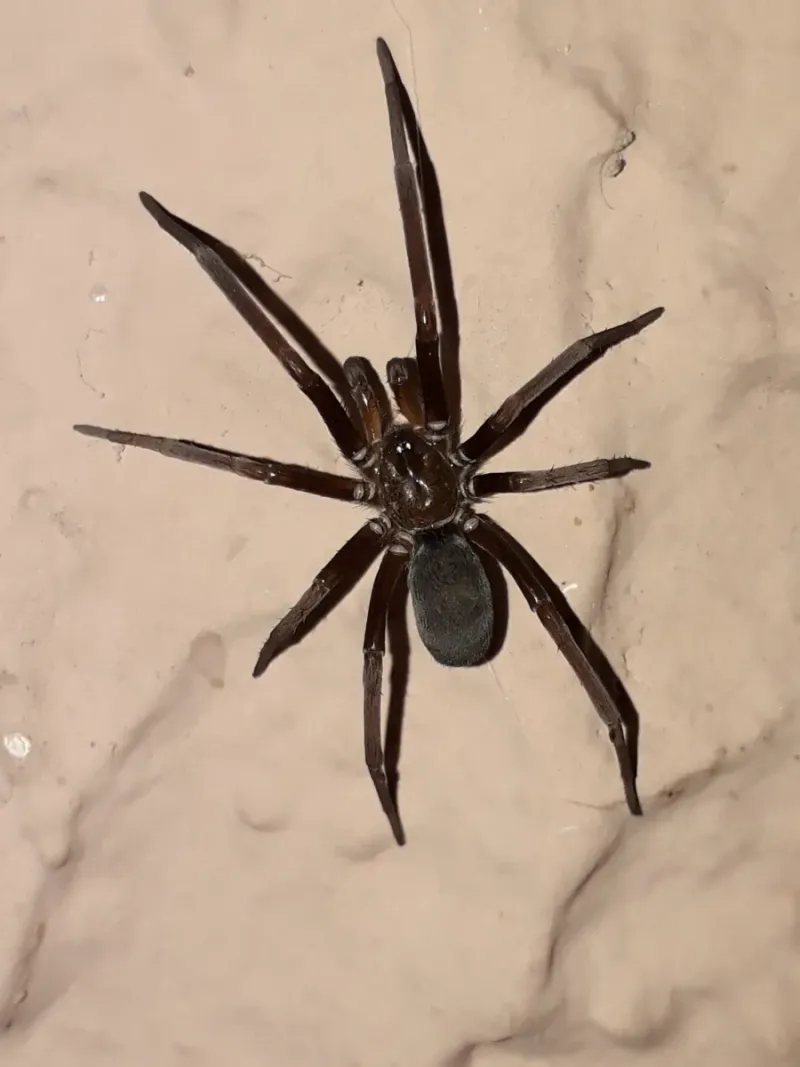
Meet the southern house spider, known to scientists as Kukulcania hibernalis. It is a common sight around Texas homes, and its looks alone are enough to make many people jump.
Females can grow fairly large, with dark, velvety bodies and thick legs that stretch out wide. Their size and shadowy color often lead folks to assume they are facing something threatening.
Males look different, appearing lighter brown and slimmer, and they are sometimes mistaken for other spiders entirely.
Despite the intimidating appearance, this spider is not aggressive toward people. It would much rather stay hidden and go about its business than come anywhere near you.
When surprised, it usually darts back into its cracks and crevices instead of standing its ground.
These spiders build messy, tangled webs that fan out from a small hole or gap. You might notice their webbing around window frames, brick corners, or wooden beams. The web works like a trap, catching insects that wander too close.
What really surprises people is how gentle these spiders are in reality. They have poor eyesight and rely on vibrations in their webs to sense a meal. Bites on humans are rare and typically happen only if a spider is pressed against skin.
So the next time one startles you, remember that the scary look is mostly for show. This creature is far more interested in bugs than in bothering you.
Understanding its true nature is the first step toward appreciating the helpful role it quietly plays inside and around Texas houses.
Why This Spider Shows Up Around Texas Homes
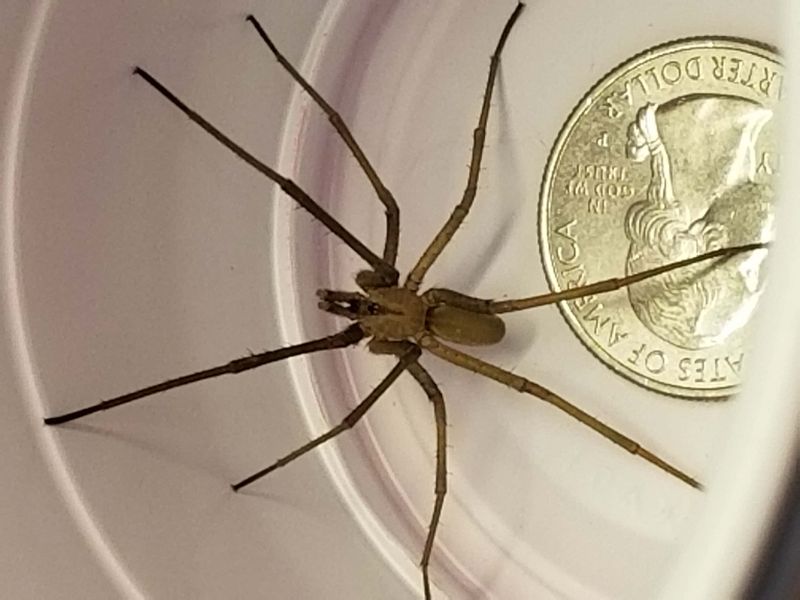
Ever wonder why these spiders seem to pick your place to settle down? The answer comes down to comfort and safety.
Southern house spiders love quiet, undisturbed spots where they can build their webs without being bothered. Garages top the list because they offer plenty of dark corners, stacked boxes, and forgotten shelves.
Porches are another favorite, especially around light fixtures and door frames where bugs tend to gather.
Cracks in brick, gaps in siding, and spaces around window frames make perfect homes too. These narrow openings give the spider a snug hideout where it can wait for prey and stay protected from weather.
Your Texas Garden Changes Every Week. Your Plan Should Too.
Gardening in Texas changes quickly throughout the season. Every Friday you’ll receive a simple weekly plan showing exactly what to plant, prune, fertilize, harvest, and protect so you never miss the right timing.
Sheds, barns, and old wood piles also attract them because those places rarely get cleaned out.
Texas weather plays a part as well. The warm climate lets these spiders stay active for much of the year, so they have plenty of time to spread into sheltered areas.
During cooler months, they simply tuck deeper into cracks and wait things out.
You are most likely to find their webs near sources of light, since insects flock to glowing bulbs after dark. That steady buffet of flying bugs keeps the spiders well fed and encourages them to stick around.
If your home has lots of hidden nooks and outdoor lighting, do not be shocked to see a few of these residents. They are simply following the food and looking for a calm place to live.
Keeping storage areas tidy and sealing obvious cracks can reduce how many settle in, though a few will always find a way inside.
How Southern House Spiders Help Control Insects
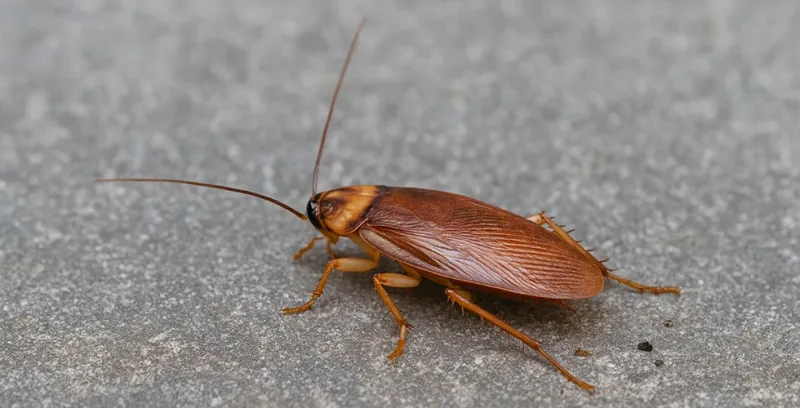
Here is the part that might change how you feel about these eight-legged guests. They are hardworking predators that help keep bug numbers down.
Southern house spiders feed on a wide range of insects and other small arthropods. Their tangled webs act like sticky nets, snagging anything that blunders into them.
Once an insect is trapped, the spider moves in to secure its meal.
The menu can include flies, moths, beetles, and other creatures that buzz around homes at night. In some cases, smaller roaches and similar pests may also end up caught in their webbing.
Every bug they eat is one less pest crawling around your space.
Think of them as a natural form of pest control that works while you sleep. They do not need chemicals or traps, and they never send you a bill.
All they ask is a quiet corner to set up shop.
Because they are active mostly after dark, you might not even notice them doing their job. Yet each web is quietly reducing the number of insects near your doors and windows.
Over time, that adds up to fewer bugs sneaking inside.
Homeowners who understand this often decide to let a few spiders stay put in low-traffic areas. It is a simple way to get some help managing pests without lifting a finger.
Of course, no single spider will wipe out an insect problem on its own. But as part of the bigger picture, these hunters play a helpful role in keeping the balance around your home leaning in your favor.
Why You Shouldn’t Confuse It With A Dangerous Spider
Fear often comes from mistaken identity, and this spider gets blamed for things it never did. People sometimes worry it could be a brown recluse or another spider that deserves caution.
Male southern house spiders are the usual source of confusion. Their lighter brown color and long legs can look similar to a recluse at first glance.
A quick, calm look at the details usually clears things up.
Brown recluse spiders have a distinct violin-shaped mark behind their heads and only six eyes arranged in pairs. Southern house spiders lack that violin pattern and have a different eye setup.
Their webbing style is also different, with messy, radiating threads rather than loose, wispy strands.
Female southern house spiders are darker and chunkier, which sometimes leads people to think of widow spiders. However, they do not have the bright red hourglass marking that widows are known for.
The body shape and web are clues that help tell them apart.
It is smart to avoid judging any spider by looks alone, since lighting and angle can trick your eyes. If you are unsure about a spider, keep your distance and take a photo from a safe spot.
A local expert or extension office can help confirm what you found.
The main takeaway is that a scary appearance does not equal danger. Southern house spiders are shy and rarely interact with people.
By learning the small differences, you can avoid needless panic and treat harmless spiders differently from ones that call for real caution. Knowledge turns fear into confidence when a spider shows up.
Should You Remove A Southern House Spider?
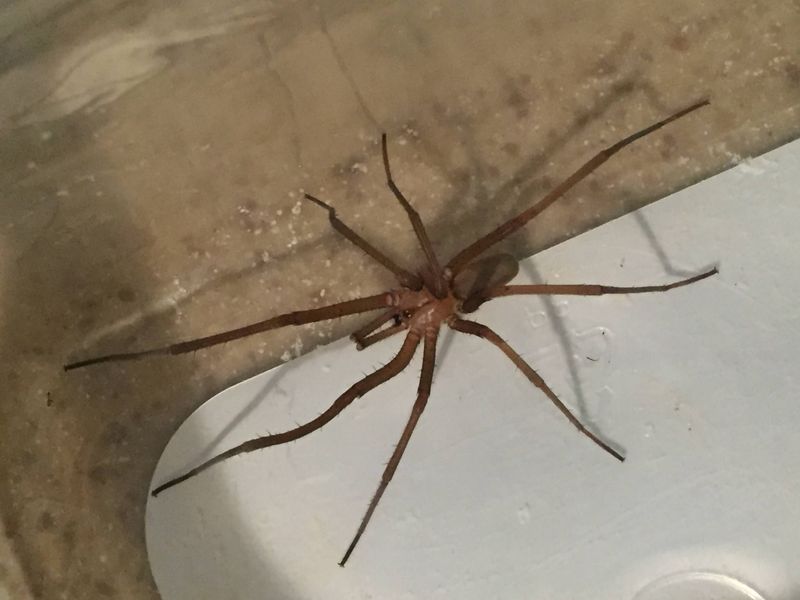
Not every spider needs to go, and this one often earns a pass. Before reaching for a broom, it helps to think about where the spider is hanging out.
If a southern house spider has set up in a quiet, out-of-the-way spot, leaving it alone is usually the easiest choice. A web in a high garage corner or an unused shed rarely bothers anyone.
In those places, the spider can keep doing its bug-catching work without getting in your way.
Many homeowners find that tolerating a few spiders leads to fewer other pests over time. Since these creatures are shy and avoid people, the odds of any trouble are low.
They are not the type to wander across your kitchen counter or hide in your shoes.
It can help to shift your mindset from seeing every spider as an enemy. Instead, picture it as a small helper managing insects for free.
That change in view makes coexistence a lot easier.
Of course, personal comfort matters too. If a web is right by your front door or a spot you touch often, gently relocating the spider outdoors is a fair option.
A cup and a piece of paper let you move it without harming it.
Regular cleaning and sealing cracks can naturally discourage spiders from settling in living spaces. That way you steer them toward areas where they cause no worry.
Choosing which webs to keep and which to move gives you control without erasing the benefits these quiet hunters bring to your home.
When Texas Homeowners Should Take Action
Sometimes patience runs out, and that is perfectly understandable. There are clear moments when stepping in makes good sense.
If you start noticing lots of webs and spiders in the same area, that can signal more going on. A large number of spiders often means there is plenty of food nearby, which usually points to a bigger insect issue.
In that case, the spiders are a symptom rather than the main problem.
Handling the insect situation first can make the biggest difference. When the bug supply drops, the spiders tend to move on to find food elsewhere.
Sealing entry points, fixing leaks, and reducing outdoor lighting all help cut down the pests that draw spiders in.
Homes with young children, older family members, or anyone nervous about spiders may want extra peace of mind. Removing webs from high-traffic areas and keeping storage spaces tidy can go a long way.
Regular sweeping around doors, windows, and ceilings discourages new webs from forming.
When the problem feels too big to handle alone, calling a professional pest control service is a smart move. Trained technicians can identify what is attracting the spiders and treat the root cause.
They can also advise on safe, effective ways to keep your home comfortable.
Acting early usually keeps small situations from growing into stubborn ones. A quick cleanup and a few simple repairs often solve the issue before it spreads.
By staying alert and dealing with insect problems promptly, Texas homeowners can enjoy the benefits these spiders offer while keeping their living spaces calm and pest-free.