What To Do When Grackles Turn Texas Yard Trees Into A Nightly Roost
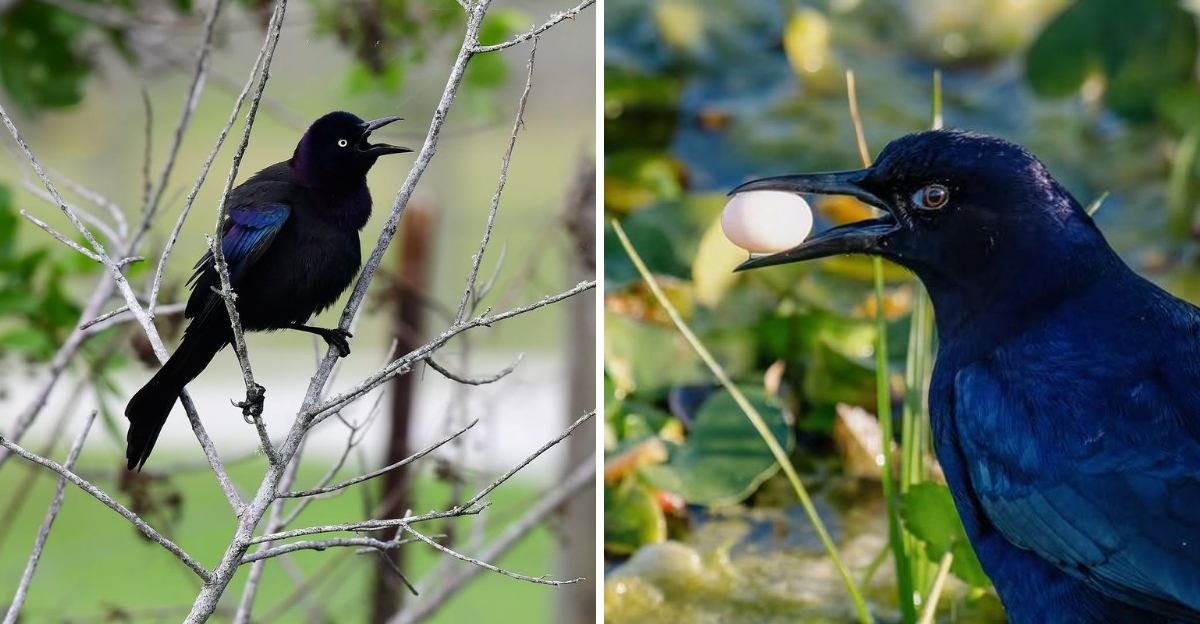
Texas grackle season can turn one quiet tree into a nightly airport.
At dusk, the sky starts moving. Glossy black birds pour in, chatter rises, branches shake, and your patio suddenly feels like it lost a very loud vote.
Great-tailed grackles are social, stubborn, and shockingly organized once they choose a roost. The mess lands on sidewalks, cars, outdoor cushions, and anything else unlucky enough to sit below the branches.
The noise is annoying. The cleanup is worse. The smell really commits to the performance.
But panic rarely helps.
A startled flock may simply shift to the next tree, settle back in, and continue the same routine with extra attitude. Because these birds are protected, the plan needs to be humane, legal, and consistent from the start.
So what actually works when grackles turn a Texas yard into their evening headquarters?
Start by confirming the roost, then use smart timing, habitat changes, and steady pressure before the flock treats your trees like a permanent reservation.
1. Confirm The Roost Pattern
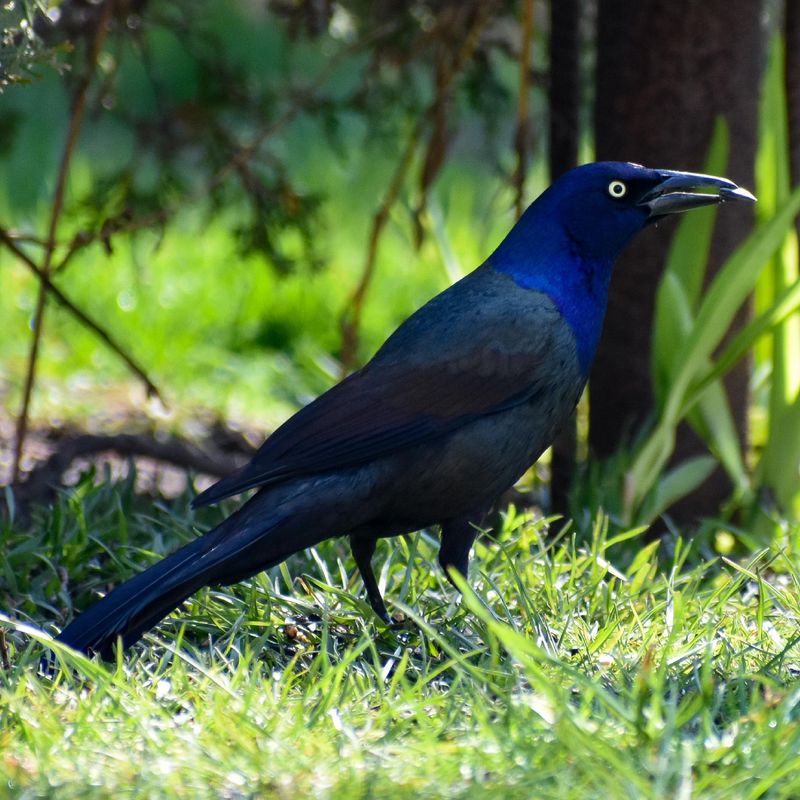
Before you do anything else, spend a few evenings watching and taking notes.
Knowing exactly where the birds land, what time they arrive, and whether the pattern repeats every night is the most important first step you can take. Acting without this information leads to poorly timed efforts that accomplish nothing.
Grackles are creatures of habit.
They tend to return to the same roost trees night after night, especially once a spot feels safe and comfortable.
Track the arrival time carefully because it usually falls within the same 30-minute window each evening. Note which specific trees attract the most birds and whether the flock seems to be growing.
Also pay attention to the direction they fly in from.
Grackles often travel from feeding areas like grocery store parking lots, fast food dumpsters, or open fields before settling in for the night.
Understanding that flight path helps you figure out what is drawing them close to your property in the first place.
Write down what you observe over at least three to five consecutive evenings.
Photos and short videos on your phone work great for keeping records. If you ever need to contact a wildlife professional or your city’s animal services department, solid documentation makes that conversation much easier and more productive.
2. Remove Easy Food Before Dusk
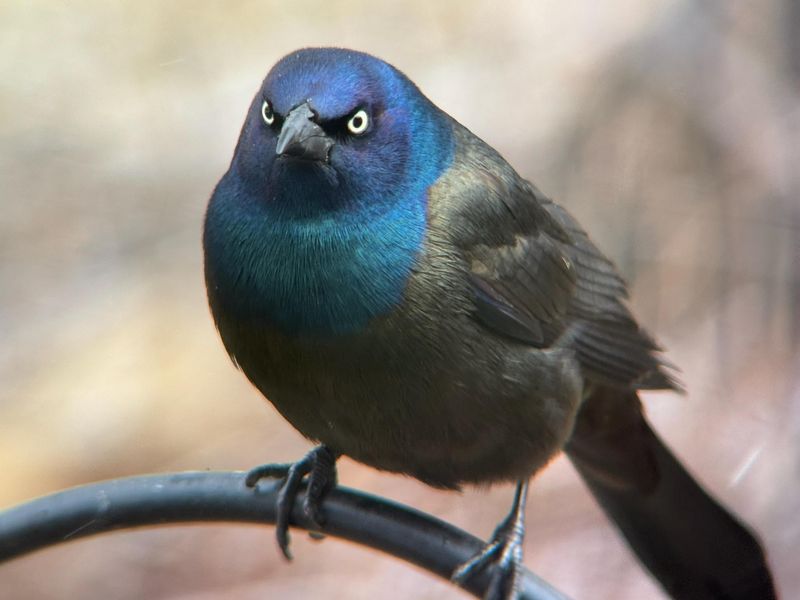
Grackles are opportunistic eaters, and your yard might be serving up a five-star buffet without you even realizing it.
Fallen birdseed under feeders, overripe fruit dropped from trees, and spilled pet food left outside are all open invitations for a flock to stick around past sunset.
Cutting off the food supply is one of the fastest ways to make your yard less attractive to a roost.
Pull in all bird feeders at least two hours before sunset during peak roosting season, which in Texas typically runs from late summer through early winter.
Grackles are not picky eaters, so even feeders designed for smaller songbirds can become a grackle magnet if left out too long.
Your Texas Garden Changes Every Week. Your Plan Should Too.
Gardening in Texas changes quickly throughout the season. Every Friday you’ll receive a simple weekly plan showing exactly what to plant, prune, fertilize, harvest, and protect so you never miss the right timing.
Switching to feeders with weight-sensitive perches can help reduce access for heavier birds during daytime hours as well.
Check under fruit trees and pick up any fallen produce daily.
Figs, mulberries, and persimmons are especially popular with grackles. If a tree is dropping more fruit than you can manage, consider netting the tree before the fruit ripens fully to reduce the temptation.
A quick sweep of the area around your property each afternoon can make a meaningful difference in how appealing your yard looks to a hungry, roosting flock.
3. Cover Trash And Pet Food
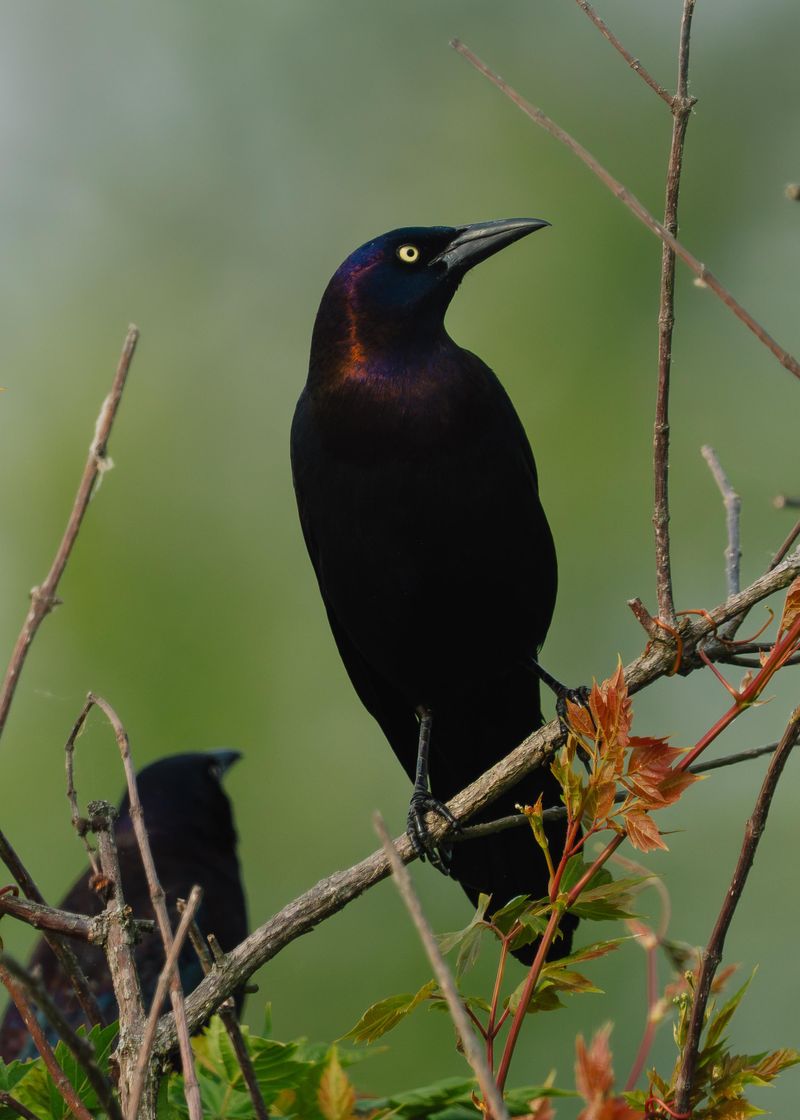
Nothing says welcome, birds quite like an uncovered trash can sitting at the edge of a driveway.
Grackles are sharp-eyed scavengers, and an open bin full of food scraps is basically a free buffet sign flashing in neon.
Securing your trash is one of the simplest and most effective sanitation steps you can take to reduce grackle activity around your property.
Use bins with tight, locking lids and place them in a garage or enclosed area if possible, especially overnight.
If your bins must stay outside, bungee cords or locking straps can keep lids secure against both grackles and other wildlife. Rinse food containers before tossing them in the trash to reduce odors that attract birds from a distance.
Pet food is another big draw.
Many Texas families feed dogs and cats outdoors, which is completely fine during the day, but leaving bowls out past late afternoon is an open invitation for grackles to swoop in.
Bring food bowls inside before dusk and store pet food in sealed containers.
Compost piles also deserve attention. Use a covered compost tumbler or bury fresh scraps under existing compost material to reduce smell and visibility.
Keeping your yard tidy and sealed up tight is genuinely one of the best long-term strategies for making grackles choose someone else’s neighborhood instead of yours.
4. Thin Dense Roost Limbs Carefully
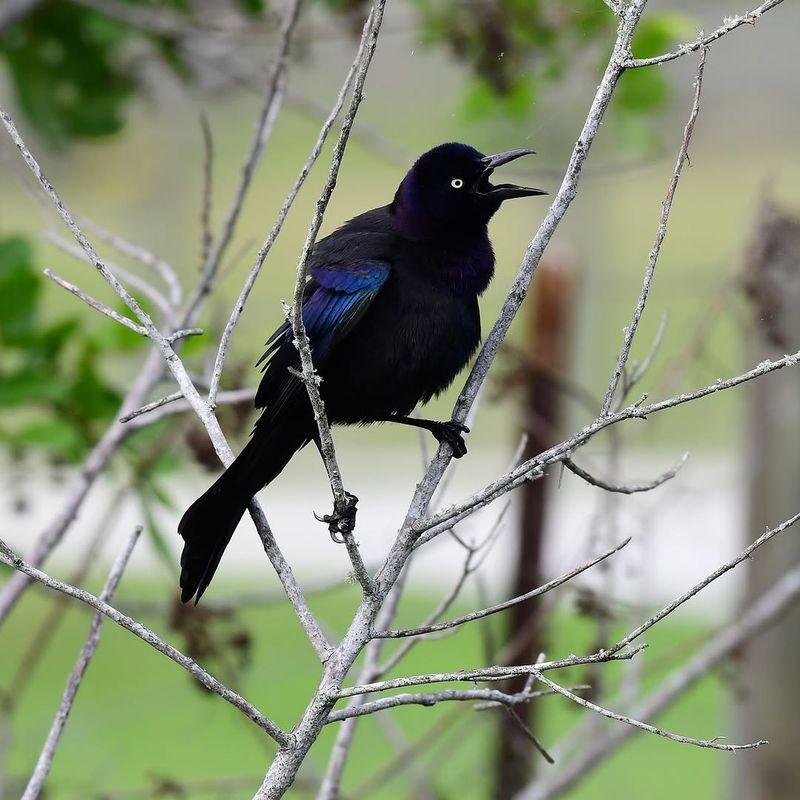
Grackles love a thick, sheltered canopy.
Dense tree crowns offer them protection from predators, a feeling of safety in numbers, and a comfortable perch for the whole noisy crew.
Thinning those crowded upper limbs strategically can make a roost tree significantly less inviting without harming the tree itself.
The goal is to open up the canopy so that wind moves through more freely and the structure feels less enclosed.
Grackles prefer roosting spots that feel protected on all sides, so removing about 20 to 30 percent of the interior branches can disrupt that cozy setup without stripping the tree bare.
Focus on crossing branches and dense interior growth rather than the main framework limbs.
Timing matters a great deal here. Pruning is best done outside of nesting season, which in Texas generally runs from March through August.
The Texas A&M Forest Service recommends pruning most trees in late fall or early winter when birds are less likely to be actively nesting. Always check local city ordinances before pruning large trees.
Hiring a certified arborist is worth the cost for large or mature trees.
They understand how to thin a canopy safely and keep the tree healthy long term. A well-thinned tree stays beautiful while becoming far less appealing to a flock looking for its nightly bunk.
5. Start Hazing Before Habits Settle
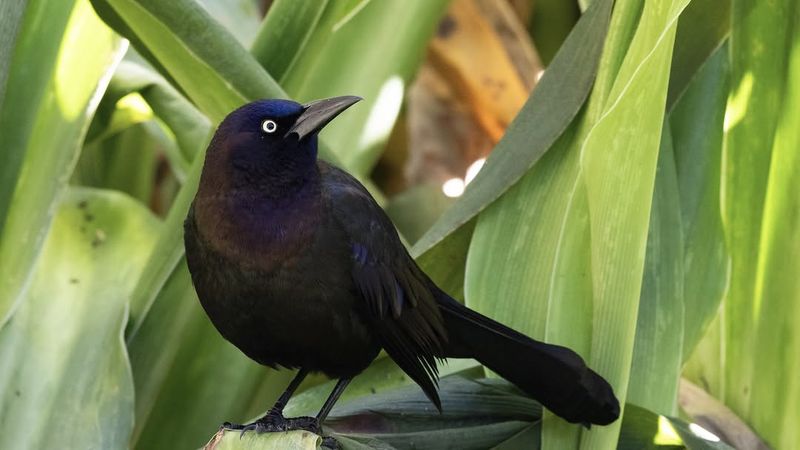
Timing is everything with grackle hazing, and the window for easy success is shorter than most people expect.
Once a flock has roosted in the same spot for two or three weeks, they become much harder to move.
Starting humane dispersal efforts during the very first few nights of a new roost gives you the best shot at convincing the birds to look elsewhere before the habit becomes permanent.
Hazing means using non-harmful methods to make the roost site feel unsafe or uncomfortable.
Simple tools like mylar flash tape, reflective pinwheels, and large predator decoys such as owl or hawk silhouettes can be surprisingly effective when deployed early.
Move decoys every couple of days so the birds do not realize they are fake.
Noise hazing is also very useful at this stage. Clapping your hands, shaking a can filled with coins, or using a handheld air horn when the flock begins to settle can interrupt the roosting process and send the birds looking for a quieter spot.
The key is consistency: showing up every evening at the same time the birds arrive and making the experience unpleasant for them repeatedly over several nights.
Never attempt hazing by throwing objects at birds or using anything that could cause physical harm. Grackles are federally protected under the Migratory Bird Treaty Act, and harming them intentionally carries serious legal consequences.
6. Use Lights And Noise With Timing
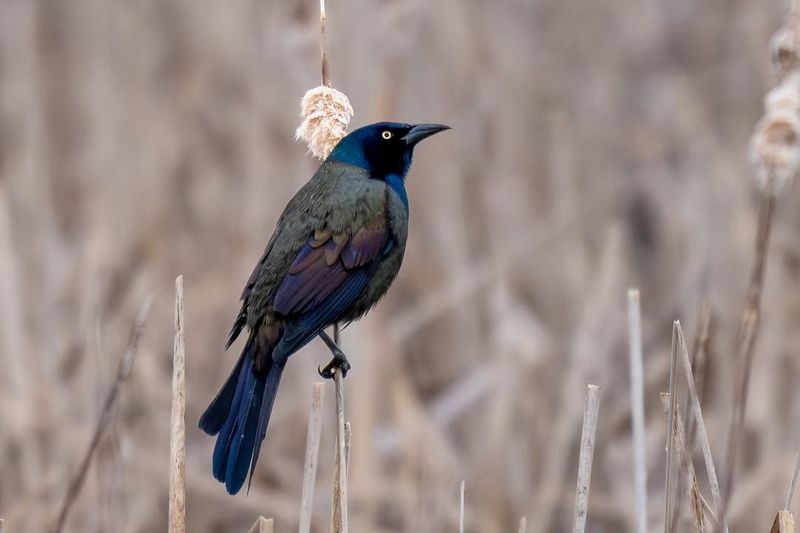
A well-timed blast of noise or a sudden flash of light can send grackles scattering faster than you might expect.
The trick is not just using these tools but using them at exactly the right moment, which is the 15 to 30 minutes just before the flock fully settles in for the night.
Hit them too early and they simply circle back. Wait too long and they hunker down and ignore you.
Motion-activated strobe lights mounted in roost trees or aimed at roosting branches can be very effective.
Grackles are uncomfortable with unpredictable flashing light, especially as darkness falls. Solar-powered options are easy to install and do not require running extension cords across the yard.
Place them at canopy level rather than at ground level for maximum effect.
Recorded predator calls and distress calls from other grackles are popular tools used by professional wildlife managers.
Playing these sounds through a portable outdoor speaker during the arrival window has shown strong results in research cited by USDA APHIS Wildlife Services. Rotate the sounds used so the flock does not adapt.
Be thoughtful about your neighbors. Loud noise devices used repeatedly in the evening can create friction with people living nearby.
Let your neighbors know what you are doing, keep hazing sessions short and focused, and consider whether the disruption is proportionate to the size of the roost you are dealing with.
7. Protect Walkways From Droppings
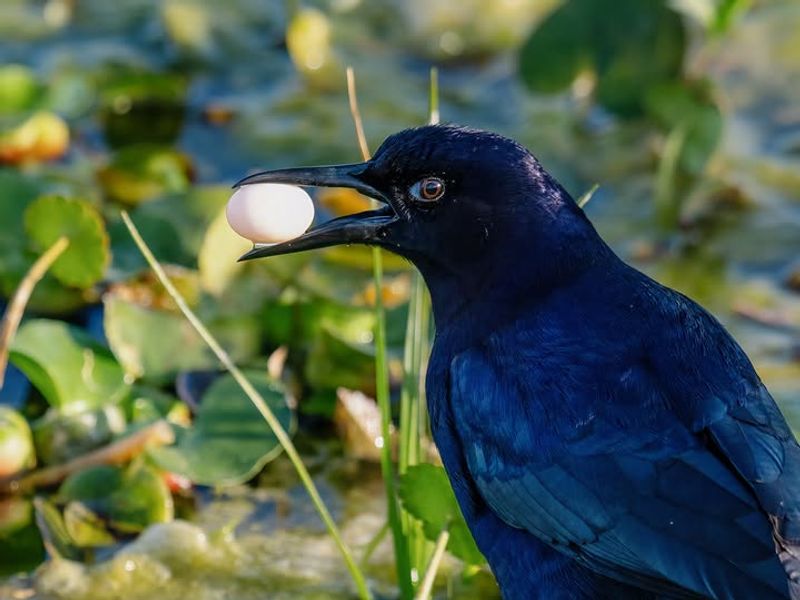
Even when you are actively working to move a roost, the cleanup challenge is real and immediate.
Grackle droppings accumulate fast under a busy roost tree, and they are slippery, smelly, and carry pathogens that can affect human health if not handled carefully.
Protecting your walkways, patio, driveway, and parked vehicles during the dispersal process is a practical priority that should not wait.
Temporary bird netting draped over a patio or carport roof can shield surfaces from droppings while you work on longer-term deterrence.
Look for UV-resistant polypropylene netting at garden centers or hardware stores. It is lightweight, easy to remove, and does not harm birds that brush against it.
For cleanup, wear rubber gloves and a dust mask or respirator when dealing with large accumulations of droppings.
The CDC recommends wetting droppings with a disinfectant spray before sweeping to reduce the risk of inhaling dried particles.
A diluted bleach solution works well on concrete and pavement. Never dry-sweep a large accumulation of bird droppings.
Power washing is effective for heavy buildup on driveways and sidewalks.
For vehicles, a gentle rinse with clean water followed by a wash with car soap works well. Applying a coat of car wax creates a surface that is easier to clean next time.
8. Call Pros For Large Roosts
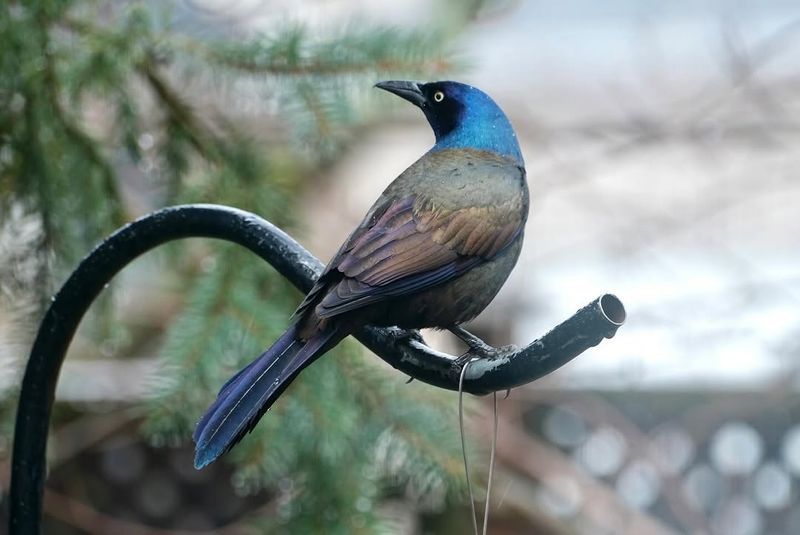
Some grackle roosts grow far beyond what any homeowner can reasonably manage alone.
Flocks of several thousand birds roosting in a single block of trees are not unusual in Texas cities during fall and winter, and at that scale, the noise, droppings, and health concerns become a genuine public issue rather than just a backyard nuisance.
USDA APHIS Wildlife Services operates in Texas and provides assistance with large urban bird roosts.
They work with municipalities, businesses, and homeowners to assess roost situations and recommend or implement management strategies that comply with federal and state wildlife regulations.
Contacting your local USDA Wildlife Services office is a good starting point for any roost that involves thousands of birds or significant public health concerns.
Private wildlife management companies that specialize in bird control are another option.
Look for companies that use methods approved by the National Wildlife Control Operators Association and that clearly state they follow Migratory Bird Treaty Act guidelines.
Ask for references and a written management plan before agreeing to any service. A reputable company will never recommend anything that involves harming the birds.
Your city or county may also have resources available.
Many Texas municipalities have dealt with large downtown grackle roosts and have established protocols that residents can tap into.
Large roosts are a community-scale challenge, and the most effective solutions are often coordinated ones that go beyond what any single yard can accomplish alone.