A Sulfur Yellow Shrub Nobody Plants On Purpose Is Now The Star Of Colorado Yards
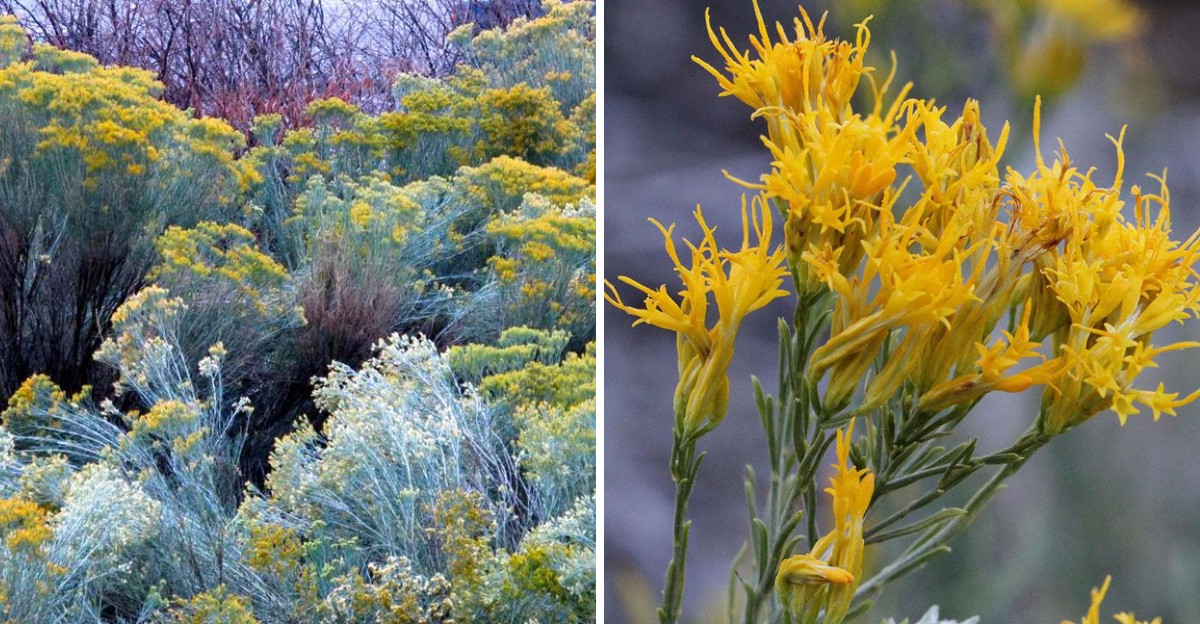
Ditches ignite gold across Colorado each September, and you smell it before you see it. Honey and turpentine mix in the air, sharp enough to halt you. Bees crowd this bloom like it’s the last stop you’ll find.
Gardeners once yanked it from your gravel bed without hesitation. Locals near you once ripped this out on sight, calling it a weed. Now landscape designers charge you real money to replant it.
Colorado clay, intense heat, and drought barely faze what you’re growing. Water demands stay low, letting you skip the hose entirely. Fall drains your other plants, yet this shrub peaks in brilliance.
Color like this makes you notice. Pollinators flock in, giving you a show few gardens offer. The plant stayed the same while you looked away for decades.
Your gaze changed, not the shrub’s stubborn generosity. You are about to find out why everyone was wrong about it.
Rubber Rabbitbrush Is The Roadside Shrub With A Golden Secret
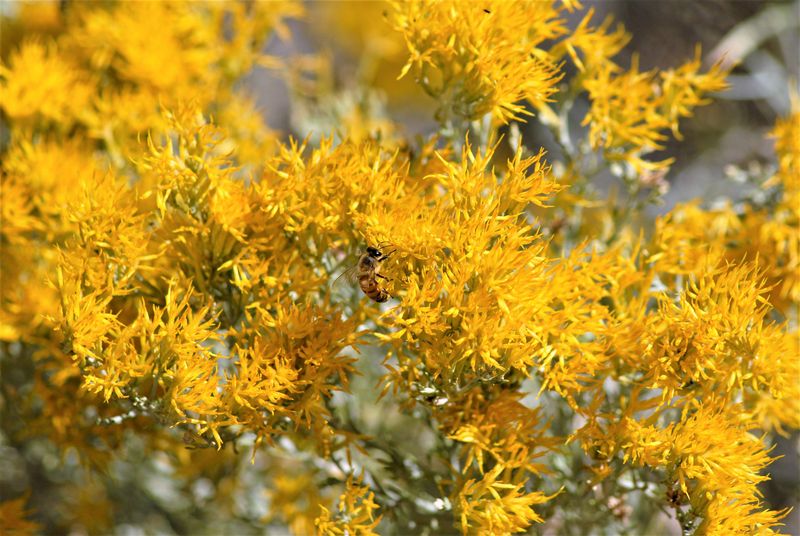
Botanists call it Ericameria nauseosa, which is a rough name for a plant this pretty. Ranchers and roadside crews have called it worse.
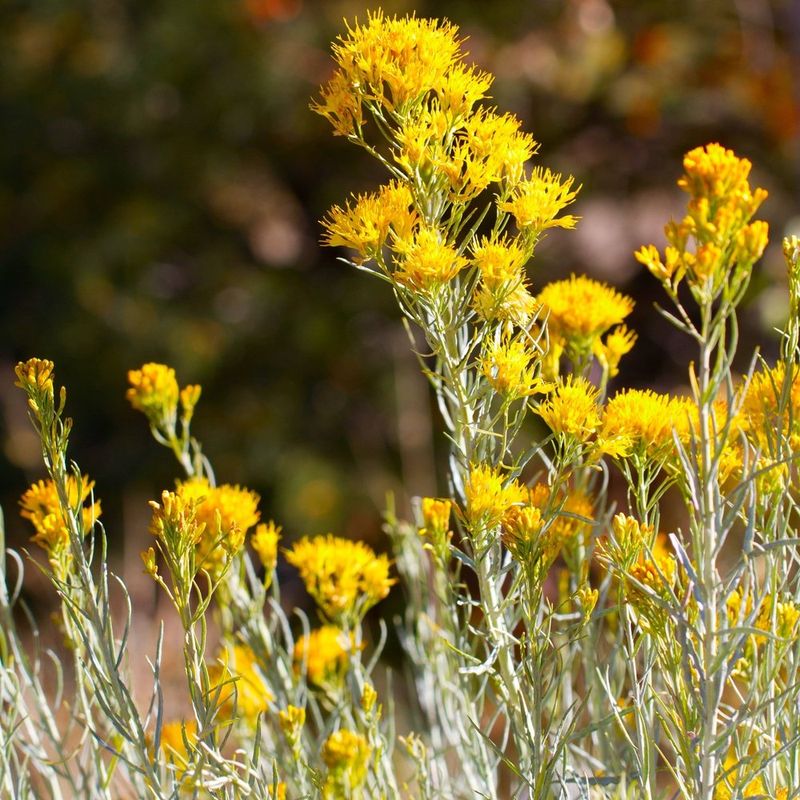
The shrub grows wild across Colorado, from the eastern plains up through mountain parks around 9,000 feet. It forms a loose dome, usually three to five feet tall and just as wide, with narrow silver-green leaves that look almost dusty.
Then early September arrives and the whole thing produces tiny sulfur-yellow flower clusters packed so tightly the foliage disappears underneath.
The rubber part of the name is literal. During World War II, American researchers studied the latex in its stems as a backup source of natural rubber when overseas supplies got cut off, with some earlier interest during World War I as well.
It was tested seriously enough that government scientists grew experimental plots. The rubber content turned out to be too low for factory use, but the name stuck around anyway.
What makes it a yard star now is timing. The plant did not change, but interest in low-water landscaping did.
Rabbitbrush picks that exact moment to glow. Against a backdrop of tan grasses and rust-colored sumac, the yellow appears especially vivid.
Gardeners who once treated it as a weed to pull are now buying nursery-grown selections with tighter forms and bluer foliage.
Water Bills Made Everyone Look Twice
Front Range water districts have spent recent years encouraging homeowners away from thirsty bluegrass lawns.
Some have offered cash rebates for tearing turf out, though it’s worth checking current local programs for exact terms. That created a sudden demand for plants that look good on almost no irrigation.
Check current local programs for details. That created a sudden demand for plants that look good on almost no irrigation. Rabbitbrush walked right into that gap.
Once established, the shrub generally gets by on natural rainfall in most of Colorado, where Front Range precipitation is typically low, averaging roughly a foot or so per year depending on location.
Your Colorado Garden Changes Every Week. Your Plan Should Too.
Gardening in Colorado changes quickly throughout the season. Every Friday you’ll receive a simple weekly plan showing exactly what to plant, prune, fertilize, harvest, and protect so you never miss the right timing.
Its roots run deep, chasing moisture far below where lawn roots give up. A first-year plant appreciates a bucket of water every week or two through summer. After that, extra watering can actually work against you.
Too much moisture makes the stems stretch, the shape flop open, and the shrub turn into a sprawling mess by August. Lean soil and dry feet keep it compact and dense, which is the opposite of how people usually treat a landscape plant.
Budget-wise, the math is hard to argue with. One rabbitbrush covering twenty square feet can replace turf that would have needed significant irrigation over a season. Multiply that across a parking strip or a hot south-facing slope and the savings show up on the bill.
Landscapers also like that it fills space fast. A one-gallon plant often reaches close to mature size within a few seasons, meaning fewer plants purchased and less bare ground to mulch in the meantime.
Bees, Butterflies, And A September Buffet
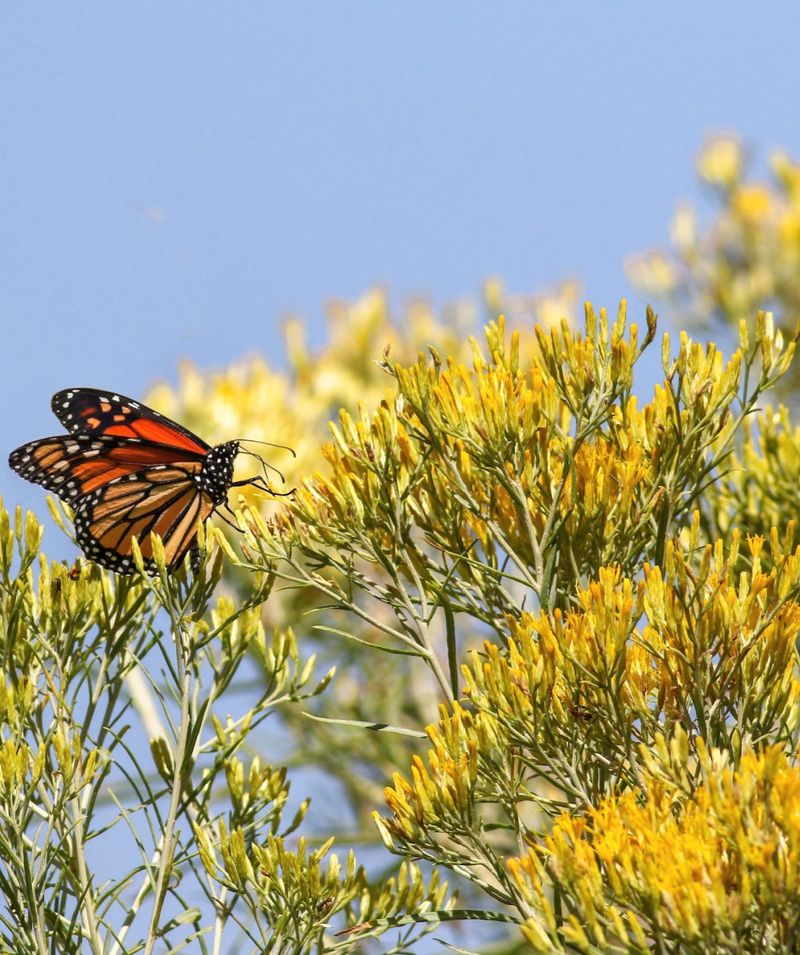
Stand next to a blooming rabbitbrush on a warm September afternoon and the hum is noticeably loud up close. The sound comes from hundreds of insects working the flowers at once.
Late summer is a lean stretch for pollinators in Colorado. Spring wildflowers finished months ago, and many garden perennials have shut down production.
Rabbitbrush blooms right when native bees are stocking their nests for winter and migrating monarchs are refueling on their way south.
Rabbitbrush can attract dozens of insect species on a single plant, including bumblebees, sweat bees, soldier beetles, painted ladies, and small wasps that help with garden pest control.
The flowers are shallow and open, which matters more than people realize. Short-tongued native bees cannot reach nectar inside deep tubular blooms, so a wide-open flower head is basically an accessible lunch counter.
Goldfinches and other seed eaters show up later in fall for the fluffy seed heads. If you want to make the shrub work even harder, pair it with purple asters or blue rabbitbrush relatives nearby.
The color contrast is striking and the overlapping bloom windows stretch the food supply further into October.
Leave the spent stems standing through winter, too. Hollow twigs and leaf litter at the base give small native bees somewhere to wait out the cold months until spring arrives again.
Planting It Without Regretting It Later
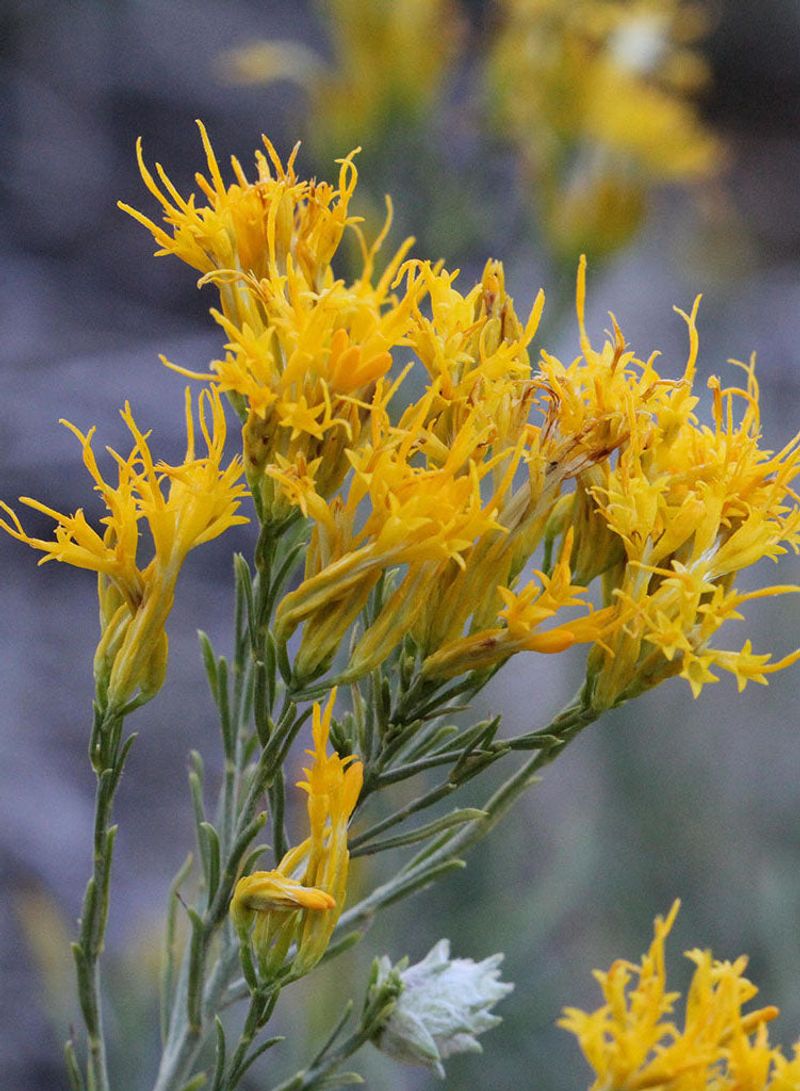
Here is the honest warning: rabbitbrush gets bigger than the tag suggests, and it performs poorly when crammed against a sidewalk. Give it room from the start and you will save yourself years of pruning arguments.
Plan on five feet of space in each direction for the common wild form. Compact nursery selections stay closer to three feet, which suits smaller beds better.
Full sun is strongly recommended if you want that dense, rounded shape. Shade turns the shrub leggy and thin, and the flower show drops off noticeably.
Soil should drain well, and honestly, poor soil is a feature here. Sandy loam, decomposed granite, gravel, even hard clay on a slope all work fine. Skip the rich compost amendment that garden centers push for other shrubs.
Fall planting suits Colorado well, since cool air and warm ground encourage root growth without the stress of July heat. Spring planting works too, as long as you commit to occasional deep watering that first summer.
Dig the hole the same depth as the pot and twice as wide, then backfill with the native soil you took out. Water it in thoroughly to settle air pockets.
A thin layer of gravel or coarse mulch helps, but keep organic mulch pulled back a few inches from the stems. Piled-up wood chips hold moisture against the crown, and that is one of the few conditions this shrub tolerates poorly.
The Yearly Pruning That Keeps Its Shape Dense
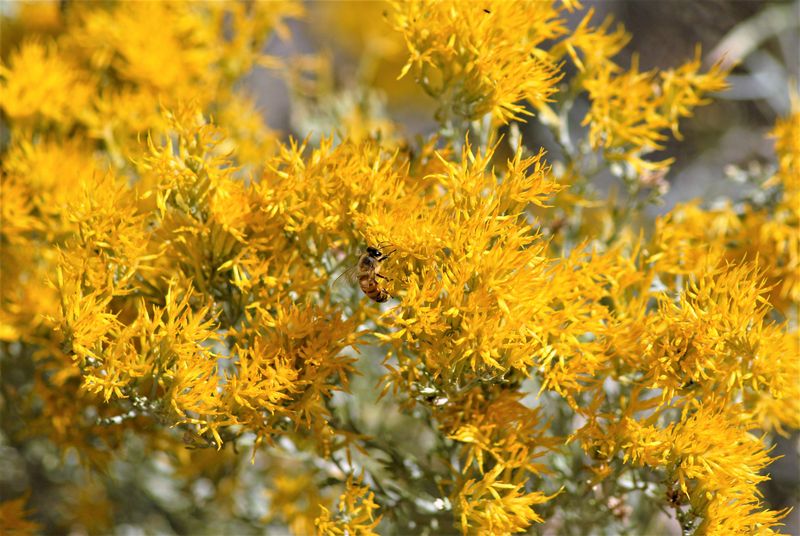
Left alone for a decade, rabbitbrush tends to open up in the middle and lean outward like a tired umbrella. One yearly trim prevents all of that.
Late winter or very early spring is the window, usually March along the Front Range. Cut the whole shrub back hard, taking it down to roughly six to twelve inches above the ground.
It looks severe the first time you do it. The plant responds by pushing fresh growth from the base and rebuilding a tight, rounded mound by midsummer.
Timing matters because the flowers form on new wood. Pruning in fall or winter removes stems that birds and insects still use, and pruning in summer cuts off the blooms you waited all year for.
Hand pruners work for smaller plants, though loppers or hedge shears speed things up on established shrubs. The stems are woody but not especially tough.
If you prefer a looser, wilder look, you can skip the hard cut and just remove a few of the oldest stems at ground level each spring. That keeps the plant renewing itself gradually.
One more tip from people who grow these regularly: rabbitbrush seeds itself around a bit. Cutting back before the fluff blows in late fall reduces volunteer seedlings in gravel paths.
Those seedlings are easy to pull when small, so it is a minor chore rather than a real problem. Many gardeners just move the best ones somewhere useful.
Design Tricks That Turn A Weed Into A Focal Point
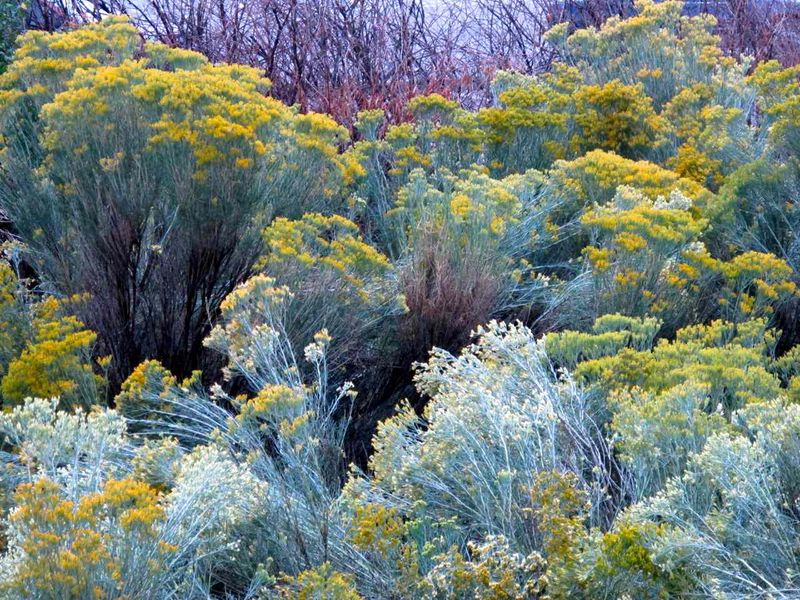
Context does a lot of heavy lifting with this shrub. Standing alone in a ditch it reads as scruffy, but placed thoughtfully in a bed it looks intentional and expensive.
Repetition is the easiest trick. Plant three or five spaced along a slope or parkway and the eye registers rhythm instead of randomness.
Color pairing is where things get fun. Purple asters, Russian sage, and blue mist spirea sit opposite yellow on the color wheel, and the color contrast is especially vivid in September sun. Silvery partners like artemisia or lamb’s ear cool the whole picture down.
Texture matters just as much. Rabbitbrush has fine, wispy foliage, so set it near something bold like yucca, agave, or a chunk of red sandstone for contrast.
Ornamental grasses such as blue grama or little bluestem move in the wind alongside it and echo the same prairie feeling.
Placement deserves thought too. Because the silver-blue foliage carries the show for ten months before the flowers arrive, treat it as a background or middle-layer plant rather than a doorstep specimen.
A spot where late afternoon light hits from behind is worth hunting for, since backlit blooms seem to glow from inside.
Worth remembering, rabbitbrush pollen is insect-carried rather than airborne, so it is a far less common allergy trigger than co-blooming plants like ragweed. Sensitive individuals may still want to keep it away from bedroom windows.