The Texas Native Tree Serious Homeowners Are Choosing This September That Big Box Stores Almost Never Stock
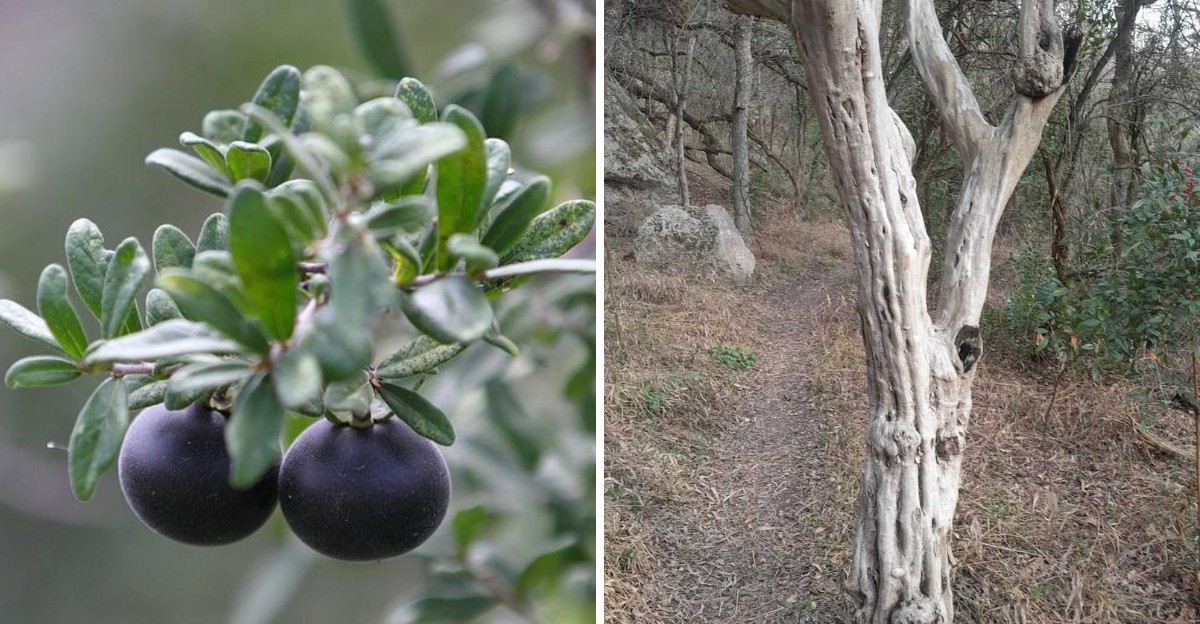
Three nurseries. Same question at every counter. Two staff members who had never even heard the name before.
That is what it takes right now to track down Texas persimmon anywhere near a Texas city, and the search alone tells you something important about this tree.
Big-box garden centers stock what sells fast and ships easy. This native never made that cut, despite growing wild across huge stretches of the state for longer than most subdivisions have existed.
Most homeowners never even learn this tree exists, simply because nobody stocks it where people actually shop for plants.
Below is what makes this overlooked native worth the extra effort, plus honest notes on its quirks, its slow pace, and where you can actually track one down.
1. Meet Texas Persimmon, The Overlooked Native
Ask most Texans to name a native tree, and you will hear live oak, cedar elm, maybe pecan mentioned first.
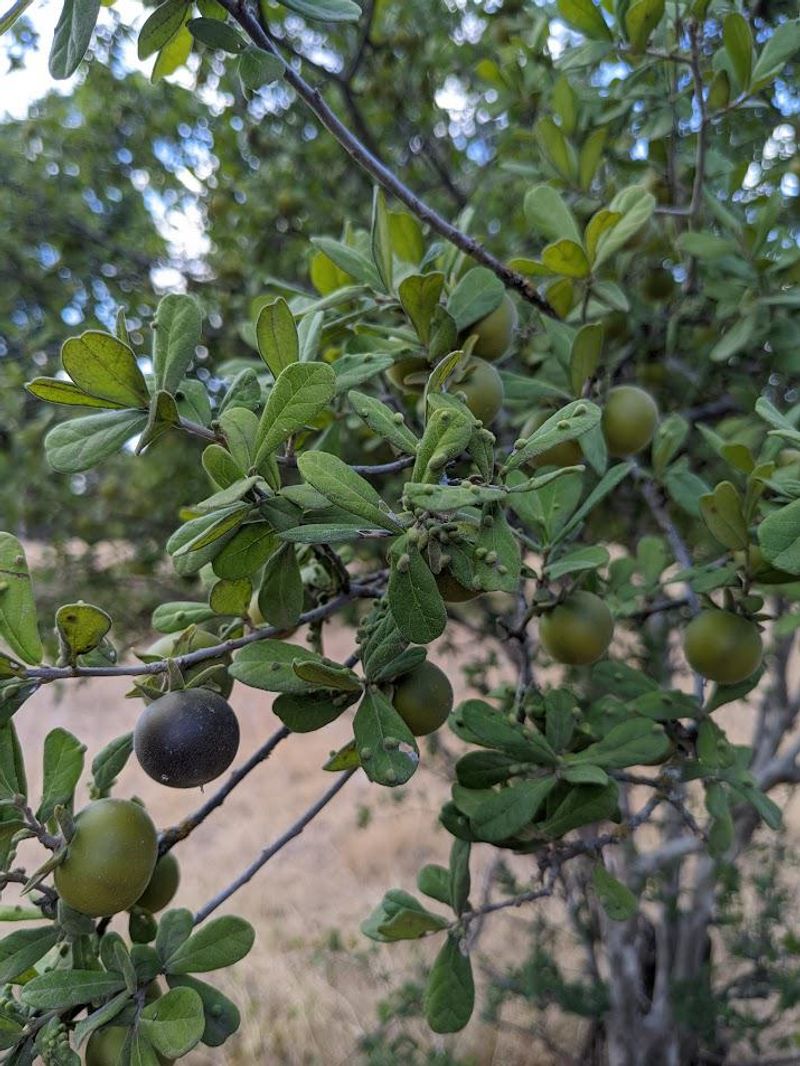
Texas persimmon, known botanically as Diospyros texana, rarely makes that list, even though it grows wild across the Hill Country, South Texas, and into West Texas and northern Mexico.
Think of it as a large shrub or small multi-trunked tree, usually topping out somewhere between 10 and 25 feet depending on soil and water available.
Its leaves are small, leathery, and dark green, which helps it shrug off Texas heat without much complaint. In much of its range it stays semi-evergreen, dropping leaves only during harder winters.
So why is it missing from the big chains entirely? Mass retailers stock what ships well, grows quickly in a container, and looks impressive on a pallet in spring.
A slow-growing native with an understated shape and a reputation limited mostly to local plant nerds does not fit that formula at all.
Texas A&M AgriLife Extension and the Lady Bird Johnson Wildflower Center both list it as a landscape-worthy native suited to alkaline, rocky, well-drained soils, which describes a huge swath of Central Texas backyards.
Homeowners who have watched imported ornamentals fail during drought restrictions tend to start looking for plants that already belong here naturally.
2. Peeling Bark Adds Year Round Interest
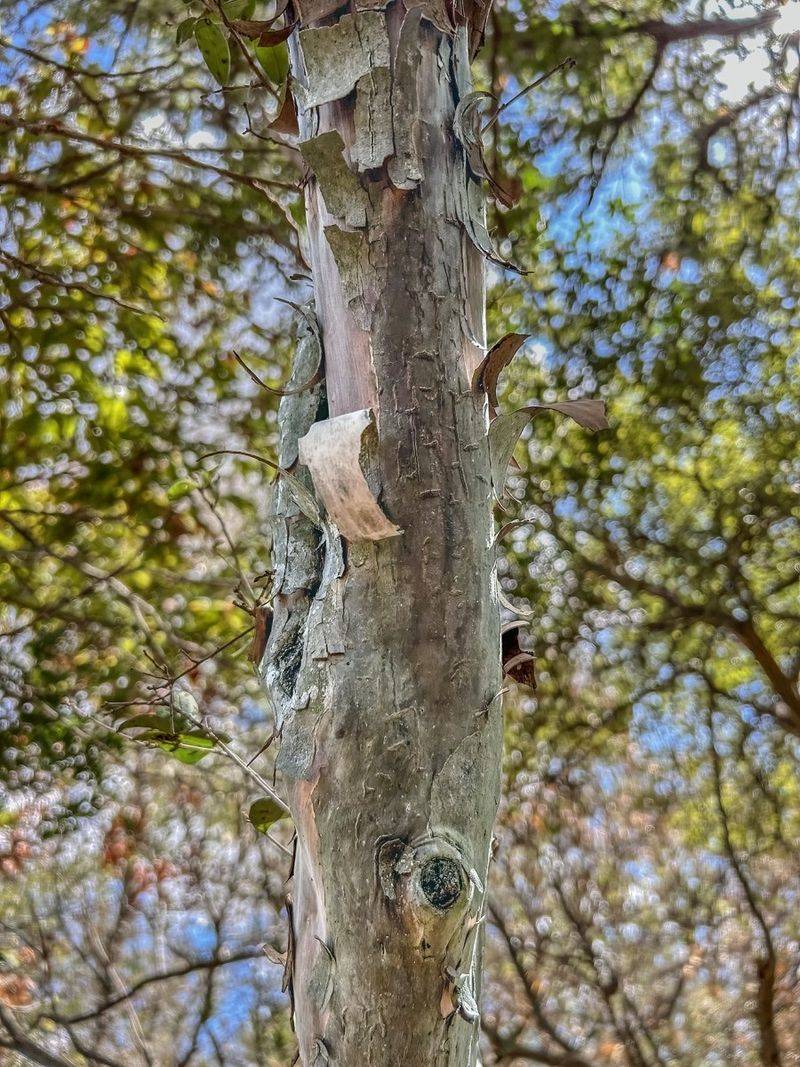
The bark is the reason many people fall for this tree before they even know its name. Mature Texas persimmon trunks turn a smooth silvery gray, and thin papery layers peel away to reveal patches of cream, pink, and soft tan underneath.
Landscape designers sometimes compare the effect to crape myrtle bark, though the persimmon version reads cooler and more sculptural overall.
The multiple slender trunks twist slightly as they grow, so no two specimens ever look identical.
Winter is when the payoff really lands hardest. After a hard freeze knocks the leaves off, what remains is a pale, glowing framework that catches low afternoon light and stands out against limestone walls or dark fences.
A practical tip from folks who grow these well. Resist the urge to limb it up into a lollipop shape.
Selectively removing a few lower branches to expose the trunks showcases the bark nicely, but heavy pruning ruins the natural form and removes the density that makes the plant useful as a screen.
Your Texas Garden Changes Every Week. Your Plan Should Too.
Gardening in Texas changes quickly throughout the season. Every Friday you’ll receive a simple weekly plan showing exactly what to plant, prune, fertilize, harvest, and protect so you never miss the right timing.
Uplighting is another cheap upgrade worth trying. A single low-voltage fixture aimed at the trunks turns an ordinary side yard into something worth looking at after dark.
Because the bark develops with age, young nursery plants will not show it yet. That delayed reward is part of why the tree appeals to homeowners planting for the long haul.
3. Drought Tolerance Rivals Any Big Box Shrub
During the brutal summer of 2011, plenty of Texas landscapes turned into kindling across the state. Native stands of Texas persimmon kept right on going, which says more than any plant tag ever could.
Once established, typically after one to two years of regular watering, this tree handles extended dry spells with very little help from anyone.
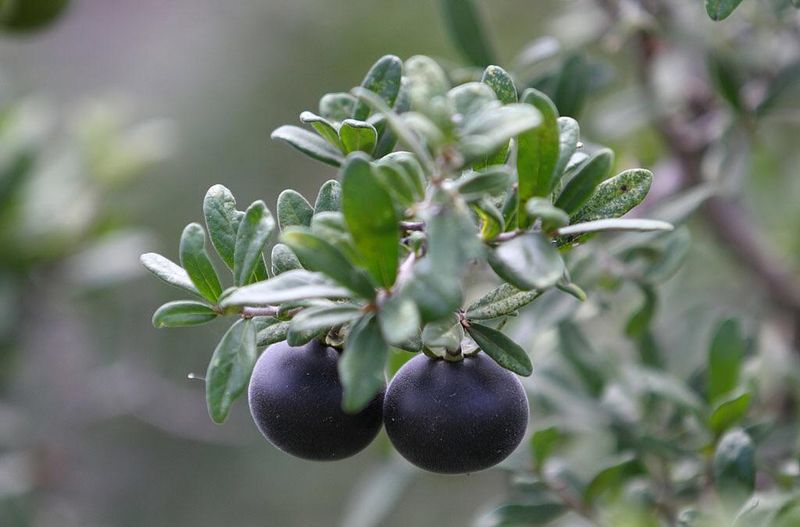
Its small waxy leaves limit water loss, and its root system pushes down into rocky, alkaline ground that frustrates many ornamentals completely.
Establishment still matters though. Plan on deep soakings every week or two through the first couple of growing seasons, tapering off gradually rather than cutting water suddenly.
Deep, infrequent watering trains roots downward, while daily sprinkler spritzes keep them shallow and vulnerable instead.
Drainage is the real make-or-break factor here. Texas persimmon evolved on well-drained limestone slopes, so heavy clay that stays soggy after storms can cause real trouble.
Planting slightly high in a raised berm helps considerably in those situations.
Skip the rich amendments and heavy fertilizer entirely. Backfill with native soil, mulch a few inches deep while keeping mulch off the trunk, and let the plant do what it already knows how to do.
4. Wildlife Feasts On Its Fall Fruit
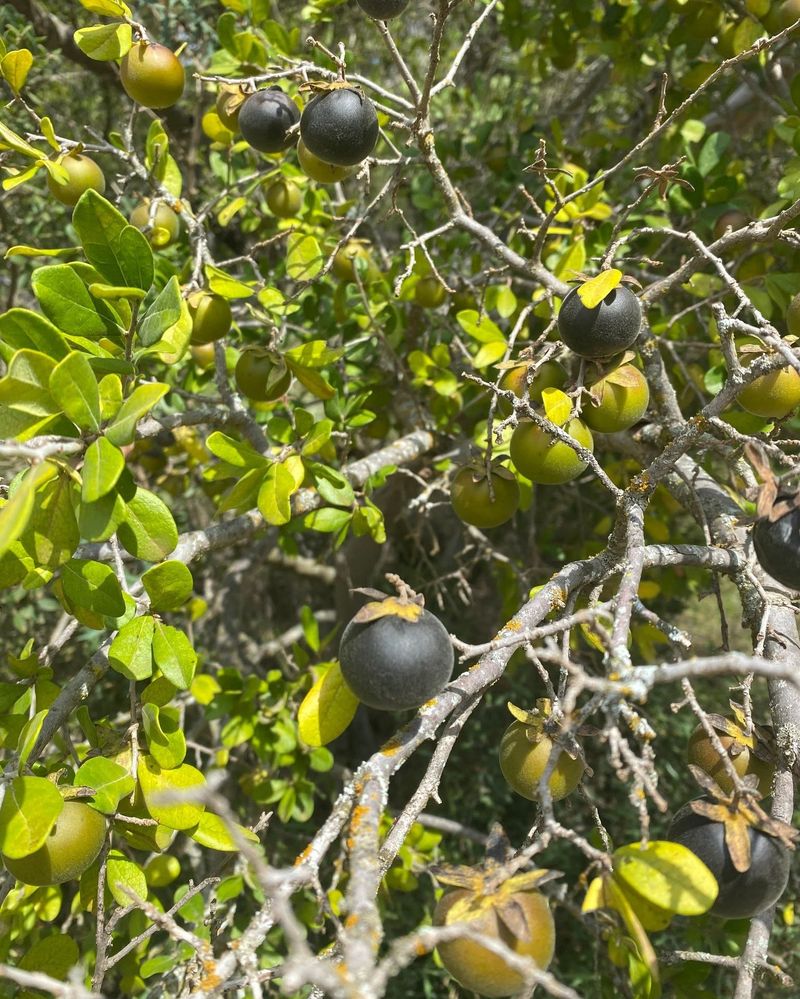
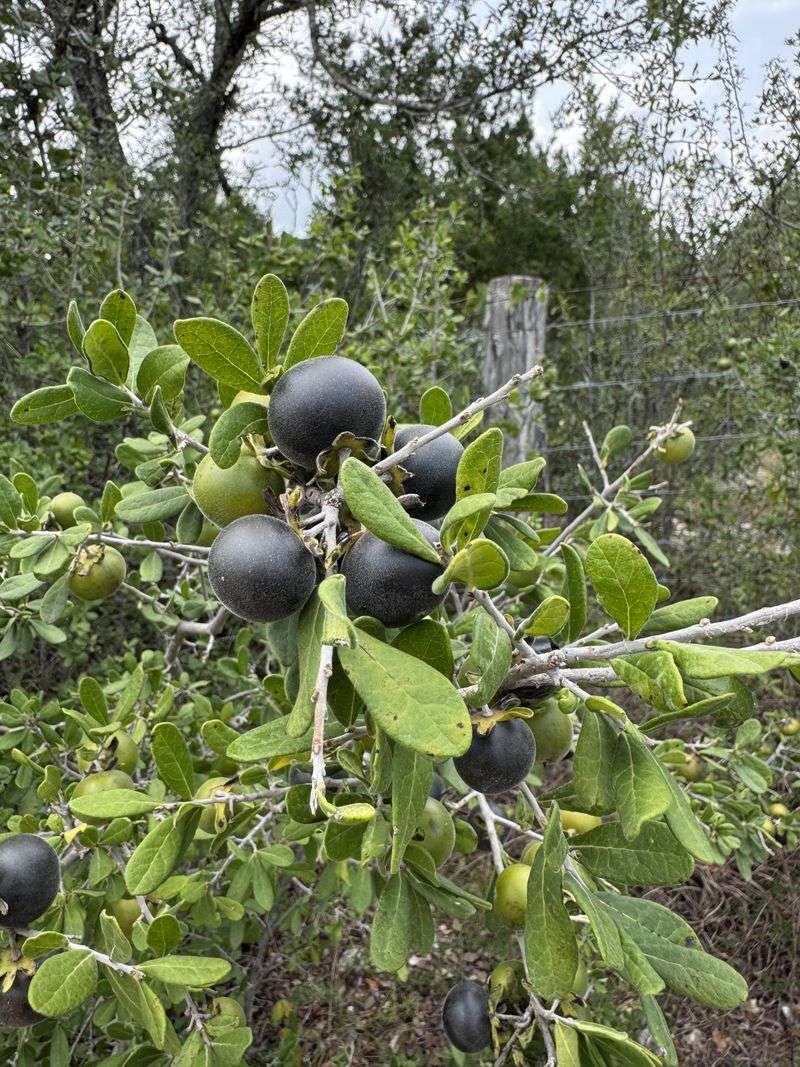
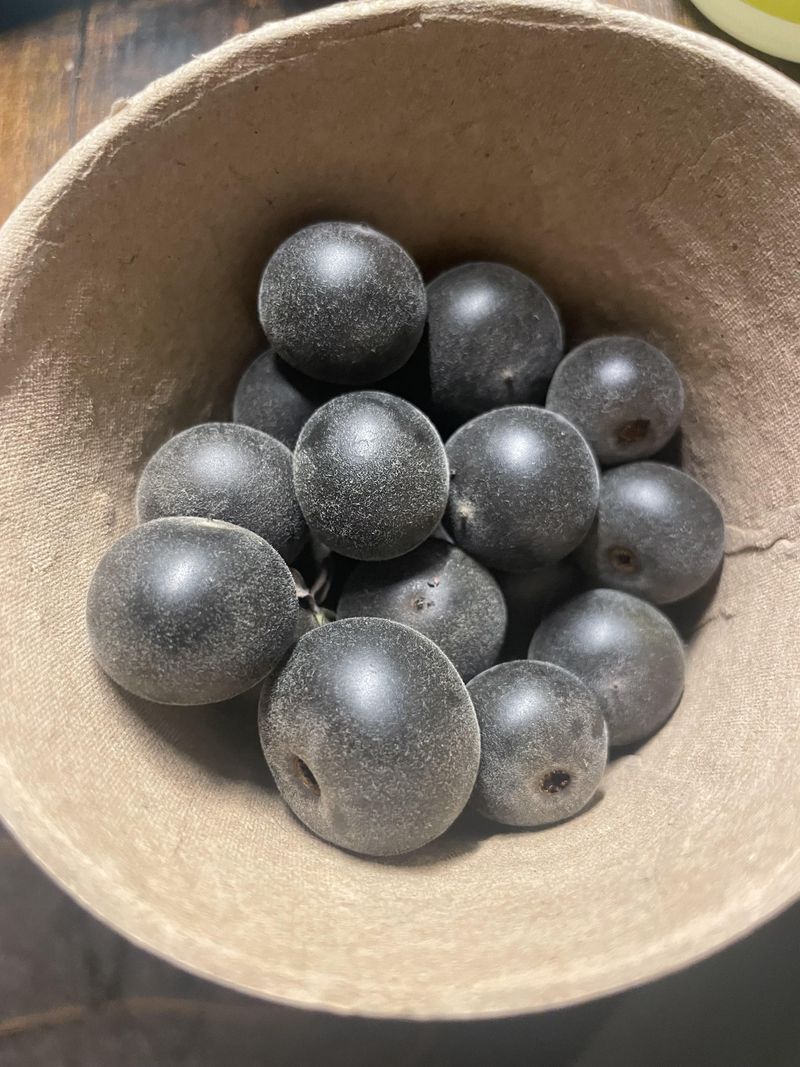
Late summer into fall, female Texas persimmons produce small round fruits, roughly an inch across, that ripen from green to a deep glossy black.
Raccoons, foxes, coyotes, and a long list of birds find them before most people even notice they exist.
Here is the detail catalogs often skip entirely. The species is dioecious. Individual trees are either male or female, and only female trees ever set fruit.
Males flower and supply pollen but never produce a single persimmon of their own.
That biology creates a real shopping challenge. Seed-grown nursery stock usually cannot be sexed until the tree flowers, which may take several years to happen.
If fruit is a priority, ask the nursery directly whether the plant came from a known female or a cutting-grown selection.
Deer browse the foliage too, which matters if your property backs up to a greenbelt. Young plants often need caging or fencing until they grow above browse height.
The ripe fruit is edible for people as well, with a sweet, mild, slightly date-like flavor worth trying. Fair warning though: the black pulp stains skin, clothes, and patios badly.
5. Slow Growth Means Strong Sturdy Wood
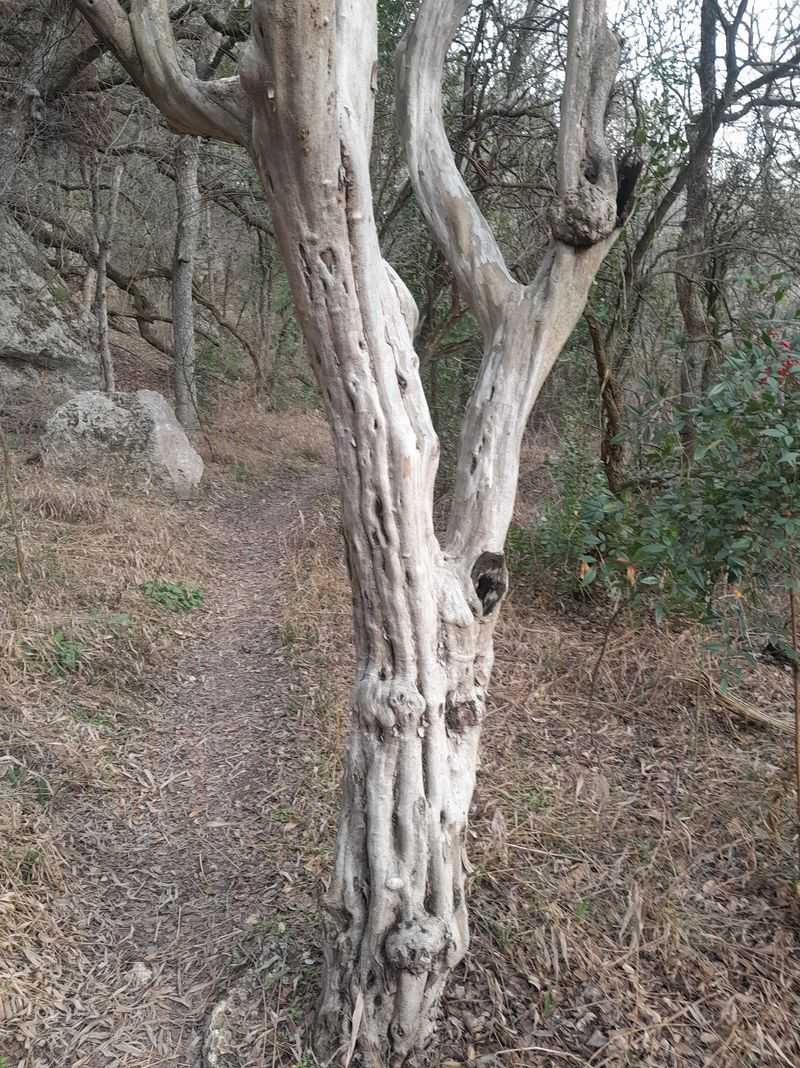
Patience is the price of admission here, and nobody should pretend otherwise about it. Texas persimmon grows slowly, often adding modest height each year rather than shooting up like a fast shade tree.
What you get in exchange is density. Slow growth produces tight growth rings and unusually hard, heavy wood throughout the trunk.
Diospyros texana belongs to the ebony family, and its dark heartwood has historically been used for small turned objects, tool handles, and carving projects.
Practically speaking, dense wood means limbs that do not snap in every thunderstorm that rolls through. Fast-growing landscape trees frequently pay for their speed with brittle branches and shorter lifespans.
These trees are long-lived when sited properly, so a specimen planted this fall can realistically outlast the mortgage on the house.
A smart approach is pairing it with faster fillers nearby. Plant fast-growing perennials or native grasses close by for immediate presence, then let the persimmon gradually claim the space over time.
Buying a larger container size, such as a 15-gallon, shortens the wait considerably, though smaller plants often catch up since they establish roots faster.
6. Specialty Nurseries Are Your Best Source
Skip the chain store garden center entirely and save yourself the drive. Independent nurseries that specialize in Texas natives are where this tree actually shows up, usually in limited numbers and often only seasonally.
Start by searching for native plant nurseries in your metro area, then call ahead instead of showing up blind. Inventory turns over fast, and staff can tell you when their next batch arrives.
Native plant society chapters run seasonal plant sales across Texas, and those events are goldmines for species the big retailers ignore entirely.
Local chapters of the Native Plant Society of Texas and botanical garden fall sales are worth putting on the calendar early.
Wholesale growers sometimes maintain lists of retail partners who carry their stock too. If you find a grower producing Texas persimmon, ask which garden centers order from them directly.
When inspecting a plant, look for healthy foliage, no circling roots at the drainage holes, and a trunk or trunks that stand without staking.
Expect to pay more than you would for a mass-produced shrub. Slow growth means the nursery held that plant longer, and that cost is genuinely real.
7. Fall Planting Gives Roots A Head Start
September through early winter is prime planting season in Texas, and horticulturists at AgriLife Extension have been saying so for decades now.
Air temperatures drop, but soil stays warm enough for roots to keep growing through fall and winter months ahead.
That underground head start is really the whole point of fall planting. A tree planted now spends months expanding its root system before it ever has to face August heat.
Dig the hole two to three times as wide as the root ball but no deeper than it. The top of the root ball should sit level with or slightly above the surrounding soil.
Loosen any circling roots, backfill with the native soil you removed, and water thoroughly to settle any air pockets left behind.
Add two to three inches of mulch spread in a wide ring, pulled back a few inches from the trunk itself.
Water deeply every week or two through winter if rain does not come, checking soil moisture a few inches down before adding more.
Hold off on fertilizer entirely the first year. Let the roots establish on their own terms instead.