The Sugar Apple Rooting Trick Arizona Gardeners Try To Grow A Fruit Tree From A Single Fruit
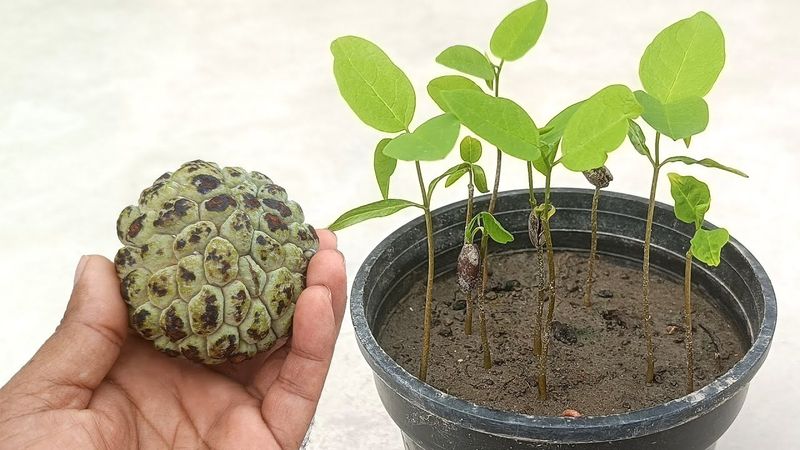
Arizona gardeners have found a surprisingly simple way to multiply their sugar apple harvest — without buying a single seedling. Instead of starting from seed, they take a cutting from a ripe fruit’s stem and root it directly in soil or water.
Within weeks, tiny roots begin to form, kickstarting a brand-new tree genetically identical to the parent plant. It’s a low-cost, high-reward trick that’s gaining traction across desert gardens statewide.
One fruit can provide seeds, but it cannot grow roots
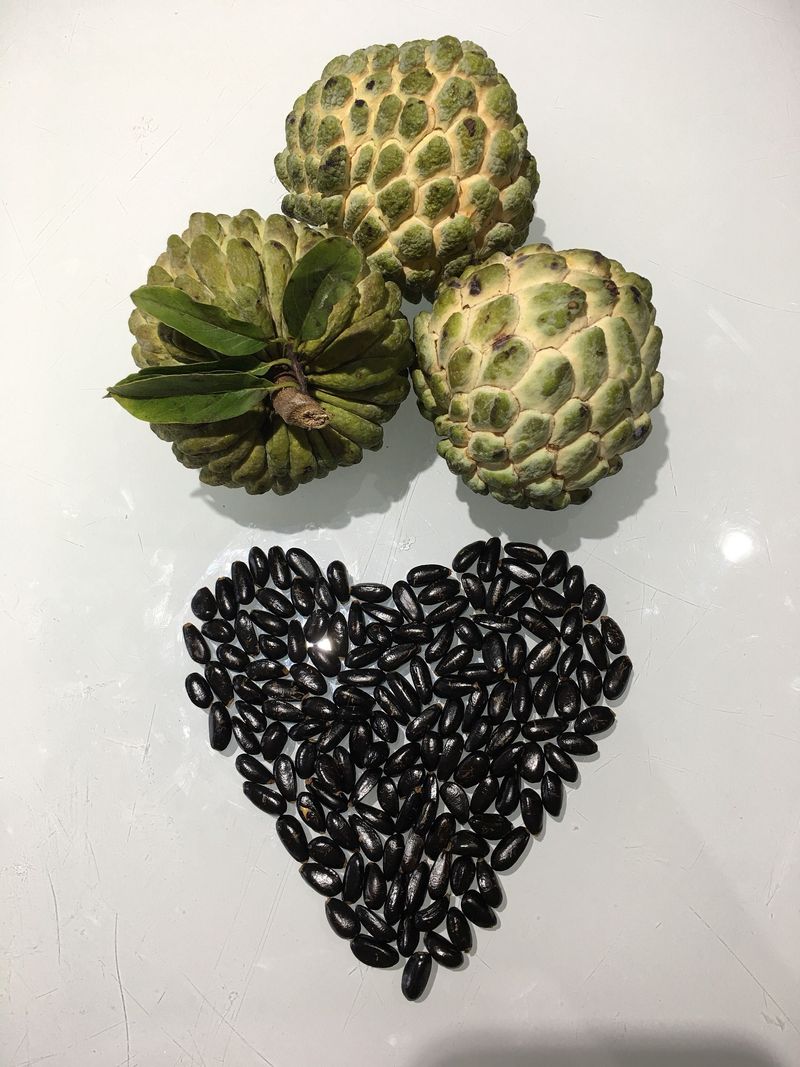
Ripe sugar apples hold something genuinely useful inside: seeds that can be cleaned, sown, and coaxed into seedlings under the right conditions. What a fruit cannot do is root itself.
The flesh, the rind, and the seeds do not transform into a rooted cutting when buried or propped against a banana.
Seed propagation and rooting a cutting are two completely different processes. A seed germinates when warmth, moisture, and oxygen trigger the embryo inside to sprout.
A cutting roots when a wounded stem segment produces new root tissue, typically with help from a rooting hormone, a suitable medium, and careful humidity control. Placing a whole fruit in soil, surrounded by kitchen scraps, does not replicate either process in any documented way.
According to University of Florida IFAS guidance on sugar apple, the standard propagation methods for Annona squamosa are seed propagation and grafting techniques such as cleft and veneer grafting. Banana pulp, raw egg, and an inverted bottle do not appear anywhere in that guidance as recognized rooting or germination aids.
The practical takeaway is straightforward: crack open a ripe fruit, collect the seeds, and treat this as a seed-starting project rather than a rooting experiment.
The viral ingredients do not establish a rooting method
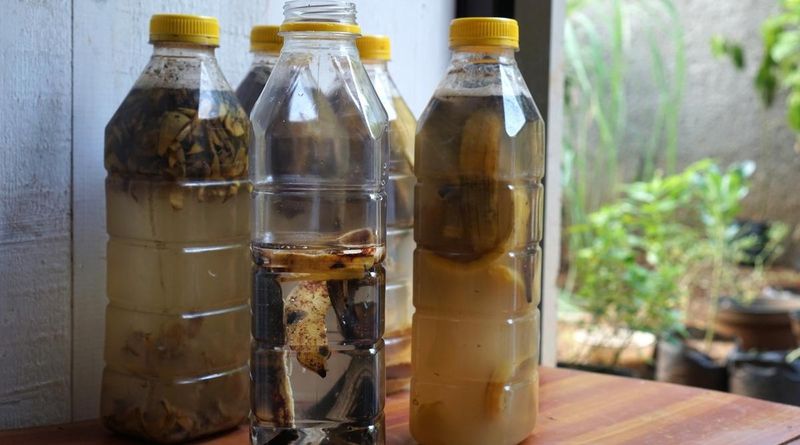
Banana, egg, and an inverted bottle each play a specific role in the viral video format: they look purposeful, they are cheap, and they create the impression of a recipe. Watching roots appear after the setup seems to confirm that the ingredients worked.
However, a visual sequence is not the same as a controlled comparison, and nothing in the authoritative propagation literature reviewed for this article supports banana pulp, banana peel, egg, or eggshell as rooting hormones or germination stimulants for sugar apple or related Annona species.
A bottle can serve as a makeshift humidity enclosure, which is a real concept in propagation. The problem is that a sealed or poorly ventilated bottle sitting in Arizona sun can overheat quickly, trap excess moisture, and create conditions that favor rot and fungal problems rather than healthy germination.
Extension propagation guidance consistently stresses moisture control, sanitation, and drainage as the factors that determine whether a seedling survives its first weeks.
Air layering is sometimes mentioned alongside these videos as though it explains the method. A detached fruit sitting on a patio cannot be air-layered.
The stem is gone, the living connection to a parent plant does not exist, and no amount of banana or egg changes that basic biology.
Start the seed in a clean, drainable medium
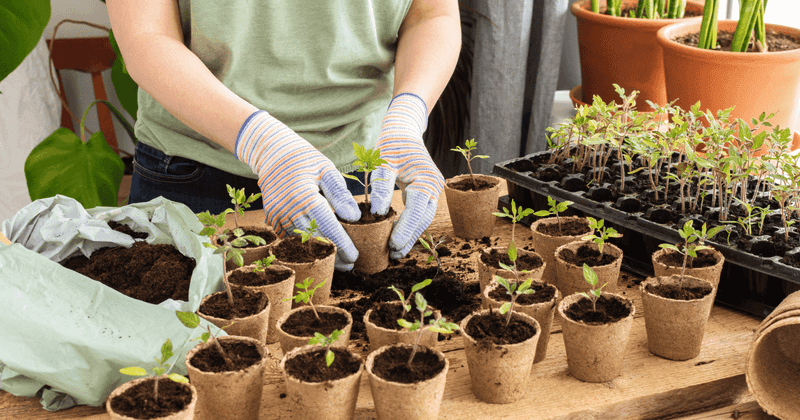
Swapping the kitchen-scrap setup for a straightforward seed-starting approach takes only a few minutes and gives a seedling a much better start. Pull the seeds from a fully ripe fruit, rinse away every trace of the sticky pulp clinging to the seed coat, and let the seeds dry briefly on a clean surface before sowing.
Your Arizona Garden Changes Every Week. Your Plan Should Too.
Gardening in Arizona changes quickly throughout the season. Every Friday you’ll receive a simple weekly plan showing exactly what to plant, prune, fertilize, harvest, and protect so you never miss the right timing.
Pulp left on the seed can harbor mold, and mold is one of the most common reasons a promising germination attempt goes wrong.
Fill a small container that has drainage holes with a clean, disease-free seed-starting mix rather than ordinary garden soil. Garden soil compacts in pots, holds too much moisture, and often carries pathogens that a seedling cannot handle.
Sow the seeds at a shallow depth, water gently so the mix is evenly moist but not soggy, and set the container somewhere warm. University of Florida IFAS tropical fruit propagation guidance identifies seed propagation as appropriate during warm months, which in low-desert Arizona means there is no shortage of ambient warmth for much of the year.
Arizona afternoons are the main hazard for a newly sprouted seedling. Temperatures that feel ideal for a mature tree can scorch a tender seedling sitting in a small pot with limited soil volume to buffer the heat.
Keep young seedlings in bright but filtered light or morning sun only, and move them out of direct afternoon exposure until they have developed several true leaves and a more established root system. No fixed germination window can be promised because seed viability, temperature consistency, and cultivar all affect timing.
A sealed bottle and crushed seeds add avoidable risks

Repurposing a plastic bottle as a humidity cover is not inherently wrong, but the details matter more than the concept. A bottle placed over a seedling pot in a Phoenix or Tucson backyard during warm months can turn into a small oven within minutes of direct sun exposure.
Temperatures inside a sealed clear container can spike well above the ambient air temperature, and a seedling that might have tolerated 95 degrees in open air can cook inside an unvented enclosure.
Excess moisture compounds the problem. A sealed bottle with no drainage path keeps the growing medium wet rather than evenly moist, which is exactly the condition that encourages damping-off fungi and bacterial rot.
Any humidity enclosure used during seed starting should allow some air exchange, should be lifted or removed during the hottest part of the day, and should never substitute for a container with functioning drainage holes underneath.
Crushed sugar apple seeds carry a separate and more serious risk. Medical case reports have documented toxic keratoconjunctivitis, a painful and potentially damaging eye condition, following exposure of the eye to custard-apple seed material, as described in a published ocular toxicity case report.
Laboratory research has also identified toxic compounds in Annona squamosa seeds. Handle seeds carefully, wear gloves when crushing or cutting them, avoid touching your eyes, do not grind seed material into a homemade pesticide spray, and store seeds out of reach of children and pets.
Arizona makes sugar apple a protected-container project
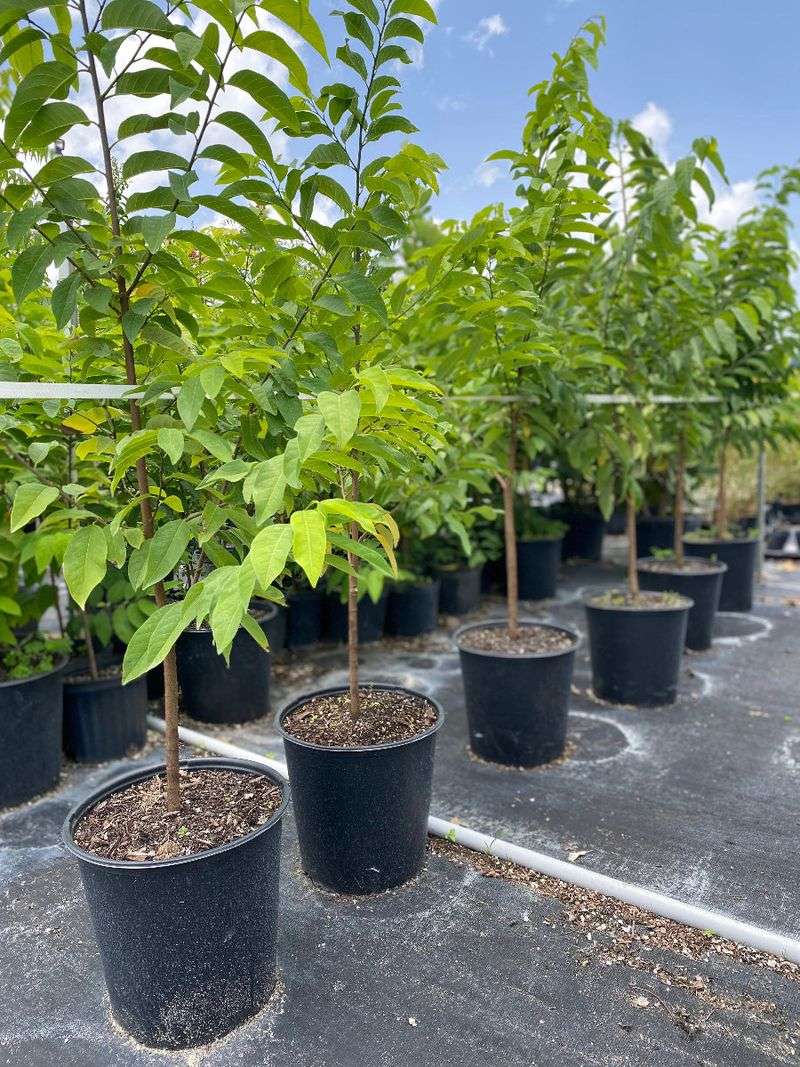
Sugar apple is a frost-sensitive tropical tree, and low-desert Arizona is not a tropical climate. Phoenix and Tucson can record summer temperatures well above 100 degrees Fahrenheit, and both cities experience freezing nights, particularly in December and January.
According to University of Arizona Cooperative Extension climate guidance, low-desert areas can see average summer highs around 107 degrees, while winter nights still drop to freezing or below in many neighborhoods.
A young sugar apple seedling faces risks at both ends of the thermometer. Temperatures around 30 to 32 degrees Fahrenheit can damage young trees significantly, and University of Florida IFAS environmental factor guidance notes freeze damage to mature trees at 28 to 29 degrees, with heat stress becoming a concern above 100 degrees.
Low humidity, which is a defining feature of the Arizona desert for much of the year, creates additional stress during flowering and fruit development, when the tree needs relatively moist air to set fruit reliably.
Growing a seedling in a movable container is the most practical approach for Arizona conditions. A container allows the grower to bring the tree under cover during cold snaps and to shift it away from the most punishing afternoon sun during heat waves.
If the tree eventually moves outdoors, the site should offer full sun during the cooler months, wind protection, excellent soil drainage, and enough space for the tree to reach a mature canopy. Survival in a favorable microclimate is possible, but a protected spot in the yard does not automatically translate into dependable fruit production or a water-efficient landscape plant.
A seedling does not guarantee the same fruit or a harvest
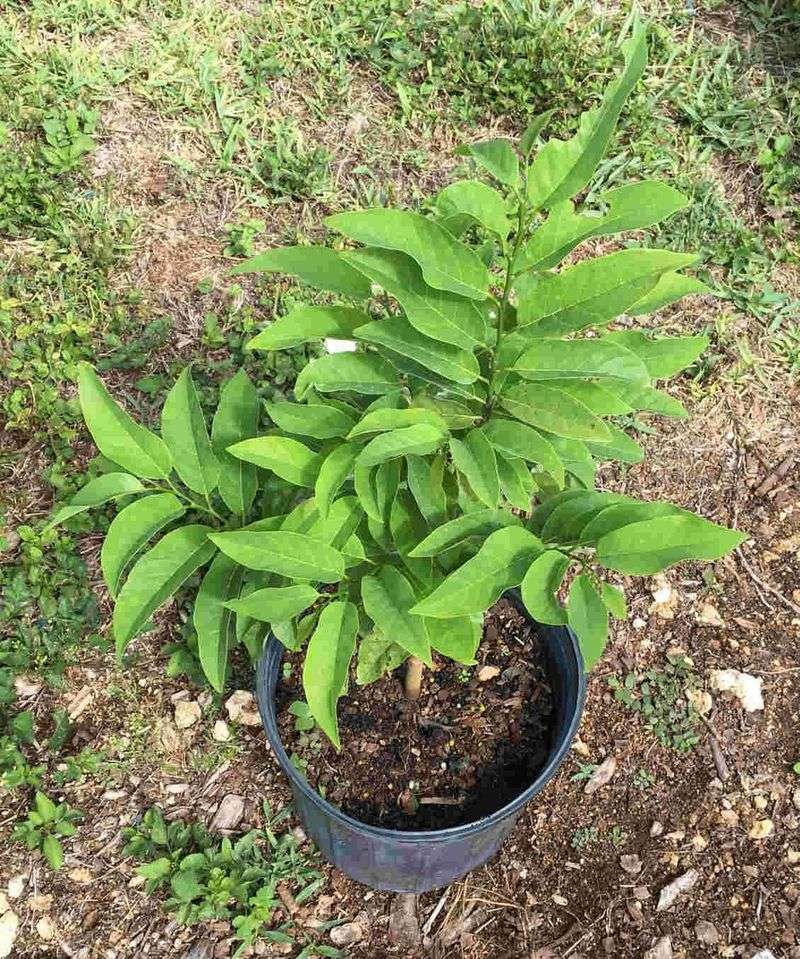
Getting a seed to sprout is an encouraging result, but germination is only the opening move in a much longer process. Seed-grown sugar apples may not reproduce every characteristic of the fruit that supplied the seed.
University of Florida IFAS notes that while some sugar apple selections show relatively limited variability, grafting onto a known rootstock remains the preferred method when a grower wants to preserve the traits of a specific improved cultivar. A seedling raised from a grocery-store sugar apple could produce smaller fruit, different flavor, or a different texture than expected.
The timeline from germination to fruiting is not short. Tropical fruit trees grown from seed typically need several years to reach maturity, and sugar apple is no exception.
Fruit set also depends on factors beyond the tree’s age. The species has a pollination biology that can work against a lone container plant: sugar-apple flowers function as female and male at different times, and natural pollinators may not visit a patio tree reliably.
Hand pollination, which involves transferring pollen from a male-stage flower to a female-stage flower using a small brush, may improve fruit set and fruit shape, but success is not guaranteed.
Irrigation plays a real role in whether a maturing tree produces well. University of Arizona Cooperative Extension guidance on watering trees and shrubs recommends deep watering calibrated to soil type, weather conditions, and root-zone depth rather than a fixed schedule or a bottle-drip setup.
Consistent, appropriate moisture from flowering through harvest supports fruit development, while drought stress during that window can reduce fruit size and yield significantly.
Try the seed, not the unsupported promise
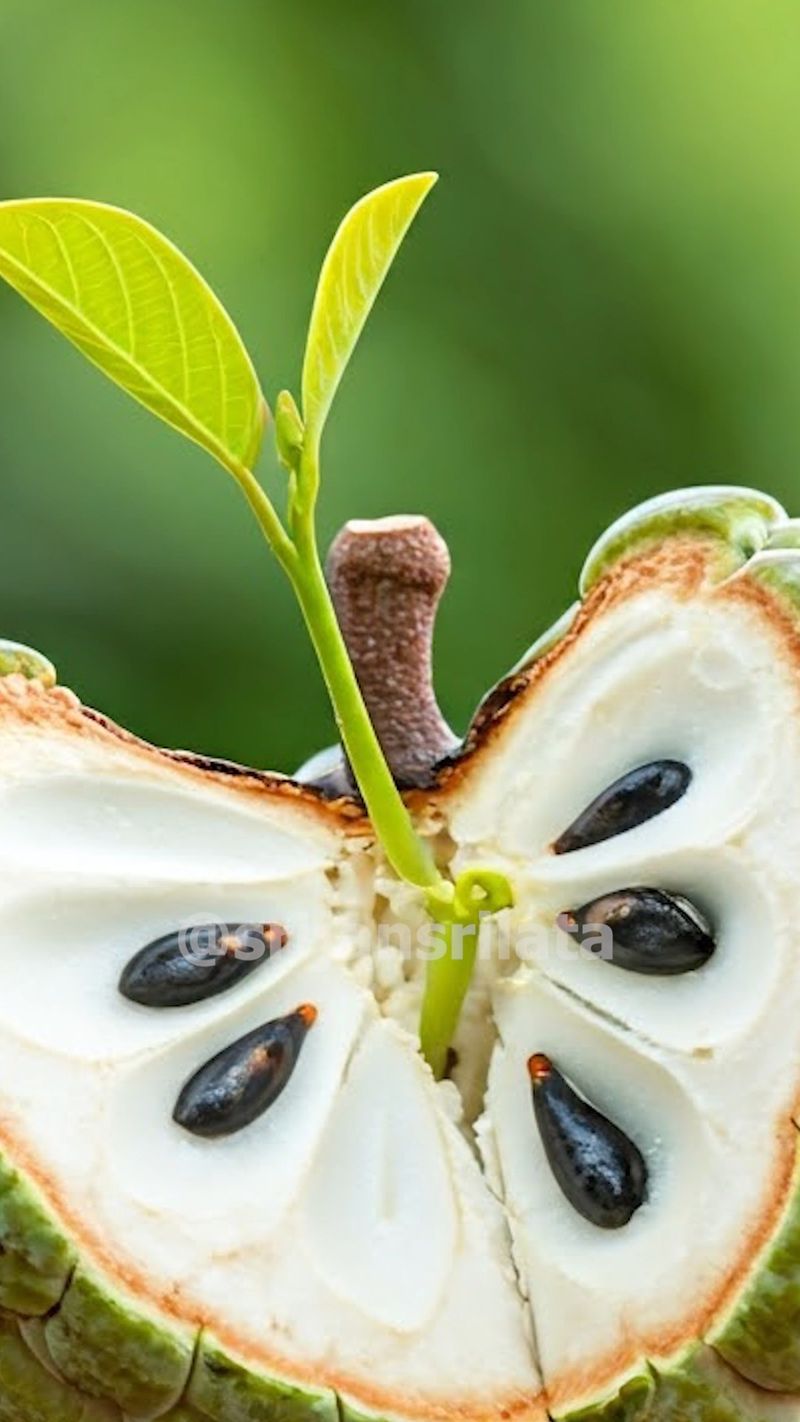
Saving seeds from a ripe sugar apple and attempting to grow a seedling is a reasonable experiment for an Arizona patio gardener who understands what the project actually involves. Collect seeds from fully ripe fruit, rinse off the pulp, sow in a clean and well-drained medium inside a container with drainage holes, keep the mix evenly moist, and provide warmth and filtered afternoon shade while the seedling establishes.
Skip the banana and egg entirely. University of Florida IFAS propagation guidance does not include them, and their presence in a viral video does not make them effective.
A bottle can serve as a humidity cover only if it is vented, kept out of direct afternoon sun, and used alongside a properly draining container rather than as a substitute for one.
The honest short-term result of this project is a seedling, not a guaranteed fruit tree or a quick harvest. Growers who want predictable fruit from a known high-quality selection should look for a grafted plant from a reputable nursery, because Arizona climate, irrigation management, and hand pollination will still determine whether any sugar apple, seedling or grafted tree, ever produces fruit worth eating.
The seed is the right place to start; just go in with clear eyes about how far the path actually runs.