A Common Minnesota Hedge Plant Is Quietly Poisoning The Birds That Eat Its Berries
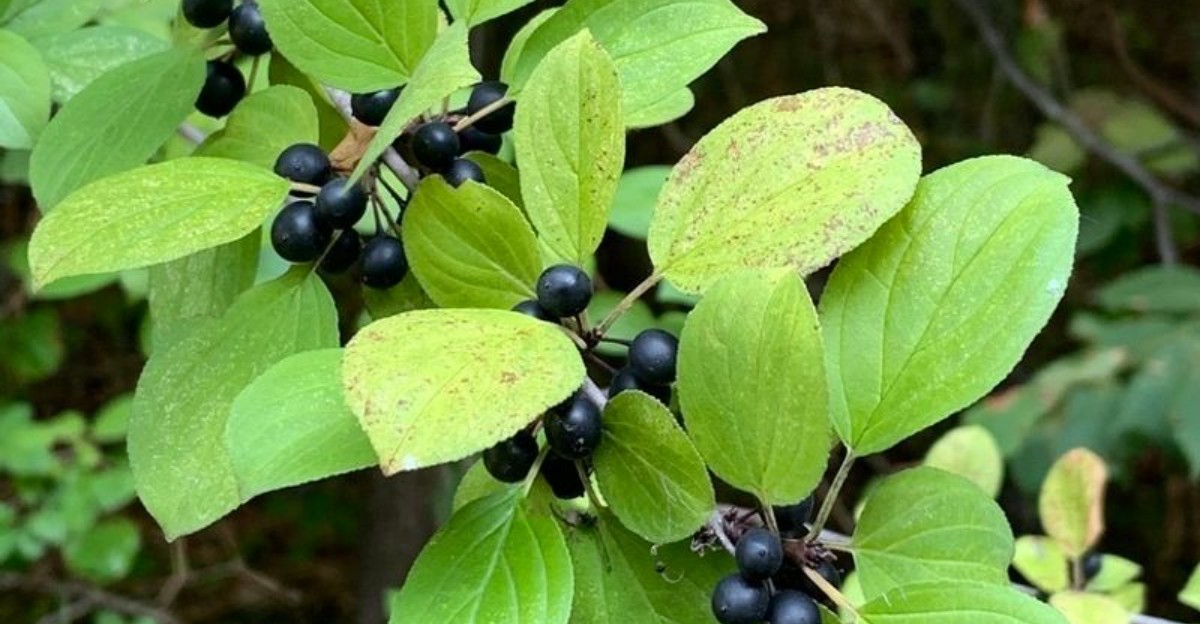
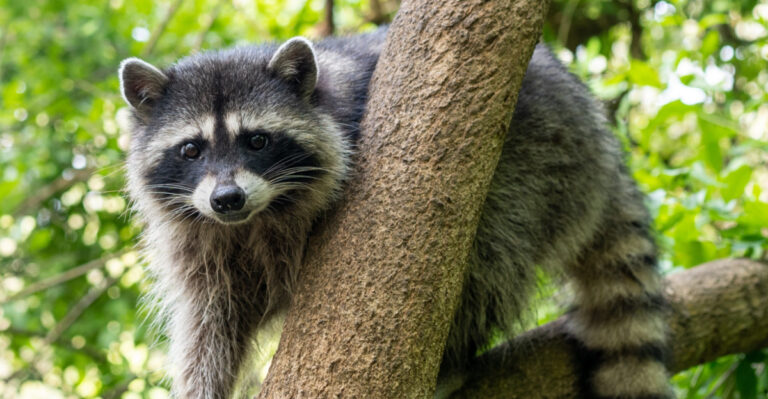
Your backyard is quietly hosting a problem disguised as a treat. Minnesota fence lines stay green long after your leaves fall. Robins swarm that shrub like customers chasing your feeder.
Waxwings crowd behind them, stripping your shrub bare fast. Watching this, you’d assume the birds hit the jackpot. Those berries carry a compound that speeds digestion hard.
Birds lose calories they need for their flight south. Losing that fuel now could hurt them later during Minnesota’s harsh winter. Winter arrives fast, and timing shapes how well birds handle migration.
Seeds ride along and drop straight into your open soil. Spring answers with fresh sprouts crowding your fence line again. Native shrubs lose ground while this invader keeps spreading fast.
Spotting this shrub early keeps your yard ahead of it. Knowing what grows outside changes how you see your whole yard. Stick with this, because what you learn next could reshape your yard.
The Hedge That Overstayed Its Welcome
Picture a hedge planted in the mid-1800s as a tidy privacy screen, then quietly deciding it owns the whole block.
Common buckthorn arrived in the region as a nursery favorite and has been spreading through yards, parks, and woodlots ever since.
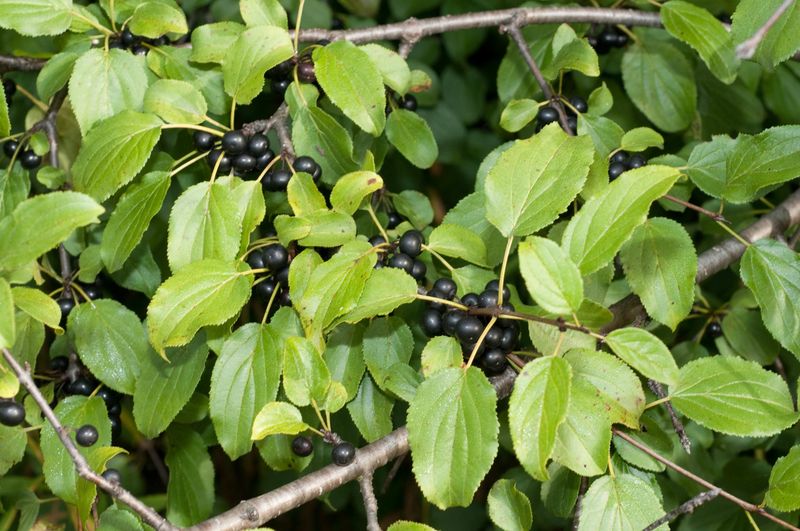
Identifying it gets easier once you learn its habits. Leaves grow in almost-opposite pairs, look glossy and oval, and carry tiny rounded teeth along the edges.
Snap a twig and you will often find a small sharp spine at the tip, which explains the thorn part of the name. Scratch the bark with a fingernail and the layer underneath shows a surprising orange-yellow color.
Mature shrubs can stretch fifteen to twenty feet tall, forming thickets so dense that sunlight barely reaches the ground. Wildflowers, oak seedlings, and ferns tend to fade out underneath.
Female plants carry clusters of pea-sized fruit that ripen from green to deep purple-black by late summer. Male plants make flowers but no fruit, so one hedge row can look harmless while its neighbor loads up.
Autumn is when the shrub gives itself away, since its leaves stay green long after maples and basswoods have dropped theirs. A single walk in October can reveal how much of your yard it has claimed.
Minnesota currently lists common buckthorn as a restricted noxious weed, meaning it cannot be sold, imported, or transported in the state without a permit. Knowing what grows along your fence line is the first step toward helping the birds that visit it.
Berries Built Like A Laxative
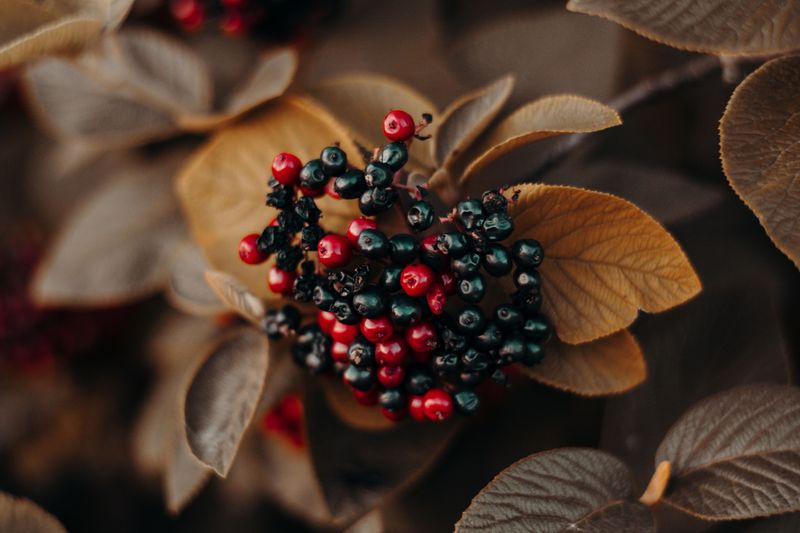
Here is the odd part: the fruit is not dangerous in a dramatic way. Common buckthorn berries contain emodin, a natural compound that works on the digestive system much like a strong laxative.
Emodin sits in the pulp and gives the berry a bitter edge, which likely protects the seed from being chewed by mammals. Birds swallow fruit whole, so that bitterness matters far less to them.
Once a berry reaches a bird’s gut, emodin gets to work fast. Its effect on digestion is not fully settled science.
Your Minnesota Garden Changes Every Week. Your Plan Should Too.
Gardening in Minnesota changes quickly throughout the season. Every Friday you’ll receive a simple weekly plan showing exactly what to plant, prune, fertilize, harvest, and protect so you never miss the right timing.
Some research points to faster transit and looser droppings, while other studies have found the opposite in certain bird species, with emodin actually slowing things down. What most researchers agree on is simpler. Buckthorn fruit is thin on nutrition either way.
Compared with native berries, it offers little fat and few of the reserves a migrating bird actually needs. The nutrition itself is thin. Buckthorn fruit leans heavily on carbohydrates and offers very little fat, the fuel birds rely on for long flights and chilly nights.
Native fruits such as gray dogwood, nannyberry, and wild grape often carry far more fat by weight. A robin working through a native shrub gains more from fewer berries.
One more wrinkle: fruit can cling to the branches into winter, so the effect is not limited to autumn. Hungry birds come back to the same shrub when better choices are scarce.
If you notice purple splatters on your deck, car, or patio chairs in fall, treat it as a clue. Those stains usually mean a fruiting shrub stands nearby and local birds are paying for the meal.
Migrating Songbirds Lose Their Fuel
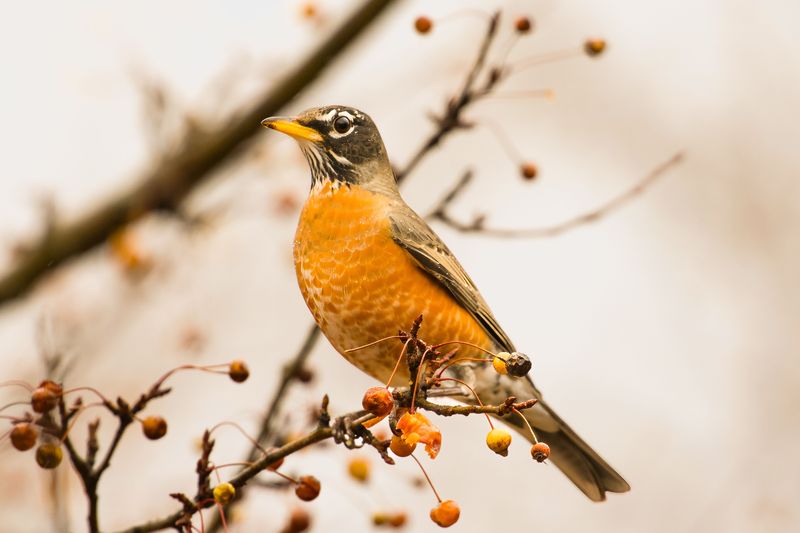
Think of a Swainson’s thrush as a tiny athlete on a strict training diet. To cross the continent it needs fat, and plenty of it, packed on during a few short weeks.
September is when that packing happens across Minnesota. Thrushes, catbirds, robins, and cedar waxwings search for high-energy fruit between insect meals.
Buckthorn is abundant, easy to reach, and ripe right on schedule, which makes it a tempting roadside stop. The payoff, though, is small, and the laxative effect drains water and nutrients that the bird badly needs.
Native fruit tends to pack more fat per berry, and fat is what actually fuels a long flight. A bird filling up mostly on buckthorn is working harder for less payoff, since it has to eat more just to match the energy in a handful of native berries.
Waxwings seem especially fond of the fruit because they specialize in berries year-round. A flock can strip a hedge in a single day, then drift to the next one down the street.
Backyard watchers sometimes spot loose purple droppings on railings and birdbaths in early fall. That mess is a visible sign of how quickly the meal moves through a small body.
You can help without much effort. Keep a shallow water source clean and full, let native fruit ripen undisturbed, and shrink the berry supply close to your house.
Small yards add up fast. A block where several neighbors trade buckthorn for native shrubs becomes a genuine refueling station rather than a disappointing pit stop.
Birds Become Accidental Delivery Drivers
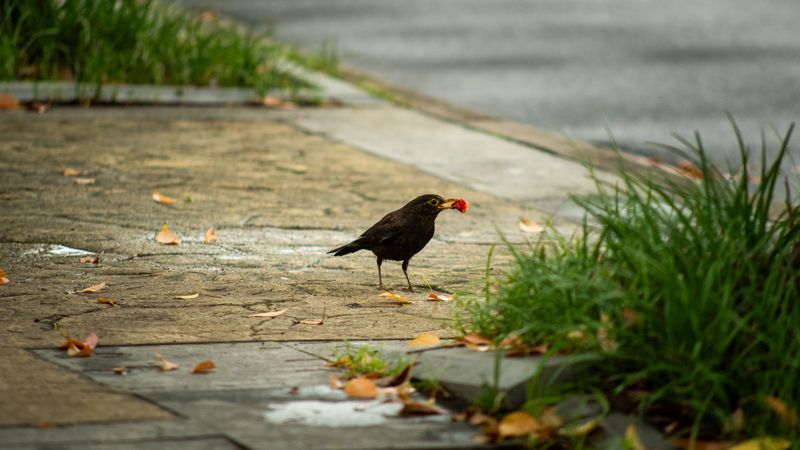
Buckthorn has figured out a clever trick: it pays birds to plant its offspring. The laxative compound is part of the bargain, since seeds get dropped quickly and often far from the parent shrub.
A single mature female can produce thousands of fruits in a good year. Each berry holds three or four seeds, and germination rates are impressively high.
Seeds land wherever birds perch, which explains why young shrubs sprout in oddly tidy rows. Look under power lines, fence rails, spruce trees, and bird feeders, and you will likely find seedlings waiting.
Woodlots take the biggest hit because seeds also travel into parks and along river corridors. Once a thicket closes in, shade stops oak, maple, and wildflower seedlings from getting started.
Seeds can wait in the soil for several years, so one round of cutting rarely finishes the job. Patience and repeat visits matter far more than brute force or a single ambitious weekend.
There is a practical upside to knowing all this. Spotting seedlings early, while the stems are still pencil-thin, turns a big project into a five-minute chore.
Walk your property line each fall with a bucket in hand. Pull the little ones after a rain, when damp soil releases roots without a fight.
Mark the large fruiting females with flagging tape so you can find them again. Handling those first reduces the seed supply for your whole neighborhood.
Autumn Is Prime Time For Removal
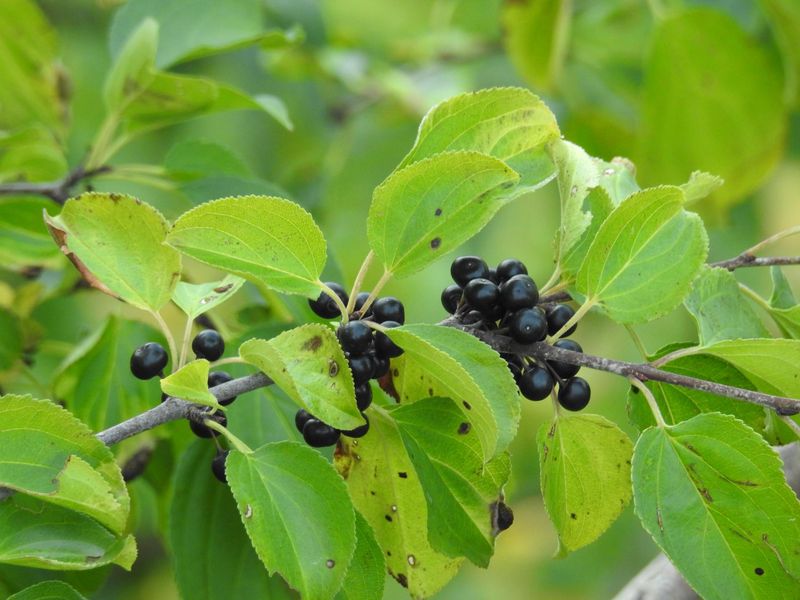
Timing is the secret weapon here, and fall hands it right to you. Buckthorn keeps its green leaves for weeks after native trees turn gold, which makes it glow like a highlighter in October woods.
Take a walk in late September or October and map what you find. Photos and flagging tape beat memory once snow covers the ground.
Small stems, up to roughly half an inch thick, pull cleanly with gloved hands or a weed wrench. Work when the soil is damp and rock the stem slowly so the roots come along.
Larger trunks resprout with enthusiasm if you simply cut them, so plan for follow-up. Many landowners cut the stem low and treat the fresh surface with an approved herbicide, following label directions closely.
Cool autumn weather suits that method because the plant is moving resources down toward its roots. Fewer pollinators are active as well, which lowers the risk to helpful insects.
Clip and bag any fruit-covered branches before cutting, and skip the compost pile. Those seeds hold on better than you would guess.
Replant or mulch bare patches right away. Open soil invites garlic mustard and thistle to move into the vacancy you just created.
Circle back the next two or three springs and snip fresh sprouts at ankle height. Persistence, rather than perfection, is what shrinks a thicket over time.
Native Shrubs That Actually Feed Birds
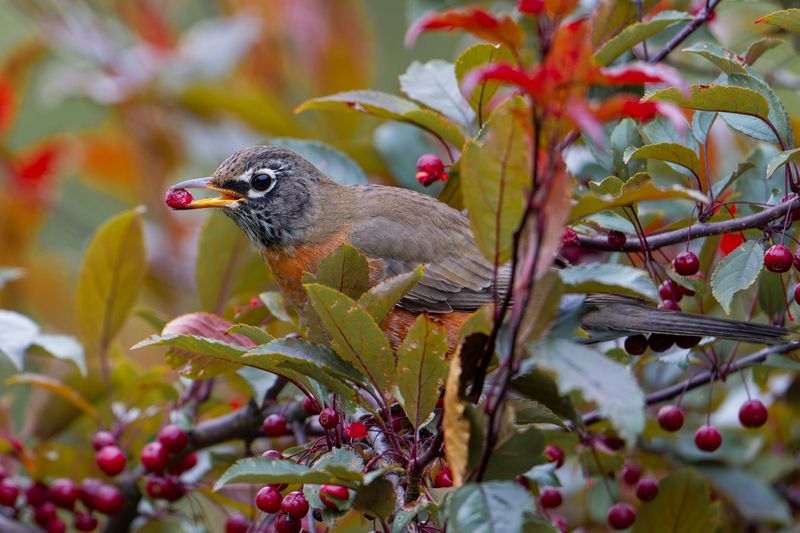
Swapping shrubs is the fun part, and Minnesota gardeners have plenty of choices. Serviceberry ripens sweet fruit in June, feeds dozens of bird species, and glows orange in fall.
Gray dogwood produces white berries rich in fat, the kind of snack that genuinely powers migration. It suckers politely into a hedge shape if you give it room.
Nannyberry and American highbush cranberry both handle hedge duty well and hold fruit into winter. Cardinals and waxwings drop by during January cold snaps.
Black chokeberry stays compact, tolerates soggy spots, and turns a deep wine red in autumn. Elderberry grows quickly when you want screening in a hurry.
Winterberry holly is a showstopper, with scarlet fruit clinging to bare stems, though it needs a male plant nearby to set berries. Give it moist, slightly acidic soil for the best show.
For a privacy row, stagger three or four species instead of planting a single-file line. Variety spreads the fruit harvest across more months and looks softer than a wall of one plant.
Water new shrubs deeply through their first two summers, then let them settle in on their own. A mulch ring keeps string trimmers at a polite distance from young bark.
The payoff arrives sooner than you expect. Within a couple of seasons, your hedge turns into a place where thrushes and waxwings leave heavier than they arrived.