Got Geraniums In Arizona? 9 Things To Do Now To Overwinter Them For Bigger Blooms Next Year
Those cheerful geraniums brightening your Arizona patio don’t have to be tossed out when the cooler months roll in. Unlike gardeners in freezing states, you live in a spot mild enough to keep these tough, drought-loving plants alive all winter long.
With a little care now, you can save your plants, protect them from the occasional frost, and enjoy even fuller blooms next season. Here are nine simple steps to overwinter your geraniums and set them up for a colorful comeback.
1. Understand Your Geraniums (Pelargoniums)
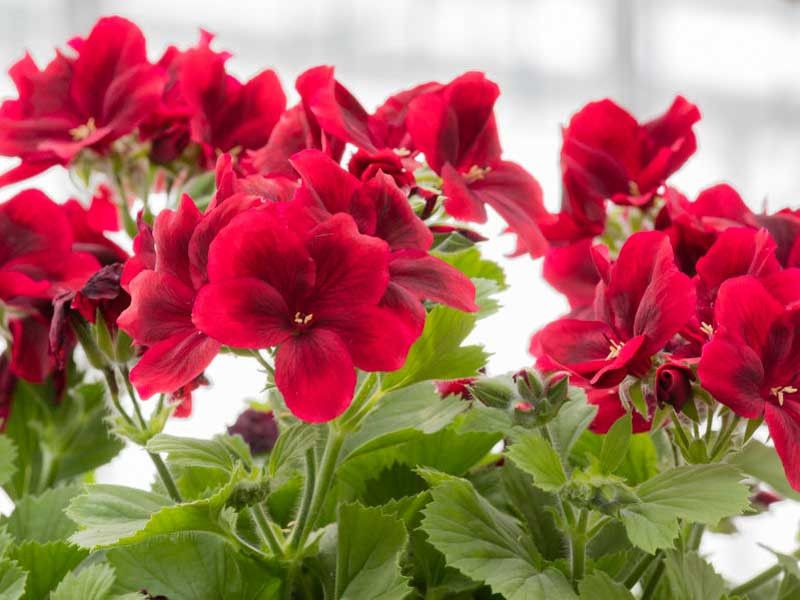
Here’s a fun twist that surprises most gardeners: the colorful plants you call geraniums are actually Pelargoniums. True geraniums, known as cranesbills, are a completely different bunch.
The showy bloomers filling your pots hail from South Africa, which explains a lot about why they handle our climate so well.
Because they come from a warm, dry region, Pelargoniums are naturally heat-tolerant and drought-resistant. In colder states, folks treat them as throwaway annuals since freezing winters kill them off.
That’s not your situation in the low desert.
Living in USDA Zones 9 through 12 means Phoenix and Tucson gardeners get a real advantage. Your geraniums are tender perennials here, so they can survive the mild winter and return year after year with proper care.
Knowing what plant you actually have changes everything about how you treat it. Instead of buying new ones every spring, you can nurse the same plants through the cool months.
That saves money, saves water compared to starting over, and rewards you with bigger, more established plants that put on a fuller show when the warm season returns.
2. Time Your Winter Preparations
Timing makes or breaks your overwintering success, and the desert plays by its own rules. From September through April, many low-desert gardeners enjoy geraniums as cool-season bloomers, so you may still get plenty of color before you need to act.
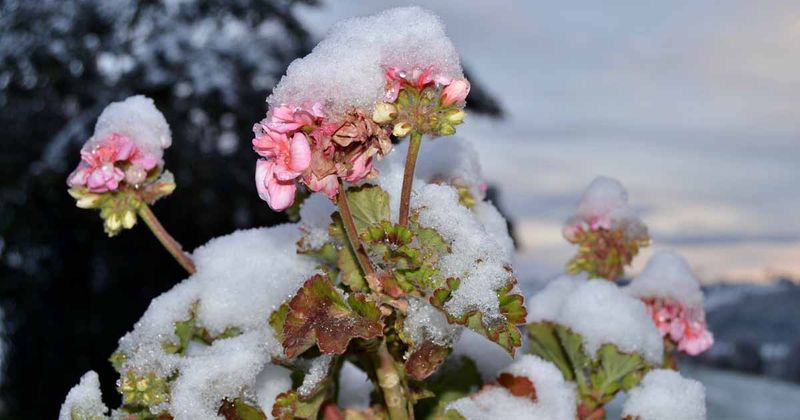
The magic number to watch is that first hard frost. While Phoenix and Tucson winters stay mild most years, cold snaps do sneak in, and Pelargoniums simply aren’t frost-hardy.
A single unexpected freeze can undo months of effort.
Rather than waiting until the weather turns nasty, keep an eye on the forecast during December and January. When temperatures threaten to dip near or below freezing, that’s your cue to bring plants indoors or prepare them for dormancy.
Acting early is far safer than scrambling at the last minute. Tender stems and leaves can be damaged even before a true freeze, so give yourself a comfortable buffer.
Because our warm season starts early, you won’t wait long before enjoying them outside again. Getting the timing right on both ends means healthier plants and a smoother transition back to your patio come spring.
3. Perform a Pre-Winter Pruning
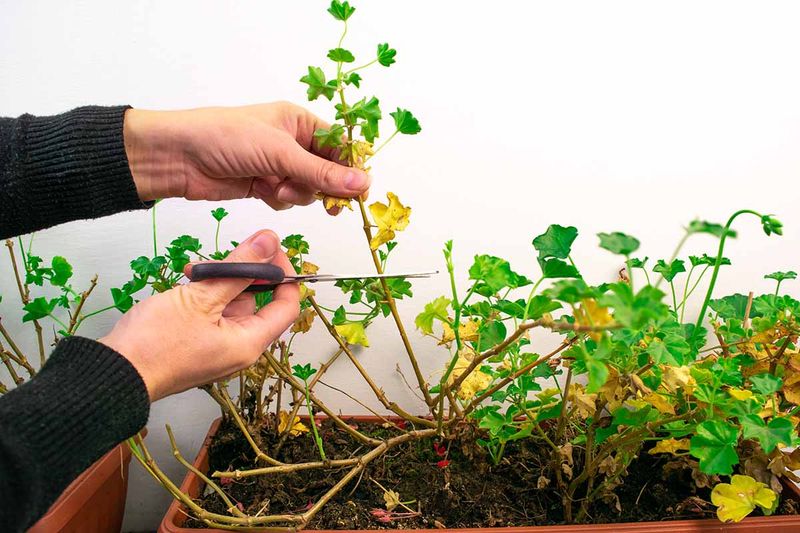
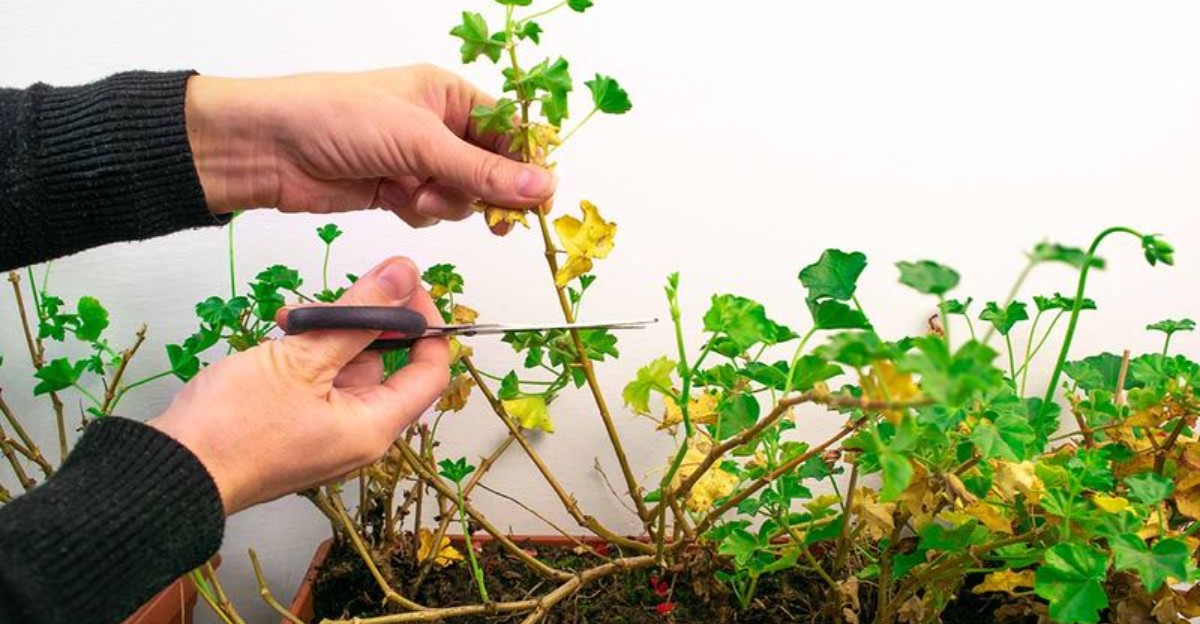
Grab your pruners, because a good trim now pays off with a bushier plant later. Before moving geraniums indoors or tucking them into storage, cut back the stems by one-third to one-half.
Why bother? Trimming reduces the plant’s energy needs during its slow winter stretch.
Your Arizona Garden Changes Every Week. Your Plan Should Too.
Gardening in Arizona changes quickly throughout the season. Every Friday you’ll receive a simple weekly plan showing exactly what to plant, prune, fertilize, harvest, and protect so you never miss the right timing.
A smaller plant isn’t struggling to support long, leggy growth when light and warmth are limited, so it rests more comfortably.
If you’re planning full dormant storage, you can go even shorter, cutting stems back to just four to six inches from the base. That may look drastic, but these plants bounce back with gusto.
Technique matters when you snip. Always cut above a leaf node on green, healthy tissue rather than into woody, brown stems.
Those nodes are where fresh growth emerges, so a clean cut in the right spot encourages plenty of new branching.
Come spring, all that trimming translates into a denser, rounder plant loaded with more stem tips. More tips mean more flower clusters, which is exactly the bigger, showier bloom display you’re hoping for next year.
4. Inspect and Treat for Pests
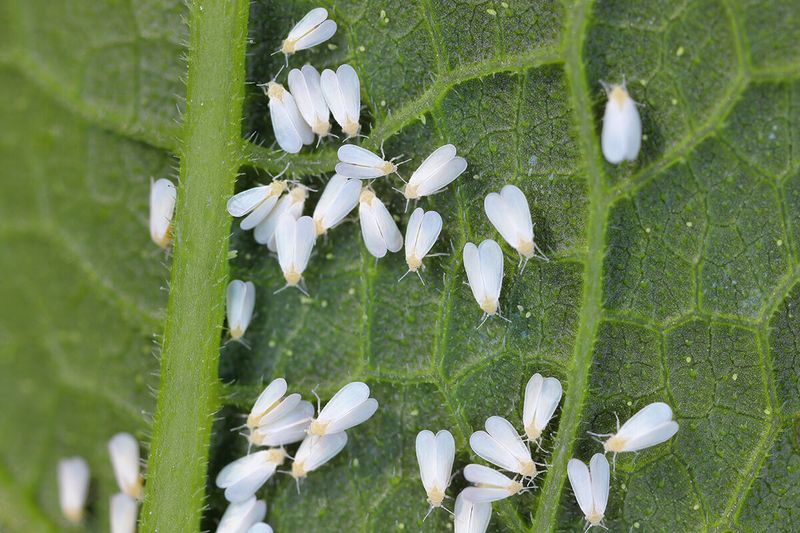
Before any plant crosses your threshold, give it a thorough once-over. Aphids, spider mites, and whiteflies love to hide on the undersides of leaves and along stems, and they’ll happily sneak indoors on your geraniums.
The danger is bigger than one plant. Once inside, hitchhiking pests can spread to your houseplants and turn a small problem into a household-wide headache.
Spotted some unwelcome guests? Treat the foliage and soil with insecticidal soap or a neem oil spray, covering both the tops and bottoms of leaves.
For soil-dwelling critters, try submerging the whole pot in water for about fifteen minutes to flush them out.
A little quarantine goes a long way, too. Keep any newly relocated geraniums isolated from your other indoor plants for a few weeks while you watch for stragglers.
Checking carefully also fits the Arizona mindset of keeping your space less inviting to unwanted bugs. A clean, pest-free start means your geraniums put their energy into staying healthy rather than fighting infestations, leaving them stronger and better prepared to burst back into bloom.
5. Choose an Overwintering Method
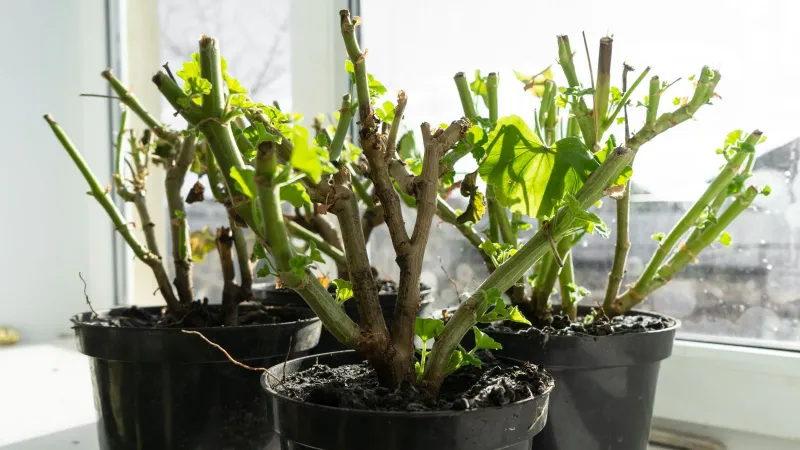
You’ve got choices here, and the best one depends on your space, light, and how hands-on you want to be. There are three solid ways to carry geraniums through the cool months.
The first is keeping them as potted houseplants. Repot into containers with fresh, fast-draining mix, then set them in a bright south-facing window or under grow lights.
Aim for cool indoor temperatures around 55 to 65 degrees during the day and slightly cooler at night, away from heat vents.
Tight on space? Dormant storage is your friend.
Dig up plants, shake off the soil, and let them dry a day or two. Store bare roots in paper bags or hang them upside down in a cool, dark, frost-free spot near 45 to 55 degrees.
Potted plants can go dormant this way too.
The third option is taking cuttings. Snip three to four inch tips from healthy, non-flowering stems, strip the lower leaves, dip in rooting hormone if you like, and root them in moist perlite or water.
It’s space-savvy and gives you backup plants for free.
6. Adjust Watering for Winter
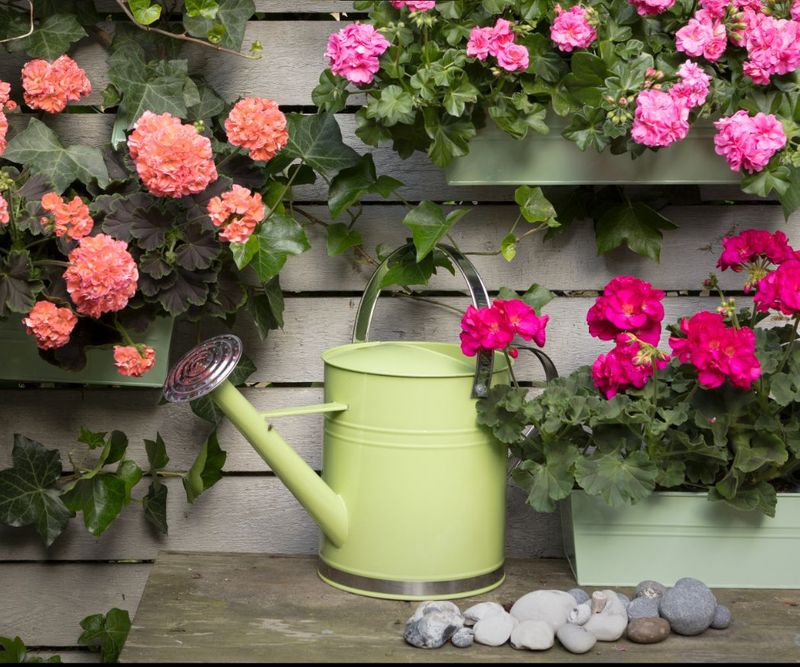
Overwatering is the fastest way to lose an overwintering geranium, so ease way back on the hose and can. During the cooler months, these plants slow down dramatically and simply don’t need the drinks they gulped in summer.
For geraniums actively growing on a windowsill, wait until the top inch or two of soil feels dry before watering. Poke a finger in to check rather than watering on a fixed schedule.
Dormant plants need even less. Whether they’re bare-root or resting in pots in cool storage, water very sparingly to keep them from shriveling completely.
For bare roots, a monthly soak of one to two hours is usually plenty.
One reason they tolerate this stinginess so well is their built-in survival gear. The thick, fleshy stems of Pelargoniums store moisture, letting them ride out dry stretches like the desert natives they nearly are.
Getting watering right keeps roots from rotting while preventing total drought. That balance is what carries your plants safely through winter and keeps them primed to leaf out fast when spring warmth arrives, saving water in the process.
7. Avoid Winter Fertilization
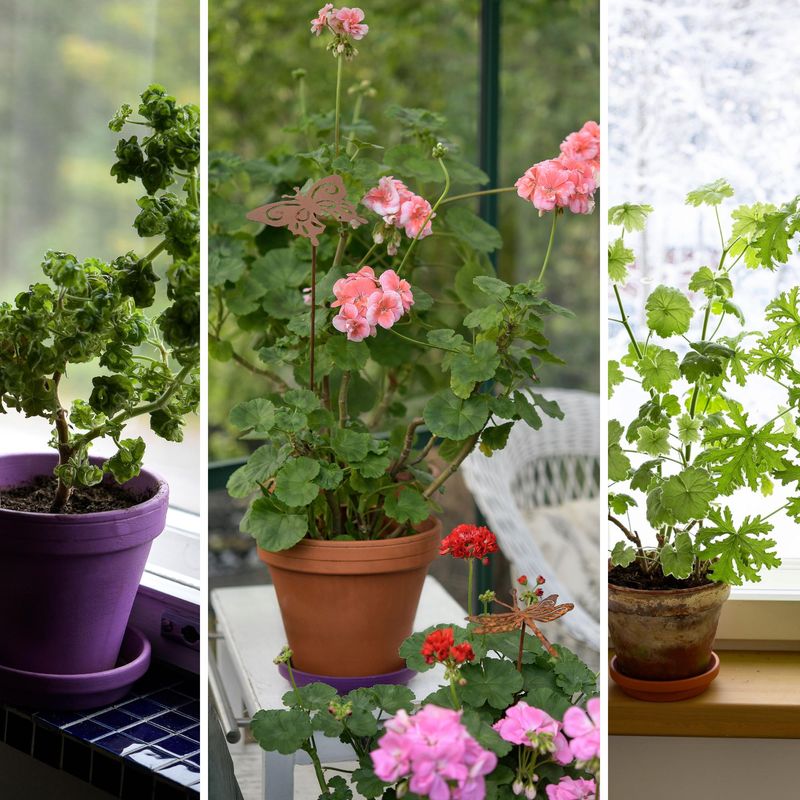
Put the fertilizer away for now, because feeding your geraniums during winter does more harm than good. Whether they’re fully dormant or just growing slowly indoors, these plants aren’t in a phase where they can use extra nutrients.
Think of winter as their rest period. During dormancy or reduced growth, the plant’s metabolism idles way down, so any fertilizer you apply just sits there unused.
Worse, unused nutrients can build up in the soil and actually damage tender roots. Salt accumulation is a real concern, and it can stress a plant that’s already conserving energy.
Skipping feeding also keeps things simple for you. One less chore during the winter months means less fuss, which suits anyone who prefers a low-maintenance approach to their plants.
Save the food for when it counts. Once spring arrives and you spot fresh green growth pushing out, that’s the signal your geraniums are ready to eat again.
A light feeding then, when the plant is actively growing, fuels the vigorous new stems and abundant flower buds you want. Patience through winter sets the stage for that big springtime payoff.
8. Monitor and Maintain
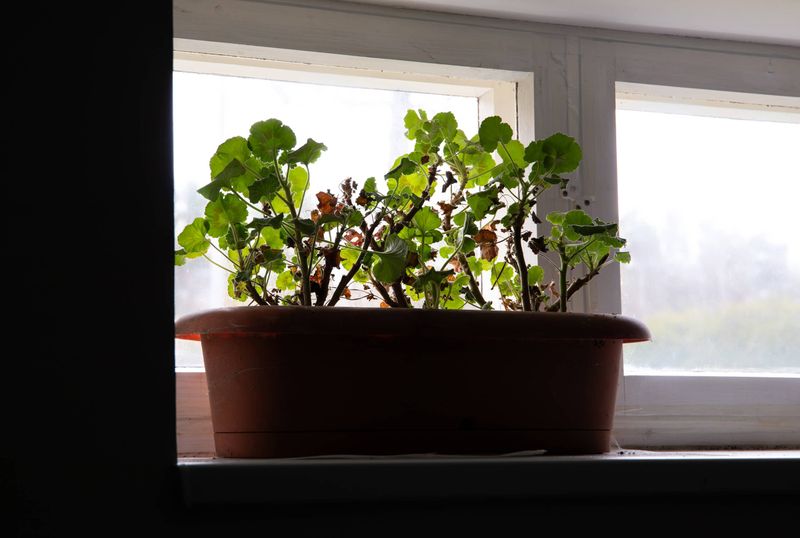
Overwintering isn’t a set-it-and-forget-it deal, so plan to check in on your plants now and then. A few minutes of attention through the season prevents small problems from turning into lost plants.
For geraniums growing indoors, keep an eye out for leggy, stretched-out shoots reaching toward the light. Pinch those back to encourage a fuller, bushier shape that will look great once outdoor weather returns.
Dormant plants deserve occasional visits too. Peek at bare roots periodically, and if they look shriveled or overly dry, mist them or give the roots a light watering.
Let everything dry out again before you re-cover or re-store them.
Rot is the enemy in both setups. Remove any yellowing or dead leaves as soon as you notice them, since decaying foliage invites fungus and disease that can spread fast.
Staying observant helps you catch trouble early, whether it’s a returning pest, a soggy pot, or a stem starting to soften. These simple check-ins are the difference between a plant that merely survives winter and one that emerges strong, healthy, and ready to explode with color.
9. Prepare for Spring Blooms
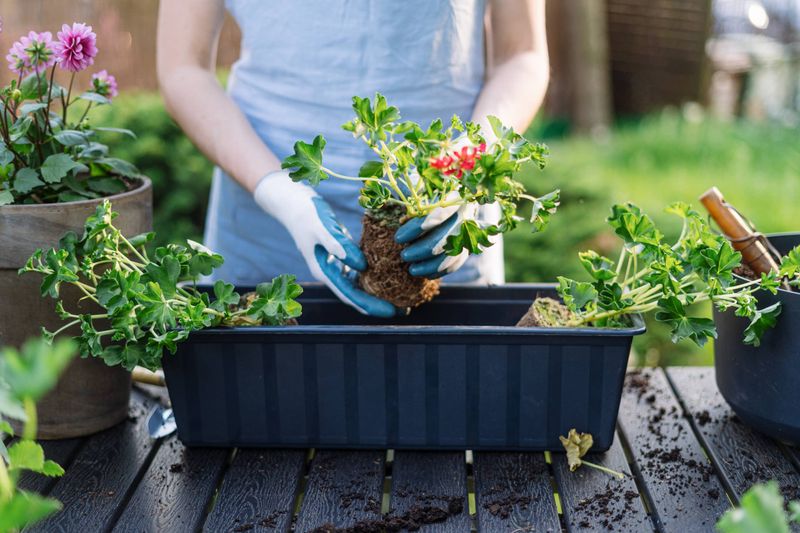
All that winter care builds toward this exciting moment. In late March or early April, it’s time to wake your geraniums and get them ready to dazzle again.
Start by potting up any dormant bare-root plants and reviving your stored potted ones. Clear away leftover dead foliage and stems, pruning back to firm, green tissue so the plant channels its energy into fresh growth.
Give them a thorough drink and set them in a sunny window to jump-start new shoots. You’ll be amazed how quickly life returns to stems that looked completely lifeless just weeks earlier.
Because the low desert warms up early, you don’t have to wait until May like gardeners in cooler climates. Once the danger of frost has clearly passed, gradually reintroduce your geraniums to the outdoors, letting them adjust to brighter light over several days.
As new growth appears, a light feeding gives them the boost they need to flower generously. Thanks to your winter pruning and patient care, these established plants will reward you with a bigger, bolder bloom display than any freshly bought annual could deliver.