8 Trailing Plants That Add Color To Your Arizona Porch Without The Mess
An Arizona porch can be a tough place to keep anything looking graceful.
The pot heats up. The wall throws sunlight back at the leaves. The soil dries faster than expected, and one windy afternoon can scatter spent blooms, brittle stems, or tiny fruit across the floor.
A trailing plant has to do more than look pretty in the nursery. It has to handle reflected heat, dry air, tight root space, and the occasional missed watering without turning the porch into a cleanup project.
That does not mean color is off the table.
The right trailing plants can spill over container edges, soften porch rails, cool the look of terracotta pots, and bloom through serious heat with only modest sweeping and trimming.
The trick is choosing plants with small flowers, tidy growth, strong heat tolerance, and containers large enough to protect the roots.
So which trailing plants give an Arizona porch color without constant mess?
Start with heat-ready spillers that stay graceful when the porch feels hotter than the forecast.
1. Trailing Lantana Spills With Summer Color
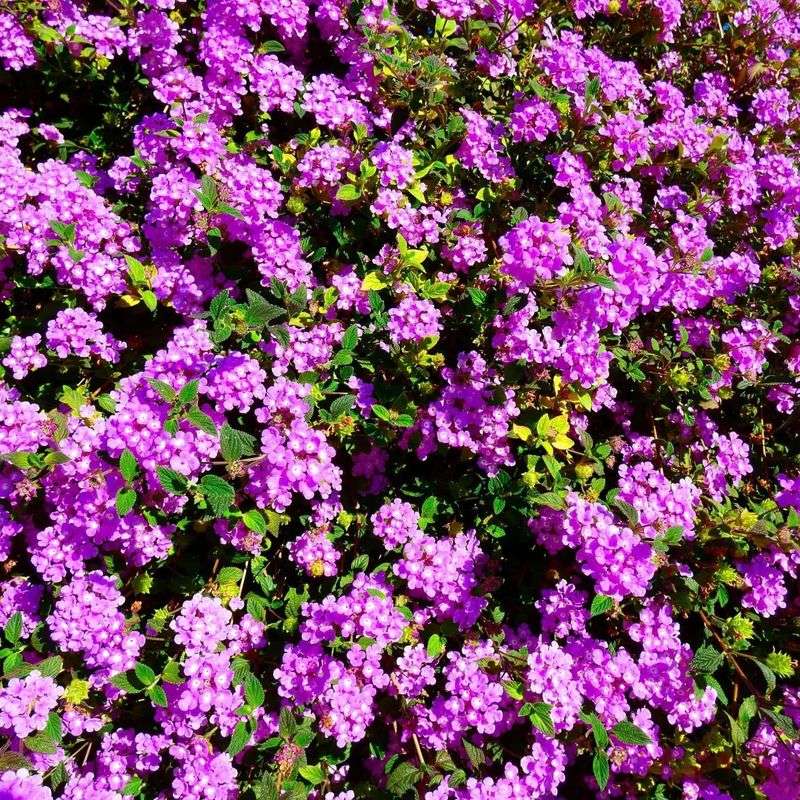
Trailing lantana brings the big color first.
This heat-loving plant can spill over the rim of a wide container in waves of yellow, orange, pink, purple, or white, depending on the cultivar. On a sunny Arizona porch, it often handles conditions that make softer flowering annuals fade fast.
A large pot matters. Choose a container at least sixteen to eighteen inches wide so the roots have more insulation against summer heat.
Drainage matters even more. A pot with blocked holes can turn a tough plant into a stressed one quickly.
Use a fast-draining mix. Standard potting soil can work better with added perlite or another coarse material to keep water moving.
Full sun brings strong bloom. A west-facing Phoenix porch may still need light afternoon protection during the harshest July and August stretches.
Water deeply, then pause. Let the top inch of soil dry before watering again.
Do not keep it constantly wet. Lantana handles heat better than soggy roots.
Trim spent stems every few weeks. That keeps the plant compact, refreshes bloom, and reduces dried flower litter.
Watch for berries. Small dark fruits can appear, and they should be removed where children or pets have access.
The cleanup is manageable. Spent flowers are smaller and easier to handle than the mess from many heavy-blooming vines or fruiting porch plants.
Trailing lantana earns its spot through sheer staying power.
Give it sun, drainage, and a wide container, and it can keep a porch colorful long after fussy plants have given up.
2. Lemon Dalea Adds A Golden Cascade
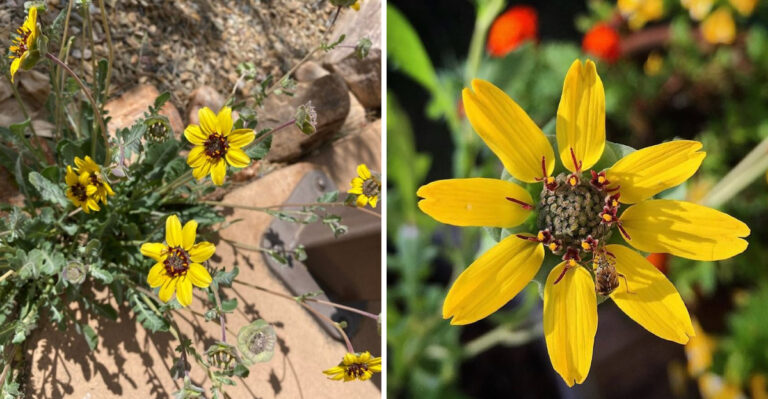
Lemon dalea keeps things sunny without acting needy.
This low trailing plant, often sold as Dalea capitata or “Sierra Gold,” produces bright yellow flowers on fine stems that spill softly from containers. Its look is cheerful, but its care needs are refreshingly lean.
The plant is built for dry country. It comes from rocky, arid regions, so a porch container should mimic that sharp drainage.
Your Arizona Garden Changes Every Week. Your Plan Should Too.
Gardening in Arizona changes quickly throughout the season. Every Friday you’ll receive a simple weekly plan showing exactly what to plant, prune, fertilize, harvest, and protect so you never miss the right timing.
Choose a pot at least fourteen inches wide. A shallow bowl can work well when drainage holes are generous.
Use a gritty mix. Cactus mix, native-style container mix, or potting soil cut with decomposed granite can all help prevent soggy roots.
Full sun suits it in many Arizona settings. Low desert porches may still benefit from some afternoon relief during the most punishing summer weeks.
Water deeply during hot weather. Then let the soil begin drying before the next soak.
Overwatering is the fastest way to lose it. This plant would rather dry slightly than sit wet.
Trim lightly after bloom flushes. A quick shaping keeps the cascade neat and encourages fresh growth.
The flower litter is tiny. Spent blooms usually fall into the pot or disappear without creating much porch cleanup.
Pollinators appreciate it. Native bees often visit the small yellow flowers during bloom.
Cold is the limitation. Hard freezes can damage or finish off container plants, especially in higher Arizona elevations.
Lemon dalea is ideal for gardeners who want color with restraint.
It brightens a hot porch without dropping heavy petals, sticky fruit, or brittle debris everywhere.
3. Mediterranean Carpet Germander Stays Compact
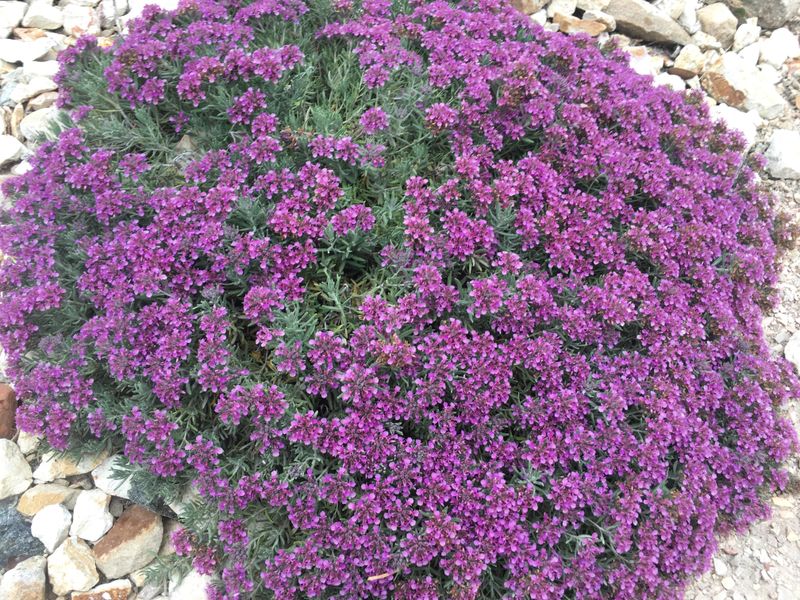
Carpet germander is the tidy one.
Its silver-green foliage and small pink-purple flowers give containers a polished edge without the wild sprawl of a heavier vine. In the right pot, it trails just enough to soften the rim while keeping a compact shape.
Botanical identity matters. Not every germander behaves the same way, so confirm the species or cultivar before buying.
Look for low, spreading forms. Teucrium cossonii and some compact Teucrium chamaedrys types can suit porch containers when drainage is sharp.
A wide shallow bowl works well. Fourteen inches across gives the plant room to mound and trail.
Use lean soil. A rich, moisture-heavy mix can create more problems than benefits.
Drainage should be quick. Mediterranean plants often struggle when roots stay wet after watering or monsoon storms.
Full sun is usually best. In the low desert, light afternoon shade can help containers avoid extreme root heat.
Water only after the top layer dries. Check the soil instead of watering by habit.
Clip after bloom. Cutting back the outer stems by about one-third keeps the shape clean.
The flowers do not create much mess. They are small, dry lightly, and rarely scatter in a dramatic way.
Watch for woody centers. Regular light trimming keeps the plant fresher than occasional harsh cuts.
Carpet germander does not shout for attention.
It gives an Arizona porch a cool, tailored edge, which can make brighter flowers nearby look even better.
4. Creeping Zinnia Brings Small Bright Blooms
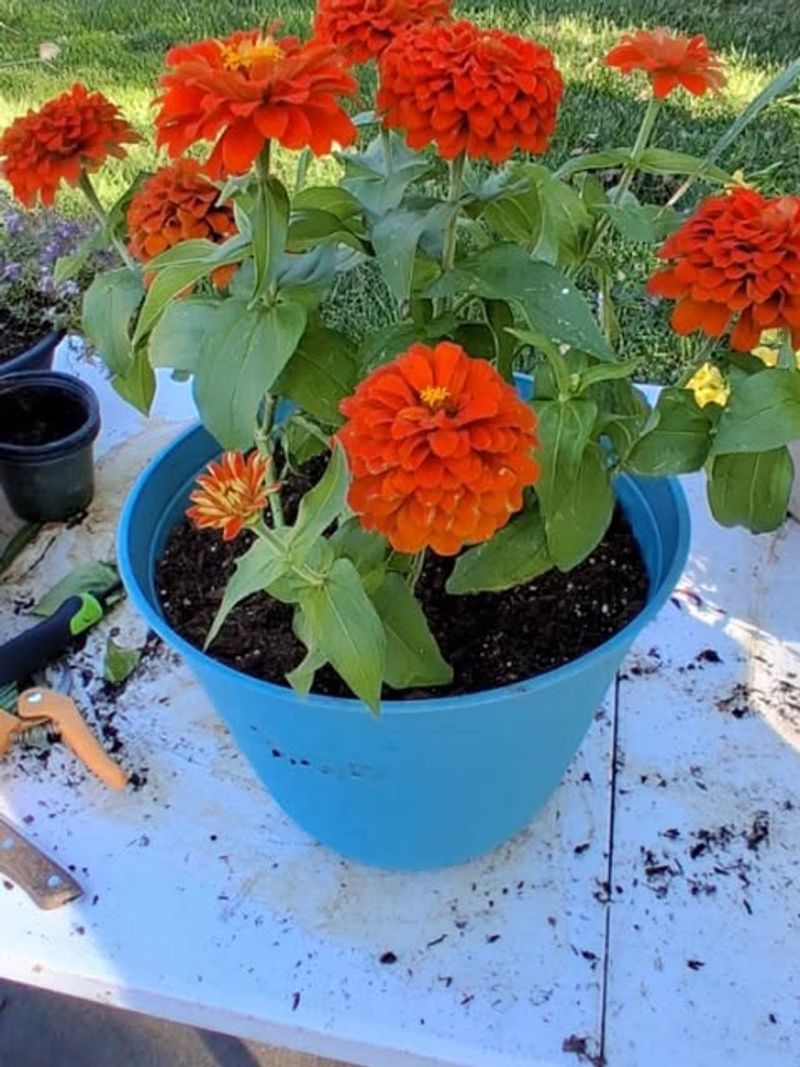
Creeping zinnia gives the porch a happy spill of color.
This warm-season annual, Sanvitalia procumbens, trails over pot edges with small daisy-like flowers in golden yellow and orange tones. The blooms look cheerful without dropping the large petal mess that bigger zinnias can leave behind.
Treat it as seasonal color. In Arizona, it performs best during warm months and fades once cooler nights settle in.
Choose a container twelve to fourteen inches wide. A wider pot holds moisture more evenly than a tiny porch container.
Use well-draining potting mix. Add perlite when the mix feels dense or slow to drain.
Full sun encourages bloom. In Phoenix, Yuma, and other intense low-desert sites, light afternoon shade can stretch the display longer.
This plant needs more moisture than desert natives. It is not a cactus-style spiller.
Check soil often during summer. Containers can dry quickly on hot porches, especially in wind.
Water when the upper soil begins drying. Keep it evenly moist but never soggy.
Pinch long runners. A trim every few weeks keeps the plant bushy instead of stringy.
Spent blooms are small. Most shrivel in place or fall into the pot rather than scattering widely.
Good airflow helps. Crowded baskets can stay humid during monsoon season and lose their tidy look faster.
Creeping zinnia brings the annual flower feel without the oversized mess.
It is a smart choice for gardeners who want bright seasonal color and do not mind replacing it when the weather changes.
5. Moss Rose Loves Hot Sunny Edges
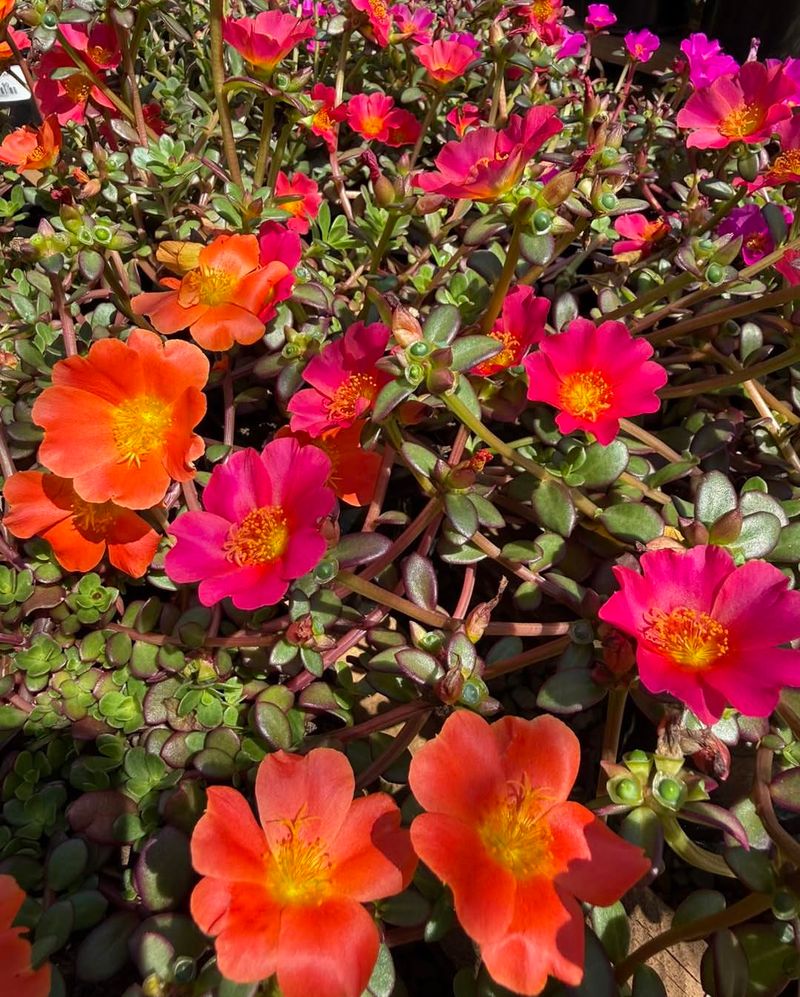
Moss rose acts like it was made for a roasting porch.
Known botanically as Portulaca grandiflora, this succulent annual has thick little leaves that store water and bright flowers that open in strong light. It handles dry heat with more confidence than many common bedding plants.
Full sun is essential. Too much shade creates leggy growth and fewer flowers.
A twelve-to-sixteen-inch pot works well. The plant stays low, but it appreciates enough soil volume to buffer heat.
Use a cactus-style mix. Standard potting soil should be sharpened with coarse sand, perlite, or grit.
Drainage holes are non-negotiable. Wet roots can ruin this plant faster than a hot afternoon ever will.
Water deeply, then let the soil dry. Moss rose prefers a clear wet-to-dry rhythm.
Do not hover with the watering can. Constant moisture weakens the plant and reduces its natural toughness.
Expect flowers to close sometimes. Blooms may fold in low light, shade, or cloudy weather.
That is normal. It does not mean the plant is failing.
Cleanup stays light. Spent flowers are small and usually dry near the plant rather than covering the porch floor.
Trim lightly when stems stretch. A small cutback keeps the mat fuller and tidier.
Cold ends the show. Once nights cool significantly, moss rose usually declines and needs seasonal replacement.
For hot sunny ledges, moss rose is hard to beat.
It brings loud color from a low plant that asks for drainage, sun, and very little fuss.
6. Silver Ponyfoot Cools The Color Palette
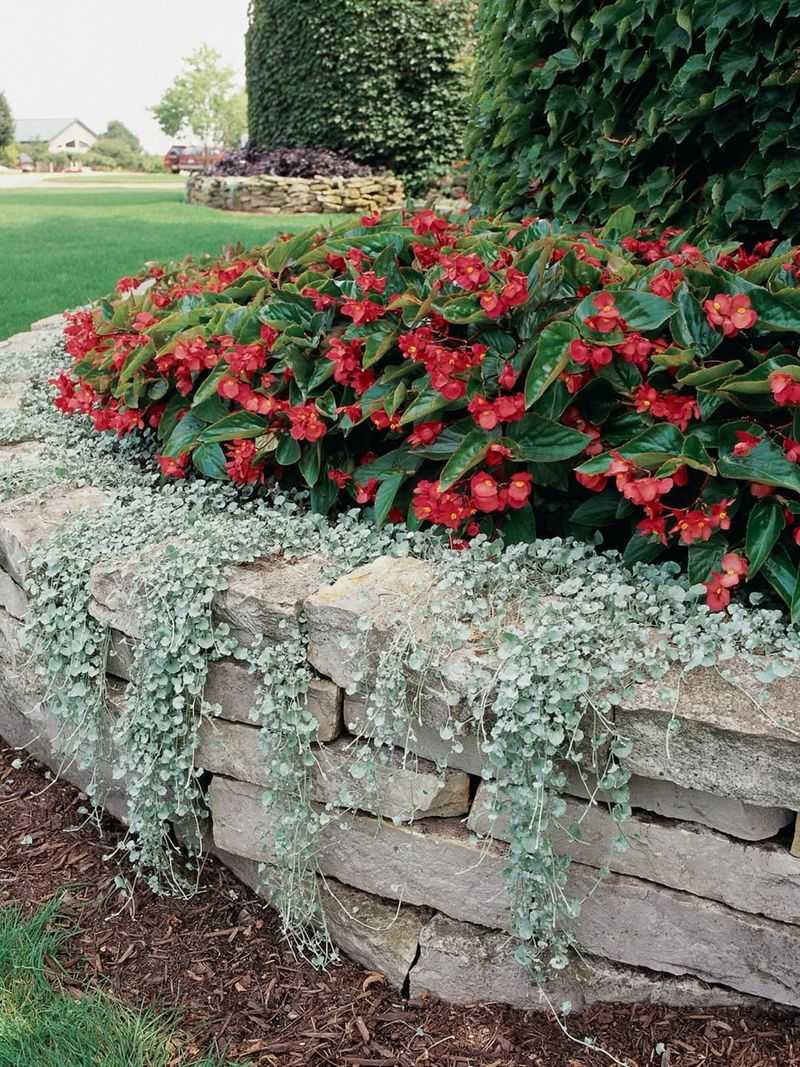
Silver ponyfoot brings calm to a hot porch.
Instead of bright flowers, Dichondra argentea offers trailing silver foliage that pours over container edges like a soft curtain. That pale color looks especially striking against terracotta, dark pottery, stucco, and desert stone.
The leaves are the whole show. Fine hairs on the foliage reflect light and help slow moisture loss.
This plant handles heat with style. It can grow in sun or part shade, depending on the site and watering pattern.
A fourteen-inch container gives it a good start. Larger pots create longer, fuller cascades.
Use fast-draining soil. Heavy wet mix can cause root problems, especially during humid monsoon periods.
Let the soil dry between waterings. Silver ponyfoot dislikes sitting in wet conditions.
Full sun creates a bright silver look. Afternoon shade may keep plants fresher on very hot porches.
Trailing stems can reach several feet. Place the pot where the foliage has room to fall without dragging across a high-traffic floor.
Trim when needed. Cutting back by one-third refreshes long stems that start to look thin.
Mess is almost nonexistent. The plant produces no showy fruit and very little noticeable flower litter.
Protect from hard cold. Container plants are more exposed than plants in the ground.
Silver ponyfoot is the porch plant for people who want color without petals.
Its silver foliage cools the whole arrangement visually, even when the porch itself feels blazing.
7. Trailing Rosemary Adds Blue And Fragrance
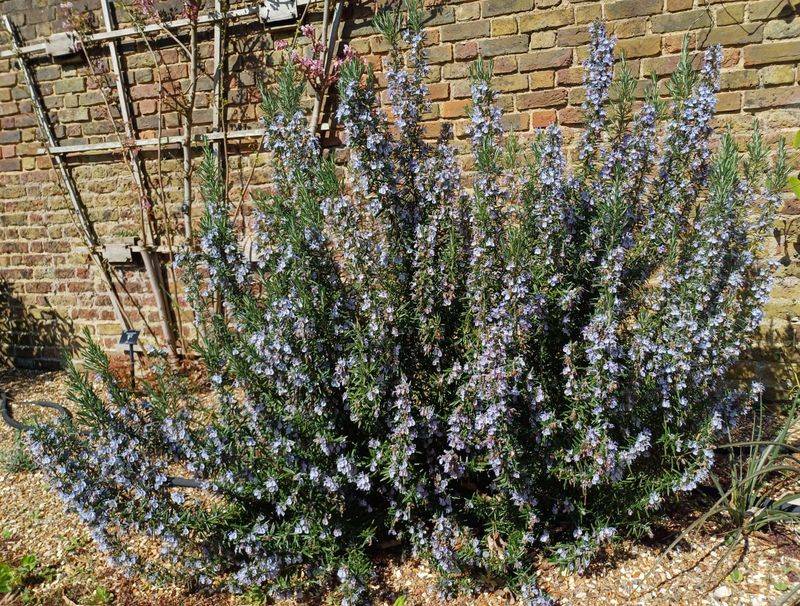
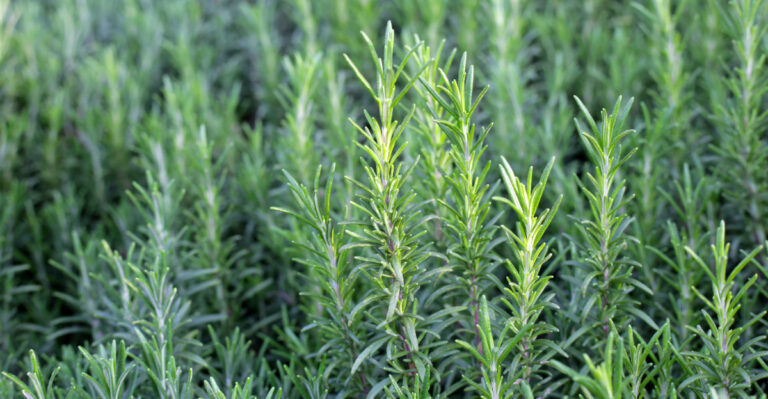
Trailing rosemary works hard without looking fussy.
The prostrate forms of Salvia rosmarinus spill over containers with woody, fragrant stems and small blue flowers. Brush past it, and the sharp herbal scent turns a hot porch into something much more inviting.
Give it a large pot. Rosemary needs more root room than many small annual trailers.
A container sixteen to eighteen inches wide and deep is a smart start. Small pots dry too quickly and stress the roots.
Use lean, fast-draining soil. Rosemary comes from dry Mediterranean conditions and dislikes wet feet.
Full sun supports sturdy growth. Strong light also encourages better fragrance and bloom.
Water deeply, then wait. The top two or three inches should dry before the next soak.
Overwatering is the common mistake. Rosemary can handle dryness better than soggy soil.
Do not leave it in a saucer of water. Standing water around the roots can cause rapid decline.
Prune after bloom. Light trimming keeps the trailing stems from becoming too woody and bare.
Use the trimmings in the kitchen. That makes cleanup feel less like work.
Flower litter is minimal. The small blue blooms usually fall quietly into the pot.
Cold tolerance depends on location and container exposure. High-desert gardeners should protect pots during hard freezes.
Trailing rosemary brings more than color.
It adds scent, edible stems, pollinator flowers, and a clean architectural spill that suits Arizona porch life beautifully.
8. Desert Snapdragon Vine Softens Porch Rails
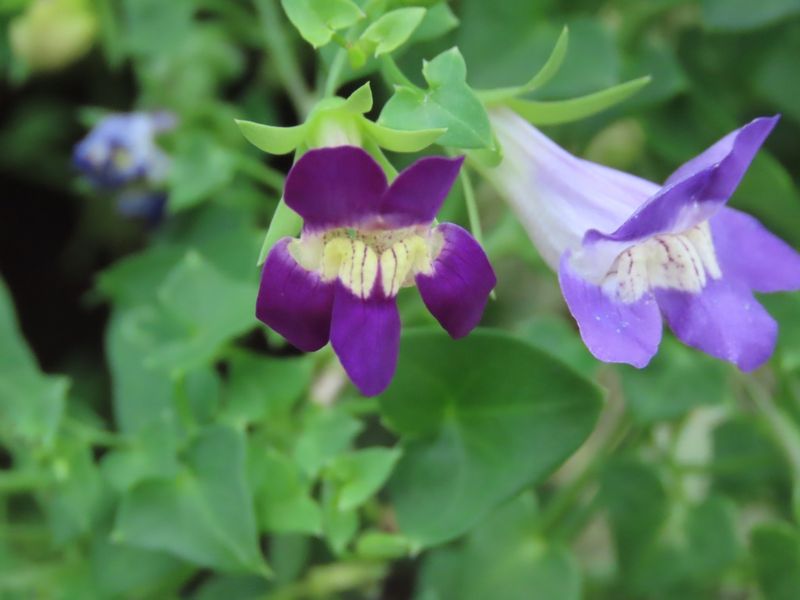
Desert snapdragon vine brings a delicate look to tough spaces.
Maurandya antirrhiniflora has fine stems and small tubular flowers in pink, purple, or lavender tones. It can trail from a hanging basket, spill from a pot, or lightly climb a rail when given something to hold.
That flexibility is useful. One plant can soften a container edge or weave gently through a porch support.
A twelve-to-fourteen-inch pot is enough for one plant. Larger containers create a fuller display and more stable moisture.
Use well-draining mix. Add perlite when the soil feels too heavy.
This vine appreciates some shade in the low desert. East-facing porches and bright filtered light often suit it well.
Full sun can work in milder sites. Harsh west-facing exposure may need afternoon protection.
Water regularly during establishment. Once it grows strongly, let the top inch of soil dry between waterings.
Do not keep it soggy. Fine roots can struggle in wet potting mix.
Trim spent stems every few weeks. That reduces seed litter and keeps the plant from tangling.
The flowers are small and tidy. They add charm without covering the floor in large petals.
Seed capsules may form. Remove them early for the cleanest porch.
Cold can limit the season. In higher elevations, this plant may behave as a warm-season annual.
Desert snapdragon vine is soft rather than showy.
It gives porch rails and hanging baskets a graceful native touch without the heavy mess of larger vines.