Cool-Season Vegetables New York Gardeners Can Still Sow In September
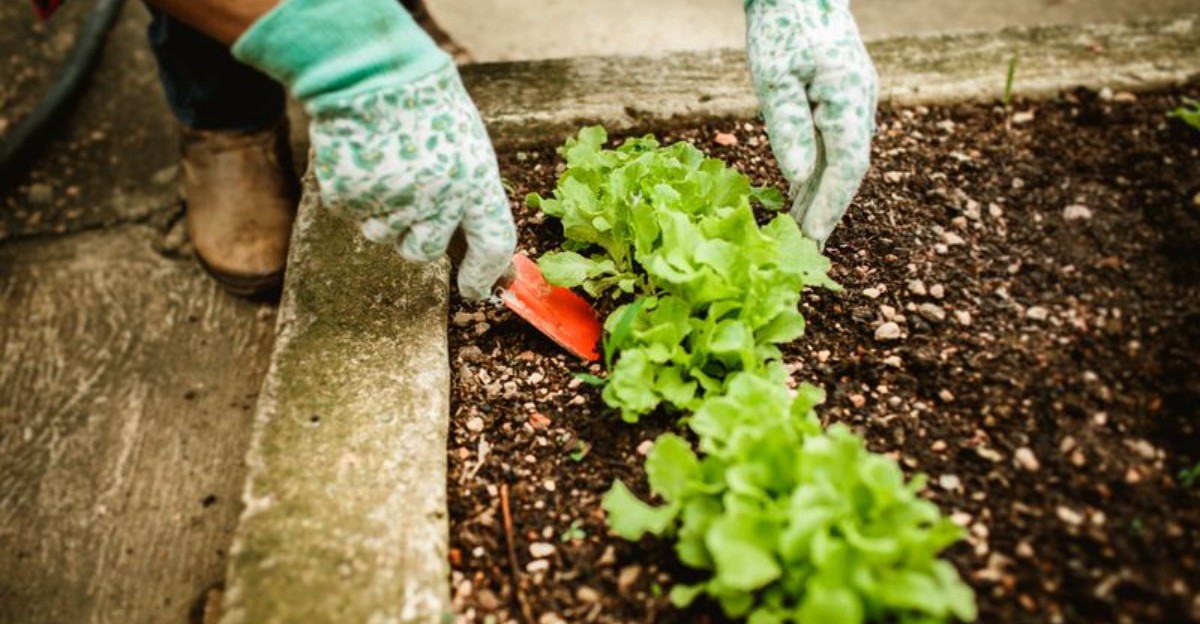
That first crisp morning in September feels like a starting gun, not a finish line. While tomato vines begin to sag and squash leaves lose their summer shine, the soil is still warm enough for a final round of cool-season crops in many parts of New York.
The key is choosing fast-growing varieties and counting backward from your local first-frost date. Give each crop enough time to mature while remembering that shorter days and weaker autumn sunlight can slow growth.
The reward is worth it: crisp roots, peppery greens, and fresh salads harvested long after the summer garden starts winding down.
1. Radishes Can Still Produce A Quick Fall Harvest
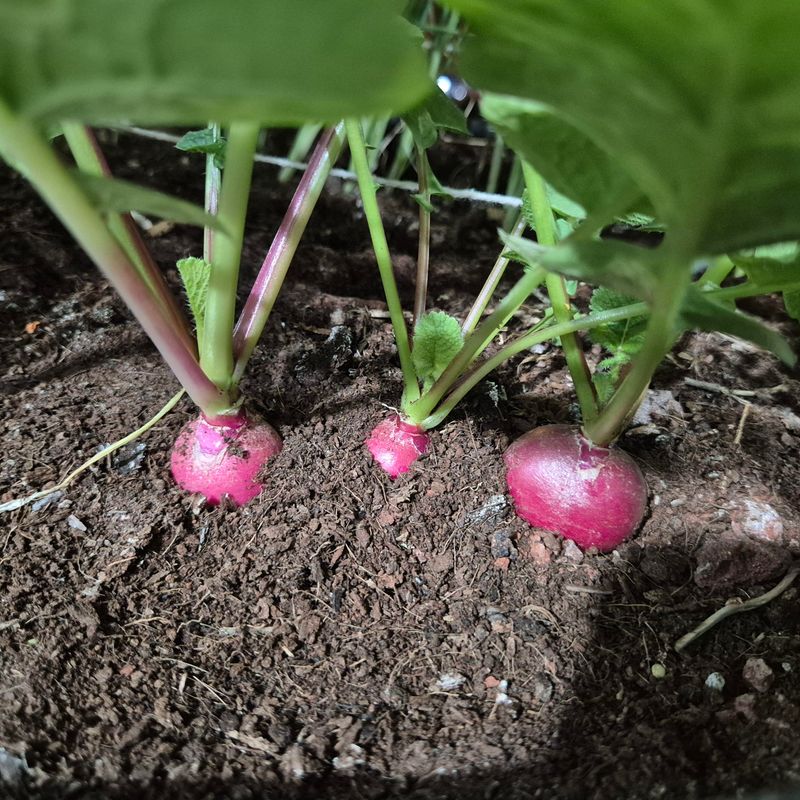
Few crops reward impatience like the radish. Sow seeds in early September and you could be crunching on them by early October.
Spring types mature in roughly 22 to 30 days from direct seeding, and some race to harvest in three or four weeks. That speed makes them a smart pick across much of New York, although gardeners in colder areas may need to sow earlier to harvest before growth slows.
Radishes tolerate cool weather and light frosts well, although growth slows as temperatures fall and the soil eventually freezes. They taste best when temperatures sit between 50 and 65 degrees, since heat turns the roots sharp and less pleasant.
Scatter seeds about half an inch deep in loose, moist soil, then thin the seedlings so each root has breathing room. Crowded radishes make leaves instead of bulbs, which is the most common disappointment beginners run into.
Pull them once the roots reach about an inch across. Waiting longer usually leads to woody, spongy texture and a flavor most people would rather skip.
Want a steady supply through fall? Sow a short row every 7 to 10 days until mid-month, and you will have staggered harvests instead of one overwhelming pile.
Daikon and other winter radishes are a different story. Sown in late summer, they need 50 to 70 days, though they handle cold better and store nicely in a cool basement.
2. Spinach Handles September’s Cooler Growing Conditions
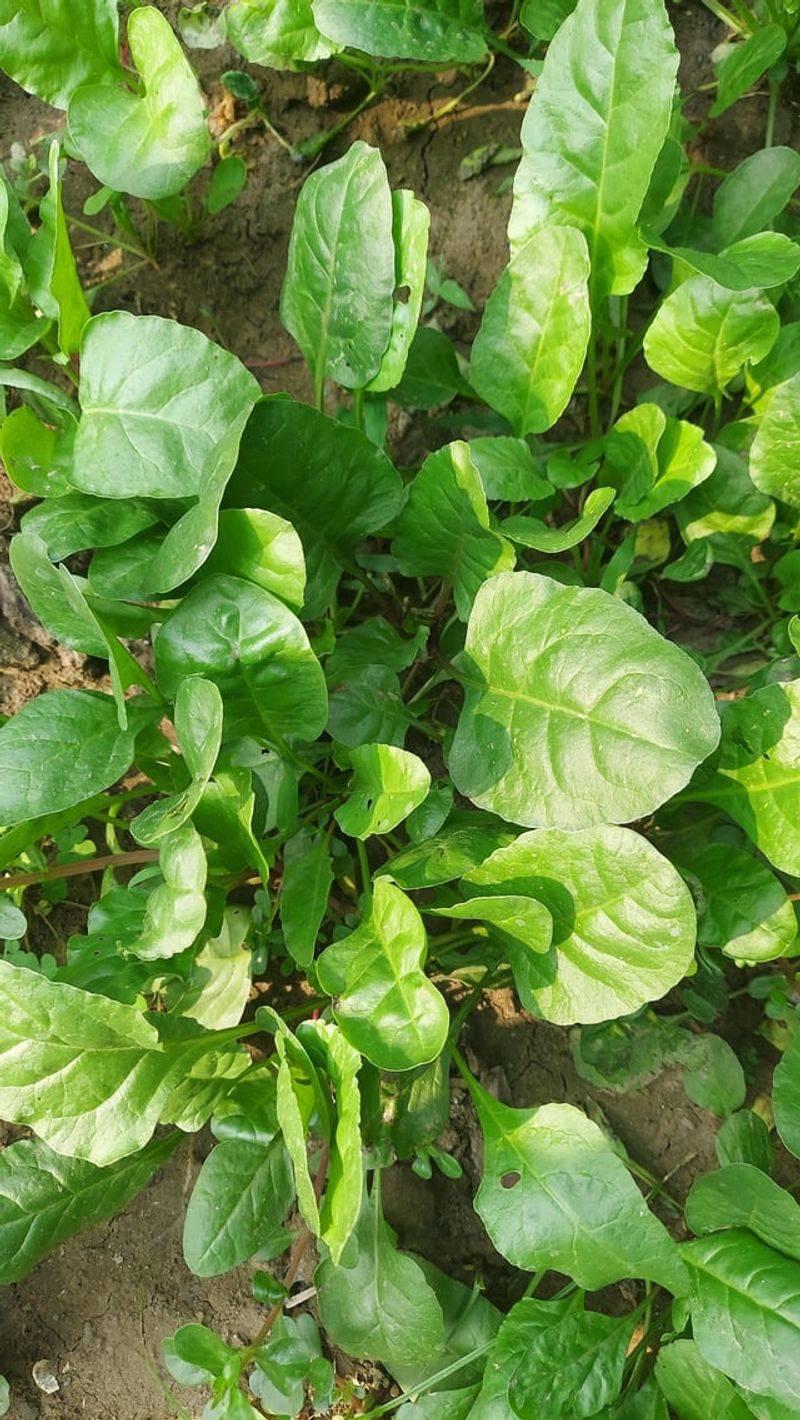
Spinach practically prefers the chill. Spinach germinates in cool soil, and established young plants tolerate frost better than many other vegetables.
Timing depends on where you garden. Cornell Cooperative Extension lists September 10 as a workable sowing deadline for Ithaca, while gardeners in New York City, with a median first frost around November 15, have noticeably more room to plant late.
The sweet spot for growth falls between 50 and 60 degrees. Anything steadily above 75 degrees pushes plants to bolt, meaning they shoot up a seed stalk and the leaves turn bitter.
Direct sowing is the way to go here, because spinach roots resent being moved. Tuck seeds about half an inch deep, keep the bed evenly damp, and thin crowded seedlings to roughly three inches apart.
Maturity usually lands around 45 days after sowing. Instead of pulling whole plants, snap off the outer leaves and let the center keep pushing new growth for weeks.
A floating row cover or low tunnel stretches the season further and buffers those sudden cold snaps that sweep across upstate New York in late October.
Your New York Garden Changes Every Week. Your Plan Should Too.
Gardening in New York changes quickly throughout the season. Every Friday you’ll receive a simple weekly plan showing exactly what to plant, prune, fertilize, harvest, and protect so you never miss the right timing.
Here is a fun bit of garden trivia: cold weather actually nudges spinach to build up sugars, so late-season leaves often taste sweeter and richer than anything you harvested in spring.
3. Arugula Gives Gardeners A Late Season Green
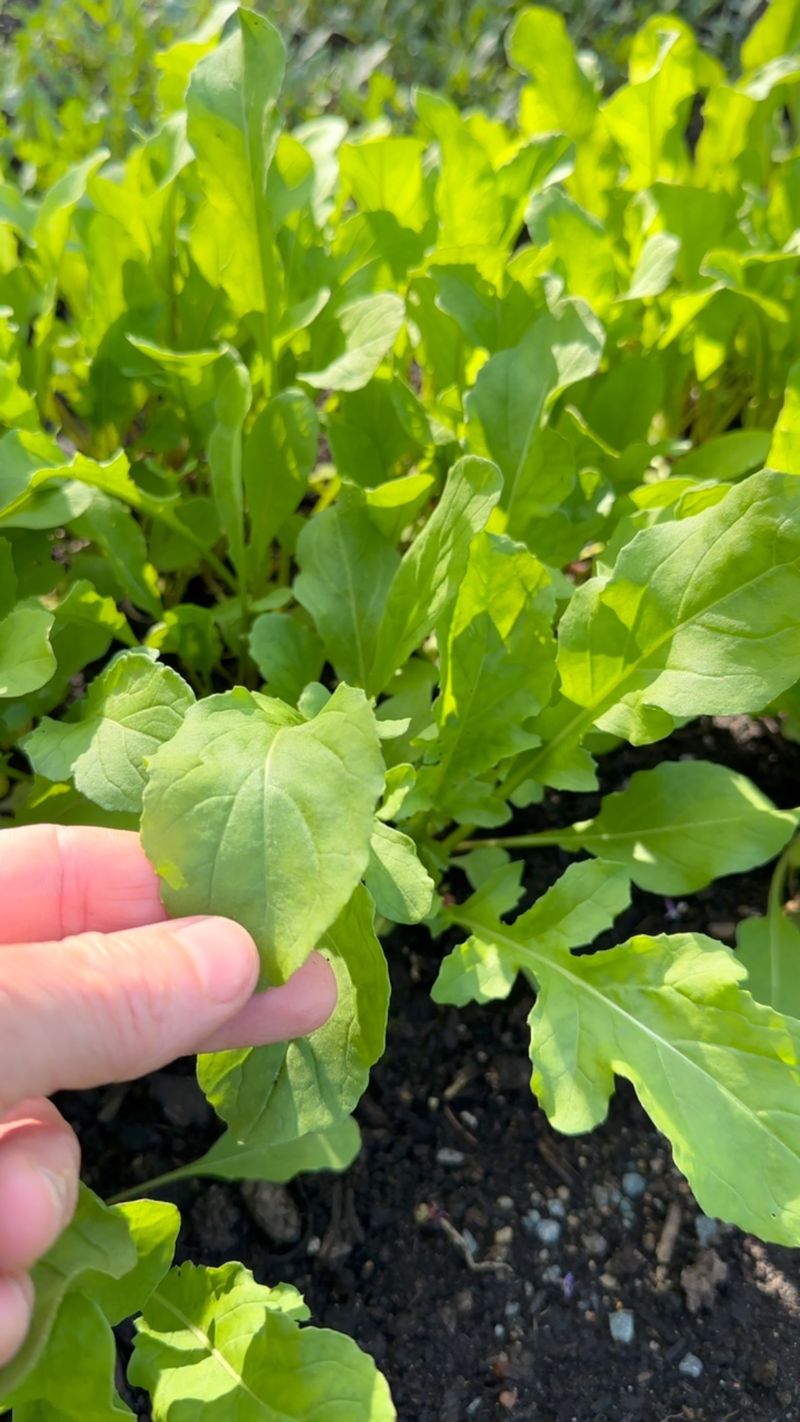
Peppery, nutty, a little bit wild – arugula is the green that makes a plain salad interesting. Better yet, it grows fast enough to fit comfortably into a September schedule.
Seeds germinate in soil as cool as 40 degrees, and plants hit their stride between 60 and 65 degrees. Summer heat sends them straight to seed, which is exactly why fall sowing works so well across the state.
Baby leaves can be ready in about a month, with full harvests landing 30 to 40 days after seeding. Pick when plants stand 4 to 6 inches tall for the mildest flavor.
Broadcast seeds thinly over a raked bed, press them in lightly, and barely cover them. Arugula seeds are small, so a light hand beats burying them deep.
Snipping the outer leaves encourages the plant to keep producing, sometimes for several rounds. Leave the crown intact and you may harvest the same patch three or four times.
Succession sowing every two to three weeks keeps the supply rolling right up to your local frost date. Gardeners in warmer corners, including Long Island, can often push plantings later than folks in the Adirondacks.
Light frost does not bother arugula much, and some growers swear the cold tames its bite. Toss the leaves with pears, walnuts, and a splash of vinegar for a very fall plate.
4. Lettuce Can Still Be Sown Early In September
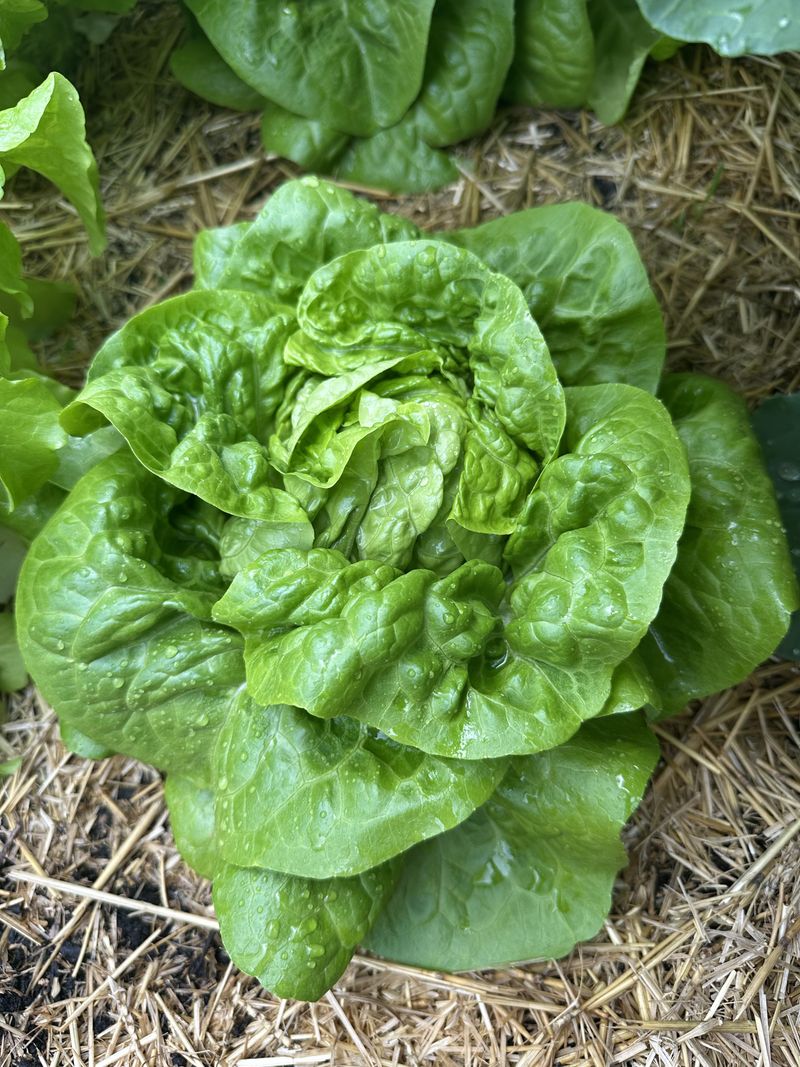
Salad season does not have to end with summer vacation. Loose leaf and Bibb types handle plantings from mid-August through the first week or so of September, and Cornell lists leaf lettuce among the crops you can still sow by September 10 in Ithaca.
Cool air suits lettuce beautifully. Plants perform best between 60 and 65 degrees, tolerate frost reasonably well, and bolt once the thermometer climbs past 75 degrees for long stretches.
Looseleaf varieties move quickly, offering pickable leaves as early as four weeks in. Full heads generally want closer to 50 days, so early September sowings favor the leafy kinds.
If a warm spell is forecast, reach for slow-bolting varieties. Seed catalogs usually flag them, and they save you the frustration of bitter, spiky plants.
A layer of straw mulch around young lettuce keeps weeds down, holds moisture in, and steadies soil temperature during that odd September flip between hot afternoons and cold nights.
Leaf lettuce is the safer choice for a short September window, while head and romaine types generally need more time to mature.
One practical habit: sow a small patch every ten days rather than one big block. Gardeners use that rhythm to keep bowls full instead of harvesting everything the same weekend.
Cover the bed with fabric on chilly nights and your greens may last surprisingly deep into the season.
5. Turnips Thrive As Temperatures Start To Cool
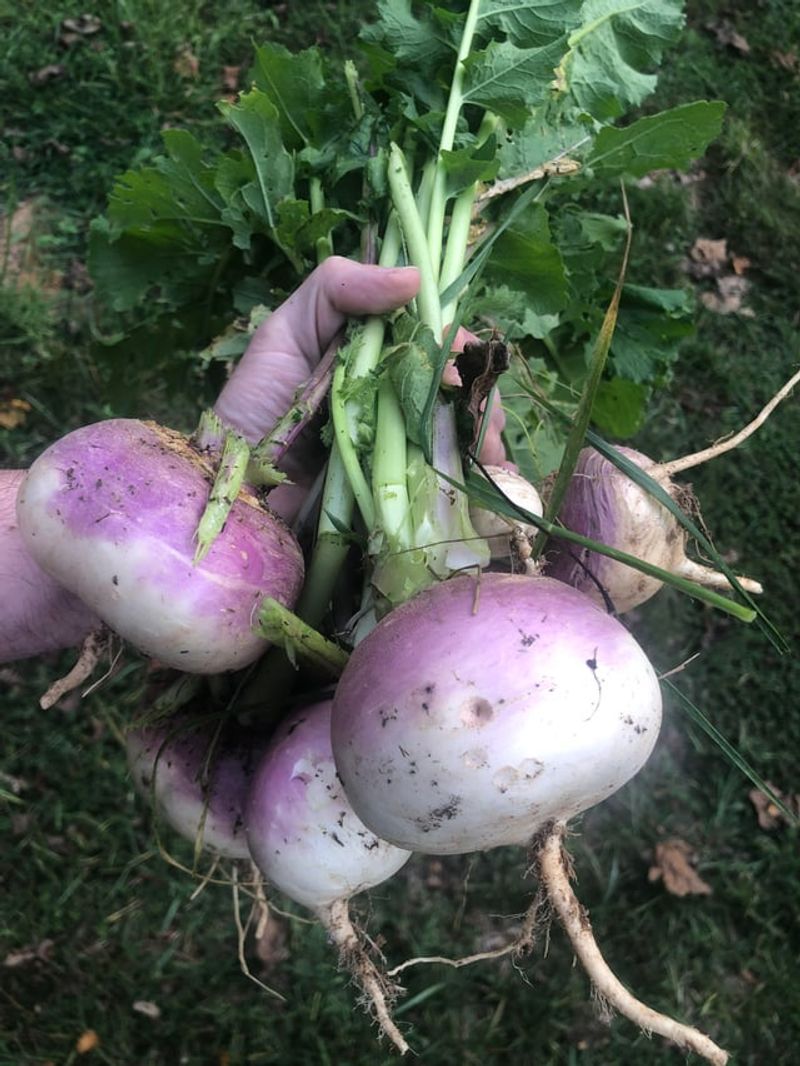
Here is a claim worth testing: fall turnips taste better than spring ones. A light frost nudges the roots toward sweetness, and cooler weather usually means fewer insect headaches too.
Cornell Cooperative Extension names September 10 as a workable planting deadline for turnips in Ithaca. A general guideline of six to eight weeks ahead of first frost works well, which favors early September sowings.
Seedlings handle cold impressively, tolerating dips toward 25 degrees. Steady daytime heat above 75 degrees, on the other hand, sends them bolting.
Sow seeds about half an inch deep in loose, rock-free soil, then thin seedlings to four inches apart once they show true leaves. Thinning matters here, because cramped roots stay stubbornly small.
Roots typically mature in 40 to 60 days. Harvest when they reach two to three inches across, since oversized turnips turn fibrous and bland.
Do not overlook the tops. Turnip greens are edible at any size and often ready in just 30 to 35 days, giving you two harvests from one row.
Frost does not trouble the roots, though you will want to lift them before the ground freezes solid. Gardeners in New York often mulch heavily to buy extra digging time.
Purple Top White Globe is the reliable classic, while Tokyo Cross matures faster for tight schedules.
6. Mustard Greens Make A Fast Growing Fall Crop
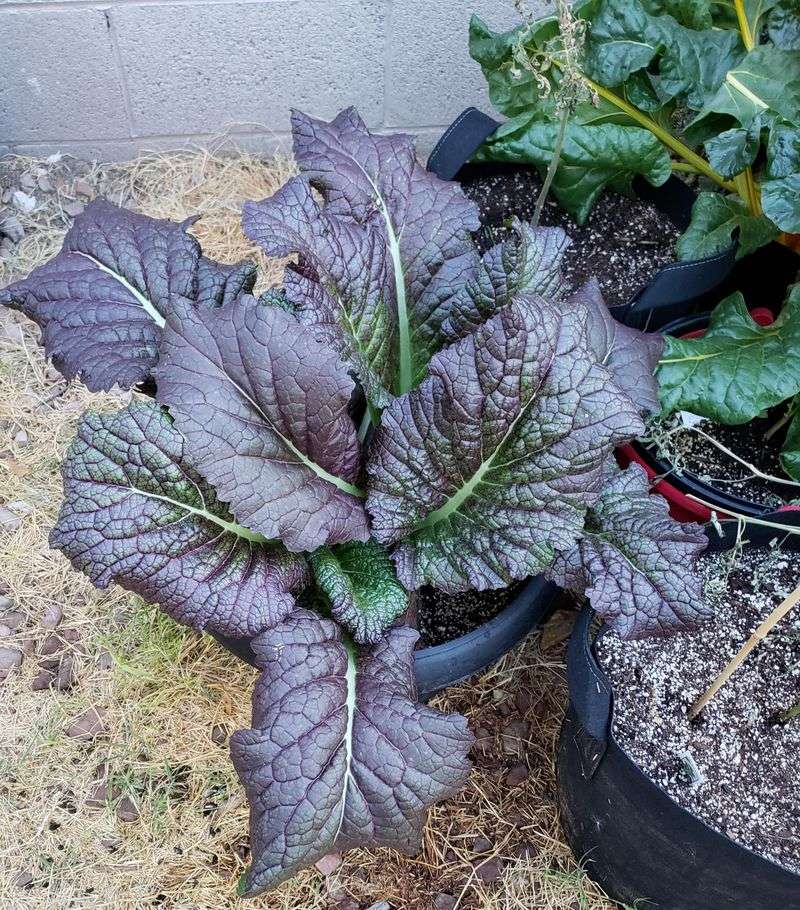
Spicy, ruffled, and honestly a little dramatic looking, mustard greens bring personality to the fall garden. Cornell Cooperative Extension includes mustard on its list of crops you can still plant by September 10 in Ithaca.
Cool weather is where these greens shine. Warm summer conditions make them harsh and quick to bolt, while autumn air keeps the leaves tender and the flavor balanced.
Growth is fast, which is the whole appeal. Baby leaves are often pickable within three to four weeks, and larger leaves follow not long after.
Sow seeds shallowly, roughly a quarter inch deep, in a sunny bed with steady moisture. Give them full sun when possible and keep the soil consistently moist, adjusting watering for rainfall and weather.
Thin the seedlings and eat the thinnings raw in salads. The tiny leaves carry a wasabi-like kick that mellows nicely when cooked.
Harvest from the outside in and plants keep producing for several weeks. Frost tends to soften the bite, so many gardeners deliberately wait for a chilly night before their first big picking.
Flea beetles can nibble young plants, though pressure drops off as the season cools. A lightweight row cover handles them and adds a few degrees of warmth at the same time.
Try them braised with garlic and a splash of vinegar. Comfort food, straight from the September bed.
7. Cilantro Can Take Advantage Of September’s Cooler Weather
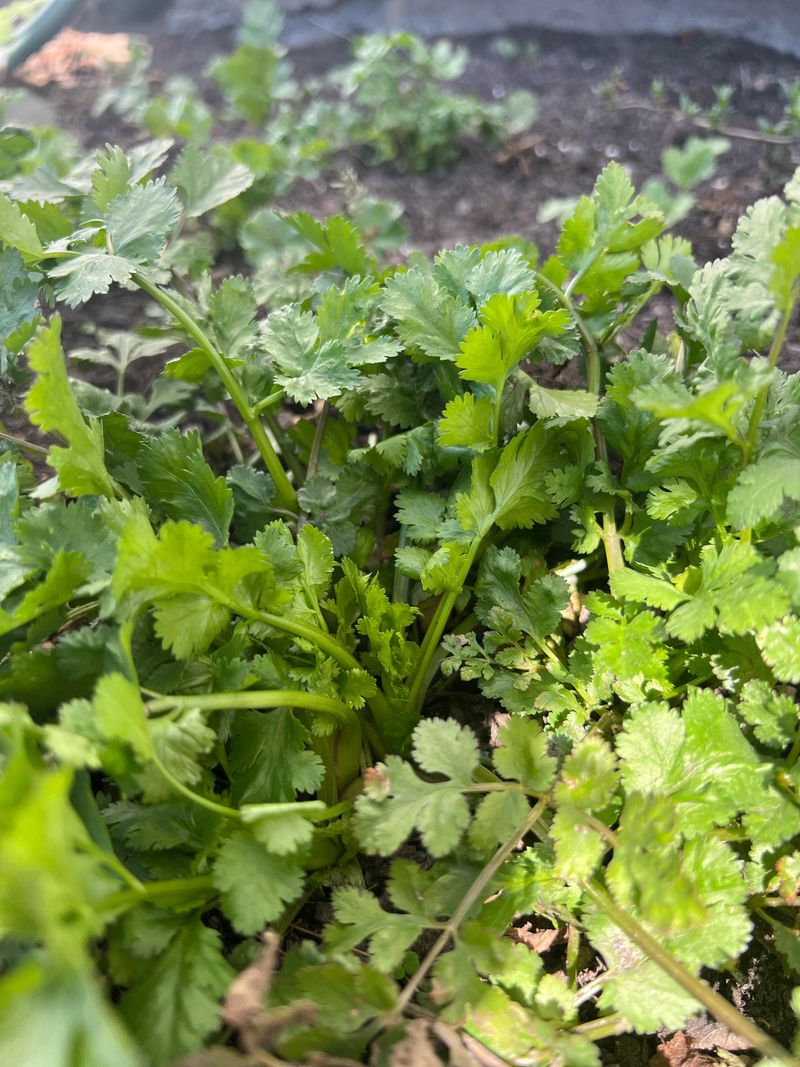
Anyone who has watched cilantro bolt in July knows the frustration. Autumn is its redemption arc, and a September sowing often produces the best leaves of the whole year.
Cilantro grows well between 50 and 85 degrees, but consistent temperatures above 80 send it racing to flower and turning bitter. September’s cooling trend removes that pressure entirely.
Under favorable conditions, cilantro can provide harvestable leaves within several weeks, but September sowings may need row cover or a protected site to keep producing as temperatures fall. Fall-planted patches can keep giving from mid-September until hard freezes settle in during November or December, depending on your corner of New York.
Half-hardy is the right label here. Young plants take a light frost in stride, while a deep freeze without protection ends the run.
Sow seeds directly where they will grow, about a quarter inch deep. Direct sowing avoids disturbing the roots and is usually the simplest approach.
Clip the outer stems regularly to encourage fresh growth from the center. Frequent harvesting also delays flowering, which is exactly what you want.
A row cover, low tunnel, or cold frame extends the harvest dramatically, and plenty of gardeners keep snipping leaves into the holiday cooking season.
Fun detail worth knowing: let a few plants flower next spring and those seeds become coriander. One packet, two spices, and a garden bed that earns its keep twice over.