Your Georgia Cucumbers Are Full Of Flowers And Producing Nothing (Here Is Why)
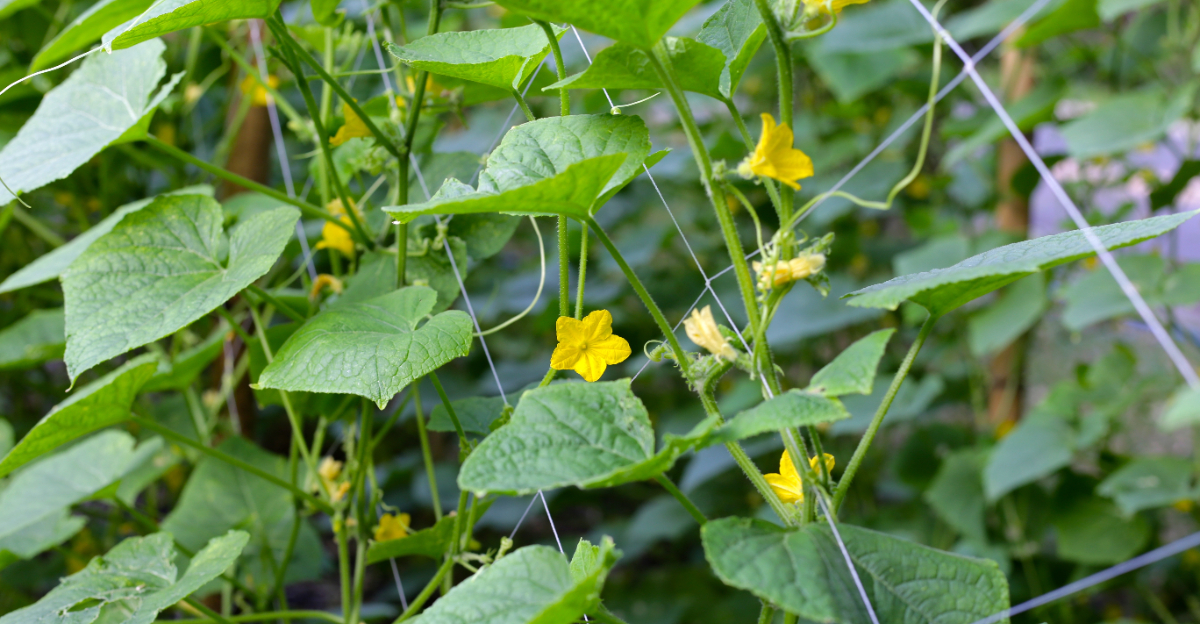
The cucumber vines look incredible.
Full, lush, covered in bright yellow flowers from one end to the other. Every Georgia gardener who sees them assumes a serious harvest is coming.
Then nothing happens.
The flowers open, linger for a day, and drop off without leaving anything behind. Week after week the vines keep producing blooms and the garden keeps producing zero cucumbers.
Something specific is preventing fruit set, and it is almost never obvious from looking at the vine.
Georgia cucumber problems are not random. They follow predictable patterns tied to flower timing, pollination windows, and a few other factors that many gardeners never connect to the empty trellis they are staring at in July.
The frustrating part is that most of these problems are genuinely fixable once the actual cause gets identified.
So, have you been watching cucumber vines full of flowers produce nothing and not known where to start looking? These eight reasons explain what is actually happening.
1. Male Flowers Arrive Before Female Blooms
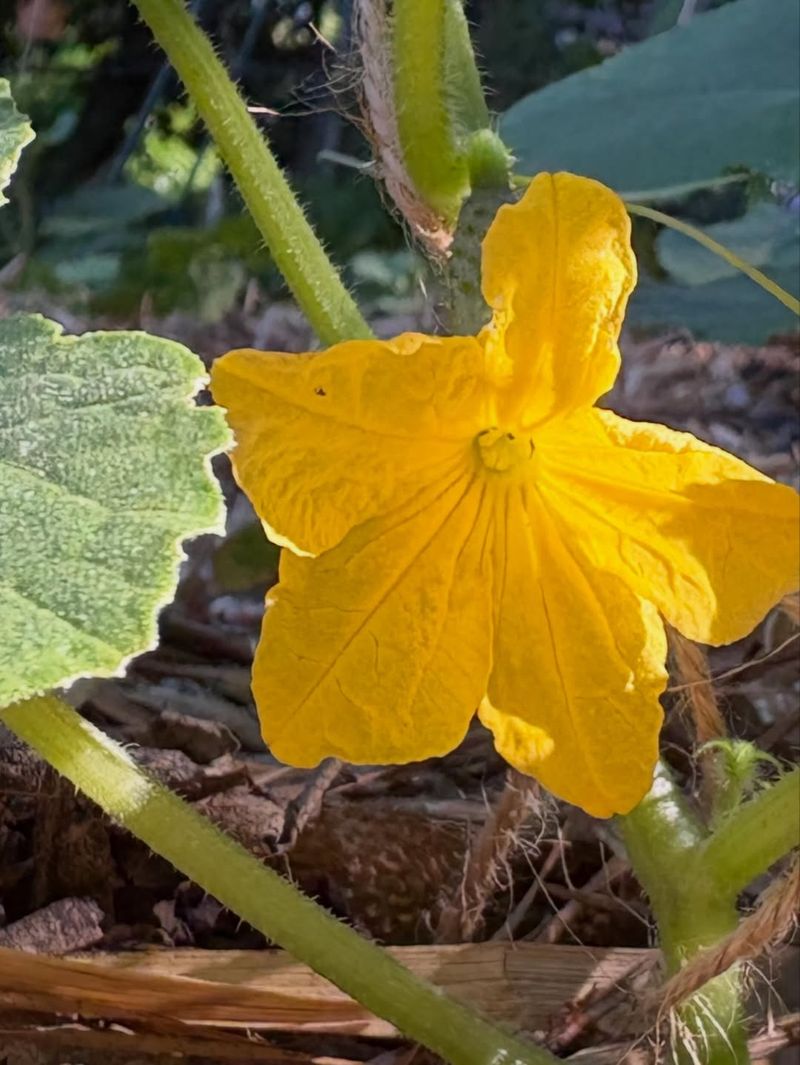
The vine explodes with cheerful yellow flowers in its first two weeks and everything looks promising.
Then the flowers drop off one by one without leaving anything behind, and the whole situation starts to feel personal.
Cucumber plants produce both male and female flowers on the same vine. Male flowers arrive first, sometimes by a full week or two.
The plant sends them out before female blooms are ready as a way to attract pollinators in advance. The flowers are real, the bees are welcome, and nothing is wrong. The store is just not open yet.
Identifying the difference between male and female flowers is straightforward once it is known.
Female flowers have a small, swollen, miniature cucumber shape sitting directly behind the petals at the base of the bloom.
That tiny bump is the ovary, and it becomes a real cucumber only when pollen from a male flower reaches it successfully.
Male flowers have a plain slender stem with no swelling at the base. Both types are necessary. The plant is not broken. The timeline is just running on its own schedule.
Female flowers typically arrive around the third or fourth week of growth. Once they appear, fruit set begins quickly under good conditions.
Georgia gardeners growing varieties like Spacemaster or Straight Eight will see this male-first pattern every season.
Patience is the only tool needed for this particular situation. The female flowers are coming. They are just making the pollinators wait a little.
2. Heat Interrupts Fruit Set
Georgia summers are not gentle, and cucumber plants feel the full weight of that fact from late June through August.
When daytime temperatures push past 90 degrees and nights stay above 70, something specific happens inside the flower that no amount of good gardening can fully compensate for.
Pollen loses viability at high temperatures. Even with a steady stream of bees visiting every flower on the vine, damaged pollen cannot fertilize a female bloom effectively.
The outcome is flower drop, misshapen fruit, or simply no fruit development at all despite a vine covered in what look like perfectly healthy blooms.
Your Georgia Garden Changes Every Week. Your Plan Should Too.
Gardening in Georgia changes quickly throughout the season. Every Friday you’ll receive a simple weekly plan showing exactly what to plant, prune, fertilize, harvest, and protect so you never miss the right timing.
Planting timing is the most powerful tool available against this problem.
In Georgia, the best cucumber harvests often come from plants started in late March through April, allowing fruit to set before the worst heat arrives and production is already underway.
A second planting in late July can also work, producing during the more manageable temperatures of September and October.
Shade cloth rated at 30 to 40 percent reduces canopy and soil temperatures enough to protect pollination during peak summer heat waves.
Mulching around the base of the vines with straw or wood chips keeps root zones cooler between waterings.
The heat is not a surprise in Georgia. Planning around it produces more cucumbers than complaining about it does, and both options take roughly the same amount of effort.
3. Pollinators Skip The Vines
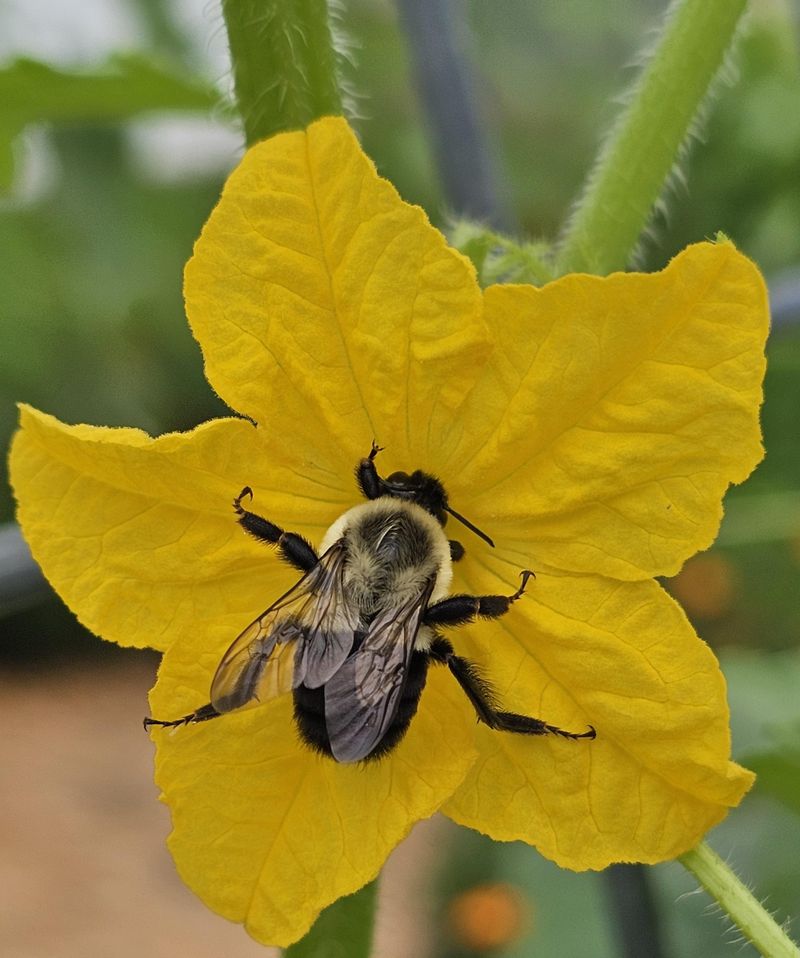
Cucumbers need bees. Not as a pleasant bonus. As a functional requirement.
Without pollinators transferring pollen from male to female flowers, the vines stay full of blooms and empty of fruit regardless of how well everything else is managed.
Several factors reduce bee activity around garden spaces. Nearby pesticide use, including from neighboring properties, can suppress pollinator traffic significantly.
A cucumber patch planted alone without surrounding flowering plants gives bees little incentive to work the area consistently.
Monoculture rows are less attractive to pollinators than plantings that include basil, dill, marigolds, or borage nearby.
Habitat loss across Georgia has reduced native bee populations in many areas, which means relying entirely on wild pollinators to show up on schedule is an optimistic strategy.
Planting pollinator-friendly flowers within about fifty feet of the cucumber patch increases bee presence noticeably.
Bees tend to work in concentrated zones, so the closer the flowering companions, the better the coverage across the cucumber vines.
Hand pollination is a reliable backup when bee activity is low.
Use a small soft-bristled paintbrush or cotton swab to collect pollen from the center of a male flower, then transfer it directly to the center of a female flower. Morning hours when flowers are fresh and fully open produce the best results.
A cucumber vine full of flowers and no bees is essentially a garden waiting room. Hand pollination skips the waiting.
4. Morning Flowers Close Too Soon
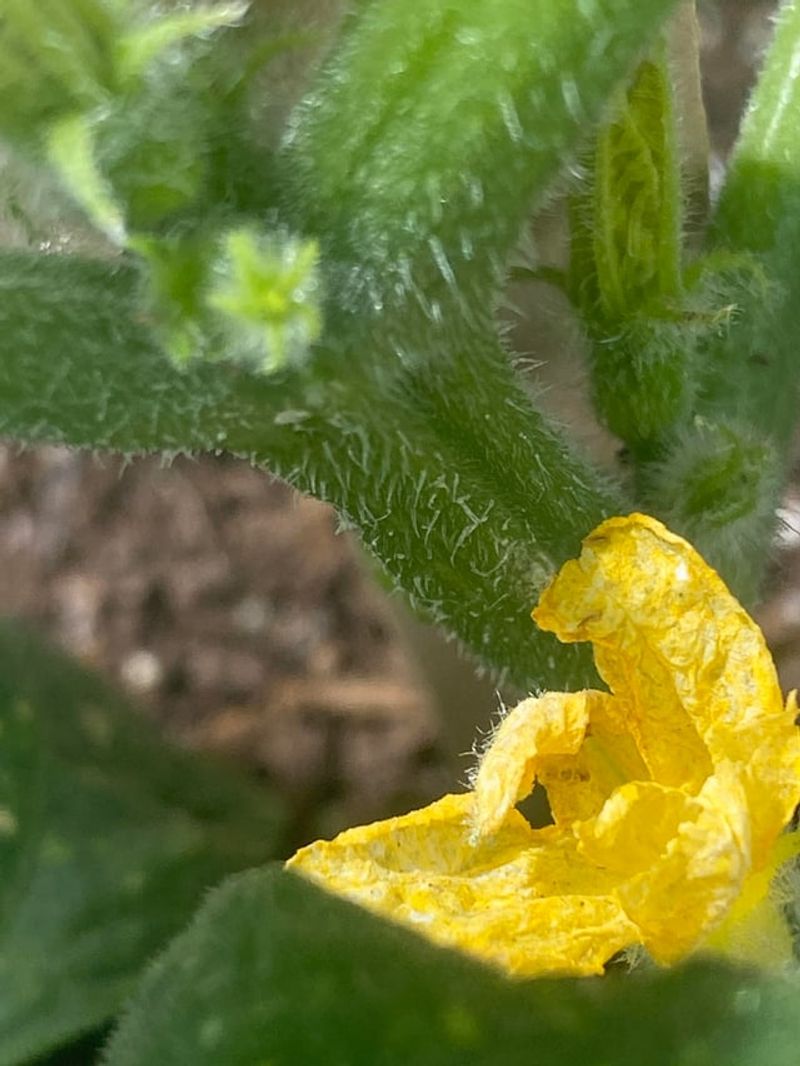
Step outside at ten in the morning on a warm Georgia day and a significant number of cucumber flowers may already be closing.
Cucumber blooms open in the early morning and begin shutting as temperatures rise, remaining viable for only four to six hours from the moment they first open.
That narrow window is the entire pollination opportunity for each individual flower.
If bees are not active during those early morning hours, or if hand pollination does not happen within that window, the opportunity closes with the flower.
Once a bloom shuts, it will not reopen. It drops from the vine within a day or two, leaving the gardener wondering why the plant keeps flowering without producing anything.
Getting outside between seven and ten in the morning changes the outcome. That is when flowers are wide open, bees are most active, and both natural and hand pollination happen most effectively.
Checking for both male and female blooms open simultaneously is the key observation. When both types are open at the same time, the window for fruit set is actively available.
Keeping a simple garden journal to track bloom patterns over a week or two reveals which mornings bring the most open flowers and the most bee activity.
Matching observation and intervention to those peak moments improves fruit set noticeably, especially during the hottest stretch of summer when every small advantage has an outsized effect on the final harvest count.
5. Water Swings Disrupt Growth
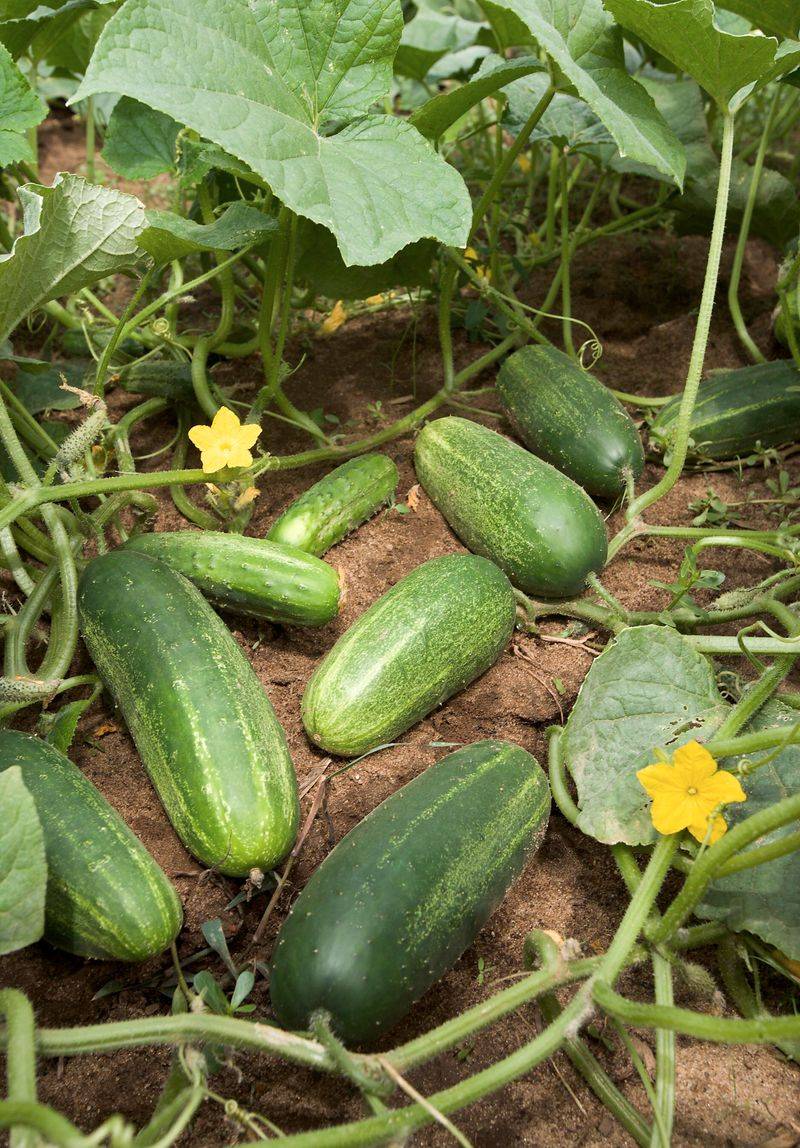
Cucumbers are roughly 95 percent water by weight, and they need consistent soil moisture to move through every development stage from open flower to finished fruit.
Inconsistent watering does not just stress the plant. It disrupts the entire production cycle at multiple points simultaneously.
When soil dries out significantly between waterings and then receives a heavy soak, the plant responds by dropping flowers and abandoning young fruit that was already forming.
Blossom end rot, misshapen cucumbers, and bitter flavor are all signs that moisture levels have been swinging too far in both directions.
Georgia’s summer pattern of dry spells followed by intense afternoon thunderstorms creates exactly this problem for gardeners relying on rainfall alone.
Cucumbers need about one inch of water per week delivered evenly rather than in large irregular doses.
Drip irrigation delivers moisture directly to the root zone without wetting foliage, which also reduces fungal disease pressure.
Soaker hoses work well and cost less to set up. Overhead watering in the morning gives leaves time to dry before evening humidity rises.
Mulching around the base of each vine with two to three inches of straw, pine needles, or shredded leaves holds moisture in the soil between waterings and moderates soil temperature during the hottest weeks.
Steady moisture produces steady fruit. The vine responds to consistency the same way most productive things do, by showing up reliably when the conditions reliably support it.
6. Too Much Nitrogen Pushes Leaves
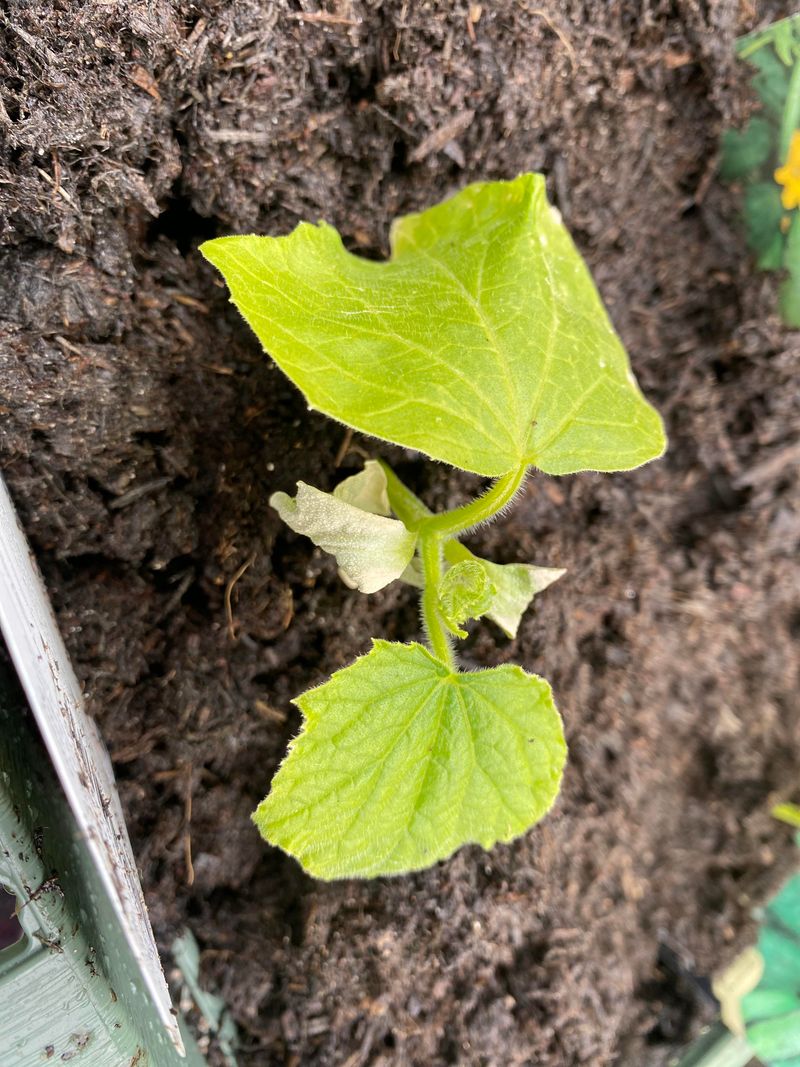
A cucumber vine covered in enormous dark green leaves with very little fruit is usually not a healthy plant. It is an overfed one.
Nitrogen drives leafy vegetative growth, and too much of it redirects plant energy away from flower development and fruit set toward producing more foliage that nobody asked for.
This happens most often when gardeners apply a balanced or high-nitrogen fertilizer repeatedly through the season without adjusting as the plant transitions from vegetative growth to fruiting.
Fresh compost, manure, or lawn fertilizer accidentally washed into nearby beds can push nitrogen levels into the problematic range without any obvious sign until the vine is enormous and the harvest is empty.
The vine looks spectacular from the outside. Thick, lush, impressively green. The inside story is a plant so busy making leaves that it has effectively postponed the fruit production the whole garden was planted for.
Once cucumber vines begin flowering consistently, switching to a fertilizer with lower nitrogen and higher phosphorus and potassium shifts the plant’s priorities toward fruit development.
A product labeled something like 5-10-10 suits the fruiting stage better than a general-purpose 10-10-10 blend.
Bone meal and wood ash are organic options that add phosphorus and potassium without contributing more nitrogen to already rich soil.
Reducing nitrogen mid-season often produces visible improvement in fruit set within two to three weeks. The vine that seemed to have given up on cucumbers suddenly remembers what it was planted for.
7. Crowded Vines Hide Female Flowers
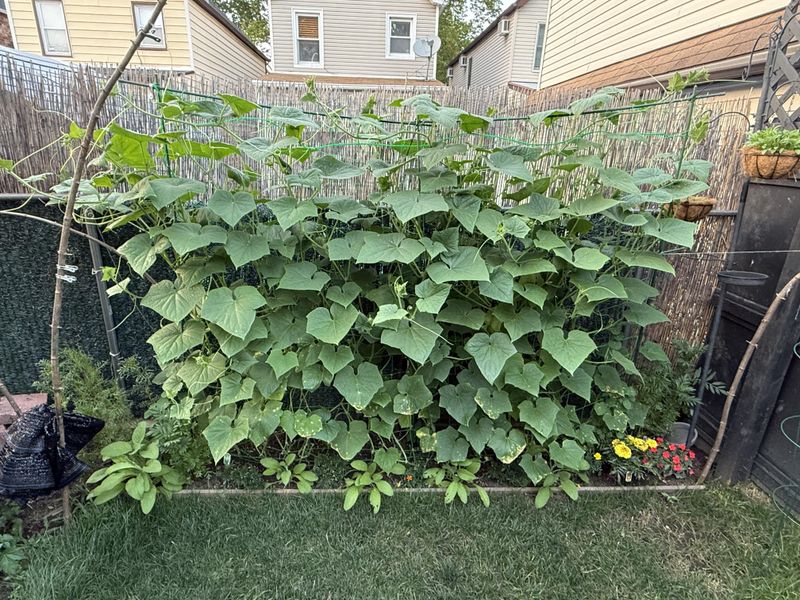
More plants should mean more cucumbers, right?
However, the logic is intuitive and completely wrong once a Georgia summer gets involved.
When cucumber vines grow too close together, they compete for light and nutrients, and airflow between plants collapses.
That’s how female flowers end up buried under a canopy of overlapping leaves that bees fly over without ever investigating.
Bush varieties need at least eighteen inches between plants. Vining types need twenty-four to thirty-six inches or more depending on growth habit.
In Georgia’s warm climate, cucumber vines can fill a raised bed within a few weeks, turning a well-spaced early planting into a tangled mass by midsummer that no pollinator would willingly navigate.
Female flowers that go unvisited simply drop off. The gardener never knew they were there because they were invisible beneath three layers of leaves.
The harvest suffers from a problem that could have been solved during planting.
Training vines up a trellis solves the visibility problem completely. A vertical vine puts every flower in plain sight for bees and gardeners alike.
Airflow improves dramatically. Disease pressure from fungal issues drops because leaves are no longer pressed against each other in still, humid conditions.
A simple wire cage, wooden stake system, or cattle panel trellis works for most Georgia gardens. The trellis does not need to be elaborate. It just needs to exist.
A cucumber vine growing upward produces more than a cucumber vine growing sideways into its neighbors. Gravity is not involved in that calculation.
8. Young Plants Need More Time
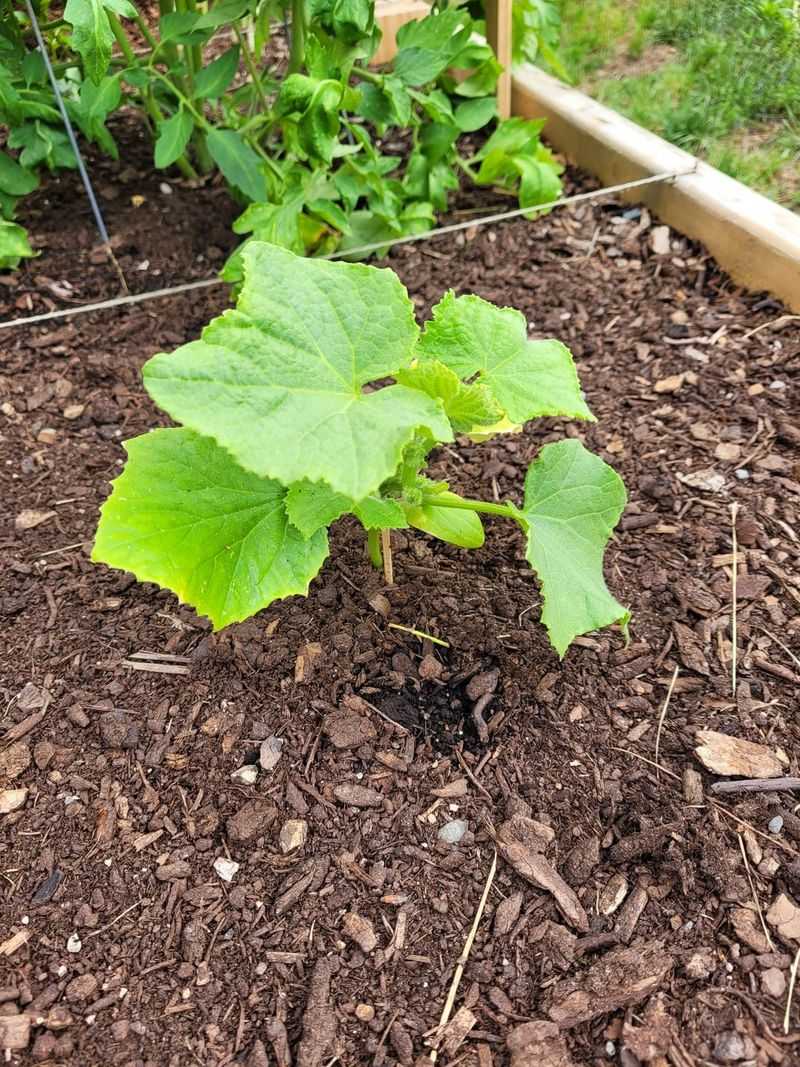
Patience is the quietest skill in gardening, and cucumbers test it thoroughly. A plant that is three or four weeks old is not ready to carry fruit to maturity even if it is covered in blooms.
Those early flowers are part of normal development. The plant itself is still building the root structure and stem strength required to take a fertilized flower all the way through to a harvestable cucumber.
Early flowers, almost always male as covered earlier, attract pollinators and signal that the vine is healthy. They are not a promise of immediate production.
Most cucumber varieties take fifty to seventy days from seed to first harvest. Slicing cucumbers generally run longer than pickling types.
Georgia gardeners who transplant established seedlings sometimes see vines that look mature but are still adjusting to new soil.
Transplant stress can temporarily stall fruit set even after female flowers appear. Allowing a week or two after transplanting before expecting fruit is a reasonable and realistic adjustment.
Watching for consistent female flower production across multiple days, rather than a single bloom, indicates the vine is genuinely ready to produce.
Once female blooms are appearing steadily, pollination conditions are favorable, watering is consistent, and nitrogen is not excessive, fruit follows reliably.
A simple mental checklist covers most of the bases. Female flowers present. Bees active in the morning. Consistent watering. Fertilizer not nitrogen-heavy.
Work through the list once and the vine usually takes care of the rest.