Can A Fuzzy Caterpillar Really Predict Your New York Winter?
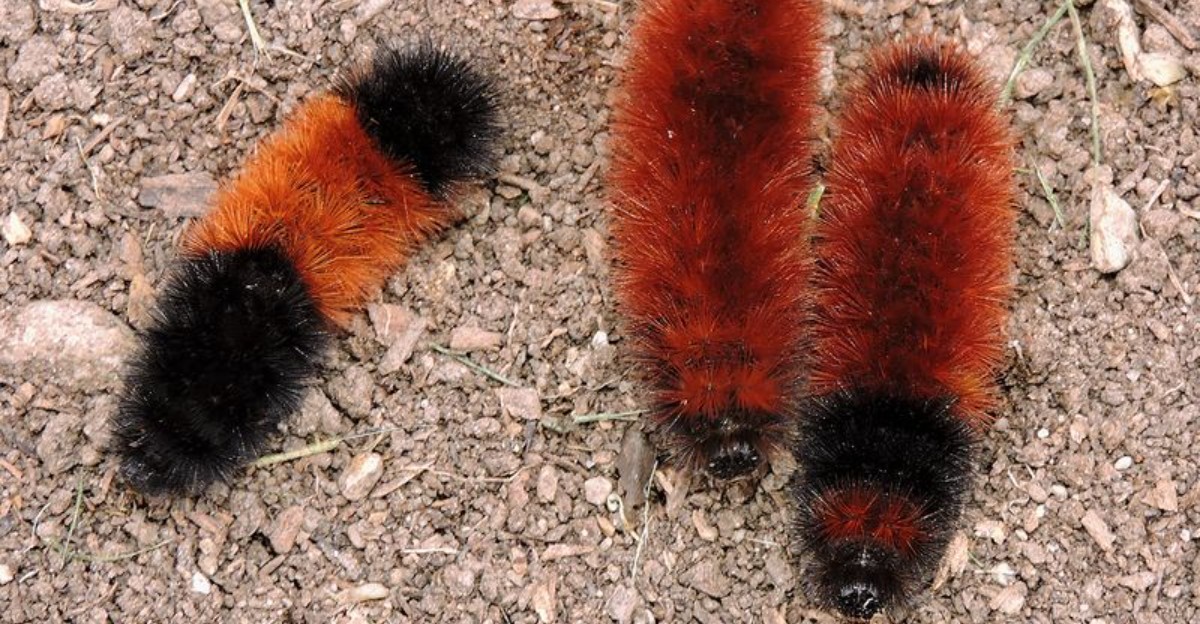
A fuzzy black-and-orange caterpillar inches across the sidewalk on a crisp fall day. For generations, people have stopped to study it like a tiny weather report.
Some folks across New York swear its stripes reveal whether the coming winter will be gentle or brutal. Others just think it looks adorable.
The woolly bear’s real story goes far beyond weather guessing. Its stripes do hold clues, just not the ones most people expect.
Its winter survival skills are even more amazing than the legend. This little caterpillar can freeze nearly solid and still crawl away come spring.
So should you trust the caterpillar or your local forecaster? The answer, plus a simple way to help these fuzzy neighbors through the cold, might surprise you.
Folklore Ties Their Stripes To Winter Weather
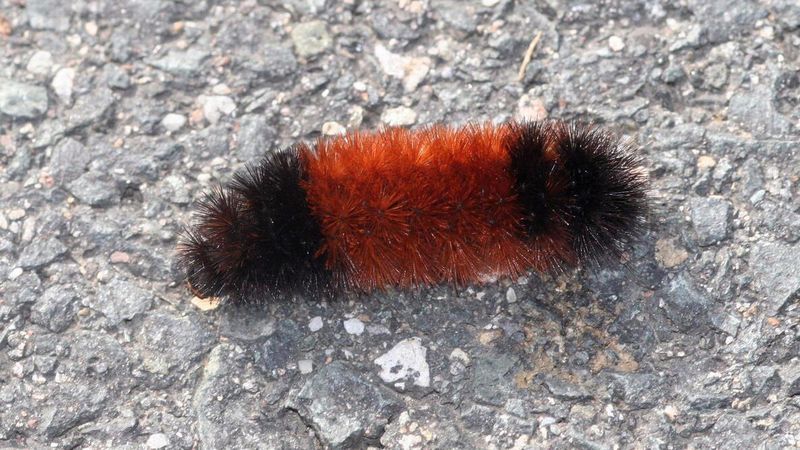
Grandparents across the Northeast have shared this trick for a long time. Spot a woolly bear in autumn, count its black bands, and guess the winter ahead.
According to the legend, more black means a longer, colder, and snowier season. The position of the dark bands supposedly matters too.
A darker head end hints at a harsh start to winter. A darker tail end suggests the cold will hit hardest near the finish.
Some versions add an extra twist about the caterpillar’s body. Its 13 segments are said to match the 13 weeks of winter.
Here is the fun part for New York readers. The legend got a huge boost right here in the Empire State.
In the late 1940s, entomologist Dr. C.H. Curran studied woolly bears at Bear Mountain State Park.
He and his wife counted the bands on caterpillars over several fall seasons.
A newspaper reporter wrote about his work, and the story spread quickly. Soon, people all over New England and the Midwest were reading caterpillar stripes.
Curran’s trips became a yearly event that drew curious visitors. His playful project turned a quiet bug into a fall celebrity.
Want to join the tradition? Take a short walk on a sunny October day and look along trails and roadsides.
Woolly bears often cross paths and driveways in the afternoon. Snap a photo, note the band pattern, and compare it with the real winter later.
Wider Brown Bands Supposedly Mean A Milder Winter
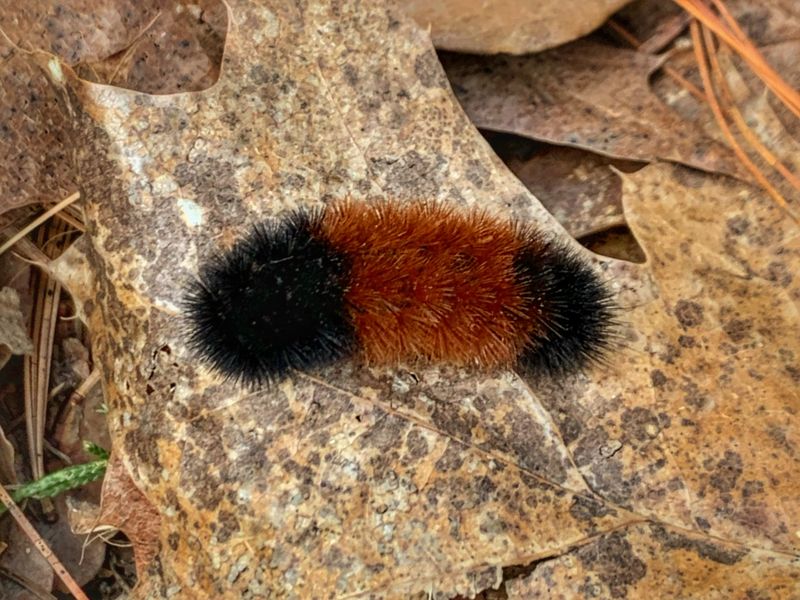
Good news, snow haters, at least according to old tales. A wide rusty middle stripe on a woolly bear supposedly signals an easy winter.
Folks often call that orange section the caterpillar’s weather gauge. The bigger it looks, the more hopeful people feel about the months ahead.
Flip the picture, and the mood changes fast. A caterpillar covered mostly in black is said to warn of a rough season.
Many families treat this like a friendly fall contest. Kids hunt for caterpillars, and everyone argues about who found the luckiest one.
People also compare woolly bears from different spots around town. One might look mostly brown, while another nearby looks mostly black.
That mix can lead to funny debates at the dinner table. After all, two caterpillars from the same yard can tell totally different stories.
Your New York Garden Changes Every Week. Your Plan Should Too.
Gardening in New York changes quickly throughout the season. Every Friday you’ll receive a simple weekly plan showing exactly what to plant, prune, fertilize, harvest, and protect so you never miss the right timing.
Here is a handy tip if you want to measure properly. Gently watch the caterpillar while it crawls, since it curls into a tight ball when touched.
Curled up, its bands are hard to judge. Stretched out, you can see how many segments are brown and how many are black.
Try making a simple chart with three columns for black, brown, and black. Fill it in for each caterpillar you find this fall.
Later, compare your notes with the actual snow totals in your part of the state. You might be surprised by the results.
Science Doesn’t Back Up The Prediction
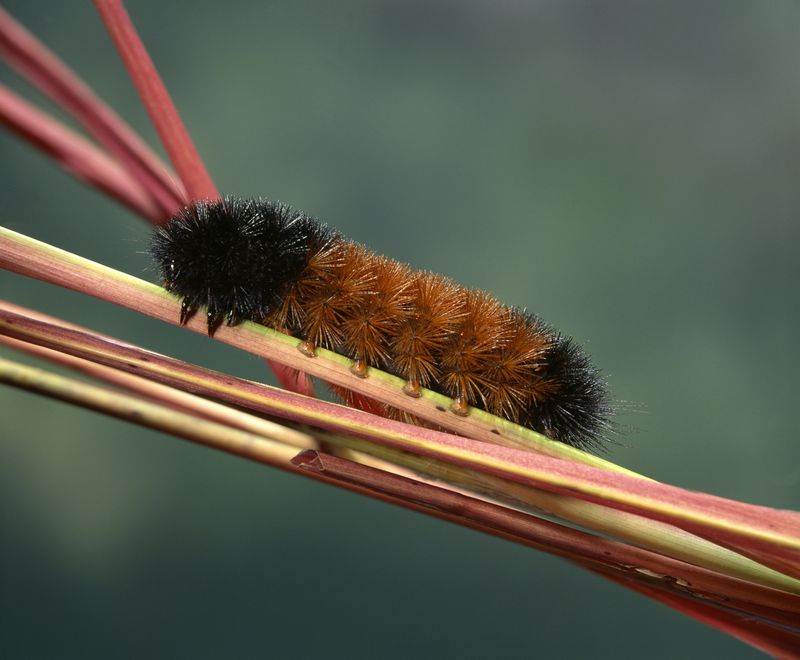
Sorry to burst the bubble, but the experts have spoken. Entomologists and the National Weather Service agree the caterpillar is not a reliable forecaster.
No scientific study has linked woolly bear colors to future weather. The stripes simply cannot sense what the jet stream will do months later.
Even Dr. Curran admitted his own work was informal. His sample sizes were small, and he never claimed it was solid science.
He mostly saw the project as a fun way to get people outdoors. Somewhere along the way, the fun turned into a widely believed rule.
Real winter forecasts use far more powerful tools. Meteorologists study ocean temperatures, wind patterns, and computer models built on decades of data.
Patterns like El Niño and La Niña play a big role in seasonal outlooks. A caterpillar has no way to read conditions in the Pacific Ocean.
Still, nobody needs to stop enjoying the tradition. Think of it like Groundhog Day, a playful custom rather than a planning tool.
For serious planning, check the Climate Prediction Center’s seasonal outlook each fall. It gives a better idea of whether New York leans warmer or colder.
Use that information when deciding on snow tires or stocking up on rock salt. Then let the caterpillar be your fun, fuzzy sidekick.
Stripe Width Reflects Age And Growing Conditions
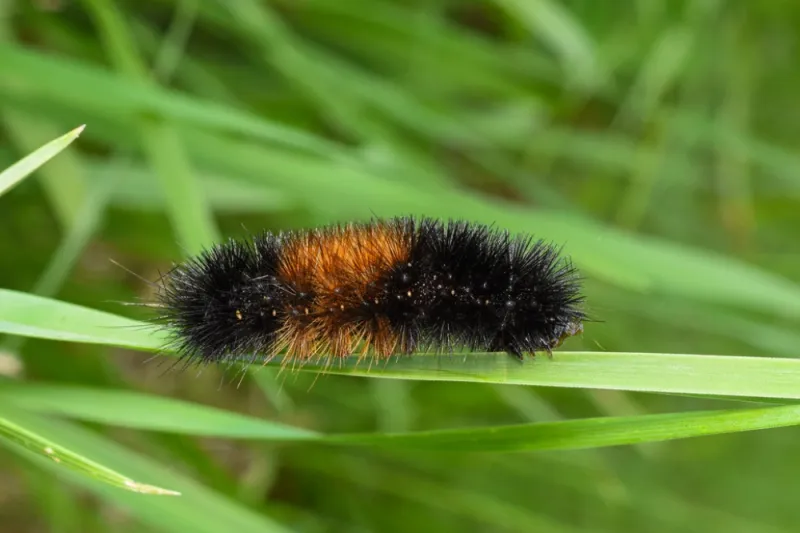
Imagine judging someone’s future by their height. Reading woolly bear stripes works a lot like that, since color mostly reveals age and growth.
Each time a caterpillar molts, it sheds its skin and grows bigger. With every molt, black areas often shrink while reddish-brown areas widen.
An older caterpillar usually shows more orange than a young one. So a wide brown band often just means the critter has been eating longer.
Food supply matters too. A summer packed with tasty plants lets caterpillars grow larger and develop wider reddish bands.
Moisture may also play a part in the colors. Dry conditions can lengthen the red band, while damp weather may make black areas stand out.
In other words, the stripes look backward instead of forward. They tell the story of the past season, not the one coming next.
Species adds another layer of confusion. North America has around 260 kinds of tiger moths, and their caterpillars can look a bit different.
Some fuzzy caterpillars you find may not even be true woolly bears. A solid yellow or all-black one belongs to a different species entirely.
Here is a cool way to see this yourself. Look for woolly bears in early fall and again in late fall, then compare their bands.
Woolly Bears Are Searching For Winter Shelter
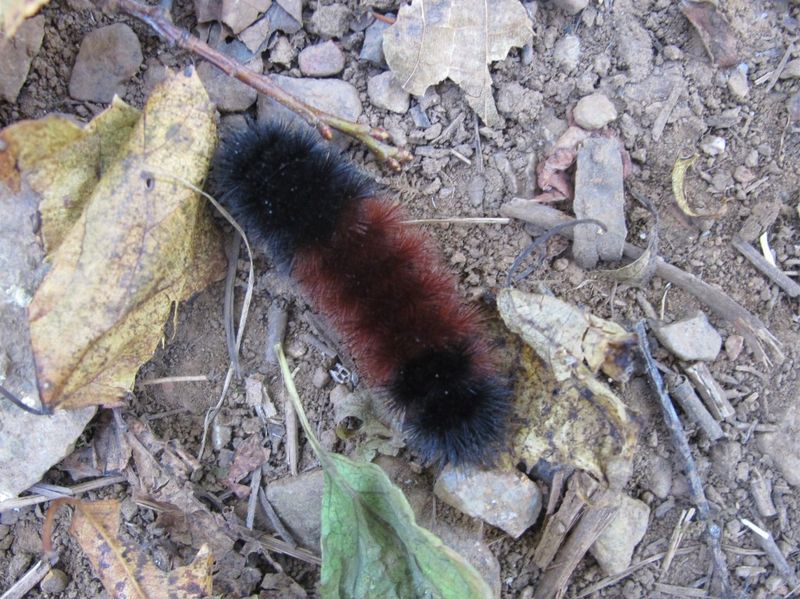
Ever notice woolly bears zooming across roads in October? They are not out for a stroll, they are house hunting before the cold arrives.
Autumn turns these caterpillars into busy little travelers. They spend much of the season searching for a safe, cozy spot.
Their favorite hiding places include loose bark, flat rocks, and fallen logs. Thick piles of leaf litter also make a perfect winter home.
Woolly bears live across the United States, Canada, and Mexico. You can spot them in New York City parks, Long Island yards, and upstate meadows.
The roads they cross can be risky, though. Cars and bikes pose a real threat during their big autumn journey.
Drivers on quiet country lanes sometimes see dozens in one afternoon. Slowing down a bit can help these tiny travelers reach the other side.
Found one on your driveway? Gently scoop it up with a leaf and move it to a garden bed or shrub border.
Try to place it in the same direction it was heading. That way, you help without sending it back where it started.
Handle them softly, since their bristles can bother sensitive skin. They are not venomous, but washing your hands afterward is a smart habit.
They Survive Winter Frozen Under Leaves
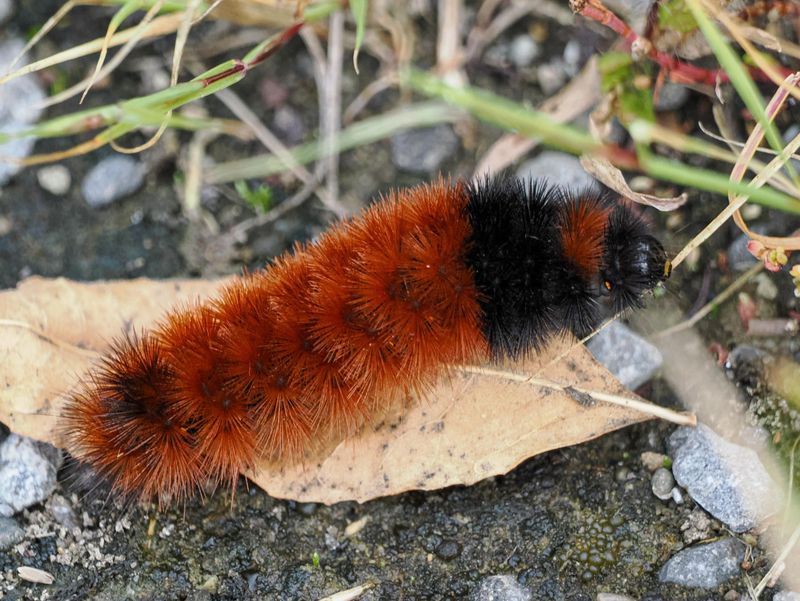
Here is a fact that sounds like science fiction. A woolly bear can freeze nearly solid all winter and wake up fine in spring.
The secret is a natural chemical called glycerol. It works like antifreeze, protecting the caterpillar’s cells from bursting as ice forms.
Ice may fill the spaces around the cells, but the cells stay safe inside. Its heart even stops beating during the deepest freeze.
These caterpillars are incredibly tough. They can survive temperatures far colder than even the chilliest winter night.
Woolly bears can also freeze and thaw many times in one season. A warm January spell followed by a cold snap does not ruin them.
Leaf litter acts like a fluffy blanket during all this. Leaves and snow trap air and keep temperatures from swinging too wildly.
If you ever find one frozen while raking, resist the urge to bring it inside. A warm house can wake it too early and cause harm.
Instead, tuck it back under a pile of leaves in a shady spot. Nature has it covered, and spring will handle the rest.
They Become Isabella Tiger Moths In Spring
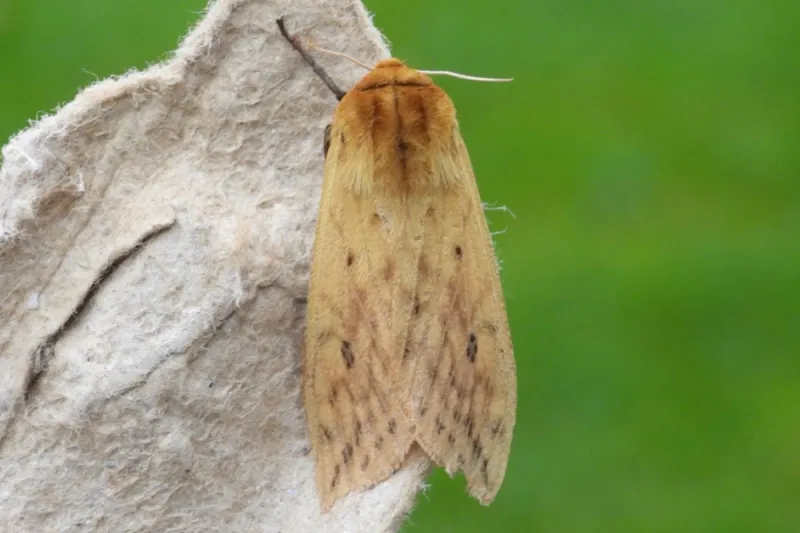
Talk about a glow-up. The fuzzy woolly bear eventually becomes the Isabella tiger moth, known to scientists as Pyrrharctia isabella.
Spring sunshine wakes the caterpillar from its frozen rest. It munches on plants for a short while to refuel.
Soon, it spins a silky cocoon and weaves its own bristly hairs into the walls. Those hairs make the cocoon look fuzzy and well protected.
Inside, the big change takes about one to three weeks. Then out pops a creamy or yellowish-orange moth with a soft, fuzzy body.
Look closely, and you will see tiny black dots on its wings and belly. Many people pass by without realizing this plain moth was once a famous caterpillar.
Adults are night fliers, so porch lights often attract them. Their adult life lasts only one to two weeks.
They barely eat during that time. Their main job is finding a mate and laying eggs for the next generation.
IIn parts of New York, these moths can produce two generations a year. The second batch of caterpillars is the one you spot in autumn.
Want to see one? Check your porch light on a warm late spring or summer evening and look for a fuzzy, tan visitor.
Leaving Some Leaves Helps Them Make It
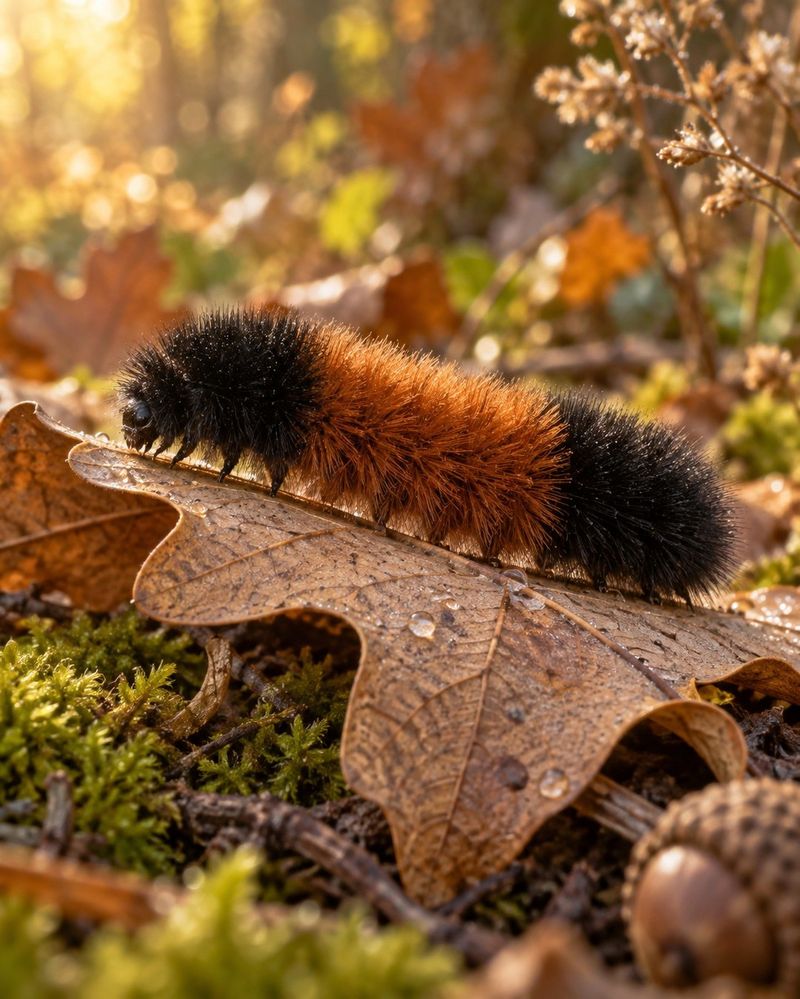
Raking every last leaf might feel tidy, but your woolly bear neighbors would disagree. Those fallen leaves are their winter sleeping bags.
Leaf litter gives caterpillars a hidden, protected place to freeze safely. Without it, they face harsh winds and wild temperature swings.
Plenty of other helpful insects need leaves too. Bumblebee queens, fireflies, and many butterflies spend winter tucked in the same cozy layers.
Birds benefit as well when spring arrives. They hunt for insects in those leaf piles to feed their hungry chicks.
You do not have to turn your yard into a jungle. A few smart changes can make a big difference.
Rake leaves off the lawn and pile them under shrubs or in flower beds. They will also break down into free, rich mulch for your plants.
Skip the leaf blower and shredder in those wildlife corners. Shredding can harm the caterpillars hiding inside.
Wait until spring temperatures stay above 50 degrees before cleaning up. That gives sleeping insects time to wake and move along.
So, can a caterpillar predict your New York winter? Probably not, but you can help it survive one with a simple pile of leaves.