Something Wild Is Moving Through Louisiana Neighborhoods As Nights Grow Cooler
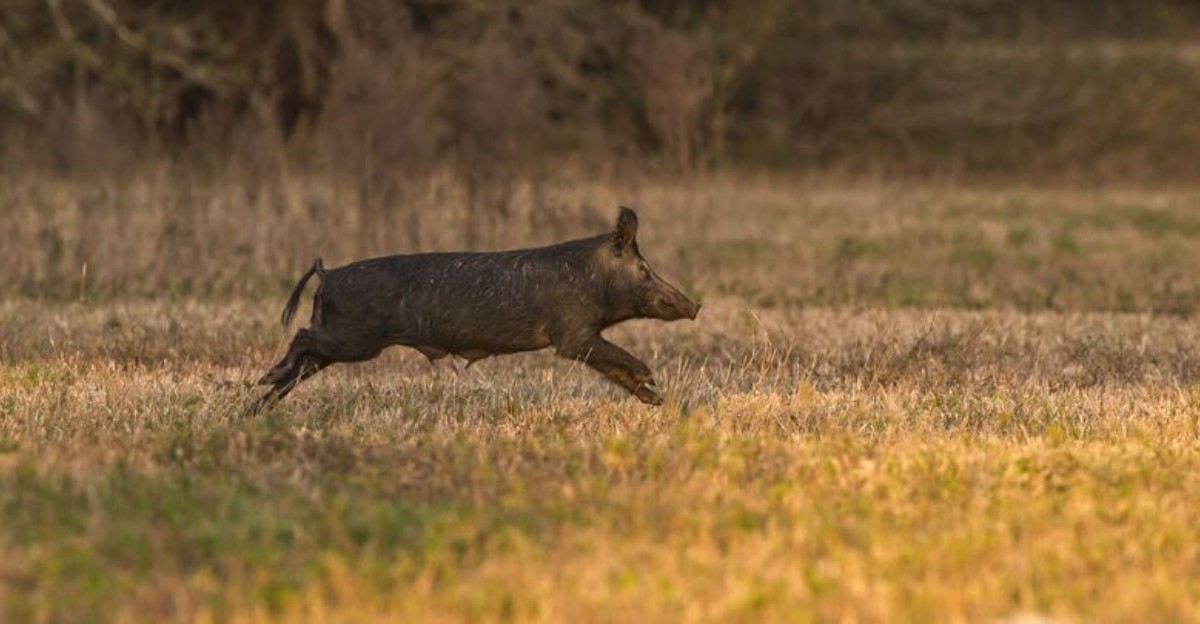
Claw marks appeared across your lawn overnight. Fence pickets sit snapped near your driveway. Garbage cans rest overturned, contents scattered everywhere. Ditches along your property show deep, fresh tracks.
Neighbors trade theories but reach no shared answer. Locals mention a musky scent drifting through Louisiana yards. Cool weather across Louisiana now wakes hungry, restless wildlife.
Something roots through soil hunting grubs and roots. Raccoons and nutria trail behind, scavenging leftovers. Armadillos dig shallow trenches chasing insects underground.
Groups move together, confident and unafraid of porch lights. Suburbs offer easier meals than swamps once did. Instinct pulls them closer as temperatures finally drop. Longer nights give these visitors extra cover.
Motion-sensor lights barely startle these bold intruders anymore. Porches stay lit later, yet the animals return. Damage spreads fast once a yard is targeted.
Waiting only invites bigger problems onto your property. Answers matter before your yard becomes the next target.
Why Wild Hogs Head For Neighborhoods In Early Fall
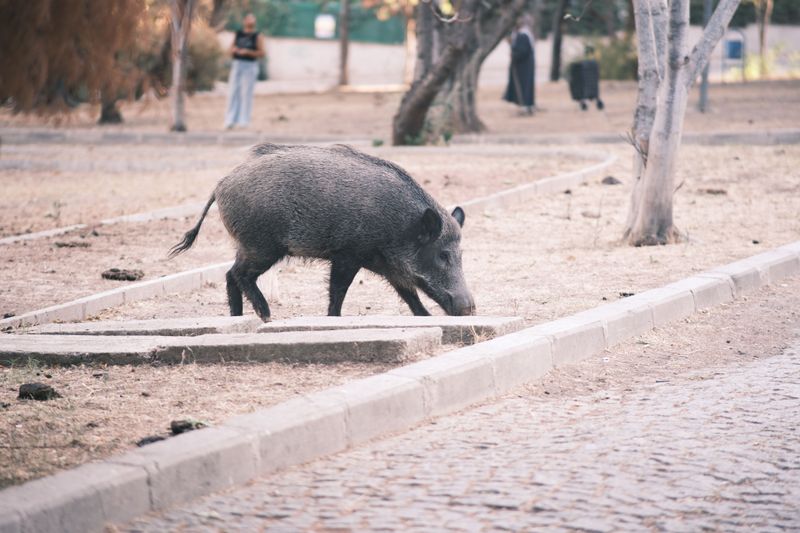
Cooler evenings flip a switch for feral hogs across Louisiana. Summer heat pushes them deep into shaded bottomlands, but when nighttime temperatures drop into the sixties, they roam far wider and stay active for hours longer.
Food drives the move. Acorns start falling in September, and where suburbs back up to woods, oak-lined yards become a buffet.
Add fallen figs, spilled birdseed, pet bowls, and unsecured trash, and a neighborhood can provide more food than a natural marsh habitat.
Water matters too. Drainage canals, retention ponds, and soggy ditches give hogs travel lanes that run straight from rural land into subdivisions without crossing open ground.
Louisiana is home to one of the largest feral hog populations in the country, according to state wildlife officials. Sows can produce more than one litter a year in favorable conditions, allowing small groups to grow quickly within a season.
Hogs are also smart about timing. In places where people are active during daylight, they shift almost entirely to night movement, which is why many homeowners see damage long before they see an animal.
Knowing the season helps you prepare. September through winter is peak wandering time, so this is when it pays to walk your property, note the low spots where water collects, and think about what on your lawn smells like dinner.
Once you understand the pull, the rest of the problem gets easier to manage. The goal is making your block the least interesting stop on their nightly route.
Reading The Damage Left Behind Overnight
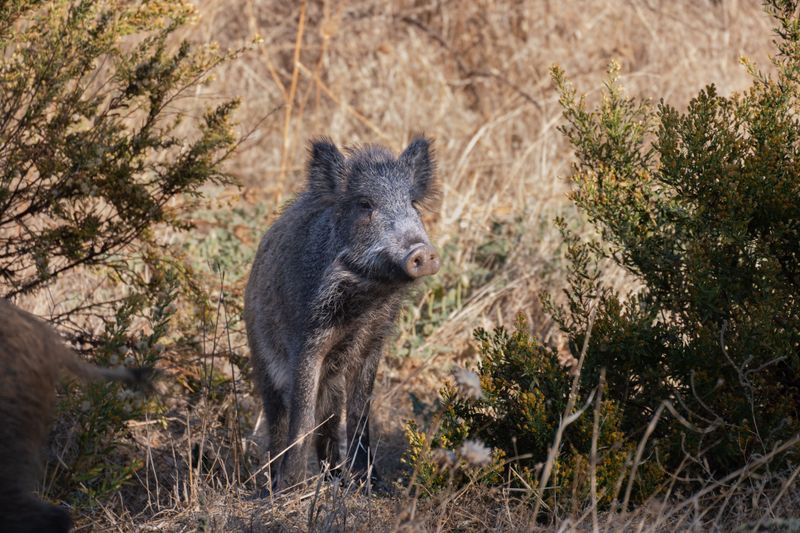
Homeowners rarely spot the culprit first. They spot the aftermath, and the lawn shows scattered, uneven damage.
Rooting is the signature clue. Hogs use their snouts like shovels, flipping strips of sod to reach grubs, worms, and roots, leaving soil clumps scattered and shallow trenches a few inches deep.
Look for wallows near ditches and low spots. A wallow is a muddy depression the size of a bathtub where hogs cool off, often with slick mud smeared on nearby fence posts and tree trunks about knee height.
Your Louisiana Garden Changes Every Week. Your Plan Should Too.
Gardening in Louisiana changes quickly throughout the season. Every Friday you’ll receive a simple weekly plan showing exactly what to plant, prune, fertilize, harvest, and protect so you never miss the right timing.
Tracks tell you plenty. Hog prints look rounder and blunter than deer prints, with tips that spread outward, and dewclaw marks often show behind the main toes in soft mud.
Other signs include rubbed bark, pushed-under fence sections, chewed irrigation tubing, and a heavy, sour barnyard smell that lingers near bedding areas in thick brush.
Take photos with something for scale, like a phone or a dollar bill beside a track. Parish officials and wildlife agents use those images to confirm activity and map problem areas.
Timing the damage helps too. Check your yard at the same hour each morning for a week and you will learn whether they are passing through nightly or only when the weather shifts.
Once the pattern is clear, you can aim your effort at the right fence line, the right ditch, and the right week instead of guessing.
Yard Habits That Quietly Invite Them In
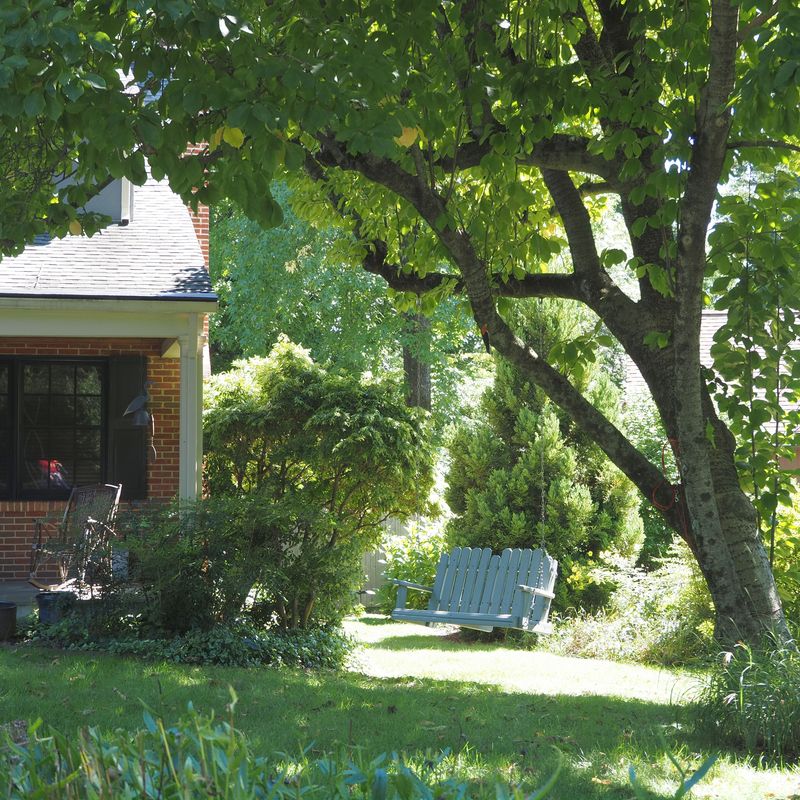
Here is the uncomfortable truth: most hog visits start with an open invitation nobody meant to send.
Garbage tops the list. A plastic can left at the curb the night before pickup is a snack box with a lid, and a 200-pound boar opens it in seconds.
Pet food is next. Bowls left on the patio after sundown, plus spilled kibble along the walkway, carry scent far enough to pull animals off a ditch line and onto your lawn.
Fallen fruit and nuts matter more than people expect. Pecans, figs, persimmons, and citrus drop steadily in fall, and a single unraked tree can keep a group returning for weeks.
Deer feeders and bird feeders create the same pull. Corn scattered for wildlife rarely stays for the intended guest, and spilled seed under a hanging feeder becomes a nightly buffet.
Compost piles with kitchen scraps, unfenced vegetable beds, and freshly laid sod with loose soil all rank high on the attraction list.
Simple fixes work. Use cans with locking lids or store them in the garage, feed pets indoors, rake fruit and nuts twice a week, and pause supplemental feeding when activity picks up.
Coordinate with neighbors if you can. Cleaning one yard shifts the problem next door, but cleaning a whole block changes the route entirely. Small habits, repeated, make your street boring to a hungry herd.
Fencing And Barriers That Actually Hold Up
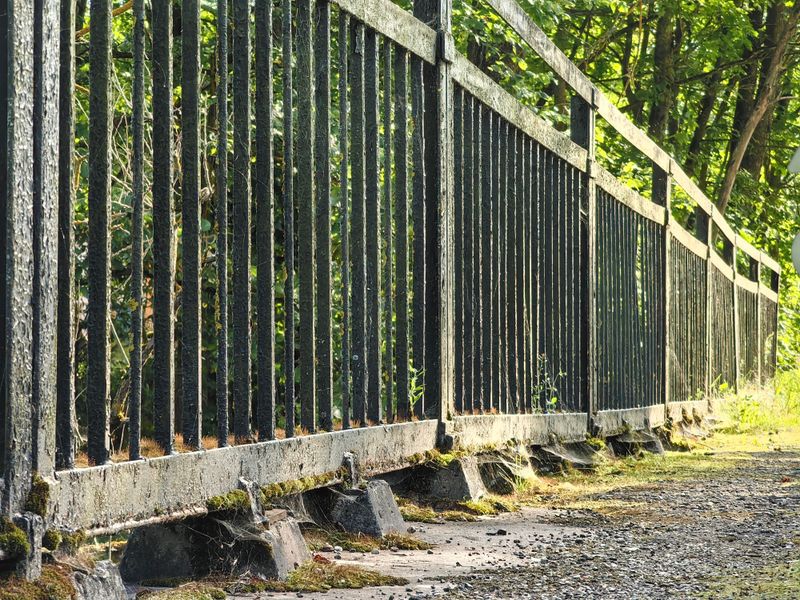
A decorative picket fence is a suggestion to a feral hog. A properly built barrier is a conversation ender.
Hogs work from the bottom up. They rarely jump, but they push, lift, and root under anything loose, so the ground contact line is where your money should go.
Woven wire with heavy gauge strands works well when posts sit close together, roughly eight to ten feet apart, and the bottom edge is staked or pinned tight to the soil.
Many Louisiana landowners add a single electric strand six to eight inches off the ground, set just outside the main fence. A hog probing with its snout receives a mild shock and is deterred.
For small areas, protection is easier and cheaper. Ring the vegetable bed, the new sod, or the septic field rather than the whole property.
Watch weak points. Gates, culvert openings, and spots where ditches run under a fence are the usual entry routes, and a bent panel from last season becomes this season’s door.
Check your fence line after heavy rain, since washouts create gaps overnight in Louisiana’s soft soil.
Costs vary, but a few hundred dollars of wire around a quarter acre usually beats replacing a lawn twice a year.
Before building, check parish rules and any HOA guidelines on fence height and electric wire. A quick phone call saves an expensive redo later.
Staying Safe When One Shows Up On Your Street
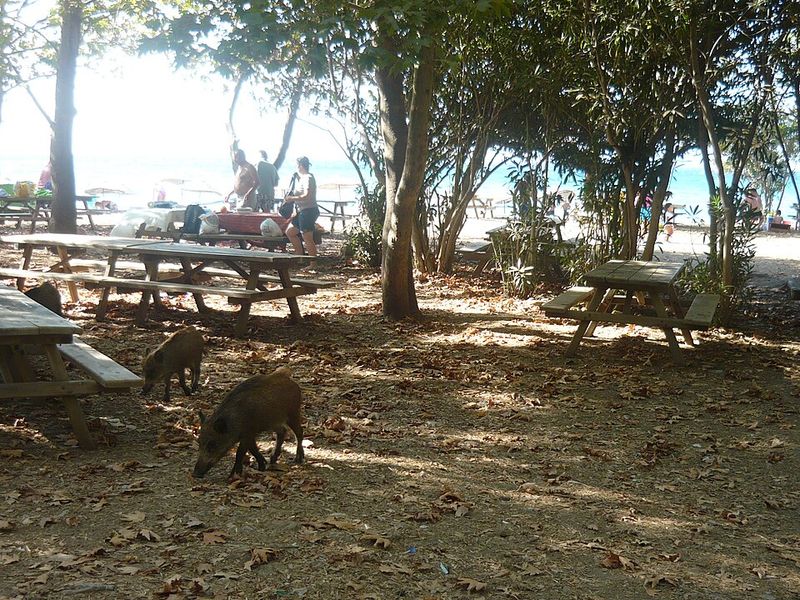
Picture walking the dog at 9 p.m. and hearing something heavy crash through the ditch brush. That is the moment to know your plan.
Feral hogs generally avoid people. Trouble comes when an animal feels cornered, when a sow has piglets nearby, or when a dog gives chase and brings the hog back with it.
Give them room. Back away slowly, keep a solid object like a vehicle or tree between you and the animal, and skip the impulse to grab a phone video from ten feet away.
Leash matters more than people think. A loose dog turns a quiet encounter into a veterinary bill, since boars carry tusks that stay sharp from constant grinding.
Teach kids the rule early. If a hog is in the yard, go inside and tell an adult, no exceptions for cute-looking piglets.
Health caution deserves a mention. Feral swine can carry brucellosis, leptospirosis, and other illnesses, so wear gloves when handling anything they contacted and wash up thoroughly.
Drivers should slow down near wooded stretches after sunset. Dark hogs on dark pavement are hard to see, and collisions with a heavy animal cause real vehicle damage.
Report sightings to your parish or the Louisiana Department of Wildlife and Fisheries. Records help agencies track movement and respond where pressure is building. Calm distance keeps the story funny instead of serious.
Who To Call And What Louisiana Law Allows

Handling hog removal independently requires understanding specific regulations first. Louisiana has specific allowances, and they change depending on land type, season, and method.
Outside city limits, landowners and their designees generally have authority to remove feral hogs on their property.
Rules vary, though, so current permit requirements should be confirmed with LDWF. Night removal methods, including lights or thermal equipment, are regulated and subject to change, so confirm current rules directly with LDWF before attempting them.
Inside municipal boundaries, discharge ordinances and other local restrictions frequently limit firearm use, and these vary widely by city and parish. That makes trapping and professional help the more practical route for most homeowners.
Corral traps and box traps with remote-triggered gates work better than single-catch setups because they take whole groups at once. Catching one or two teaches the rest to avoid the trap entirely.
Licensed nuisance wildlife control operators handle the permits, placement, and removal. Many parishes keep a referral list, and some offer cost-share programs when damage affects multiple properties.
The LSU AgCenter publishes practical guides on bait timing, trap design, and damage estimates, and the Louisiana Department of Wildlife and Fisheries maintains updated rules online.
Group action beats solo effort. Hog ranges often cover several square miles, so a coordinated neighborhood or HOA response gets far better results than one motivated homeowner.
Document everything along the way. Photos, dates, and damage costs strengthen requests for parish assistance and help operators plan.
Start with a phone call before buying gear. Fifteen minutes of guidance saves weeks of frustration and a garage full of unused equipment.