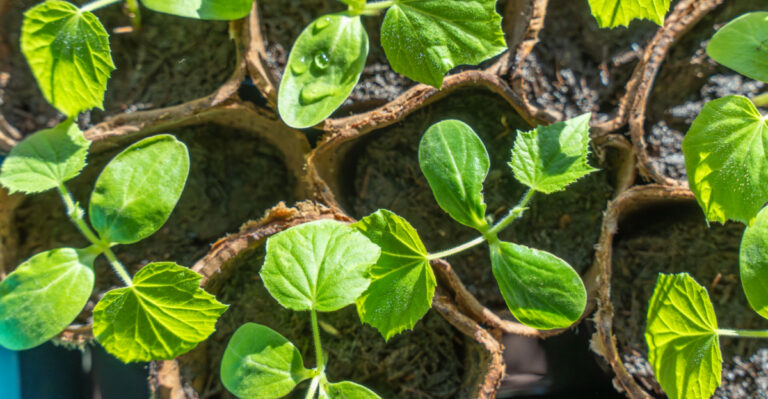
The Fall Soil Amendment Mistake Oregon Gardeners Make Before Planting
Oregon autumn arrives with drizzle, wool socks, and the sharp green smell of wet fir needles everywhere. Out in the yard, the garden beds sit quiet, soggy, and waiting for your next move.
Most gardeners feel a powerful urge to fix everything in those beds before winter truly settles in. That urge, honestly, is where a lot of perfectly good Willamette Valley soil goes sideways.
The trouble hides underground, so nobody notices until spring seedlings sulk, stall, and turn a sad yellow. By then the winter rain has quietly washed away nearly every clue you might have followed.
Your soil keeps score all winter, even while you sip coffee and admire those tidy, hopeful rows. Somewhere under there, billions of microbes are throwing a very large party that you accidentally funded.
The Raw Organic Matter Trap In Autumn Beds
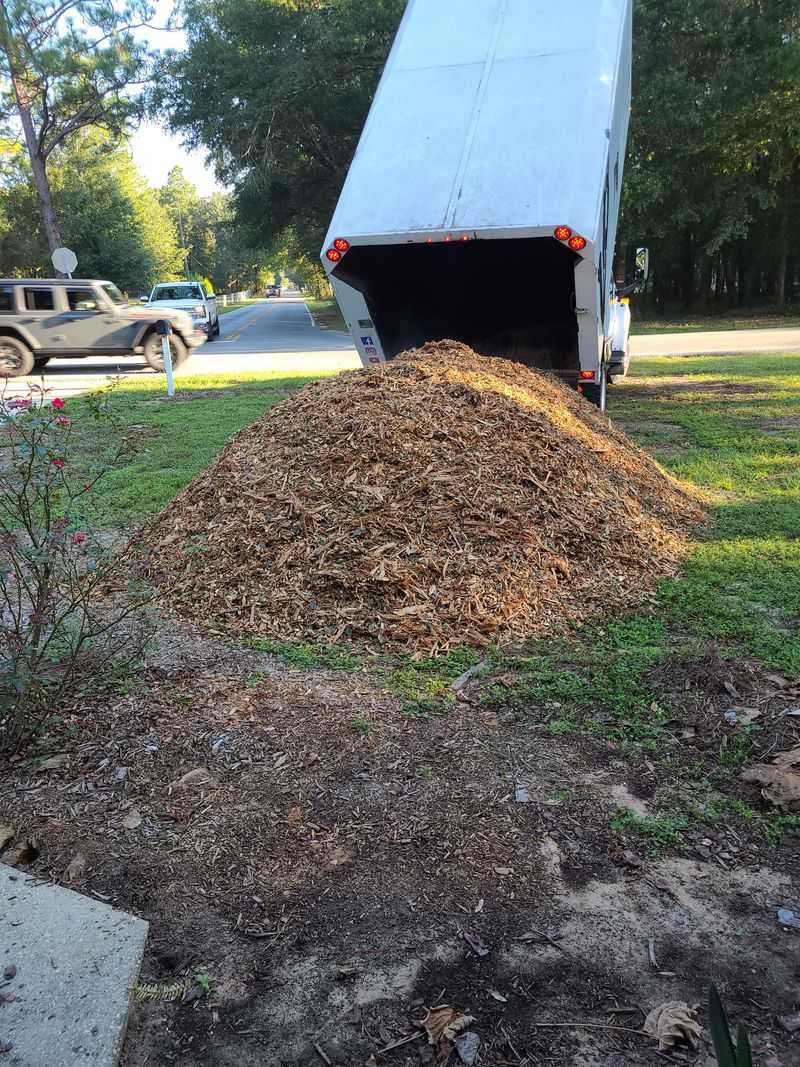
Picture a truckload of fresh wood chips dumped beside a raised garden bed in early October. It looks generous, but mixing that raw material straight into the soil causes real trouble.
Unfinished stuff includes fresh manure, whole leaves, grass clippings, sawdust, and compost that still smells sour. Each one needs months of breakdown before roots can use anything inside it.
Oregon gardeners often rush because autumn feels like the last chance before the rain arrives. The urge is understandable, yet soil does not respond well to hurried generosity.
Garlic, shallots, and fall greens all go into the ground during this same busy window. They land in a bed that is still actively breaking things down beneath their roots.
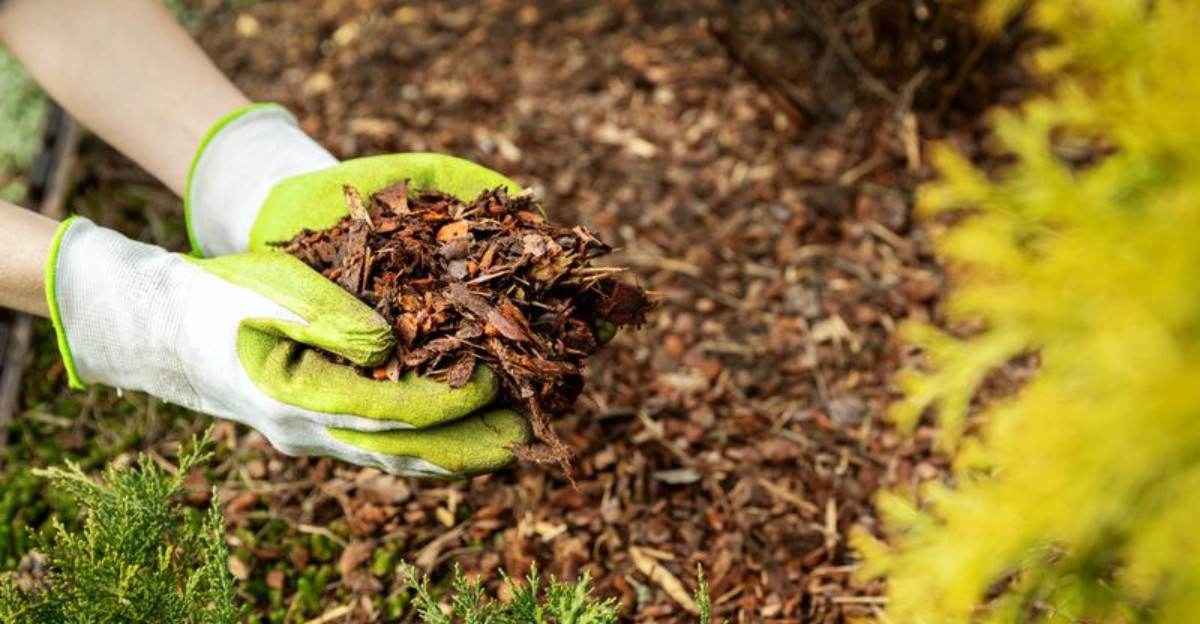
Finished compost looks dark, crumbly, and smells like a forest floor after light rain. Raw material still shows recognizable shapes, bright colors, and a sharp barnyard or sour odor.
A simple hand test helps more than any label on a bag from the garden center. Squeeze a handful, sniff it closely, and look for identifiable leaves, straw, or woody chunks.
Bags marked soil conditioner sometimes contain partly finished bark fines that still need extra curing time. Reading the fine print beats guessing, especially when planting happens that very same weekend.
Spreading raw material on top as a mulch layer works fine and causes far fewer problems. Burying it six inches deep right before planting is where many gardens lose momentum.
Nitrogen Tie-Up And The Hungry Microbe Problem
Here is the part most people miss when they bury woody material in a bed. Microbes need nitrogen to chew through carbon, and they take it from the surrounding soil.
Scientists call this nitrogen immobilization, though gardeners usually call it the mysterious yellow plant problem. The nitrogen is not gone, just borrowed by bacteria and fungi working overtime underground.
Carbon-heavy stuff like sawdust, bark, and dry leaves has a very lopsided carbon to nitrogen ratio. Anything above roughly thirty parts carbon to one part nitrogen will pull from your reserves.
Cool Oregon soil slows the whole process, so the borrowing period stretches much longer. What might resolve in six weeks during July can drag on through February here.
Your Oregon Garden Changes Every Week. Your Plan Should Too.
Gardening in Oregon changes quickly throughout the season. Every Friday you’ll receive a simple weekly plan showing exactly what to plant, prune, fertilize, harvest, and protect so you never miss the right timing.
Garlic planted in October keeps growing roots all winter and needs steady nutrition. A bed busy feeding microbes has little left for those developing bulbs.
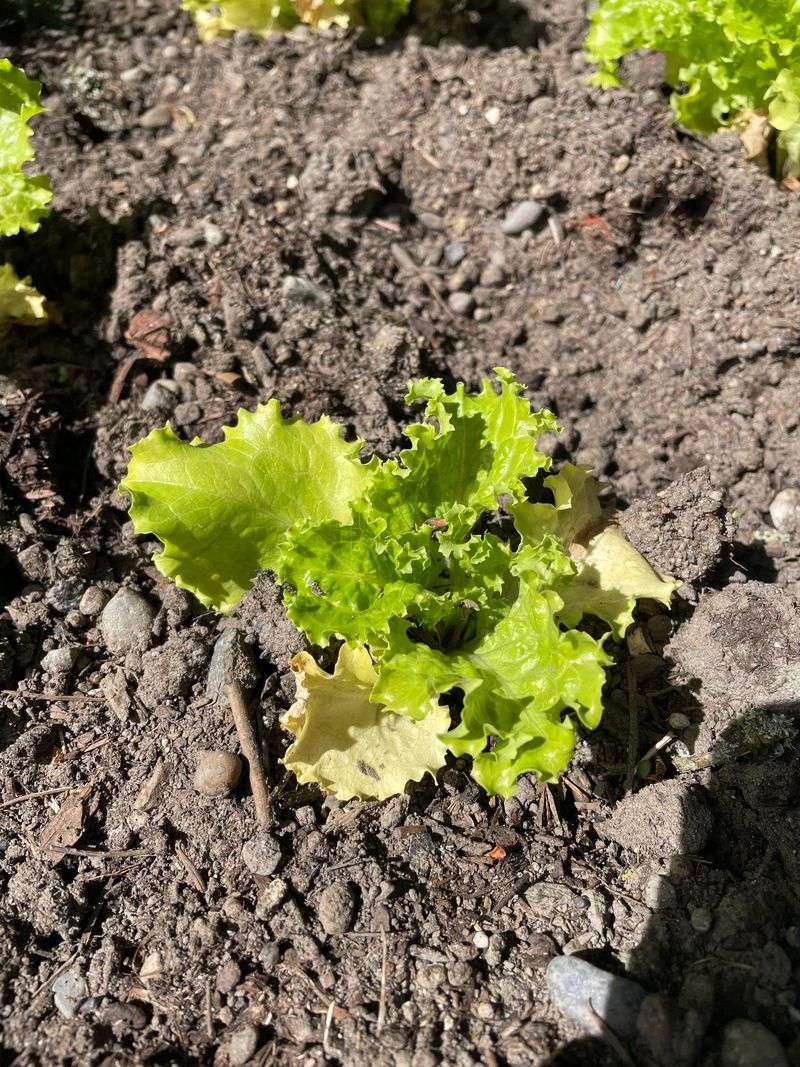
Yellowing lower leaves, stunted growth, and pale color show up first in heavy feeders. Brassicas, garlic, and overwintered onions tend to complain loudest about the shortage.
The effect eventually reverses once microbes finish and release that nitrogen back into soil. Unfortunately, the release often arrives after your crop already missed its best growing weeks.
Wood chips resting on the surface barely touch this issue because contact stays limited. Only the thin layer touching the ground gets involved, which keeps your reserves intact.
Blood meal or feather meal can offset the borrowing, though timing and rates matter. Balanced material works better than piling on carbon and hoping for a friendly outcome.
Oregon’s Rain Clock And The Narrow Amendment Window

West of the Cascades, the rain generally switches on somewhere between mid October and Halloween. Once that faucet opens, soil stays wet until roughly the following June.
Amendments need time and air to integrate, and soaked ground offers neither of those. Late August through late September gives the best combination of warm soil and workable moisture.
A four to six week gap between amending and planting lets biology settle down. Skipping that gap is the scheduling error behind most disappointing fall gardens around Portland.
East of the Cascades, the clock runs differently because cold arrives faster than steady rain. Bend gardeners often lose workable ground to frost by mid-October, while Pendleton usually holds out a few weeks longer.
Coastal gardeners face the opposite trouble, with rain that starts early and rarely pauses. Raised beds and covered hoops buy back a few precious weeks of dry working time.
Check moisture with the ribbon test before any digging happens in autumn. Squeeze soil into a ball, and if it smears rather than crumbles, wait.
Waiting a week feels frustrating when the forecast shows more rain rolling in Thursday. Patience protects structure that took years to build and only minutes to ruin.
Mark your calendar in July for a Labor Day soil project every single year. That single habit fixes the timing problem before it has a chance to start.
Garlic goes in around Columbus Day for most Willamette Valley gardens and towns. Counting backward from that date gives you a clear cutoff for finishing amendments.
Wet Clay, Heavy Tilling, And Lost Soil Structure
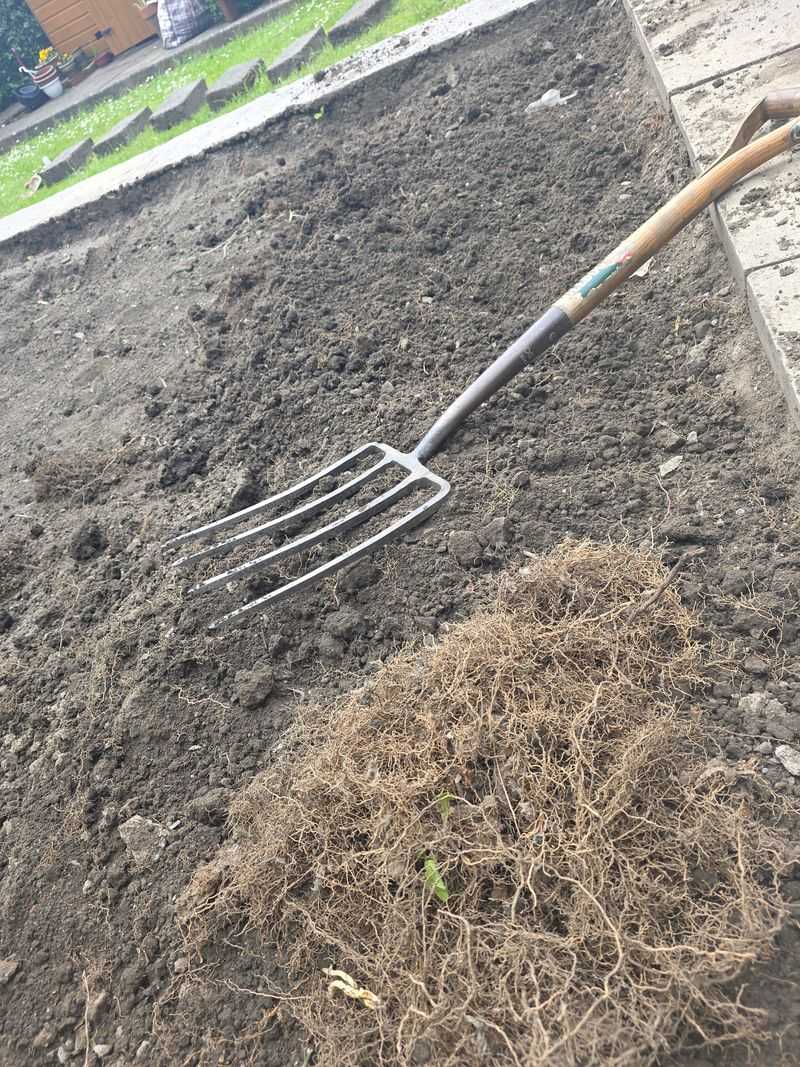
Willamette Valley clay has a reputation, and it earned every bit of that reputation honestly. Step on it while wet and you leave a print that hardens like pottery.
Soil holds its shape through crumbs called aggregates, glued together by fungi and roots. Tilling wet ground smashes those crumbs and leaves behind a dense, airless paste.
Many gardeners double the damage by tilling amendments into soggy beds during October showers. The amendment gets buried, the structure collapses, and drainage gets worse than before.
A rototiller slicing through moist clay can also smear a hard pan just below blade depth. Roots hit that layer and stop, which explains stunted carrots and shallow, floppy plants.
Earthworms do this work better anyway, and they charge nothing for their nightly labor. Leave material on the surface and they will pull it down over winter.
No-dig gardeners in Oregon report looser soil after three seasons of simply layering material. The ground stays covered, the biology stays intact, and the mud stays off boots.
If digging is truly necessary, use a broadfork instead of a powered machine. It lifts and cracks the ground without flipping layers or scrambling the living community.
Give clay beds a wide berth after any storm dumping over half an inch. Two or three dry days usually restore enough firmness for safe, careful work.
Permanent paths and raised beds keep boots off growing ground for good. Compaction rarely happens where nobody walks, which is a wonderfully lazy solution.
Repair Steps For An Over-Amended Autumn Bed
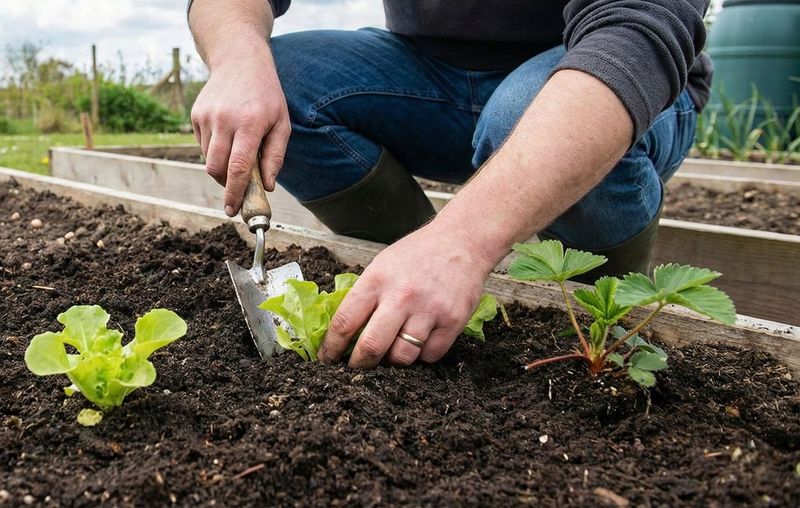
So you already dug in a pile of half-finished material last weekend. The situation is fixable, and most gardens bounce back within a season.
Start by raking back whatever raw chunks sit near the surface into the pathways. Those chips still work beautifully as a walkway layer where no roots compete.
Next, add a modest nitrogen source to feed the microbes doing the heavy work. Feather meal, blood meal, or alfalfa pellets at label rates usually settle things down.
Hold off on planting that specific bed for another three or four weeks. Use the pause to plant a different bed or start seeds under lights indoors.
A soil test from Oregon State University’s Extension service removes most of the guesswork for you. Pricing varies by the analyses you choose, so check current rates before mailing a sample.
Oregon soils west of the mountains usually run acidic, often sitting near five point five. Lime takes months to work, so autumn is genuinely the right season for it.
If garlic is already planted in the troubled bed, top-dress with fish meal in February. Bulbs size up during early spring, and a late boost still helps considerably.
Watch the plants rather than the calendar, since pale leaves signal what soil tests confirm. One corrected season rarely leaves lasting damage behind in a home garden bed.
Keep notes about what went into each bed and on which date. Memory fades by March, but a scribbled note in the shed tells the truth.
Cover Crops, Compost Timing, And Next Spring’s Reward
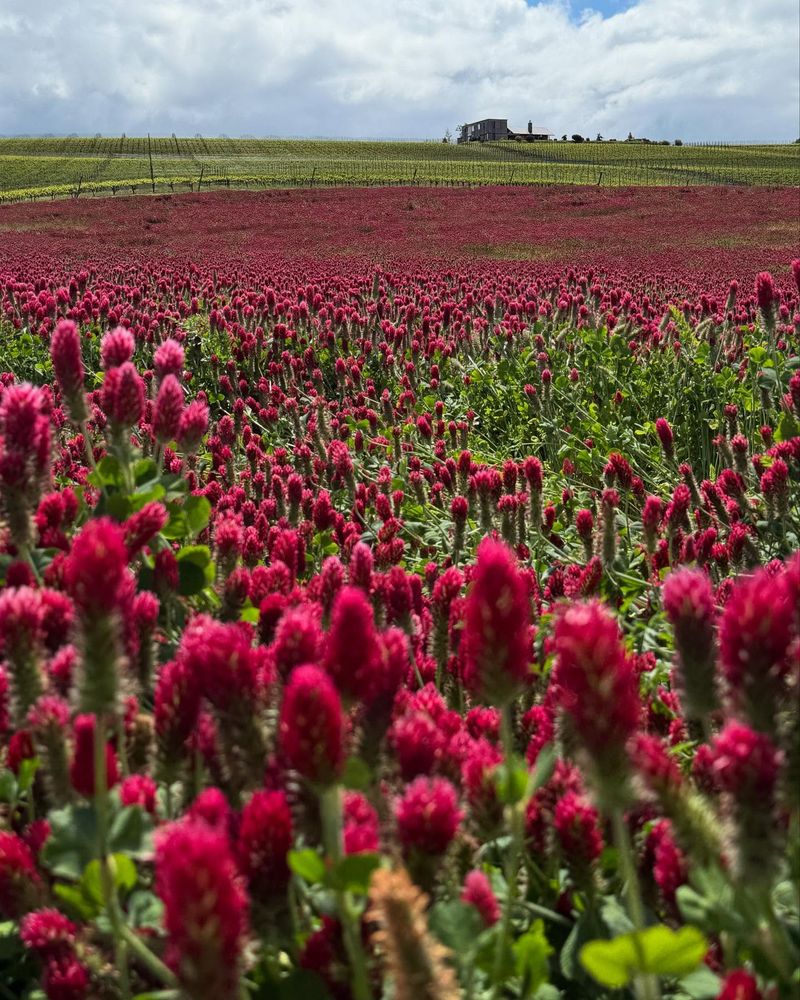
Crimson clover sown in late September turns Oregon beds into a red carpet by April. It feeds soil, holds nutrients through winter rain, and asks for almost nothing.
Cereal rye, fava beans, and common vetch all handle Willamette Valley winters without complaint. Seed goes down by early October so roots establish before the cold settles in.
Living roots grab nitrogen that would otherwise drain away in December downpours. Come spring, that stored nitrogen returns as the residue breaks down.
Cut cover crops down about three weeks before planting, and leave the tops as mulch. Chopping early prevents the same tie-up problem that started this whole conversation.
Finished compost spread two inches thick on the surface needs no digging at all. Rain and worms carry it downward through winter with far better results than shovels.
A gardener in Corvallis who layers each October reports dark, crumbly soil within four seasons. Her beds drain faster, warm earlier, and grow better tomatoes than her neighbors manage.
The payoff shows up in small ways, like carrots that slide out cleanly in June. Water soaks in instead of pooling, and weeds pull free with one easy tug.
Order seed in August because local shops sell out of clover by October. A small bag covers a typical backyard plot with room to spare.
Build the habit around the equinox and the rest sorts itself out naturally. Soil rewards patience far more reliably than it rewards enthusiasm with a shovel.