Where Ticks Hide In Ohio Yards In September After Summer Starts Winding Down
You mowed the lawn. Trimmed the edges.
By every visible standard, the yard looked clean. Ticks were still out there anyway, just not anywhere near the parts you paid attention to.
September doesn’t push ticks out of your yard. It pushes them into fewer, more predictable spots.
Tall grass along the fence line. The shady gap between the shed and the property line.
Leaf litter piling up under shrubs you never think to check. As the rest of the yard dries out, ticks pack into whatever stays cool and damp, often a few feet from wherever you or the dog actually walk.
Knowing exactly where those pockets are turns a vague sense of caution into something specific, right as ticks are squeezed into a smaller footprint than they had all summer.
1. Start With Wooded Edges Where Lawns Meet Trees And Brush
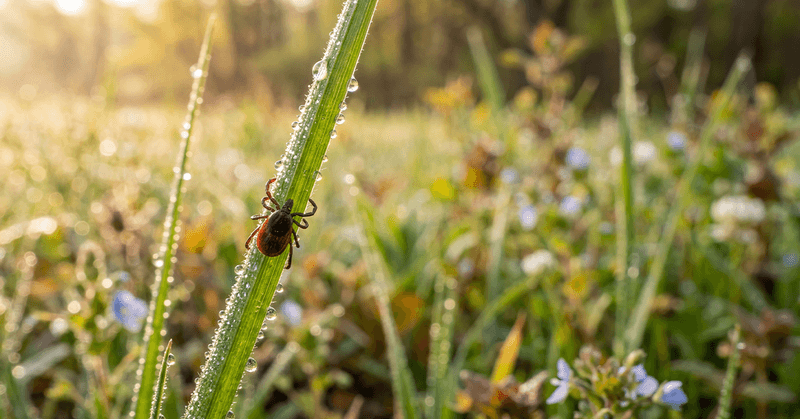
Scientists have a name for the strip where your lawn bumps into the trees: the ecotone. It is one of the most important tick-prone areas to pay attention to on many Ohio properties.
Blacklegged ticks favor wooded and brushy ground, and that shady border gives them everything at once. Moisture from the tree canopy, cover from low plants, and a steady parade of deer, mice, and chipmunks passing through.
Ticks climb low vegetation and hold out their front legs, a behavior called questing. Ticks generally quest on low vegetation rather than high in trees, waiting with their front legs extended for a passing host.
They do not leap or drop from branches, which is good news. Contact happens when you brush past the plant they are clinging to.
Walk that boundary in September and look at what is growing there. Honeysuckle, brambles, and seedling saplings all create the humid shade ticks prefer.
Trimming that vegetation back a few feet lets sunlight reach the soil and dries the leaf layer underneath. Drier ground is far less comfortable for a creature that loses moisture quickly.
If children play near that line, consider shifting swing sets and trampolines toward the sunny middle of the yard. A little distance from the tree line cuts contact more than most people expect.
2. Check Damp Leaf Litter Collecting In Shady Corners
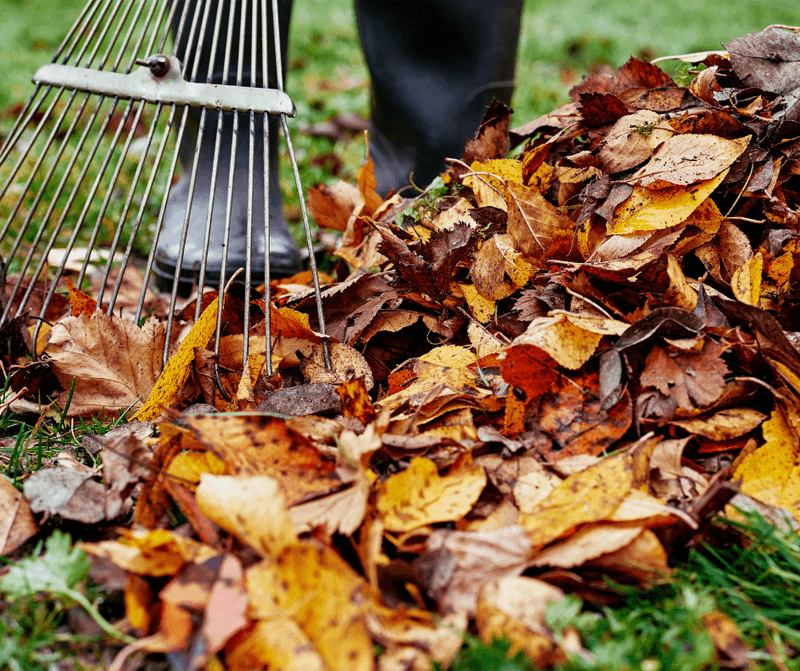
Peel back a handful of soggy leaves in a shady corner and you will find a tiny rainforest. Cool air, trapped moisture, and darkness hold steady there even when the rest of the lawn bakes.
Leaf litter is prime real estate for blacklegged ticks. They dry out fast in open sun, so a damp leaf layer acts like a humidity blanket that lets them wait safely for weeks.
There is a second reason those piles matter. White-footed mice and voles tunnel through leaf litter for shelter and seeds, and those rodents are major carriers of immature ticks.
September is when leaves start dropping along fence lines, deck skirts, and the north side of the house. Wind funnels them into the same corners year after year.
Raking those spots before they get deep makes a real difference. Move the leaves well away from walkways, pet areas, and play spaces rather than stacking them against the garage.
Your Ohio Garden Changes Every Week. Your Plan Should Too.
Gardening in Ohio changes quickly throughout the season. Every Friday you’ll receive a simple weekly plan showing exactly what to plant, prune, fertilize, harvest, and protect so you never miss the right timing.
Wear long sleeves, tuck pants into socks, and toss clothes into a hot dryer for ten minutes afterward. Heat handles ticks better than a washing machine does.
A quick body check after raking finishes the job. Behind the knees, along the waistband, and at the hairline are the spots people miss most.
3. Cut Back Tall Grass And Weeds Along Yard Boundaries
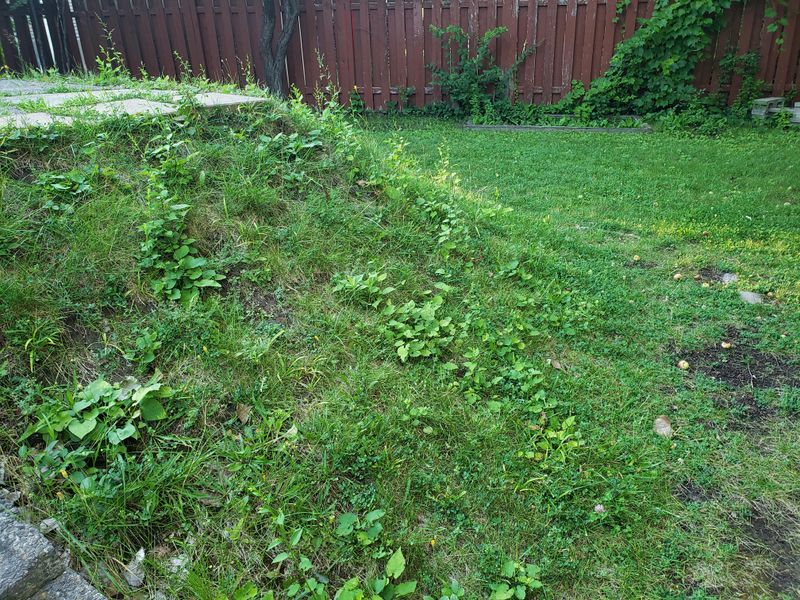
Almost every Ohio yard has that one strip the mower cannot quite reach. Along the fence, behind the compost bin, or where the property line disappears into weeds.
Ticks love those forgotten ribbons of growth. Tall stems provide low vegetation for questing, while dense growth near the soil can create the sheltered conditions ticks favor.
Think of each weed tip as a tiny waiting post. A tick climbs up, extends its front legs, and waits for a passing animal or person to brush against the vegetation.
Short grass changes the math entirely. Sunlight reaches the soil, airflow increases, and the ground dries within hours instead of days.
Mowing regularly through September helps, but the boundary trim matters even more. A string trimmer run along fences, foundations, and utility boxes removes the tallest launch points.
Bag the clippings or blow them away from the lawn edge instead of letting damp piles build up. Those piles turn into fresh hiding spots by the following week.
Pay attention to drainage ditches and culverts too, since they stay moist long after a rain. Those low, green strips often hold more ticks than the woods behind them.
Give yourself a mowed path anywhere people walk to the mailbox or shed. Clear ground beats brushing through knee-high growth twice a day.
4. Look Around Woodpiles And Other Undisturbed Yard Clutter
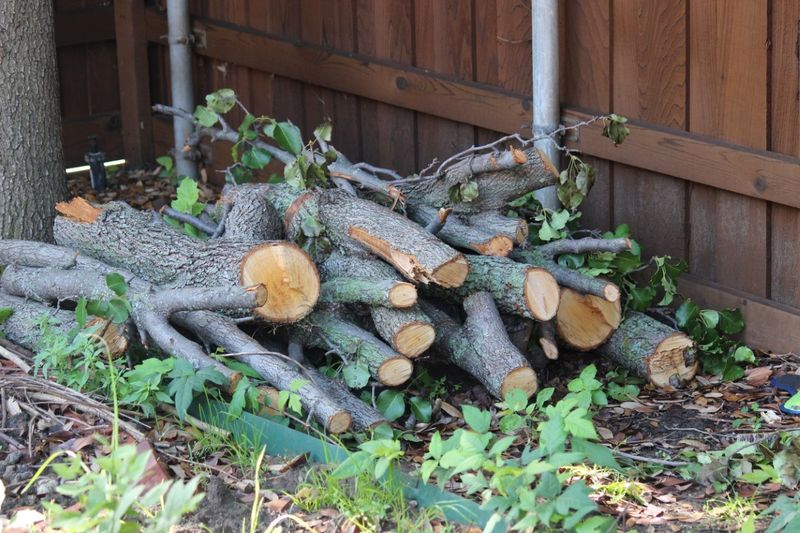
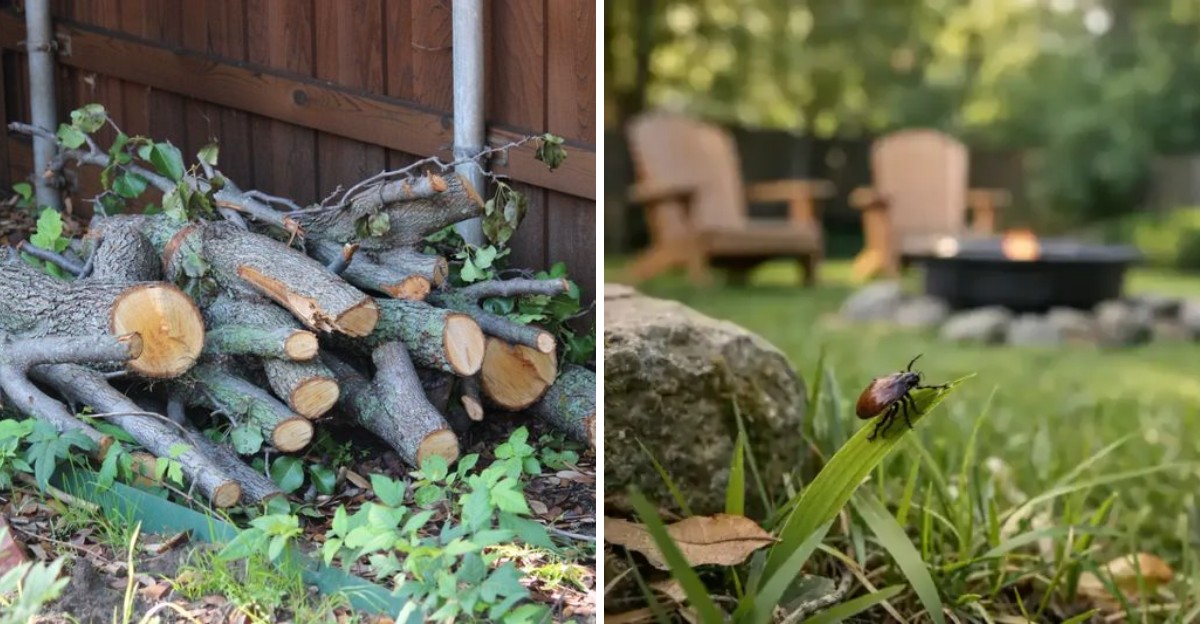
Firewood stacks get built in September and forgotten until the first cold snap. Meanwhile, the gaps between those logs turn into cool, humid apartments.
Woodpiles rank among the most reliable tick spots in a residential yard. The shaded base holds moisture, and the crevices block wind and sun.
Rodents make the situation busier. Mice nest in log stacks and under tarps, carrying immature ticks straight to the wall of your garage.
The same logic applies to anything that sits still for months. Old lumber, unused planters, tipped-over wheelbarrows, kiddie pools, and the tarp covering the boat trailer.
Raising firewood off the ground on a rack helps a lot. Air moves underneath, the bottom row stays drier, and mice lose a comfortable tunnel system.
Choose a sunny spot away from the house and away from pet paths when possible. Full sun dries the stack and makes it far less appealing to moisture-loving pests.
Wear gloves when you move wood, and give each armload a quick glance before carrying it inside. A tick riding a log can drop off near the fireplace.
Clearing random clutter once each fall pays off in more ways than one. Fewer hiding places means fewer rodents, and fewer rodents means fewer ticks.
5. Pay Extra Attention Around Sheds, Kennels, And Outbuildings
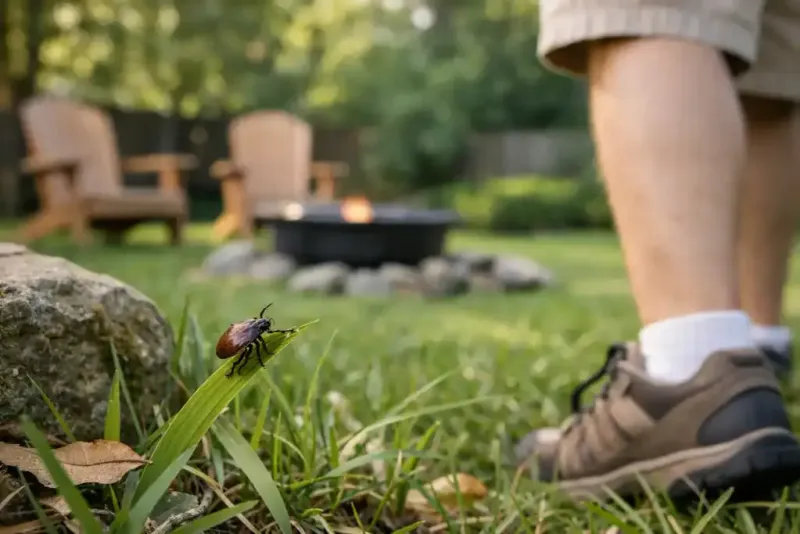
Nobody decorates the back of the shed. That narrow, shaded strip collects blown leaves, weeds, and whatever got shoved out of sight last spring.
Conditions back there check every box a tick looks for. Shade all day, damp soil, thick vegetation, and almost zero foot traffic.
Outbuildings add another layer. Gaps under floors and along foundations attract mice and other small animals that ferry ticks around the property.
Kennels and dog runs deserve a close look as well. American dog ticks are often associated with these areas, especially where grass grows tall along the fencing.
Start by pulling weeds and leaves away from the base of each structure. Creating a clear strip of bare ground or gravel around the perimeter can reduce dense vegetation and leaf buildup immediately beside the structure.
Trim overhanging branches so sunlight can reach the shady side for at least part of the day. Even a few hours of direct light lowers humidity at ground level.
Inside kennels, rinse and sweep regularly, and check bedding for hitchhikers. Ticks that ride in on a dog sometimes drop off in the corner where the dog sleeps.
Seal gaps under sheds with hardware cloth if rodents are getting in. Fewer nesting animals under the floor means fewer ticks in the surrounding grass.
6. Keep Pet Resting Areas Clear Of Brush And Leaf Buildup
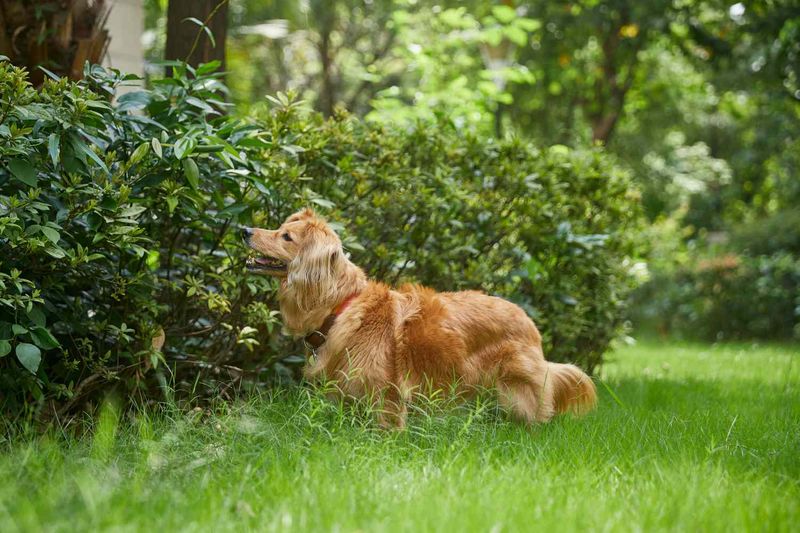
Dogs pick their own favorite napping spot, and it is rarely the sunny center of the lawn. It is usually the cool patch under a hedge, right against the mulch.
That preference puts pets in the middle of tick territory. Shade, leaf buildup, and dense plants near the ground are exactly what both dog and tick are looking for.
Brown dog ticks have a particular fondness for canines. After a dog brings them indoors, they can gather around bedding, crates, and baseboards near the resting area.
Clearing leaf and debris buildup from those favorite spots is a simple, effective habit. Rake it out, let the ground dry, and consider laying down gravel or mulch instead.
Wash pet bedding on a hot cycle every week or two through the fall. Vacuum around crates and along the wall where the bed sits.
Run your fingers through your dog’s coat after every outing, especially around the ears, collar line, armpits, and between the toes. Ticks often wander for a while before attaching.
Talk with your veterinarian about preventive products suited to Ohio’s fall season. Protection that lapses in September leaves a gap during the exact weeks adult blacklegged ticks get moving.
7. Open Up Shady Shrub Borders That Stay Cool And Humid
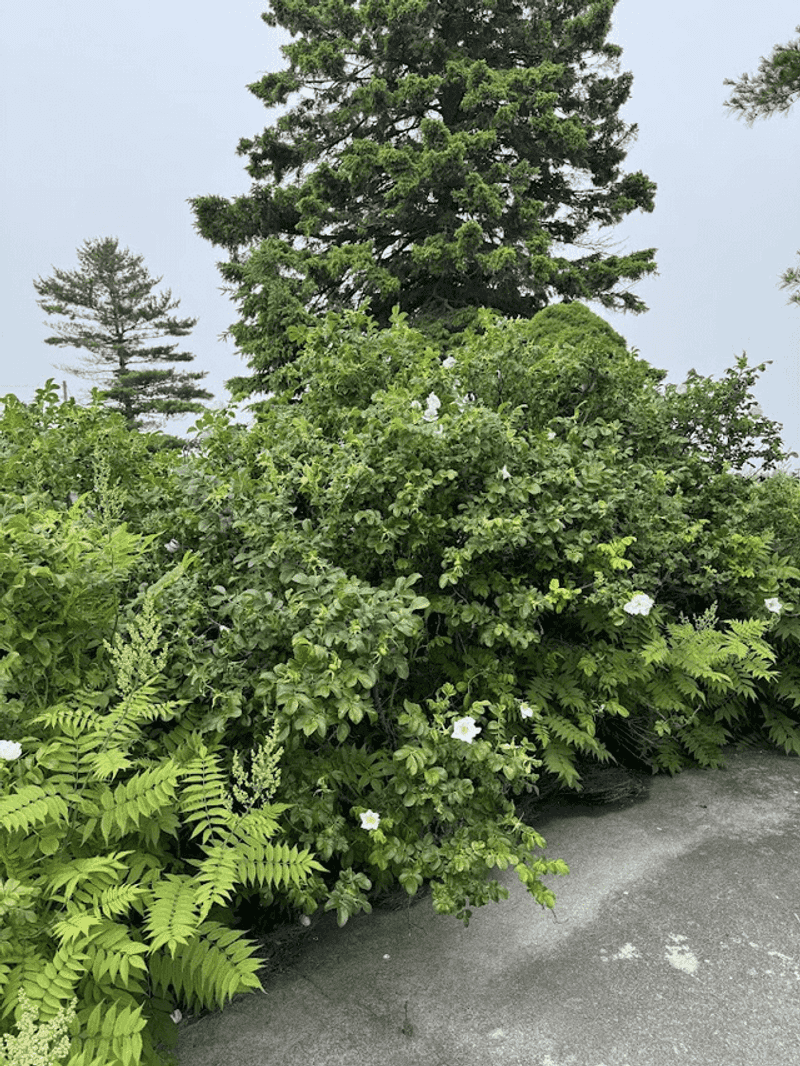
Thick foundation plantings look tidy from the street and feel like a swamp at ground level. Under all those leaves, moisture hangs around long after the grass has dried.
Dense groundcovers and closely packed shrubs can hold moisture near the soil and make the ground-level environment harder to dry.
Bird feeders tucked into those beds add to the crowd. Seed spilled on the ground attracts mice and chipmunks, and those animals carry ticks right to the front walkway.
A September pruning session opens things up. Thinning interior branches lets sunlight and breeze reach the mulch instead of stopping at the canopy.
Consider pulling ground cover back from walkways, doorways, and patio edges. A clear border of a foot or two reduces the odds of brushing against a questing tick on the way to the car.
Rake old mulch smooth and skip the heavy leaf layer in beds near high-traffic areas. Fresh, shallow mulch dries faster than matted leaves.
Move feeders away from the house and sweep up spilled seed weekly. Fewer rodents visiting the flower bed translates directly into fewer ticks waiting there.
Plants that need less water and less shade make good replacements in trouble spots. Sunny, dry beds simply hold fewer ticks.
8. Create A Clear Buffer Between The Lawn And The Woods To Reduce Tick Encounters
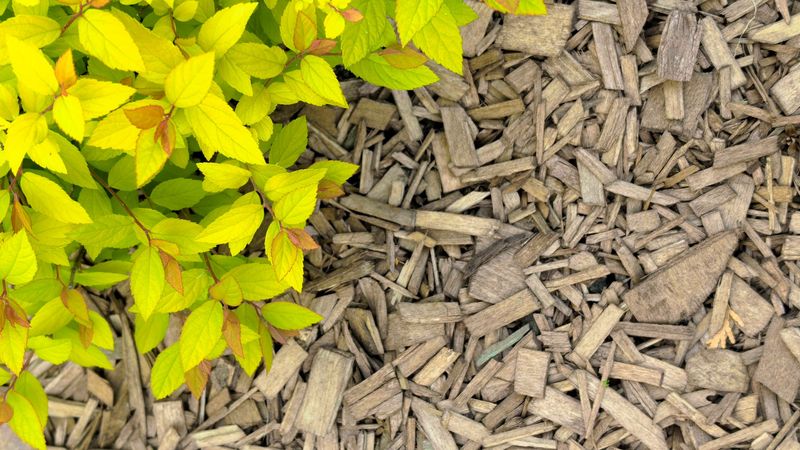
One of the cheapest tick tools is a wheelbarrow of wood chips. A strip of wood chips or gravel along the tree line creates a clearer, drier boundary between the lawn and wooded habitat.
A three-foot-wide strip is commonly recommended for this type of separation.
Ticks move slowly and lose moisture fast on open surfaces. A band of mulch or gravel bakes in the sun and offers no cover, which discourages travel from the woods into the lawn.
This type of barrier is commonly recommended as part of a broader tick-management approach. It marks a visible line for family members too, so everyone knows where the higher-risk zone begins.
Installation is straightforward. Clear the vegetation along the border, lay landscape fabric if you like, then spread chips or crushed stone about three inches deep.
Keep the strip tidy through fall by blowing or raking leaves off it. A buffer buried under wet leaves stops working.
Play equipment, patio furniture, and vegetable gardens belong on the lawn side of that line. Even a few feet of separation lowers contact with questing ticks.
Some homeowners run the same treatment around sheds and along stone walls. Any spot where wild habitat meets managed yard benefits from a dry boundary.
Refresh the chips every couple of years as they break down. A crisp edge in September carries protection well into next spring.
9. Keep Watching As Blacklegged Tick Activity Picks Up In Fall

Here is the part that surprises people: adult blacklegged ticks get busier as the weather cools. Their activity climbs through October and November as they search for a final host before winter.
September is really the warm-up act. Depending on temperature, one life stage or another can turn up during any month of the Ohio calendar.
Fall chores line up perfectly with that schedule. Raking leaves, hauling firewood, walking dogs along the property line, and clearing gutters all put people at ground level near tick habitat.
A simple routine handles most of the risk. Light-colored pants tucked into socks, repellent on shoes and cuffs, and a full body check within two hours of coming inside.
Tumble outdoor clothes on high heat for ten minutes before washing. Dry heat works better on ticks than soap and water.
If you find one attached, use fine-tipped tweezers, grip close to the skin, and pull straight up with steady pressure. Clean the area, then watch it for a few weeks and call a doctor if a rash or fever shows up.
Keep up the mowing and raking until the ground freezes. A yard that stays open and dry in November gives ticks far fewer places to wait out the season.