Ohio Nurseries That Carry Native Edible Plants Most Garden Centers Never Stock
Most Ohio garden centers stock the same edible plants in the same rotation every single season. Tomatoes, peppers, basil, a few sad herb pots near the register.
Walk in looking for something that actually belongs in an Ohio landscape and you will likely walk out empty handed. The nurseries on this list play a different game entirely.
Native edible plants have deep roots in this region and fed people here long before anyone was importing seeds from catalogs. They are grown by people who can tell you exactly what to do with them once you get home.
These are not easy places to stumble across. They do not have the marketing budgets of the big garden centers and they do not need them.
Their reputation travels by word of mouth among the kind of Ohio gardeners who have already figured out that the standard nursery run is not cutting it.
1. Start With Rare Edibles At Growing Value
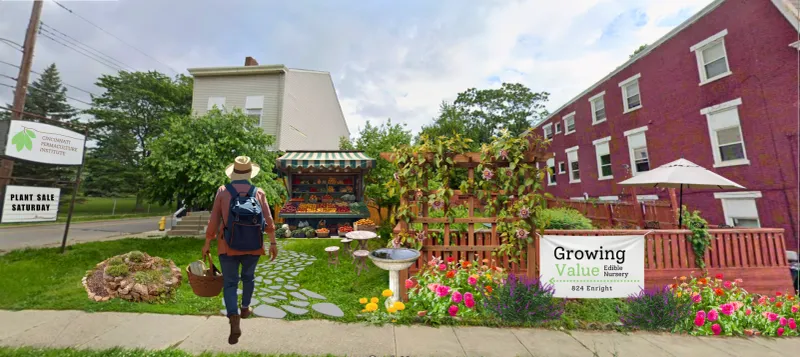
Tucked into Cincinnati’s Price Hill neighborhood, Growing Value Perennial Edible Nursery is an exciting stop. It is ideal for anyone who wants plants that go far beyond the typical garden-center lineup.
The nursery is connected with the Cincinnati Permaculture Institute. It focuses on rare, bio-region-approved edible and native plants that most local stores simply do not carry.
Their plant list has included goumi berries, aronia berries, honeyberries, pawpaws, persimmons, spicebush, jostaberries, chestnuts, and various nut and fruit trees.
Before you head out to 824 Enright Ave, Cincinnati, OH 45205, check the nursery’s current availability online or call ahead to confirm what is in stock for the season. Inventory shifts throughout the year, and some plants sell out quickly.
Staff there can help you choose plants that fit Cincinnati-area growing conditions. That applies whether you are building a full food forest or just adding a few edible shrubs to a smaller yard.
Permaculture shoppers will feel right at home here. Ask about low-maintenance edible landscape options, multi-layered planting designs, and which plants offer the best returns for your soil type.
Growing Value is a strong first stop for anyone who wants to fill their yard with plants that are both native to the region and genuinely useful at the table. Seasonal availability applies, so plan your visit thoughtfully.
2. Find Pawpaw And Persimmon Power At Leaves For Wildlife
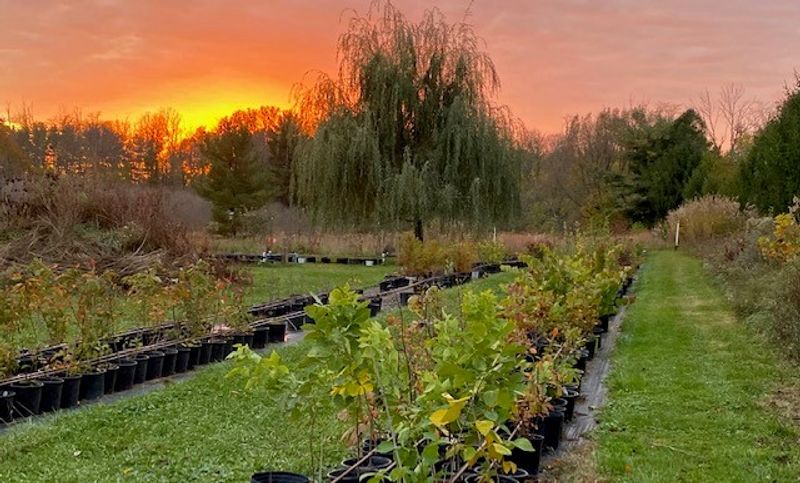
Pawpaws and persimmons are two of the most talked-about native edible trees in the Midwest, and most garden centers never bother stocking them.
Leaves for Wildlife in Sunbury has built a reputation for carrying uncommon and hard-to-find native plants that benefit both gardeners and local wildlife.
The nursery specializes in native trees, shrubs, grasses, and flowers suited to Ohio and the broader Midwest region. They have also hosted events focused on edible native nuts, berries, and other wild food plants.
Before making the drive out to 1655 N. County Road 605, Sunbury, OH 43074, call ahead to confirm current availability of pawpaw and persimmon stock, since supply is seasonal and can change quickly.
Your Ohio Garden Changes Every Week. Your Plan Should Too.
Gardening in Ohio changes quickly throughout the season. Every Friday you’ll receive a simple weekly plan showing exactly what to plant, prune, fertilize, harvest, and protect so you never miss the right timing.
When you do visit, ask staff about pollination needs, because pawpaws often fruit better with more than one tree planted nearby. Also ask about mature tree size, preferred sun exposure, and soil moisture requirements for each species.
All plants at Leaves for Wildlife are pesticide-free, which matters for anyone growing edibles in a family yard or garden. Native persimmon trees can reach impressive sizes and produce abundant fruit in fall.
Pawpaws offer a tropical-tasting harvest that surprises most first-time growers. Both trees are genuinely worth adding to a long-term edible landscape plan.
Wildlife benefits are an added bonus, since both species support native insects and birds throughout the seasons.
3. Shop Serviceberry And Elderberry At Native Trees
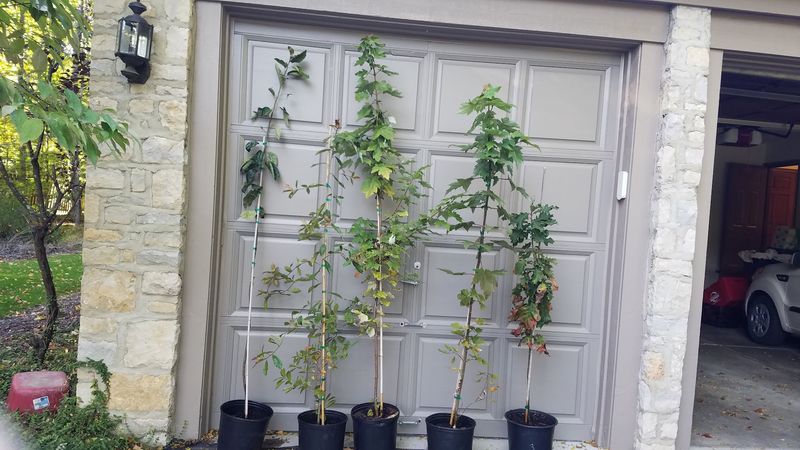
Serviceberry is one of those plants that earns its place in a yard three or four times over. It blooms beautifully in early spring, produces sweet blue-purple berries in early summer, offers brilliant fall color, and provides food for birds throughout the season.
Elderberry, meanwhile, has attracted serious attention from gardeners who want a fast-growing native shrub with well-documented edible and wellness uses. Riverside Native Trees in Delaware is worth checking for both of these native woody plants.
Check the current plant list at 2295 River Road, Delaware, OH 43015 before heading out, since availability of specific species and cultivars can vary by season. When you visit, ask staff to clarify the exact species in stock.
Not all serviceberries or elderberries are identical in growth habit, mature size, or fruit production, so knowing the species matters before you buy.
Confirming pollination needs is especially useful for elderberry, since some varieties produce more heavily when planted near a second compatible shrub.
Ask about site conditions too, including sun exposure, drainage, and soil preferences, so you can match the right plant to the right spot in your yard.
Serviceberry can work beautifully as a small specimen tree or a multi-stem shrub, depending on the cultivar.
Both plants offer strong wildlife value alongside their edible appeal, making them smart picks for gardeners who want a yard that feeds both people and pollinators.
4. Track Down Pawpaw Starts At Companion Plants
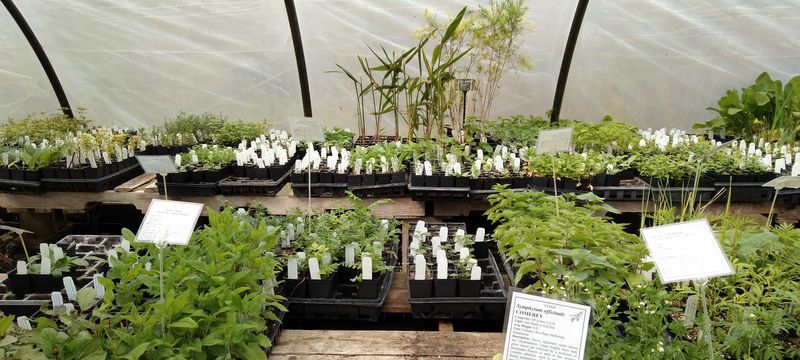
Southeastern Ohio has a long history with the pawpaw. The fruit grows wild in river bottoms and forest understories throughout the region, and Athens County sits right in the heart of pawpaw country.
Companion Plants, located in the hills outside Athens, is a specialty nursery known for useful plants, herbs, and unusual edible options. Its selection goes well beyond what most mainstream stores carry.
The nursery has been a go-to resource for serious plant shoppers who want something genuinely interesting.
Before visiting, confirm current hours and seasonal inventory by checking with the nursery directly. The address is 7247 N.
Coolville Ridge Rd, Athens, OH 45701, and it is worth a call before making the trip from farther away. Ask specifically about pawpaw starts and whether young plants are available, since stock can be limited depending on the time of year.
Young pawpaw plants actually prefer some shade in their first couple of years, which surprises many new growers used to planting sun-loving fruit trees.
Staff can advise on this and help you understand long-term size expectations, since mature pawpaw trees can grow quite tall.
Fruiting typically takes several years, and having two genetically different plants improves your harvest. The adventure of finding a true regional native edible at a specialty nursery like this one makes the drive feel completely worthwhile for dedicated food gardeners.
5. Visit Plant It Native At The Willoughby Outdoor Market
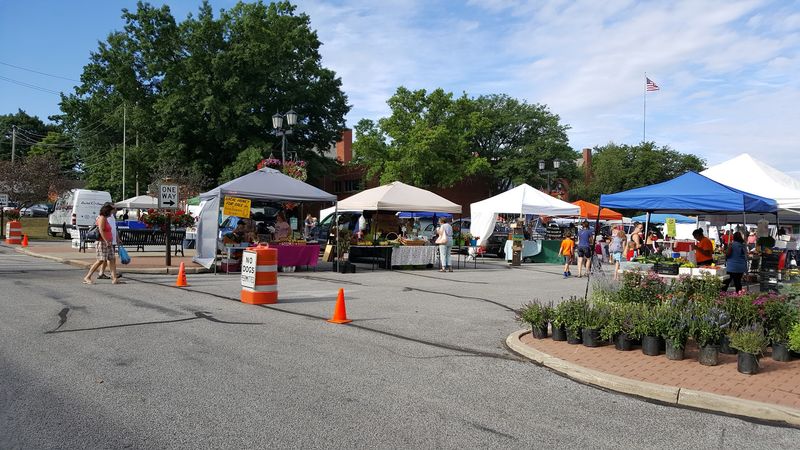
Shopping for native plants at an outdoor market has a completely different feel than walking through a traditional nursery. Plant It Native brings Ohio native plants directly to the Heart of Willoughby Outdoor Market.
It gives northeast-region gardeners access to plants that rarely appear on standard garden-center shelves.
The vendor has been noted for carrying pawpaw fruit and native plant starts, making market days worth circling on your calendar if you live in or near Lake County.
Before making the trip to 1 Public Square, Willoughby, OH 44094, check current market dates and vendor schedules. Outdoor market appearances depend on the season and can change.
Plant It Native also offers online preorder and pickup options, which can be a smart way to reserve plants before market day if a specific species is on your list.
Bring a written plant list when you visit, because market shopping moves quickly and it is easy to get distracted by everything on display.
Ask the vendor about local growing conditions and whether plants are suited to northeast Ohio’s clay soils or lake-effect weather patterns.
Also ask which edible native options are available that day. Confirm that any plant labeled as edible is genuinely intended for human harvest rather than ornamental or wildlife use only.
Market vendors like Plant It Native fill an important gap for urban and suburban gardeners who want native edibles without driving to a rural specialty nursery.
6. Look For Native Shrubs At Scioto Gardens
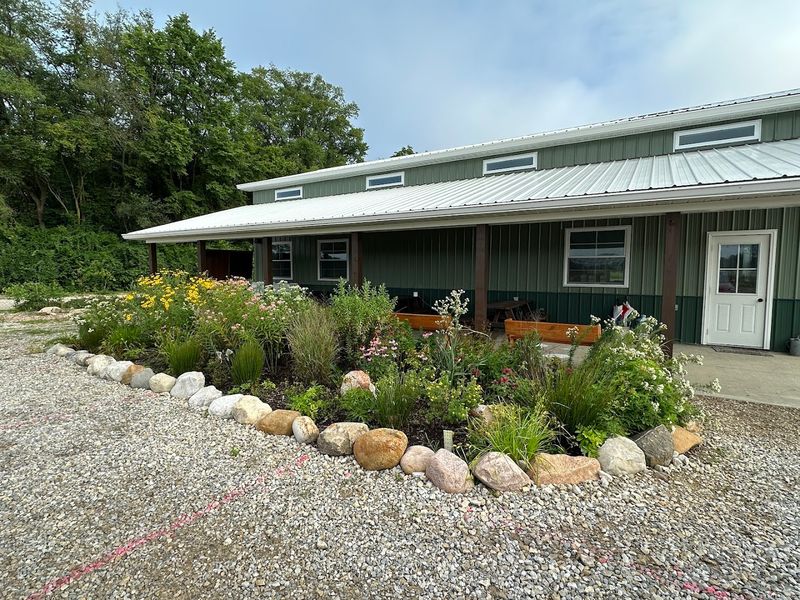
Central Ohio gardeners looking for native shrubs with habitat and possible edible value have a nearby option worth exploring. Scioto Gardens in Delaware focuses on native plants suited to the region.
The nursery is worth checking for species that support birds, pollinators, and backyard biodiversity. Some native shrubs that show up at specialty nurseries like this one offer both wildlife value and edible uses, though the two categories do not always overlap.
Check the seasonal hours and current plant availability before stopping by at 2870 Curve Road, Delaware, OH 43015, since inventory varies throughout the growing season. Use careful language when asking about edible plants here.
Ask specifically which species are stocked and confirm the botanical name. Also find out whether a plant is intended for human harvest, ornamental display, or wildlife support only.
Native shrubs like American hazelnut, wild black currant, and highbush blueberry can occasionally appear at regional native nurseries. Availability is never guaranteed.
Asking staff directly about what is currently in stock and what might be coming in later in the season is always a smart move. Also ask about mature shrub size, sun and moisture needs, and whether a second plant is needed for fruit production on certain species.
Understanding the difference between a plant grown for habitat restoration and one suited for a backyard edible garden matters. It helps you make a purchase you will be happy with long-term.
7. Try Local Ecotype Finds At Natives In Harmony
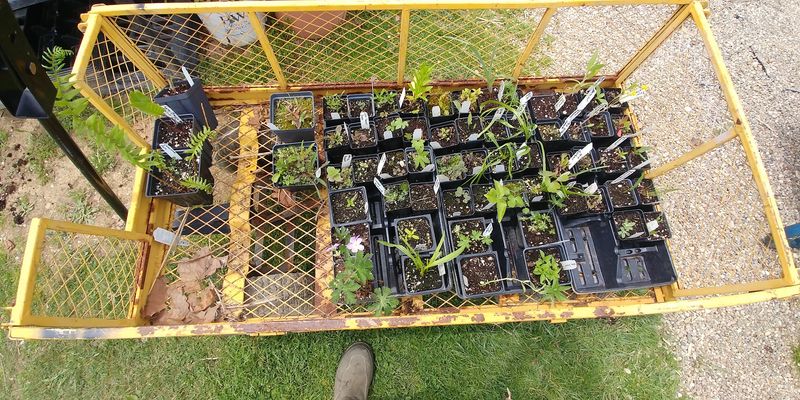
Local ecotype plants are a topic that comes up often among serious native plant gardeners, and for good reason. A plant grown from seeds collected in central Ohio is more likely to be adapted to local soil types, rainfall patterns, and seasonal timing.
That gives it a local advantage over one grown from seeds sourced in a completely different region. Natives in Harmony in Marengo has been growing and selling straight-species, genetically appropriate Ohio native plants since 2008.
They propagate many of their plants from seeds collected right on the nursery grounds.
Plan your visit around the nursery’s posted open days or events, and check the current schedule before heading to 4652 Township Road 179, Marengo, OH 43334.
The nursery’s plant list includes flowering plants, grasses, sedges, vines, trees, and shrubs, covering a wide range of habitat types and garden uses.
Ask staff which edible or fruiting native species are available during your visit. Native shrubs and trees with edible value, such as elderberry or serviceberry, can sometimes be found at nurseries like this one.
Availability is seasonal and not guaranteed. Confirming whether a plant is a straight species, a cultivar, a local ecotype, or seed-grown stock matters.
That is especially true if you are trying to support regional ecosystems rather than just fill a garden bed. Natives in Harmony is a solid choice for gardeners who take the ecological side of native planting seriously and want plants with a genuine local connection.
8. Check The Cleveland Native Rack At Meadow City
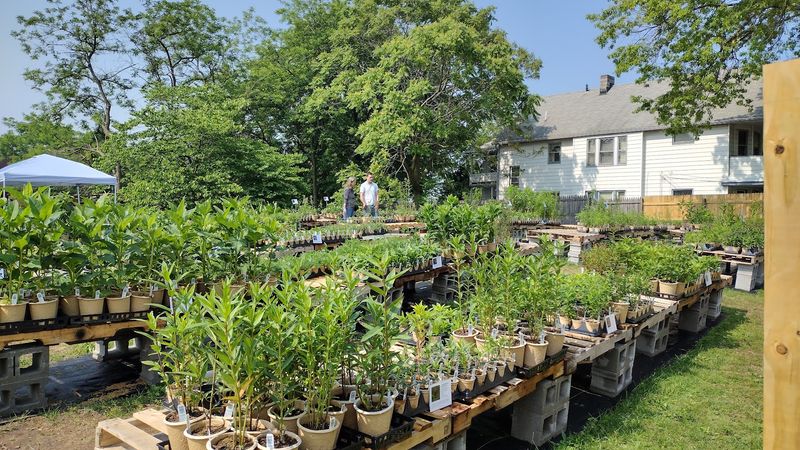
Urban gardeners in Cleveland know the frustration of walking into a big-box store and finding the same ten shrubs repeated in every aisle. Meadow City Native Plant Nursery takes a different approach by growing plants that are native to northeast Ohio.
That includes shrubs that produce fruit valued by birds and other local wildlife. For city gardeners who want to add ecological function to a small backyard or side yard, this nursery is worth checking out.
Before making the trip, confirm current hours by checking the nursery’s contact information, since small native plant nurseries often operate on seasonal schedules.
The address is 15006 Westropp Ave, Cleveland, OH 44110, and it is located within the city.
That makes it accessible for northeast-region gardeners who do not want to travel far for quality native plants.
Ask about native edible shrubs, fruiting plants, or species that support an edible garden ecosystem when you visit.
Even plants grown primarily for wildlife, like native viburnums or fruiting dogwoods, can add layers of habitat value to a yard that also includes edible plants.
For smaller Cleveland lots, ask about mature plant size before buying, since some native shrubs spread widely or grow taller than expected. Container limits and light conditions in urban yards also affect which species will perform best.
Meadow City fills a real need for northeast-region gardeners who want native plants with genuine local roots and something to offer beyond just good looks.