The Perennials Ohio Gardeners Should Divide Before October
Your perennial bed has gotten fuller every year, thick enough now that some clumps barely flower the way they used to, crowded out by their own growth. It’s easy to notice the decline and blame everything except the actual cause.
Division fixes that, but only within a specific window. Split too late and roots don’t have time to settle before the ground freezes, and a plant moved at the wrong moment can spend a whole season struggling to recover from a job meant to help it.
Get it done before October, while soil’s still workable and roots have weeks to establish, and the same plant barely skips a beat. Often it comes back fuller next spring.
Not every perennial wants this on the same timeline, and October is where Ohio’s shrinking growing season stops giving you room for error.
1. Divide Peonies In September For Stronger Root Establishment
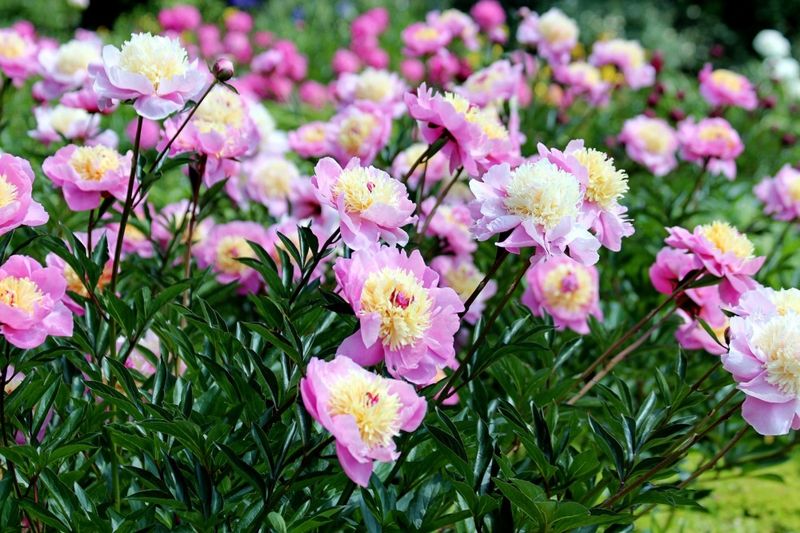
Grandma’s peony hedge probably outlived her house, and that is exactly why these plants deserve careful timing. September is the sweet spot in Ohio for lifting and splitting them.
Clumps that have sat for fifteen or twenty years often push out fewer flowers. Crowded roots compete for water and nutrients, so blooms shrink and stems lean.
Work at least four to six weeks before the ground freezes, which in Northeast Ohio means finishing by late September or early October. That cushion lets cut roots callus over and send out feeder roots.
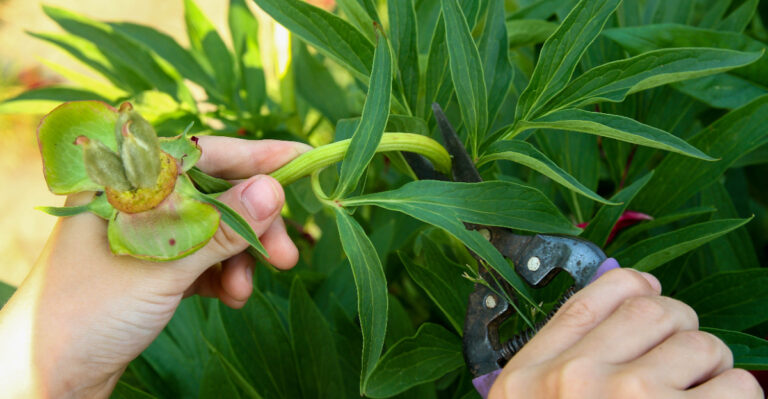
Dig wide, starting a foot out from the crown, and lift the whole fleshy root mass. Rinse off enough soil to spot the pink buds, called eyes, then cut the root into sections, making sure each division has several healthy eyes and enough root tissue to support them.
Replanting depth matters more than anything else here. Set those eyes only one to two inches under the soil surface, because burying them deeper is the classic reason a healthy plant refuses to flower.
Water the new spots well and mulch lightly once the weather turns cold. Patience helps too, since transplants often take about three years to reach full bloom power again.
Fun bit of trivia: peony roots were once traded like heirloom jewelry among Midwest farm families, passed along in coffee cans from one porch to the next.
2. Split Daylilies After Their Summer Flower Show
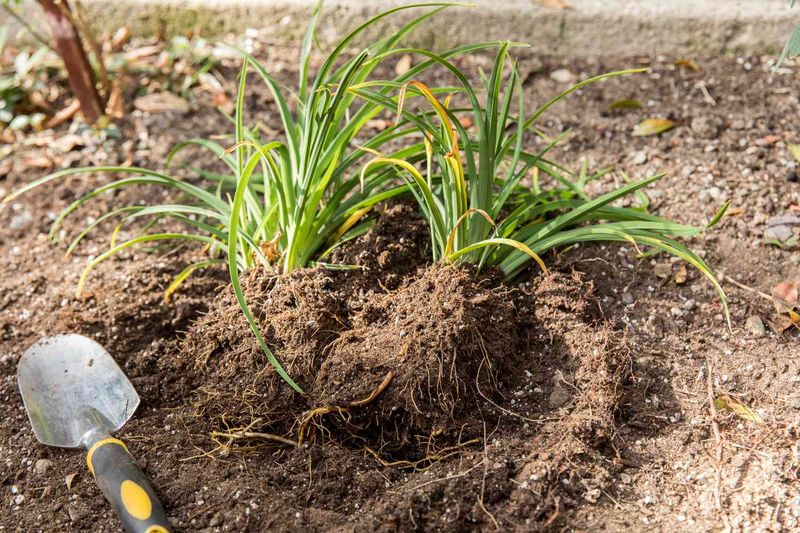
Once the last orange trumpet fades along the driveway, daylilies switch from showing off to growing roots. Late summer into early fall is prime time to split them.
Clumps expand fast, sometimes doubling within a few seasons. When fans get shoulder to shoulder, flower counts drop even though the foliage looks thick and healthy.
Trim the leaves back to about four to six inches first. Shorter foliage cuts down on water loss and makes the whole job far easier to handle.
Slide a fork under the clump and rock it loose. From there, pull or slice sections apart so each piece carries at least two or three fans plus a decent fistful of roots.
Your Ohio Garden Changes Every Week. Your Plan Should Too.
Gardening in Ohio changes quickly throughout the season. Every Friday you’ll receive a simple weekly plan showing exactly what to plant, prune, fertilize, harvest, and protect so you never miss the right timing.
Set divisions back in the ground with the crown roughly one inch below the surface. Planting too deep is a common reason a transplanted daylily sulks for a season.
Give each new division enough room to reach its mature size without immediately crowding its neighbors. Most gardeners find every three to five years is a good rhythm for repeating the process.
Extra bonus: daylilies divide so willingly that a single mature clump can fill a whole fence line, or become a very welcome gift for a neighbor with a bare spot.
3. Divide Garden Phlox Once Its Blooming Season Wraps Up
Tall garden phlox perfumes an Ohio yard all August, then starts looking tired. Mid-August through September is your window to refresh it.
Older clumps build a woody, tangled center that stops producing much. Overcrowded clumps can become less vigorous, with weaker stems and less impressive flowering.
There is a bonus reason to split phlox: better airflow. Dividing an overcrowded clump opens up the planting and improves air movement, which can help create less favorable conditions for powdery mildew.
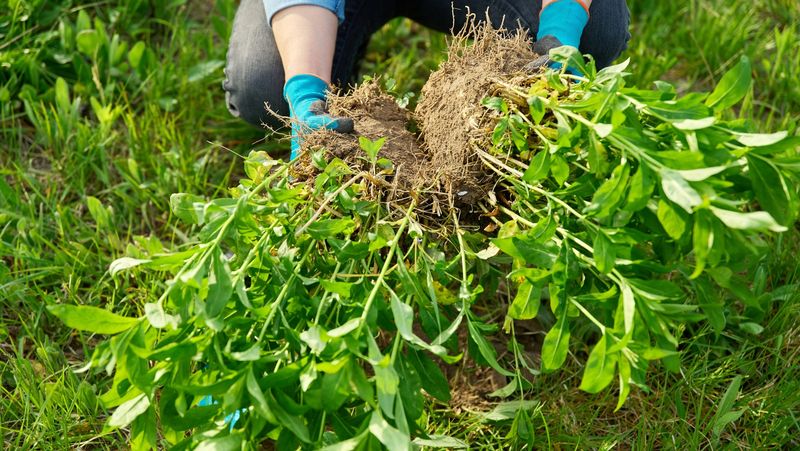
Water deeply about twenty-four hours before you dig, so the roots come up plump instead of stressed. Lift the root ball whole, then pry it into chunks with each division holding at least three shoots and plenty of roots.
Toss the exhausted woody middle on the compost pile and keep the vigorous outer pieces. Replant right away at the original depth, firm the soil gently, and soak everything thoroughly.
Aim to finish four to six weeks ahead of your first expected frost so roots knit into the soil. Spreading a few inches of mulch in late fall protects those fresh divisions through freeze and thaw cycles.
Every two to four years is plenty often for phlox, and the payoff is sturdier stems with fuller flower heads next summer.
4. Finish Bearded Iris Division Early In September
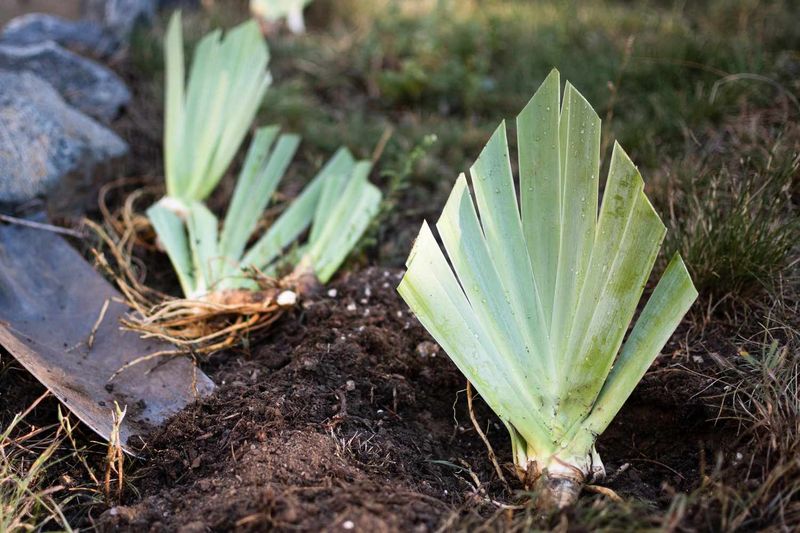
Bearded iris rhizomes creep along the soil surface like chubby fingers, climbing over each other year after year. Late summer into early September is a useful window in Ohio, particularly after flowering has finished and the weather begins to moderate.
A crowded iris patch usually announces itself with plenty of leaves and almost no flowers. Rhizomes shade one another, and the oldest pieces in the middle stop producing blooms.
Start by shearing the fans down to four to six inches, creating a tidy little row of green triangles. That trim reduces wind rock and water loss while roots reestablish.
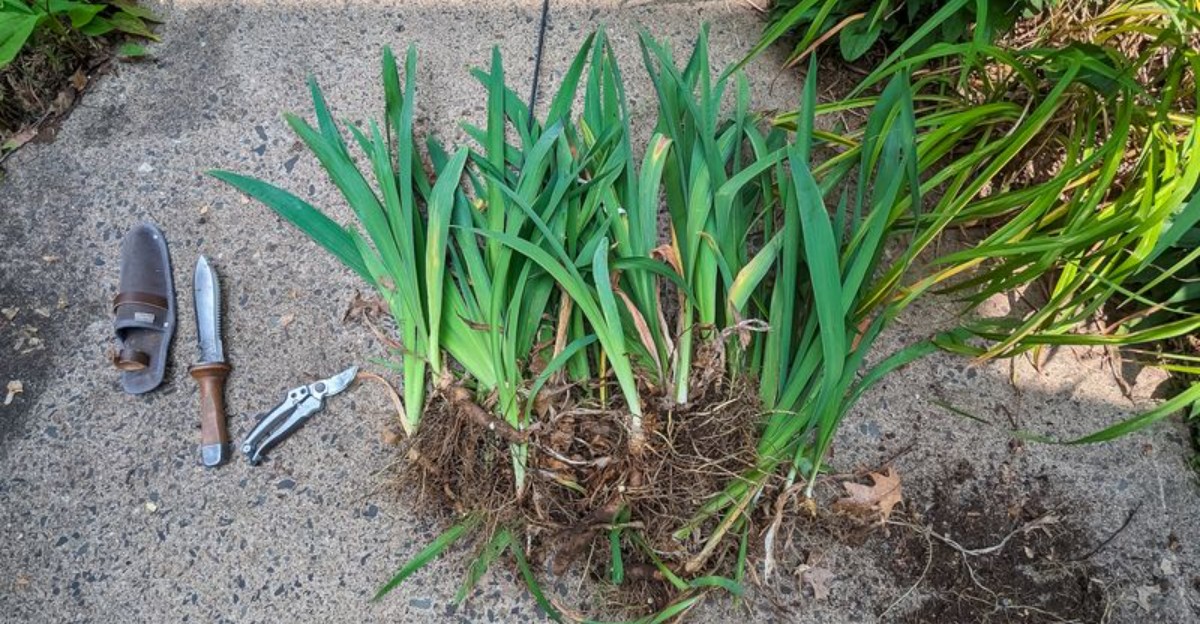
Lift the clump with a fork rather than a shovel to avoid slicing through rhizomes. Snap or cut the mass into divisions that each carry two or three fans with firm roots attached.
Inspect every piece as you go. Keep the plump, solid rhizomes and set aside anything soft, hollow, or punched with holes.
Replant the rhizomes so they sit at or just slightly below the soil surface, with the upper portion exposed rather than deeply buried. Iris appreciate a bit of sun on their backs, so resist the urge to bury them under heavy mulch.
Little history note: bearded iris have been swapped between gardeners for generations partly because they divide so easily, meaning many Ohio patches trace back to a single ancestral plant.
5. Divide Oriental Poppies During Their Fall-Friendly Window
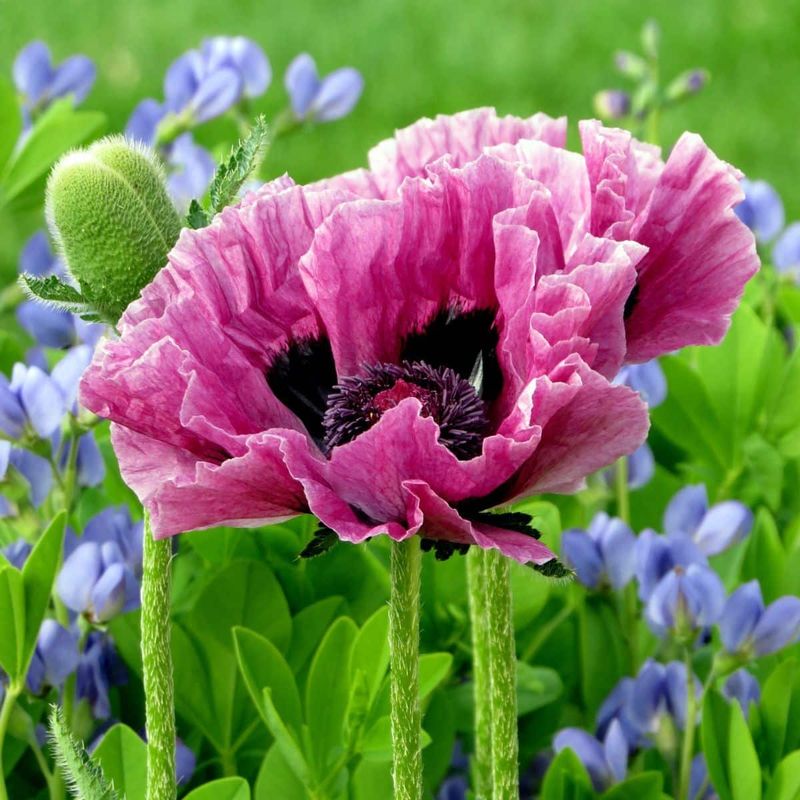
Oriental poppies pull a disappearing act every summer. After those tissue-paper blooms finish, the foliage yellows and fades back, which puzzles new gardeners but is completely normal.
That resting stage is your cue. Late August through September suits Northeast Ohio well, and mid-to-late summer works once the plant has clearly gone quiet.
Dig carefully, because poppies grow thick, brittle roots that snap if you rush. Slide the spade well outside the crown and lift the whole clump in one piece if you can.
Oriental poppies can be propagated from root cuttings, but dividing the crown itself is not as straightforward as splitting a daylily or iris. If you are dividing an established plant, work carefully around the thick roots and make sure each section has viable growing tissue.
Replant immediately at the same depth the clump was growing before. Setting them too low is the quickest way to end up with foliage and no flowers.
Choose a site with full sun and soil that drains freely, since soggy ground during winter is what poppies dislike most. Raised beds and slopes are ideal spots.
Water the divisions in and then step back. The foliage may return in autumn or early spring, depending on weather and location, with flowering following later in the season.
6. Split Crowded Spiderwort Before Cold Weather Settles In
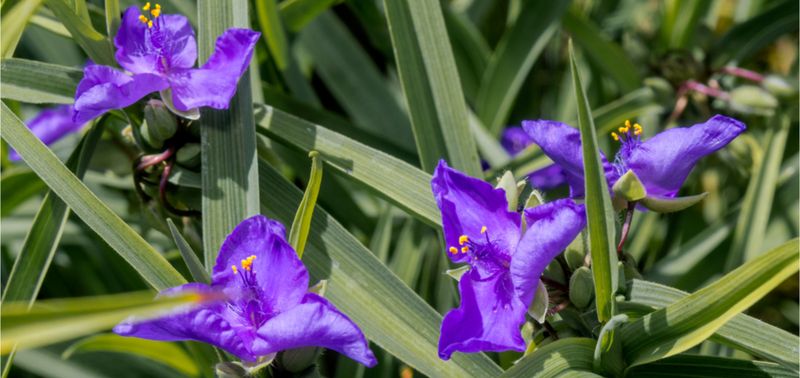
Spiderwort is the friendly sprawler of the shade border, opening little three-petaled purple flowers each morning. Left alone, it builds into a grassy mound wider than a bushel basket.
Early fall is a fine time to tame it, ideally six to eight weeks before your first expected frost. Aim to finish the job during September so the divisions have as much time as possible to establish before winter.
Every three to four years is a reasonable schedule, though some gardeners stretch it to five. The signs are hard to miss: a hollow center, floppy stems, and fewer flowers than you remember.
Dig the clump up whole and set it on a tarp. Roots pull apart fairly easily by hand, so tease sections free with several shoots on each piece.
Replant promptly at the same depth, spacing pieces a foot or more apart. Water everything in thoroughly so soil settles around the roots.
For the first week, keep the ground damp but not soggy. After that first week, water when the soil begins to dry rather than following a fixed weekly schedule.
One caution worth mentioning: spiderwort self-seeds enthusiastically. Snipping spent stems after flowering keeps your tidy new divisions from turning into a surprise groundcover across the whole bed.
7. Divide Speedwell While Early Fall Conditions Stay Mild

Those slender blue spires of speedwell look delicate above ground. Underground, the story is different, since some varieties knit roots so tightly that a hand saw beats a spade.
Late summer, as temperatures start easing off, is a comfortable time to work. Cool air plus warm soil is the combination roots love best.
Planting speedwell divisions in fall gives them a head start on building a root system before winter. Gardeners often notice earlier, heavier flowering the following spring and summer as a result.
Lift the whole clump and look for the dense, woody center that has stopped pushing new growth. Slice the mass into sections, making sure every piece keeps roots along with visible shoots.
Cut the top growth back to ground level in autumn to reduce stress on the new pieces. It also makes the bed look neat heading into winter.
Replant at the original depth, water well, and add a light mulch layer once nights turn cold. Skip heavy fertilizer, which encourages soft growth at the wrong time of year.
Every three to four years keeps speedwell vigorous instead of thin and sparse. Pollinators notice the difference too, since bees crowd those flower spikes all through early summer.
8. Refresh Overgrown Coreopsis With An Early Fall Division
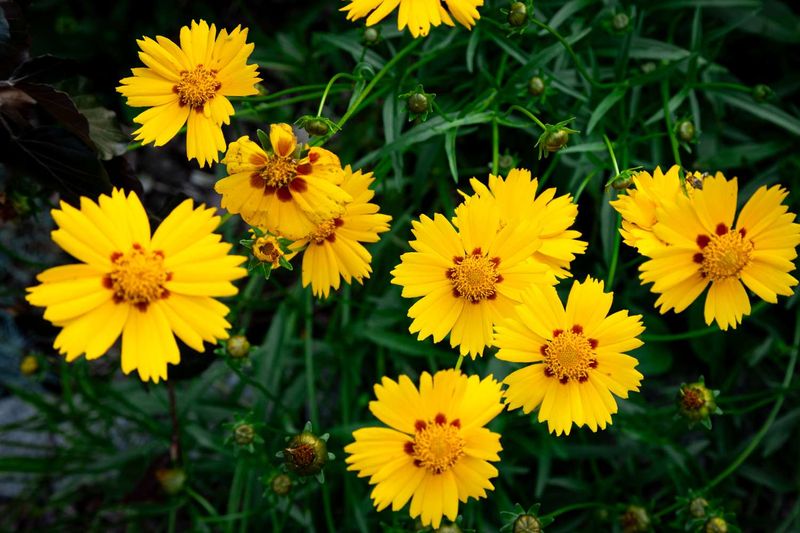
Coreopsis throws yellow daisies around like confetti for weeks, then sometimes fizzles after three or four years. A sharp spade fixes that slump.
Early fall gives you a good window, and spring works too if autumn gets away from you. The plant responds well either way as long as the soil is workable.
Look for telltale signs before you start digging. A thin, weak-looking mound with a bare middle and fewer flowers than last year is practically waving a flag.
Slice straight down through the clump with a sharp spade, cutting it into quarters or halves. No need for delicate hand work here, since coreopsis takes rough treatment in stride.
Check that each division carries healthy white roots along with green shoots. Discard any mushy or hollow pieces from the center.
Get divisions back in the ground right away at their original depth, then soak them thoroughly. Sun and well-drained soil are important for many coreopsis varieties, which generally perform poorly when their roots stay saturated.
A division every two to three years stretches the lifespan of a plant that can otherwise be short-lived. Think of it as trading one tired clump for three energetic ones, all without spending a dollar at the garden center.
9. Divide Crowded Astilbe Before The Season Gets Too Late
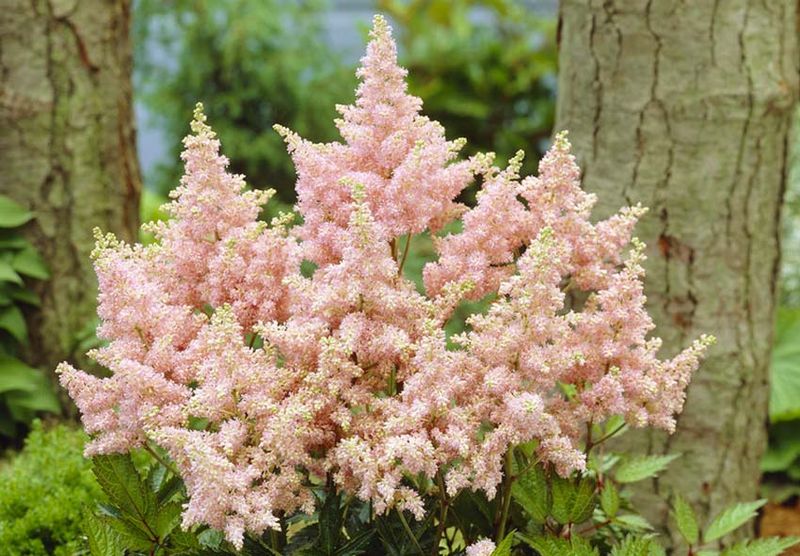
Feathery astilbe plumes light up shady corners where little else blooms. When those plumes turn stubby and sparse, crowding is usually behind it.
Late summer into early fall, after flowering has wrapped up, is a solid time to work. Moderate temperatures make the job easier on both you and the plant.
Give the clump a thorough soaking the day before you dig. Astilbe roots resent drying out, and hydrated plants bounce back much faster.
Lift the entire clump and divide it into sections, making sure each piece has healthy roots and several growing points. A serrated knife handles the woody crown nicely.
Replant the divisions at their original depth, giving each piece enough room to grow without immediately crowding its neighbors.
Water generously and mulch with shredded leaves or compost, which suits astilbe’s love of moist, rich ground. Dry soil in September will set back a fresh division quickly.
Expect modest growth the first year and a fuller display the next. Pair the divisions with hostas or ferns, and that shady bed will look like something out of a woodland postcard by early summer.