What Ohioans Can Do With Hedge Apples And Which Old Uses Actually Work
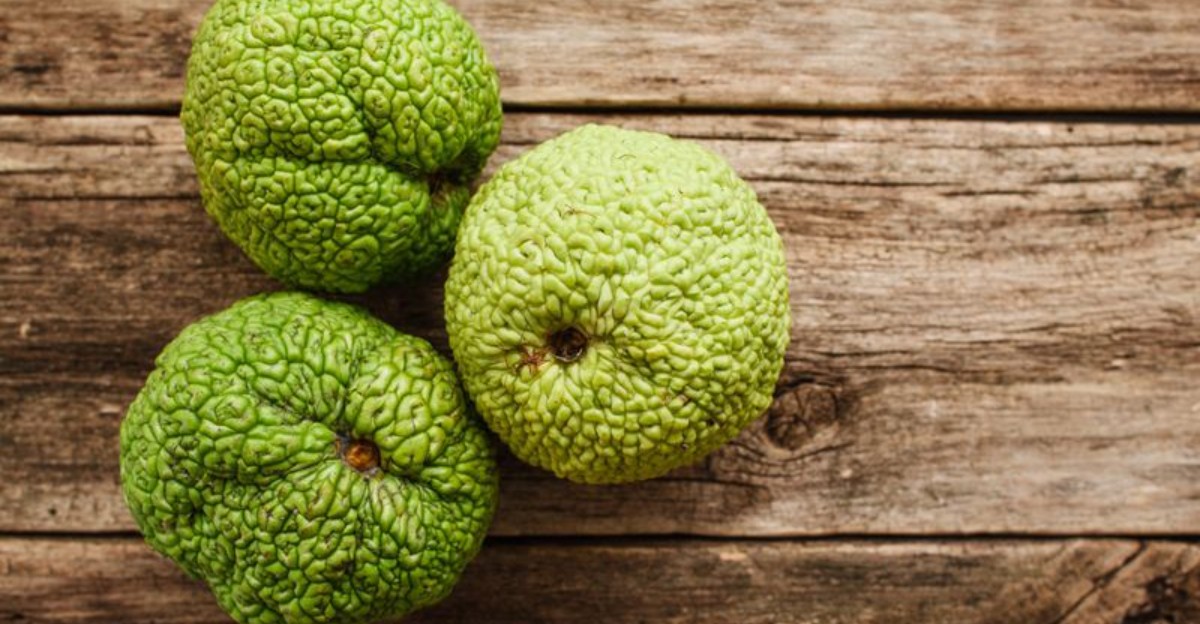
Lumpy, green, and about the size of a softball, those brain-looking balls on the ground have a reputation older than your grandparents.
Ohio folks have stuffed them in basements, tucked them into cupboards, and lined them up on windowsills for generations. Neighbors swear by them.
Others roll their eyes. Nobody ever settles the argument over the fence.
Every fall the same stories make the rounds, each one confident and a little different from the last. Some have real science behind them.
Some belong in the folklore pile. A few sit somewhere in between, and that’s where it gets interesting.
You can test a few of these ideas yourself without spending a dime, and some of the uses might surprise you.
Grab a pair of gloves before you pick one up. Then decide which tales deserve a spot in your house.
1. Use Them As Quirky Fall Decor
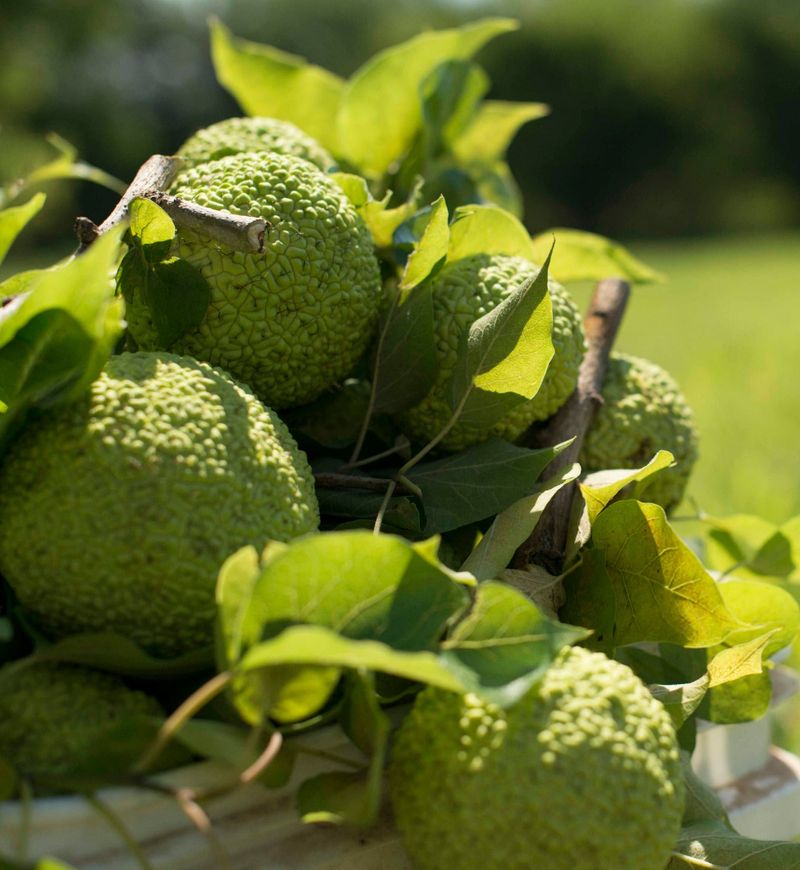
Walk into almost any Ohio farmers market in October and you will spot crates of lumpy green fruit beside the pumpkins. Folks buy hedge apples by the bagful, and not to eat them.
Their wrinkly skin and bright chartreuse color look striking next to orange gourds and brown corn husks. A few in a glass jar or wooden bowl give your table instant country charm.
They also look great tucked into wreaths or lined up along a mantel.
Here is the catch, though. Hedge apples do not last forever once they are picked.
After a few weeks, they can turn brown, soft, and sticky, which is not the cozy look you wanted.
To get the most life out of your display, pick firm fruit with no bruises or soft spots. Keep them in a cool spot, out of direct sun and away from heat vents.
Check them every few days so you catch any mushy ones early.
Set them on a plate, tray, or piece of parchment instead of right on wood. If one starts to leak, the juice will not stain your furniture.
A cheap saucer under each bowl is a smart trick.
Want a fun twist? Pair hedge apples with white pumpkins and dried hydrangeas for a modern farmhouse feel.
Or mix them with red apples and pinecones for a classic harvest look. Kids enjoy arranging them, too, as long as they wear gloves.
When the season ends, toss the old ones in a compost pile or out at the edge of the woods. They break down naturally, so nothing goes to waste.
Next fall, you can head back to the fence row and gather a fresh batch for free.
2. Leave A Few Out For The Fox Squirrels
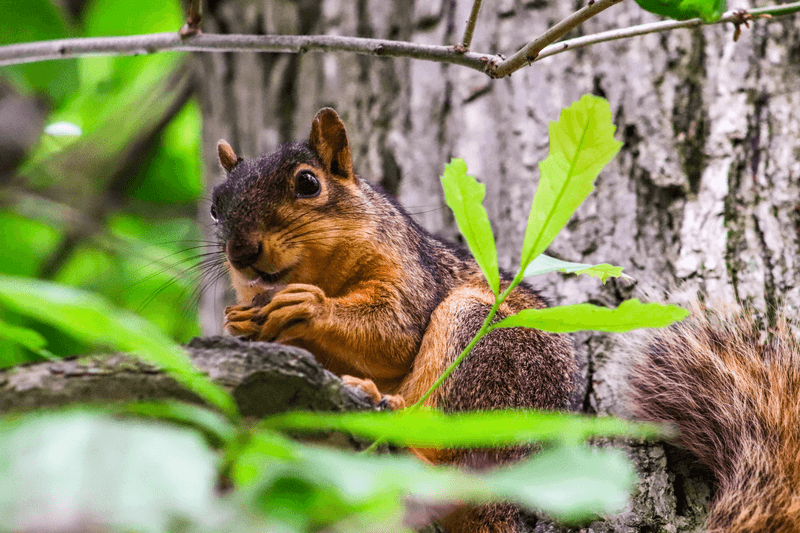
Ever found a hedge apple shredded into little green crumbs? That messy scene is the work of a busy, bushy-tailed snack hunter.
Most animals walk right past Osage orange fruit. Deer might nibble now and then, but the tough, gummy flesh keeps most creatures away.
Fox squirrels, however, think they have hit the jackpot.
These rusty-orange squirrels are common across the state farm country and town parks. They tear the fruit apart with their sharp teeth, digging for the small seeds hidden inside.
Your Ohio Garden Changes Every Week. Your Plan Should Too.
Gardening in Ohio changes quickly throughout the season. Every Friday you’ll receive a simple weekly plan showing exactly what to plant, prune, fertilize, harvest, and protect so you never miss the right timing.
Chipmunks join the party, too, picking through the pulp like kids hunting for prizes.
So why not lend them a hand? Set a few hedge apples at the edge of your yard, near a tree line or brush pile.
Place them away from your house, patio, and garden beds. That keeps the sticky leftovers out of your way.
Then grab a window seat and watch the show. A fox squirrel working on a hedge apple is surprisingly entertaining.
They spin it, gnaw it, and toss bits of green fluff everywhere. It feels a bit like a tiny nature documentary.
Fun fact: some scientists think giant Ice Age animals, like mammoths and ground sloths, once spread these seeds. Today, squirrels are among the few creatures still interested in the job.
A few simple tips help. Do not leave dozens of fruits in one spot, since rotting piles attract flies.
Swap out old fruit every couple of weeks. And skip this idea if your dog likes to chew on everything it finds.
It is an easy, free way to support local wildlife. Plus, those fallen fruits finally get a purpose beyond rolling into the road.
3. Wear Gloves, Since The Milky Sap Can Irritate Skin
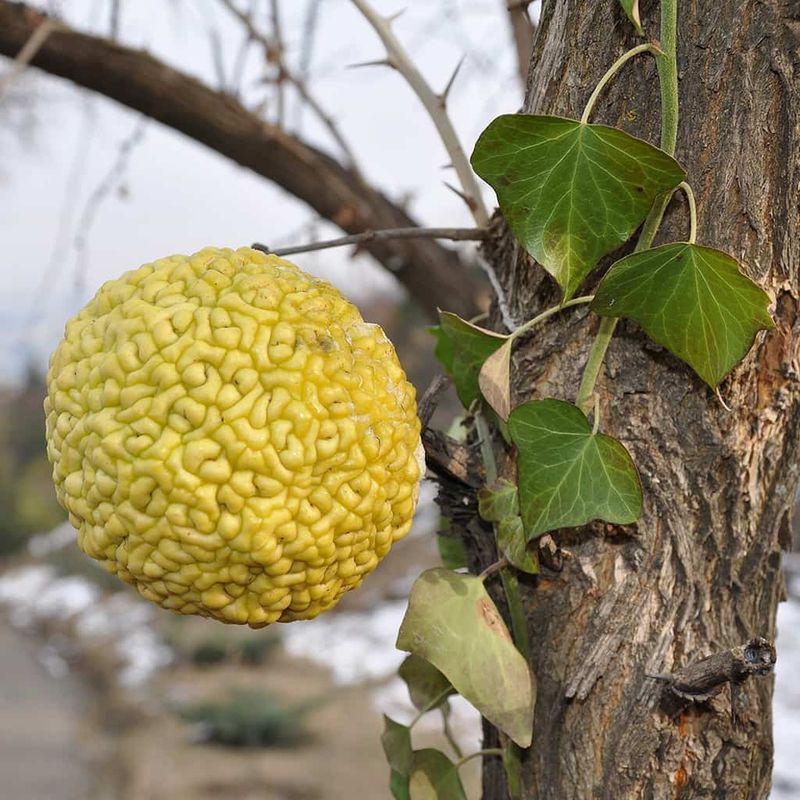
Slice into a hedge apple and you will notice something odd right away. A sticky white liquid oozes out, a lot like glue or the sap from a milkweed stem.
That milky sap is the part to respect. The stems, leaves, and fruit of the Osage orange all carry it.
For some people, touching it can lead to red, itchy skin known as dermatitis.
Not everyone reacts, and many folks handle hedge apples bare-handed with no trouble. Still, it is hard to know how your skin will respond until it is too late.
A simple pair of gloves saves you the guesswork.
Garden gloves work fine for gathering whole fruit from the ground. If you plan to cut one open, choose rubber or nitrile gloves instead.
The sap is gummy and soaks right through cloth.
Got some on your hands anyway? Wash with warm, soapy water as soon as you can.
Cooking oil or a bit of rubbing alcohol can help loosen the stickiness first. Avoid touching your eyes or face until your hands are clean.
Kids and pets need extra care. Little ones love squishing things, and a hedge apple looks like a perfect toy.
Show them how to carry the fruit gently with gloves on, and keep cut pieces out of reach.
Here is a bonus tip for crafters. Use an old knife and cutting board that you do not mind getting gummy.
The sap is tough to scrub off, so newspaper underneath makes cleanup easier.
If a rash spreads or does not fade in a few days, talk with a doctor. A little caution lets you enjoy these quirky fruits without an itchy surprise.
4. Don’t Eat Them, Because The Fruit Is Inedible
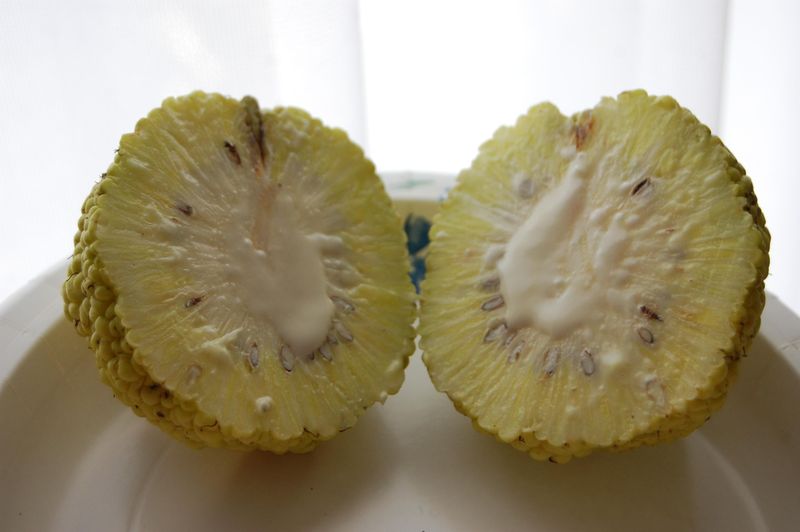
Picture biting into a green softball filled with sawdust and rubber cement. That is pretty much the hedge apple dining experience.
Despite the cheerful nickname, this fruit is no apple or orange. It belongs to the mulberry family, and its inside is hard, dry, and stringy.
A gummy, latex-like sap coats nearly every bite.
Good news first: hedge apples are not considered poisonous to people. If a curious toddler licks one, there is usually no need to panic.
Still, they are not food, and nobody should treat them like a snack.
The size alone causes problems. A single fruit can be as large as a grapefruit and weigh over a pound.
Livestock have been known to choke when they try to swallow one whole, so farmers keep a careful eye on their pastures.
What about the seeds? They are technically edible and taste a bit like sunflower seeds.
The trouble is getting them out. You have to dig through sticky pulp, rinse it off, and pick out tiny seeds one at a time.
Some patient folks let the fruit freeze and thaw outdoors first. The pulp softens and the seeds come loose more easily.
Even then, you might spend an hour for a small handful. Most people decide a bag of trail mix is a better deal.
So enjoy them with your eyes, not your mouth. Teach kids that the bumpy green ball is for looking, not eating.
Keep them away from dogs who like to gnaw on round things, too.
Think of hedge apples as nature’s decoration. They brighten up a fall day, but your dinner plate can stick with real apples from the orchard.
5. Osage Orange Once Made Living Fences Across The Midwest
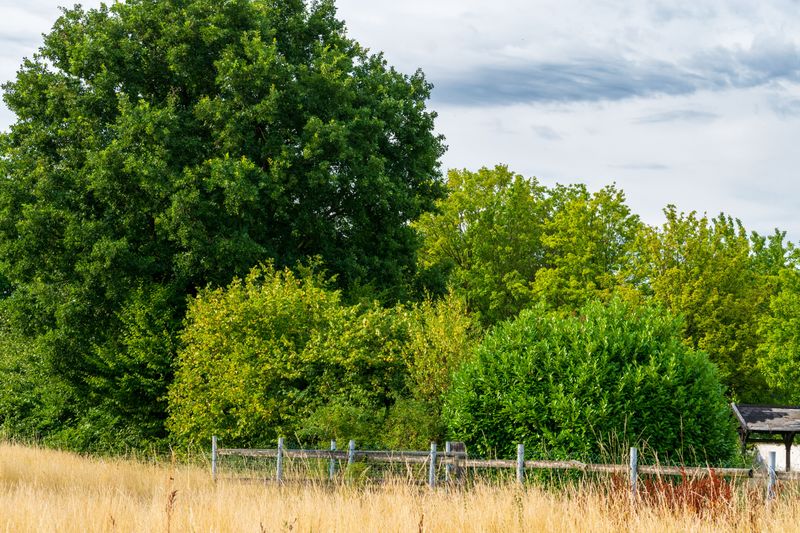
Long before barbed wire, Ohio farmers had a clever problem to solve. How do you keep cows, horses, and pigs in place on wide, treeless land?
Their answer grew right out of the ground. Farmers planted Osage orange trees in tight rows and trimmed them into thick hedges.
The branches tangled together, and sharp thorns made them tough to push through.
People described a good hedge as horse high, bull strong, and hog tight. That meant horses could not jump it, bulls could not break it, and pigs could not squeeze under it.
Pretty impressive for something made of leaves and twigs.
In the mid-1800s, these living fences spread across Ohio, Indiana, Illinois, and beyond. Thousands of miles of hedge rows stretched over the countryside.
Seeds were shipped from Texas and sold in huge amounts to eager farmers.
The idea became so popular that many Ohioans simply call the tree hedge. If your grandpa talks about hedge posts or hedge apples, now you know where the name came from.
Then, in the 1870s, barbed wire arrived. It was cheaper and faster to put up, and hedges slowly fell out of style.
Many rows were cut down, but plenty were left to grow wild.
Take a drive through rural Ohio today and look closely at old field edges. Those crooked lines of tall trees might be leftover hedges from over 150 years ago.
Many still drop their fruit every fall.
Spotting one feels like finding a piece of living history. Next time you see a scraggly line of thorny trees, give a nod to the farmers who planted them.
Their clever fence idea still shapes our landscape.
6. Its Rot-Resistant Wood Makes Long-Lasting Fence Posts
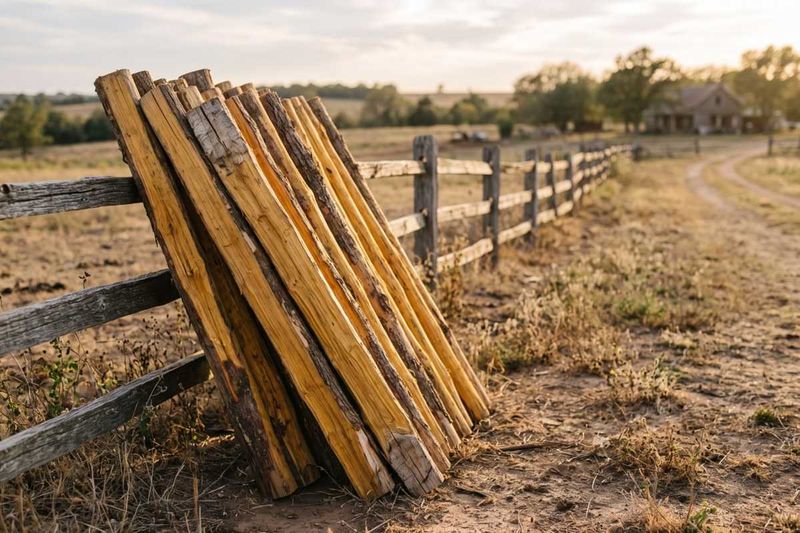
Some Ohio farms have fence posts older than the farmhouse itself. Chances are good those sturdy old timbers came from an Osage orange tree.
Hedge wood is incredibly dense and tough. It also contains natural chemicals that help it fight off rot, fungus, and hungry insects.
Stick a regular pine post in damp soil and it might last a few years. A hedge post can hold strong for decades.
Farmers like to joke that hedge posts outlast the people who set them. Some say a good one will last 50 years or more, and old timers tell stories of posts lasting even longer.
That kind of staying power is hard to beat.
Freshly cut hedge wood has a bright yellow-orange color, like a ripe mango. Over time, it weathers to a soft brown.
Many people love the rustic look for gardens, trellises, and raised beds.
Here is a pro tip from folks who work with it. Set your posts while the wood is still green, meaning freshly cut.
Once it dries, hedge wood gets so hard it can bend nails and dull saw blades fast.
If you need to drill dried hedge, use sharp, strong bits and go slow. Pre-drilling holes helps keep screws and nails from snapping.
A little patience goes a long way.
Looking for posts? Check with local sawmills, farm auctions, or neighbors clearing old fence rows.
Some farmers sell hedge posts by the bundle each year.
Choosing hedge means fewer replacements and no need for chemical treatments. It is a smart, natural choice for anyone building something meant to last.
Your grandkids might lean on that very same post someday.
7. Archers Prize It As The Finest Wood For Bows
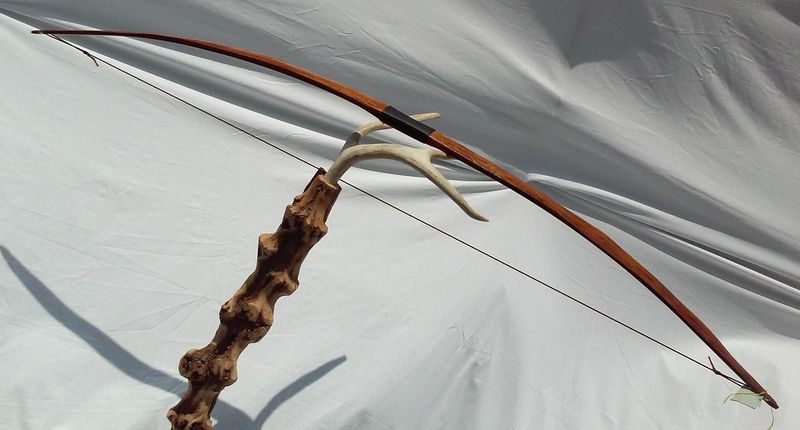
French explorers gave this tree a fitting nickname: bois d’arc, which means bow wood. Today, many Ohioans just shorten it to bodark.
The name has deep roots. Native Americans, especially the Osage people, valued this wood above almost any other for making bows.
Good bow staves were so precious that they were traded across long distances.
So what makes it special? Osage orange is strong but also springy.
It bends under pressure and snaps back into shape with lots of power. That gives arrows a fast, smooth flight.
The wood also holds up well over time. Many woods lose their spring after heavy use, but a hedge bow keeps its shape.
Some well cared for bows have stayed in use for generations.
Modern traditional archers still hunt for perfect hedge staves. They look for straight trunks with few knots and tight grain.
A single good log might turn into several beautiful bows.
Curious about trying it yourself? Bow making is a slow, rewarding craft.
You split the log, let it dry for months, then carefully shave the wood along one growth ring. Many archery clubs and nature centers offer workshops for beginners.
Even if you never build one, a finished hedge bow is stunning to see. The golden orange glow of the wood looks almost like polished amber.
Some makers oil it to bring out an even deeper color.
Did you know? Hedge wood is so valued that bowyers sometimes drive for hours to grab a fresh log.
That old tree in your fence row might be someone’s dream bow waiting to happen. Ask around at local archery shops before tossing extra logs onto the burn pile.
8. Dried Hedge Wood Burns Hotter Than Other Native Firewood
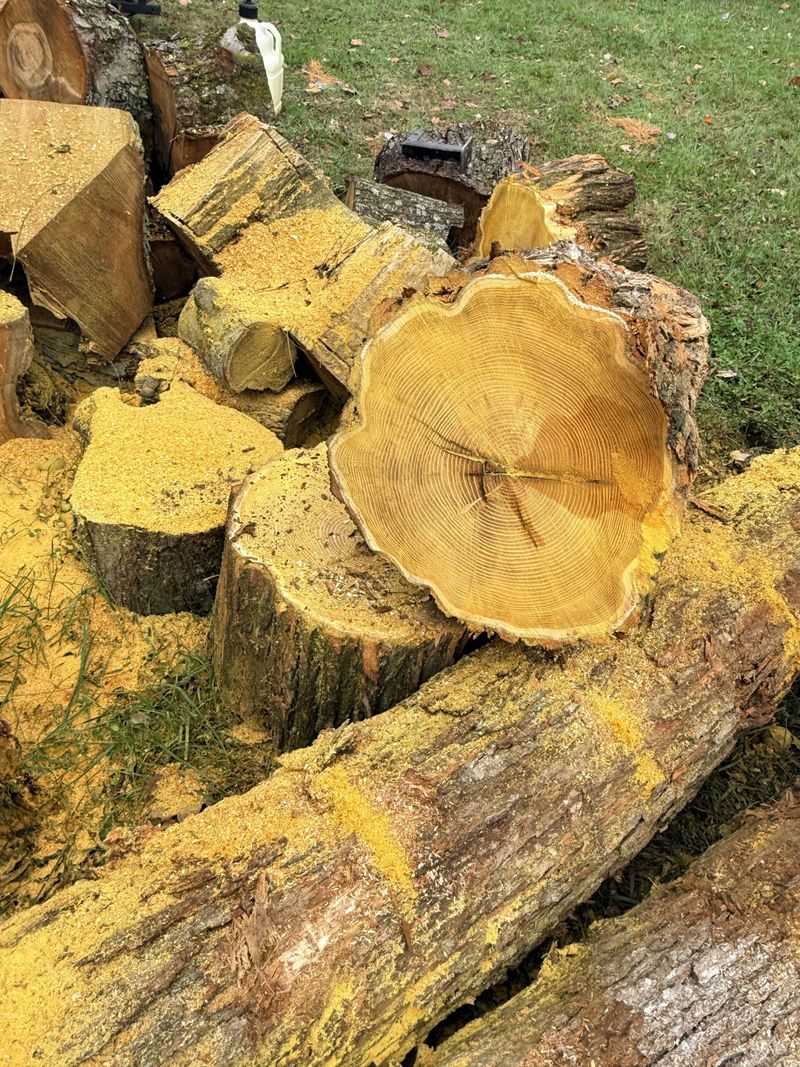
Ask an old Ohio farmer about the best firewood, and you might hear one word with a grin: hedge. Folks who burn it say it can heat a room like nothing else.
They are not exaggerating. Osage orange ranks among the hottest burning woods in North America.
Its high density packs a lot of energy into every log, giving it a very strong BTU rating. BTU simply measures how much heat a fuel puts out.
Hedge often beats favorites like oak, hickory, and ash. A small armful can keep a stove glowing for hours.
That means fewer trips to the woodpile on cold January nights.
There are a few quirks to know about. Hedge wood tends to spark and pop quite a bit, so it works best in a closed wood stove.
Using it in an open fireplace needs a sturdy screen and a careful eye.
It also burns so hot that some stove owners mix it with softer wood. Too much hedge at once might overheat certain stoves.
Check your stove’s manual and start with small loads.
Drying matters, too. Freshly cut hedge holds lots of moisture, so stack and season it for at least a year.
Split logs while they are still green, because dried hedge is very tough to split.
Here is a fun bonus. Hedge wood often smells a bit sweet and earthy while it burns.
Plenty of people find that scent part of the cozy winter charm.
If you have hedge trees on your land, they can provide serious winter heat. Just plan ahead, handle the thorny branches with care, and enjoy one of the warmest fires around.
9. Whole Hedge Apples Won’t Keep Spiders Out Of Your Basement
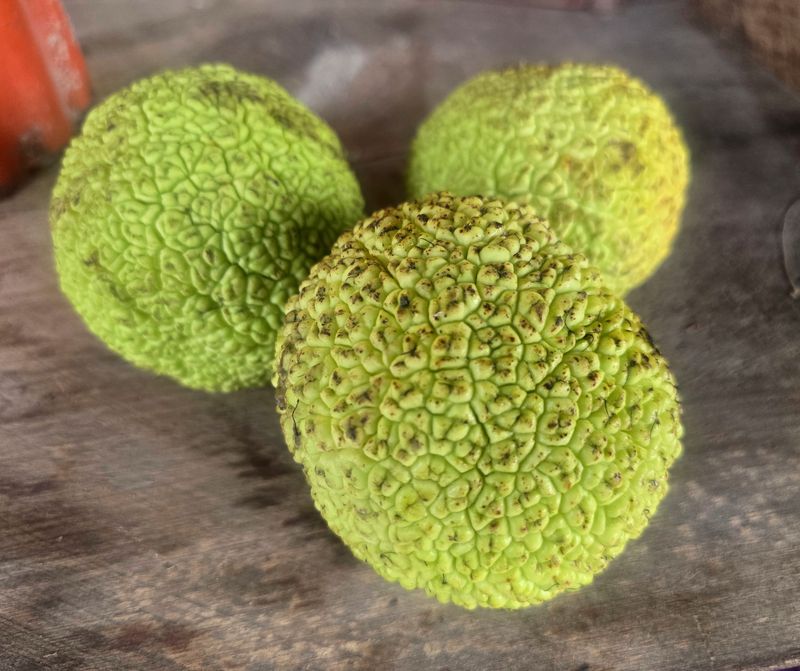
Grandma probably set a few hedge apples in the basement corners every fall. She swore it kept spiders far away, and maybe yours did the same.
It is one of the most popular bits of Ohio folklore. Sadly, research does not back it up.
Studies have found no solid proof that whole hedge apples keep spiders or most other pests out of homes.
Scientists did find something interesting, though. Strong extracts pulled from the fruit showed some repellent effects on certain bugs, like German cockroaches and mosquitoes.
But those tests used concentrated chemicals in small, closed containers.
A whole fruit sitting in an open basement is a very different story. The tiny amount of natural compounds just spreads out too thin to matter.
Spiders barely notice.
In fact, spiders have been spotted living right on Osage orange trees. Some even spin webs on fallen hedge apples.
That is about as clear as nature gets.
So what really helps? Seal cracks around windows, doors, and pipes with caulk.
Use a dehumidifier, since many bugs love damp spaces. Clear away clutter, cardboard boxes, and piles of old clothes where critters hide.
Regular vacuuming removes webs and egg sacs before they become a bigger issue. Sticky traps placed along walls can also catch wandering spiders.
If you have a serious problem, a local pest pro can help.
Does that mean you should toss Grandma’s tradition? Not at all.
Hedge apples still smell nice and look charming, so keep a few around if you enjoy them.
Just pair them with real pest-control habits. That way, you get the cozy family memory and a basement with fewer eight-legged roommates.