7 Texas Plants With Silver Leaves
Have you ever noticed how certain garden plants seem to glow even on the hottest, brightest Texas afternoon?
That effect almost always traces back to silver or grey foliage, and once you start using it deliberately in a Texas garden, the transformation is genuinely striking.
Silver leaved plants do something green foliage simply cannot. They reflect light, cool down the visual temperature of a hot garden bed, and create contrast that makes every color around them appear more vivid.
In a landscape where intense sun and heat are a constant reality, that reflective quality is more valuable than most gardeners realize.
They’re also surprisingly practical. Many silver leaved plants are drought tolerant, heat resistant, and low maintenance once established, making them as functional as they are beautiful.
Texas grows some outstanding silver leaved options worth knowing about.
1. Texas Sage (Cenizo)
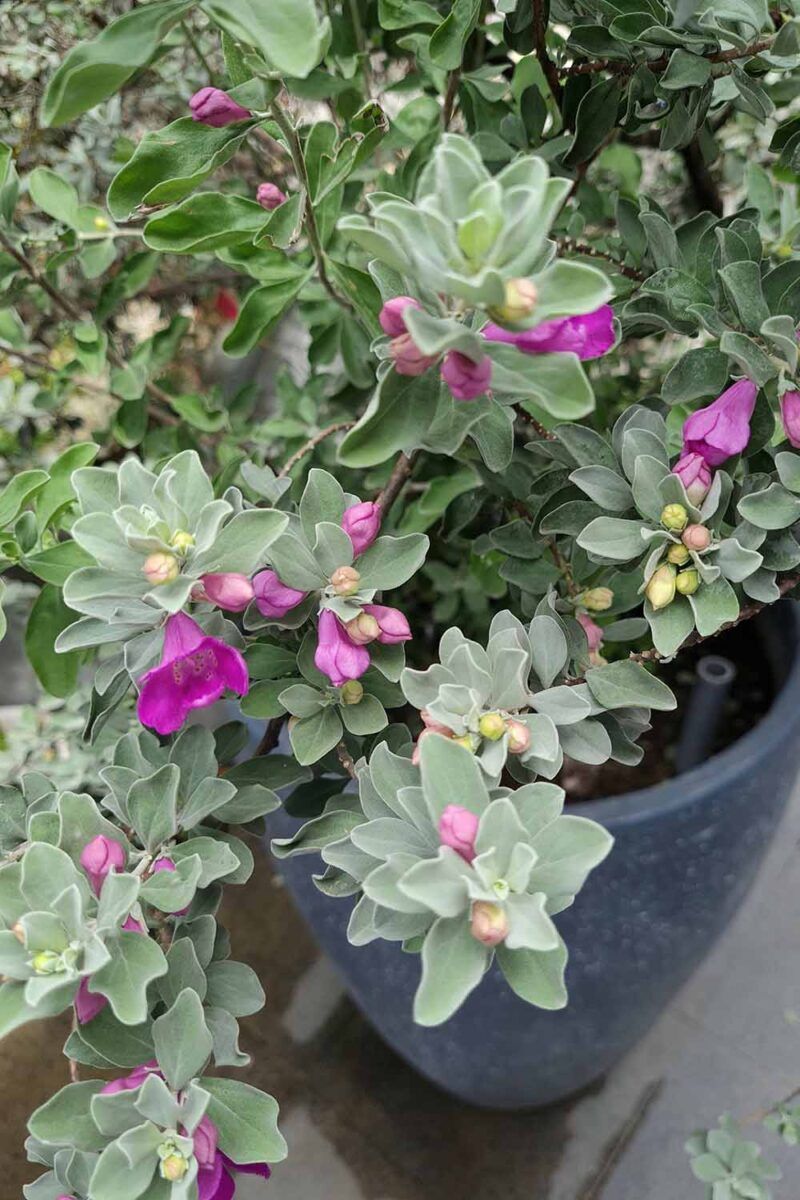
Nothing says Texas quite like a cenizo bush bursting into purple bloom after a summer rain. This hardy native shrub, also called Texas Sage, wears soft gray-green leaves that look almost frosted with silver.
The silvery coating helps the plant survive brutal heat and long dry stretches. When humidity rises before a storm, cenizo puts on a show of lavender or purple flowers.
Some gardeners even call it the barometer bush because it seems to predict the weather.
Cenizo grows well across most of Texas, especially in the hot, dry regions of the west and south. It loves full sun and well-drained soil, and it truly hates having wet roots. Once established, it barely needs any water at all.
You can let it grow into a rounded natural shape or trim it into a neat hedge. Many folks use it along driveways, fences, or as a colorful border. Bees and butterflies love the blooms, so your yard will buzz with life.
One tip worth remembering is to avoid overwatering and heavy fertilizer. Cenizo actually thrives on neglect, which makes it perfect for busy gardeners. Too much kindness can lead to weak, leggy growth.
This shrub can reach five to eight feet tall and wide, so give it room to spread. If it gets too big, a light trim in spring keeps it tidy.
For anyone wanting a low-effort plant that rewards you with silvery leaves and pops of purple, cenizo is a Texas classic that never disappoints.
2. Dusty Miller
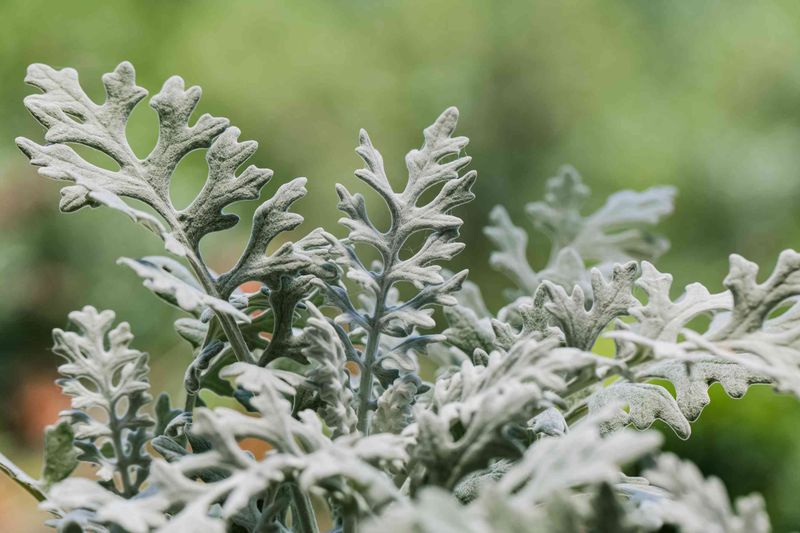
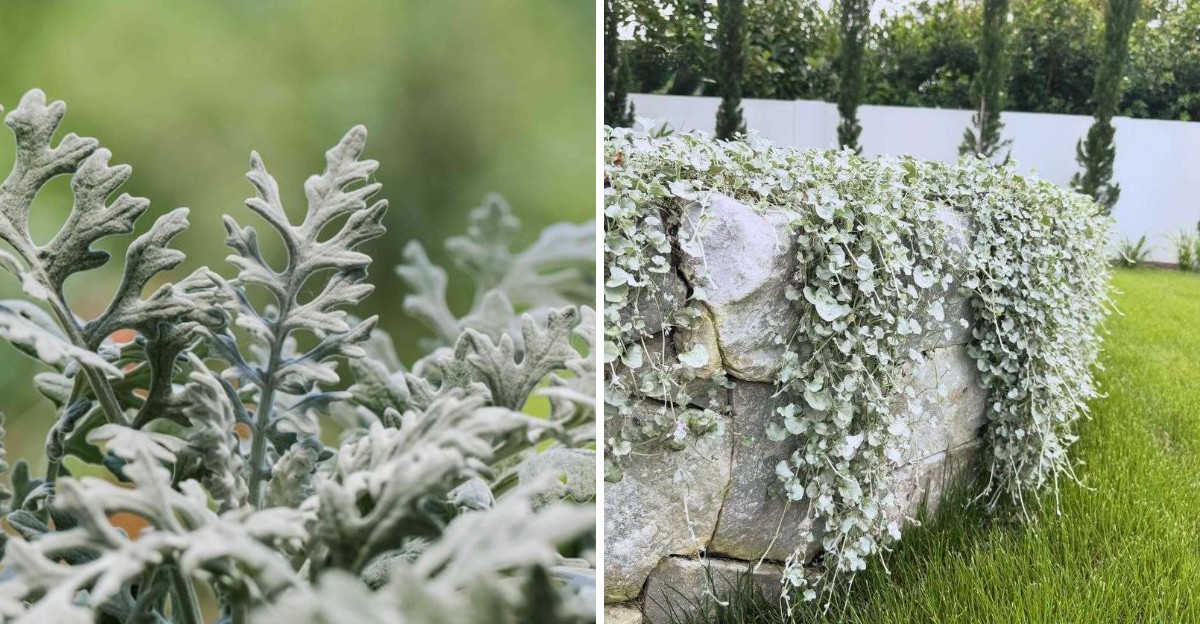
Picture a plant so silvery it looks like it was dusted with powdered sugar. That is Dusty Miller, a garden favorite prized for its lacy, almost white leaves.
This plant is a superstar when it comes to adding brightness to flower beds. Its cool silver tone makes surrounding colors pop, especially reds, pinks, and purples. Gardeners love using it as a filler between blooming flowers.
Dusty Miller handles heat like a champ. The fuzzy coating on its leaves reflects sunlight and keeps moisture locked in. That means it stays happy even when the temperature soars.
You will want to plant it in a spot with full sun to light shade. It prefers soil that drains well and does not stay soggy. Water it during dry spells, but do not drown it.
Your Texas Garden Changes Every Week. Your Plan Should Too.
Gardening in Texas changes quickly throughout the season. Every Friday you’ll receive a simple weekly plan showing exactly what to plant, prune, fertilize, harvest, and protect so you never miss the right timing.
One handy trick is to pinch off any yellow flowers that appear. The blooms are small and not very showy, and removing them keeps the plant focused on growing those gorgeous leaves.
This plant works beautifully in containers, borders, and hanging baskets. Its soft texture pairs wonderfully with bold, glossy-leaved neighbors. Many people even use snipped stems in fresh flower arrangements.
Dusty Miller stays fairly small, usually reaching one to two feet tall. That makes it easy to tuck into tight spaces or the front of a bed.
If you want an easygoing plant that adds a frosty, elegant touch to your garden year-round, Dusty Miller is a smart pick that rarely causes any trouble.
3. Lamb’s Ear
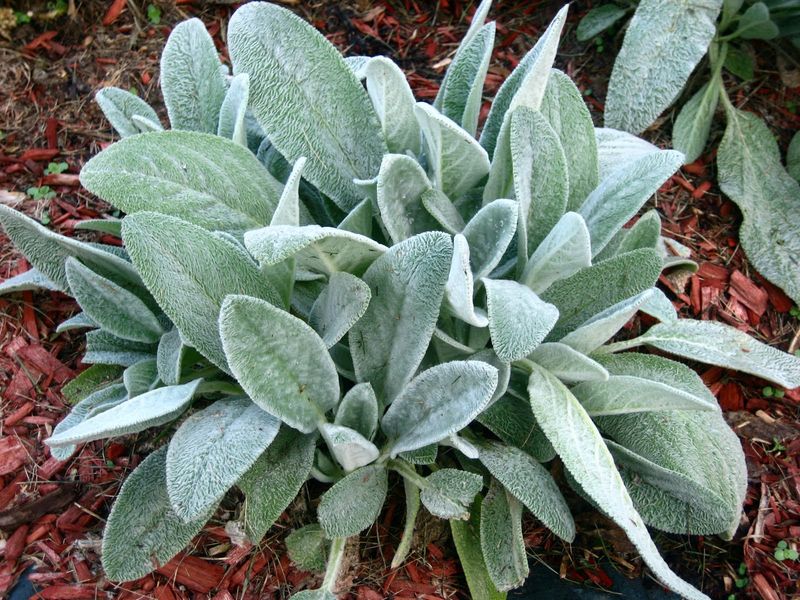
Reach out and touch Lamb’s Ear, and you will understand its name right away. The leaves feel as soft and fuzzy as a real lamb’s ear, wrapped in a silvery velvet coat.
Kids adore this plant because it is so fun to pet. The thick fuzz gives the foliage a shimmering silver-gray look that glows in the garden. It is one of the most touchable plants you can grow.
Lamb’s Ear thrives in the sun and asks for very little in return. Those fuzzy hairs protect the plant from harsh rays and cut down on water loss. Once it settles in, it spreads into a soft silver carpet.
Plant it in full sun or partial shade with soil that drains quickly. Soggy ground is its biggest enemy, so avoid low, wet spots. A little water during droughts keeps it looking fresh.
Because it spreads, Lamb’s Ear makes an excellent ground cover or border edging. It fills in gaps nicely and crowds out weeds. Just trim it back if it starts wandering too far.
In late spring, it may send up tall spikes with small purple flowers. Some gardeners love these, while others snip them off to keep the focus on the fuzzy leaves.
This plant is also great for cutting and using in bouquets, where its soft texture adds contrast. It pairs beautifully with roses and other classic garden flowers.
For a plant that begs to be touched and shines with silver color, Lamb’s Ear brings comfort and charm to any yard.
4. Silver Ponyfoot
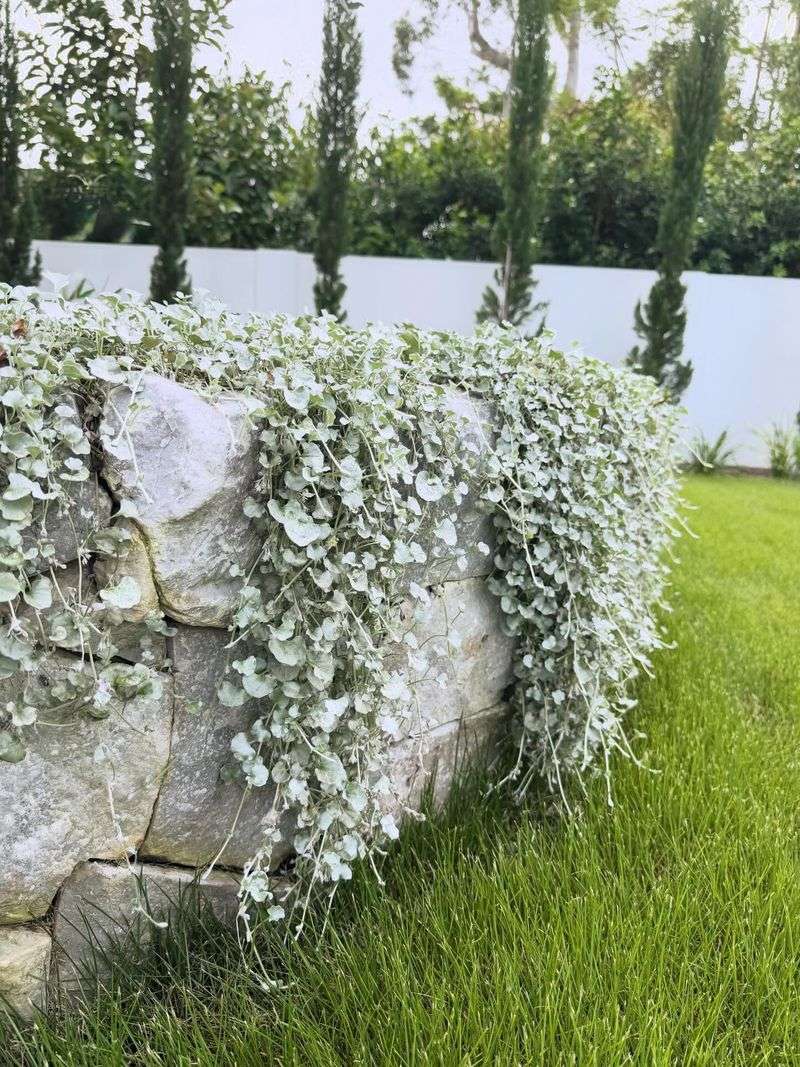
Some plants sneak into your heart with quiet charm, and Silver Ponyfoot is one of them. This low-growing native spreads a shimmering blanket of tiny, coin-shaped silver leaves across the ground.
Native to Texas, it thrives in the exact conditions that make other plants struggle. Heat, drought, and poor soil do not bother it one bit. That toughness makes it a favorite for busy gardeners.
The rounded leaves have a soft, metallic sheen that catches the light. When it drapes over a wall or spills from a hanging basket, the effect is simply stunning. It looks like flowing silver ribbon.
Silver Ponyfoot loves full sun but tolerates a bit of shade too. Give it well-drained soil and watch it creep and cascade with ease. It roots as it goes, filling in bare spots quickly.
This plant is a wonderful choice for spilling over rock walls, edging pathways, or softening the sides of containers. It stays low, usually just a few inches tall, so it never blocks other plants.
One nice bonus is how little care it needs once established. A splash of water during the driest weeks keeps it lush, but it forgives you if you forget.
Because it spreads fast, it works great for covering large areas where you want a silvery carpet. It also helps hold soil in place on slopes.
If you dream of a shimmering ground cover that shrugs off heat and asks for almost nothing, Silver Ponyfoot delivers beauty and toughness in one graceful package.
5. Artemisia (Wormwood)
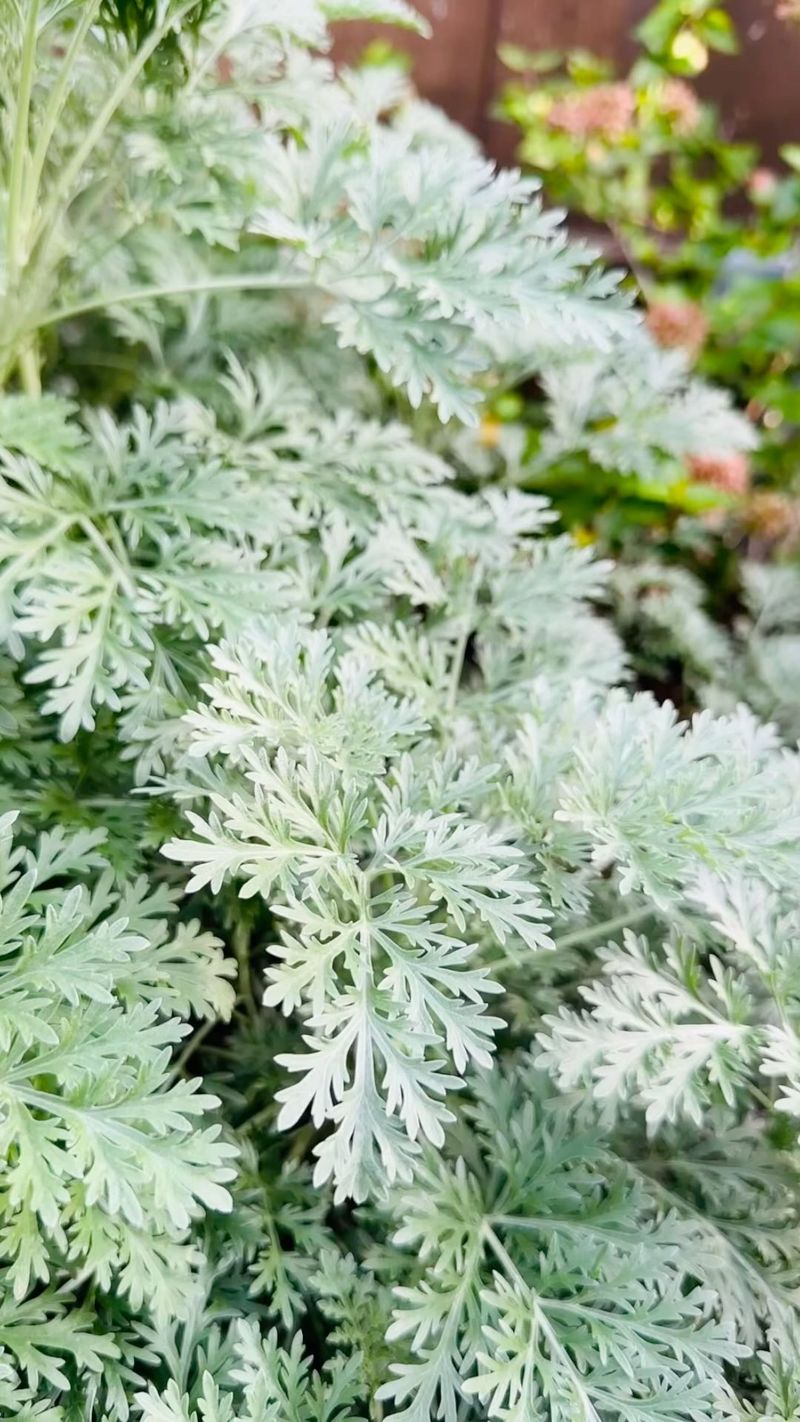
Feathery, ferny, and dressed in cool silver, Artemisia adds a soft, dreamy texture to any garden. This group of plants, often called wormwood, is loved for its finely cut silvery foliage.
Gardeners reach for Artemisia when they want a plant that looks delicate but acts tough. Behind that lacy appearance is a plant built to survive dry, sunny spots. It thrives where many others fade.
The silver color comes from a fine layer of tiny hairs. These hairs reflect sunlight and shield the plant from heat. As a bonus, many types release a pleasant, herby scent when brushed.
Artemisia wants full sun and soil that drains fast. It really dislikes wet feet, so skip heavy watering. Once it takes hold, it is remarkably drought-tolerant.
Popular varieties like Powis Castle form soft, mounding shapes that fill space beautifully. They make excellent partners for brightly colored flowers, since the silver tones down bold hues. The contrast is eye-catching.
You can use Artemisia in borders, rock gardens, or as a backdrop for roses and salvias. A light trim in spring keeps the plant full and shapely. Avoid cutting too far into old, woody stems.
Some folks also grow Artemisia to help repel certain insects, thanks to its strong scent. Others enjoy it simply for the moonlit glow it brings after sunset.
For a plant that mixes graceful texture with silver beauty and iron-tough resilience, Artemisia is a wonderful addition to a Texas landscape that keeps looking good through the toughest summers.
6. Silverleaf Nightshade
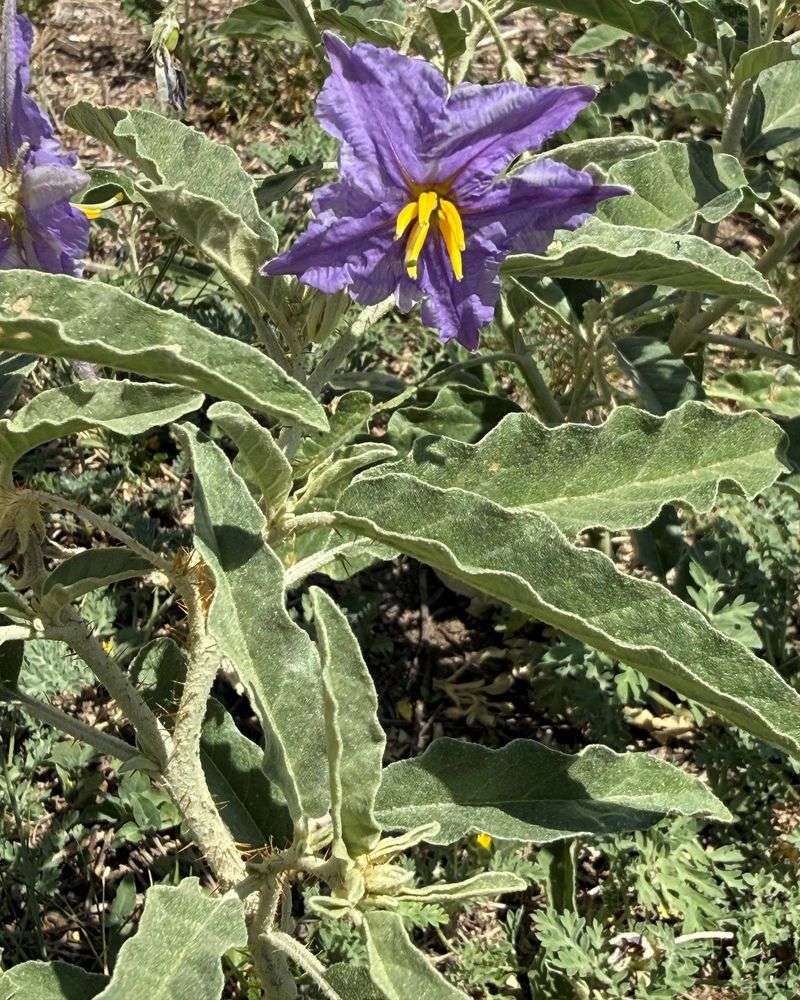
Out in the open Texas fields, you might spot a wildflower with striking silver leaves and purple, star-shaped blooms. That is Silverleaf Nightshade, a native plant with a rugged personality.
This plant is famous for surviving in some of the harshest conditions around. Roadsides, dry pastures, and rocky ground are all fine with it. Its silvery-gray leaves help it beat the heat.
The fuzzy silver coating on the foliage reflects sunlight and reduces water loss. That is why it stays green and healthy even in the middle of a scorching summer. It is a true survivor.
Its flowers are quite pretty, showing off purple petals with a bright yellow center. Bees visit them often, adding a cheerful buzz to the landscape. Later, small yellow berries appear on the plant.
A word of caution goes with this one. Silverleaf Nightshade is considered a weed by many farmers because it spreads aggressively and its berries are not safe to eat. So plant it carefully, if at all.
Because it grows wild and tough, it needs zero care to thrive. It handles drought, poor soil, and neglect without complaint. Some people appreciate it purely for its silvery beauty and pollinator appeal.
If you choose to keep it around, plant it in a spot where you can control its spread. Full sun and dry ground suit it best.
Silverleaf Nightshade shows how nature blends beauty and grit. Its silvery leaves and purple stars make it a memorable, if a bit wild, part of the Texas scenery.
7. Lavender
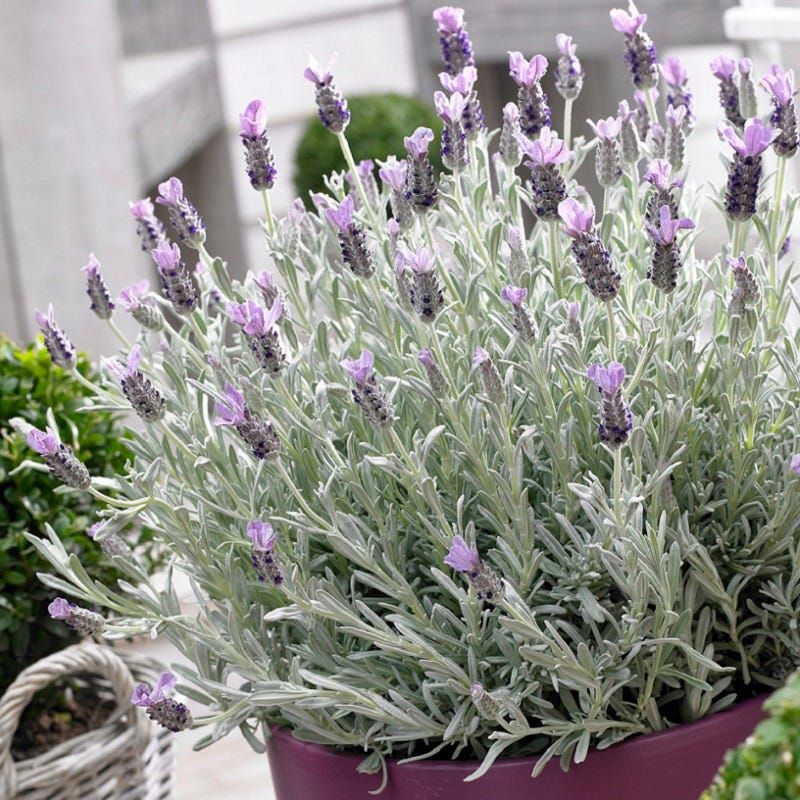
Close your eyes near a lavender plant and breathe in. That calming, sweet scent comes from a herb with slender silver-green leaves and lovely purple flower spikes.
Lavender is beloved worldwide, and certain types grow beautifully in Texas. The silvery cast on its narrow leaves helps it handle sun and heat. It brings both fragrance and beauty to a garden.
Choosing the right variety matters here. Spanish and French lavenders often handle Texas humidity better than others. Pick one suited to your area for the best results.
This herb craves full sun and soil that drains quickly. Heavy, wet ground is its worst enemy, so raised beds or gravelly soil work great. Water sparingly once it is established.
The purple blooms attract bees and butterflies, turning your yard into a busy pollinator stop. You can also cut the flowers and dry them for sachets or crafts. Their scent lingers for months.
Beyond looks, lavender has plenty of uses. People add it to teas, baked goods, and homemade soaps. Its calming aroma is a favorite for relaxation.
Give your plant good air flow by spacing it out from neighbors. This helps prevent moisture from getting trapped, which lavender does not like. A light trim after blooming keeps it neat and encourages more flowers.
Lavender pairs wonderfully with other silver plants like Artemisia or with bright roses. The combination is both fragrant and striking.
For a plant that delivers silvery foliage, gorgeous color, and a scent that soothes the soul, lavender is a rewarding choice for any sunny garden spot.