The First Crane Flocks Are Already Moving Over Northern Indiana
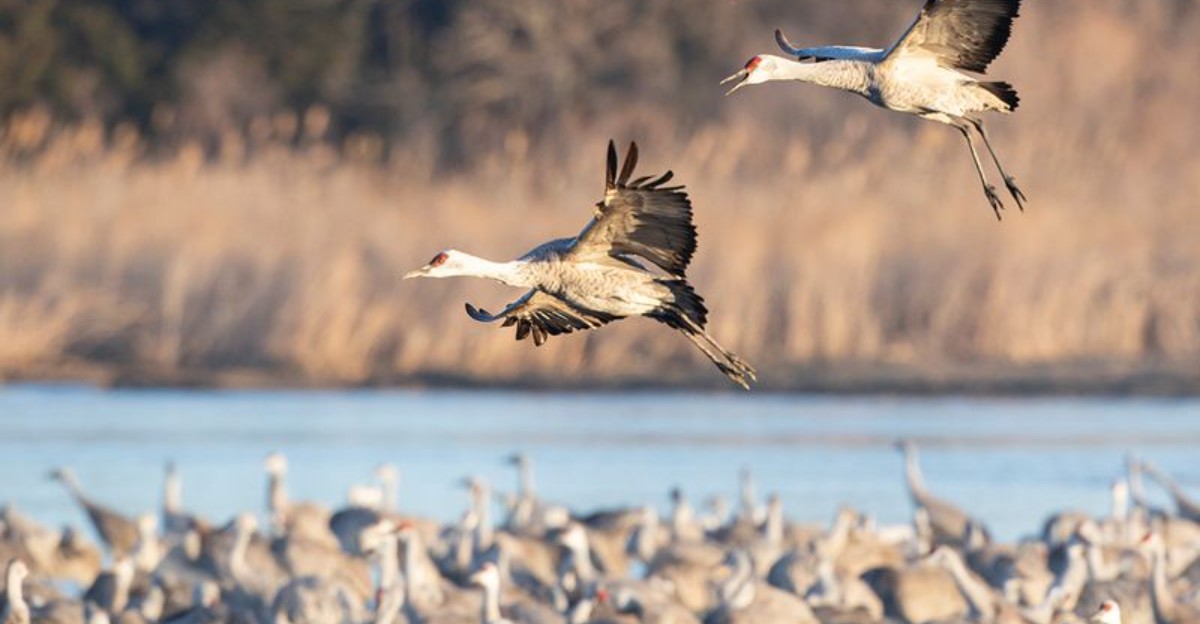
Something odd rolls across northern Indiana skies each fall, long before the first serious snow arrives. You hear a wild rattling music overhead, then squint upward and see nothing but gray clouds.
Farmers glance up from combines, and kids at bus stops spin in slow circles looking for it. The sound carries for miles, bouncing off bare fields like someone shaking a bag of marbles.
By the time your eyes adjust, the ragged lines are already halfway toward the horizon. They travel in loose, wobbly formations that look less like arrows and more like scattered handwriting.
Northern Indiana sits right under one of the busiest flight lanes in the eastern half of the country. Your neighbors will swear it was a UFO, right up until one lands in their soybeans.
Cold Fronts Behind The Early Push
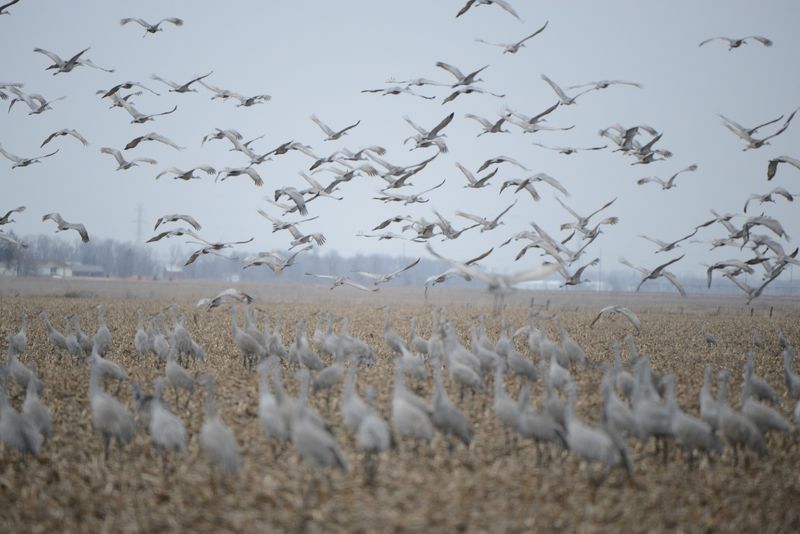
Blame the weather map instead of the calendar for those early flocks. Sandhill cranes ride north winds the way surfers ride waves, saving precious energy.
A strong cold front sweeping down from Canada gives birds a free push south. Flocks that were loafing in Wisconsin marshes lift off within hours of that shift.
Falling temperatures also freeze shallow wetlands where cranes sleep, nudging them toward open water farther south. Once roosting spots harden, staying put stops making sense for a tall wading bird.
Shorter daylight works on them too, triggering restlessness that biologists call migratory urge. Birds feel the change in their bodies well before people reach for heavier coats.
Food supply matters just as much as wind and cold. Harvested corn fields packed with spilled grain act like roadside diners along the whole route.
Watch the forecast if you want to predict a big movement day yourself. Clear skies, brisk northwest winds, and a sharp drop overnight usually mean busy mornings.
Some years the first waves arrive in mid September, surprising folks who expect Halloween. Warm autumns stretch things out, while an early blast of Arctic air compresses everything.
Keep a simple notebook of dates and weather, and patterns appear within two seasons. You will start calling flights before they happen, which feels a little like magic.
Neighbors often assume the birds follow a strict schedule handed down through generations. Weather, more than habit, decides when that plan kicks in each autumn.
Autumn Timing Along The Kankakee Corridor
Late September brings scouts, small groups of twenty or thirty testing the route. Locals near Medaryville often hear them first, usually while doing chores outside.
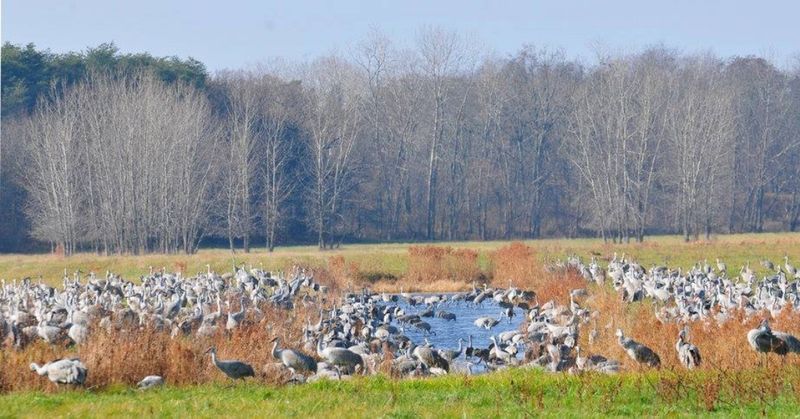
October builds steadily, with hundreds turning into thousands at Jasper-Pulaski Fish and Wildlife Area. The marsh there has served as a staging ground for decades.
November holds the headline numbers, sometimes topping twenty thousand birds in a single count. Mid month evenings can feel crowded, both with cranes and with parked cars.
December depends heavily on ice, since open water decides whether flocks linger or leave. Mild winters now keep a surprising number of birds in Indiana past the holidays.
Morning flights start around sunrise, when groups lift from roost ponds toward breakfast fields. Evening returns begin roughly ninety minutes before dark and continue until light fades.
Your Indiana Garden Changes Every Week. Your Plan Should Too.
Gardening in Indiana changes quickly throughout the season. Every Friday you’ll receive a simple weekly plan showing exactly what to plant, prune, fertilize, harvest, and protect so you never miss the right timing.
Spring reverses the whole pattern, with February and March pushing birds back toward Michigan. Those return trips move faster because breeding territory waits at the other end.
Weekday visits beat weekends if you dislike crowds at the observation platform. Arrive an hour early, claim a spot, and let the noise build around you.
Check the property manager count updates posted online before driving two hours. Numbers swing wildly, and nobody enjoys a long trip toward an empty marsh.
Fog can scramble everything, keeping flocks grounded until midmorning burns the gray away. Patience pays on those mornings, because the eventual liftoff happens all at once.
Dress warmer than the thermometer suggests. Open fields turn ordinary wind into something personal.
Mistaken Identity With Great Blue Herons
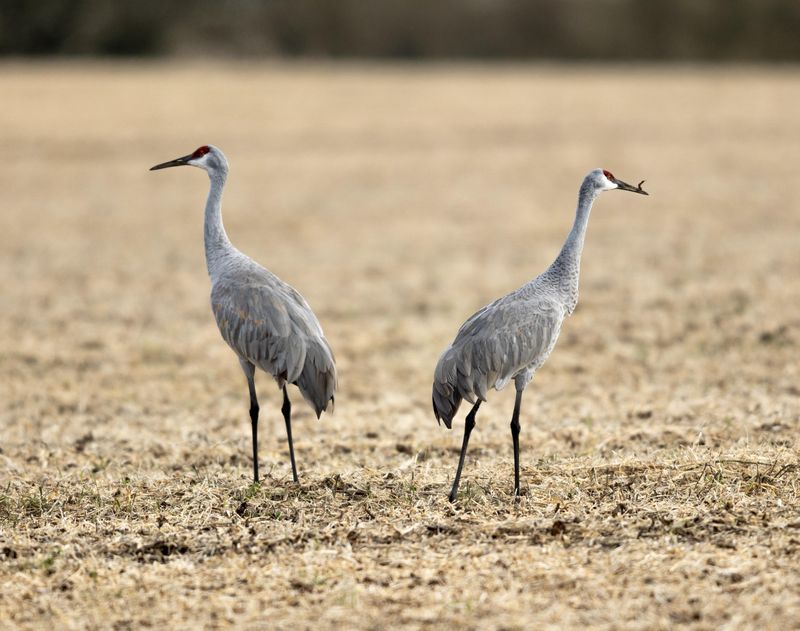
Every fall, somebody posts a photo of a lone gray bird labeled crane. More often than not, that patient fisherman is a great blue heron.
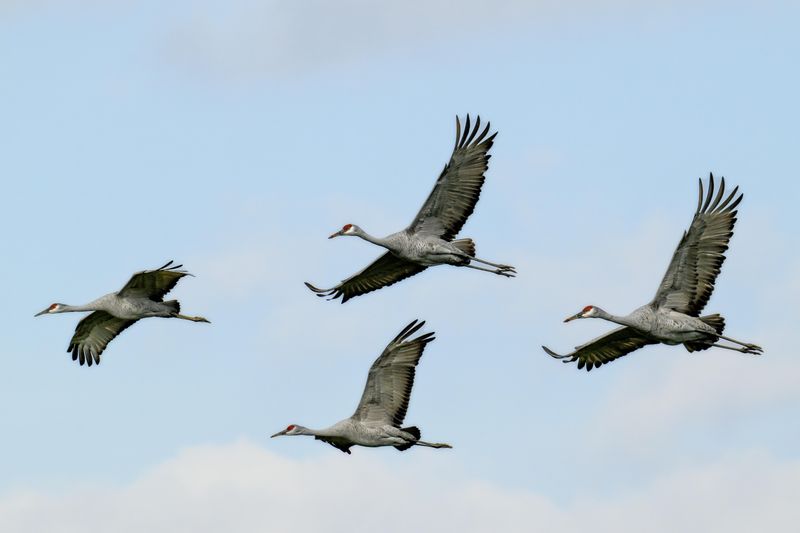
Herons fly with necks folded into a tight S shape against their shoulders. Cranes stretch their necks straight forward, legs trailing behind like loose rudders.
Sound settles arguments fastest, since a crane call rattles and rolls across open country. Herons croak once, sounding like a rusty gate complaining about the weather.
Cranes gather in flocks, sometimes hundreds strong, wheeling in wide circles on warm air. Herons prefer solitude and rarely tolerate company beyond nesting colonies in spring.
Look for the red crown patch on adult sandhills, visible through decent binoculars. Young birds wear rusty brown feathers and lack that bright forehead marking.
Geese cause confusion too, though their honking sounds flatter and more repetitive. Goose formations hold tight V shapes, while crane lines wobble and reshuffle constantly.
Cranes also feed in dry stubble fields, far from water, which surprises many people. Herons stay close to ditches, ponds, and slow river edges hunting frogs.
Size fools folks as well, because both stand roughly four feet tall. Wingspan tells more, with cranes spreading nearly seven feet across in flight.
Correct identification matters for citizen science counts that track population health. Reporting a heron as a crane skews numbers that researchers rely on.
Practice pays off quickly once you connect the sound to the silhouette. After one good look, the two birds stop being easy to confuse.
Better Sightings With Simple Gear And Patience
Fancy equipment helps less than most beginners expect on a crane outing. A cheap pair of eight power binoculars handles most of the work.
Position usually beats magnification, so park where the light sits behind you. Afternoon sun at your back turns distant gray shapes into crisp, detailed birds.
Bring a folding chair, because the best viewing happens over a slow ninety minutes. Standing gets old fast when November wind sweeps across a flat marsh.
A spotting scope shines at Jasper-Pulaski, where flocks gather far across the viewing field. Borrow a look through someone else’s scope before spending real money on one.
Cameras struggle in low evening light, so raise your ISO and accept some grain. Sharp memories often beat sharp photos on a trip like this anyway.
Keep car doors quiet and voices low near roosting areas at dusk. Sudden noise can lift an entire flock and end the show early.
Layer clothing instead of relying on one heavy coat that traps sweat. Wool socks and a warm hat matter more than most people expect.
Scan the horizon rather than staring straight up, since flocks approach low and wide. Movement catches your eye faster in peripheral vision than in a locked stare.
Give yourself two hours minimum, and let the birds set the schedule. Rushing a crane watch works about as well as rushing a sunset.
Download a bird call app and listen to recordings before you go. Recognizing that rolling bugle from a mile away helps you spot flocks sooner.
The Sunset Flyover Payoff At Dusk
Little on a northern Indiana calendar compares to the last thirty minutes of crane daylight. The whole marsh shifts from quiet to chaotic as flocks pour in overhead.
Birds arrive from every direction, dropping altitude with a move called whiffling. They tip sideways, spill air from their wings, and tumble down like leaves.
Sound layers on itself until thousands of voices blend into one rolling roar. Visitors often laugh out loud the first time it hits full volume.
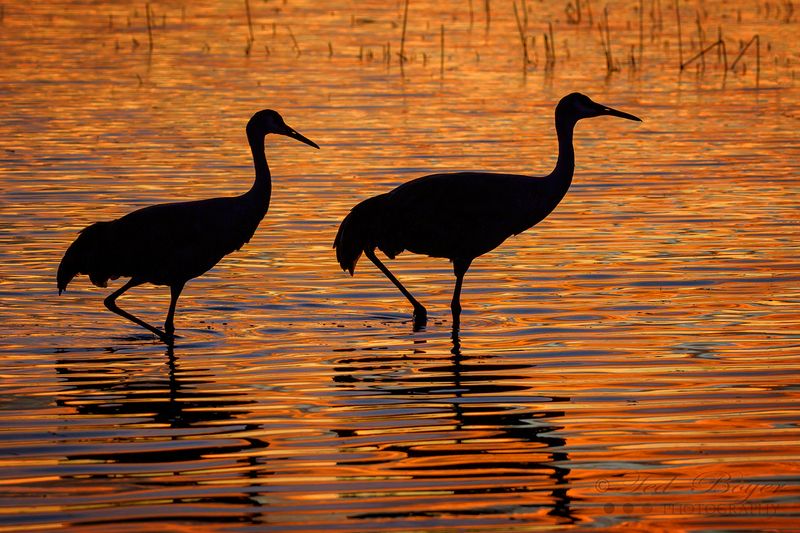
Silhouettes against an orange sky give photographers their favorite shot of the season. Even phone cameras manage something worth keeping when the horizon glows pink.
Families with restless kids do fine here, since the action holds attention naturally. Few complain about standing still when birds are landing two hundred yards away.
Dancing happens too, with cranes bowing, leaping, and tossing sticks into the air. Those displays strengthen pair bonds that often last decades between mates.
Adults pair for life, and families travel together with young birds tagging along. Colts, the name for crane chicks, stay with parents through their first winter.
Stay until full dark if you can handle the cold for another twenty minutes. The final flocks come in nearly invisible, announced only by their voices.
Drive home slowly, because deer share those country roads at exactly that hour. Drive slower than usual, since deer move unpredictably on those roads after dark.
Weekend crowds fill the platform, so arrive by four thirty for elbow room. Latecomers end up watching from the gravel lot, which honestly still works.
Respectful Distance And Quiet Fields
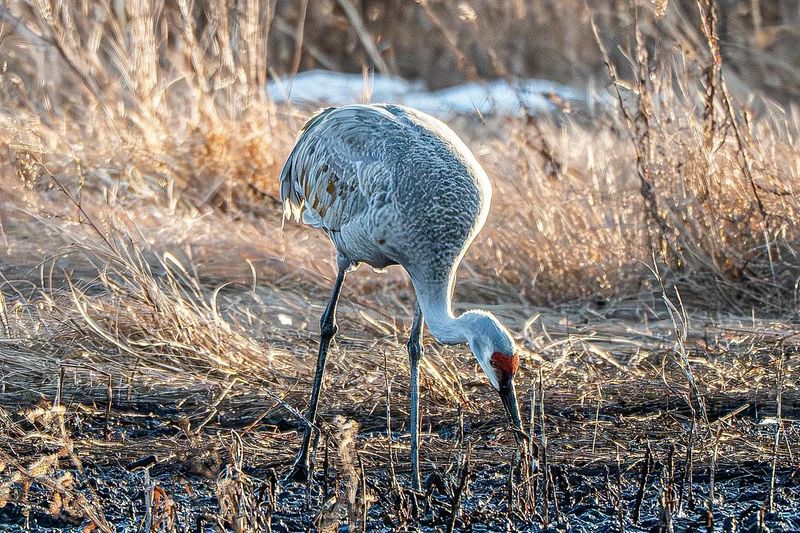
Cranes tolerate cars far better than they tolerate people walking toward them. Staying inside your vehicle often gets you closer than any careful approach on foot.
Flushing a flock burns fat reserves that birds need for the next long flight. Every unnecessary takeoff costs energy they cannot easily replace in cold weather.
Stick to designated viewing areas and public roads instead of crossing private farmland. Indiana landowners have been generous, and trespassing threatens that goodwill for everyone.
Drones are prohibited near wildlife areas, and for good reason around nervous flocks. A hovering machine reads as a predator to birds watching the sky constantly.
Dogs stay home for crane trips, no matter how well behaved they seem. Even a leashed dog reads as danger to a resting group of birds.
Hunting seasons exist in some states, though Indiana currently protects sandhill cranes. Regulations shift, so check current rules before assuming anything about the law.
Report banded or collared birds to researchers, since those sightings carry real value. Each report fills a gap in maps showing where individual cranes travel.
Skip playback recordings meant to lure birds closer for a better photograph. Fake calls confuse flocks and waste the energy they spend responding.
Wetland protection back home matters more than perfect field manners on one visit. Supporting local conservation groups keeps roost sites available for the next generation.
Habitat loss remains the biggest long term concern for these tall travelers. Fortunately, sandhill numbers have climbed steadily since the low point around 1940.