What Oregon Gardeners Should Transplant During This Week’s Rare September Dry Stretch
A rare stretch of dry weather can give Oregon gardeners a useful window for moving plants that would otherwise be difficult to transplant once the fall rains return.
If you have shrubs, perennials, or other plants that need a new spot, a few dry days can make the work easier and give you better control over the soil.
Timing still matters, though. Some plants handle a fall move well, while others are better left undisturbed until another season.
You also want to avoid working soil when it is too wet, since digging through saturated ground can damage its structure and create problems around plant roots.
Take advantage of the dry weather by choosing transplants that can benefit from cooler conditions and giving them a properly prepared new home.
A little planning now can help your plants settle in before Oregon’s wetter weather returns.
1. Move Established Perennials Before The Soil Gets Wet
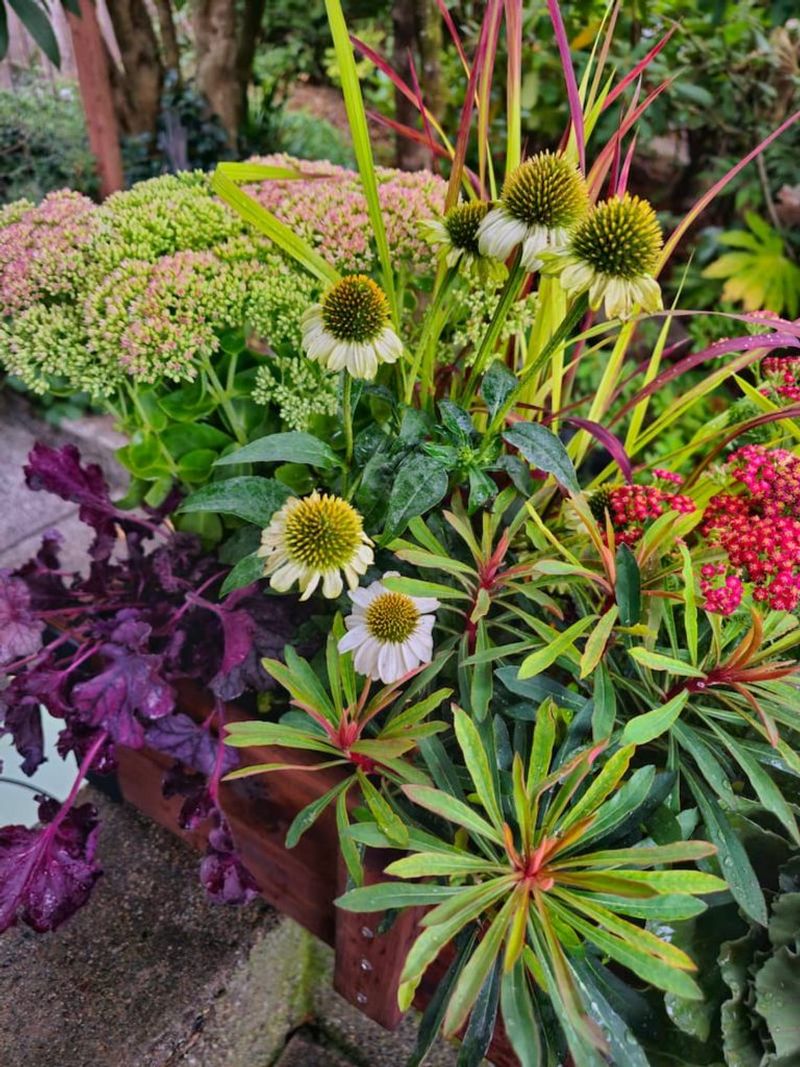
Warm, dry soil is a friend to any plant you want to move. Right now the ground digs like soft cake instead of thick mud.
Established perennials, like daylilies or black-eyed Susans, settle in fast when moved this week. Their roots find new space before the rains slow everything down.
Start by watering the plant a day before you dig. Moist roots stay together better and handle the trip to a new spot.
Dig a wide circle around the plant. Reach deep so you keep as many roots as possible. Big root balls mean happier plants later.
Pick your new hole first, then lift the plant last. Roots hate sitting out in the open air for long.
Set the plant at the same depth it grew before. Planting too deep can smother the crown and slow spring growth.
Press the soil gently around the base. You want good contact but not a hard, packed lump.
Give it a slow, deep drink right away. That helps the soil hug the roots and pushes out air pockets.
Once wet weather arrives, these movers will already feel at home. That head start pays off with strong blooms next year, and you will be glad you acted during this rare sunny break.
2. Divide Crowded Perennials While The Weather Is Mild
Plants get greedy over time. They spread wider each year until they crowd out their neighbors and even themselves.
Mild September days make dividing these clumps easy and gentle. The soft weather keeps stress low for both the plant and you.
Look for perennials with bare centers or fewer flowers than before. That empty middle is a clear sign it is time to split them.
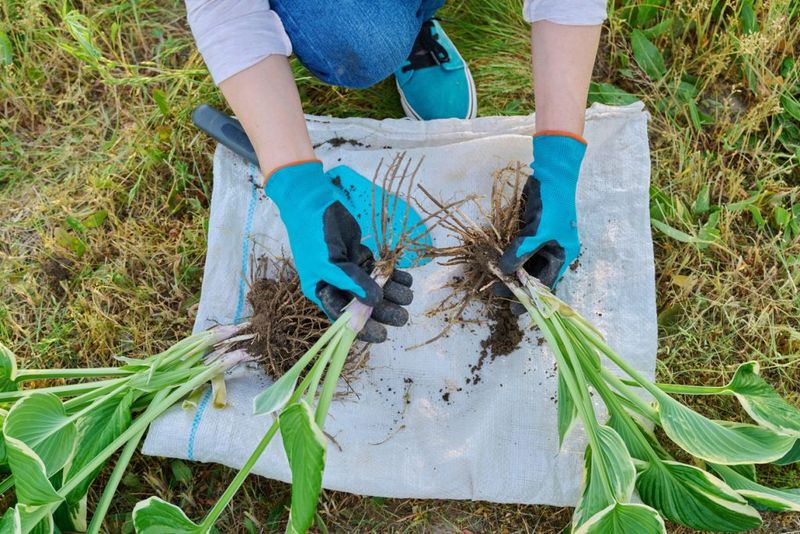
Lift the whole clump with a fork. Shake off loose dirt so you can see where the healthy roots grow.
Pull the clump apart with your hands or slice it with a sharp spade. Aim for chunks about the size of your fist.
Toss out any old, woody centers. Keep the fresh outer pieces that hold strong roots and green shoots.
Your Oregon Garden Changes Every Week. Your Plan Should Too.
Gardening in Oregon changes quickly throughout the season. Every Friday you’ll receive a simple weekly plan showing exactly what to plant, prune, fertilize, harvest, and protect so you never miss the right timing.
Replant the new divisions right away in spots you have already prepared. Space them out so they have room to spread again.
Sharing is a fun bonus here. Extra divisions make great gifts for friends or neighbors who love plants too.
Water each piece well after planting. Mild air means less shock, so most divisions bounce back quickly.
Come spring in Oregon, you will have more plants filling your beds with color, all thanks to a little splitting done during this dry, easygoing week.
3. Transplant Hostas Before Fall Cold Arrives
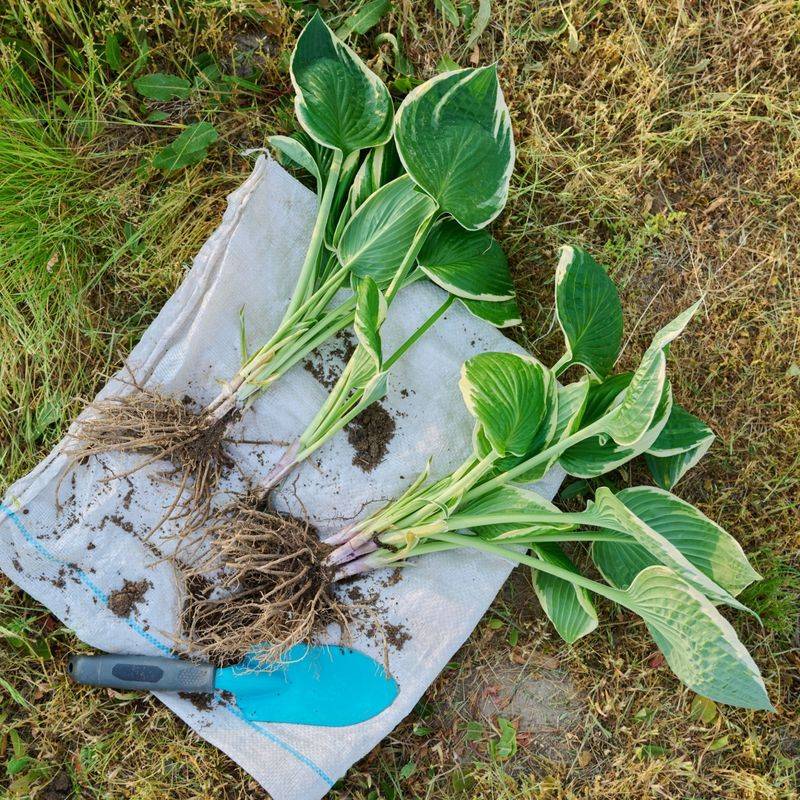
Shade lovers like hostas enjoy a move while the air is still gentle. Cold weather slows their roots, so timing really counts.
Right now the soil holds warmth that helps them settle. Wait too long and the chill makes rooting slow and tough.
Water your hostas the day before digging. Firm, damp roots hold together and travel to a new home with less fuss.
Slide your shovel deep around the plant. Hostas grow from thick crowns, so keep plenty of root attached below.
Big hostas can be split at the same time. Just cut the crown into sections, each with roots and a few leaf buds.
Choose a shady or partly shady spot for the new home. Too much sun can scorch those broad, pretty leaves.
Set the crown level with the soil surface. Planting it too deep may cause rot once the rains begin.
Water slowly and deeply after planting. Add a light layer of mulch to lock in moisture and warmth.
Fun fact: hostas can live for decades in the same garden, sometimes longer than the gardener who planted them.
By moving them now, you give these leafy favorites time to grip the soil before frost. Next spring, fresh shoots will unroll right where you want them.
4. Move Peonies While They Are Going Dormant
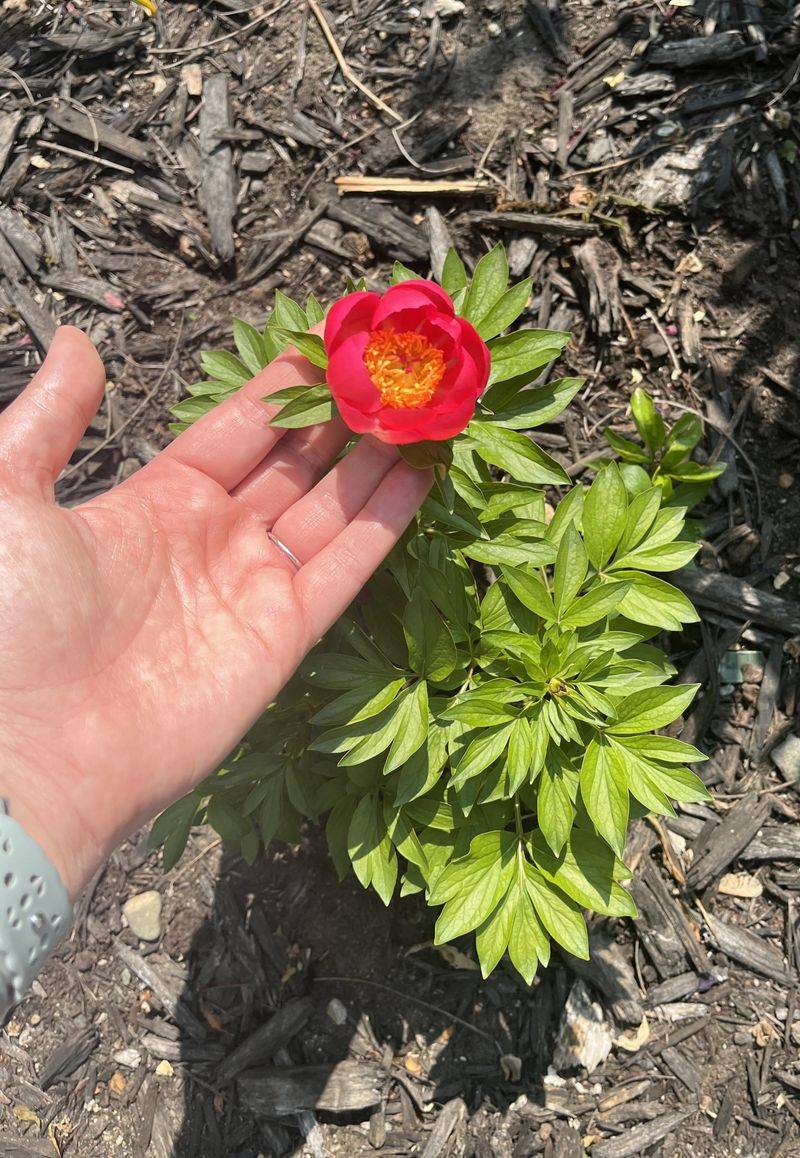
Peonies are patient beauties that hate being rushed. Fall, as they slip into rest, is the best moment to move them.
Their leaves fade and flop over now, a signal that the plant is powering down for the season.
Cut the stems back to a few inches above the ground. That makes the whole clump easier to dig and handle.
Loosen the soil in a wide ring, then lift the root gently. Peony roots are thick and can snap if you tug hard.
Look for the small pink or red buds called eyes on top of the roots. Those little bumps become next year’s stems.
Here is the trick many people miss. Plant the eyes only one to two inches below the surface.
Bury peonies too deep and they may sulk for years without a single bloom. Shallow is the secret to flowers.
Pick a sunny spot with rich, well-drained soil. Peonies love light and can stay put for generations.
Firm the soil gently and water it in. Then leave the plant alone to rest through winter.
Be patient after moving them. Peonies sometimes skip blooming the first spring while they adjust, but the wait is worth it.
Get this job done during the dry stretch, and you will enjoy those famous fluffy blooms for many springs to come.
5. Relocate Iris Before Winter Sets In
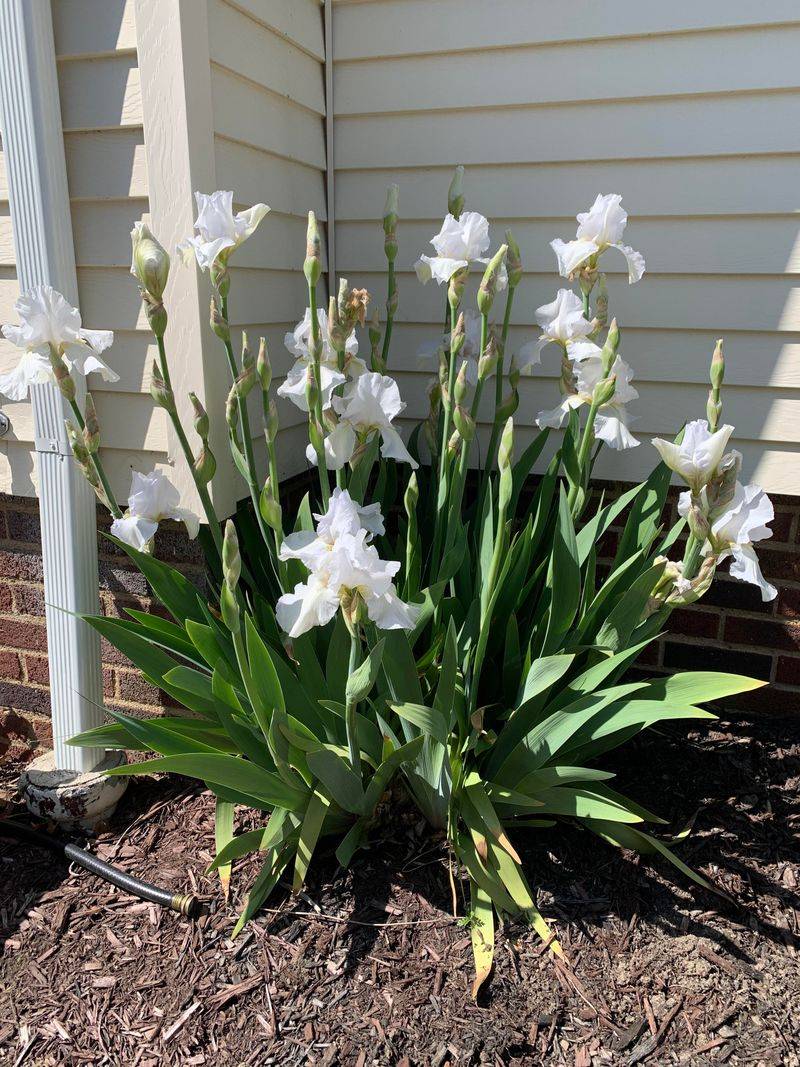
Bearded iris grow from fat roots called rhizomes that rest right at the soil surface. They love a fresh start in fall.
Over a few seasons these rhizomes crowd together and flowering fades. Moving them now brings back their color.
Lift the clump with a fork and brush off the dirt. You will see chunky rhizomes linked like a tangle of fingers.
Snap or cut them into pieces. Each good piece should have firm flesh and a fan of leaves attached.
Trim the leaves into a short fan shape, about six inches tall. Shorter leaves help the plant balance while roots regrow.
Toss any soft or hollow pieces. Only keep the healthy, solid rhizomes for replanting.
Set each rhizome so its top just peeks above the soil. Bury it too deep and blooms will hide away.
Point the leaf fan in the direction you want growth to spread. Give each piece space to stretch out.
Choose a sunny, well-drained spot since iris dislike soggy feet. Water lightly right after planting.
Cooler Oregon days ahead mean less stress as they root in. By the time winter arrives, they will be tucked in and ready.
Next summer, those tall, ruffled flowers will thank you with a fresh burst of purple, blue, or gold in your beds.
6. Give Newly Moved Plants Time To Grow New Roots
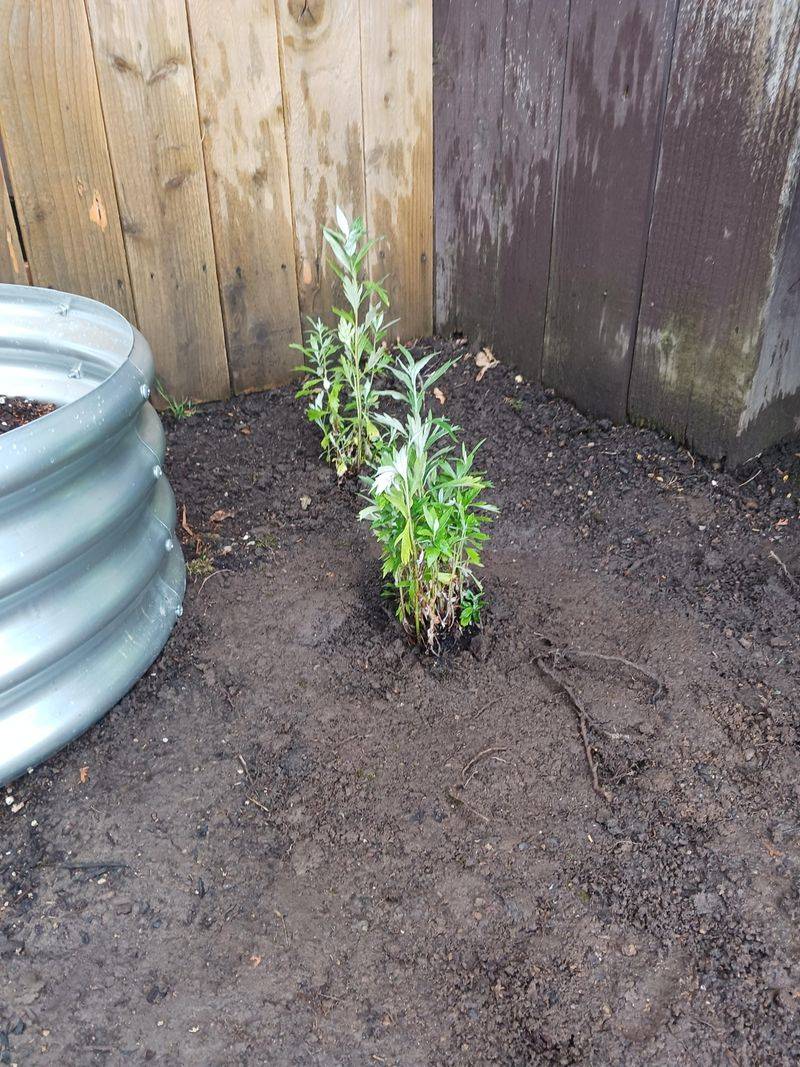
Moving a plant is only half the job. What happens in the following weeks decides how well it takes hold.
Fresh transplants spend their energy growing new roots first. Leaves and flowers can wait until that hidden work is done.
Try not to fuss over them too much. Poking and prodding roots only slows their progress underground.
Skip heavy fertilizer right now. Strong feeding pushes leafy top growth when the plant really needs root growth instead.
Add a layer of mulch around each plant. Mulch keeps the soil warm and holds moisture where roots can reach it.
Keep an eye on the weather too. This dry stretch is short, so the plants need your help until rain returns.
A little droop in the first days is normal. Most plants perk back up once their roots find fresh soil.
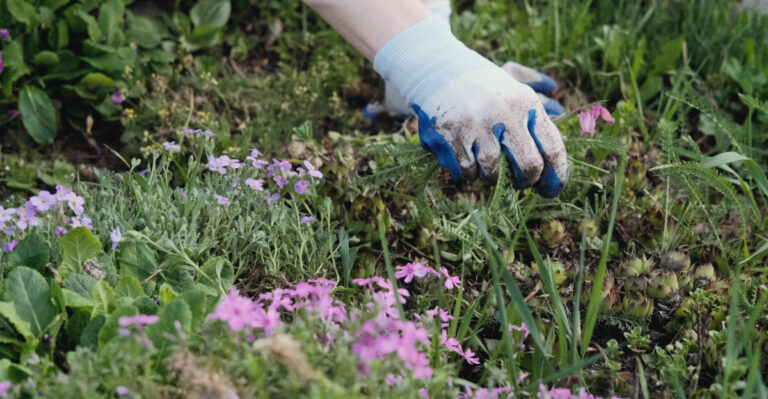
Pull any weeds nearby so your transplants do not have to share water and food. Less competition means faster recovery.
Cooler nights actually help here. Plants lose less water in mild weather, so they settle in with less strain.
Give them a few quiet weeks of care and patience. Roots grow best when left undisturbed in warm, moist ground.
The reward comes next season, when strong roots push out healthy shoots and blooms all across your refreshed garden beds.
7. Water Deeply After Transplanting
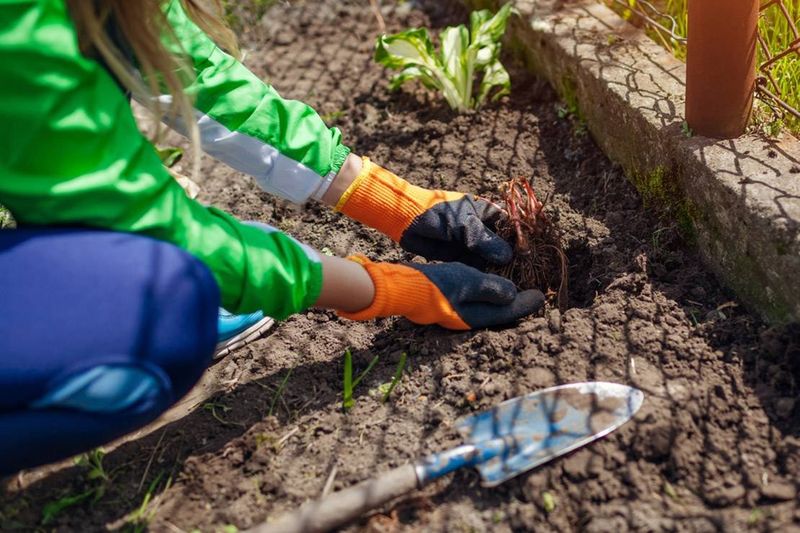
Every good transplant job ends with a long, slow drink. Water is what glues the roots to their new soil.
A quick splash is not enough. Deep watering soaks past the surface and reaches the roots hiding below.
Pour slowly at the base of each plant. Let the water sink in instead of running off the top.
Deep soaking also pushes out air pockets around the roots. Those hidden gaps can leave roots dry and thirsty.
Aim for moist soil about six inches down. Stick a finger in to check if you are unsure.
Morning is a great time to water. Plants drink up before the day warms, and leaves dry off before night.
Even with rain on the way, that first big watering matters most. It helps roots settle before the weather shifts.
Watch newly moved plants for the next week or two. If the top inch feels dry, give them another deep drink.
Be careful not to overdo it once the rains come. Soggy soil can be just as hard on roots as dry soil.
Adding mulch after watering keeps that moisture locked in longer. It works like a cozy blanket for the ground.
Follow this simple last step, and your transplants stand the best chance of thriving through fall and bursting to life next spring.