Can You Legally Remove A Declining Tree That Overhangs Your Oregon Property?
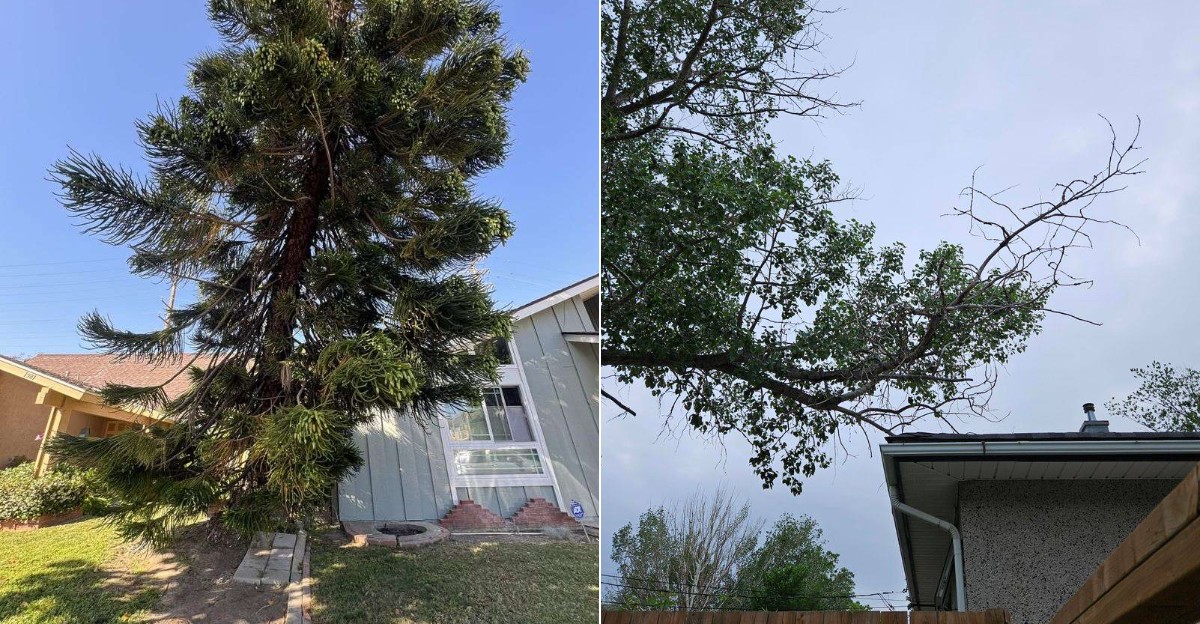
A declining tree hanging over your Oregon property can put you in an awkward spot. You may be worried about falling branches, damage to your home, or what could happen during the next major windstorm.
But seeing a tree deteriorate does not automatically give you the right to remove it yourself.
Oregon law generally allows property owners to trim encroaching branches back to their property line, as long as the work does not seriously damage or destabilize the tree.
Removing the entire tree is a different matter, especially when its trunk sits on your neighbor’s property. A hazardous tree may also involve local rules, professional assessments, and questions about who is responsible for addressing the risk.
Before you make a major cut, it is worth knowing exactly where your rights begin and end. A careful approach can help you protect your property without turning a tree problem into a legal dispute.
1. The Tree’s Location Matters First
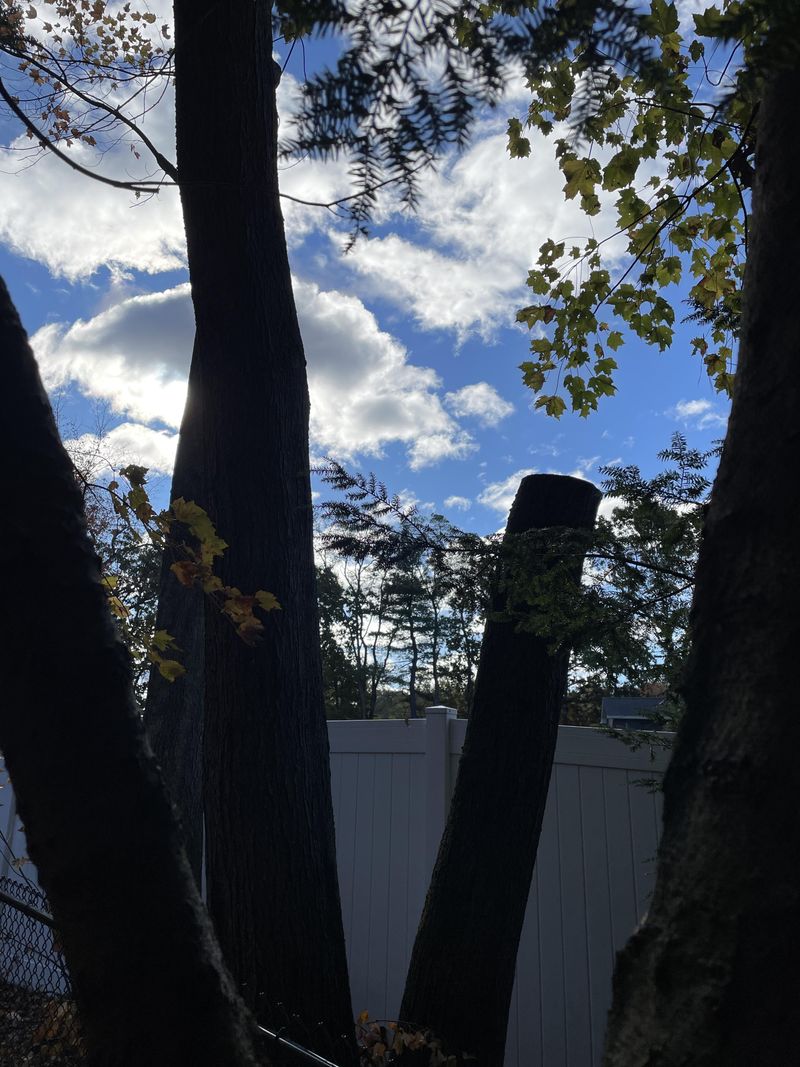
Where the trunk sits is the biggest clue to who owns a tree. In Oregon, ownership usually follows the base of the trunk, not the branches.
If the trunk grows fully on your land, the tree is yours to care for and remove. When it stands on your neighbor’s side, they hold the main rights and duties. That single detail changes almost everything about what you can legally do.
Sometimes a trunk sits right on the boundary line. Trees like this are often called boundary trees, and both owners share responsibility. Neither person can remove a shared tree without the other agreeing first.
Before you plan any cutting, take a close look at the ground. Find where the trunk meets the soil and compare it to your property markers.
A quick check of your property survey helps a lot here. If you cannot find one, your county records office may have a copy on file.
Getting the location right protects you from trouble later. Cutting a tree you do not fully own can lead to legal claims and repair costs.
Take your time with this step. Knowing exactly whose tree it is gives you a solid starting point for every decision that follows.
2. Overhanging Branches Do Not Automatically Give You Full Rights
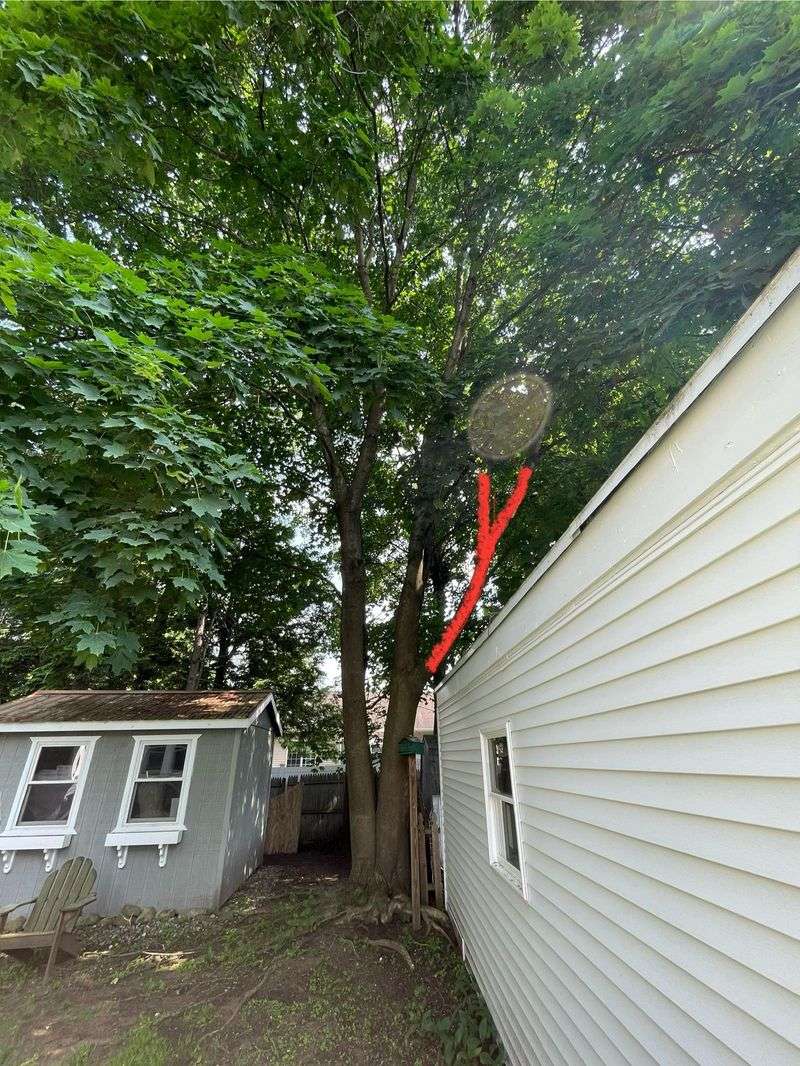
Many people believe that a branch reaching over their yard belongs to them. That idea is only partly true, and it can cause real problems.
Oregon generally lets you trim branches that cross onto your side of the property line. This is often called the right of self-help, and it has clear limits.
You can only cut back to the boundary line, not deeper into the tree. Reaching over to remove limbs on your neighbor’s side is not allowed.
There is another important rule to remember. Any trimming you do cannot harm the overall health of the tree.
If your cutting weakens the tree or causes it to fail, you could be held responsible. Courts have made owners pay for damage caused by careless pruning.
Think of it as trimming, not chopping. You are tidying up your space, not reshaping the whole tree.
Your Oregon Garden Changes Every Week. Your Plan Should Too.
Gardening in Oregon changes quickly throughout the season. Every Friday you’ll receive a simple weekly plan showing exactly what to plant, prune, fertilize, harvest, and protect so you never miss the right timing.
Before you start, picture where the property line runs above your head. Only the parts hanging over your land are fair game.
When branches are large or high, hiring a professional is smart. They know how to trim safely without crossing legal or physical boundaries.
Respecting these limits keeps you on the right side of the law. It also helps you avoid tension with the person living next door.
3. Property Lines Can Change Who Is Responsible
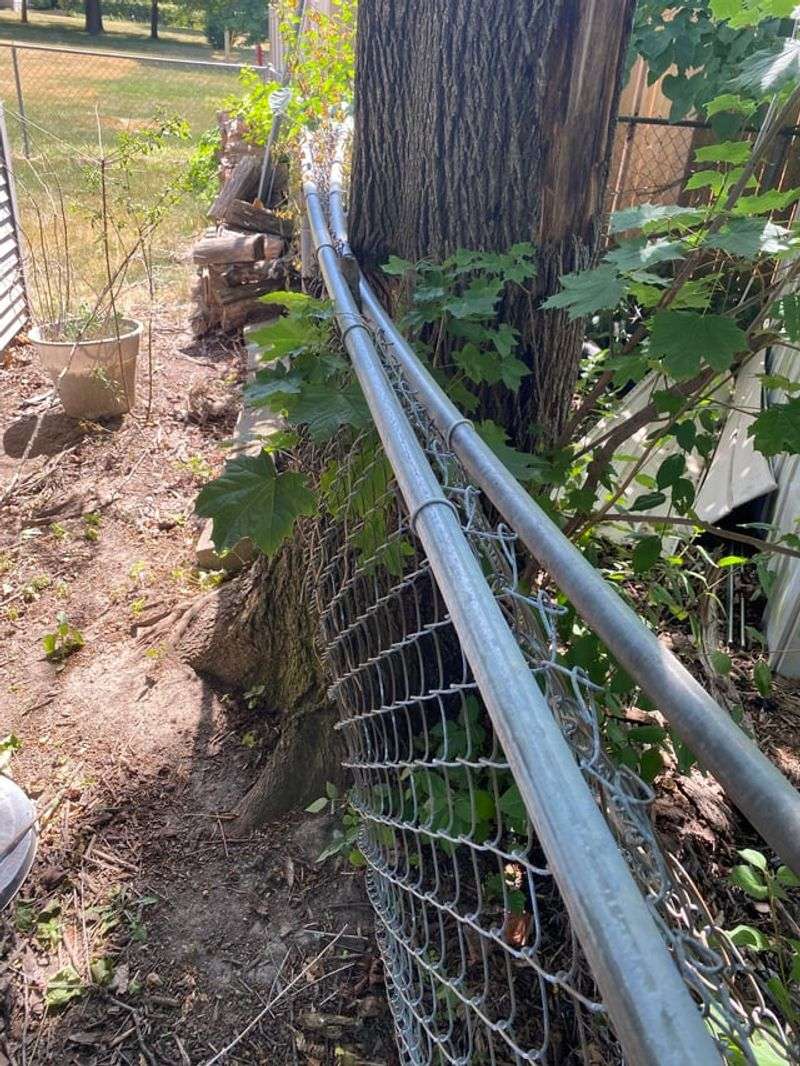
Boundary lines are not always where people assume they are. Fences, hedges, and old landmarks can sit in the wrong spot for years.
A fence built a few feet off the true line can fool everyone. The real property line is what the law follows, not the fence.
This matters because the true line decides who owns the tree. A tree you thought was yours might actually belong to your neighbor.
Getting a professional survey clears up the confusion. A licensed surveyor marks the exact edges of your land.
Once you know the real line, responsibility becomes clear. The owner of the trunk handles removal, permits, and repair costs.
Old surveys can also be updated when land is divided or sold. New maps sometimes shift who is in charge of a tree.
Keep copies of your survey documents in a safe place. They come in handy during disputes or when planning big yard projects.
If you and your neighbor disagree about the line, a survey usually settles it. Facts on paper carry more weight than memory or guesses.
Spending money on a survey may feel like a hassle. Still, it protects you from far bigger costs down the road.
Knowing exactly where your land ends puts you in control of your choices.
4. City Tree Rules May Limit What You Can Cut
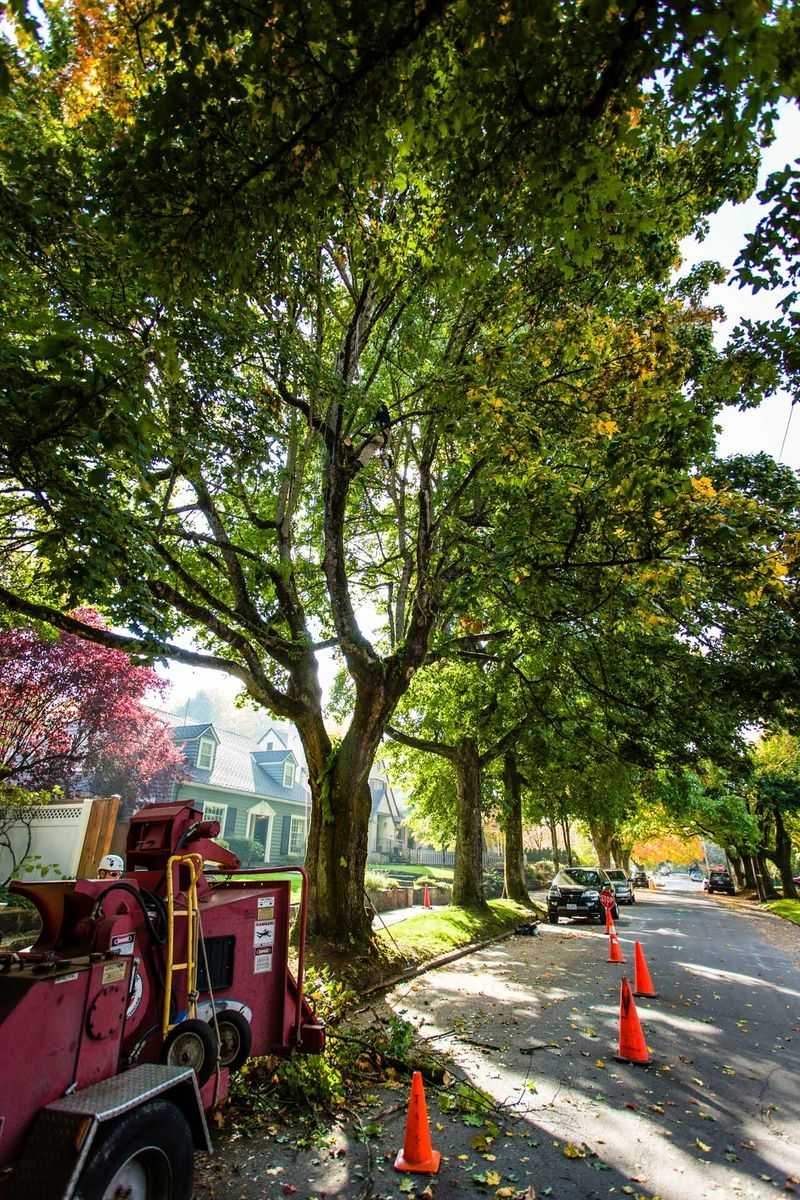
Local governments in Oregon often have their own tree rules. Cities like Portland take these codes very seriously.
Some trees near sidewalks or streets are managed by the city. Even if they stand near your yard, you may not touch them freely.
Street trees usually need city approval before any cutting. Trimming or removing them without permission can bring fines.
City rules also protect certain sizes and species of trees. A large, healthy tree may be shielded by local law.
Before you make plans, call your city’s urban forestry office. They can tell you which rules apply to your exact situation.
Many cities post their tree codes online for free. A quick search often reveals what permits or steps you need.
These rules exist to protect the community’s green spaces. Trees clean the air, cool neighborhoods, and add real value.
Ignoring city codes can turn a simple project into a headache. Penalties sometimes cost far more than the removal itself.
When in doubt, ask before you act. A short phone call can save you money and stress.
Following local rules also keeps your relationship with the city smooth. That helps if you ever need approval for future yard work.
Understanding your city’s role gives you a clearer path forward.
5. Protected Trees Can Require A Permit
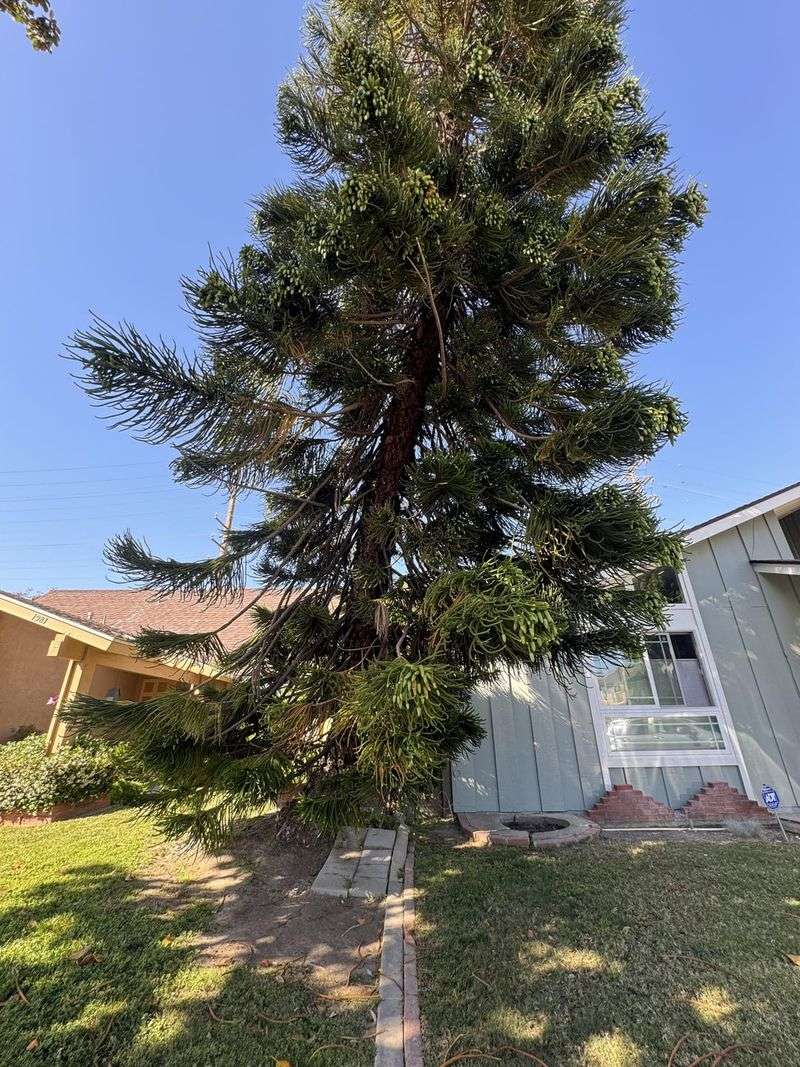
Not every tree can be removed just because you want it gone. Oregon has trees that carry special protection.
Heritage trees, native species, and very large trees often need a permit. These rules guard trees that matter to the whole area.
A permit process usually involves an application and a review. City staff may visit to check the tree before deciding.
Some protected trees can only be removed if they pose a real hazard. Wanting a tidier yard is not enough of a reason.
Skipping the permit can lead to heavy fines. In some cases, you might have to plant new trees as a penalty.
Finding out early saves a lot of trouble. Ask your city whether the tree in question has any special status.
Records of protected trees are often kept by local offices. A quick check tells you if extra steps apply.
Permits may take time to approve, so plan ahead. Rushing the process rarely works in your favor.
These protections help keep older, valuable trees standing. They also preserve the character of many Oregon neighborhoods.
Even a weak tree might still need a permit to remove. Its condition does not always cancel its protected status.
Checking the rules first keeps your project legal and stress-free from the very beginning.
6. Declining Or Dangerous Branches May Be Treated Differently
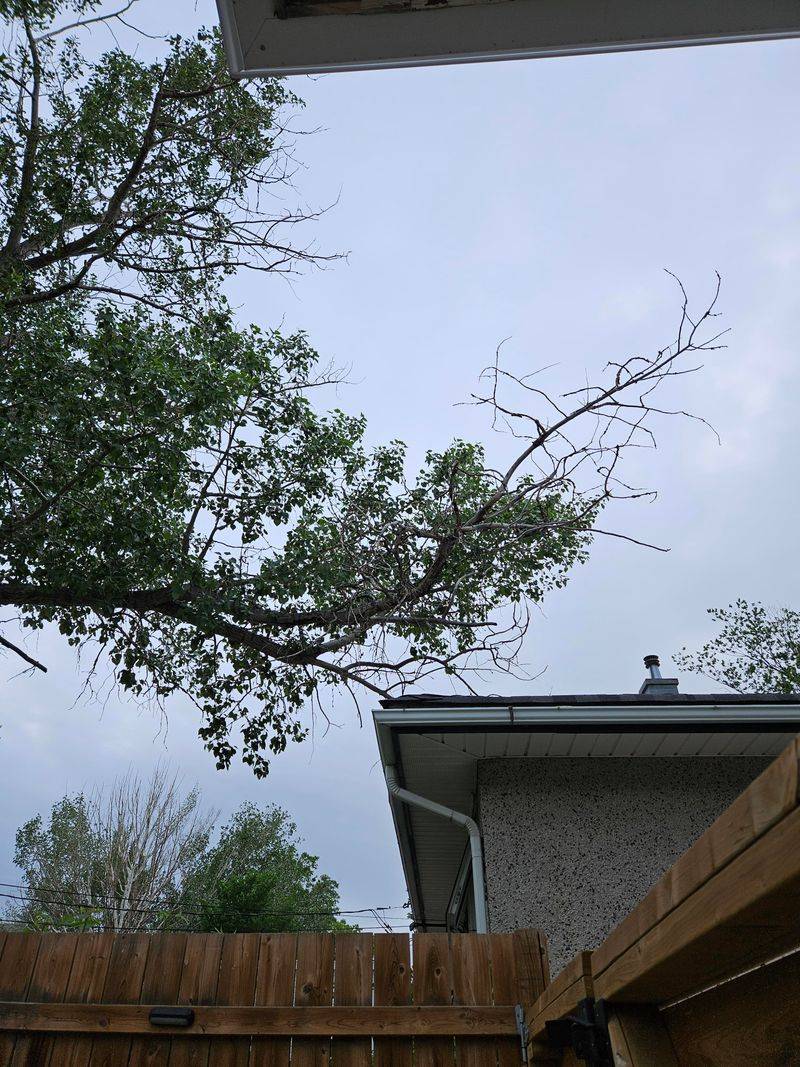
Safety changes the way the law looks at a tree. Branches that could fall and hurt someone get special attention.
When a limb hangs dangerously over your home, quicker action may be allowed. Immediate hazards are treated with more urgency.
Owners have a duty to keep their trees from harming others. A neighbor who ignores a clear danger could face liability.
If a branch looks ready to break, document it right away. Photos and notes help show that the risk was real.
Reach out to your neighbor first if the tree is theirs. Sharing your concern gives them a chance to fix it.
Should they refuse to act, your city may step in. Many places have rules for handling hazardous trees.
For emergencies, professional removal is often the safest choice. Trained crews handle unstable limbs without extra risk.
Even in urgent cases, try not to over-cut the tree. You still need to respect boundaries and health limits.
Keeping records protects you if a dispute follows. Clear proof of danger supports your decisions later.
A weak branch over a play area or driveway is worth quick attention. Waiting too long can lead to injury or damage.
Balancing safety with the rules keeps everyone protected and your property secure.
7. Your Neighbor May Need To Be Involved
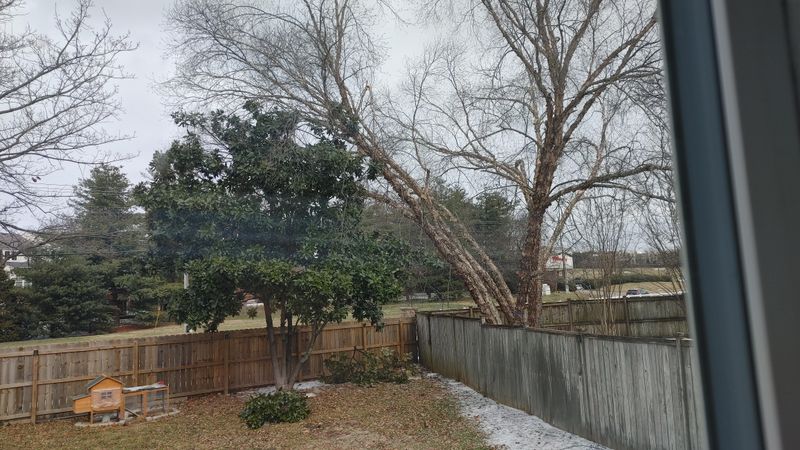
Trees have a way of connecting two yards and two families. When a tree is shared or belongs next door, cooperation matters.
Talking with your neighbor early prevents many problems. A friendly chat often works better than a surprise cutting.
If the trunk sits on their land, you cannot remove the tree alone. Their permission is needed for anything beyond trimming your side.
Boundary trees require agreement from both owners. Neither person can remove a shared tree without the other saying yes.
Costs can also be shared when both benefit from the work. Splitting the bill often feels fair to everyone involved.
Put any agreement in writing to avoid confusion later. A simple signed note can prevent disputes down the road.
Approach the conversation with respect and patience. Your neighbor may have worries you have not thought about.
Sometimes offering to handle the arrangements helps. People are more willing to agree when the process feels easy.
If talks break down, mediation can help you both. A neutral person often finds a solution that works.
Keeping the relationship friendly is worth the effort. You will likely live beside each other for many years.
Working together on a troubled tree usually leads to the smoothest outcome for both properties.
8. An Arborist Can Help Document The Tree’s Condition
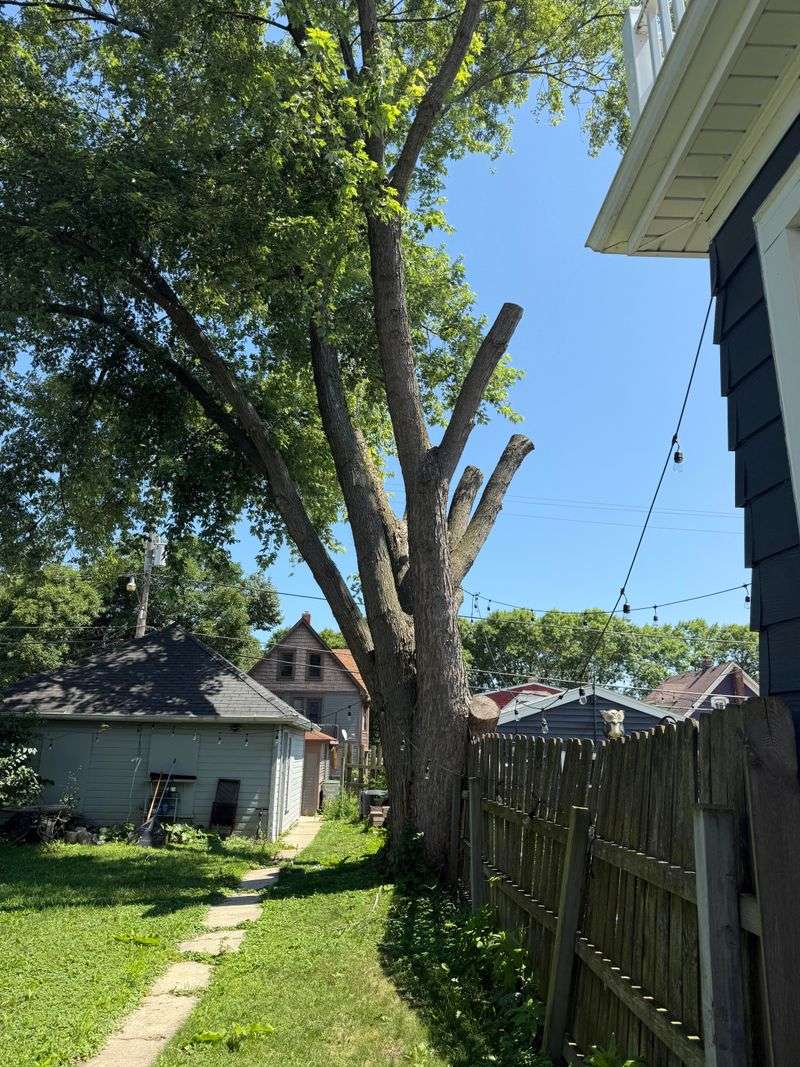
Sometimes you need an expert to back up your concerns. A certified arborist studies trees for a living.
These specialists can judge whether a tree is truly failing. Their trained eyes catch problems most people miss.
A written report from an arborist carries real weight. Cities and courts often trust professional assessments.
If you plan to remove a protected tree, this report helps. It shows the tree is a genuine hazard, not just an eyesore.
Arborists also spot diseases and structural weakness early. Catching issues sooner can prevent bigger problems later.
When neighbors disagree about a tree, an expert opinion helps. Facts from a professional settle many arguments.
Hiring one does cost money, but the value is real. Their guidance can save you from costly mistakes.
Look for arborists certified by trusted organizations. Certification shows they meet high standards of knowledge.
Bring your questions and concerns to the visit. A good arborist explains the tree’s condition in plain terms.
Their report can also guide safe trimming or removal. You learn exactly what the tree needs.
Keeping a copy of the assessment protects you later. It proves you acted with care and good information.
Leaning on expert advice gives you confidence and solid ground for whatever choice you make next.