Why Anna’s Hummingbirds Choose Some Oregon Yards Over Others In Fall
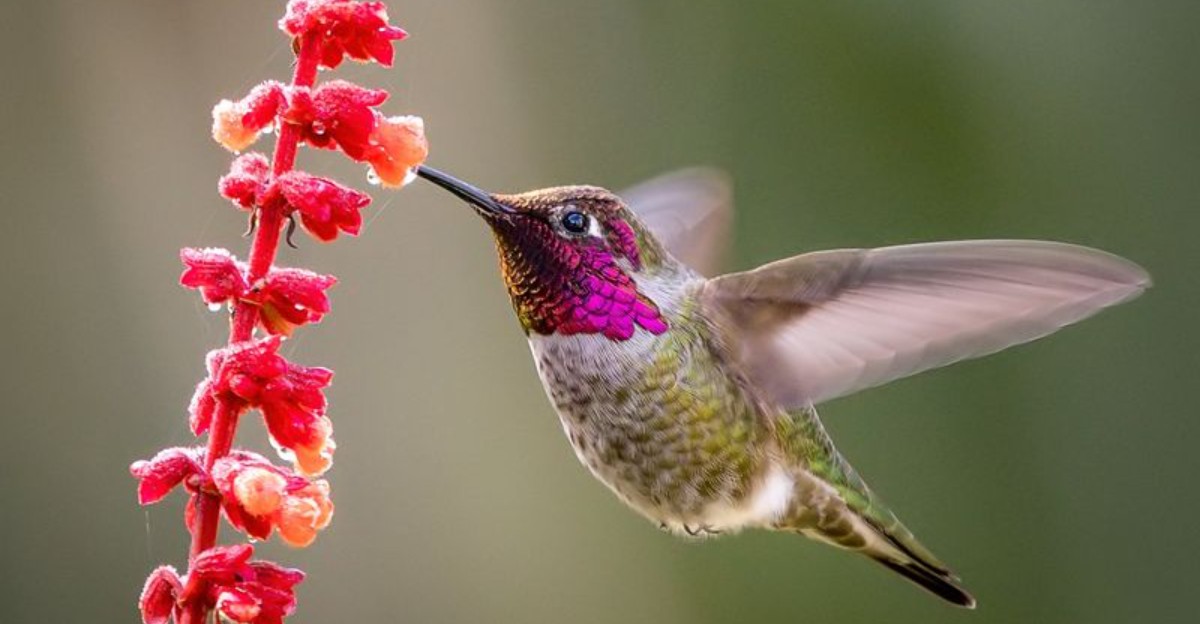
Some Oregon yards seem to become hummingbird magnets just as fall starts settling in, while others barely get a visit.
Anna’s hummingbirds are surprisingly selective about the spaces they return to, and your landscaping can make your yard more appealing than the one next door.
Food is only part of the equation. Reliable nectar sources, flowering plants, shelter, water, and places to perch can all influence where these small birds spend their time.
Fall also brings changes in temperature and available food, making a well-planned yard especially valuable.
If you want more Anna’s hummingbirds around your property, look at what your garden offers during this seasonal shift. A few thoughtful additions can make your yard a more useful stop and give these energetic visitors plenty of reasons to stick around.
1. Late-Blooming Flowers Keep Them Coming
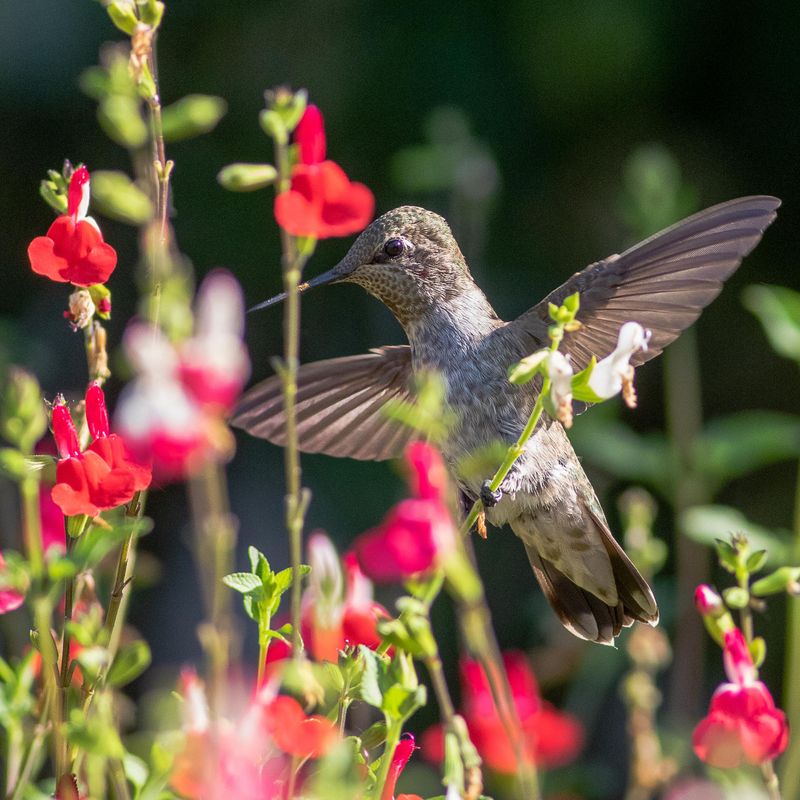
Blooms that hang on past summer are like a dinner bell for hungry hummingbirds. When most flowers fade, the yards still showing color become the busiest stops in the neighborhood.
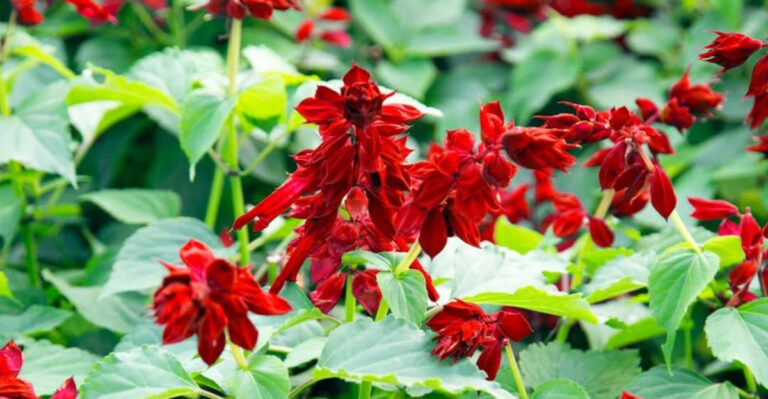
Anna’s Hummingbirds need nectar to fuel their fast-beating wings. Plants like fuchsia, salvia, and coral honeysuckle keep producing flowers well into fall. These late bloomers give the birds a steady meal when other food grows scarce.
Red and pink tubular flowers work best because they hold plenty of nectar. The shape fits a hummingbird’s long bill and tongue perfectly. Bright colors also help the birds spot the flowers from far away.
Planting a mix of flowers that bloom at different times keeps your yard useful for months. As one plant finishes, another picks up the job. This steady supply is exactly what draws hummingbirds back day after day.
Here is a fun fact. Anna’s Hummingbirds can remember which yards fed them well, and they return to those spots year after year.
If you want more visits, try adding a few cold-hardy nectar plants to your garden. Even a single blooming fuchsia in a pot can make a difference.
The more color you offer late in the season, the more likely these tiny visitors will choose your yard over the empty one next door.
2. Feeders Give Them A Reliable Food Source
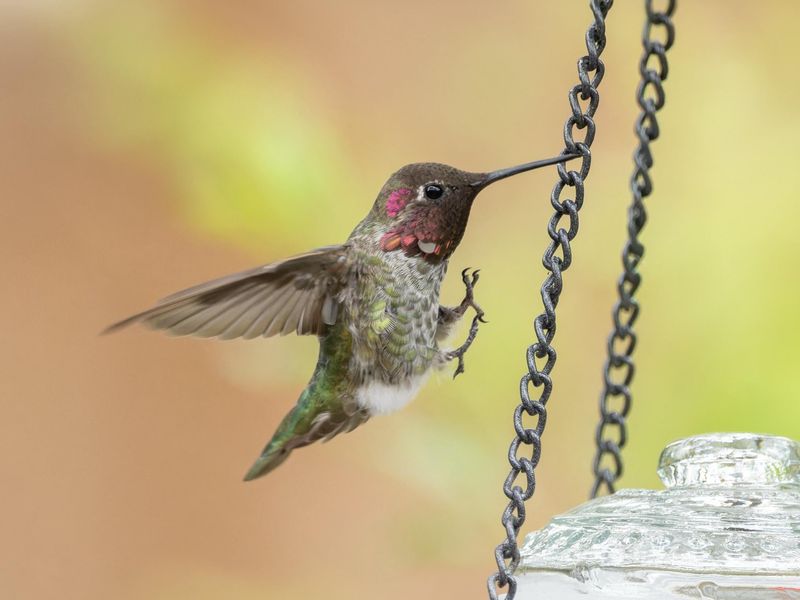
A well-kept feeder can turn a plain yard into a hummingbird hotspot. When flowers stop blooming, a feeder becomes a lifeline the birds truly depend on.
Anna’s Hummingbirds love the easy meal a feeder provides. A simple mix of one part sugar to four parts water copies the sweetness of real nectar. Skip the red dye, since the birds are drawn to the red parts of the feeder itself.
Keeping the feeder clean matters just as much as filling it. Cloudy or moldy nectar can make birds sick. Rinsing it every few days and refilling with fresh mix keeps your guests healthy and happy.
In Oregon’s chilly fall, sugar water can get cold fast. Placing the feeder in a spot that catches morning sun helps keep it from freezing on frosty days. Some people even bring feeders inside overnight and hang them back out at dawn.
Your Oregon Garden Changes Every Week. Your Plan Should Too.
Gardening in Oregon changes quickly throughout the season. Every Friday you’ll receive a simple weekly plan showing exactly what to plant, prune, fertilize, harvest, and protect so you never miss the right timing.
Once a hummingbird finds a good feeder, it treats that yard like a favorite cafe. It will guard the spot and return often, sometimes chasing off other birds.
Consistency is the secret here. If you keep your feeder full and clean, word gets around in hummingbird land. Your reliable food source can quickly become the reason these birds pick your yard all season long.
3. Dense Shrubs Provide Places To Hide
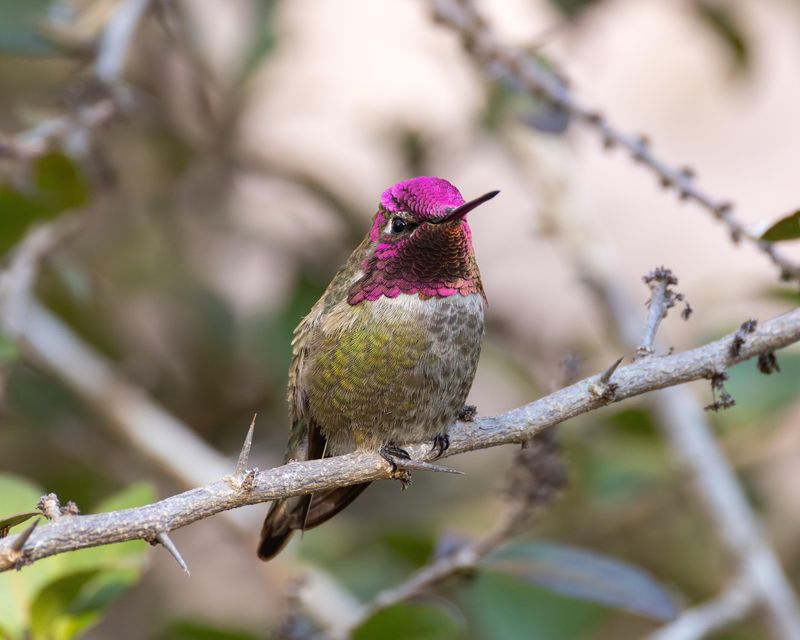
Safety is a big deal for a bird the size of your thumb. Yards packed with thick shrubs give hummingbirds the cover they crave to feel secure.
Anna’s Hummingbirds use dense bushes to rest, sleep, and escape from hawks or cats. Thick branches block the wind and hide the birds from sharp-eyed predators. A yard with good cover feels much safer than an open, bare one.
Evergreen shrubs are especially handy in fall. Since they keep their leaves, they offer year-round shelter when other plants lose their cover. Plants like boxwood, juniper, and rhododendron make great hideouts.
These shrubs also give hummingbirds a spot to perch between meals. Believe it or not, these busy birds spend a lot of time simply sitting and resting. A cozy branch near a feeder or flower patch is prime real estate.
Layering plants of different heights creates even more hiding options. Tall shrubs near shorter ones give the birds choices depending on the weather and time of day.
If your yard feels too open, adding a few leafy bushes can change everything. The birds notice quickly when a place offers both food and shelter.
Combine tasty flowers with safe cover, and you give hummingbirds every reason to stay close and settle in for the season.
4. Sunny Spots Help Hummingbirds Stay Warm
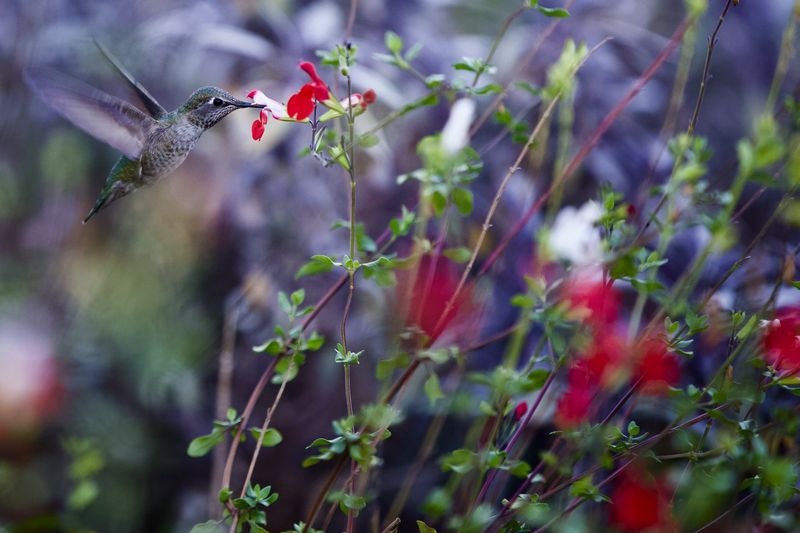
Warmth is a treasure when the air turns cold. Yards with sunny corners give hummingbirds a place to soak up heat and save energy.
Anna’s Hummingbirds burn a lot of fuel just to stay warm. On chilly Oregon mornings, a patch of sunshine helps them heat up without eating extra. A warm bird is a comfortable bird that sticks around.
Sunlit branches and open perches near feeders are perfect basking spots. The birds fluff their feathers and turn toward the sun to trap the warmth. You might catch one sitting still, just enjoying the glow.
South-facing parts of a yard usually stay warmest during the day. If your feeder or flowers sit in these bright areas, the birds get food and heat in one visit. That combo is hard to beat.
Sunny spots also help keep feeders from freezing over. Warm nectar stays drinkable, which means the birds can refuel whenever they need to.
Here is something neat. On very cold nights, Anna’s Hummingbirds can slow their body down into a deep sleep called torpor to save energy. A warm daytime perch helps them recover afterward.
Trimming back branches that block sunlight can open up cozy basking areas. Give these tiny birds a warm place to rest, and they will happily choose your bright yard over a shady one.
5. Sheltered Yards Offer Protection From Wind
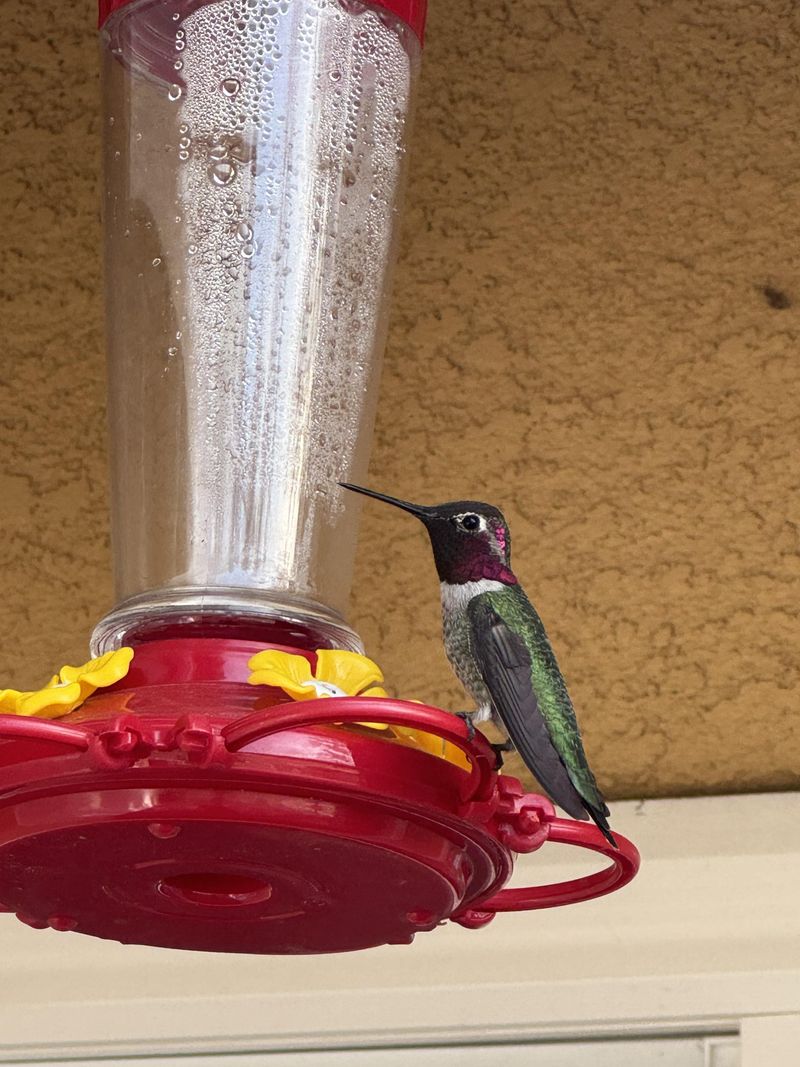
Wind is a hummingbird’s worst enemy on a blustery fall day. Yards tucked away from strong gusts become peaceful havens these birds seek out.
Anna’s Hummingbirds weigh less than a nickel, so heavy wind pushes them around easily. Fighting the breeze wastes precious energy they would rather spend eating. A calm, sheltered yard lets them feed and rest in peace.
Fences, walls, and tall shrubs all work as windbreaks. They slow the air and create quiet pockets where the birds feel safe. Placing feeders in these protected corners keeps the nectar from swaying wildly.
Corner spots between a house and a fence often stay the calmest. Hummingbirds quickly learn where these sheltered zones are and visit them again and again.
Trees planted along the windy side of a yard can block a lot of gusts. Even a row of bushes makes a noticeable difference for such a light bird.
When the wind howls, a sheltered feeder becomes a favorite stop. The birds can hover steadily and drink without getting tossed about.
Take a look at where the wind hits your yard hardest. Then set up feeders and flowers on the calmer side. By blocking those chilly gusts, you make your space far more inviting than an exposed yard that leaves the birds struggling to hold steady.
6. Clean Water Sources Add Another Attraction
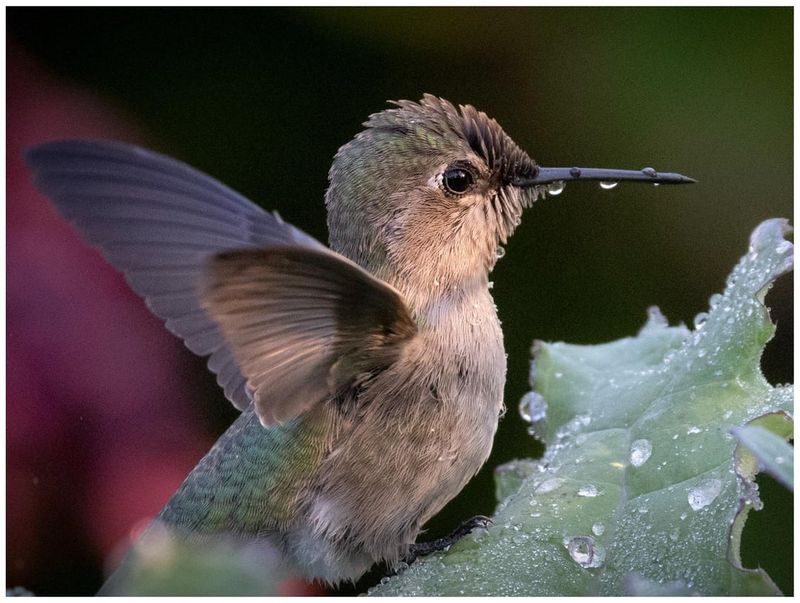
Fresh water pulls hummingbirds in almost as strongly as nectar does. Yards with clean, moving water give these birds a spot to drink and bathe.
Anna’s Hummingbirds love to splash and clean their feathers. Clean feathers help them fly better and stay warm. A little water station keeps them looking and feeling their best.
These birds prefer shallow water they can reach easily. Deep birdbaths are too much for them, but a mister or a small fountain is just right. The gentle spray lets them flutter through and rinse off.
Moving water grabs their attention with its sparkle and sound. A dripper or bubbler works far better than still water for catching a hummingbird’s eye.
Keeping the water fresh is key. Rinsing the basin and refilling it often stops algae and keeps the birds healthy. Dirty water can turn them away fast.
Placing the water near flowers or a feeder creates a one-stop spot for food and cleanup. The birds appreciate having everything close together.
Here is a tip. A tiny solar fountain in a shallow dish can turn a plain birdbath into a hummingbird magnet. Add gentle motion and clean water to your yard, and you give these lively birds one more reason to pick your place over a dry one nearby.
7. Native Plants Bring More Insects To The Yard
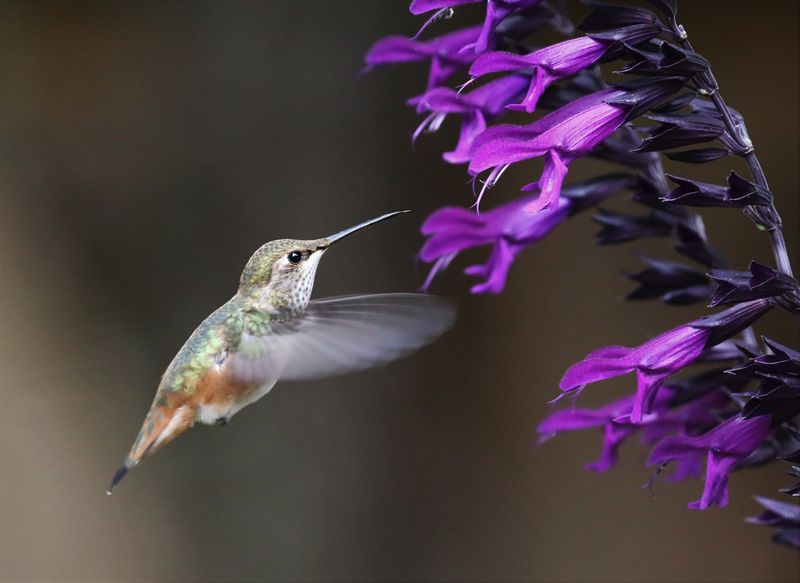
Bugs might sound like a strange treat, but they are a big part of a hummingbird’s diet. Yards full of native plants buzz with tiny insects the birds gobble up.
Anna’s Hummingbirds do not live on nectar alone. They need protein from small insects like gnats, spiders, and fruit flies. These bugs help them build strong muscles and feed their young.
Native Oregon plants naturally attract the insects hummingbirds hunt. Because these plants belong here, local bugs flock to them. More insects mean more meals for the birds.
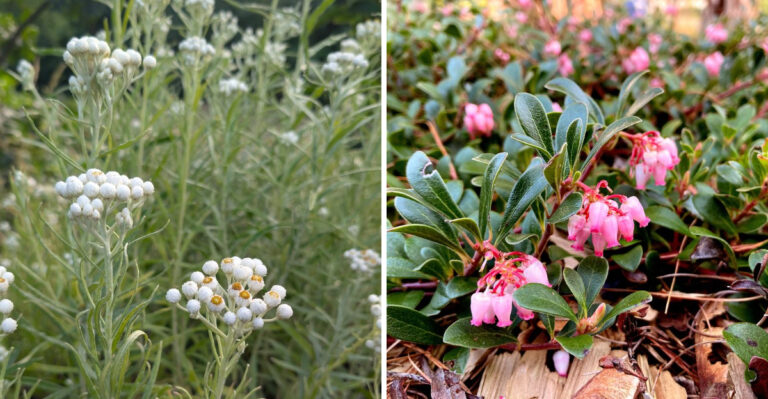
Flowering natives like Oregon grape, red flowering currant, and yarrow do double duty. They offer nectar and draw the insects hummingbirds snatch from the air. That makes them super valuable in a yard.
Skipping bug sprays helps a lot too. Chemicals wipe out the very insects these birds count on. A pesticide-free yard stays full of the little critters hummingbirds love to catch.
Watching a hummingbird zip after a gnat is a special sight. They dart and turn with amazing speed, plucking bugs right out of midair.
Planting a few native species is an easy win for wildlife. You get pretty flowers and a lively insect buffet all at once. Fill your yard with native plants, and you offer hummingbirds a richer menu than the tidy, sprayed yards nearby ever could.
8. Some Yards Offer Food Longer Into Fall
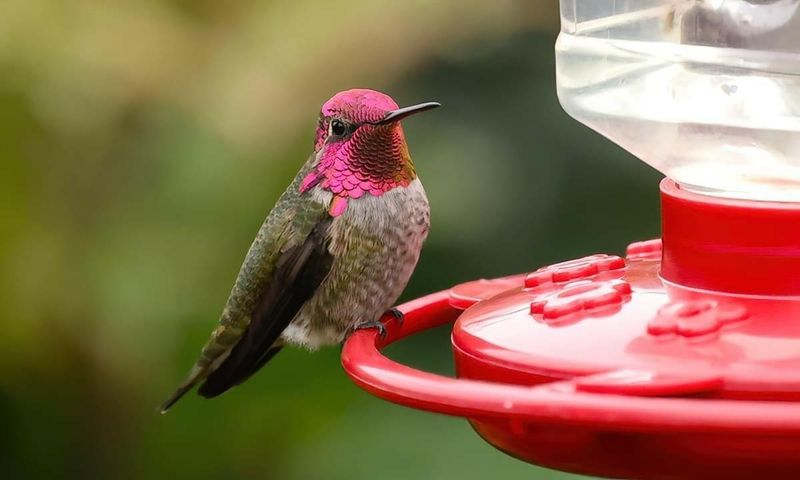
The yards that keep food coming latest often win the hummingbird crowd. As fall deepens, these steady spots stand out from all the rest.
Anna’s Hummingbirds stay in Oregon through the cold months, so late food really counts. When most yards go quiet, the ones still offering nectar become their main stops. Timing makes all the difference.
Combining feeders with late-blooming plants stretches the food supply. Even after frost nips the flowers, a full feeder keeps the meals going. This backup plan is what smart hummingbird hosts rely on.
Choosing cold-hardy plants helps push the blooming season further. Some fuchsias and salvias hold their flowers surprisingly late. Each extra week of nectar keeps the birds returning.
Feeders that stay out and clean all season signal that your yard is dependable. The birds learn they can count on you when other food runs low.
Weather can turn fast in Oregon fall, and hungry birds remember who fed them. A yard that never runs empty earns loyal visitors.
Here is the payoff. By planning for the whole season instead of just summer, you become the neighborhood favorite. Keep both flowers and feeders going as long as you can.
Offer food longer into fall, and these hardy little birds will choose your welcoming yard over every quiet, empty one around.