Late September Is a Prime Time For These 8 Tennessee Garden Crops
Frost gets the blame, but your garden quits weeks too soon. Tennessee air cools fast while soil underneath stays stubbornly warm. Experienced growers quietly circle this exact stretch on your busy calendar.
Warm soil sparks germination faster than any other week this year. Cooler air keeps your leaves comfortable through long afternoons. Your only tools are a rake, seeds, and spare daylight.
Only a quiet hour buys you weeks of fresh harvest later. Spinach, kale, and hardy turnips shrug off dropping temperatures for you. Roots thicken while your leaves scarcely notice the chill.
Smart Tennessee gardeners plant now and gain weeks others lose. Neighbors will wonder why your beds still look lush. Eventually frost shows up, yet your harvest keeps producing.
Waiting even briefly costs you far more real food later. Timing here works against you if you hesitate long. Skip this window and you lose a full growing season.
1. Spinach Thrives When Nights Turn Crisp
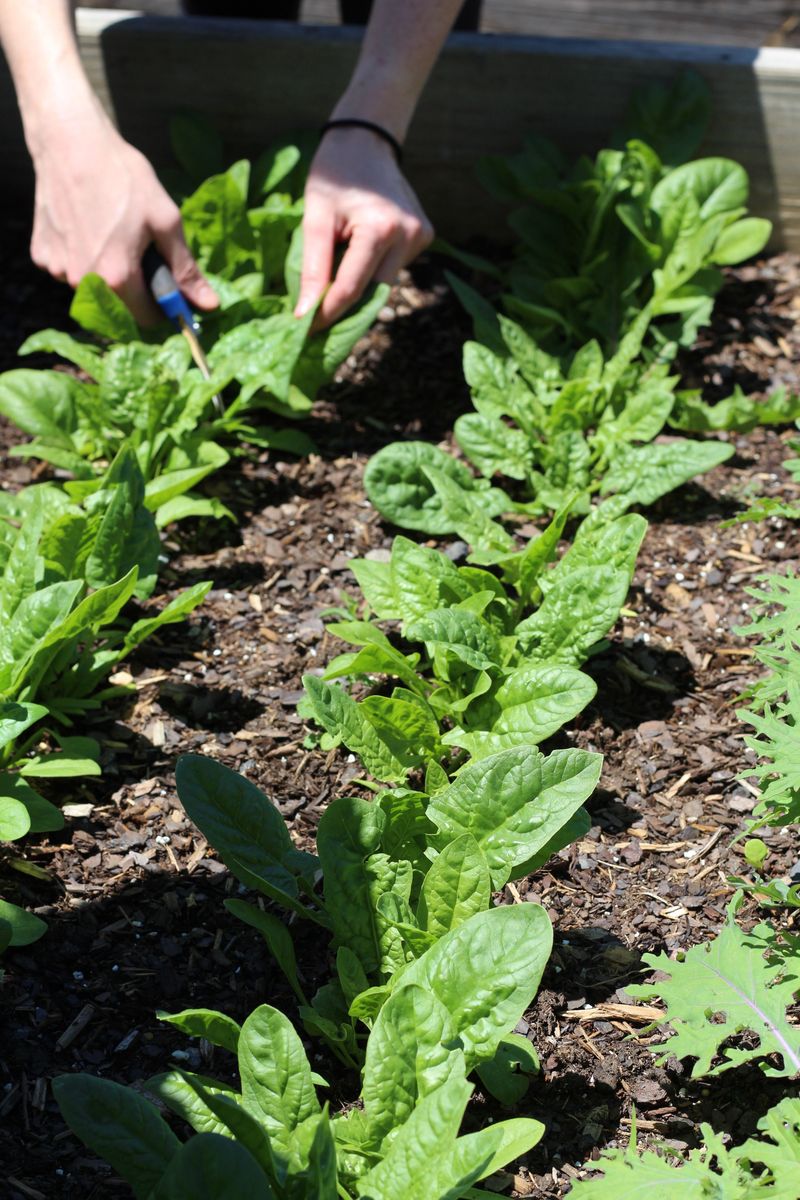
Warm soil plus cool air is the combination spinach waits for all year. Seeds sown in late September sprout in about a week.
Bloomsdale Long Standing and Space both handle Tennessee’s bouncing autumn temperatures. Sow half an inch deep with an inch between seeds.
Rows spaced a foot apart give you easy picking access. Thin seedlings to three inches once true leaves appear.
Light, frequent watering keeps the top inch damp during germination. Once plants root in, an inch of water weekly suffices.
Compost worked in before sowing matters more than later feeding. Spinach roots stay shallow and want nutrients within reach.
Pick outer leaves first and the center rosette keeps generating new growth. Harvests often run from late October into December.
Cold nights push sugars into the leaves as a natural antifreeze. A November salad tastes richer than anything from a spring bed.
Plants that make it through winter under row cover surge back in March. That bonus crop arrives before other seeds go in the ground.
Slugs nibble tender seedlings during damp stretches. Crushed eggshells or a shallow saucer of beer keeps their numbers down.
Downy mildew can appear in crowded, soggy beds. Spacing plants properly and watering at soil level prevents the problem.
Baby leaves for salad take 25 days, full leaves closer to 40. Two sowings two weeks apart keep the kitchen stocked.
A bed four feet long can supply a household with greens for weeks. Little effort, quick payoff.
2. Radishes Race From Seed To Supper
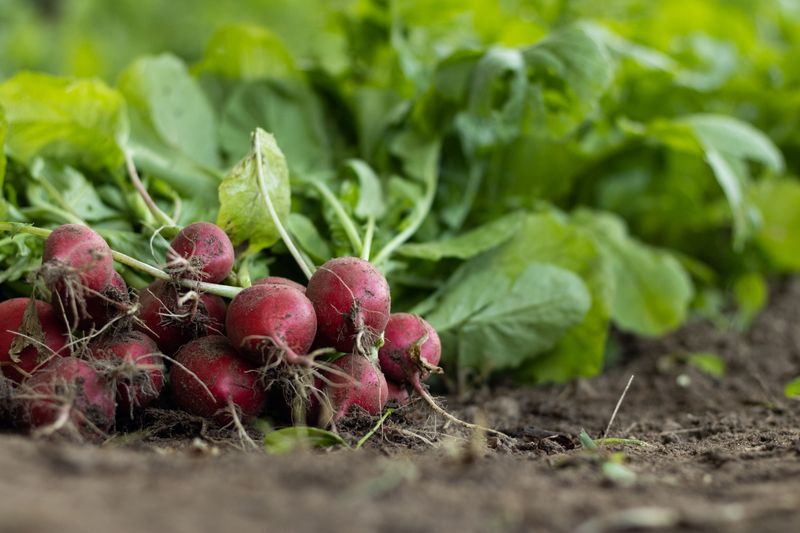
Radishes suit gardeners who want quick results. Seeds sown now can land on your dinner plate in 25 to 30 days.
Cherry Belle, French Breakfast, and Watermelon radish all handle Tennessee’s cooling soil nicely. Sow them a half inch deep and roughly an inch apart.
Loose, rock-free soil matters more than fertilizer here. Compacted clay gives you twisted roots instead of round, crisp globes.
Thin seedlings to two inches once the first true leaves show up. Crowded radishes put energy into foliage and skip the root entirely.
Your Tennessee Garden Changes Every Week. Your Plan Should Too.
Gardening in Tennessee changes quickly throughout the season. Every Friday you’ll receive a simple weekly plan showing exactly what to plant, prune, fertilize, harvest, and protect so you never miss the right timing.
Steady moisture keeps the flavor mild, while dry spells turn roots woody and sharp. A finger poked into the soil tells you when to water.
Try sowing a short row each Saturday through mid October. Staggered planting means a steady supply rather than one giant flush.
Daikon types need longer, roughly 60 days, so get those in the ground right away. Their long white roots also break up hard subsoil as a bonus.
Harvest when shoulders reach an inch wide, since older roots grow pithy. Pull one as a test before picking the whole row.
Radish greens are edible too, tasty sauteed with garlic and a splash of vinegar. Tossing them out wastes half the plant.
Flea beetles slow down as temperatures drop, so fall roots usually look cleaner than spring ones. That alone makes September sowing worthwhile.
Kids enjoy this crop because the payoff comes fast. Hand them a packet and let them claim their own row.
3. Turnips Bring Double Duty To The Bed
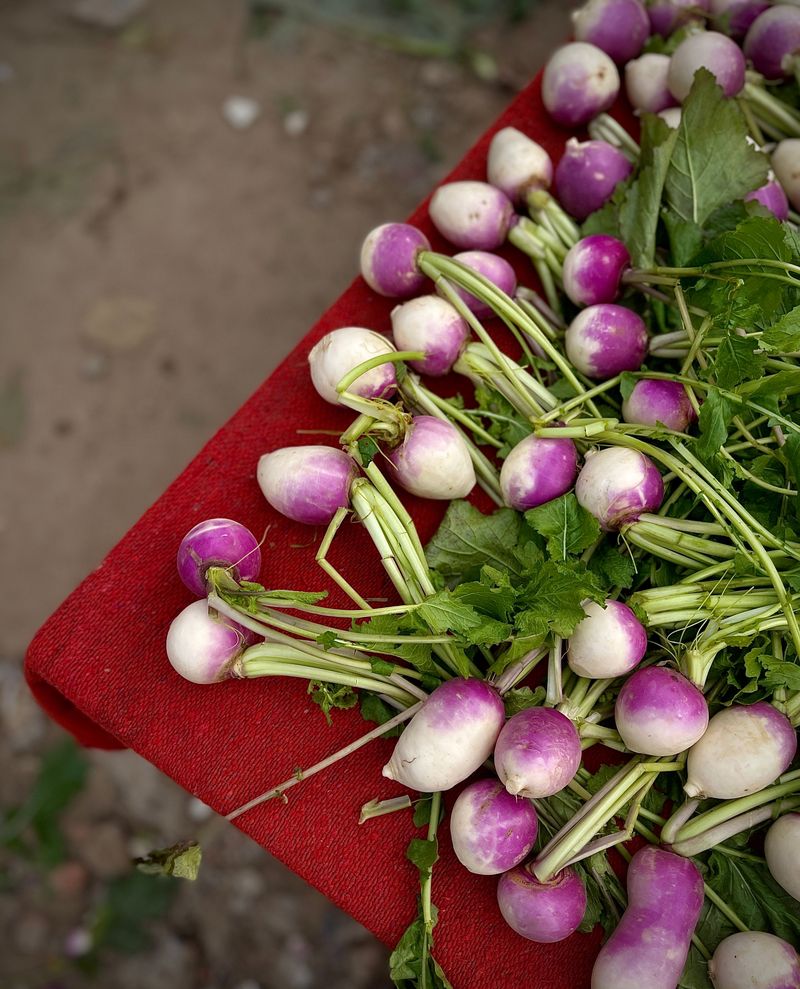
Turnips hold a special place in Tennessee kitchens, where the greens often matter more than the roots. Purple Top White Globe has been a farm favorite here for generations.
Broadcast seed thinly over a raked bed, then rake again lightly to cover. Germination usually shows up in five to seven days while soil stays warm.
Seven Top is grown strictly for greens, producing leaf after leaf without much root. Choose it if cooking greens are your main goal.
Thin young plants to four inches for decent root size. The thinnings go straight into a skillet, so little is wasted.
Roots taste best pulled at two to three inches across. Bigger turnips turn fibrous and take on a strong, peppery bite.
Frost in October sweetens them, the same way it does carrots. Gardeners on the Cumberland Plateau often wait for that first cold snap on purpose.
Water about an inch a week if autumn rain stalls out. Cracked roots usually trace back to swings between soggy and bone dry.
Cabbage worms may show up on the greens, though a light spray of Bt handles them. Row cover over young plants stops the moths from laying eggs.
Harvest greens from the outside, leaving the crown to keep pushing new growth. One planting can supply several cuttings before December.
Roots hold fine in the ground under straw mulch through much of winter. Dig them as needed, which beats crowding your refrigerator.
A pinch of wood ash worked into the bed supplies potassium for solid roots. Skip heavy nitrogen, or you get lush tops and skinny bottoms.
4. Kale Sweetens After The First Frost
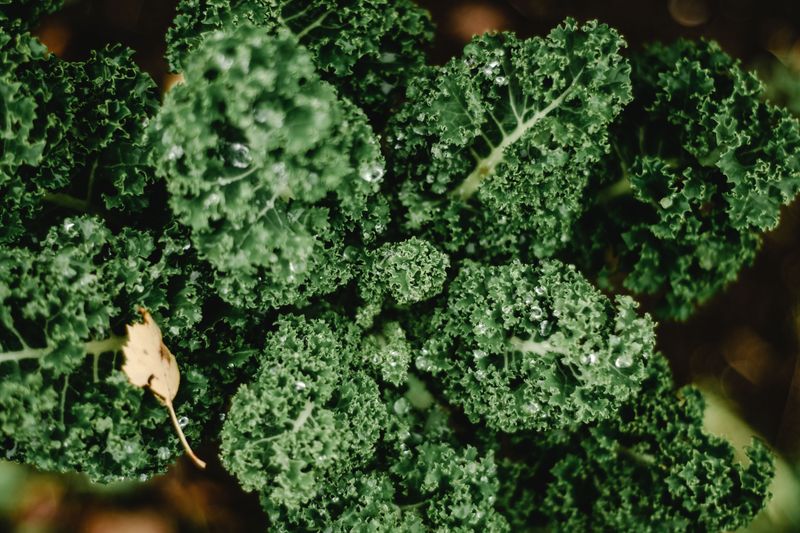
Kale gets sweeter as the weather gets colder, which sounds backwards until you taste it in November.
Leaves picked after frost carry a mild sweetness that summer kale cannot match. Leaves picked after frost carry a mild sweetness that summer kale cannot match.
Transplants set out now establish quickly in warm soil. Direct seeding works too, though allow 55 to 65 days before serious picking.
Lacinato, Red Russian, and Vates Blue Curled Scotch all perform well across Tennessee. Space plants 12 to 18 inches apart for airflow.
Compost mixed into the planting hole feeds slow, steady leaf growth. A side dressing of blood meal in mid October keeps color deep green.
Pick from the bottom up, snapping off leaves the size of your hand. Leave the growing tip alone and the plant keeps producing for months.
Aphids sometimes cluster under leaves during warm spells. A firm spray from the hose knocks them off without chemicals.
Mulch with shredded leaves to keep roots cool and soil damp. That layer also cuts down on weeds competing for water.
Plants shrug off temperatures into the low twenties with no cover at all. A simple hoop and frost blanket stretch harvests into February.
Curly types freeze well after a quick blanch, handy for winter soups. Flat-leaf kinds shine fresh in salads massaged with olive oil.
Fun bit of history: kale was a staple in European households for centuries, long before cabbage became just as common. Its comeback in Southern gardens feels overdue.
One healthy plant can yield several pounds of leaves across a season. Three or four plants usually cover a family’s needs.
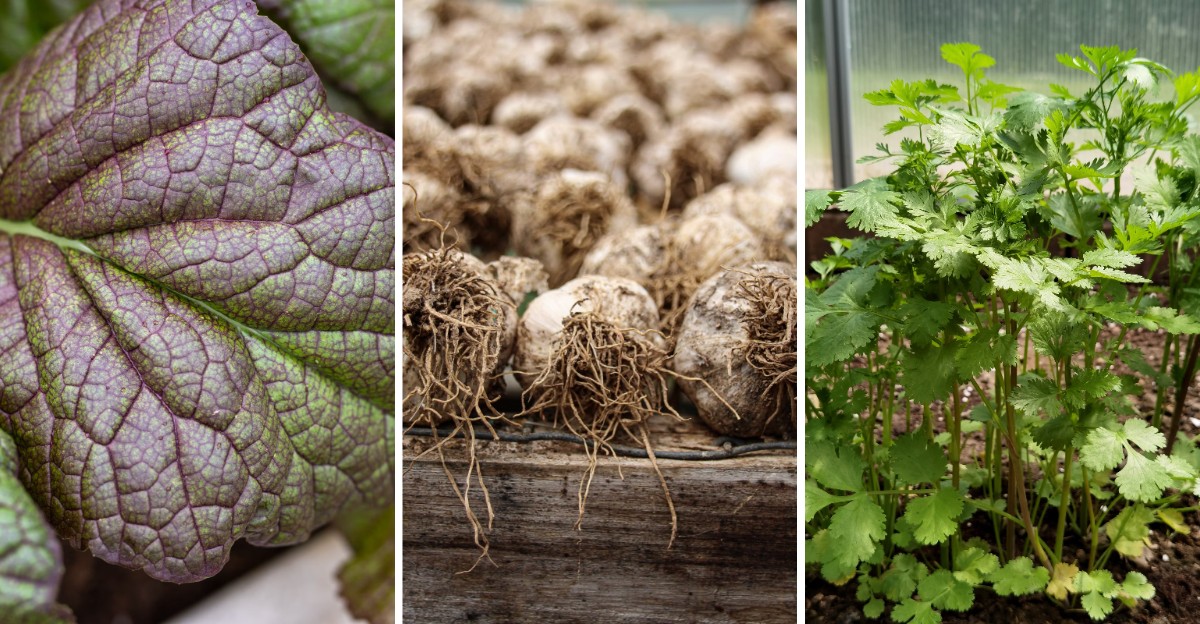
5. Mustard Greens Deliver A Peppery Punch
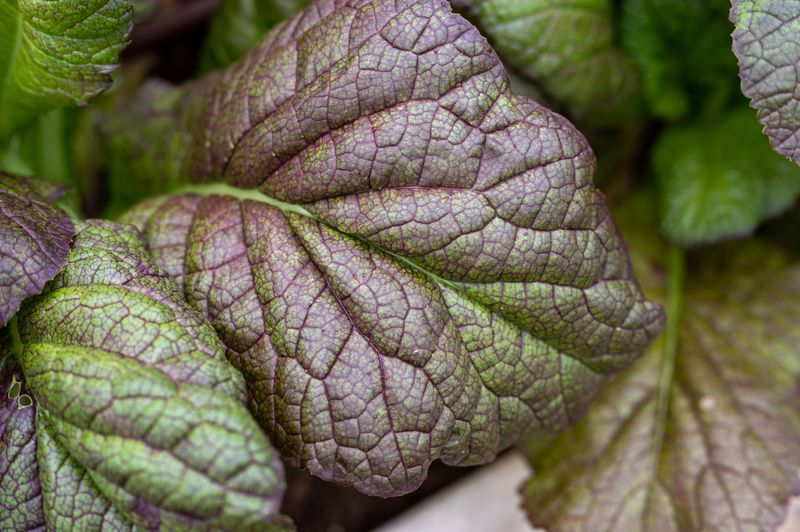
Sharp, peppery, and ready fast, mustard greens suit gardeners who want bold flavor. Southern Giant Curled has fed Tennessee tables since long before seed catalogs went online.
Sow seeds a quarter inch deep directly in the bed. Sprouts appear in four or five days with warm September soil.
Thin seedlings to six inches apart so leaves grow broad instead of skinny and tough. Crowding leads to small foliage and a stronger bite.
Harvest begins around 30 days, earlier if you enjoy baby greens. Cut outer leaves and let the center keep going.
Cool temperatures soften the heat in the flavor considerably. Leaves picked in October taste milder than the same plant in August.
Water consistently to keep growth tender and leaves crisp. Plants under drought stress bolt early and turn bitter in a hurry.
Red Giant adds burgundy color to fall beds and salad bowls. Mizuna offers a gentler, feathery Japanese option.
Flea beetles and harlequin bugs lose steam as nights cool. Hand picking any stragglers takes a couple of minutes.
Mustard doubles as a cover crop, since its roots release compounds that discourage soil pests. Till young plants under in spring for a free soil boost.
Try braising a mess of greens with smoked turkey and a dash of vinegar. That pot of potlikker makes the extra row worthwhile.
Seeds cost a couple of dollars and produce weeks of food. Hard to beat that return on a September afternoon.
6. Garlic Goes In Now For A June Harvest
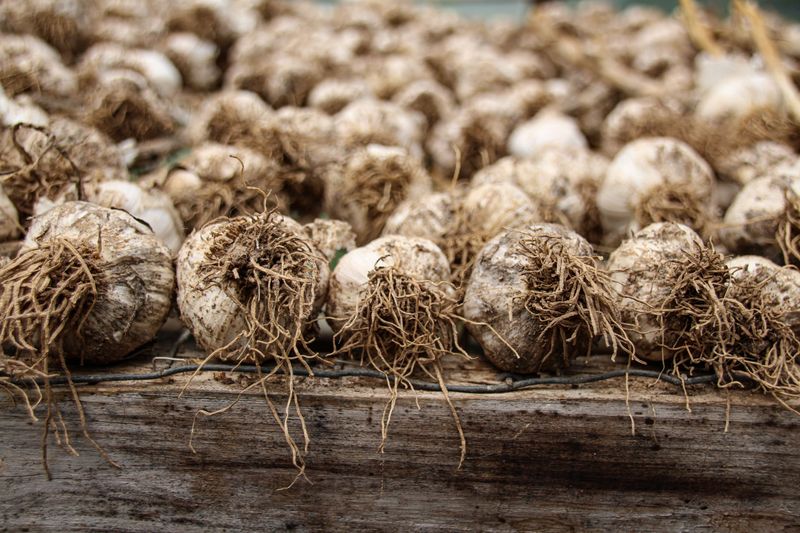
Garlic planted now rewards you with a harvest next summer. Cloves tucked in now rest through winter and harvest around June.
Late September fits cooler East Tennessee counties and the Cumberland Plateau. Growers in warmer Middle and West areas can wait a couple of weeks.
Hardneck types such as Music and German Extra Hardy handle our winters and produce scapes. Softneck varieties like Inchelium Red braid nicely for storage.
Break bulbs into cloves the day you plant, keeping papery skins intact. Set each clove pointy end up, two inches deep and six inches apart.
Loose, well-drained soil prevents rot during wet winter stretches. Raised beds solve that problem in heavy clay areas.
Cover the bed with three inches of straw after planting. That mulch moderates soil temperature and cuts spring weeding dramatically.
Green shoots may poke up before Christmas, which is normal and fine. Cold weather rarely harms those early leaves.
Skip supermarket garlic, since much of it is treated and suited to other climates. Local farmers markets and seed companies offer better options.
Feed with fish emulsion in March when growth takes off. Stop watering once lower leaves start to brown in late May.
Snap off hardneck scapes in spring to push energy into the bulbs. Chop those curly stems into pesto for a bonus crop.
One pound of seed garlic plants roughly a 20 foot row. Depending on variety and growing conditions, that row can yield several pounds of bulbs, often enough for months of cooking.
7. Loose-Leaf Lettuce Enjoys Shorter Days
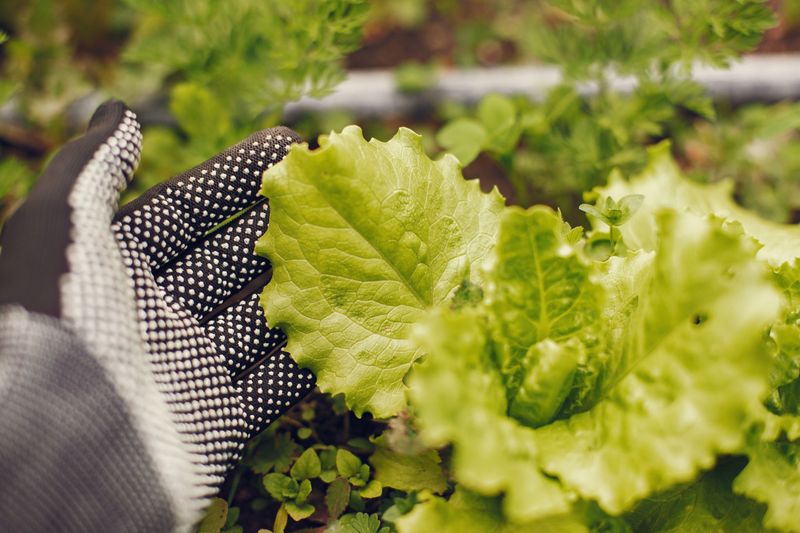
Spring lettuce races to bolt at the first hot day, but autumn lettuce takes its time. Shortening days and cool nights keep leaves tender and sweet.
Loose-leaf varieties are your best bet this late in the year. Black Seeded Simpson, Salad Bowl, and Red Sails mature in 45 to 50 days.
Scatter seed shallowly, barely covering it, since light helps germination. Firm the soil with your palm and mist gently.
A shade cloth over the bed helps during the last warm afternoons of September. Remove it once highs settle into the seventies.
Thin to eight inches for full heads, or leave them tighter for cut-and-come-again picking. Baby leaves can be trimmed with scissors in about three weeks.
Water in the morning to avoid damp leaves sitting overnight. That habit reduces the slimy rot that shows up in humid falls.
Romaine types such as Parris Island Cos handle light frost better than butterheads. Add a floating row cover when temperatures near 30 degrees.
Containers on a sunny porch work beautifully for fall lettuce. Move pots close to the house on chilly nights for a few extra degrees.
Rabbits consider a lettuce patch an open invitation. Chicken wire fencing 18 inches high settles the dispute politely.
Succession sow about every ten days through early October for continuous salads. Fresh greens in November are a welcome payoff.
Store harvested leaves unwashed in a bag with a dry paper towel. They stay crisp in the fridge for over a week.
8. Cilantro Behaves Once The Heat Backs Off
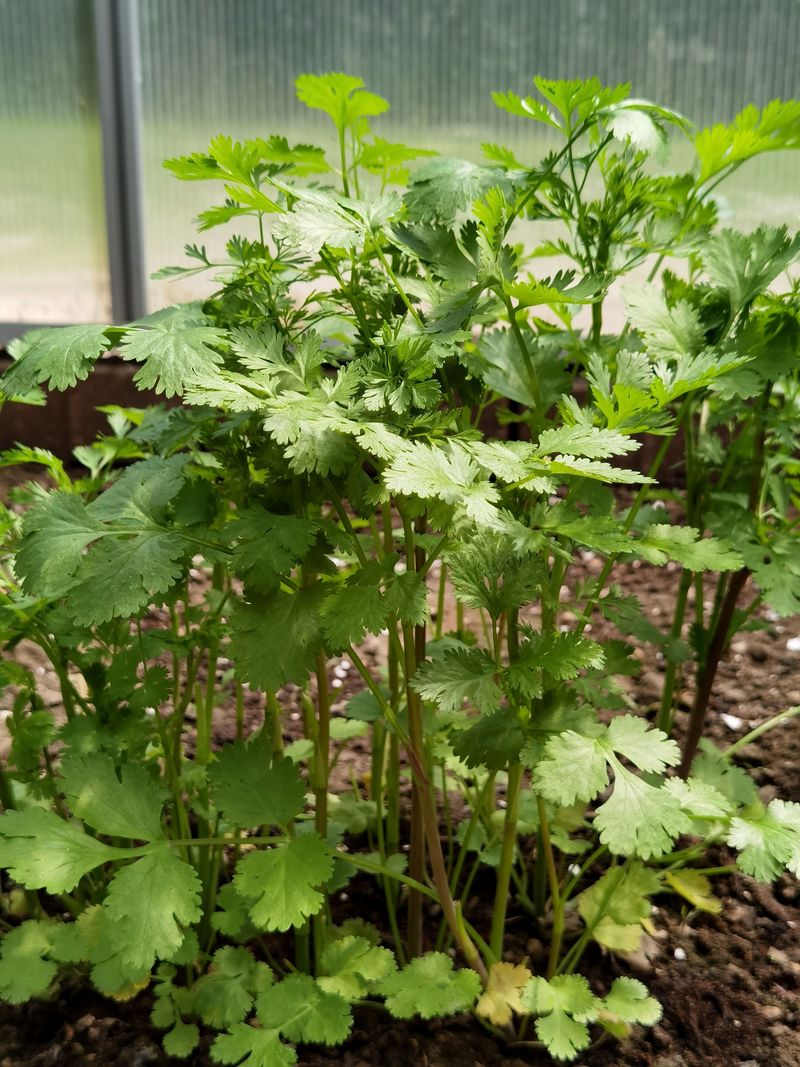
Cilantro and Tennessee summers do not get along, which frustrates salsa lovers each June. Autumn flips the story, giving this herb the cool run it prefers.
Sow seeds directly, since the taproot dislikes being moved. Plant them a half inch deep and two inches apart.
Slow-bolt varieties such as Santo and Calypso stretch the harvest window. Both hold their leaves longer before flowering.
Leaves are ready for snipping in three to four weeks. Cut outer stems near the base and the crown keeps producing.
Fall plantings rarely bolt, because heat is the trigger for flowering. That means weeks of leaf harvest instead of days.
Plants tolerate light frost and often come through mild Tennessee winters under mulch. Some gardeners see volunteers popping up the following March.
Let a few plants flower in spring and you get coriander seed. Grind those seeds for curry or save them to sow again.
Partial afternoon shade helps during warm early October spells. A spot on the east side of a fence works well.
Aphids occasionally gather on flower stalks, though lady beetles usually handle the cleanup. A rinse with water settles the rest.
Sow a fresh pinch of seed about every two weeks for a steady supply. Older plants slow down once they mature.
Pair rows with your garlic bed, since both appreciate similar soil and timing. Your future tacos will thank you.
Fresh cilantro loses punch fast after cutting, so harvest right before cooking. That difference in flavor is striking.