Colorado Homes Are Showing Up With Mysterious Moving Clumps
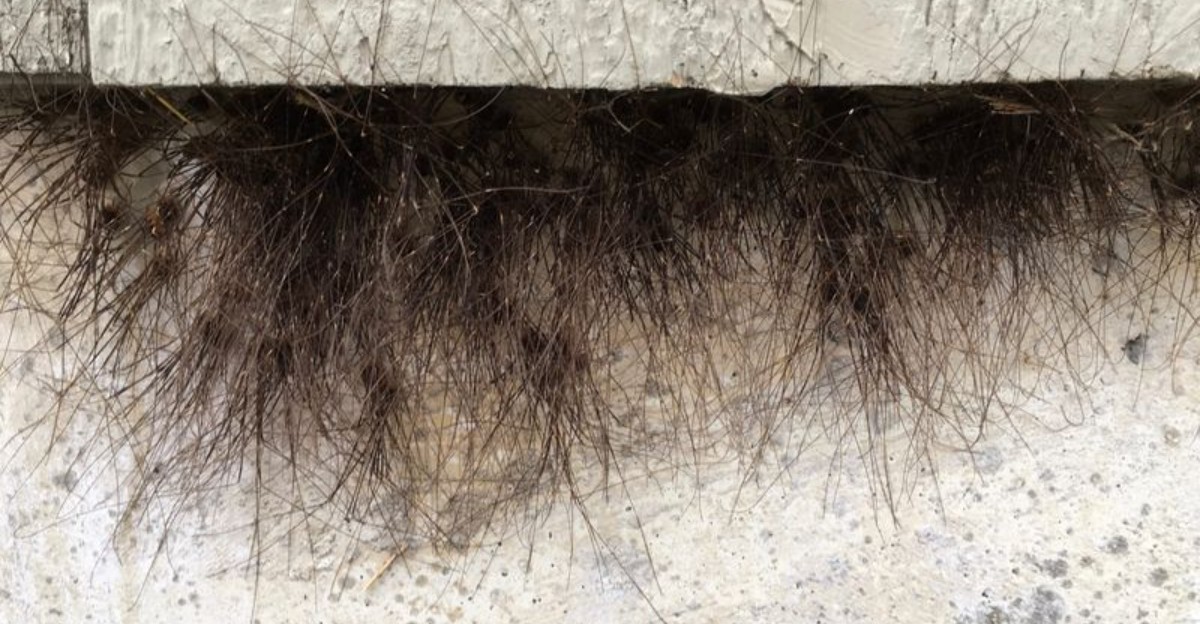
Picture a patch of siding that seems to breathe in light. Your porch post hides a shadow with too many legs. Colorado mornings turn ordinary walls into strange little theaters.
Squint and the shape splits into dozens of trembling strands. Blink and it pulls back into a single, breathing mass. Neighbors from Fort Collins to Durango snap the same photo.
Concern spreads fast when shapes seem to defy stillness. Rumors call it a swarm, a nest, a mystery. Reality offers a calmer answer than the guesses suggest.
Understanding this cluster changes how you look at your siding. Colorado’s cooling air pushes these creatures toward warmth and shelter.
Curiosity outweighs worry once you know what’s crawling near you. Science explains the clumping, the shimmer, the sudden scattering.
Answers sit past this paragraph, closer than you think. You won’t want to stop once you see what is really happening on that wall.
The Clump Explained
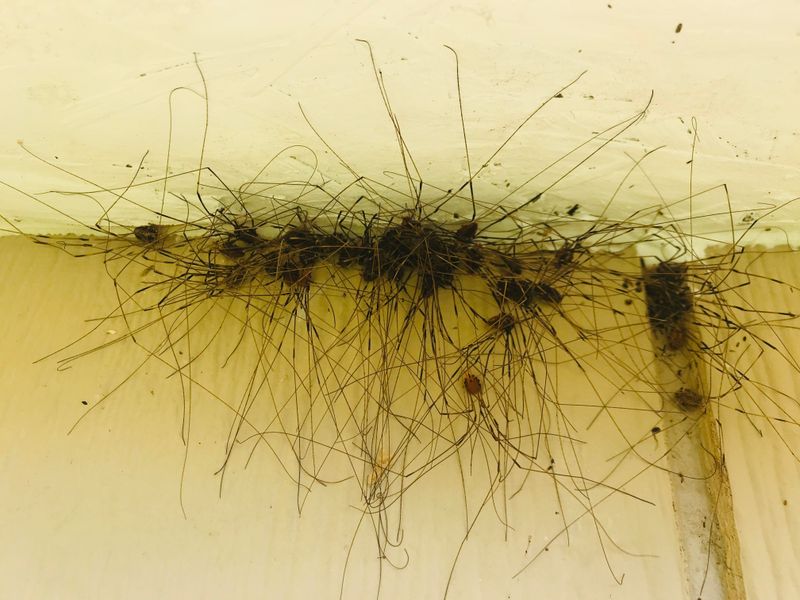
That shimmering blob on your porch post is a gathering of harvestmen, the leggy arachnids most people call daddy longlegs. Hundreds of them pile together, legs tangled, bodies tucked in the middle.
From ten feet away it looks like one furry creature. From two feet away, it looks like a slow-motion fireworks display made of legs.
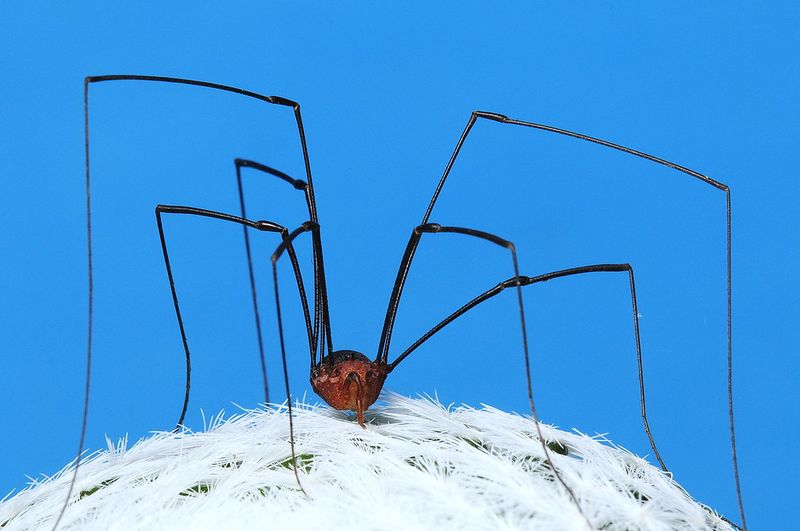
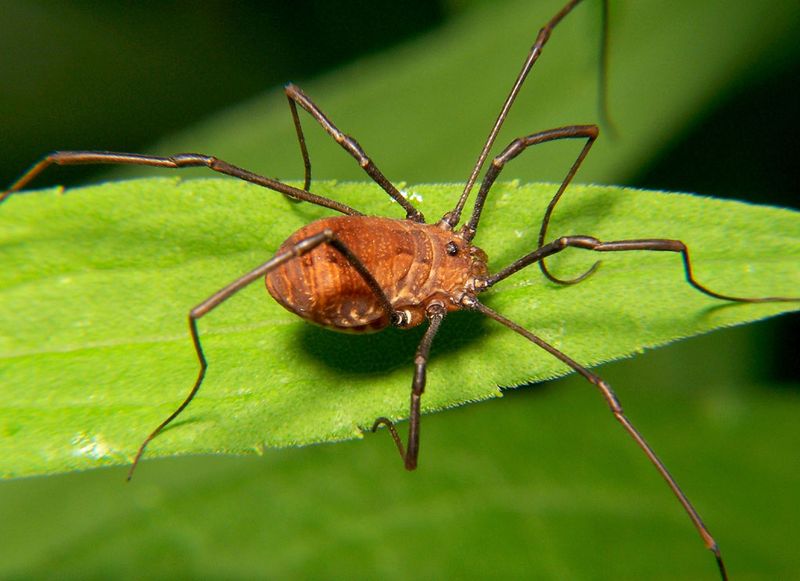
Harvestmen are not spiders, even though they belong to the same larger family. They have one oval body segment instead of two, a single pair of eyes perched on a little turret, and no silk glands at all.
Since they cannot spin webs, they cannot build nests on your house. What you are seeing is a temporary sleepover, not construction work.
The clumping behavior has a name that scientists use: aggregation. Researchers think it helps the group hold moisture, share warmth, and confuse anything that might want a snack.
When something bumps the pile, the whole mass bobs and pulses in unison. That wave of movement makes the group look much bigger and stranger than any single animal.
Colorado sees these gatherings often in late summer and early fall, when harvestmen reach adult size and start looking for mates. Shaded walls, fence corners, and the underside of decks become popular meeting spots.
The good news for homeowners is simple. No venom, no biting, no property damage, and no reason to reach for a spray can.
Why Fall Brings The Big Gatherings
Timing is the secret behind the sudden appearance of these piles. Harvestmen hatch in spring, spend the summer growing through several molts, and reach full size right around late August and September.
Suddenly the neighborhood has thousands of adults instead of tiny, hidden youngsters. They were there all along, just too small to notice.
Colorado weather pushes them together, too. Nights get chilly in September, daytime humidity drops, and these creatures have thin skin that loses water quickly.
Bunching into a tight ball keeps the air around them a bit damper. The animals in the middle stay cooler and more comfortable than they would sitting alone on hot stucco.
Your Colorado Garden Changes Every Week. Your Plan Should Too.
Gardening in Colorado changes quickly throughout the season. Every Friday you’ll receive a simple weekly plan showing exactly what to plant, prune, fertilize, harvest, and protect so you never miss the right timing.
Mating season adds another reason to mingle. A large group means better odds of finding a partner without wandering far from safe cover.
You will often find the biggest clusters on north-facing walls, under eaves, behind downspouts, and inside window wells. Those shaded spots stay cool through the afternoon.
Areas near creeks, irrigation ditches, and watered lawns tend to see these clusters often. Moisture in the soil supports the small insects and decaying matter harvestmen feed on.
By late October, the gatherings usually thin out on their own as temperatures drop. Adults finish their season and the next generation waits as eggs tucked into soil and leaf litter. So the clumps are basically a seasonal event, a fall festival happening on your siding.
The Venom Myth, Explained
Ask ten people about daddy longlegs and at least seven will repeat the same playground legend. The one about them having the strongest venom on Earth but fangs too short to use it.
It sounds thrilling. It is also inaccurate. Harvestmen have no venom glands whatsoever. Instead of fangs, they have small pincer-like mouthparts called chelicerae that work more like tiny kitchen tongs.
Those mouthparts grab bits of food and pass them along. They are not built to pierce human skin, and they carry nothing harmful.
Part of the confusion comes from the nickname itself. Cellar spiders and crane flies also get called daddy longlegs, and all three look vaguely similar to a nervous person at midnight.
Cellar spiders do have venom, but it is weak and poses no real threat to people. Crane flies, meanwhile, cannot even bite.
The myth likely spread because nobody could test it easily, so it got passed around as fun trivia. Researchers eventually examined harvestman anatomy closely and found no venom apparatus at all.
Here is one more detail worth knowing. Harvestmen are ancient, with fossils dating back more than 400 million years, making them older than dinosaurs.
They survived that long without venom, without webs, and without much fuss. Knowing that, the pile on your fence starts looking less like a threat and more like a long-surviving species.
Free Pest Patrol Working Your Yard
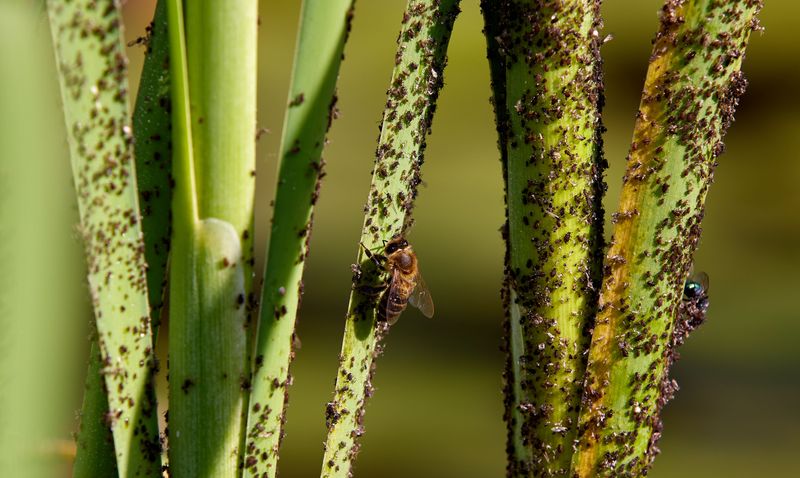
Picture a cleanup crew that works overnight, charges nothing, and leaves no mess. That is roughly what harvestmen do around a Colorado property. They are omnivores with flexible appetites, which makes them unusually useful in a garden.
Their menu includes aphids, mites, small caterpillars, springtails, tiny slugs, and the larvae of assorted garden pests. They also scavenge fallen fruit, mushrooms, bird droppings, and decaying plant matter.
That scavenging habit speeds up decomposition, returning nutrients to your soil. A yard with harvestmen tends to have fewer soft-bodied pests chewing on tomatoes and roses.
Unlike web-building spiders, harvestmen hunt by walking. They tap their long second pair of legs like a blind person uses a cane, feeling and smelling their way across surfaces.
Those sensory legs detect vibration and chemical traces, guiding them straight to a meal. It is a clever system for an animal with poor eyesight.
Gardeners in aphid-prone regions often notice fewer problems in beds where harvestmen are common. Encouraging them costs nothing more than leaving a few leaf piles and mulch patches undisturbed.
Skipping broad-spectrum insecticides helps too, since those sprays remove helpful creatures along with the troublesome ones. A chemical-free corner of the yard can become a nursery for beneficial arachnids.
So the cluster on your shed wall represents a small workforce. Let them clock in, and your plants may thank you next summer.
Moving Them Along Without Harm
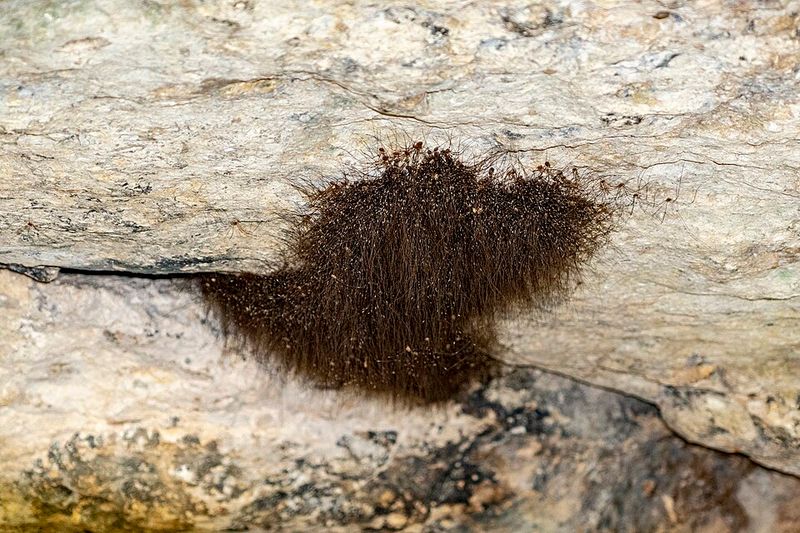
Maybe you appreciate the science but still do not want a pulsing blob greeting guests at the front door. That’s a fair reaction, and there are gentle ways to handle it. A garden hose on a light spray setting works better than anything from a store shelf.
Aim the water at the edge of the cluster rather than blasting the center. The group will scatter and usually relocate to a quieter shaded spot within a day or two. A soft broom also does the trick. Sweep slowly, and give the animals a chance to walk off on their own.
Long-term, the trick is making the wall less appealing. Trim shrubs back from siding, clear leaf piles near the foundation, and fix dripping spigots that create damp patches.
Adjust sprinkler heads that soak the same section of wall each morning. Drier surfaces simply attract fewer visitors.
Swapping bright white porch bulbs for warm yellow or amber LEDs cuts down on the moths and midges that draw hungry arachnids close. Fewer insects overhead means fewer reasons to gather below.
Sealing gaps around window frames, vents, and door sweeps keeps strays from wandering indoors. A simple door sweep solves more problems than people expect.
Skip the pesticide fog. It rarely reaches animals tucked inside a pile, and it removes the helpful bugs working your garden. Patience wins here. Colorado’s first hard frost handles the rest naturally.
Turning The Sighting Into A Backyard Science Moment
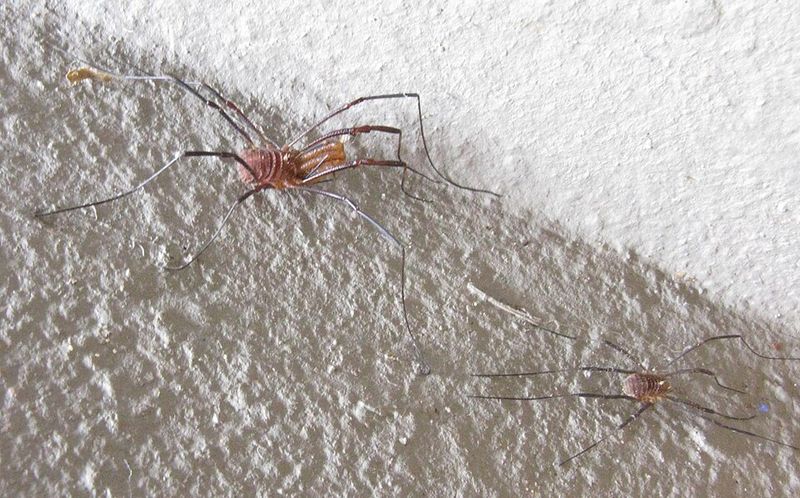
Kids who scream at the sight of a spider often go silent with wonder around harvestmen. There is something hypnotic about watching a pile wobble in slow waves. That fascination is a doorway, and September is a good month to walk through it.
Hand a child a magnifying glass and let them count legs. They will discover that many individuals are missing one or two, because harvestmen can drop a leg to escape trouble.
The detached leg keeps twitching for a while, which distracts predators. The animal walks away short a limb but otherwise fine, though it will not grow that leg back.
Photography turns the moment into a keepsake. Phone cameras with a macro setting capture surprising detail, including the tiny eye turret sitting on top of the body.
Uploading those photos to apps like iNaturalist or Seek adds real data researchers can use to track how species respond to shifting weather patterns.
A fun question to explore together: why do the clumps pulse? Try blowing gently near one and watch the coordinated bobbing ripple outward.
Scientists believe that motion, combined with a musky defensive scent they release, discourages birds and lizards. Observing it firsthand beats reading about it in a textbook.
By the time the aspens turn gold, your kids may be the ones explaining the clumps to nervous neighbors. That is a pretty good trade for a weird wall blob.