A Spiny Crab Shaped Spider Is Appearing In Alabama Gardens As Its Webs Reach Full Size
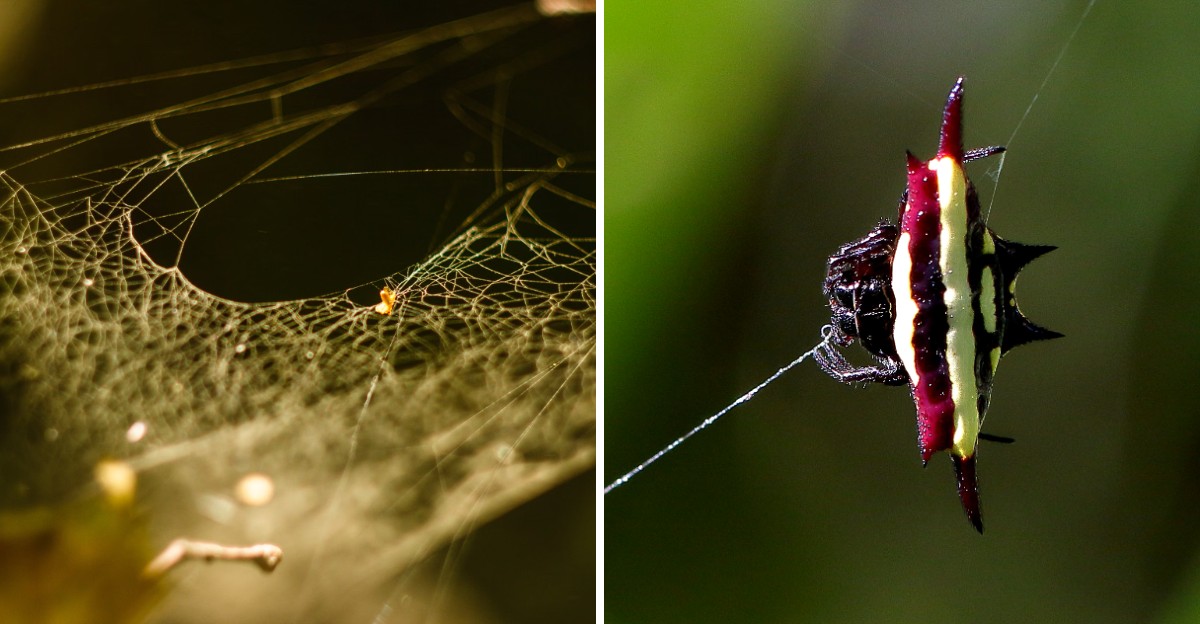
A thread brushes your cheek before you notice it. Alabama mornings hand you something delicate and sharp. Silk lines cross your path like a silent trap. Dew turns each strand into silver wire you notice.
Look closer and you’ll find a white marking centered. That marking tells you a spider works overtime nearby. Across Alabama, you’ll spot these webs strung overnight.
Yesterday your path stood clear; today it won’t. Their pace outpaces what you might expect from insects. You feel the tension before you spot its source. Curiosity pulls you closer, strand by strand.
Each web tells you a different story this season. This spider works with intent, near you. Precision shapes each strand you see at dawn. Patience holds the structure steady until prey arrives.
Speed takes over the instant something lands nearby. Motion rarely stops once the trap tightens around you. Your yard is about to get complicated.
The Tiny Architect Behind Those Crisscrossed Threads
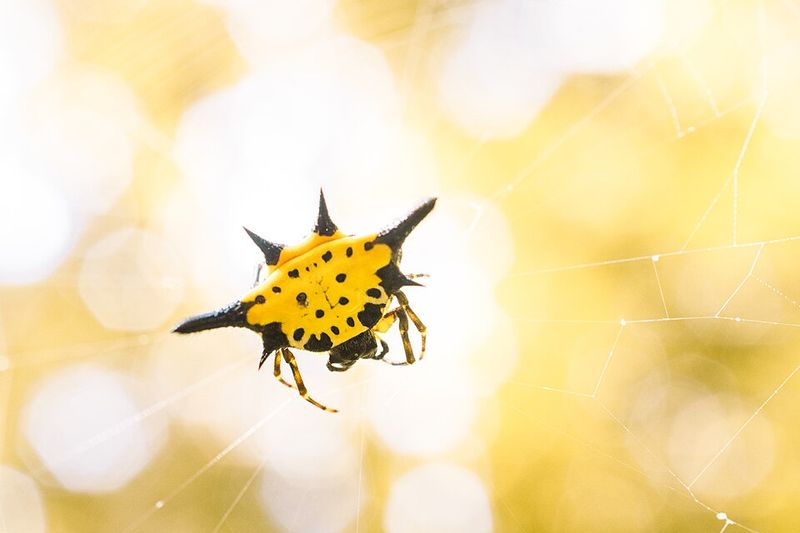
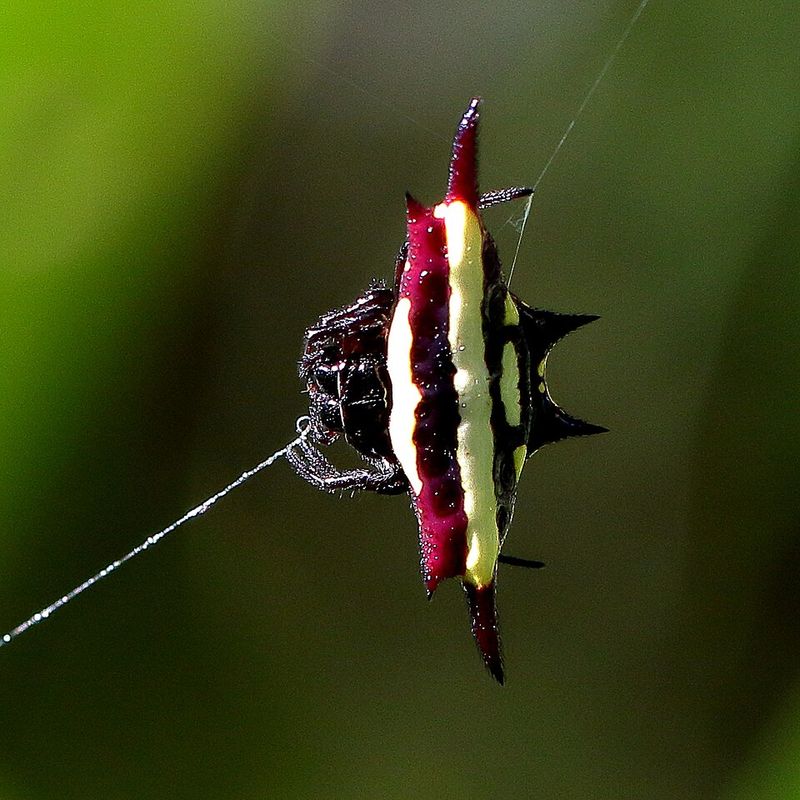
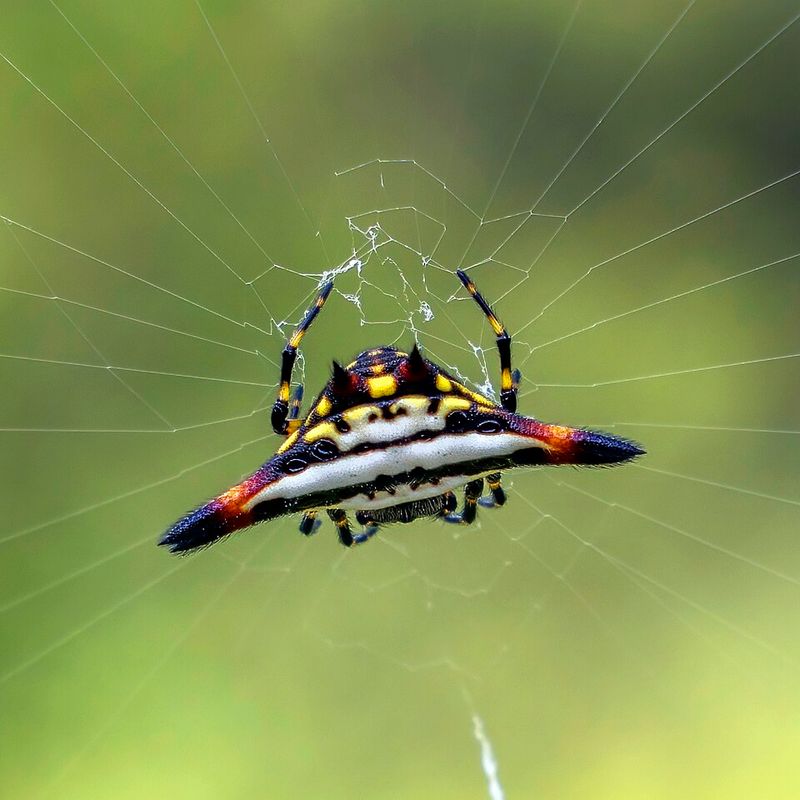
Picture a crab that shrank down to the size of a shirt button and decided to take up knitting. That is roughly the vibe of the spiny orb-weaver, a small spider whose hard, shell-like back is dotted with six pointed spines.
The scientific name is Gasteracantha cancriformis, though plenty of Southern gardeners call it the crab spider, jewel spider, or spiny-backed orb-weaver. Females measure about a third of an inch across the body, with the spines adding to the width.
Colors vary more than people expect. Some have a chalk-white back with black dots and red spines, while others show bright yellow or even a deep orange shell.
White and yellow forms are commonly reported across the Southeast, and both can turn up on the same street.
Males look totally different and are easy to overlook. They are much smaller, drab gray, and lack the dramatic spines, often hanging on a thread near a female web without drawing attention.
The hard abdomen acts like armor and probably discourages birds from making a snack of them. Those spines are decorative and defensive, not stingers, and they carry no risk for gardeners.
You will find them at eye level between shrubs, fence posts, citrus trees, and porch columns. Once you learn the silhouette, you start spotting them in yards all over your neighborhood, which is half the fun of noticing them at all.
Why September Is Peak Season In Alabama Yards
Timing explains a lot here. These spiders hatched in spring as specks barely visible on a leaf, and they have spent the warm months eating and molting their way up to adult size.
In many parts of Alabama, females approach full body size by late August and September, though maturation can extend into fall depending on hatch timing, and their webs stretch toward full width as they grow.
A web that measured a few inches across in June can now span noticeably wider between branches as the spider grows into her full size.
Your Alabama Garden Changes Every Week. Your Plan Should Too.
Gardening in Alabama changes quickly throughout the season. Every Friday you’ll receive a simple weekly plan showing exactly what to plant, prune, fertilize, harvest, and protect so you never miss the right timing.
Alabama’s long, muggy summer feeds the whole system. Gnats, mosquitoes, whiteflies, and small moths peak in late summer, giving orb-weavers plenty of reason to build bigger traps in busier flight paths.
Humidity plays a role too. Damp mornings make silk easier to spin and keep strands sticky longer, so webs hold together through the day instead of drying and sagging.
There is also a mating rush happening. Adult females are producing egg sacs now, tucking them onto the undersides of leaves, and a well-fed female lays a healthier batch, so feeding hard in September really matters for her.
That is why your morning walk to the mailbox suddenly involves a face full of silk. The spiders did not move in overnight, they simply grew into the space they had been quietly occupying since spring.
Expect the show to run through October in much of the state, with some populations remaining active into November before cooler nights wind things down and egg sacs carry the next generation into spring.
Reading The Web And Its Curious Silk Tufts
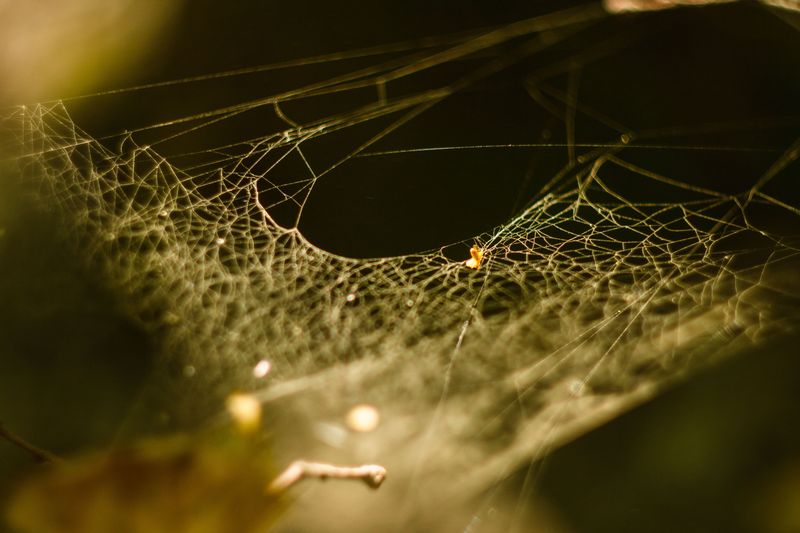
Here is a detail most people miss until someone points it out. Run your eye along the outer support lines of one of these webs and you will spot small white fluffs spaced like beads on a string.
Those tufts are made of extra silk, and researchers think they serve as warning flags. Birds and larger animals see the fuzzy markers and veer off, which saves the spider hours of rebuilding.
The web itself follows the classic orb pattern: a round spiral of sticky capture threads held by straight, non-sticky spokes. The spider walks the dry spokes and avoids getting stuck on her own trap.
Most webs get rebuilt regularly, sometimes daily. A female may eat the old silk to recycle the protein, then spin a fresh circle in the same frame within an hour or so.
Position tells you something too. Webs are often built at roughly head height in open flyways.
She generally sits head-down in the hub, waiting for vibrations. When something hits the silk, she rushes over, wraps it, and settles back in the middle.
Once you start reading webs this way, a backyard turns into a map of tiny hunting grounds. It also makes it easier to walk a path without wrecking somebody’s night of work.
How Harmless They Really Are Around People And Pets
Here’s what the safety data actually shows. Spiny orb-weavers are not considered dangerous to people, and bites are rare enough that most gardeners go their whole lives without one.
Their fangs are tiny and built for small insects, not skin. Even when a web gets destroyed and the spider lands on an arm, the usual reaction is a quick scramble for the nearest leaf.
Those red or black spines look intimidating, yet they do not sting, inject, or scratch. They are hardened points on the abdomen, functioning as armor rather than weapons.
Dogs and cats are equally safe. A curious pet might snap at one, and the worst likely outcome is a startled pet and a relocated spider.
Children can watch them up close with confidence, which makes these spiders a great backyard science lesson. Hand a kid a magnifying glass and you have entertainment for an afternoon.
The one genuine annoyance is walking through a web face-first. Silk in the eyelashes is unpleasant, though it washes off with water and causes no harm.
A simple fix is carrying a long stick and waving it ahead of you on overgrown paths. Old-timers in the South have done this for generations, and it works just as well today.
Fun bit of trivia: the species name cancriformis translates roughly to crab-shaped, so even the scientists noticed the resemblance.
The Pest Patrol Working Your Garden For Free
Think of each web as a free insect trap you never had to buy. A single adult female can catch a steady stream of small flying insects over the course of a week, and she does it without electricity or chemicals.
Her menu leans heavily toward the bugs gardeners complain about. Whiteflies, fungus gnats, small moths, and leafhoppers commonly end up tangled in her spiral, along with the occasional mosquito.
These spiders are commonly found in citrus groves across the Gulf states, where their webs help intercept pests before they reach the fruit. Webs strung through orchard rows intercept pests before they reach the fruit.
For home gardens, the benefit shows up in fewer chewed leaves on tomatoes, peppers, and okra. Moths that would otherwise lay eggs on your crops get intercepted mid-flight.
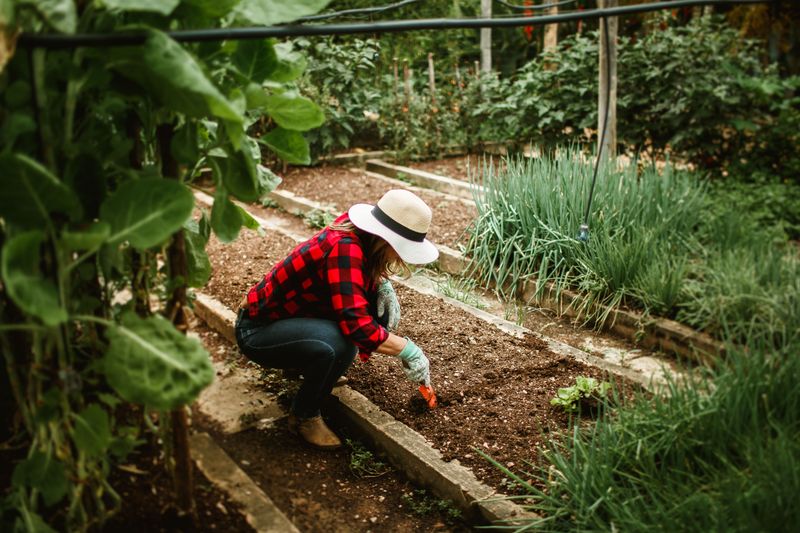
Keeping them around costs you nothing. Skipping broad-spectrum insecticides near flowering beds helps, since those sprays reduce the small insects the spiders depend on.
Leaving a few shrubs slightly untrimmed gives them anchor points. Fence lines, trellises, and the gap between two tomato cages all make excellent web frames.
They also serve as snack bars for birds and wasps, feeding into the wider yard food web. A garden humming with spiders is often a good sign that insect populations, and the predators that rely on them, are thriving.
Consider them a natural, no-cost form of pest control that’s active around the clock through September.
Sharing The Yard Without Walking Face-First Into Silk
Nobody enjoys the silk-in-the-mouth moment, so a little planning goes a long way. Walk your main paths with coffee in hand each morning and note where webs sit.
For webs blocking a doorway or walkway, gentle relocation beats destruction. Slide a long stick or broom handle under the anchor lines, lift slowly, and carry the whole structure to a nearby shrub.
The spider usually hangs on for the ride or drops on a silk line and climbs back up. She will rebuild by evening in the new spot.
Trimming overhanging branches near entryways removes the anchor points she needs. Fewer bridges between plants means fewer webs across your route to the car.
Outdoor lighting matters more than people realize. Bright porch bulbs attract clouds of insects, which attracts web builders, so swapping to warm yellow bulbs thins the crowd.
Around garden beds and fence lines, the easiest choice is simply leaving them be. Those areas benefit most from having an insect catcher on duty.
If you want to photograph one, early morning light with dew on the silk gives the best results. Crouch low and shoot upward so the web glows against the sky.
By late fall the adults fade from view and egg sacs take over the job of carrying the line forward. Next spring brings a fresh crop of pinhead-sized spiderlings, and the cycle starts again.