Tiny Florida Oak Trees Popping Up Everywhere? September Is A Good Time To Decide Which Ones Stay
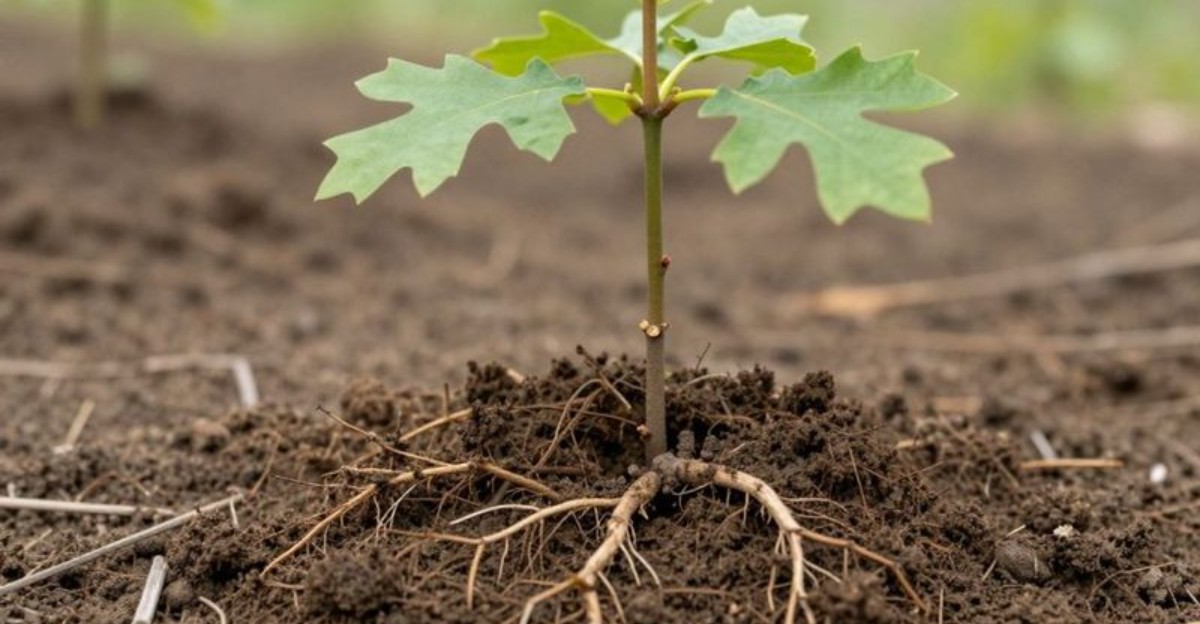
Small Florida oak trees are showing up in spots nobody planted. Along the fence line, in the middle of a flower bed, pushing up through a crack near the driveway.
A few weeks ago none of them existed. Now there’s a handful scattered across the yard, all roughly the same size.
None of it is random. Oaks drop acorns by the hundreds, and September’s the point where enough of them have sprouted to actually notice.
Left alone, most won’t make it past a year or two, crowded out by grass, mowed down by accident, or simply outcompeted by whichever seedling happens to be growing in better soil nearby.
A few of these small oaks are worth keeping on purpose. Picking which ones now, while they’re still easy to move or protect, decides which one might still be standing decades from now.
1. Figure Out Which Florida Oak Just Volunteered For Your Yard
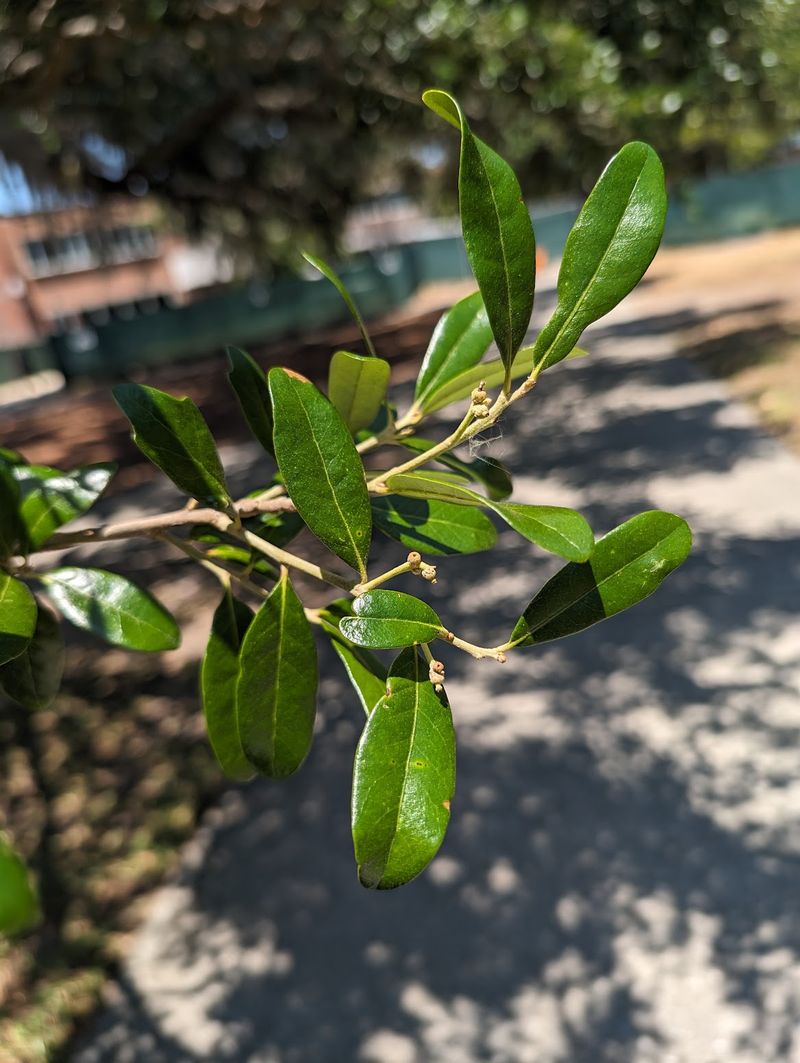
Florida hosts roughly 24 native oak species, so that mystery sprout could be any number of things. Leaves are your best clue while the seedling is still knee-high.
Live oak (Quercus virginiana) shows small, leathery, oval leaves with smooth edges and a dark green shine. Laurel oak (Quercus laurifolia) leaves are narrow, glossy, and unlobed, and the tree grows fast.
Water oak (Quercus nigra) often looks like a paddle or spatula, sometimes with three shallow bumps at the tip.
Southern red oak (Quercus falcata) carries shiny lobed leaves with a long, narrow tip lobe. Willow oak (Quercus phellos) has slim, light green leaves that really do look willow-like.
Bluejack oak (Quercus incana) leans ashy blue-green on top and silvery underneath, while turkey oak (Quercus laevis) shows deep lobes shaped a bit like a turkey’s foot.
Geography narrows things down too. Live oaks turn up across the whole state, while white and red oak types cluster more in the northern counties.
One handy shortcut: white oak group leaves tend toward rounded lobes and their acorns ripen in a single year, while red oak group leaves carry pointed tips or bristles and need two years to make acorns. Snap a photo and compare before you decide anything.
2. Picture The Full-Grown Tree Before Saving That Tiny Seedling
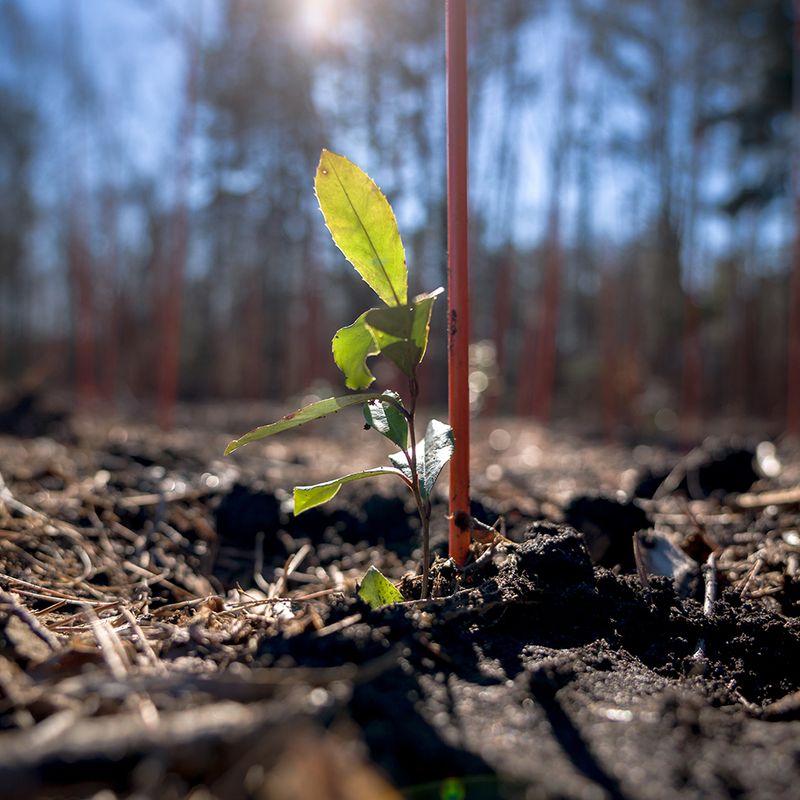
That seedling fits in a coffee cup today. Give it a few decades and it may shade your entire back yard, plus part of the neighbor’s.
Live oaks can reach 60 to 80 feet tall and develop a very broad canopy, sometimes spreading wider than the tree is tall. They can stand for centuries, which means you are planting for grandchildren you have not met yet.
Southern red oaks reach a similar 60 to 80 feet in both directions.
Laurel oaks top 60 feet with a 35 to 45 foot spread, but they only live around 50 to 70 years and tend to develop decay as they age. Water oaks hit 50 to 80 feet with a rounded crown 40 to 60 feet across.
Not every oak turns into a giant, though. Bluejack oak usually stops near 30 feet, and turkey oak settles in at 20 to 40 feet tall with a 20 to 30 foot spread.
Your Florida Garden Changes Every Week. Your Plan Should Too.
Gardening in Florida changes quickly throughout the season. Every Friday you’ll receive a simple weekly plan showing exactly what to plant, prune, fertilize, harvest, and protect so you never miss the right timing.
Those smaller species suit tighter lots nicely.
Willow oaks can pass 70 feet with a 40 to 50 foot width. Grab a tape measure, pace out the mature spread on the ground, and see whether the space truly exists.
The answer is usually obvious once you walk it.
3. Keep The Oaks That Landed In The Right Place By Chance
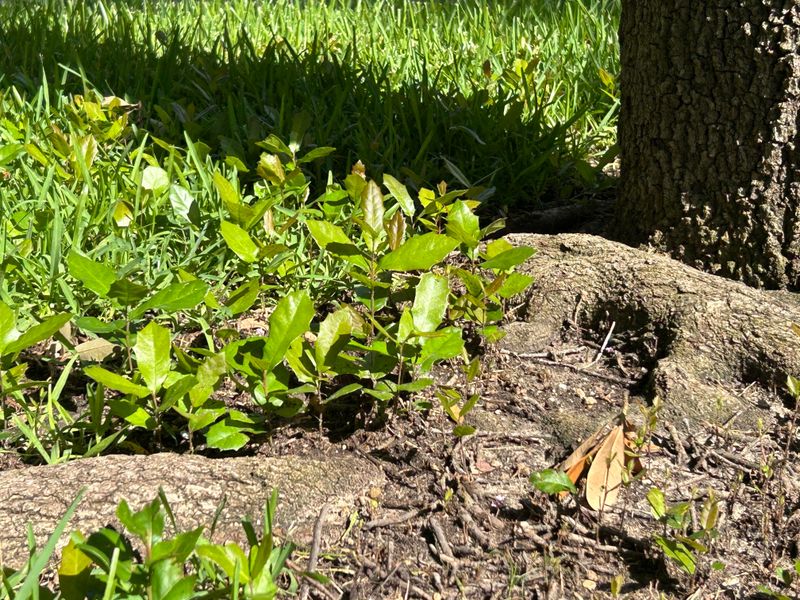
Sometimes a squirrel makes a better landscaping decision than a professional would. Every so often an acorn lands in exactly the open, sunny, far-from-everything spot where a big tree belongs.
When that happens, congratulations, you got free shade. Mark the seedling with a stake or a bright ribbon so nobody runs it over with a mower, and let it do its thing.
Oaks pull real weight in a yard. They hand out shelter, food, and canopy cover for an impressive range of plants and animals, and their wide root systems store carbon while holding loose soil in place during heavy rain.
Live oaks earn extra points with Florida homeowners for toughness. Their dense wood and low, spreading form handle strong wind better than many alternatives, which matters a great deal during storm season.
Native oaks also fit the climate without much fussing. They settle happily into sandy soils, shrug off a dry winter, and tolerate the soggy stretch of summer that drowns fussier species.
Here is the practical part: a volunteer that sprouted in place has already grown a taproot suited to that exact spot. No transplant shock, no adjustment period.
If the location checks out, keeping it is the easiest win in your whole yard.
4. Remove Volunteers Crowding Foundations Driveways And Sidewalks
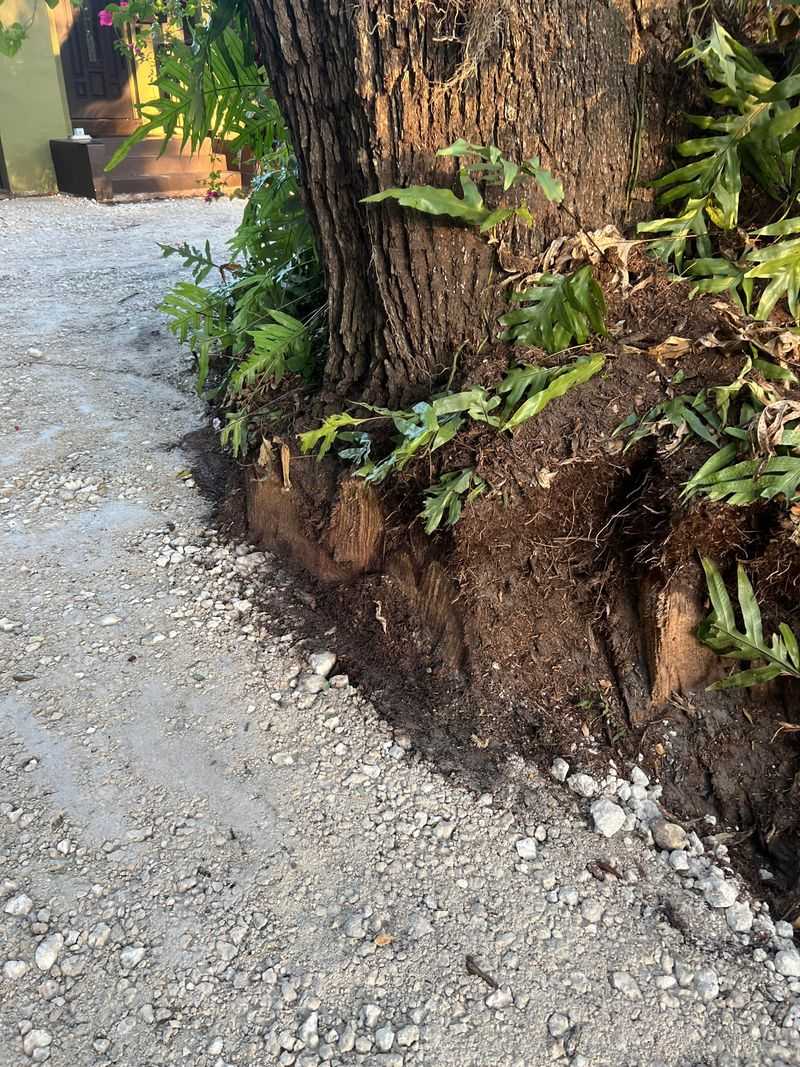
A seedling eighteen inches from your foundation looks harmless. Twenty years of root growth is what makes it expensive.
Oak roots chase moisture with real determination, and they push hard enough to crack and lift concrete. Driveways, walkways, and slab edges all sit in the line of fire.
Florida’s sandy soil makes the situation trickier. Oak roots can extend well beyond the trunk and often occupy a broad area near the soil surface, so nearby hardscaping deserves careful consideration.
Many Florida homes also sit on shallow foundations, which leaves less buffer between root and structure.
Pipes deserve a thought too. Roots slip into sewer lines and water lines through small gaps, then expand and cause leaks or clogs that show up as a surprise plumbing bill.
The spacing guidelines are straightforward. Give a future live oak plenty of room from sidewalks, driveways, and buildings, and check the mature spread before deciding whether the spot is suitable.
Measure before you make the call. If the numbers fall short, pull that seedling now while it slides out of moist September soil with one tug and a bit of wiggling.
Small regret today beats jackhammer rental later. Nobody has ever wished they had left a volunteer oak next to the front steps.
5. Look Up Before Letting An Oak Grow Beneath Utility Lines
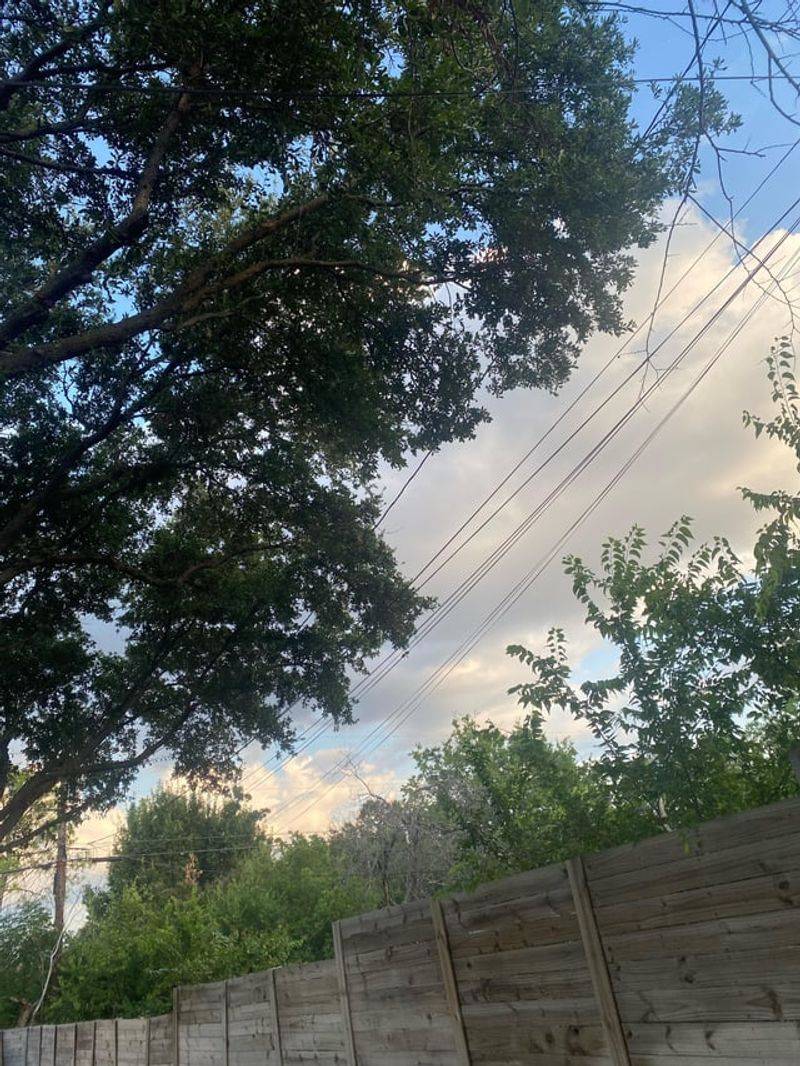
Gardeners spend a lot of time looking down. The sky above a seedling deserves a glance too.
Overhead power lines and future oak canopies do not share space well. A volunteer growing directly beneath them creates a maintenance problem that never quite goes away.
The usual recommendation places a live oak at least 30 feet away from overhead lines. That distance accounts for the enormous horizontal reach these trees develop, not just their height.
Skip that spacing and you inherit a pruning schedule. Utility crews trim branches that threaten lines, and their cuts prioritize clearance over appearance, which can leave a tree looking lopsided and oddly carved.
Repeat trimming costs money when you hire it out yourself, and the shape rarely improves with each round. Meanwhile the tree keeps growing toward the exact place it should not be.
Storm season raises the stakes further. Limbs tangled in wires during high wind mean outages for the whole street, and nobody enjoys being the source of that.
Take a photo straight up from the seedling’s position before deciding. Lines, service drops, and even the roofline show up clearly in a phone picture.
If wires cross overhead, relocate the young oak or remove it and pick a smaller species for that spot instead.
6. Match Each Young Oak To The Soil It Actually Prefers
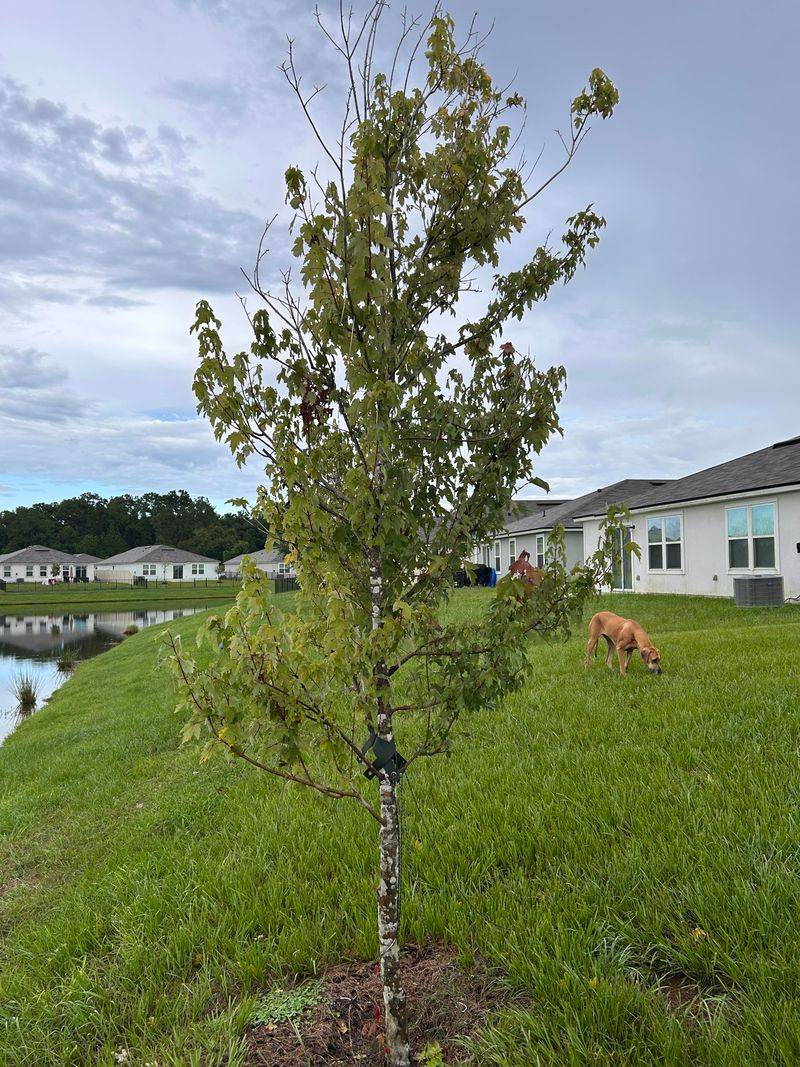
Soil preferences separate an oak that thrives from one that just hangs on. Soil preferences vary by oak species, but many Florida oaks perform best in well-drained soils, with the ideal conditions depending on the species and site.
Beyond that baseline, tastes vary quite a bit. Live oaks are the flexible ones, doing fine in sandy or loamy well-drained soil across a wide pH range, including alkaline spots, and handling salt and drought once their roots settle in.
Southern red oaks favor well-drained acidic sand or loam and tolerate dry, poor ground surprisingly well. Willow oaks lean the opposite direction, preferring wet acidic or neutral soil and rich bottomland, and they struggle where conditions turn alkaline.
Swamp chestnut oaks accept both soggy and dry acidic sites. Bluff oaks and Shumard oaks want full sun with good drainage, and Shumard oaks especially enjoy deep, rich soil near streams.
Post oaks belong on dry sand or rocky slopes, and turkey oaks show up naturally on sandy, well-drained uplands.
A cheap pH test kit answers the question in about ten minutes. Dig a small hole, check how fast water drains, and compare that against the species you identified earlier.
Match the two and the tree practically raises itself. Mismatch them and you will be watering forever.
7. Give The Strongest Seedlings Enough Sun To Build Their Future
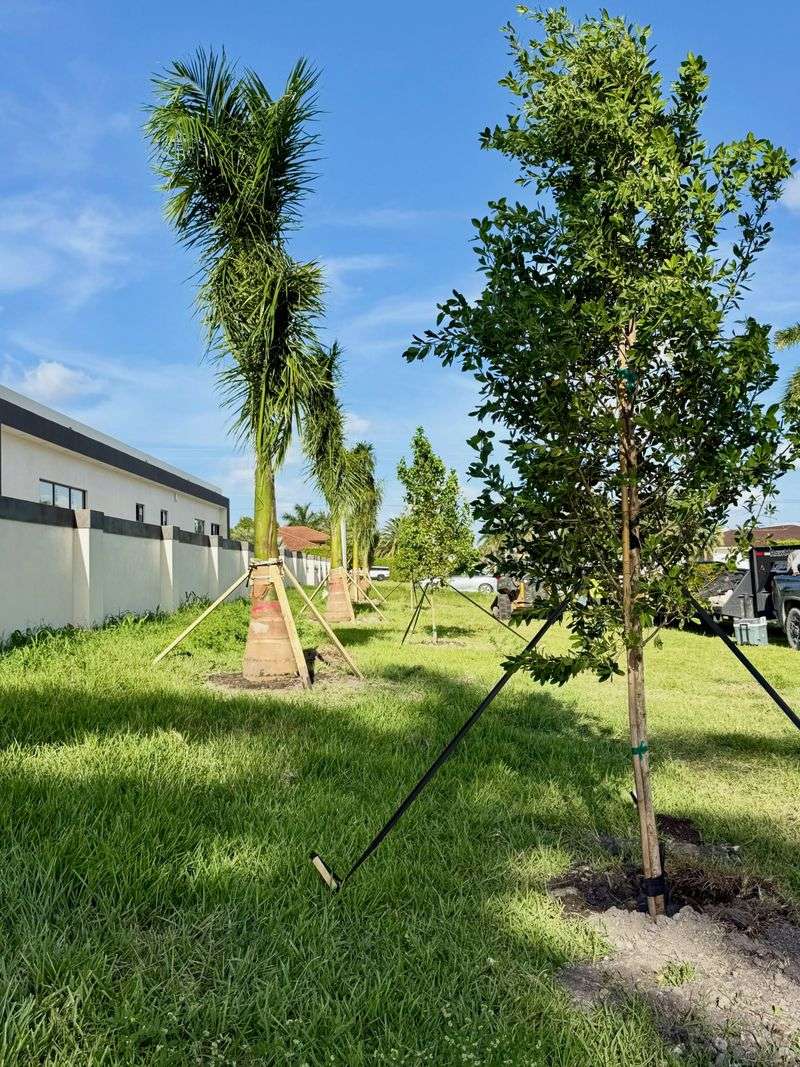
Ever wonder why one volunteer shoots up while its neighbor sits still for three years? Sunlight usually explains the gap.
Florida oaks generally do their best work in full sun. Southern red oaks, willow oaks, bluff oaks, Shumard oaks, and swamp chestnut oaks all lean strongly toward open, bright exposure.
Live oaks stretch a little further, handling anything from full sun to partial shade, though they clearly prefer generous light and room to spread wide.
Young oaks are not particularly shade tolerant as a group. Shaded seedlings grow slowly, stay spindly, and take far longer to build the sturdy trunk that carries them through storms.
So look at where your keepers landed. A sprout under a dense laurel oak canopy has a rough road ahead, while one in an open lawn corner has everything it needs.
You can help by clearing competing weeds and shrubs from a circle about three feet across. Mulch lightly around that ring, keeping the material off the stem itself.
Pick your favorites rather than saving everything. Two or three well-lit seedlings will outperform a dozen crowded ones, and thinning early spares you harder choices later.
Sunshine is the one input you cannot buy at the garden center.
8. Save A Well-Placed Oak For The Wildlife It Can Support
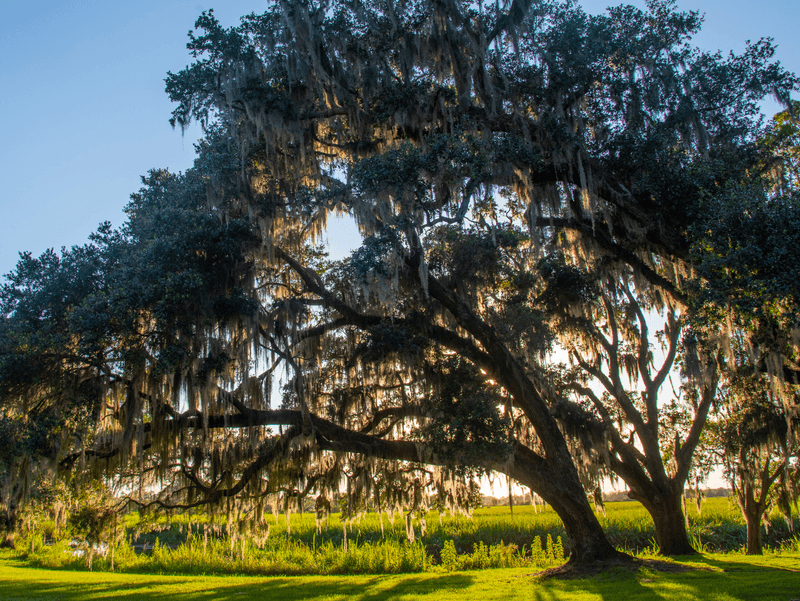
Ecologists call oaks a keystone species, and the title is earned. Few trees feed and house so many living things at once.
Acorns provide an important food source for a wide range of wildlife, including squirrels, deer, wild turkeys, and many birds.
Leaves matter just as much. Moth caterpillars and other small invertebrates graze on oak foliage, and those insects draw in hunting spiders plus the songbirds that feed their chicks on caterpillars.
Structure counts too. Thick foliage and strong branching give birds and mammals cover and nesting spots, from gray squirrels to the Florida scrub-jay.
Spanish moss adds another layer on live oaks, offering roosting space for bats and soft nesting material that birds gather all spring.
The roots quietly contribute as well, storing carbon and gripping sandy soil against erosion during heavy summer downpours.
Here is a fun bit of math: a single mature oak can host hundreds of insect species, far more than most ornamental trees managed in the same space.
If one of your volunteers sits in a workable spot, keeping it is a gift to the whole neighborhood, feathers and fur included.
9. Move A Keeper While It Is Young Rather Than Waiting For A Bigger Job
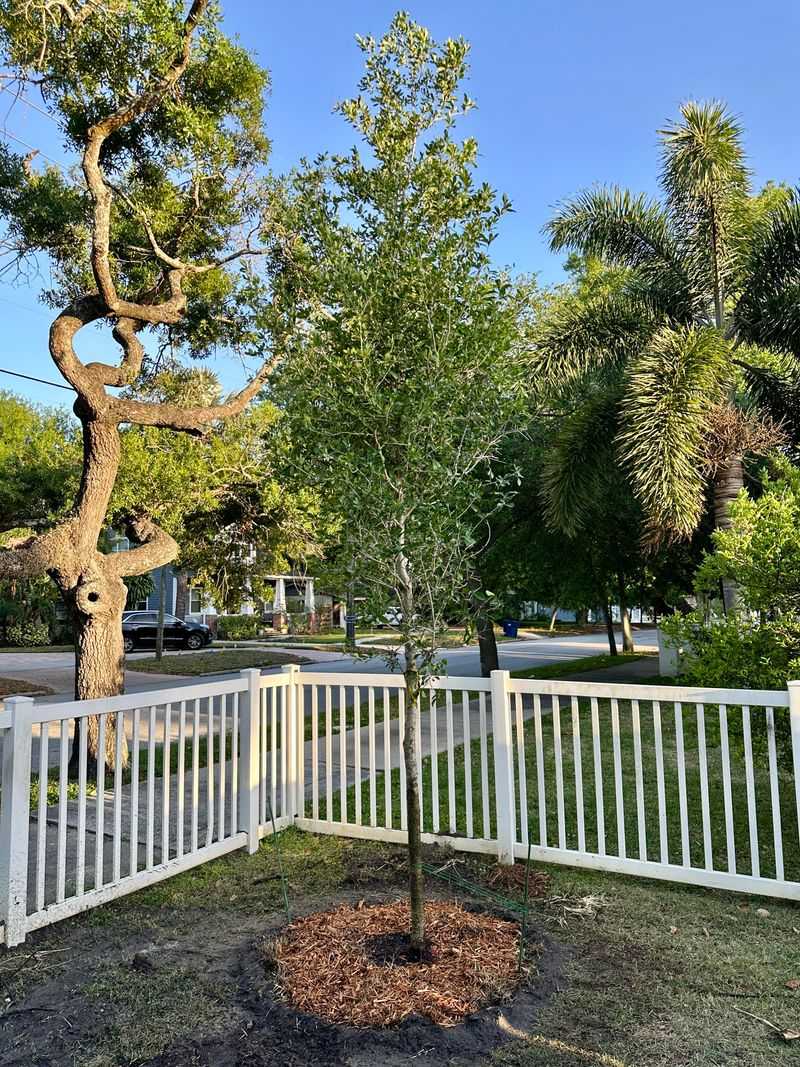
Timing is everything with transplanting, and small beats big every time. A seedling you can lift with a hand trowel moves easily; a six-foot sapling becomes a weekend project with sore shoulders attached.
Young live oaks grow quickly and transplant without much drama. Dig wide rather than deep, keep a generous ball of soil around the roots, and get the seedling into its new hole the same hour if you can.
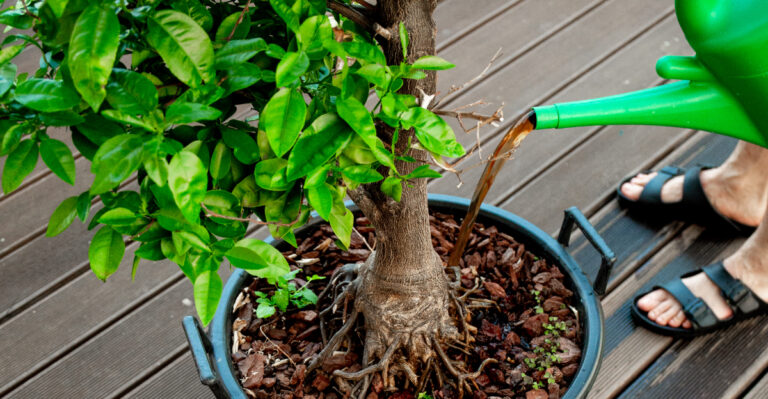
Water it in well and keep the soil consistently moist for the first several weeks. September’s warm ground and frequent rain give roots a friendly head start before winter slows things down.
Do not panic if the top looks rough afterward. During establishment, which runs anywhere from one to three years, oak seedlings sometimes lose their above-ground growth while the root system expands underground.
Fresh shoots typically push out from the green stem or from the root collar right at soil level. Patience pays off here more than fertilizer does.
Mark the spot so the new resident does not meet a lawn mower, and leave a shallow watering basin around the stem.
Walk the yard this month, tag your keepers, relocate the promising ones, and pull the rest. Future you will be sitting in the shade, grateful.