These Virginia Trees Are Spotted Lanternfly Magnets
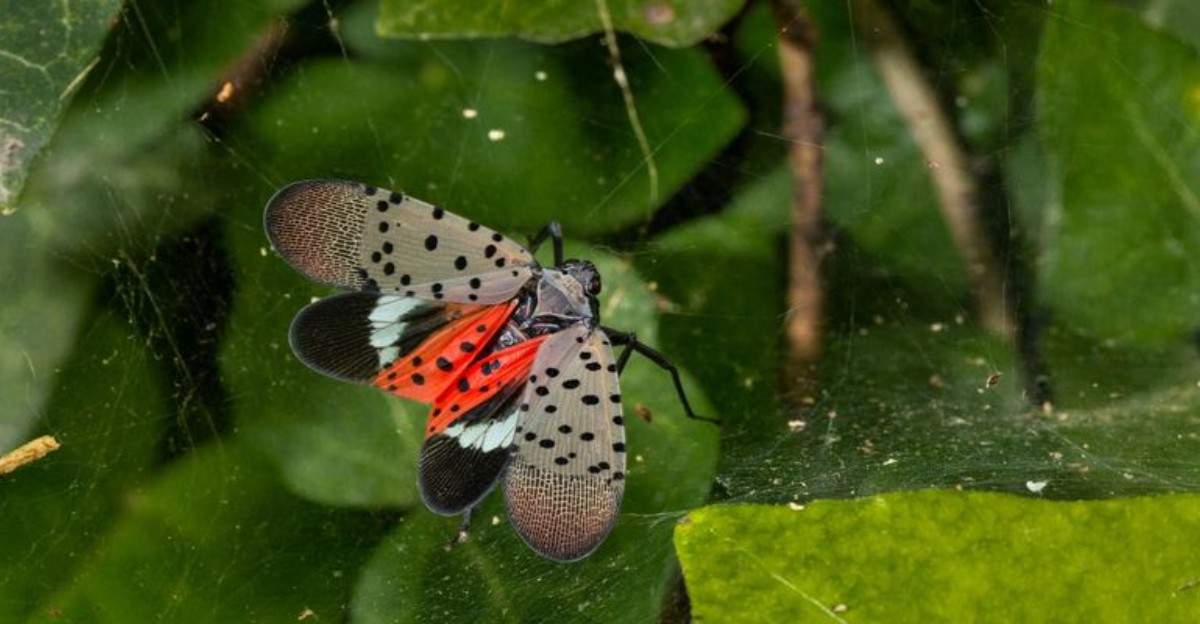
Late summer can bring an unwelcome sight to Northern Virginia: trees covered with spotted lanternflies.
These invasive pests feed on plant sap and leave behind sticky honeydew that can encourage black sooty mold. Heavy infestations can stress plants, especially when large numbers gather and feed at once.
Spotted lanternflies do not treat every plant equally. They have preferred hosts, and knowing which trees and vines attract the most activity can make it much easier to spot an infestation early.
If you have these plants on your property, take a closer look at their trunks, branches, and surrounding areas. Finding egg masses, nymphs, or adults early can help you respond before populations build up.
1. Tree Of Heaven Is The First Tree Spotted Lanternflies Seek
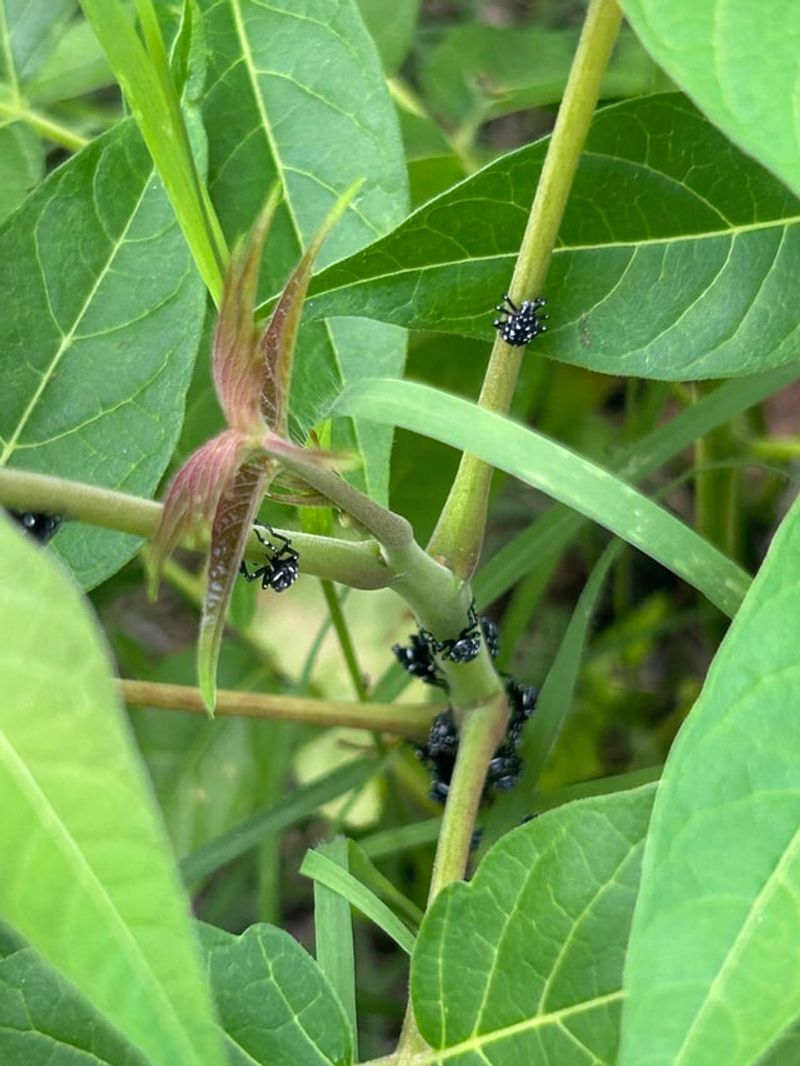
Ask any Virginia entomologist which plant to check first, and the answer comes fast: tree-of-heaven. This weedy invader from East Asia, known scientifically as Ailanthus altissima, is the spotted lanternfly’s preferred host.
Research shows that both nymphs and adults survive better and produce more eggs when they feed on it. That makes a single Ailanthus in your neighborhood a nursery for next year’s population.
You will spot these trees along highway shoulders, behind shopping centers, on cleared lots, and in city green spaces across the state. Crush a leaf and you may catch a smell some people compare to burnt peanut butter.
Late summer and fall are peak season, when lanternflies pile onto trunks to feed and then lay putty-colored egg masses on the bark.
Removing tree-of-heaven from your property is one of the strongest moves you can make, since it pulls away their favorite food and their preferred egg-laying spot.
Cutting alone backfires, though, because stumps and roots send up dozens of new shoots. Foresters usually recommend a cut-and-treat approach or a basal bark treatment, ideally in mid to late summer.
Big, healthy Ailanthus can shrug off plenty of feeding, but saplings often suffer real harm and can decline quickly under heavy lanternfly pressure.
2. Walnut Trees Can Draw Large Spotted Lanternfly Gatherings
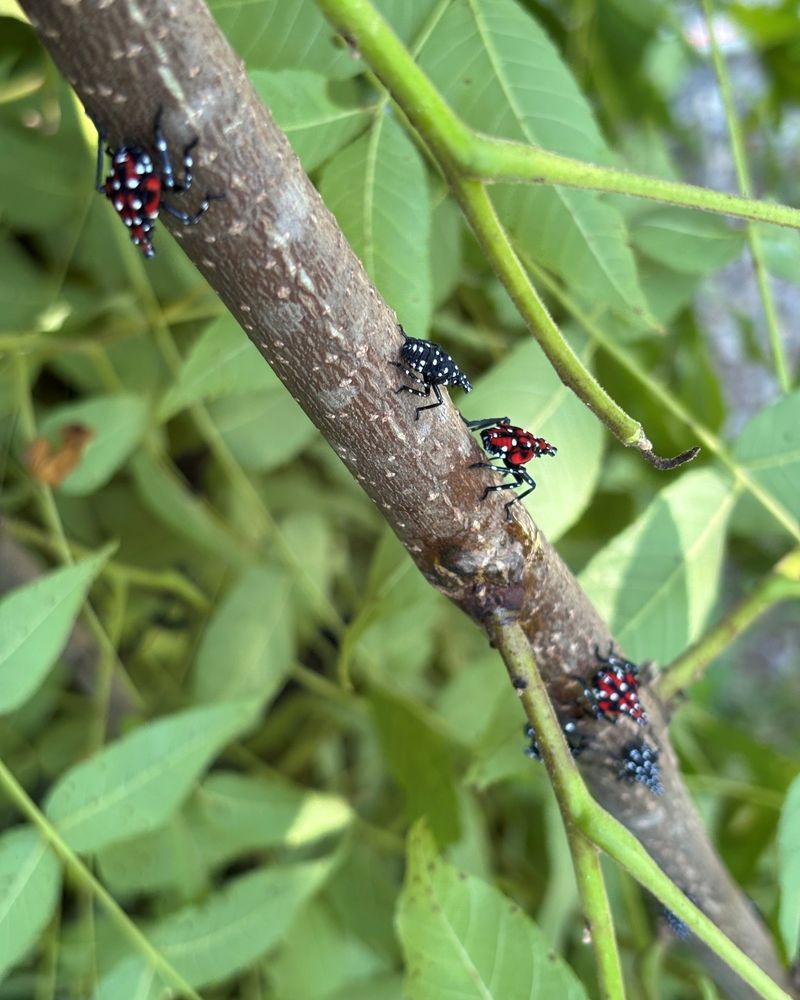
Black walnut has a reputation for being tough, but lanternflies still show up on it in impressive numbers. Homeowners in the Shenandoah Valley and Northern Virginia often report trunks that look like they have been wallpapered with insects.
Studies suggest lanternflies do not thrive on walnut quite as well as they do on tree-of-heaven, yet they clearly feed and hang around in big crowds.
Here is the part that deserves attention: black walnut saplings are among the few plants where heavy feeding has actually caused tree loss in the field. Young trees simply do not have the reserves that a mature one does.
A funny wrinkle in all this is identification. Walnut and tree-of-heaven both have long compound leaves, and plenty of people mix them up.
Walnut leaflets have finely toothed edges, while Ailanthus leaflets are smooth with a small bump or gland near the base.
Getting that right matters, because you do not want to remove a valuable walnut by mistake.
Your Virginia Garden Changes Every Week. Your Plan Should Too.
Gardening in Virginia changes quickly throughout the season. Every Friday you’ll receive a simple weekly plan showing exactly what to plant, prune, fertilize, harvest, and protect so you never miss the right timing.
When you see thick lanternfly activity on black walnut, take it as a signal that the local population has outgrown its favorite host and is spreading out.
Wrap young walnuts with sticky bands protected by wire mesh, and scrape any egg masses you find on the bark.
3. Maples Often Become Busy Feeding Sites For Lanternflies
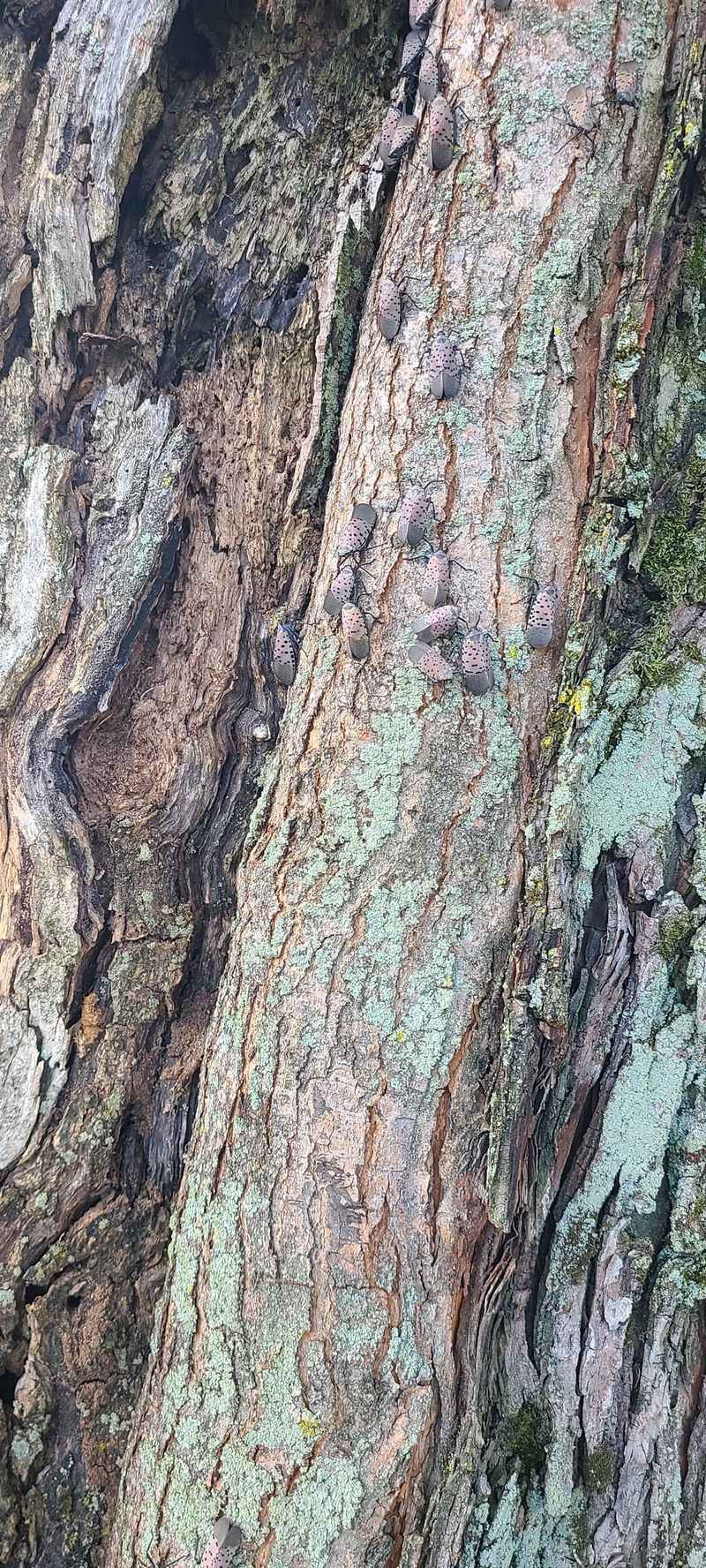
Maples are everywhere in yards, parks, and street plantings, which makes them a convenient stop for hungry lanternflies. Red and silver maples are especially attractive to adult lanternflies in late summer.
By late August and September, it is common to see dozens or even hundreds of adults lined up on a single maple trunk, all facing the same direction as they feed.
The mess is usually the first thing people notice. Honeydew rains down onto sidewalks, patio furniture, and parked cars, then black sooty mold grows on the sticky film and turns bark and leaves dingy.
That mold can interfere with photosynthesis on lower leaves, and the sugary drip attracts wasps and ants, which is no fun during a backyard cookout.
Good news for tree owners: maples can feed lanternflies, but the insects do not flourish on them the way they do on tree-of-heaven. Established, healthy maples are resilient and are not expected to be lost from feeding alone, though a heavy season adds stress.
Practical steps help a lot. Keep maples well watered during dry spells, avoid unnecessary root damage, and check the trunk and nearby fence posts for egg masses between October and spring.
Scraping eggs into soapy water removes 30 to 50 future insects per mass.
4. Grapevines Are A Major Target For Spotted Lanternflies
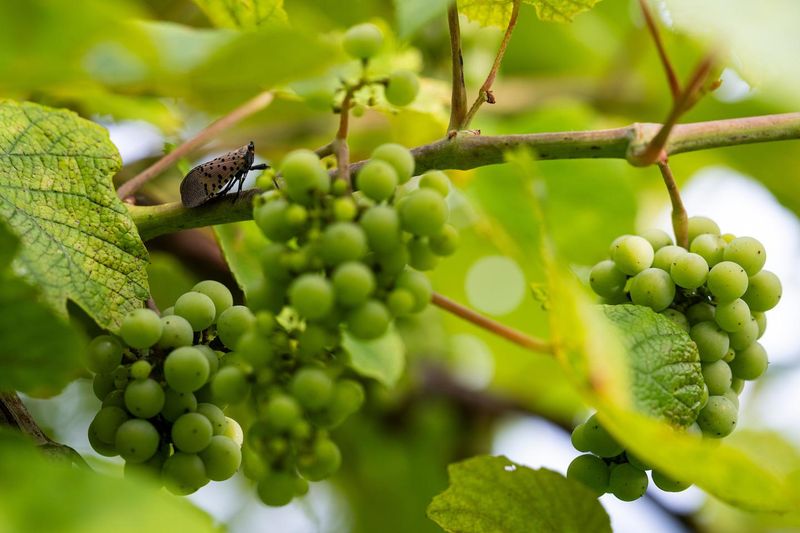
Virginia’s wine country has more at stake here than anyone. Grapevines are the plant where spotted lanternfly damage turns from nuisance into genuine economic pain, with heavily infested vineyards reporting grape harvest losses of up to 90 percent.
Hundreds of insects will crowd onto a single vine, draining sap from the woody stems week after week.
That steady feeding pulls out nutrients the vine needs to ripen fruit and store energy for winter. Growers see weaker vines, lower sugar levels, poorer fruit quality, and shoots that fail to harden off before cold weather.
Honeydew adds a second problem, coating clusters and leaves with a sticky glaze that sooty mold quickly colonizes.
Confirmed cases of plant loss from lanternfly feeding are mostly limited to grapevines, tree-of-heaven, and black walnut saplings, which tells you just how vulnerable grapes really are.
Vineyard managers in Loudoun, Fauquier, and Albemarle counties now scout edges and border rows closely, since insects usually arrive from nearby woods.
Removing tree-of-heaven around the perimeter reduces pressure, and targeted insecticide programs timed to adult flights protect the crop.
Backyard grape growers can help by inspecting trellis posts for egg masses each winter and knocking nymphs into soapy water during spring and early summer.
5. Cherry Trees Can Attract Lanternflies When Preferred Hosts Are Nearby
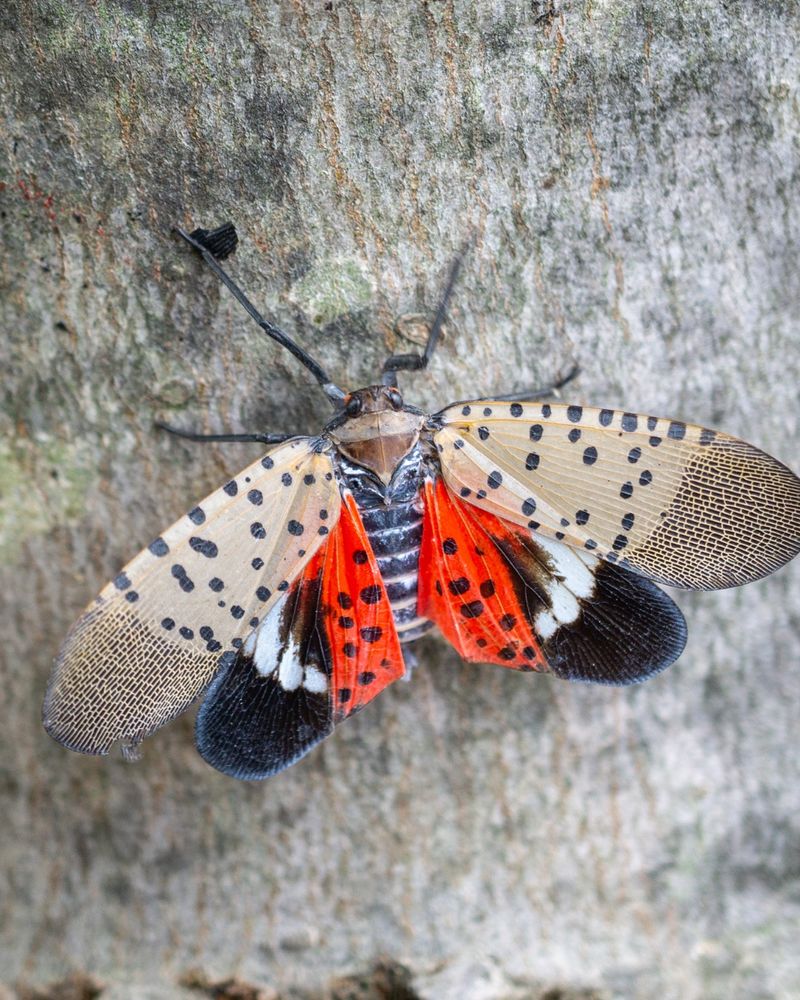
Cherry trees live a bit of a double life in this story. Ornamental cherries, black cherries, and their stone fruit cousins like peaches and plums all carry the sap-rich tissue lanternflies love, so they end up on the menu.
Black cherry, a common native along woodland edges, shows up often in reports of lanternfly sightings.
What seems to drive the activity is proximity. When tree-of-heaven or grapevines nearby get crowded or heavily treated, insects fan out and settle on whatever suitable host is closest.
A flowering cherry in your front yard can go from insect-free one week to dotted with adults the next.
Orchard owners and homeowners alike benefit from regular checks. Look at the smooth upper bark and the crotches of branches, where nymphs like to gather, and watch for weeping sap or wet streaks running down the trunk.
Sticky bands with mesh guards catch climbing nymphs without trapping birds, and a strong hose spray knocks adults off ornamental trees.
Mature cherries generally tolerate the feeding, but young or already stressed trees deserve extra care through the summer.
One bonus of scouting cherries in winter: their bark texture makes gray egg masses fairly easy to spot and scrape away before spring.
6. Willows Can Become Crowded With Feeding Lanternflies
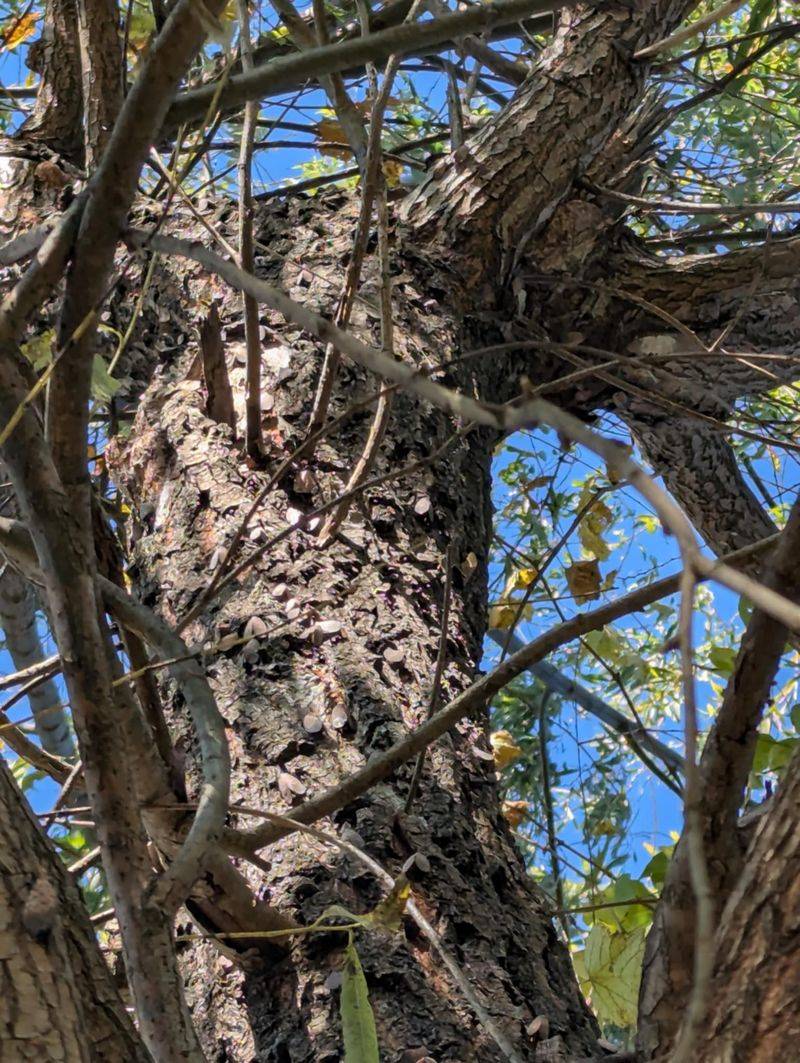
Picture a weeping willow leaning over a pond, branches swaying, and then look closer at the trunk. Willows rank among the plants lanternflies clearly favor, and a single tree can end up carrying a startling crowd of feeding insects.
Observers across the mid-Atlantic have photographed willow trunks so covered that the bark barely shows.
Willows grow fast, hold lots of moisture, and produce sap that seems to suit these planthoppers just fine. Their soft, easy-to-pierce bark probably helps too.
Since willows often sit near water, homeowners should think twice about chemical sprays and instead lean on mechanical methods like banding, scraping eggs, and hand removal.
The reassuring news is that established willows are tough customers. They are not expected to be lost from lanternfly feeding, though a season of heavy pressure will stress any tree and may cause some branch decline on weaker limbs.
Expect plenty of honeydew drip if a willow shades a deck or dock, and plan on rinsing surfaces now and then.
If you manage a pond edge or streambank in Northern Virginia, use willows as a monitoring tool. Because they attract so many insects, they act like a natural early warning sign that lanternfly numbers in your area are rising.
7. Oak Trees Can Host Large Numbers Of Lanternflies
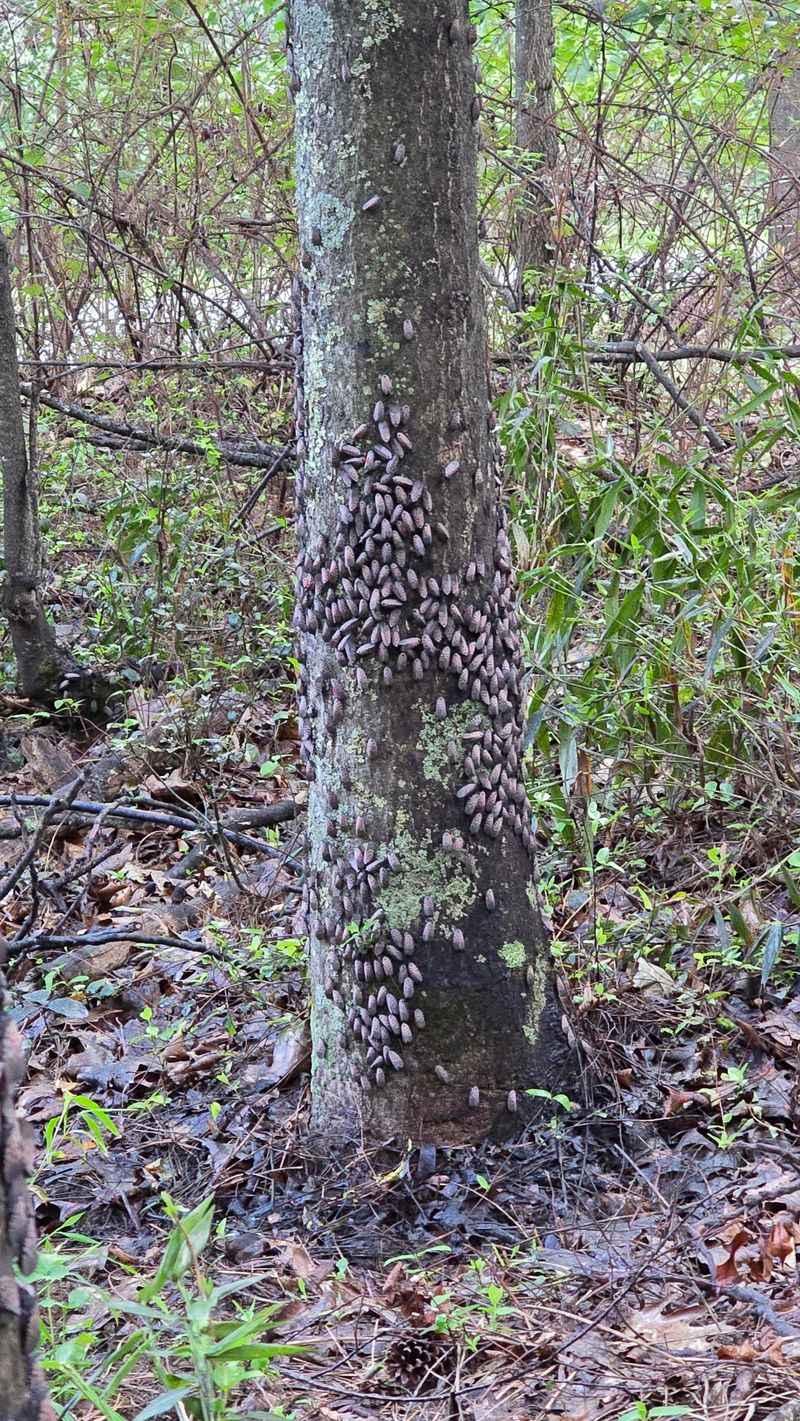
Oaks are the heavyweights of forests, and lanternflies do not ignore them. While oak is not a top-tier favorite compared with tree-of-heaven, maple, or grape, these hardwoods still host the insects and sometimes support surprisingly large groups.
Red oaks, white oaks, and pin oaks all fall within the broad list of hardwood species lanternflies will feed on.
There is comfort in the size and strength of a mature oak. A century-old tree carries enormous stored energy, and feeding by even a large crowd of planthoppers is not expected to take it down.
Repeated heavy seasons can add stress on top of drought, construction damage, or root compaction, so overall tree health still matters.
When you see lanternflies on your oaks, read it as a neighborhood-level signal rather than an emergency for that one tree. It usually means populations have built up enough to spill onto secondary hosts, and that a wider effort pays off.
Talk with neighbors about removing nearby tree-of-heaven, since that shared work lowers pressure for everyone.
For care, mulch properly, water during dry stretches, and skip fertilizing a stressed tree. Also check oak bark, firewood stacks, and yard equipment for egg masses before moving anything to a new location.
8. Apple Trees May See Lanternfly Activity In Late Summer And Fall
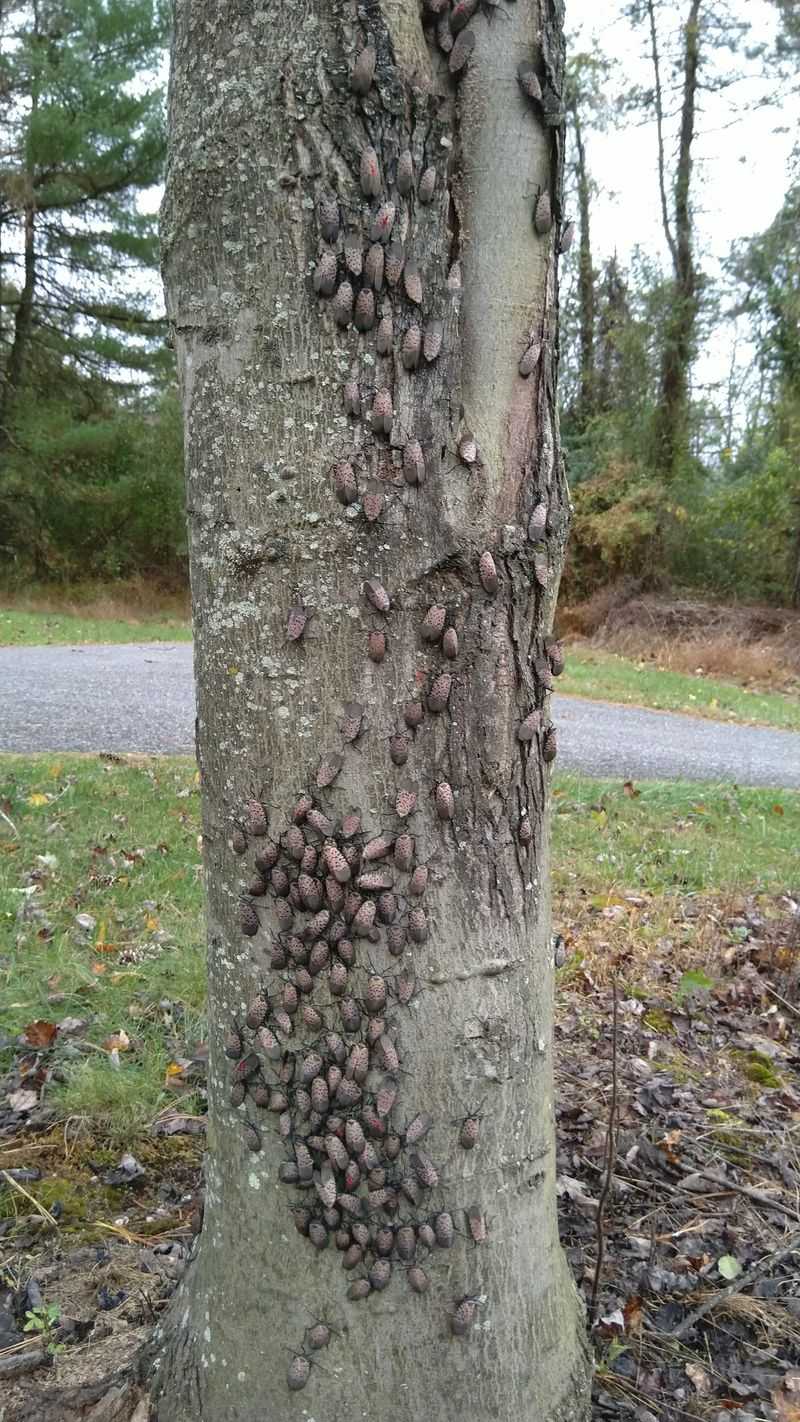
Harvest season brings an unwelcome guest to orchards. As summer winds down and apples color up, adult lanternflies move in and feed on trunks and woody shoots, piercing the bark to reach the sap flowing underneath.
Growers in the Winchester area and elsewhere have reported noticeable activity, sometimes widespread across blocks.
The feeding can stress trees, while the sticky honeydew creates an additional problem by coating fruit and leaves and encouraging sooty mold.
Honeydew lands on fruit and leaves, sooty mold follows, and suddenly apples that were destined for the fresh market look stained and need extra handling. Pickers working under dripping trees are not thrilled either.
Timing your scouting makes a real difference. Late July through October is when adults are most active, so walk orchard edges weekly, especially rows next to woodlots or roadsides where tree-of-heaven grows.
Trap trees, border sprays, and perimeter host removal have all become standard tools for commercial growers.
Backyard apple owners can do plenty without sprays. Knock adults into a bucket of soapy water in the cool morning hours when they are sluggish, band trunks with sticky tape shielded by mesh, and scrape egg masses off bark, trellises, and stakes during winter pruning.
Keeping trees well watered helps them bounce back next spring.
9. Birch Trees Can Also Attract Spotted Lanternfly Nymphs
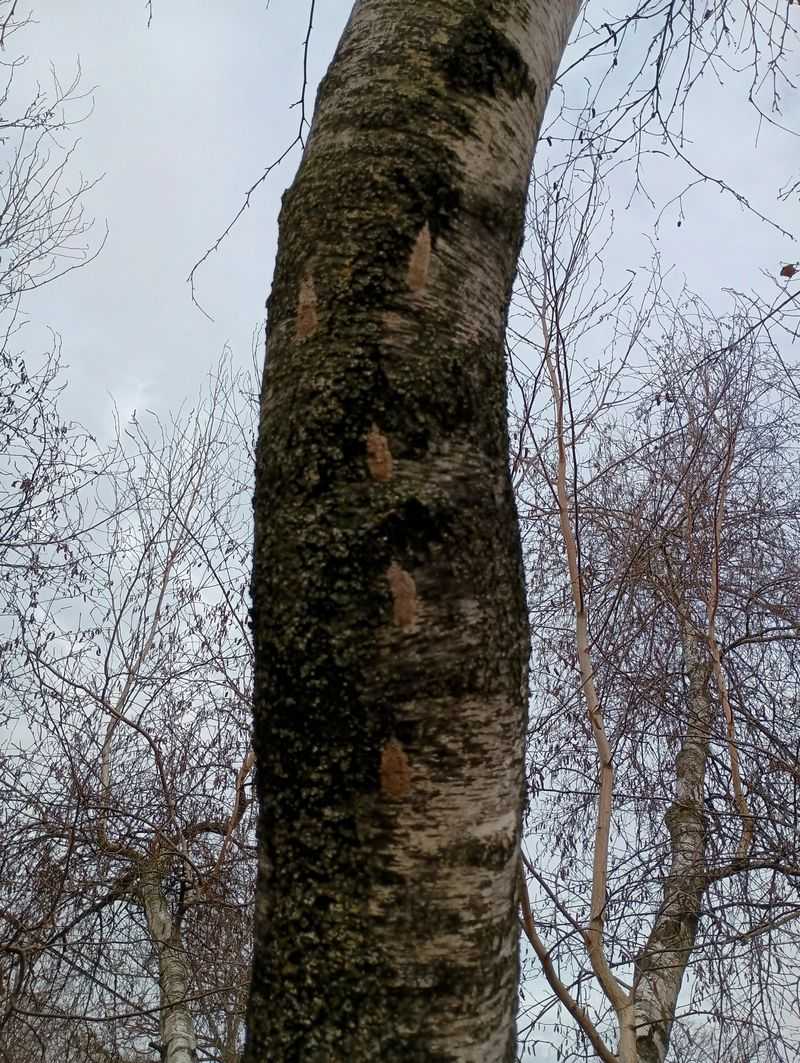
Early in the season, before the flashy winged adults appear, look at your birches. Young lanternfly nymphs, tiny black bugs speckled with white dots, often march up river birch and paper birch trunks in spring and early summer hunting for tender sap.
Their peeling, layered bark also gives the little insects plenty of hiding places.
Birch made the list of plants lanternflies show a preference for, and river birch is especially common in local landscapes because it handles wet soil so well. Multi-stemmed clumps give nymphs several highways to climb at once.
Catching them at this stage is a gift, because nymphs cannot fly and are easy to trap.
Sticky bands wrapped around each stem, or better yet circle traps funneling insects into a collection bag, can remove hundreds before they mature. Always cover sticky bands with wire mesh or screen so birds and squirrels do not get caught.
Healthy, established birches handle the feeding without serious long-term trouble, though a heavy year adds stress and may cause some leaf yellowing.
Birch already dislikes hot, dry summers, so consistent watering and a few inches of mulch over the root zone go a long way toward keeping these trees strong through lanternfly season.