The Most Underrated Pennsylvania Native Annual That Helps Keep Ticks Less Welcome In Fall Garden Borders
September in Pennsylvania brings cooler air, falling leaves, and damp mulch along every garden path. The border looks peaceful, though tiny hitchhikers treat that leafy edge like a crowded bus stop.
Most gardeners reach for sprays, tall socks, and stubborn optimism before walking those shaggy autumn edges. A quieter option already grows wild in our woods, old pastures, and thin rocky soil.
It stands barely knee-high, looks forgettable, and releases a sharp, unmistakable scent when boots brush past. Colonial farmers knew it well, yet modern plant tags rarely spare it a single printed line.
One modest plant will not turn your yard into a fortress, but a well-placed patch can make garden edges noticeably less inviting to ticks.
A Tiny Mint With A Sharp Reputation
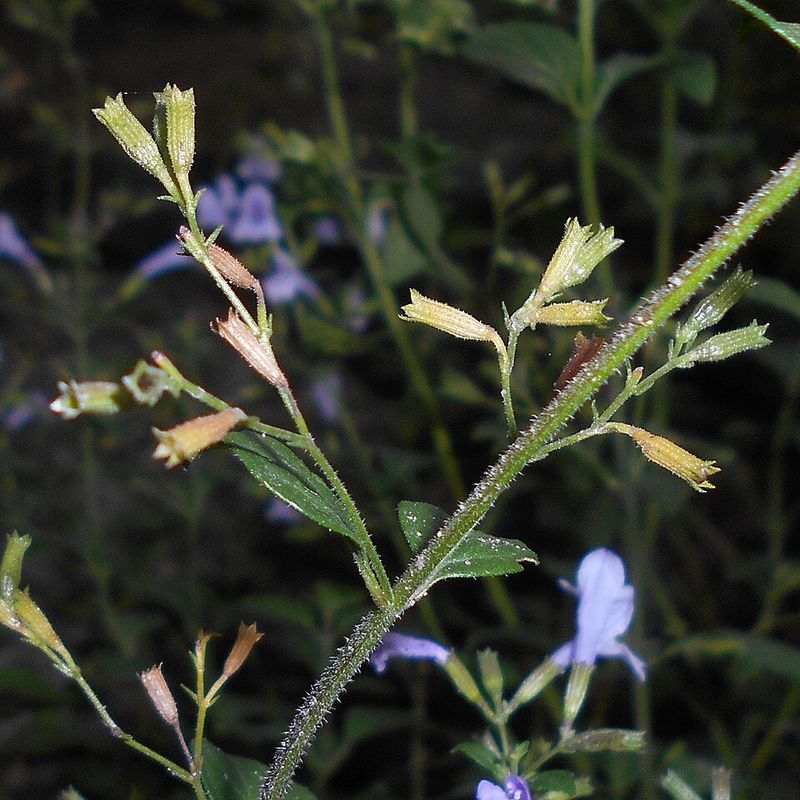
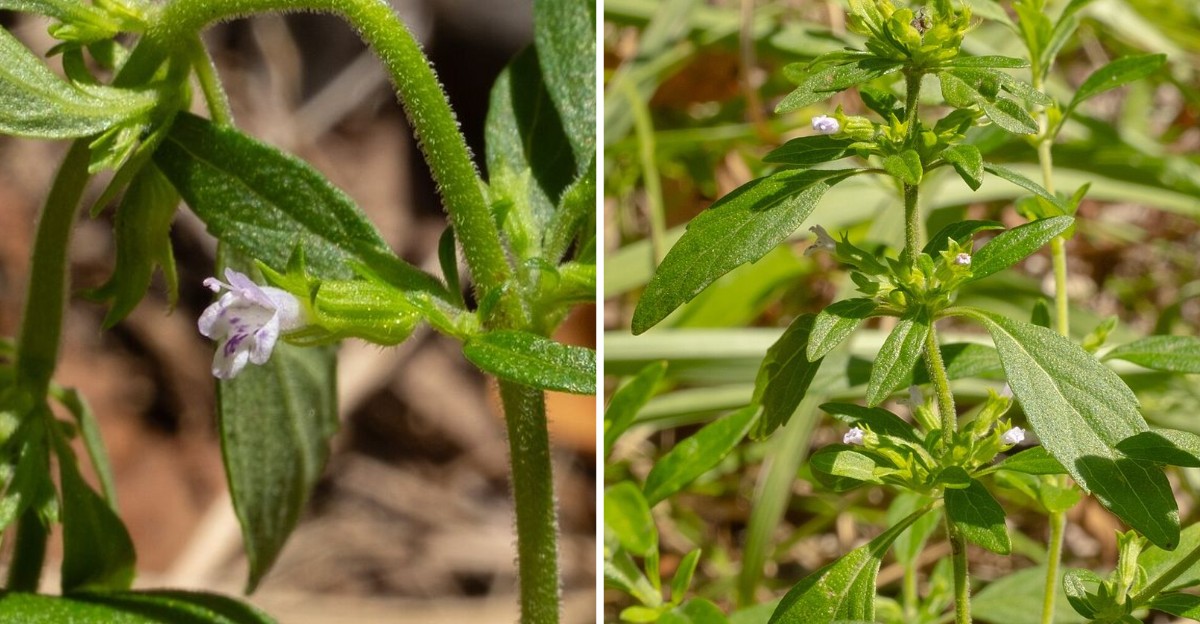
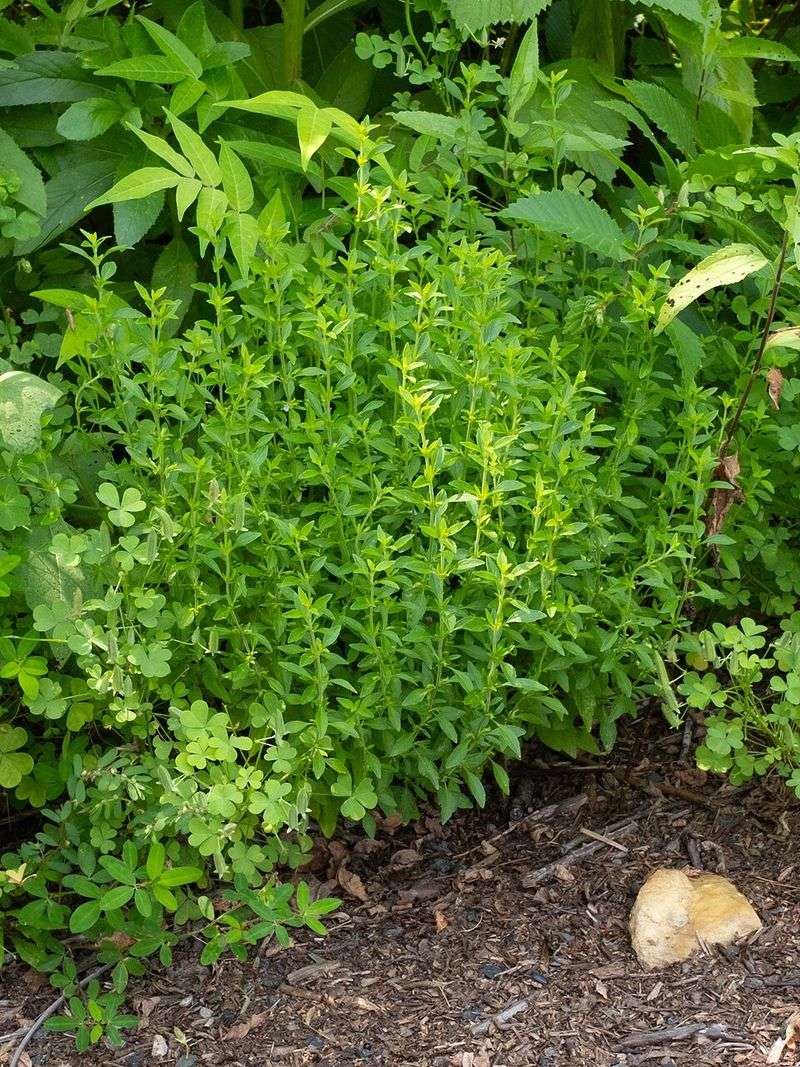
Tuck a plant this small into a border and most visitors will walk right past it. American pennyroyal, Hedeoma pulegioides, rarely reaches sixteen inches, yet it earns its keep.
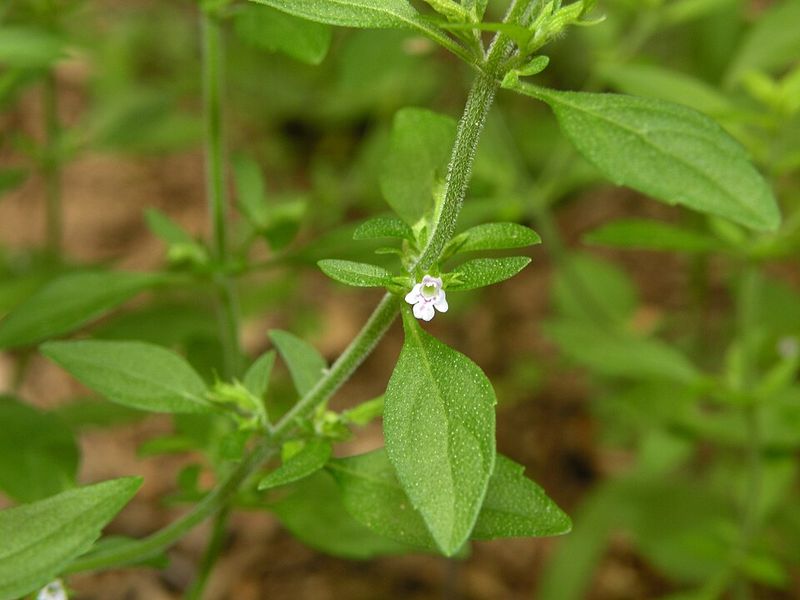
A true annual, it sprouts, blooms, and sets seed within one Pennsylvania growing season. Its tiny lavender flowers cluster where leaves meet the stem, easy to miss without leaning close.
Crush a leaf between your fingers and the scent hits like spearmint mixed with lemon peel. That sharp oil is the whole reason gardeners have valued the plant for centuries.
Colonial households hung bundles near doorways and bedding, trusting the smell to discourage crawling visitors. The common name comes from an older European mint used the same stubborn way.
Unlike garden mints, pennyroyal stays polite because it spreads by seed rather than aggressive underground runners. You will not spend weekends yanking runaway shoots from every corner of the bed.
It favors lean, dry, gravelly ground where fussier perennials sulk, which makes it a border edge natural. Old pastures, thin woods, and roadside banks across the state host it already.
Nurseries rarely stock it, so seed packets from native plant groups remain the usual source. Once established, a small patch tends to renew itself without much fuss from you.
Small, scruffy, and useful describes pennyroyal better than any glossy catalog photo could.
The Pulegone Chemistry Behind That Sharp Autumn Scent
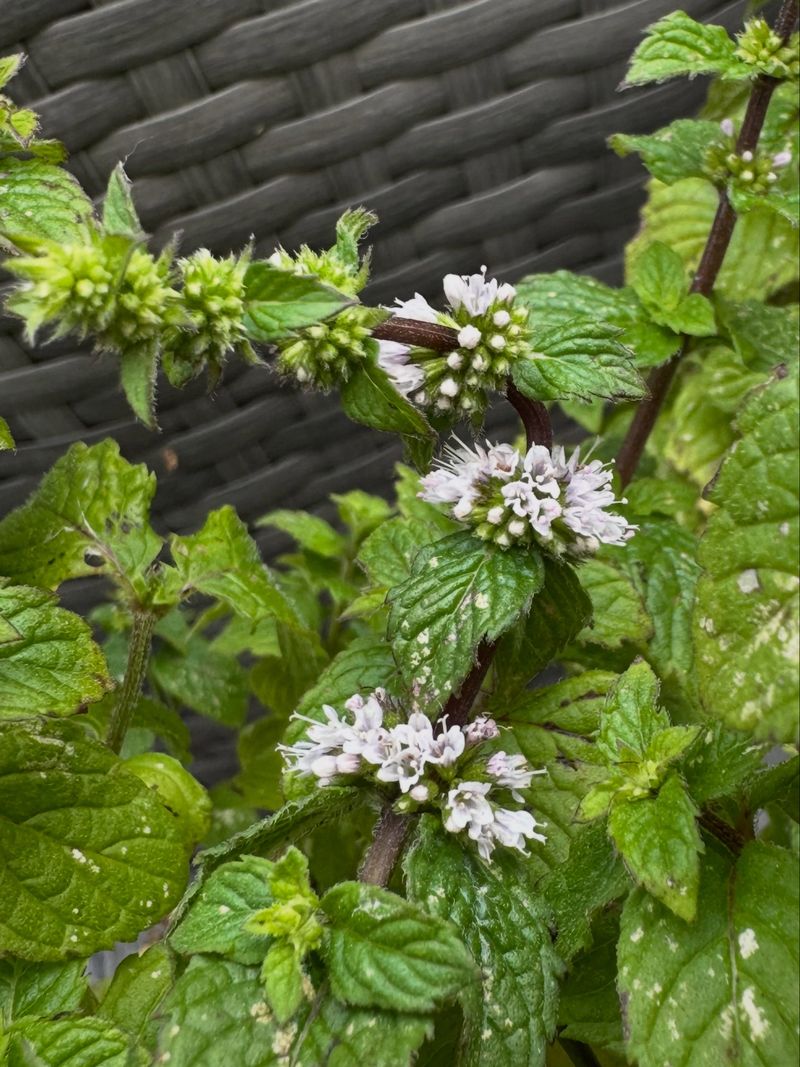
Chemistry explains the reputation, and the star compound carries a name worth remembering, pulegone. It makes up a large share of the essential oil inside those little leaves.
Ticks locate hosts through carbon dioxide, body heat, and scent trails drifting across low vegetation. Strong plant oils muddle that signal, making the area harder to read.
Some mint-family oils, including pulegone, have shown insect-repellent properties in research, though tick-specific results are limited. Field conditions are messier, so expect discouragement rather than a guaranteed barrier.
The oil concentrates in tiny glands on leaf surfaces, releasing most strongly when stems are bruised. Brushing past a border planting does far more than letting it stand untouched.
Warm September afternoons push scent release higher, which lines up nicely with peak autumn tick activity. Cool damp mornings mute it, so the effect shifts hour by hour.
Your Pennsylvania Garden Changes Every Week. Your Plan Should Too.
Gardening in Pennsylvania changes quickly throughout the season. Every Friday you’ll receive a simple weekly plan showing exactly what to plant, prune, fertilize, harvest, and protect so you never miss the right timing.
One honest caution belongs here, since concentrated pulegone oil is harmful to people and pets. Growing the plant is fine, but the distilled oil deserves serious respect.
Pregnant gardeners and anyone with curious toddlers should skip homemade extracts and enjoy the living plant. Leaves brushed outdoors pose no real problem for ordinary garden visits.
Flavor chemists once used pulegone in candy before regulators tightened the rules considerably. Your border faces no such paperwork.
September Timing For Seed Drop And Self Sowing Success
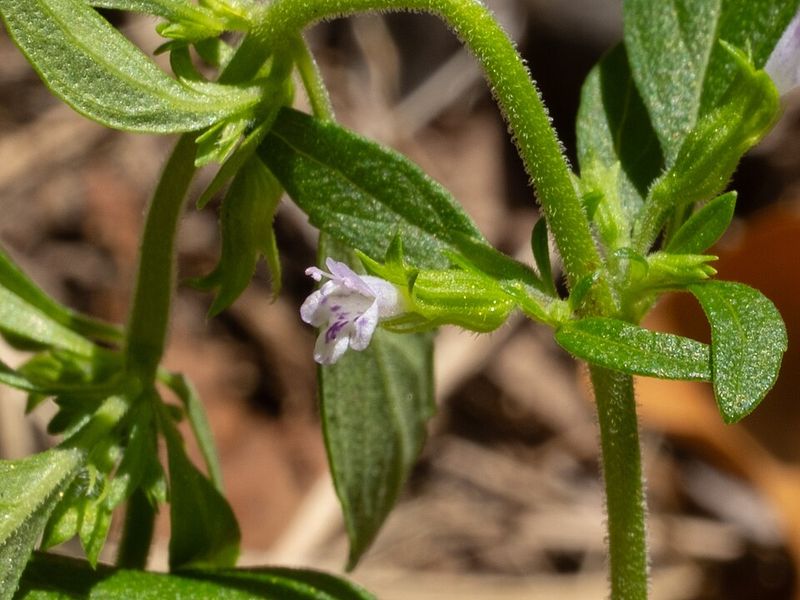
Late summer marks the turning point, when flowering slows and seed capsules swell along the stems. September gardeners should resist the urge to tidy the plant away.
Seeds need to fall where you want plants next July, which means letting stems stand. A gentle shake over bare soil spreads them exactly where the path meets the border.
Autumn tick activity in Pennsylvania climbs again as adult blacklegged ticks become more active. Scent from a still-green patch matters most during those mild October afternoons.
Frost usually arrives in October across much of the state, ending the plant’s working season. Until then, leaves stay aromatic and useful along frequently used walkways.
Sowing fresh seed in fall mimics nature, since cold moist weeks improve spring germination rates. Scatter lightly, press gently, and skip heavy mulch that would smother tiny seedlings.
Spring sowing works too, though seedlings arrive later and stay smaller through midsummer. Fall scattering usually produces sturdier plants by the time August heat arrives.
Mark the patch with a stake, because young pennyroyal looks remarkably like a weed seedling. Plenty of good stands have been hoed out by helpful family members.
Give the border one cleanup in late November after seed has scattered thoroughly. Old stems can then go to the compost pile with a clear conscience.
Calendar reminders help more than memory here, since September weekends fill up fast. One note on the phone protects next summer’s whole patch.
The Tidy Border Habit That Undercuts Its Best Work
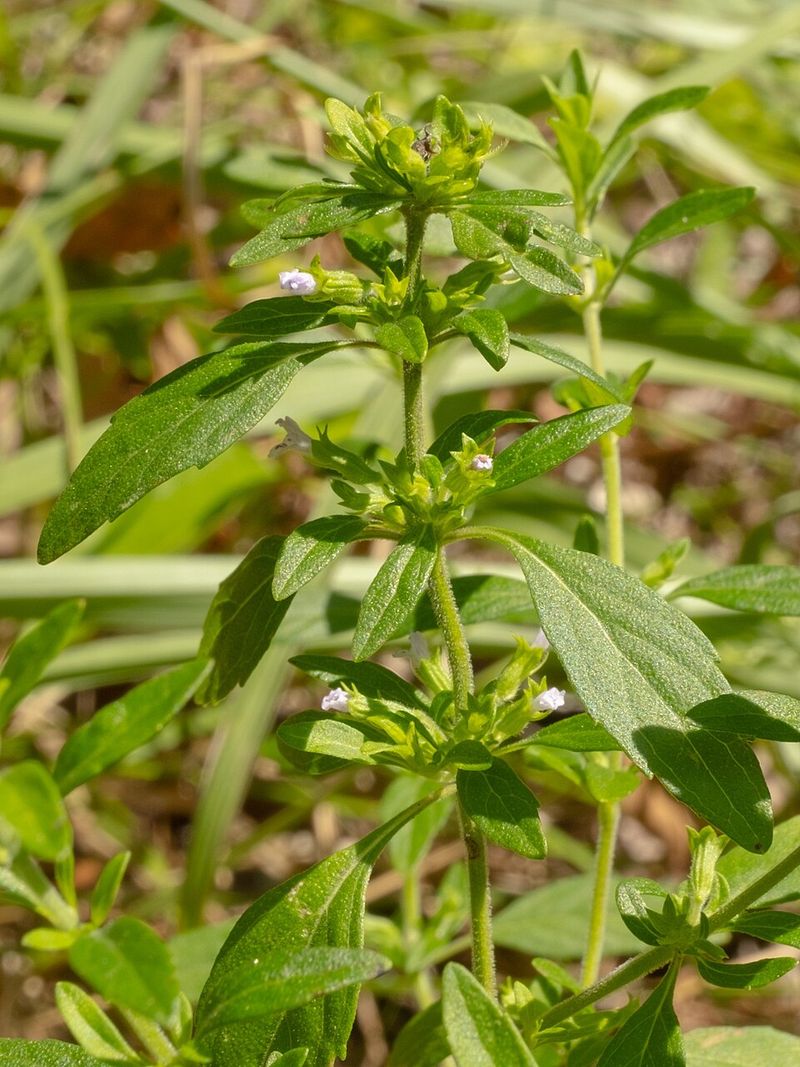
Neatness turns into the real trap here. Gardeners who shear every border edge smooth often lose the patch before seeds ever drop.
Another frequent misstep involves rich soil and generous watering, which pennyroyal genuinely dislikes. Pampered plants grow floppy, leggy, and noticeably weaker in scent.
Heavy mulch causes similar trouble, since a thick bark layer blocks seedlings from reaching light. A thin scattering of grit or nothing at all works better.
Crowding matters too, because tall neighbors shade the plant into a pale, sulky version of itself. Keep asters and goldenrod a foot back from the front edge.
Some gardeners expect a fragrance wall and feel let down when ticks still appear. Scent discourages, it does not police the property line.
Leaf litter piled against the border undoes the benefit faster than anything else. Damp litter holds humidity, and humidity is exactly what ticks prefer.
Buying European pennyroyal by mistake is another common slip at garden centers. Mentha pulegium spreads by runners and is not our native Pennsylvania annual.
Check the botanical name on every packet before money changes hands. Hedeoma pulegioides is the one you actually want along that border.
Skipping the fall shake can leave a noticeably thinner patch next summer, since annuals depend on seed for return.
Most of these mistakes come from treating a scrappy field plant like a fussy perennial. Lower the standards and the plant rewards you.
Soil, Sun, And Spacing Fixes For A Denser Stand
Fixing a struggling patch usually starts with subtraction rather than adding anything at all. Less water, less compost, and less mulch produce stronger, sharper-smelling plants.
Full sun for six hours minimum keeps stems compact and oil production high. Morning sun along an eastern edge works especially well in Pennsylvania yards.
Lean soil is the goal, so mix coarse sand or fine gravel into heavy clay beds. Drainage matters more than fertility for a plant born on rocky slopes.
Space seedlings roughly eight inches apart to create a continuous low ribbon of foliage. Gaps let leaf litter collect, and collected litter invites the very problem you are managing.
Pair it with little bluestem, pussytoes, or wild bergamot for a dry, sunny border community. All three share the same lean soil preferences and open, airy structure.
Water new seedlings during their first three weeks, then step back and let rainfall handle it. Established plants handle drought better than most bedding annuals you could buy.
Trim nothing during summer, since flowers feed small native bees and later become next year’s seed. Snipping spent flowers defeats the entire point of growing a self-sowing annual.
Run the planting along paths, lawn edges, and gates where people brush past daily. Contact releases scent, and scent is the working part of the arrangement.
One last fix involves patience, because the first season looks thin and unconvincing. Year two, with volunteer seedlings, is when the border finally looks intentional.
Long Haul Border Results And Safer Autumn Walkways
Three seasons in, a pennyroyal edge starts behaving like a permanent feature without being perennial. Volunteers fill gaps, and the ribbon of gray-green foliage returns on its own.
Realistic expectations help, since scent contributes one layer within a larger tick management plan. Sunlight, airflow, short grass, and cleared litter do the heaviest lifting.
A three-foot gravel or wood-chip strip between lawn and woodland edge reduces tick movement measurably. Pennyroyal along that strip adds aroma to an already unfriendly crossing.
Fewer ticks near walkways means fewer full-body checks after an ordinary trip to the mailbox. Families with dogs notice the difference along fence lines most of all.
Pollinators benefit too, as small sweat bees and wasps work the modest flowers through September. A border can discourage one visitor while welcoming dozens of helpful ones.
Keeping the patch going costs almost nothing, which suits gardeners who have plenty else happening. Let it seed, keep litter cleared, and resist improving the soil.
Pennsylvania has among the highest reported Lyme disease case counts nationally, so small habits matter. Layered defenses, including clothing checks, remain the sensible approach every autumn.
Underrated is the fair word for a scruffy native annual doing quiet work. Give it a sunny foot of border and it asks for very little else.
Neighbors may ask what smells so sharp when they walk your front path. Telling them it is a colonial-era mint usually earns a polite, puzzled nod.