These Texas Shrubs Love Moisture And Feed Wildlife
Wet spots in Texas yards are one of those landscape features that most homeowners spend years fighting rather than working with.
Low areas that hold water after rain, spots near downspouts that stay consistently damp, drainage zones that never quite dry out.
Most plants placed there struggle or fail, which makes these areas feel like permanent problem zones. But certain Texas shrubs were made for exactly these conditions.
They don’t just tolerate moisture. They thrive in it. And as they grow, they produce fruit, flowers, and shelter that Texas wildlife depends on through multiple seasons.
The wet spots most homeowners consider a liability become some of the most ecologically active areas in the entire yard once the right shrubs are established there.
1. Buttonbush
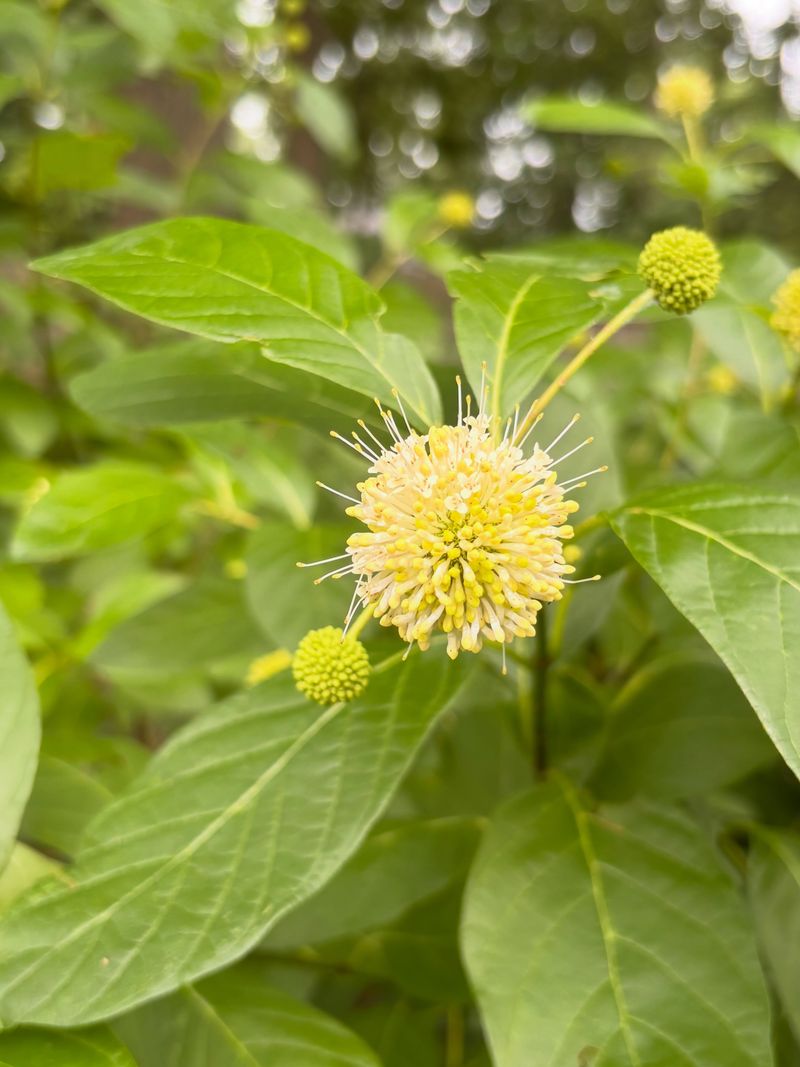
Picture a shrub with flowers shaped like little white pincushions floating above the water’s edge. That is buttonbush, one of the friendliest plants for a wet spot in Texas.
It grows naturally along ponds, ditches, and slow streams. Buttonbush actually enjoys having its roots sit in soggy ground, so a low, damp corner suits it perfectly. The plant can reach six to twelve feet tall, giving you a nice leafy screen.
Those round flower clusters bloom in summer and act like magnets for pollinators. Bees and butterflies crowd around the sweet nectar all day long.
Later, the flowers turn into small ball-shaped seed heads that some wildlife, especially birds, enjoy picking at.
Buttonbush is easy to please. Plant it in full sun or part shade, and keep the soil moist. You barely need to water once it settles in near a natural water source.
Pruning is simple too. Trim it back in late winter if it gets leggy, and it will bounce back thick and full. The shrub handles flooding better than most, so it works great around rain gardens.
Wildlife watchers love this plant because it draws so many visitors. Hummingbirds sometimes stop by for nectar, and songbirds hide among the branches. Wood ducks are especially fond of the seeds.
If you want a low-fuss native that turns standing water into a wildlife party, buttonbush belongs on your list. It rewards a little patience with years of blooms and buzzing guests.
2. American Beautyberry
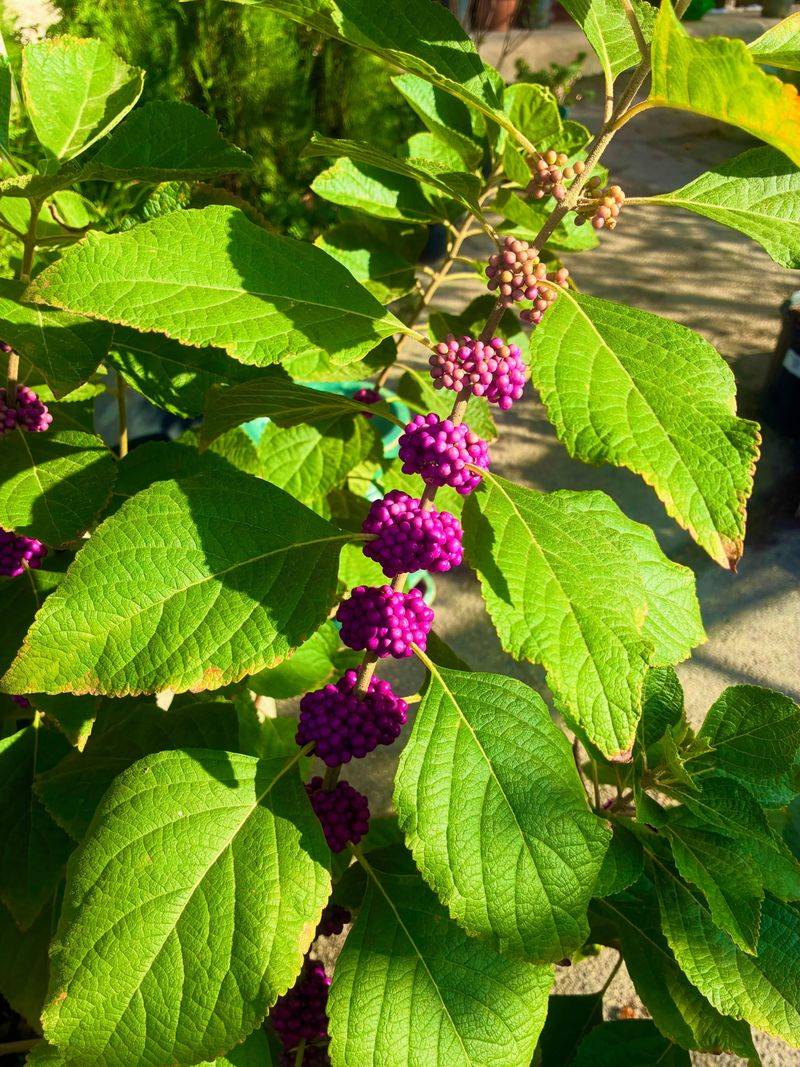
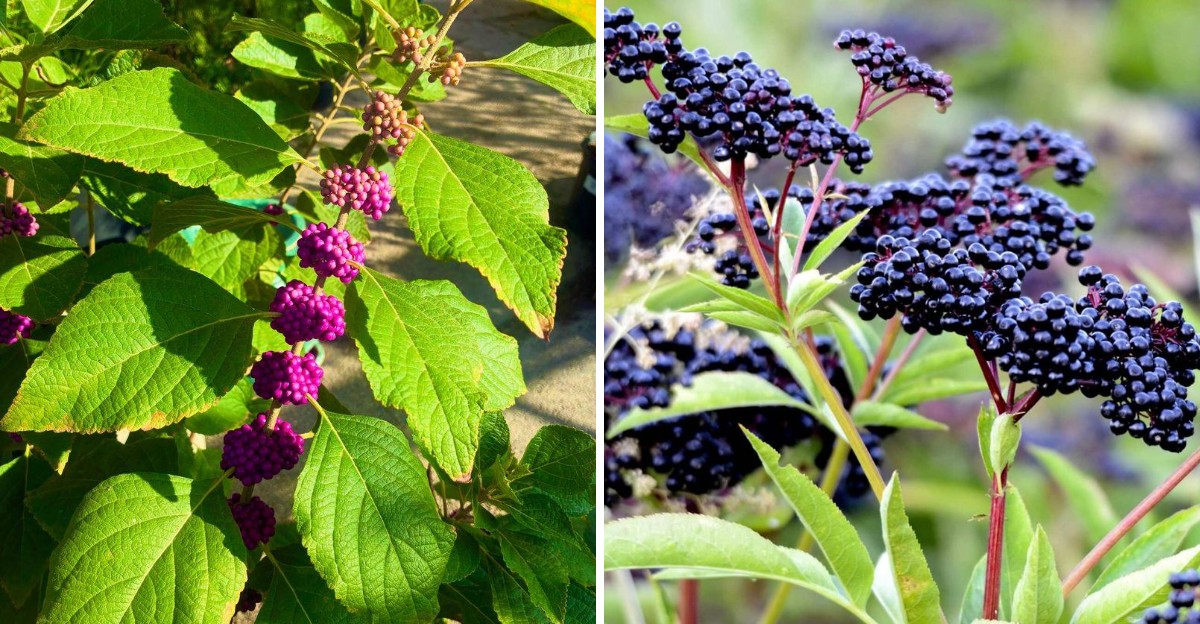
Few shrubs stop people in their tracks like American beautyberry when its bright purple fruit shows up. The berries look almost too vivid to be real.
This native loves the moist, shady edges of Texas woodlands. It tolerates a range of soils but really shines where the ground stays a little damp and rich. You will often spot it growing wild under taller trees.
In summer, tiny pink flowers appear along the stems. By fall, those flowers turn into tight clusters of glossy purple berries that wrap around the branches like beads.
Birds go wild for the fruit. Mockingbirds, cardinals, and finches feast on beautyberries well into winter. Deer nibble the leaves, and small mammals grab a share too.
Growing beautyberry is refreshingly simple. Give it partial shade and moist soil, and it takes care of itself. In hot, dry summers, a little extra water keeps the leaves fresh and green.
Your Texas Garden Changes Every Week. Your Plan Should Too.
Gardening in Texas changes quickly throughout the season. Every Friday you’ll receive a simple weekly plan showing exactly what to plant, prune, fertilize, harvest, and protect so you never miss the right timing.
The shrub grows three to six feet tall with a loose, arching shape. You can prune it hard in late winter to keep it tidy, and it will grow back bushier than before.
Here is a fun bit of history. People once crushed the leaves and rubbed them on skin as a homemade bug repellent, and scientists later found the plant really does contain mosquito-fighting compounds.
For a shrub that feeds birds, adds fall color, and forgives beginner mistakes, beautyberry is hard to beat. Plant it where you can watch the birds enjoy the show.
3. Wax Myrtle
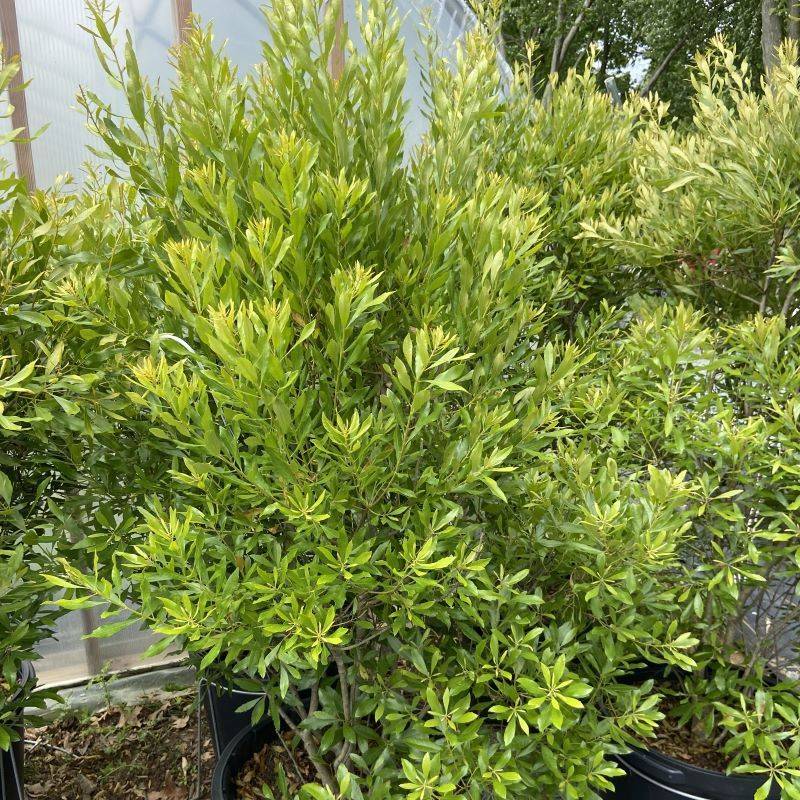
Some shrubs work quietly in the background, and wax myrtle is a champion at that job. It gives you a fast, green screen while feeding wildlife on the side.
This evergreen native thrives in wet, low areas across east and central Texas. Swampy edges, pond borders, and rain-soaked yards all suit it just fine. It also handles salty coastal soil, which many plants cannot.
Wax myrtle grows quickly, sometimes reaching ten to fifteen feet. Many gardeners use it as a living fence because it fills in thick and stays leafy year-round.
The small blue-gray berries hold a waxy coating that gives the plant its name. Warblers, especially the yellow-rumped warbler, depend on these berries during cold months when other food runs low.
Caring for wax myrtle takes little effort. Plant it in sun or part shade with moist soil, and it grows on its own schedule.
You can shape it into a hedge or let it grow into a small tree. Trim it whenever you like, since it handles pruning without complaint.
The crushed leaves give off a pleasant, spicy scent that some people compare to bay. Early settlers actually melted the berry wax to make fragrant candles.
If you want a tough, moisture-loving shrub that offers privacy and winter bird food at the same time, wax myrtle checks every box. It is one of the most useful natives you can plant.
4. Elderberry
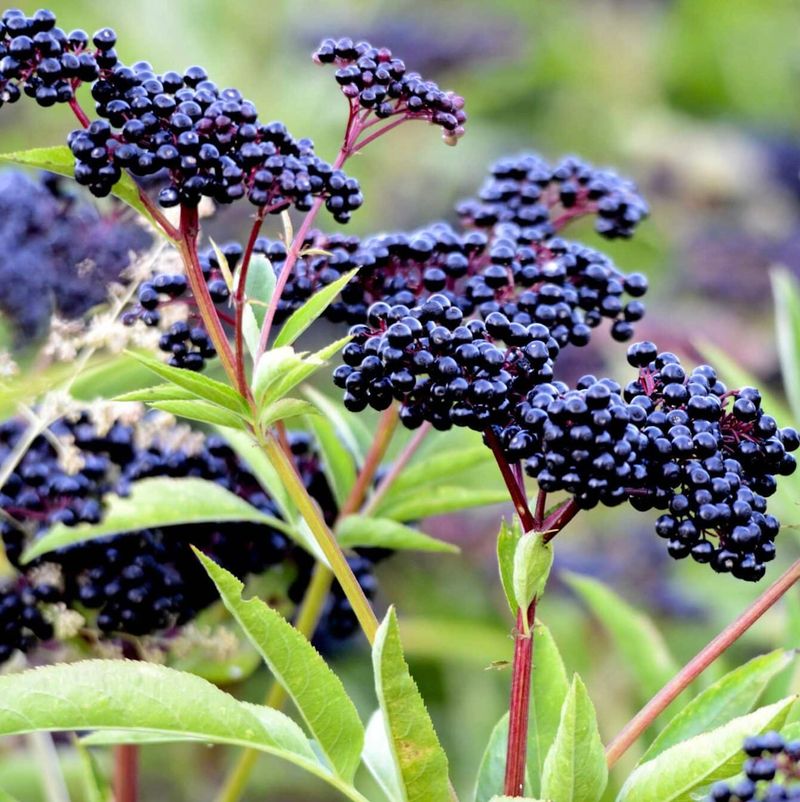
Come summertime, elderberry throws out big, lacy white flower clusters that look like fireworks frozen in mid-air. It is a showstopper along wet Texas ground.
This shrub loves damp soil near creeks, ditches, and ponds. The wetter the spot, the happier it seems. Elderberry is fast-growing and can reach roughly six to twelve feet tall when mature.
Those flat flower clusters draw in butterflies, bees, and other pollinators by the dozen. Once the blooms fade, dark purple berries take their place in heavy, drooping bunches.
Birds absolutely love elderberries. Mockingbirds, bluebirds, and robins gather to feast, and small mammals join the buffet too. The plant becomes a busy hub of activity in late summer.
Growing elderberry is easy if you keep the soil moist. Full sun brings the most flowers and fruit, though it tolerates a bit of shade. Give it room to spread, because it grows fast and wide.
Prune it in late winter to remove old canes and encourage fresh, strong growth. The shrub responds well and comes back thicker each year.
People have used elderberries for centuries in jams, syrups, and drinks, but the raw berries and other plant parts can upset your stomach, so cooking matters. Let the wildlife enjoy them fresh while you cook yours.
Elderberry brings movement, color, and constant visitors to a soggy corner of the yard. If you have a low spot that stays wet after rain, this cheerful native will make good use of it and feed plenty of birds along the way.
5. Possumhaw Holly
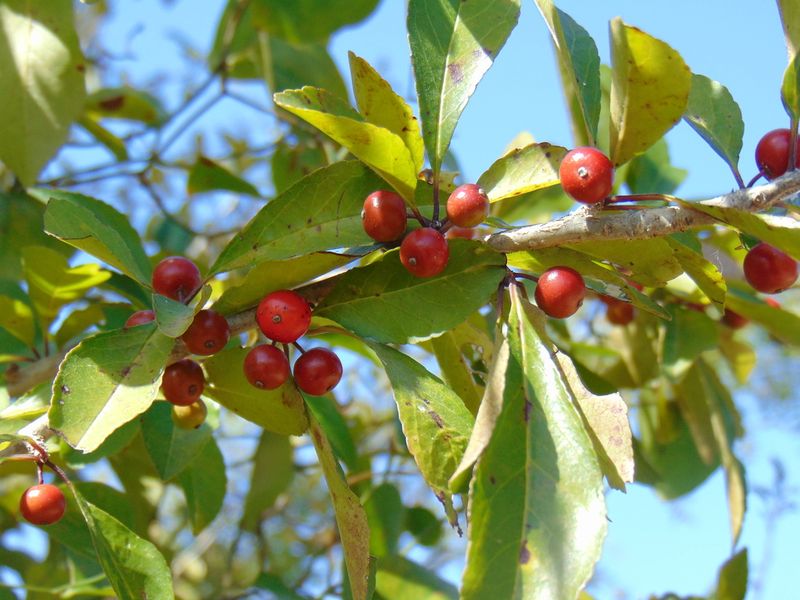
Winter can look bare in a Texas garden, but possumhaw holly lights it up with branches covered in glowing red berries. It is a burst of color when little else has any.
This native holly drops its leaves in fall, leaving stems packed with fruit that shine against the gray sky. It grows well in moist bottomlands, along streams, and in low, damp yards.
The shrub reaches about eight to fifteen feet and often takes a graceful, open shape. Only female plants make berries, so you need a male nearby for pollination.
Birds treat those red berries like a winter pantry. Cedar waxwings, robins, and cardinals swoop in when food gets scarce, sometimes stripping a plant clean in a few busy days.
Possumhaw is easygoing about care. It handles wet soil, occasional flooding, and even some drought once its roots run deep. Full sun gives you the heaviest berry crop.
Pruning is rarely needed, but you can shape it lightly in late winter after the birds finish the fruit. Its natural form usually looks lovely on its own.
The name comes from opossums, which are among the animals that snack on the berries. Deer and other critters visit too, making it a true wildlife favorite.
For a shrub that feeds birds during the toughest season and adds bright cheer to a damp landscape, possumhaw holly delivers year after year.
Plant one where you can enjoy watching flocks arrive on cold, quiet mornings. The show is worth the wait.
6. Virginia Sweetspire
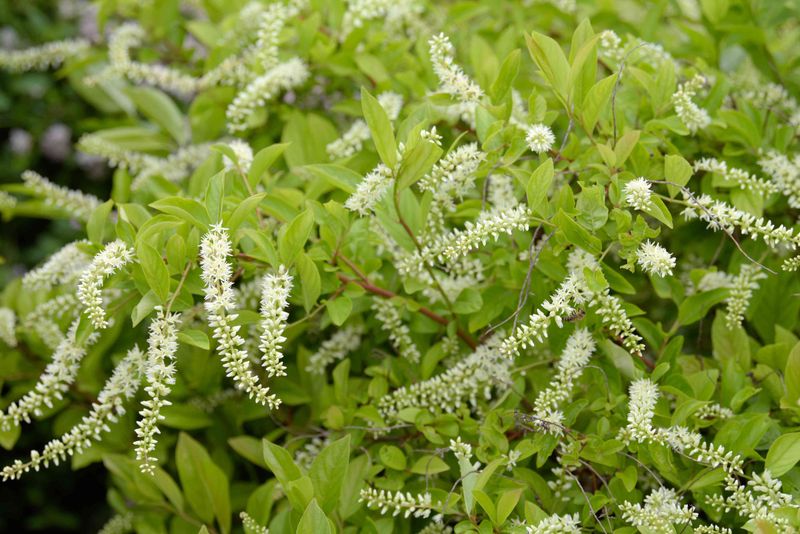
Imagine long, drooping strands of tiny white flowers swaying above a stream bank. That gentle sight is Virginia sweetspire.
It grows naturally in wet woodlands and along creeks in the eastern part of the state. Constant moisture suits it well, and it even shrugs off short periods of standing water.
The plant stays fairly compact, usually three to five feet tall, with a rounded, spreading habit. In spring, those fragrant white flower spikes cover the branches and hum with pollinators.
Bees and butterflies flock to the sweet-smelling blooms. The nectar-rich flowers make it a reliable feeding stop during the warmer months when insects are busy.
Fall brings a second act. The green leaves turn brilliant shades of red, orange, and purple, glowing long after other plants fade. In mild parts of Texas, some leaves hang on through winter.
Caring for sweetspire is simple. Give it moist soil and sun or part shade, and it settles in quickly. It spreads by underground runners, so it can fill a wet slope and help hold the soil in place.
Trim it after flowering if you want to keep it neat, though its arching shape looks charming when left alone. Overgrown plants can be cut back hard and will regrow.
For a smaller shrub that offers spring flowers, fall color, and food for pollinators, Virginia sweetspire is a smart pick. It turns a soggy edge into one of the prettiest spots in your yard.
7. Roughleaf Dogwood
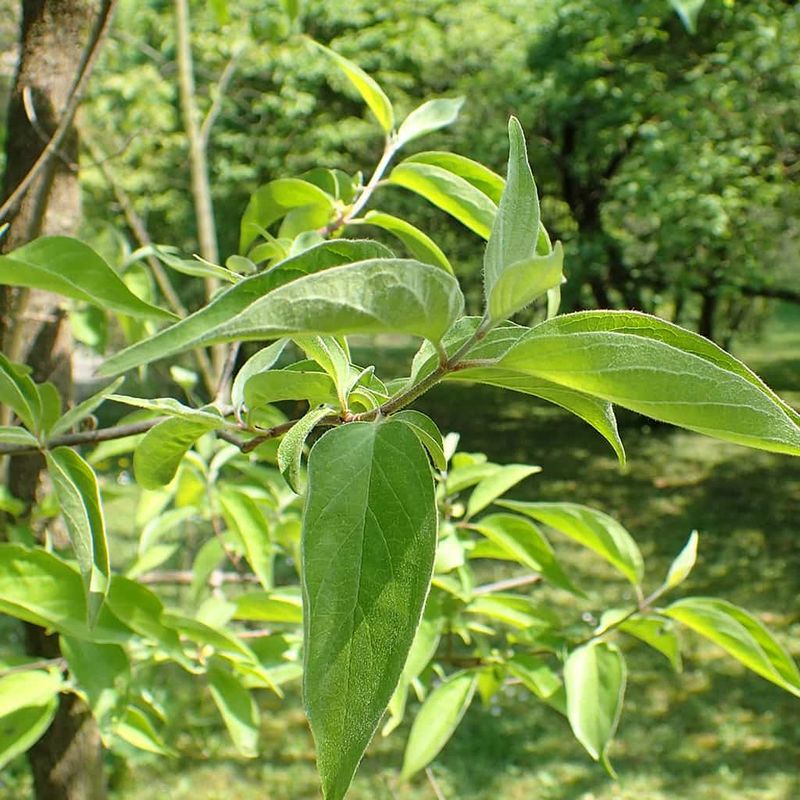
Roughleaf dogwood may not grab attention at first glance, but wildlife knows exactly where to find it. This hardworking native quietly feeds a whole crowd of critters.
It grows across much of Texas, favoring moist soil near streams, ponds, and fence lines. The plant handles both wet and slightly dry conditions, which makes it a flexible choice.
The shrub forms thickets that can reach six to fifteen feet tall. Those dense stands give birds and small animals safe places to nest and hide from predators.
In late spring, flat clusters of small white flowers appear and draw in bees and butterflies. By late summer, white berries follow, sitting on reddish stems that add a nice touch of color.
Birds cannot resist the fruit. Bluebirds, cardinals, and dozens of other species feast on the berries, and the plant becomes a lively gathering place in the warm months.
Growing it takes almost no effort. Roughleaf dogwood spreads readily by suckers, so give it space or plan to trim the edges to keep it in bounds.
The leaves feel rough and sandpapery, which is where the name comes from. That texture makes it easy to identify once you have felt it.
If a stretch of your property needs erosion control near water, this shrub’s thick roots hold soil firmly in place. Fall brings soft reddish-purple leaf color as a bonus.
For a native that provides food, cover, and steady wildlife traffic in a moist spot, roughleaf dogwood earns its keep. It is a quiet hero of the Texas landscape.