Why California’s Dry September Winds Are A Bigger Fire Risk Than August Heat
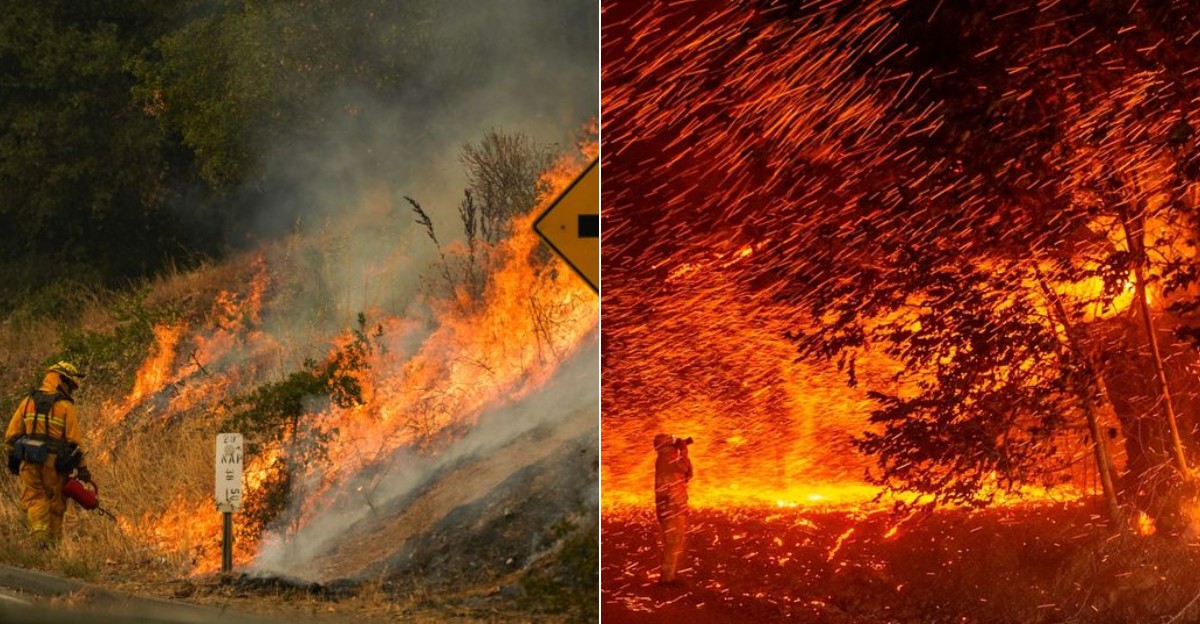
California’s hottest days do not always bring the highest fire danger. September can create a different kind of threat when dry winds move across the landscape, pulling moisture from plants and helping flames spread quickly.
Even with cooler temperatures, these conditions can turn a small spark into a fast-moving wildfire.
You need to look beyond the heat when judging fall fire risks. Strong winds, low humidity, and dry vegetation can create dangerous conditions where fires grow rapidly and become harder to contain.
After months of little rain, forests, grasslands, and brush often have plenty of dry fuel ready to burn.
When you know why September winds are so dangerous, you can take better steps to protect your home and property.
Clearing dry leaves, removing withered vegetation, and staying updated on local fire alerts can help you stay prepared during high-risk weather.
1. Dry Winds Can Strip Moisture From Vegetation
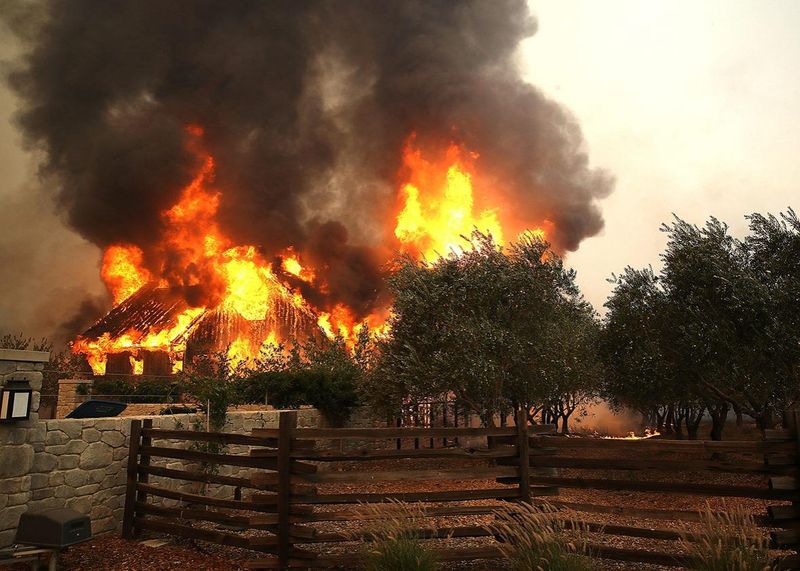
Something surprising happens when steady, dry California winds sweep across the land. They act almost like a giant hair dryer, pulling water right out of leaves, grass, and small branches.
Even plants that looked healthy a week earlier can turn crisp after a few windy days. The moving air carries moisture away faster than roots can replace it. That leaves the whole landscape thirsty and brittle.
Warm August afternoons do dry things out, but the effect is slower and gentler. Wind speeds the process up in a big way. A plant with low moisture catches fire much more easily than a damp one.
Firefighters actually measure something called fuel moisture to track this danger. When those numbers drop low, they know a single spark could spread quickly. September winds push those readings into risky territory.
You can see the change yourself if you watch local plants closely. Grass that was slightly green in summer often fades to pale straw once the winds begin.
To protect your property, keep garden plants watered when it is safe to do so. Clear out any dried leaves and twigs near your home. Small steps like these lower the amount of thirsty fuel sitting close by, giving you a stronger buffer against fast-moving flames.
2. September Vegetation Is Already Dried By Summer

By the time fall rolls around, the plants across California have already gone through a long, rain-free summer. Months without water leave them dry to the core.
Think of a sponge that has been sitting out in the sun all season. There is very little moisture left inside to slow a fire down.
This is a key reason September beats August for danger. In early summer, some plants still hold leftover moisture from spring rains. By fall, that reserve is gone.
Grasses turn brown, shrubs get crackly, and fallen leaves pile up. All of it becomes ready-made fuel just waiting for a spark.
When dry winds arrive on top of this already parched land, the two problems stack together. The vegetation cannot fight back with any hidden water.
That combination is why fire crews stay especially alert in fall. They know the ground is loaded with easy-to-burn material.
Your California Garden Changes Every Week. Your Plan Should Too.
Gardening in California changes quickly throughout the season. Every Friday you’ll receive a simple weekly plan showing exactly what to plant, prune, fertilize, harvest, and protect so you never miss the right timing.
Around your home, take time to remove withered brush and trim overgrown plants before the windy months. Rake up dried leaves that gather along fences and walls.
Creating space between your house and thick vegetation gives firefighters room to work. It also slows any flames trying to reach your walls. A little cleanup now can save a lot of worry later in the season.
3. Santa Ana Winds Can Arrive With Little Warning
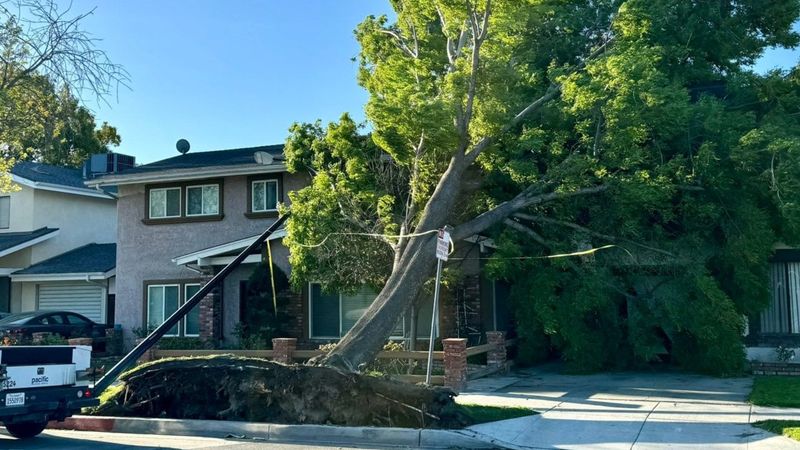
One thing that makes fall so nerve-racking is how quickly the winds can show up. Santa Ana winds sometimes build almost overnight.
These strong gusts rush down from inland deserts toward the coast. As they drop in elevation, they grow warmer and even drier along the way.
A calm morning can turn into a howling afternoon with surprising speed. Weather forecasters do their best to predict them, but exact timing can shift.
That fast arrival is exactly what makes them so risky. There may be only a short window to prepare once a warning goes out.
During August heat waves in California, conditions usually build slowly over several days. Santa Ana events can flare up in hours instead.
Because of this, staying informed matters more than ever in fall. Sign up for local emergency alerts and keep an eye on wind forecasts.
Have a go-bag packed with important papers, medicine, and water before the season starts. That way you are not scrambling if an alert arrives suddenly.
Talk with your family about where to meet and which roads to take if you need to leave. Practice the plan so everyone knows it well.
Being ready ahead of time turns a stressful surprise into a calm, organized response. Preparation is your best tool against these sudden, powerful winds.
4. Withered Grass Becomes Fast-Moving Fuel
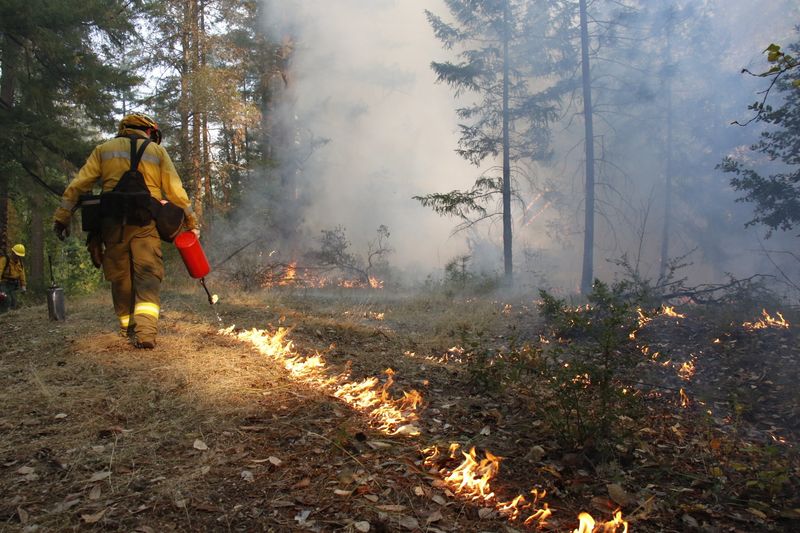
Picture a field of tall, brown grass swaying in a hot breeze. It looks peaceful, but it is one of the fastest-burning fuels around.
Dried grass ignites with almost no effort and spreads flames in a blink. A tiny ember can start a blaze that races across a field in minutes.
Grass fires move especially fast because the fuel is thin and light. Flames leap from blade to blade without slowing down.
Add wind to the mix and the speed becomes truly frightening. Gusts push the fire forward and toss burning bits ahead of the main flames.
This is why open grassy areas worry firefighters so much in the fall. The material is everywhere and burns in an instant.
The good news is that grass is one of the easiest fuels to manage. Mowing it short removes a big chunk of the danger.
Keep the grass around your home trimmed low, especially before windy stretches. Pay attention to edges near driveways and fences where dry blades gather.
Clearing a wide, mowed zone around buildings gives flames less to feed on. It also creates a helpful break that slows any approaching fire.
Regular yard care might feel like a small chore. But when the winds pick up, that short green lawn becomes one of your strongest defenses.
5. Loose Leaves And Needles Can Carry Embers
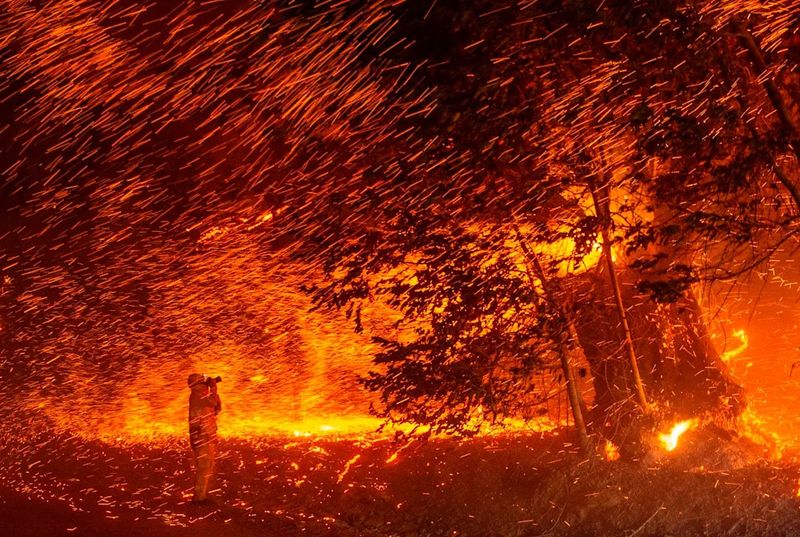
Ever notice how leaves and pine needles pile up in gutters, corners, and under bushes? Those little bundles are more dangerous than they seem.
When flames get close, wind lifts glowing embers into the air. Those embers can travel far and land on piles of dry needles.
Once an ember settles on that fluffy fuel, it can start a brand new fire. Suddenly the flames are jumping ahead in unexpected spots.
This is called ember spotting, and it is a major way fires spread. New fires can pop up well beyond the original blaze.
Dry needles and leaves are perfect landing pads because they catch quickly. Their light, airy shape lets flames grip them fast.
During windy fall days, embers fly farther and in greater numbers. That makes cleaning up these fuels around your home really important.
Clear leaves and needles out of your gutters before the season begins. Sweep them away from decks, porches, and the base of walls.
Do not forget to check under stairs and along fence lines where debris hides. Those tucked-away spots are easy for embers to reach.
Removing these small piles takes away safe spots for embers to grow. It is a quick task with a big payoff, shrinking the chances that a stray spark turns into a serious threat near your house.
6. Wind Can Push Fire Toward Structures Quickly
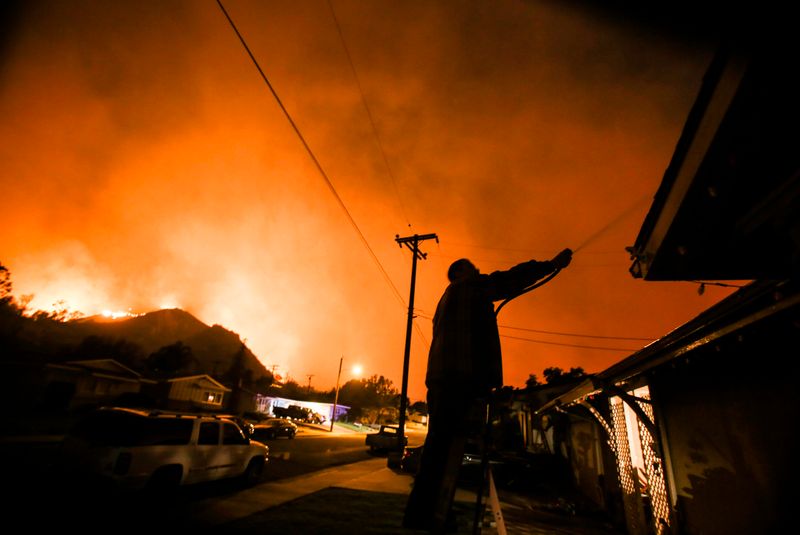
Wind does more than dry things out. It also acts like a powerful hand shoving flames in one direction.
When a fire starts on a windy day, the gusts drive it forward with real force. California homes in the path can face flames much sooner than expected.
Strong wind bends fire sideways, stretching flames toward whatever lies ahead. That includes fences, sheds, and houses.
Heat alone does not push fire around like this. A calm hot day lets flames spread slowly in all directions.
But add a steady 30-mile-per-hour gust and the story changes completely. The fire charges ahead, sometimes faster than people can react.
This is why wind-driven fires often give so little time to escape. The flames simply move too fast for a slow response.
Protecting your home means thinking about how wind might steer a fire toward it. Clear a wide, defensible space on all sides.
Use fire-resistant materials for roofs and siding when you can. These choices help your home stand up better if flames arrive.
Keep patio furniture, firewood, and other burnable items away from walls. Wind can push flames right into those objects.
Knowing the wind can act like a launcher helps you plan smarter. Every gap you create between fuel and your home buys precious time when seconds truly matter.
7. Dry Conditions Make Small Ignitions More Dangerous
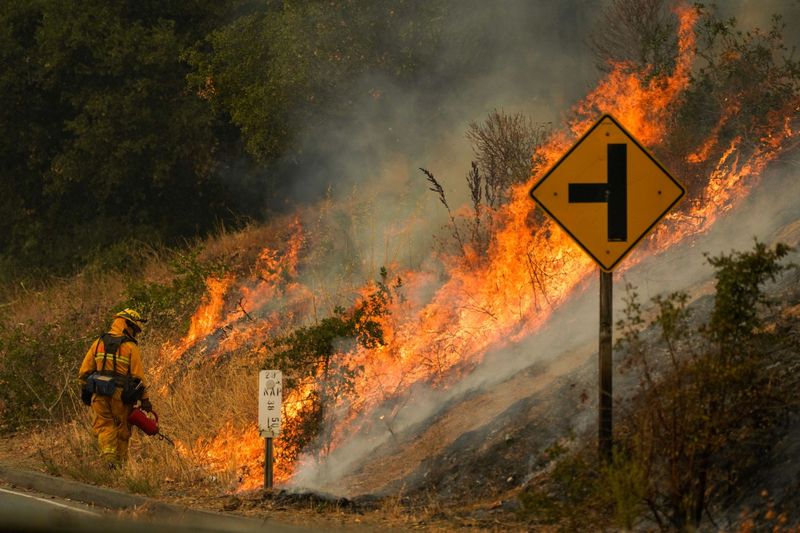
On a normal damp day, a stray spark might fizzle out on its own. But dry fall conditions flip that safety switch off.
When everything around is parched, even a tiny flame finds instant fuel. A spark that would fade in spring can roar to life in September.
Small ignition sources are all around us every day. Think of car exhaust, power tools, campfires, or a dragging trailer chain.
During dry, windy weather, any of these can start a serious fire. What seems harmless suddenly becomes a real threat.
The combination of low moisture and gusty wind removes the usual safety cushion. There is little to stop a small flame from growing fast.
Being careful with everyday activities makes a big difference in fall. Avoid using equipment that throws sparks on windy afternoons.
Skip outdoor burning and mowing dry grass during red flag warnings. Those warnings mean conditions are ripe for fast fire growth.
Check that your vehicle is well maintained so it does not shed hot parts. Keep chains and metal from dragging on the road.
If you enjoy campfires, follow all local rules and drown them fully before leaving. Simple caution goes a long way.
Respecting how touchy dry conditions can be helps prevent fires before they ever begin. Prevention truly is the easiest form of protection.
8. Fences And Shrubs Can Create A Path To The Home
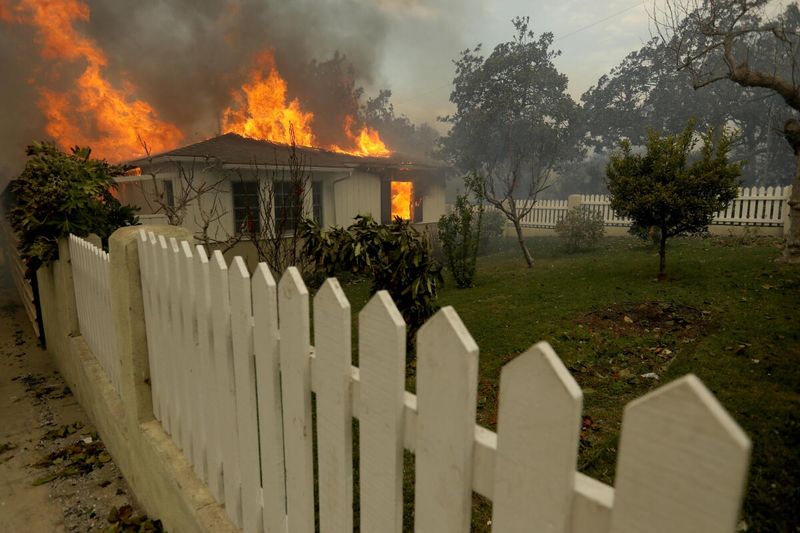
Take a look around your California yard and follow the line of your fence. It might lead straight from the open field right up to your house.
Wooden fences and thick shrubs can act like a bridge for flames. Fire follows the fuel, and these features hand it a clear road.
Once flames reach a dry hedge, they can travel along it toward your walls. The same goes for a wooden fence attached to the home.
This hidden pathway catches many homeowners by surprise. They forget that connected fuels invite fire closer.
Wind makes the danger worse by pushing flames along these routes. A gust can send fire racing down a fence line in moments.
Breaking up these paths is one of the smartest steps you can take. Consider a metal or masonry gate section where a wood fence meets your house.
Trim shrubs so they do not touch walls, windows, or each other. Leave gaps that force flames to jump instead of glide.
Replace overgrown bushes near the home with low, fire-resistant plants. Rock beds and gravel also make helpful buffers.
Keep the space right against your foundation clear of woody plants. This zone matters most for stopping flames.
Cutting these connections keeps fire from strolling straight to your door. A few thoughtful changes in the yard can help your home hold strong when the winds blow.