The Smells That Actually Keep Gophers And Ground Squirrels Out Of A California Garden
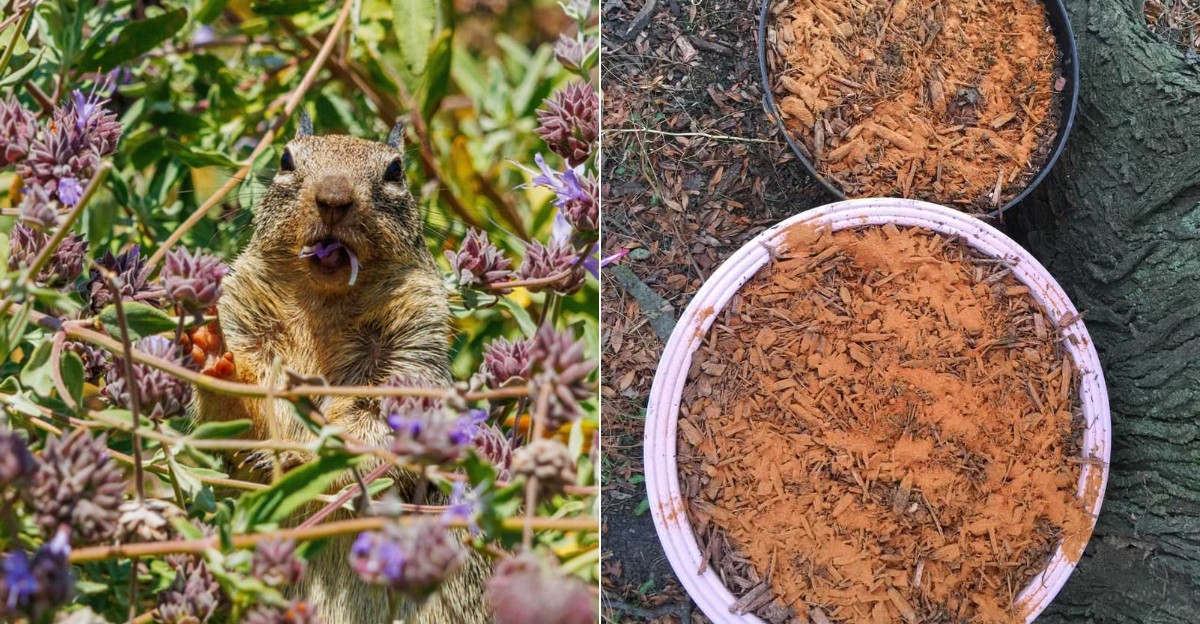
Your California garden can become a tempting target for gophers and ground squirrels, especially when fresh plants, roots, and vegetables are easy to reach.
If you are looking for a simple way to discourage these pests, certain strong scents may help make your garden less appealing.
These animals rely heavily on their sense of smell to find food and avoid danger. Some natural scents, such as those from aromatic plants and certain household materials, can create an unpleasant environment around garden beds and planting areas.
They may not work as a complete solution, but they can be a useful part of a larger pest-control plan.
You need to apply these methods carefully and keep expectations realistic. A strong-smelling barrier works best when you combine it with steps like removing food sources, protecting vulnerable plants, and blocking access points.
With the right approach, you can make your California garden much less inviting to unwanted visitors.
1. Castor Oil Has A Strong Odor Some Gardeners Try
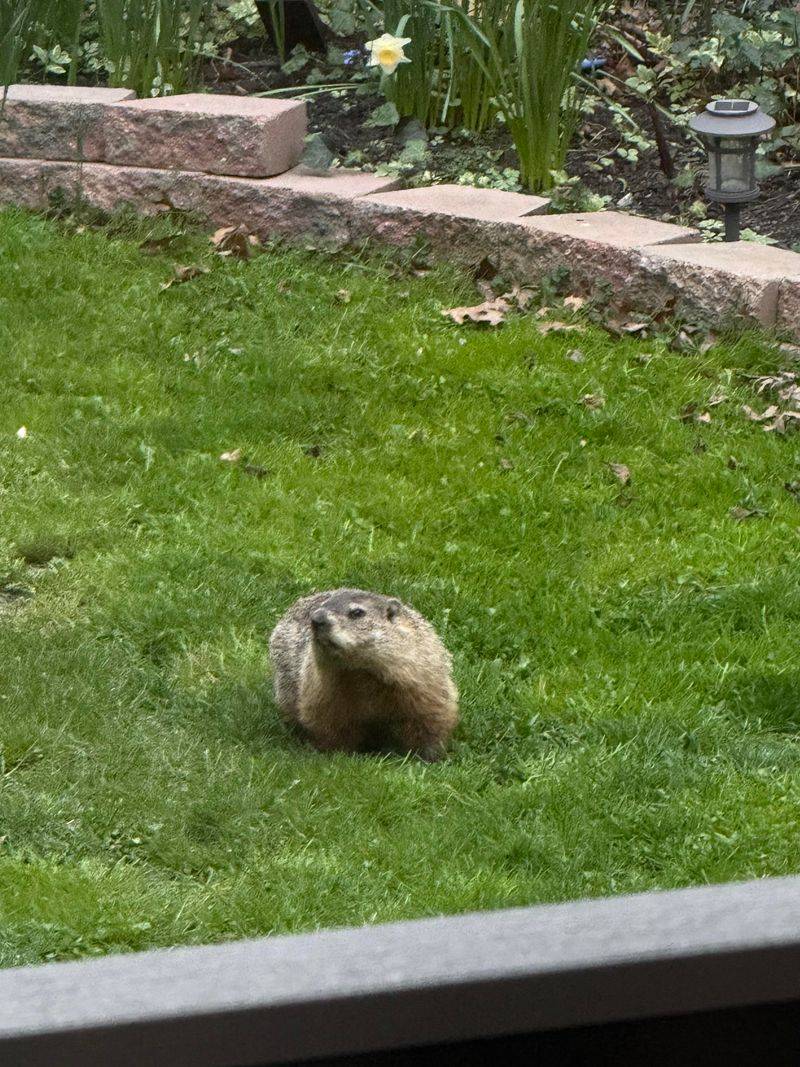
Among the many home remedies floating around, castor oil shows up again and again. It has a heavy, unpleasant smell that many burrowing animals seem to dislike, which is why gardeners reach for it first.
The oil works by soaking into the soil and coating the tunnels where gophers travel. When the animals move through treated dirt, the odor sticks to their fur and bothers them.
Some products mix castor oil with water so you can spray it across a wide area or pour it near active mounds.
You can find granules and liquid concentrates at most garden stores across California. After applying, watering the area helps push the smell deeper into the ground where the tunnels sit. This gives the repellent a better chance of reaching the animals directly.
Keep in mind that results vary a lot from yard to yard. Castor oil tends to help more with fresh, small infestations than with large, well-established colonies. It also needs regular reapplication because the scent fades over weeks.
For folks who prefer gentler methods before setting traps, this option feels like a reasonable first step. Just do not expect miracles overnight.
Pair it with other tactics, stay patient, and watch closely for new digging activity so you can treat spots quickly.
2. Garlic-Based Repellents Can Make Areas Less Appealing
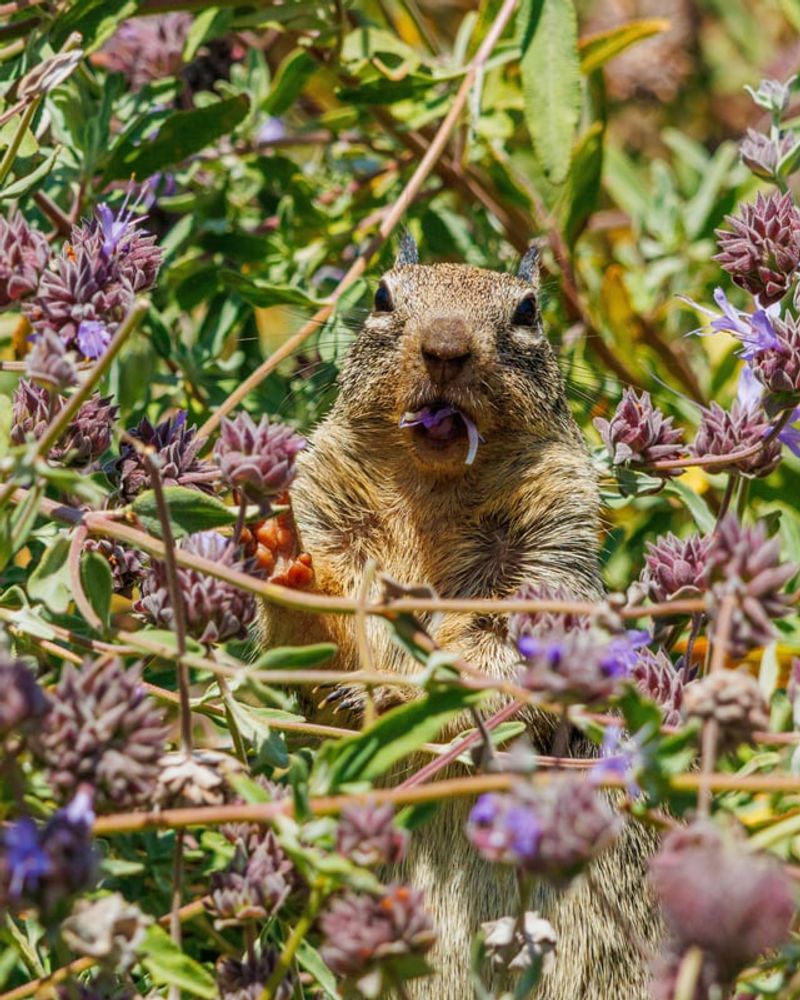
Garlic packs a punch that humans notice in cooking, and animals notice it too. That sharp, spicy smell can make a garden bed feel less welcoming to curious gophers and ground squirrels.
Gardeners often use garlic in sprays, granules, or even planted cloves around the edges of a bed. The idea is simple: create a smelly border that pests would rather avoid.
Some people brew their own garlic water at home by soaking crushed cloves overnight, then straining and spraying the liquid on the soil.
Commercial garlic products usually combine the scent with other strong ingredients for extra strength. These can coat plants and dirt with a lasting odor that discourages digging for a while.
One nice thing about garlic is that it is safe around most vegetables and flowers. You will not harm your crops by using it near the plants you want to protect. It also smells better to us than some chemical options.
Your California Garden Changes Every Week. Your Plan Should Too.
Gardening in California changes quickly throughout the season. Every Friday you’ll receive a simple weekly plan showing exactly what to plant, prune, fertilize, harvest, and protect so you never miss the right timing.
Still, garlic is not a permanent fix. The scent weakens with sun, wind, and watering, so you must refresh it often. Think of garlic as one helpful layer in your defense rather than a single magic solution.
Combine it with fencing or barriers for the strongest protection over time.
3. Pepper-Based Products Add Another Strong Scent
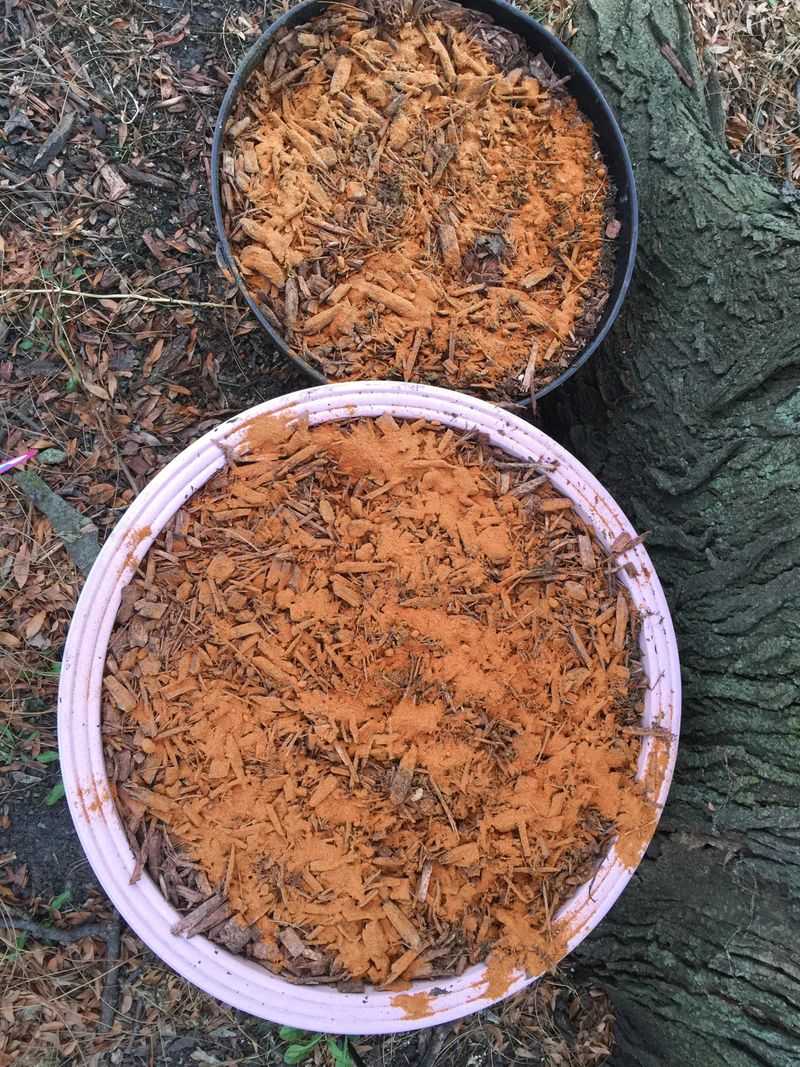
Hot peppers bring heat that goes beyond flavor. The same compound that makes chili peppers spicy, called capsaicin, creates a burning sensation that many animals find deeply unpleasant.
Because of this, pepper-based repellents have become popular for California gardeners battling burrowing pests.
You can buy cayenne powder, hot pepper sprays, or granules designed to sprinkle around vulnerable plants. The strong smell alone can make a squirrel think twice before nosing into your beds.
Sprinkling pepper flakes near tunnel openings or along garden borders adds another layer of scent defense. When an animal gets a whiff or a taste, the irritation encourages it to look elsewhere for food.
Homemade versions work too. Mixing cayenne with water and a little dish soap creates a spray that clings to leaves and soil. The soap helps the mixture stick longer between applications.
Be careful when handling these products, though. Pepper can irritate your eyes, nose, and skin, so wear gloves and wash your hands afterward. Keep it away from pets that might sniff too closely.
Like other scent repellents, pepper fades over time and washes off in rain or watering. Reapply regularly for steady results.
Used alongside garlic or castor oil, pepper adds variety that keeps clever animals guessing and less comfortable in your space.
4. Repellents Work Better On Small Problem Areas
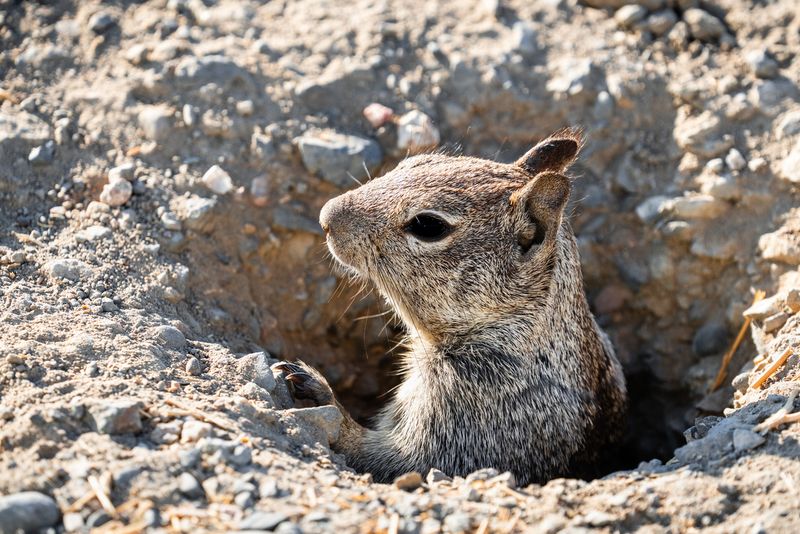
Trying to protect an entire California yard with scent alone is a losing battle. Repellents shine when you focus them on smaller, specific spots where pests are causing trouble.
Picture a single raised bed of lettuce or one flower patch under attack. Treating that limited zone with garlic, pepper, or castor oil gives you a real chance at success. The scent stays concentrated, and you can watch that area closely for new activity.
Spreading the same products across a huge lawn thins them out and wastes your effort. The smell becomes too weak to matter, and animals simply walk around treated patches to reach untreated food.
Gardeners get the best value by mapping where the damage happens most. Look for fresh mounds, chewed stems, and dug-up roots. Then aim your repellents right at those hot spots.
This focused approach also saves money. You buy less product and apply it where it counts instead of covering ground that pests ignore anyway.
For larger properties, combine spot treatments with physical barriers like wire baskets around root balls.
Scent handles the small stuff while fencing guards the bigger picture. By keeping your efforts tight and targeted, you make each application stronger and give your favorite plants a much better shot at staying safe.
5. Ground Squirrels Can Quickly Get Used To Scents
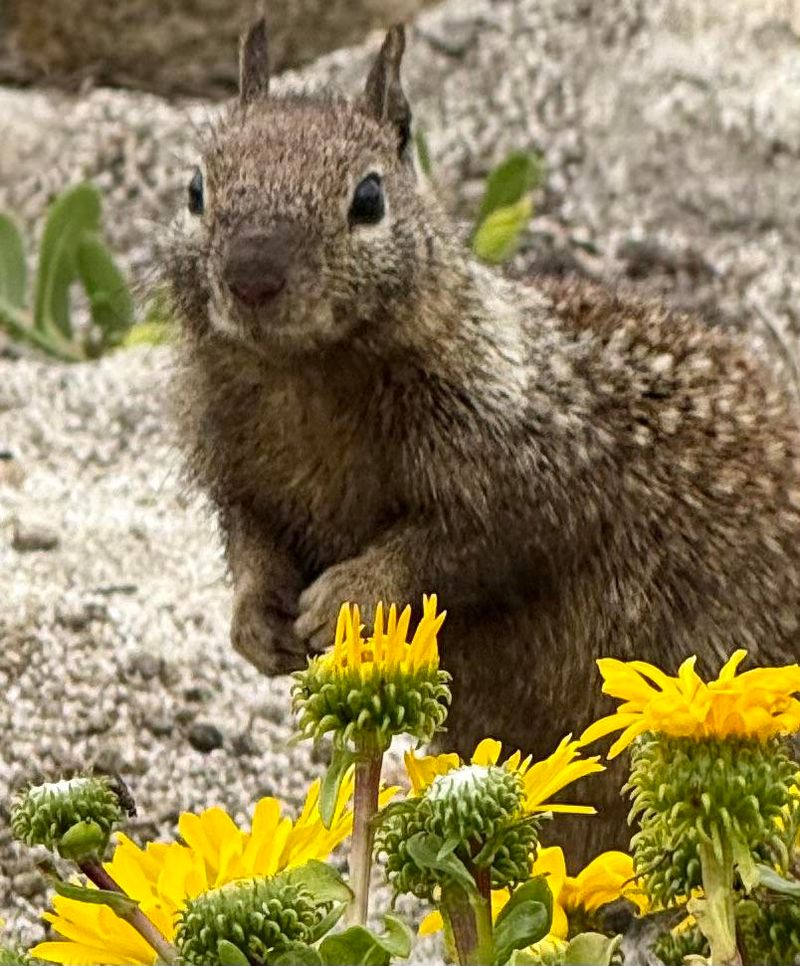
Ground squirrels are clever little creatures, and that intelligence works against you. They can learn that a scary smell is not actually dangerous, then ignore it completely.
This habit of getting comfortable with a scent is called habituation. At first, a strong odor might startle a squirrel and keep it away. After a few days of no real harm, the animal figures out the smell is harmless and strolls right back in.
Because of this, relying on one scent for weeks rarely works with ground squirrels. They adapt fast, especially when food and shelter sit just beyond the smelly barrier.
Smart gardeners rotate their methods to stay ahead. Switching between garlic one week and pepper the next keeps the animals uncertain. Changing scents makes it harder for them to relax and settle in.
Adding other deterrents helps too. Motion-activated sprinklers, noise makers, and fencing give the squirrels more reasons to feel unwelcome. Combining surprises with smells creates a less predictable environment.
Keep an eye on their behavior. If you notice squirrels ignoring a repellent, that is your cue to change tactics quickly.
Staying flexible and mixing your approach gives you the upper hand against these smart, adaptable diggers who never stop testing your defenses.
6. Gophers Spend Most Of Their Time Below Ground
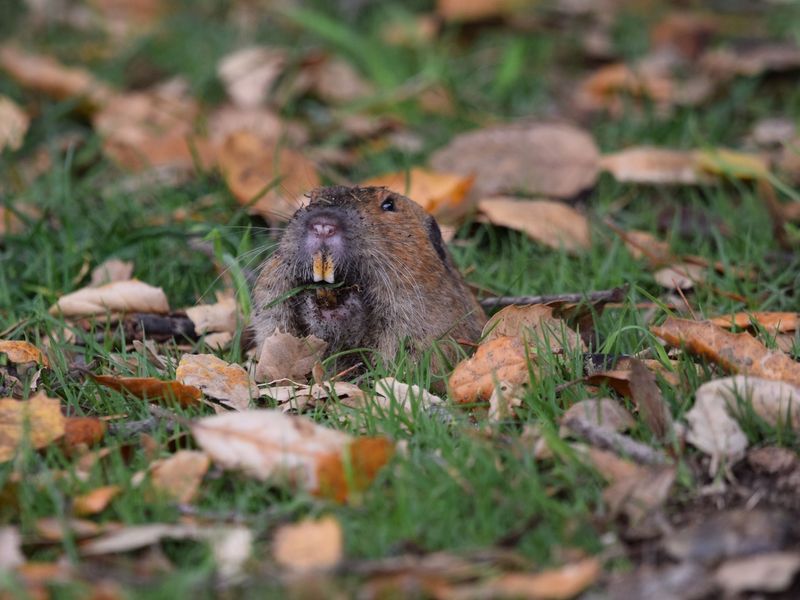
Gophers live a hidden life beneath your feet. Unlike squirrels that scamper around in the open, these animals rarely surface, which makes scent repellents trickier to use.
Since gophers stay underground almost all the time, a smell sprayed on top of the soil may never reach them. They tunnel deep, chewing roots from below where surface odors barely drift.
This is why watering repellents into the ground matters so much for gophers. Castor oil, for example, needs to soak down into the dirt so the scent travels into the tunnels. A dry surface treatment often does little.
Even then, gophers can seal off tunnels or dig new paths around a smelly section. Their underground world gives them plenty of room to avoid trouble spots.
Gardeners fighting gophers usually find that traps and underground barriers work better than scent alone. Wire baskets around roots protect individual plants, while fencing buried a foot deep blocks tunnels.
That said, scent still plays a supporting role. Treating fresh mounds and active tunnels can nudge gophers to move along, especially in small gardens.
Understanding where gophers spend their time helps you set realistic expectations. Aim your efforts underground, stay persistent, and pair smells with physical defenses for the strongest results against these secretive burrowers.
7. Rain Can Wash Scent-Based Repellents Away
Weather plays a bigger role in repellents than most people expect. A good rain can rinse away all your hard work, leaving the soil odor-free and the pests welcome again.
Scent-based products sit on the surface of leaves and dirt. When rain hits, it dilutes those oils and powders, carrying the smell down and away. Suddenly the barrier you built is gone.
California’s rainy season, mostly in winter and early spring, can make timing tricky. Applying repellents right before a storm wastes both product and effort.
Checking the forecast before you treat an area saves frustration. Pick a stretch of dry days so the scent has time to settle and do its job before any showers arrive.
Even regular garden watering counts here. Overhead sprinklers can wash off sprays just like rain, so aim water at the roots instead of the leaves when possible.
Some products claim to resist rain better than others. Reading labels helps you choose formulas that cling longer through wet weather.
The key takeaway is simple: plan around the sky. Watch for rain, reapply after storms, and adjust your watering habits. By working with the weather instead of against it, you keep your repellents active and your garden protected far more reliably.
8. Reapply Products According To The Label
Every repellent bottle comes with directions for a reason. Following the label is the single best way to get real results instead of wasted effort.
Labels tell you how much to use, how often to reapply, and where to spread the product. Skipping these instructions often leads to weak protection or scent that fades before you expect.
Most scent repellents lose strength within one to three weeks. The exact timing depends on the product, the weather, and how much rain or watering the area gets.
Setting a reminder on your phone or calendar helps you stay consistent. Regular reapplication keeps the smell fresh and the animals uncertain about your garden.
Applying too little is a common mistake. A light dusting might not create a strong enough barrier, so measure carefully and use the recommended amount.
Applying too much wastes money and can harm plants in some cases. The label balances effectiveness with safety, so trust those numbers.
After heavy rain or watering, check whether an extra application makes sense. Many products need refreshing sooner in wet conditions.
Staying on schedule turns scent repellents from a hit-or-miss trick into a dependable tool. Read carefully, follow the timing, and keep your applications steady. Consistency, more than any single spray, is what truly keeps burrowing pests discouraged over the long run.