This Texas Bulb Can Replace Tired Summer Annual Beds With Shocking Color After The First September Rain
By late August, the petunias out front have gone leggy and pale, the vinca looks sunburned, and the whole bed seems to be begging for mercy from the heat.
Then the first real September storm rolls through, soaks the ground for an hour, and three days later slim red stalks push straight up through the crusty soil like someone flipped a switch.
That surprise belongs to the oxblood lily, a tough little heirloom bulb that has been passed from Texas gardener to Texas gardener for well over a century.
Most gardeners never see it coming, since nothing about the bare summer bed hints at what’s waiting underground the whole time.
If you want deep crimson color exactly when your summer beds give out, this is the bulb worth learning about.
Meet The Oxblood Lily, Rain-Triggered Bloom
Gardeners in Central Texas have a nickname for it. The schoolhouse lily, because it tends to flower right around the time classes start again each fall.
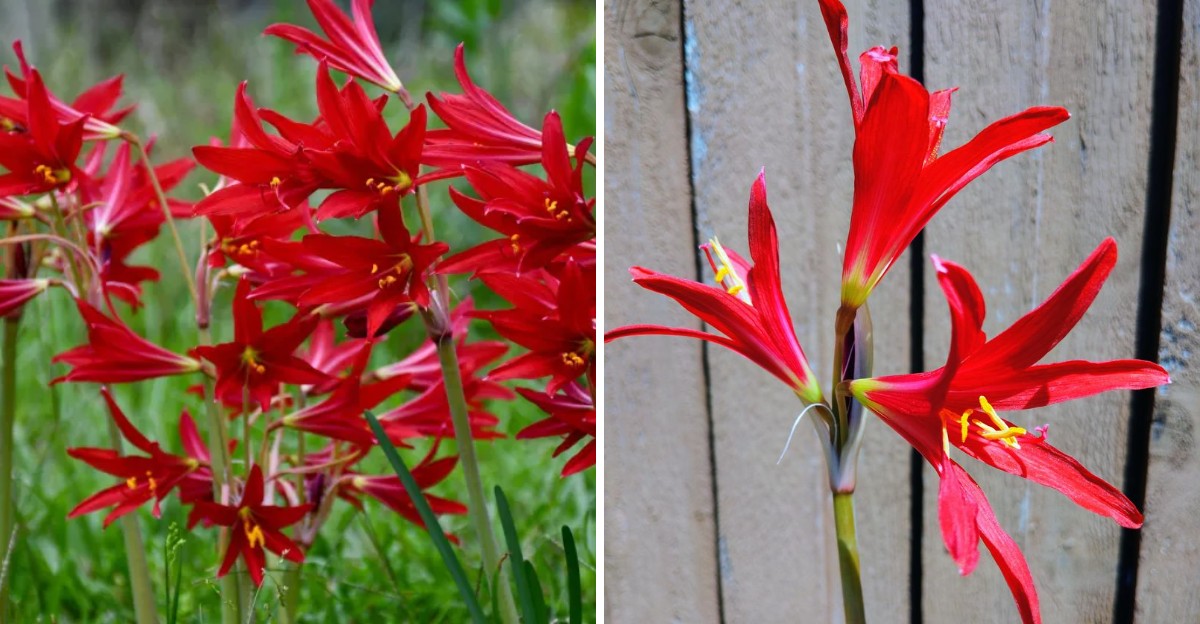
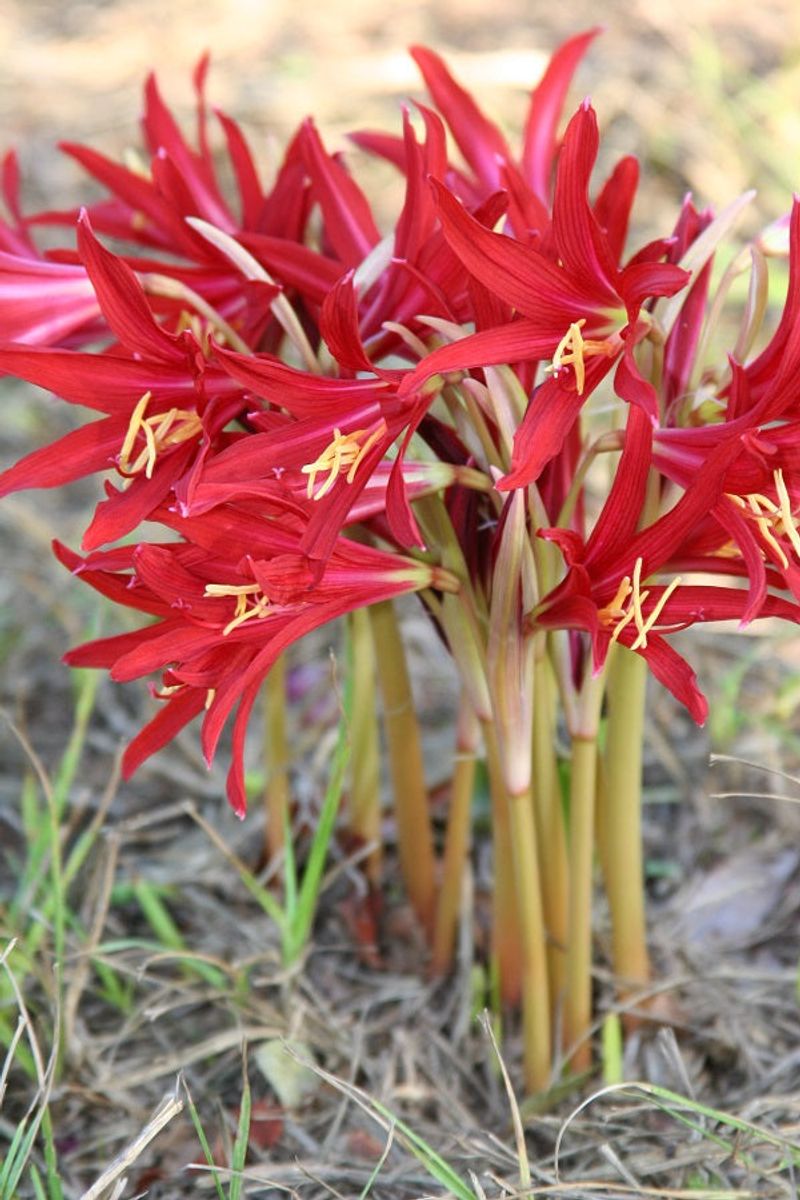
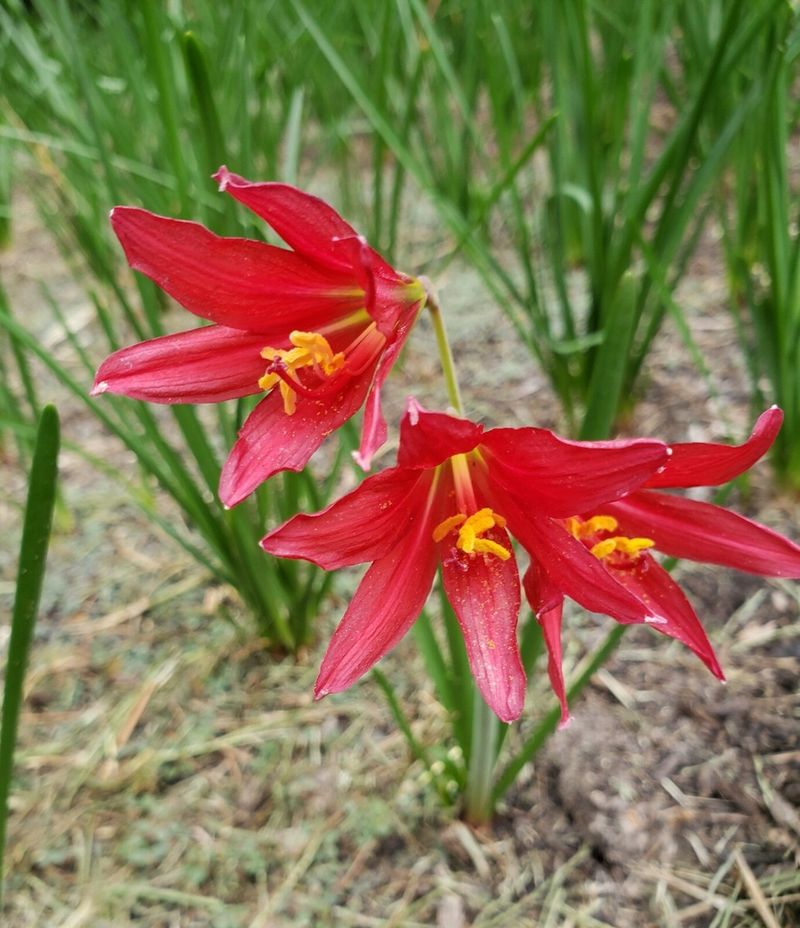
Botanists call it Rhodophiala bifida. Most everyone else calls it oxblood lily, thanks to the dark red, almost wine-colored trumpets that sit on bare stalks about a foot tall.
What makes it remarkable is the trigger behind the bloom. Instead of counting daylight hours or following a strict calendar, the bulb waits for water specifically.
After a hot, dry summer bakes the soil, a substantial soaking rain acts like an alarm clock, and buds push up from bulbs that looked completely dormant just days before.
Texas A&M AgriLife Extension horticulturists have written about this behavior for years, noting the plant’s reliability in the eastern two-thirds of the state.
The species came originally from Argentina and Uruguay, and German immigrants are widely credited with introducing it to the Texas Hill Country in the 1800s.
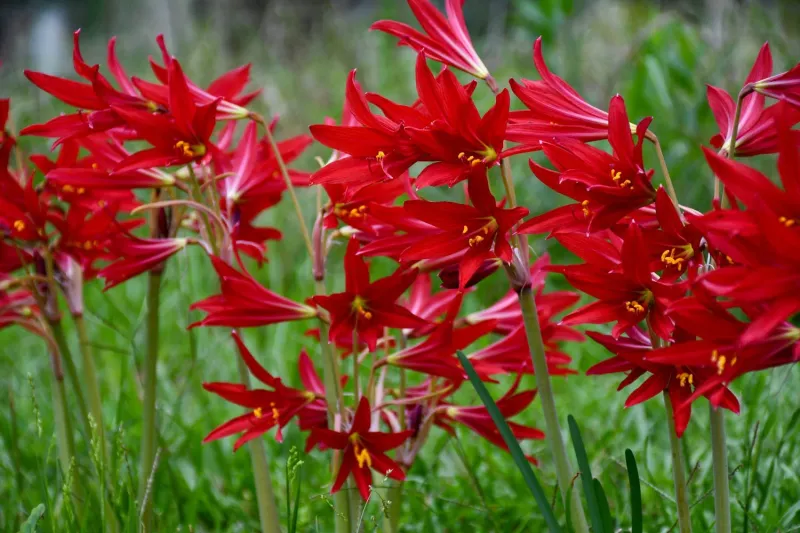
Each stalk carries two to six blooms, and a healthy clump can throw up dozens at once. The color reads almost burgundy in shade and bright scarlet in full sun.
For anyone tired of replanting annuals three times a season, a bulb that shows up on its own and asks for nothing is a genuine relief.
Blooms Erupt Within Days Of Rain
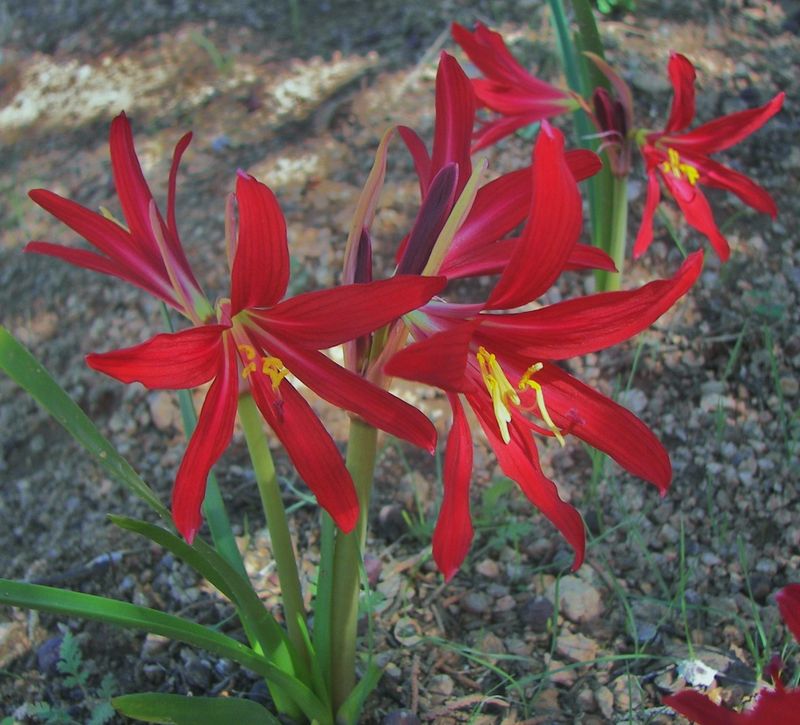
Three to seven days. That is the window most Texas gardeners report between a good soaking September rain and open oxblood lily flowers standing in the bed.
The speed catches people off guard every single time. One afternoon the ground is empty and cracked, and by the weekend there are pointed red-tinged stalks pushing up an inch or more a day.
No leaves, no warning, just stems rising like periscopes out of nowhere.
Extension writers in Texas have described this pattern repeatedly, and it appears tied to the combination of cooling nighttime temperatures and real moisture reaching the bulb.
A light sprinkle usually does not do it. It takes a genuine downpour, often an inch or more, to soak deep enough for the trigger to work.
That explains why the show shifts around from year to year. A wet late August can pull blooms forward into the last days of the month, while a stubborn dry spell can push them into October.
Your Texas Garden Changes Every Week. Your Plan Should Too.
Gardening in Texas changes quickly throughout the season. Every Friday you’ll receive a simple weekly plan showing exactly what to plant, prune, fertilize, harvest, and protect so you never miss the right timing.
Here is a practical trick worth trying. If the forecast keeps missing you in early September, a long deep watering with the hose can sometimes prompt the same response.
Either way, keep an eye on the bed after a storm, because the bloom period runs roughly one to two weeks and then wraps up quickly.
Decades Old Passalong Bulbs Still Perform
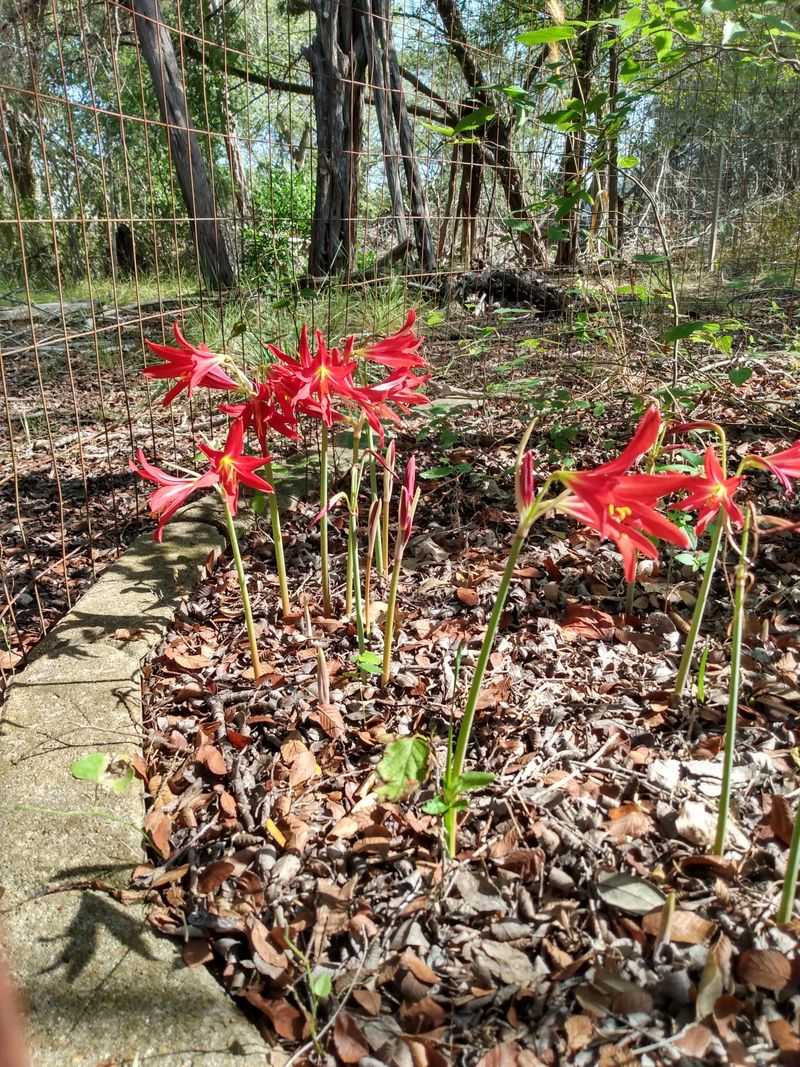
Drive through a small Texas town in September and look at the abandoned lots. Those bright red clumps blooming beside a crumbling chimney were planted by someone who has been gone for fifty years, maybe longer.
Oxblood lily earned its place on the short list of true Texas passalong plants precisely because it refuses to quit. Bulbs survive neglect, no irrigation, no fertilizer, and no one paying attention at all.
The Texas Superstar and AgriLife Extension programs have long highlighted heirloom bulbs like this one, pointing out that a plant thriving in an unwatered old yard is a plant proven for local conditions.
Because the bulbs rarely show up in big box garden centers, most people get their first ones from a neighbor, a plant swap, or a county horticulture group.
That hand-to-hand sharing is part of the charm, and it means the clump in your bed may carry a direct link back to an immigrant family’s garden from the 1860s.
If someone offers you a grocery bag of them after their September bloom, say yes. Dig them, separate them, and replant right away with the tops a few inches down.
Few garden gifts keep paying dividends for three or four generations.
Deer Rarely Bother This Tough Bulb
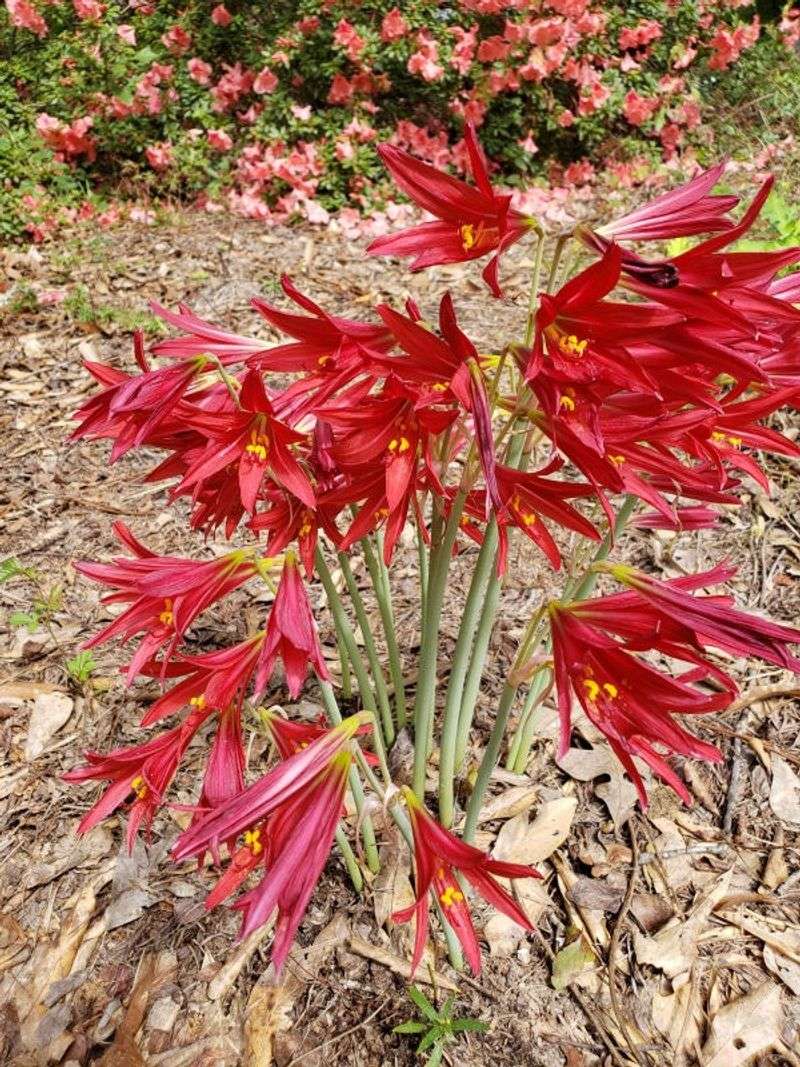
Anyone who has watched a doe strip a bed of pansies overnight knows the frustration. Deer pressure is the single biggest reason Hill Country gardeners give up on flowers entirely.
Oxblood lily offers relief there. Like most members of the amaryllis family, the bulbs and foliage contain alkaloids that taste bitter and can upset an animal’s stomach, so browsing deer generally walk right past.
Texas A&M AgriLife Extension lists oxblood lily among bulbs deer tend to leave alone, alongside relatives such as daffodils and spider lilies.
A fair warning though. No plant is bulletproof. In a severe drought with nothing green left, hungry deer will sample almost anything, and young flower stalks occasionally get nipped.
Rabbits and squirrels also show little interest, which is a small miracle for fall-planted bulbs. Tulips get dug up and carried off; oxblood lilies stay put.
That reliability changes how you plan a bed entirely. Instead of caging or spraying every few weeks, you can plant crimson drifts along a driveway or under live oaks and simply forget about them.
For rural properties where fencing is not practical, this single trait may be the strongest argument for growing them.
Foliage Follows Blooms Not The Other Way
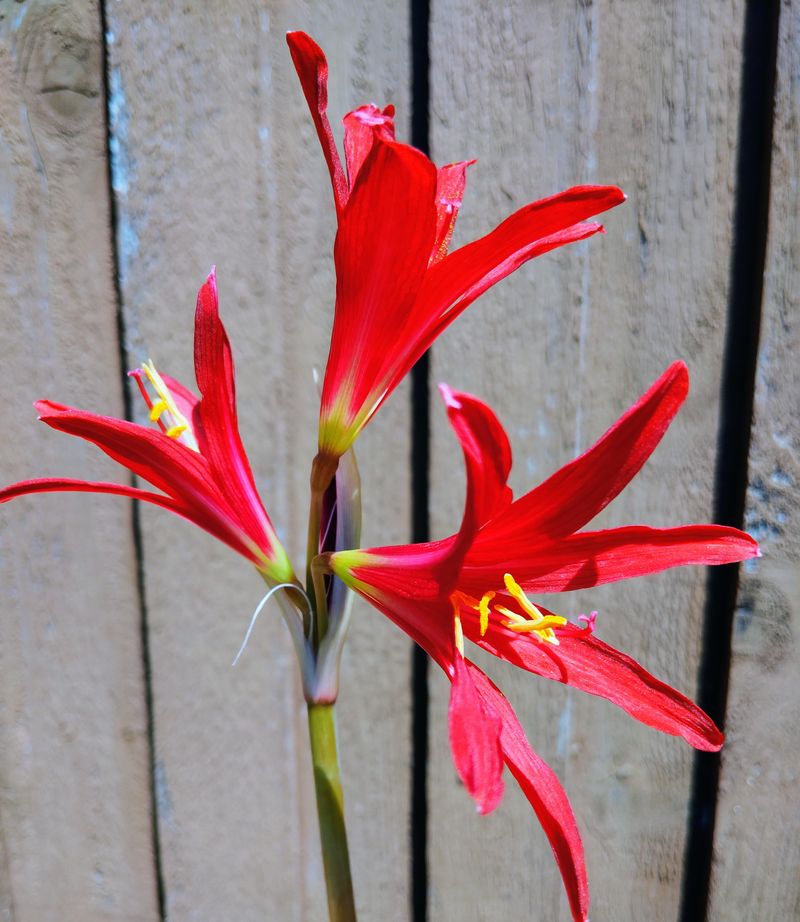
Backwards is the best word for it. Most flowers grow leaves first, gather energy all season, then bloom. Oxblood lily flips the script completely.
Flowers arrive on naked stems in fall, finish their two-week run, and only then do narrow strap-shaped leaves emerge from the ground below.
Those leaves stick around all winter, staying green through cold snaps that flatten everything else, and finally yellow and disappear in late spring.
Botanists call flowering without leaves hysteranthy, and several fall bulbs share the habit. It is why oxblood lilies sometimes get lumped in with surprise lilies.
The practical takeaway matters more than the vocabulary here. Those winter leaves are the bulb’s only chance to feed itself, so leaving them alone is critical.
Mowing them off in January or raking them up because they look untidy weakens the bulb and can cost you next fall’s flowers.
Hold off on fertilizer until the foliage is actively growing, then a light feeding in late fall or early winter supports bigger blooms.
Winter greenery is actually a bonus in most Texas beds. While the rest of the garden sits brown and bare from December through February, these clumps look fresh and grassy.
Bulbs Multiply Without Much Attention
Start with a dozen bulbs. Come back in eight years, and you may have two hundred.
Oxblood lily increases by offsets, meaning the parent bulb produces small bulbs around its base that grow into blooming size over a few seasons.
The plant also sets seed after flowering, and those seeds can drop and sprout nearby, which is how old clumps slowly widen into drifts over time.
That multiplying habit is entirely welcome, and unlike some aggressive spreaders, this one stays polite. It does not run through the lawn or swallow neighboring perennials.
Crowding eventually reduces flower count though, so digging and dividing every five to eight years keeps things productive.
Do the work in late spring or early summer once foliage has faded back and the bulbs are fully dormant. Lift the clump with a spading fork, pull the bulbs apart by hand, and replant immediately.
Extra bulbs become gifts, which is exactly how the species traveled across Texas in the first place.
Care requirements stay minimal in between. Full sun to light shade, soil that drains reasonably well, and no supplemental summer irrigation needed once established.
Plant Now For Next Year’s Surprise
Timing is simple, and summer is your window. Late June through August is when dormant oxblood lily bulbs are available and when planting them causes the least disruption.
Set each bulb with the neck roughly three to four inches below the surface, spaced about four to six inches apart.
Plant in generous groups rather than single file, since fifteen bulbs clustered together read as a statement while five scattered ones just look lost in the bed.
Water once after planting to settle the soil, then leave them alone and let the first fall rain do the rest of the work.
Be patient with first-year results. Newly planted bulbs sometimes skip blooming while they settle in, and the real payoff usually arrives in year two and beyond.
Placement deserves a moment of thought too. Because the flowers appear on bare stems, they look best rising through a low groundcover, in front of evergreen shrubs, or along a walkway.
Sourcing takes a little effort. Check specialty heirloom bulb nurseries, Texas Master Gardener plant sales, and local plant swaps in late summer.