What It Really Means When Cardinals Keep Visiting Your Texas Yard In Fall
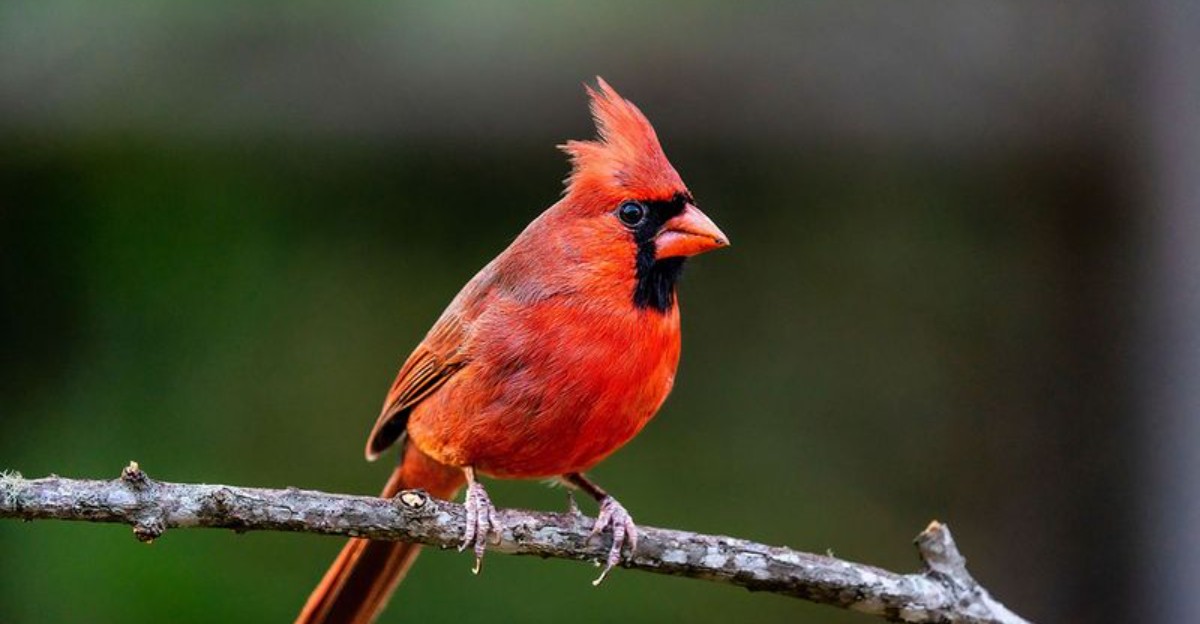
Cardinals in a Texas yard are a year round presence for most homeowners, but fall brings something different. The activity around feeders and shrubs shifts.
Pairs that were nesting and territorial through spring and summer start moving differently through the yard, and in some cases the numbers increase noticeably as the season changes.
If cardinals have been visiting your Texas yard with more frequency or different behavior as fall arrives, there’s a reason worth understanding.
Cardinals don’t change their patterns randomly. The shift in how they move through and use your yard in fall reflects specific biological and seasonal changes happening right now.
It tells you something real about what your property is currently offering these birds and what they need heading into winter.
Here’s what cardinals visiting your Texas yard in fall are really telling you.
1. Your Yard Has Reliable Food Available
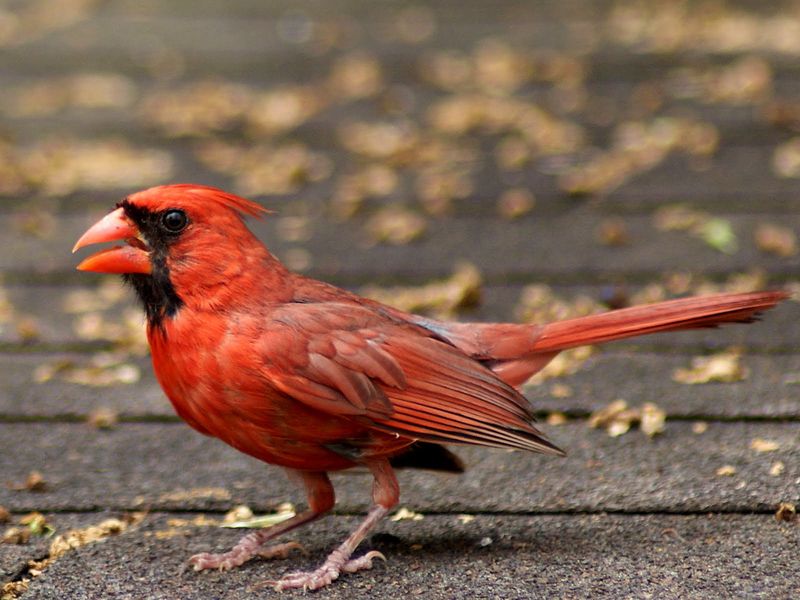
Cardinals have great memories, and once they find a yard packed with food, they mark it as a favorite stop. If they keep returning to your space, chances are you have something tasty waiting for them.
These birds love a mix of seeds, berries, and small insects. In the fall, natural food starts to shift, so a yard that keeps offering plenty stands out.
Cardinals notice when a spot is dependable, and they will visit over and over to stock up.
You might not even realize what you are providing. Fallen seeds from flowers, ripe berries on a bush, or bugs hiding in your garden all count as easy meals.
Cardinals are ground feeders too, so they happily poke around under plants and grass.
Their strong, thick beaks are built for cracking hard seeds. That means your yard becomes even more appealing if it has sunflower seeds, safflower, or similar snacks. The more variety you offer, the longer they stay.
Fall is a busy season for these birds because they are eating extra to stay healthy in cooler weather. A yard with steady food helps them build up energy. That is why your place turns into a regular pit stop.
If you want to keep them coming, avoid clearing away every seed head or berry too quickly. Leaving natural food sources in place makes your yard a trusted spot.
Cardinals reward you by showing up bright and early, adding color and cheerful songs to your mornings all season long.
2. Native Plants Are Providing Natural Food
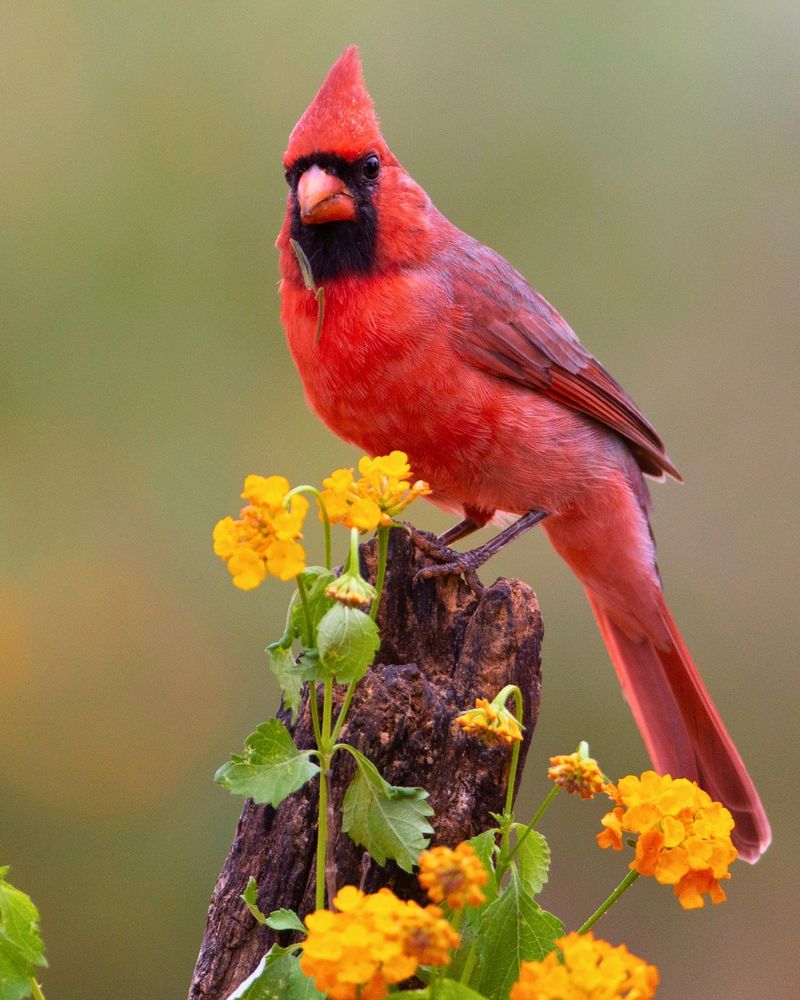
Ever notice cardinals gathering near certain bushes in your yard? Those plants might be doing more work than you think. Native Texas vegetation often supplies exactly the kind of food these birds crave in the fall.
Plants like American beautyberry, sumac, and native grasses produce seeds and fruit that cardinals happily eat.
Because these plants grew up in Texas soil, they thrive without much fuss and feed local wildlife naturally.
When fall rolls in, many native shrubs reach their peak with ripe berries and full seed heads. Cardinals spot this feast and swing by to enjoy it. The bright fruit stands out, almost like a dinner bell for hungry birds.
Your Texas Garden Changes Every Week. Your Plan Should Too.
Gardening in Texas changes quickly throughout the season. Every Friday you’ll receive a simple weekly plan showing exactly what to plant, prune, fertilize, harvest, and protect so you never miss the right timing.
Native plants also attract insects, which cardinals munch on for extra protein. So your garden becomes a two-for-one deal: seeds and bugs, all in one convenient location. That combo keeps the birds interested.
Another perk is that native vegetation blooms and fruits at just the right times. This timing lines up perfectly with when cardinals need to eat more before winter. Your yard becomes part of their natural feeding routine.
If you have been growing Texas natives, give yourself a pat on the back. You are supporting cardinals without even trying hard. These plants require less watering and care, yet they deliver big rewards for birds.
Want to boost the effect? Add a few more berry-producing shrubs or seed-heavy flowers. The more native food you grow, the more likely cardinals will treat your yard as their go-to grocery store.
It is a simple, beautiful way to welcome them back each fall.
3. Your Yard Offers Safe Cover
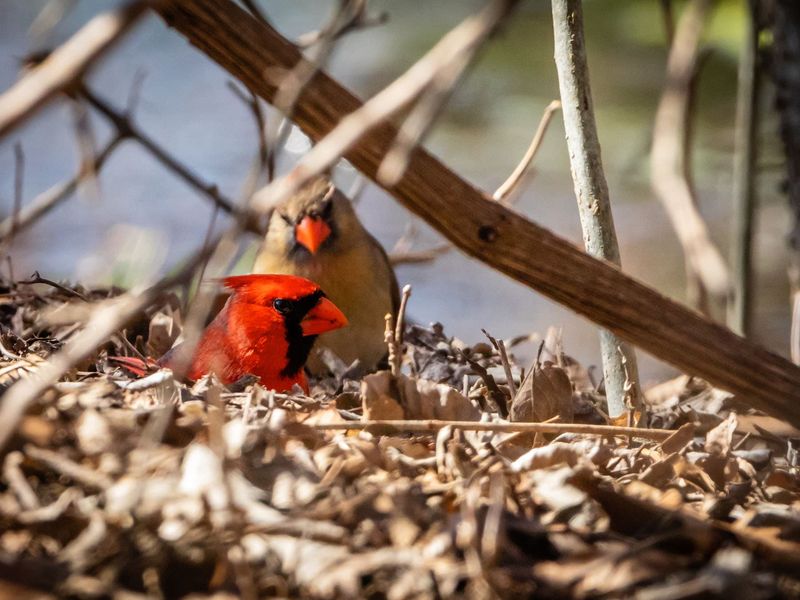
Food is not the only thing cardinals look for. They also need a safe place to rest, and your yard might be perfect for that. Thick shrubs and leafy trees give them the shelter they love.
Cardinals feel most comfortable when they can duck into cover quickly. Dense bushes and tangled branches let them hide from hawks, cats, and other predators. If your yard has these hideouts, birds feel secure enough to stick around.
During fall, having safe spots matters even more. Weather can turn windy or chilly, and cardinals seek out sheltered areas to stay cozy. A yard with plenty of green cover becomes a welcoming retreat.
These birds often perch inside shrubs before darting out to grab food. That quick in-and-out style keeps them safe while they eat. Your dense plants basically act like a protective fort for them.
Cardinals also use thick vegetation for resting through the night. A yard full of evergreen shrubs or layered trees offers the kind of hidden nooks they trust. That comfort brings them back again and again.
You do not need a jungle to help them out. Even a few well-placed bushes or a brush pile in the corner can make a difference. Cardinals appreciate any spot that shields them from danger.
If you have been thinking about trimming everything neat and tidy, consider leaving some areas a little wild.
Those messy corners are gold for birds. By giving cardinals safe cover, you turn your yard into a place they can count on all season.
4. Cardinals Are Preparing For The Season Ahead
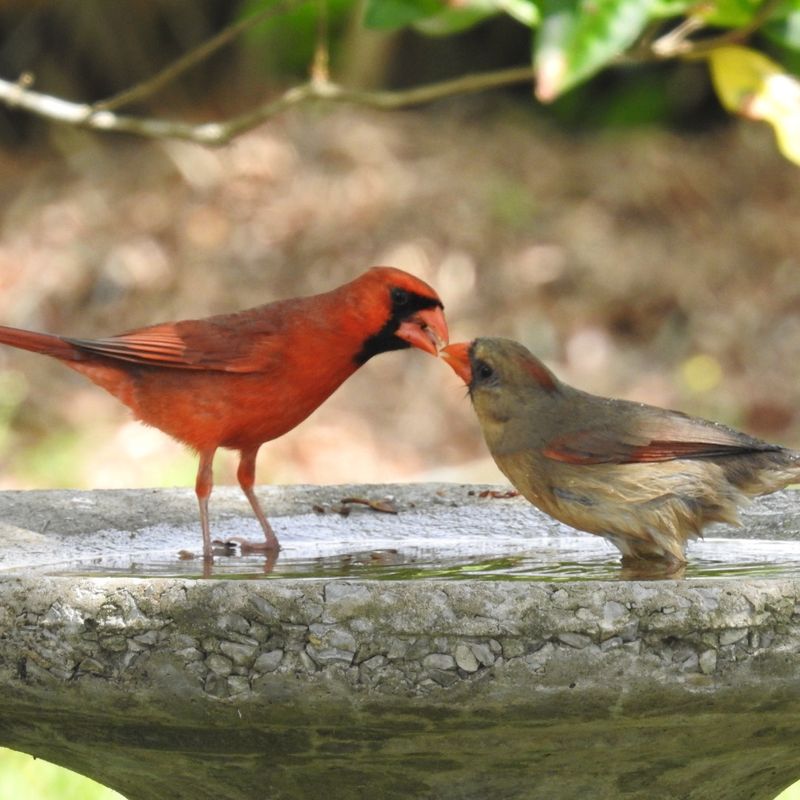
There is a reason cardinals seem extra busy in your yard once fall arrives. These birds are getting ready for the colder months, and that changes how they behave every single day.
As temperatures drop, cardinals adjust their feeding habits. They eat more often and search harder for reliable food. Your yard becomes part of their daily plan as they build up energy reserves.
Fall also shifts their schedule. You might spot them earlier in the morning or later in the evening as they make the most of daylight. Shorter days push them to feed whenever they can.
Unlike some birds, cardinals stay in Texas year-round. That means they are not flying south, so they focus on finding steady food nearby. Your yard fits right into their survival routine.
During this season, cardinals often gather in small groups. You may notice several visiting at once, which is different from the pairs you see in spring. Cooler weather makes them a bit more social around food.
Their bright feathers may look slightly duller in fall too, as they go through changes to prepare for winter. Even so, they remain easy to spot with their signature red color and crest.
All this activity means your yard is helping them get through a tricky time. By offering food and shelter, you support their fall preparations without much effort.
If you keep noticing more cardinal action lately, that is a good sign. They trust your space to help them stay strong. Watching them prepare is a lovely reminder of how nature shifts with the seasons.
5. A Bird Feeder May Be Bringing Them Back
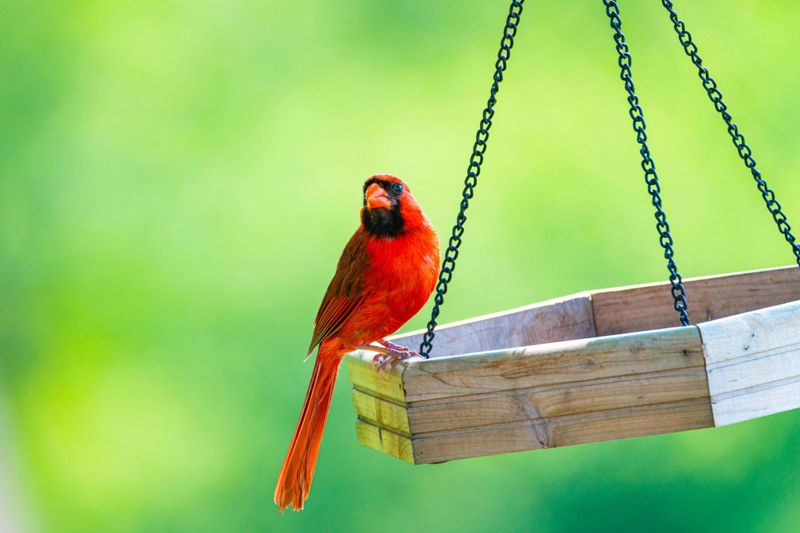
Nothing pulls cardinals in quite like a well-stocked feeder. If you have one hanging in your yard, that could be the main reason these birds keep showing up so often.
Cardinals go crazy for sunflower seeds, especially black oil ones. Their strong beaks crack them open easily, making feeders an ideal dining spot. Once they find a full feeder, they remember it and return daily.
Safflower seeds are another favorite, and they have a bonus. Squirrels and some other birds tend to avoid safflower, so cardinals get more of it to themselves. That makes your feeder even more attractive to them.
Consistency is key here. When you keep your feeder filled, cardinals learn they can rely on it. Birds love routine, and a dependable food source turns your yard into a regular stop on their rounds.
Placement matters too. Cardinals feel safer feeding near bushes or trees where they can dash to cover. A feeder set close to shelter invites more frequent visits.
These birds often feed at dawn and dusk, so you might catch them at your feeder during those quiet hours. Their bright color really pops against the morning or evening light.
If you want even more visitors, try a platform or hopper feeder. Cardinals prefer these over tiny perches because they like a little room to sit. Comfort keeps them coming back.
Keeping your feeder clean and full is a small task with big rewards. In return, you get daily visits from one of the most beautiful birds in Texas. It is a fair trade any bird lover will enjoy.
6. Your Yard Is Supporting Local Wildlife
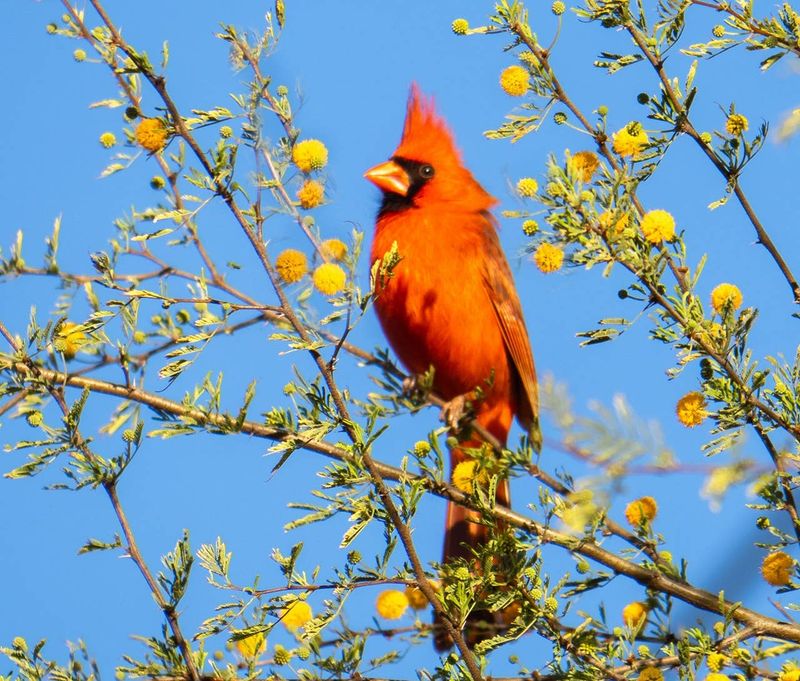
When cardinals keep visiting, take it as a compliment. Their regular presence shows that your yard is doing something right for the wildlife around you.
Cardinals are what people call an indicator species. That means their steady visits suggest your landscape offers healthy food, shelter, and plants that birds truly need. A yard they love is a yard that works.
By providing seeds, berries, insects, and cover, you create a mini habitat. Cardinals are not the only ones who benefit either. Other birds, butterflies, and helpful creatures often thrive in the same welcoming space.
This kind of yard supports local ecosystems in a real way. Native plants feed pollinators, shrubs shelter small animals, and every part works together. Cardinals are simply the colorful stars of the show.
Seeing them year-round also tells you your yard stays useful through every season. Since cardinals do not migrate from Texas, a supportive space helps them all twelve months. That is a big deal for their well-being.
Your efforts, big or small, add up. Planting natives, hanging a feeder, or leaving some brush piles all make your yard richer for wildlife. Cardinals notice and reward you with their company.
There is real joy in knowing your outdoor space matters beyond just looking nice. You are helping birds stay healthy and giving nature a helping hand right at home.
Next time a cardinal lands nearby, remember it chose your yard for good reasons. Keep doing what you are doing, and you will enjoy their cheerful songs and bright feathers for many fall seasons to come.