The Citrus Graft-Line Problem California Gardeners Often Notice Too Late
Your citrus tree may look healthy above the soil while a hidden problem slowly develops near the base.
If you grow citrus in California, the graft line is one area you do not want to ignore, especially when small changes can be easy to miss at first.
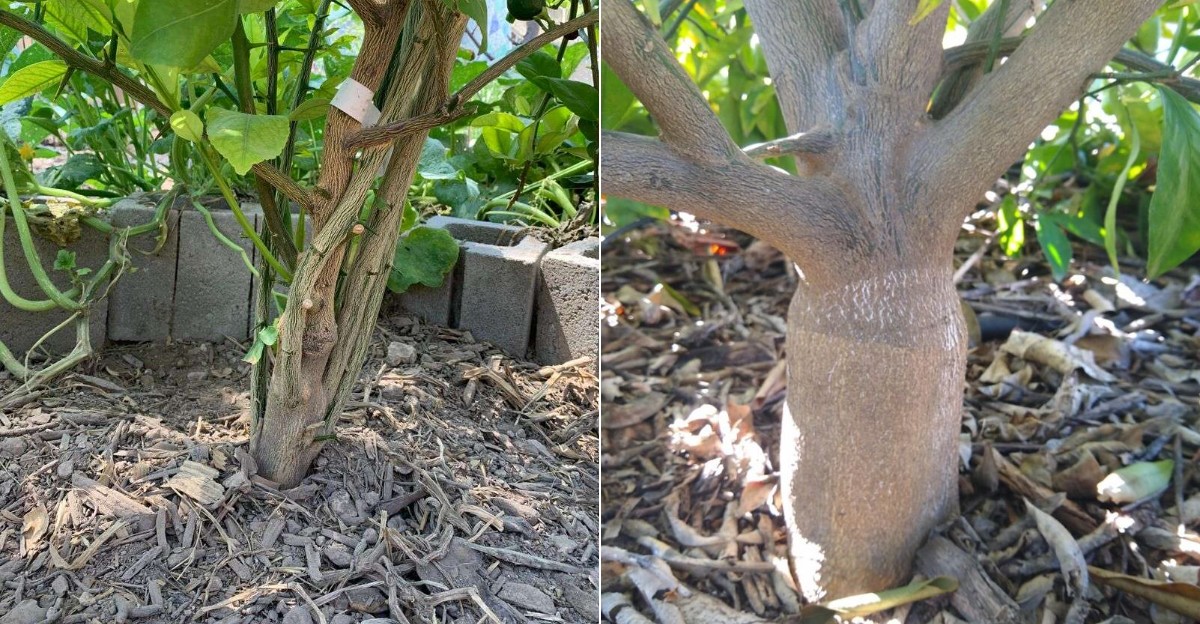
That swollen section where the rootstock and fruiting variety meet plays an important role in your tree’s long-term health. A problem there can affect growth, fruit production, and the way your citrus handles stress throughout the year.
You may notice the warning signs only after your tree starts showing bigger symptoms, but a closer look can reveal clues much earlier.
Knowing what to watch for around the graft line can help you catch trouble before it becomes a serious setback for your garden.
1. Suckers Can Grow Below The Graft
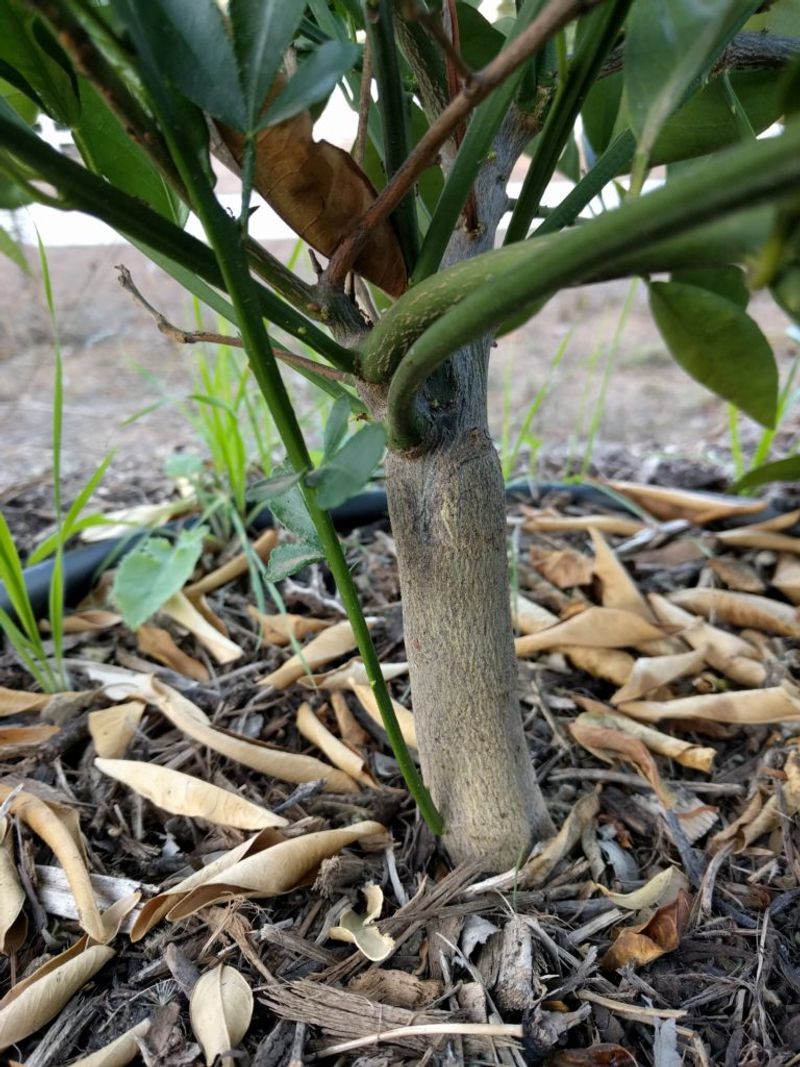
Down near the base of your citrus tree, you might see small skinny shoots poking out. These little shoots are called suckers, and they usually come from below the graft line.
The trouble is that they belong to the rootstock, not the sweet part of your tree. Because they grow from the strong root system, they have plenty of power to shoot up quickly.
Many California gardeners think a new shoot is a good thing. More green must mean a healthy tree, right? Not always.
A sucker growing under the graft is stealing food and water from your fruiting branches.
You can spot the graft line as a small bump or crook near the bottom of the trunk. Anything growing below that bump is likely a sucker you do not want.
Check this area every time you water or weed. Suckers are easiest to handle when they are tiny and soft. A gentle tug or a clean snip removes them fast.
Leaving them alone lets them grow thick and woody. Once that happens, they compete hard with your real tree. Staying alert to these low shoots keeps your citrus focused on making sweet fruit instead of feeding a wild rootstock branch.
2. Rootstock Shoots May Look Different From The Tree
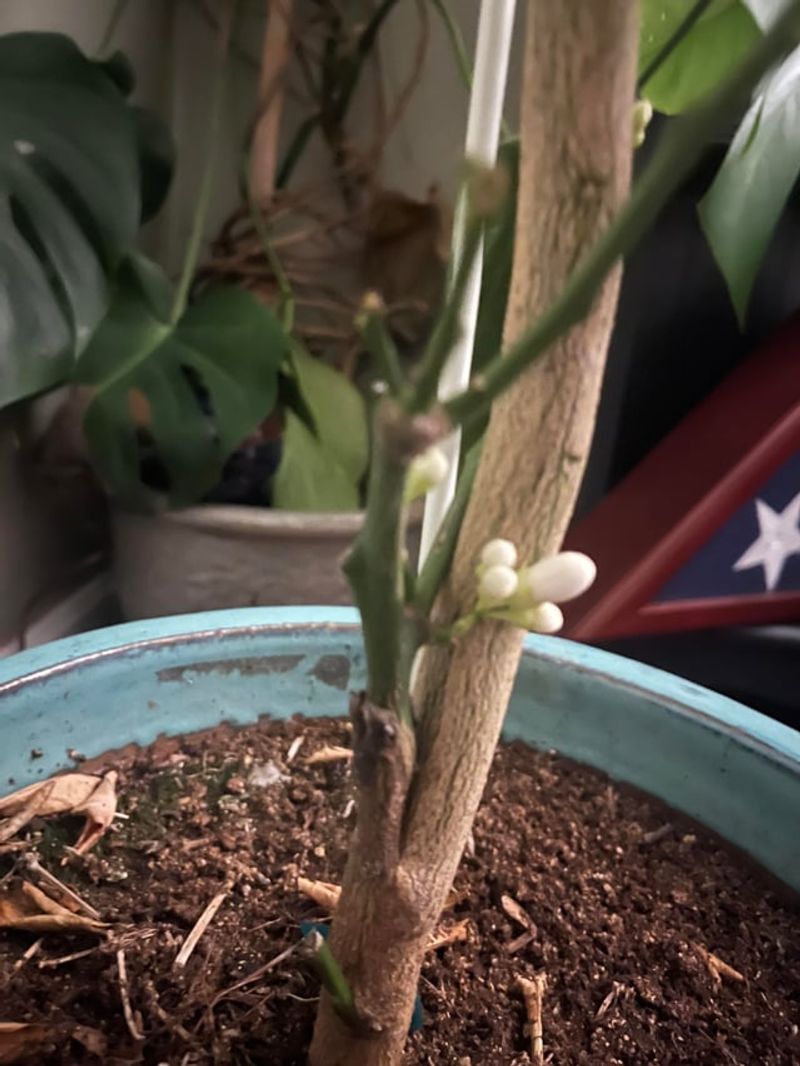
One handy clue is that rootstock growth often looks a little off compared to the rest of your tree. The leaves might be a different shape, size, or shade of green.
Since the rootstock is a separate kind of citrus, its features do not match your scion. You may notice leaves that feel thicker or have a slightly different smell when crushed.
Trifoliate orange is a very common rootstock in California. Its leaves grow in groups of three, which stands out clearly from the single leaves on most citrus.
When you see leaves that just do not seem to belong, take a closer look at where they start. Trace the shoot down toward the trunk. If it begins below the graft line, you have found rootstock growth.
Color can also give it away. Rootstock shoots sometimes look a bit paler or more yellow than your sweet branches.
Getting to know your tree’s normal look makes these odd shoots easy to catch. Snap a photo of healthy leaves so you have something to compare against later.
Your California Garden Changes Every Week. Your Plan Should Too.
Gardening in California changes quickly throughout the season. Every Friday you’ll receive a simple weekly plan showing exactly what to plant, prune, fertilize, harvest, and protect so you never miss the right timing.
Trusting your eyes here really helps. A shoot that looks like it came from a different plant probably did, and removing it keeps your tree true to the fruit you planted.
3. Fast Growth Can Hide The Graft Line
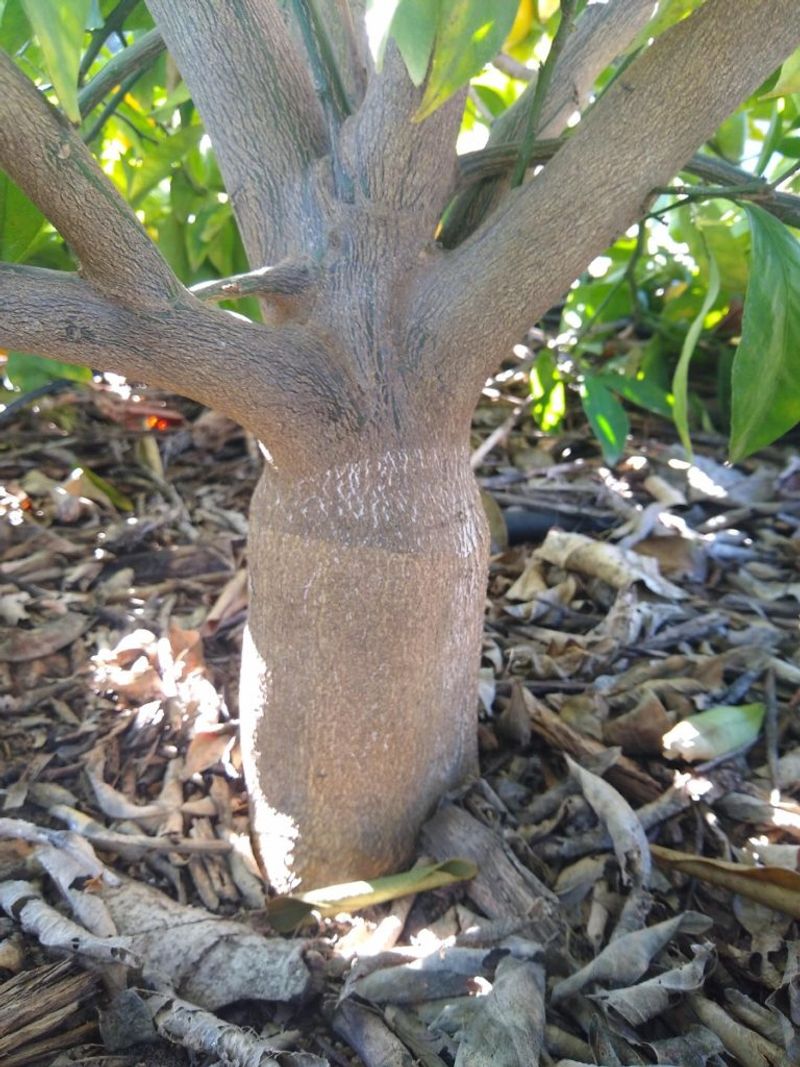
Rootstock shoots have a sneaky talent. They grow faster and taller than your fruiting branches, so they can shoot up before you even notice.
Because the roots pump lots of energy into them, these shoots race upward. In just a few weeks, a small sucker can become a long, leafy stem.
That speed is exactly what makes them dangerous. A shoot that towers over your tree grabs sunlight and food, leaving less for your sweet fruit.
Fast growth can also cover up the graft line itself. Once leaves and stems crowd the base, it gets hard to tell what belongs to the scion and what does not.
Keeping the bottom of your trunk clear helps a lot. Pull weeds and trim low sprouts so you can always see that important bump.
When you spot a shoot growing quicker than everything else, treat it as a warning sign. Follow it down to check where it starts.
Do not let its size fool you into thinking it is a strong new branch. Speedy growth from below the graft rarely gives good fruit.
Staying ahead of these quick climbers means checking often. A shoot caught early is a tiny job, while one left to grow becomes a real headache.
4. Thorns Can Be A Clue You Have Rootstock Growth
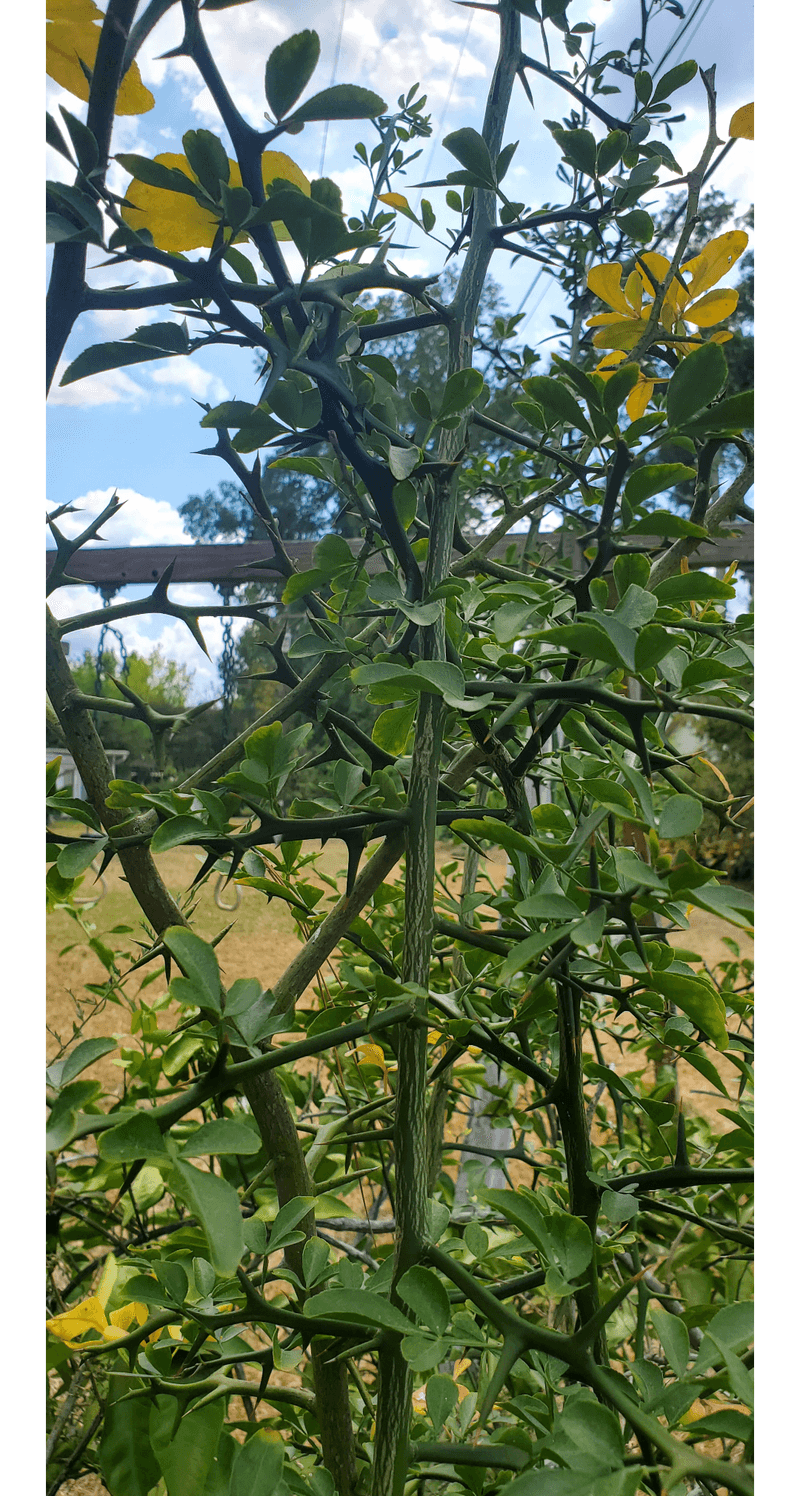
Ever notice extra sharp thorns on part of your citrus tree? Those pointy spikes can be a helpful hint that rootstock growth is happening.
Many rootstock plants have longer, tougher thorns than the sweet citrus grafted on top. The thorns help the wild plant protect itself in nature.
Your scion may have small thorns or none at all. So when a shoot suddenly bristles with big, stiff spikes, pay attention.
Rough thorny stems near the base of your tree often trace back below the graft line. That is a strong signal you are looking at rootstock, not your fruit branches.
Wear thick gloves when you check these areas. The thorns are no joke and can scratch you easily.
Not every thorny shoot is rootstock, since young citrus can be prickly too. Still, a sudden burst of extra-large thorns is worth investigating right away.
Trace the thorny stem down to see where it connects. If it starts under the graft, remove it before it spreads.
Learning your tree’s normal thorn pattern makes odd ones easier to spot. Once you know what belongs, those aggressive spikes stand out like a warning flag.
Paying attention to thorns is a quick, simple way to catch a problem early and protect your harvest.
5. Rootstock Shoots Steal Space From The Scion
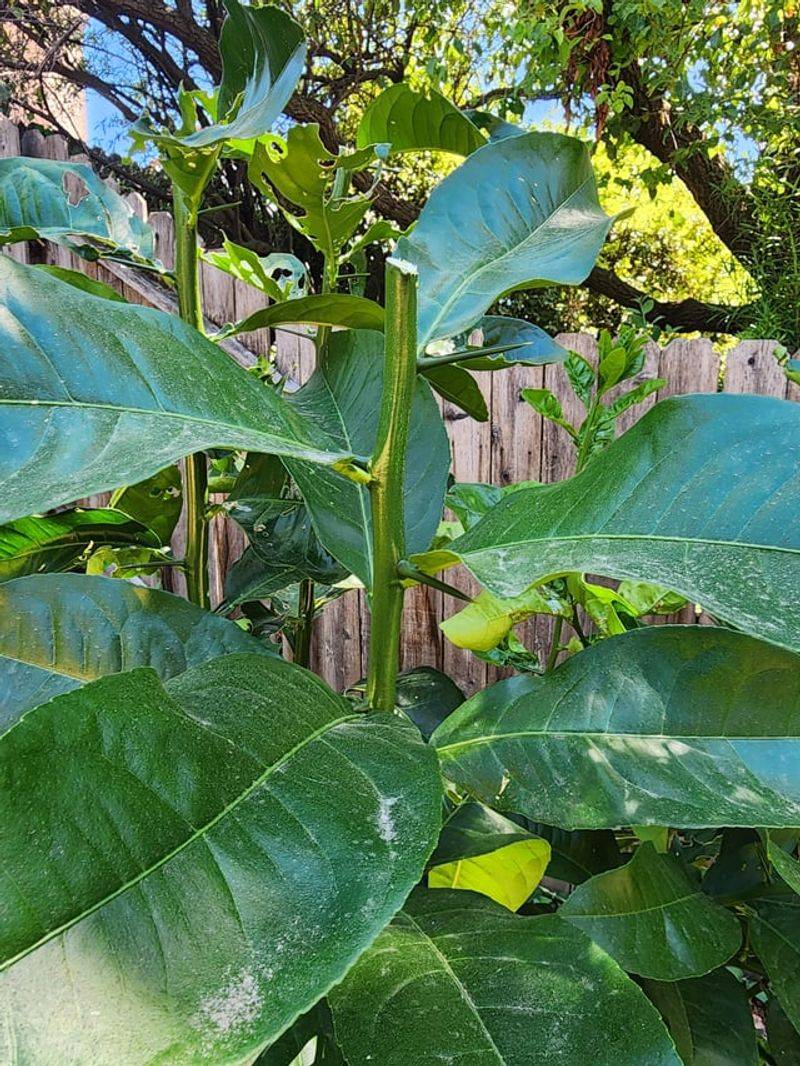
Think of your citrus tree as sharing a lunch tray. There is only so much food and sunlight to go around, and rootstock shoots want a big share.
When these shoots grow strong, they take space that your fruiting branches need. Leaves, sunlight, and root energy all get pulled toward the wrong side.
The scion, which makes your sweet fruit, ends up shortchanged. You may see fewer flowers, smaller fruit, or branches that look weak and thin.
Rootstock growth is greedy by nature. It does not care about giving you tasty oranges, only about growing more of itself.
Over time this competition tips the balance. If the rootstock wins, your tree can turn into a sour, seedy version of what you wanted.
Watching how your branches share space helps you act early. When one section booms while the fruiting part fades, something is off.
Removing rootstock shoots gives your scion room to breathe. With less competition, your sweet branches get more light and food to grow strong.
Regular checks keep the balance in your favor. A quick trim of greedy shoots protects the part of the tree you actually planted for.
Keeping the scion in charge is the whole point of caring for a grafted citrus tree.
6. Cut Suckers Off At Their Starting Point
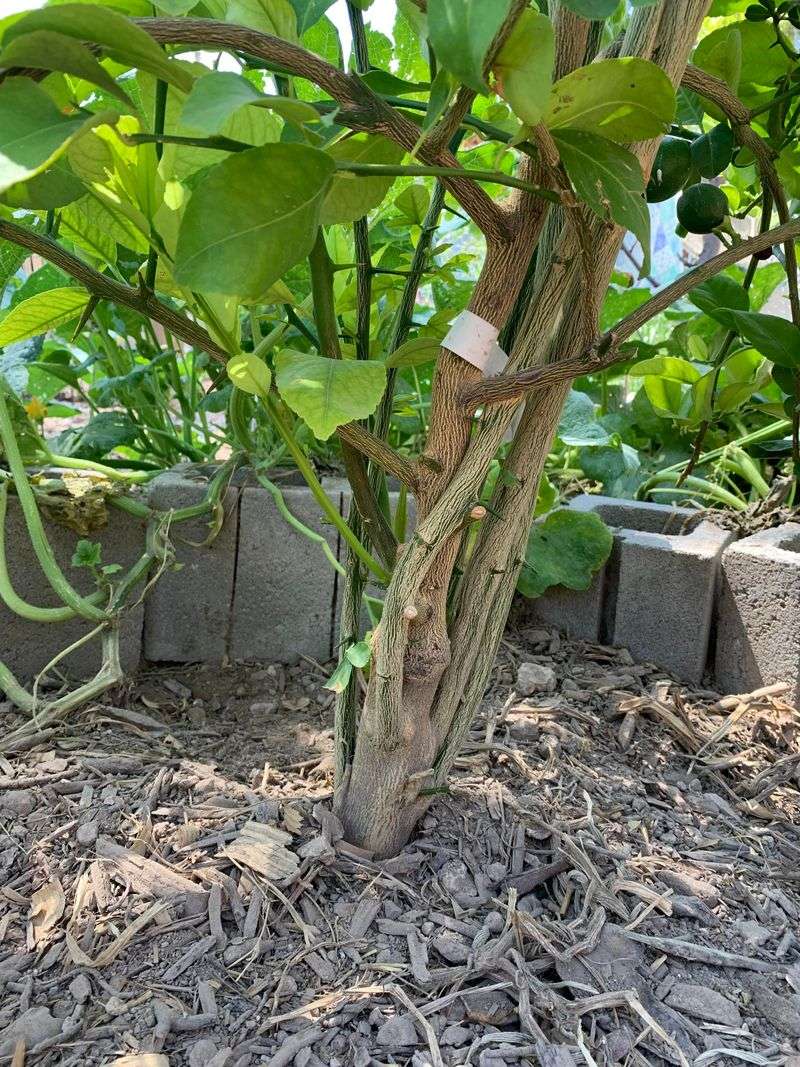
Here is where a little skill makes a big difference. When you remove a sucker, cut it right where it begins, not partway up the stem.
Leaving a stub behind is a common mistake. That short leftover piece often sprouts again, sometimes with two or three new shoots.
Cutting flush at the starting point removes the whole shoot cleanly. This gives the tree less reason to grow it back.
Use sharp, clean pruning shears for the job. Dull tools crush the stem and leave a messy wound that heals slowly.
For soft young suckers, you can even rub or pull them off with your fingers. Doing this while they are tiny stops them completely.
Wipe your tools with rubbing alcohol between cuts. Clean blades help stop diseases from spreading to your tree.
Try to make your cut smooth and close to the trunk without gouging the bark. A neat wound closes up faster and stays healthy.
Timing matters too. Remove suckers as soon as you notice them, since waiting only lets them grow tougher and harder to cut.
Getting into this habit takes just a minute here and there. A careful cut at the base keeps rootstock shoots from coming back stronger next time.
7. Do Not Let Rootstock Growth Become A Main Branch
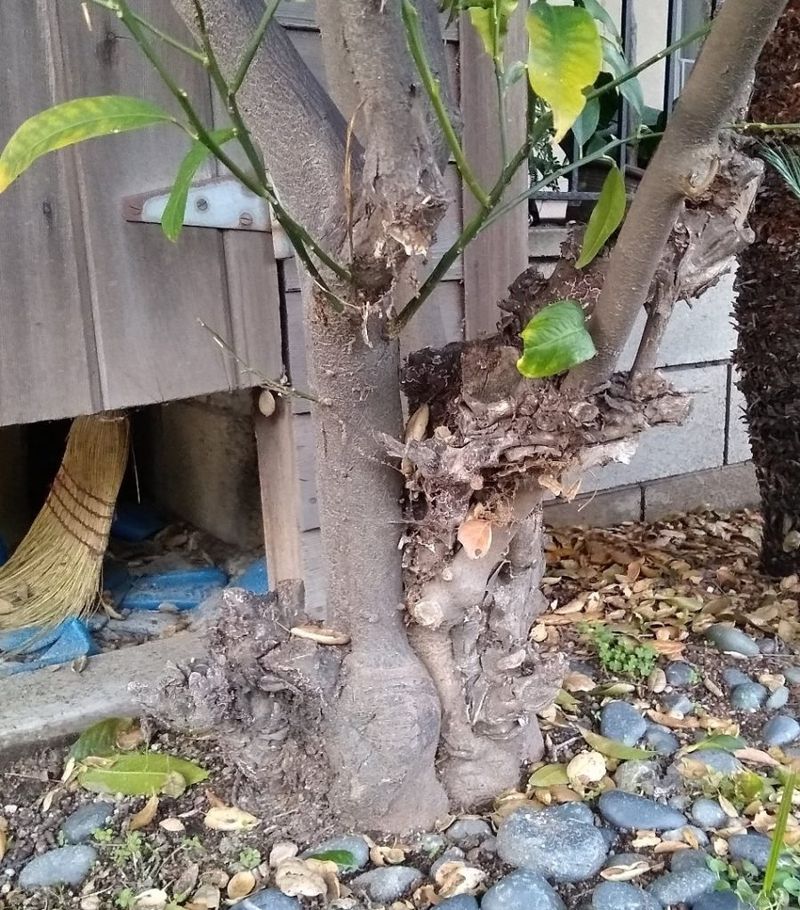
Picture a small shoot you meant to trim but forgot about. Months later, it has grown thick and woody, acting like a main branch on your tree.
Once rootstock growth reaches this size, it becomes a serious problem. Cutting a big branch leaves a large wound and shocks the tree.
The longer a shoot stays, the more it takes over. It can end up bigger than your fruiting branches and produce sour, useless fruit.
Some California folks even mistake these big shoots for the real tree. They wonder why their sweet oranges turned bitter, not realizing the rootstock won.
Catching shoots while they are small avoids this whole mess. A tiny sucker is easy, but a thick trunk-like branch is a battle.
If you already have a large rootstock branch, remove it carefully. Make a clean cut and watch the wound so it heals well.
Never let one of these shoots take the lead role on your tree. Your scion should always be the star of the show.
Regular attention keeps small problems from growing into big ones. A shoot removed today saves you from major surgery later.
Staying firm about which branches belong protects the fruit you planted your tree to grow in the first place.
8. Check The Trunk Several Times A Year
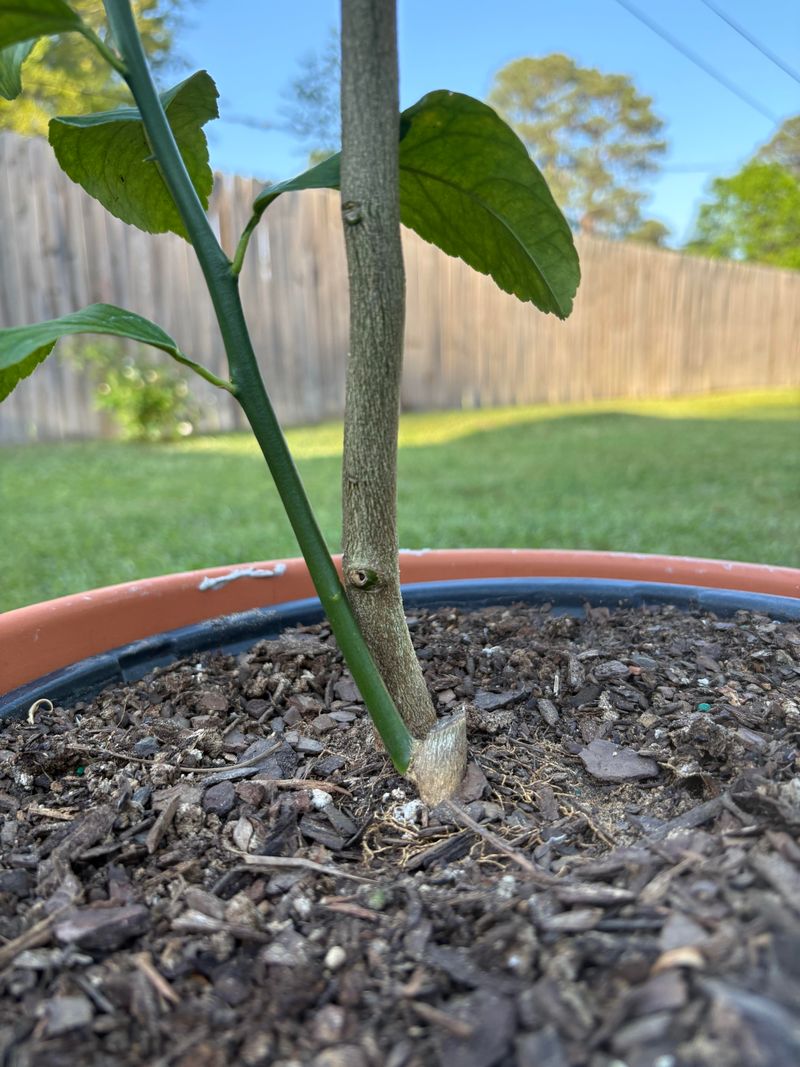
The best habit of all is simple: look at your tree’s trunk a few times each year. A quick check keeps problems from sneaking up on you.
Rootstock shoots can appear in any season, so one glance a year is not enough. Spring and summer bring the fastest growth, so watch closely then.
Start at the base and scan up to the graft line each time. Look for new shoots, odd leaves, or big thorns below that important bump.
Make it part of your regular garden routine. When you water or fertilize, spend an extra minute studying the trunk.
Clear away weeds and mulch piled against the bark. A clean trunk is easier to inspect and healthier overall.
Keep a small pair of clean shears nearby. That way you can snip any surprise sucker the moment you spot it.
Writing a note on your calendar helps you remember. A seasonal reminder keeps these checks from slipping your mind.
Over time, you will know your tree so well that odd growth jumps right out at you. Familiarity is your best defense.
Just a few careful looks each year go a long way. This easy habit is what keeps your California citrus sweet, strong, and growing the fruit you love.