The Texas Plants That Actually Repel Wasps From Getting Near The Porch
Wasps on a Texas porch are one of those warm weather problems that escalate quickly. One nest becomes two, favorite outdoor spots become nerve wracking to use, and the casual evening outside becomes something you approach with a little more caution than it should require.
Most people respond with spray treatments that work temporarily, then find themselves dealing with the same situation a few weeks later. But there’s a more permanent approach that starts with what you plant.
Certain plants produce strong natural compounds that wasps consistently find off putting. Positioned near a porch, along railings, or beside entry points, these plants create an environment that wasps prefer to avoid rather than investigate.
They work passively, around the clock, without any reapplication or ongoing effort from you once they’re established.
Several of these plants are also genuinely beautiful additions to any Texas porch or garden, pulling double duty as attractive container plants and natural wasp deterrents at the same time.
Here are the Texas plants that actually repel wasps and how to use them most effectively near your porch.
1. Spearmint
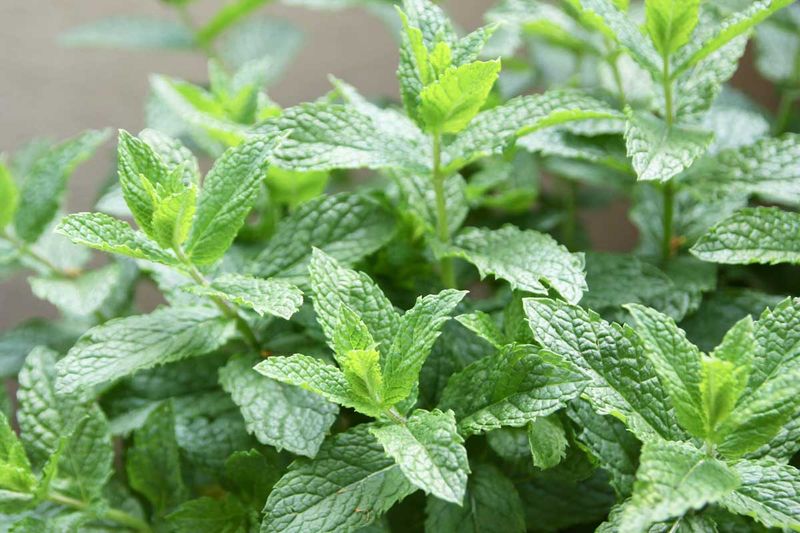
If you have ever chewed a stick of spearmint gum, you already know how bold that scent can be. Wasps feel the same way about it, except they absolutely hate it.
The strong minty aroma from spearmint leaves overwhelms a wasp’s sense of smell, making your porch a place they would rather avoid altogether.
Spearmint is one of the easiest herbs to grow, but there is one important thing to know before you plant it: spearmint spreads like crazy. Left in the ground, it will take over your garden beds within a single season.
The smartest move is to grow it in a container. A medium-sized pot placed near your porch door or along the railing works perfectly and keeps the plant under control.
Texas heat can be tough on delicate herbs, but spearmint handles warm temperatures surprisingly well when given enough water.
Water it consistently, especially during dry summer months, and keep the soil moist but not waterlogged. Afternoon shade is a bonus if you can manage it.
You can also use the leaves for cooking, making tea, or adding to drinks. Rubbing a few leaves between your fingers and wiping them along porch railings boosts the scent and gives wasps an extra reason to stay away.
Harvest regularly to encourage new growth and keep the plant bushy and full. Spearmint is genuinely one of the most practical, multi-purpose plants you can add to any Texas porch setup. It smells amazing to humans and terrible to wasps, that is a win on every level.
2. Peppermint
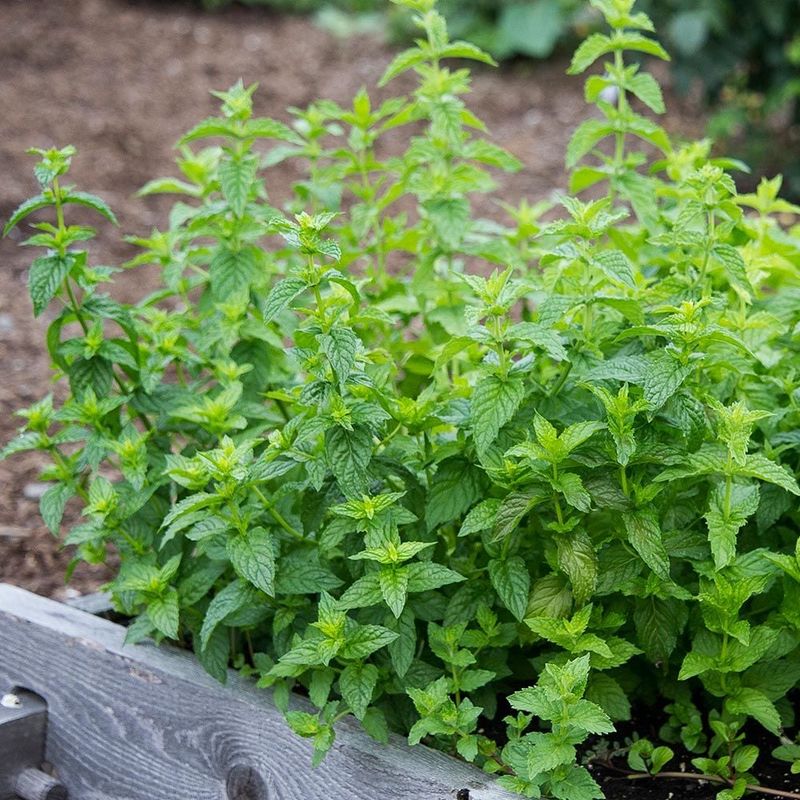
Peppermint takes everything spearmint does and turns up the intensity. It contains a much higher level of menthol, which is the chemical compound responsible for that sharp, cooling scent.
For wasps, that smell is completely overwhelming. Studies and gardeners alike consistently point to peppermint as one of the most effective natural wasp deterrents available.
Growing peppermint in Texas requires a slightly different approach than spearmint. While it loves sunshine, the brutal afternoon heat of a Texas summer can stress the plant out quickly.
Your Texas Garden Changes Every Week. Your Plan Should Too.
Gardening in Texas changes quickly throughout the season. Every Friday you’ll receive a simple weekly plan showing exactly what to plant, prune, fertilize, harvest, and protect so you never miss the right timing.
Placing it in a spot that gets morning sun and afternoon shade will keep it thriving through even the hottest months. Partial shade is actually your friend here, and peppermint will reward you with lush, full growth when it gets a break from direct midday sun.
Like spearmint, peppermint is best grown in a container to prevent it from spreading and crowding out other plants.
A pot near the porch entrance, on a step, or hanging in a planter near a window works great. Water it regularly and do not let the soil dry out completely between waterings.
Peppermint oil, which comes from these same leaves, is widely used in commercial wasp-repellent sprays. Growing the actual plant gives you a continuous, living source of that deterrent right on your porch.
You can also pinch off a few leaves and rub them along railings, door frames, or porch furniture to intensify the effect. Fresh peppermint also makes excellent tea, so this plant earns its place in any Texas garden without question.
3. Eucalyptus
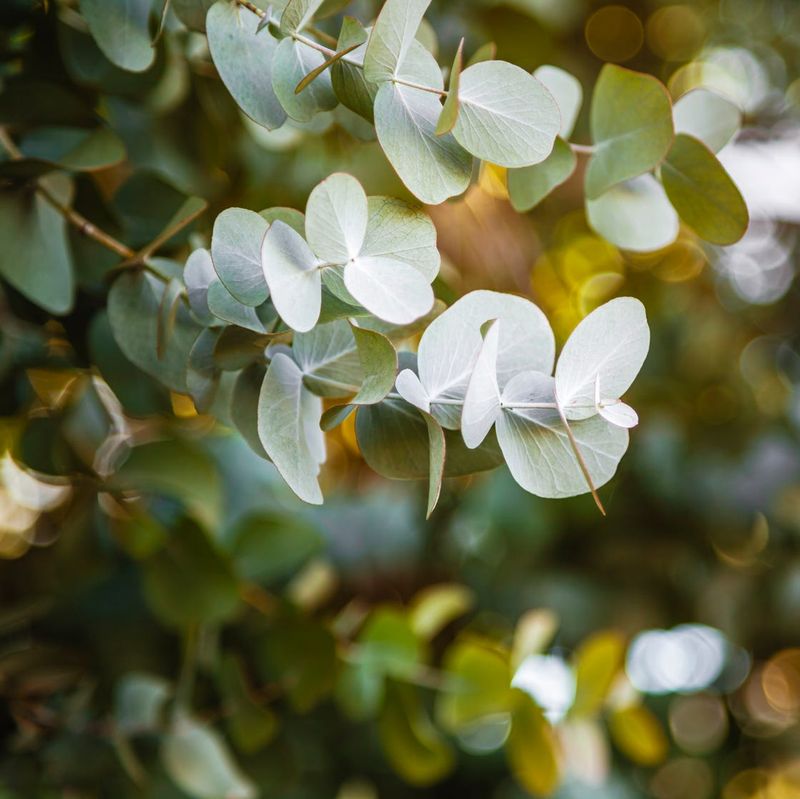
Walk past a eucalyptus tree and the scent hits you immediately – sharp, medicinal, and unmistakable. Most people find it refreshing.
Wasps, on the other hand, want nothing to do with it. The strongly scented oils in eucalyptus leaves are a natural deterrent that keeps wasps from setting up nests anywhere near the plant.
Here is some great news for Texas gardeners: eucalyptus is well-suited to the state’s climate. It is hardy in USDA Zones 8 through 11, which covers a huge portion of Texas, including Houston, San Antonio, Austin, and the Rio Grande Valley.
It loves hot, sunny conditions and handles dry stretches better than most plants. Once established, it is surprisingly low-maintenance.
You can grow eucalyptus as a potted tree on a larger porch or patio, keeping it trimmed to a manageable size. Some varieties grow quite large if left unchecked in the ground, so container growing gives you more control.
Choose a dwarf or compact variety if space is limited. Silver Dollar Eucalyptus is a popular choice that stays manageable and produces the beautiful round, silvery leaves often seen in floral arrangements.
Beyond wasp control, eucalyptus adds a striking visual element to any outdoor space. The silvery-blue-green foliage stands out among traditional garden plants and gives your porch a slightly exotic, upscale look.
Crush a leaf between your fingers and the scent releases instantly, giving wasps an extra signal to move along. For a Texas porch that stays wasp-free and looks beautiful all season, eucalyptus earns a well-deserved spot at the top of any planting list.
4. Citronella Grass
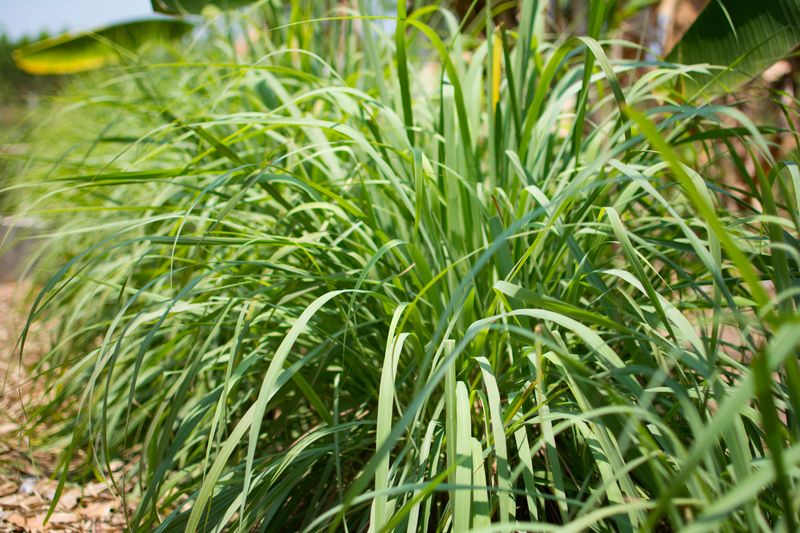
Most people know citronella from those yellow candles you light at backyard cookouts to keep bugs away. What many do not realize is that those candles get their power from a real plant – Citronella Grass, scientifically known as Cymbopogon nardus.
Growing the actual plant on your porch means you get that bug-repelling effect around the clock, without needing to light anything.
Citronella Grass thrives in hot, sunny conditions, which makes it practically perfect for Texas. It loves the kind of intense summer heat that wilts other plants, and it handles humidity well too.
Plant it in a large container with good drainage and place it in a spot that gets full sun for most of the day. It grows in tall, graceful clumps that can reach several feet in height, making it a dramatic and attractive porch plant.
The scent is released most strongly when the leaves are brushed or crushed. Positioning the plant near a walkway or porch step, where people naturally brush against it as they pass, maximizes the fragrance output.
This keeps the area smelling fresh while continuously signaling to wasps that your porch is not a welcoming spot.
Citronella Grass also repels mosquitoes, which is a huge bonus during Texas summers when mosquitoes can be relentless. One plant pulling double duty against both wasps and mosquitoes is an excellent deal for any homeowner.
Water regularly during dry spells and fertilize lightly in spring and summer to keep it growing strong. This is one plant that absolutely earns its porch real estate.
5. Wormwood
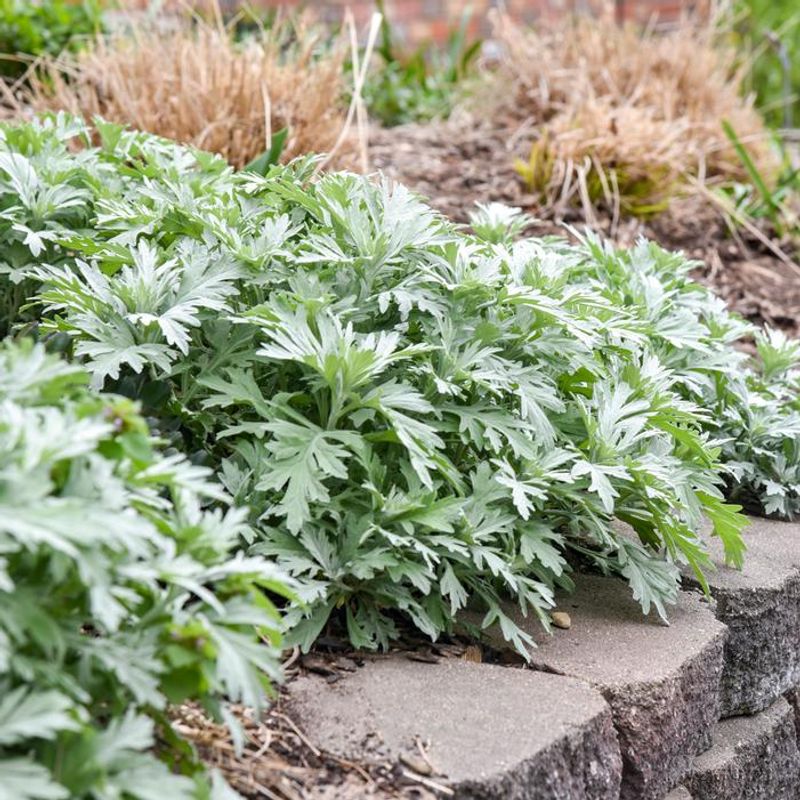
Wormwood has a reputation that goes back centuries. Ancient herbalists used it, brewers added it to bitter drinks, and gardeners have long known that its sharp, astringent scent keeps pests at a distance.
Wasps are among the many insects that find wormwood’s smell deeply unpleasant, which makes it a powerful natural porch protector.
One of the biggest advantages of wormwood in Texas is its exceptional drought tolerance. Once established, it can handle long dry stretches without much fuss.
Texas summers can be punishing, with weeks going by without significant rainfall, but wormwood barely blinks.
It actually prefers well-drained soil and does not like being overwatered, so it is one of the easiest plants on this list to maintain for gardeners who sometimes forget to water.
The silvery-gray, feathery foliage is genuinely beautiful and adds a soft, almost ornamental quality to a porch or garden border.
It contrasts nicely with green plants and flowering herbs, giving your outdoor space a layered, intentional look. Place it in a sunny spot and let it do its thing.
There is one important caution worth mentioning: wormwood is toxic to pets if they chew on it. If you have dogs or cats that spend time on the porch, keep the plant out of their reach or choose a different option from this list.
For households without pets, wormwood is an outstanding choice. It is tough, visually interesting, effective against wasps, and practically demands almost no attention once it settles in. Few plants offer that combination of beauty and function so effortlessly.
6. Marigold
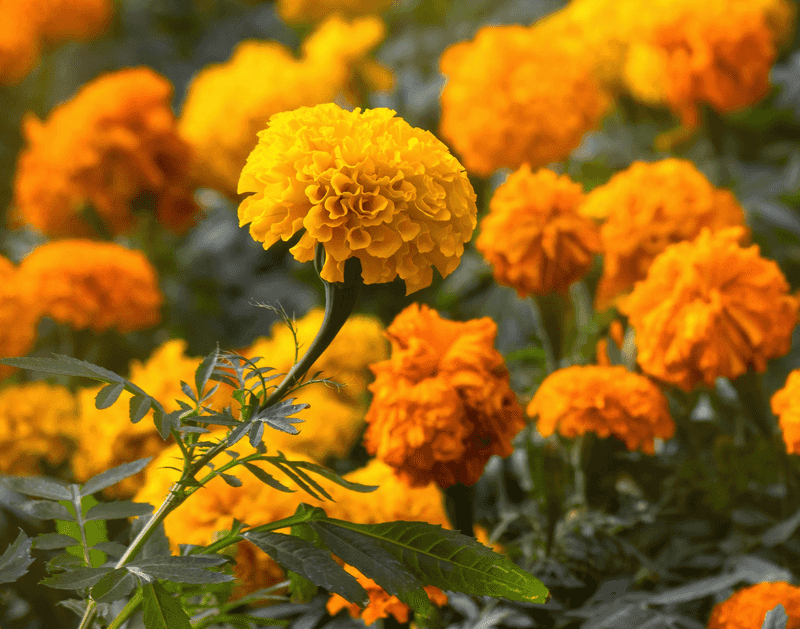
Marigolds might be the most cheerful wasp repellent on this entire list. Those bold orange and yellow blooms have made them a Texas garden staple for generations, and their reputation for keeping pests away is well-earned.
The strong, slightly bitter scent that comes from marigold flowers and leaves is something wasps consistently avoid, making them an attractive and functional porch border plant.
What makes marigolds especially appealing is how low-maintenance they are. They are heat-tolerant, sun-loving, and perfectly suited to Texas growing conditions.
Plant them in pots along your porch railing, in window boxes, or in a border around your patio and they will reward you with continuous blooms from spring through fall.
Deadhead spent flowers regularly, meaning pinch off the old blooms, and the plant will keep producing fresh ones all season long.
Marigolds are also incredibly affordable and widely available at every nursery, home improvement store, and garden center across Texas.
You can plant an entire porch border for just a few dollars, which is hard to beat when compared to chemical wasp sprays that need constant reapplying.
Beyond wasps, marigolds are known to repel aphids, whiteflies, and even certain nematodes in the soil, so they protect your other plants too. Gardeners have been companion planting marigolds alongside vegetables for decades for exactly that reason.
Their bright colors attract pollinators like bees and butterflies while pushing away the insects you do not want. For a porch that looks gorgeous and stays wasp-free, marigolds are an easy, colorful answer that Texas gardeners have trusted for a very long time.
7. Thyme
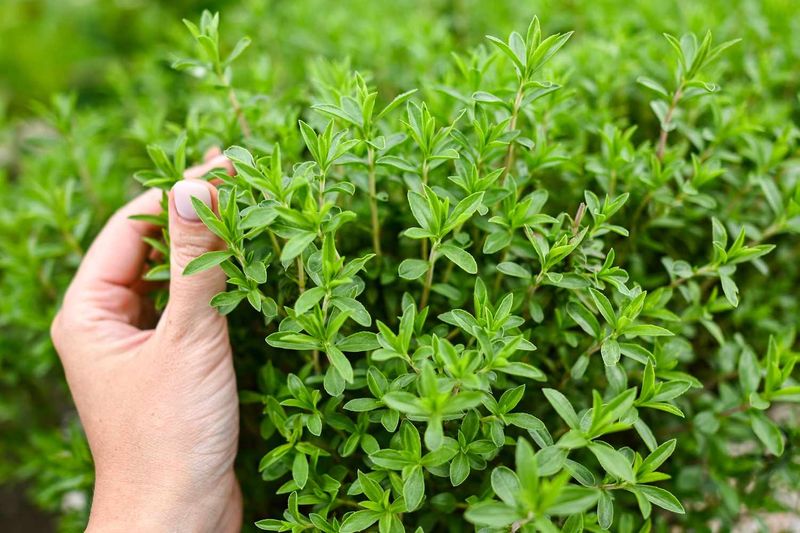
Thyme is the quiet overachiever of the wasp-repelling plant world. It does not shout with dramatic height or flashy blooms, but it consistently delivers results.
The aromatic oils in thyme leaves produce a scent that wasps find off-putting, and placing a few small pots of it around your porch creates an invisible barrier that discourages them from hanging around.
For Texas gardeners, thyme has one massive advantage over many other herbs on this list: it handles dry conditions extremely well. While mints need consistent moisture, thyme actually prefers to dry out a little between waterings.
During the long, hot, dry spells that Texas summers are famous for, thyme keeps going when other plants start to struggle. It is compact, sun-loving, and perfectly comfortable in small pots, which makes it ideal for porches with limited space.
Thyme also produces delicate little flowers, usually in soft purple or white, that add a subtle prettiness to your porch setup. Pollinators like bees love those flowers, but wasps tend to stay away from the plant overall.
That balance, attracting good insects while pushing away unwanted ones, is something experienced gardeners really appreciate.
From a practical standpoint, thyme is also one of the most useful cooking herbs you can grow. Snipping a few sprigs for roasted chicken, soups, or grilled vegetables is incredibly satisfying when the herb comes straight from your own porch.
Regular harvesting keeps the plant compact and bushy, which actually improves its growth over time. Thyme is small, tough, fragrant, and useful – an ideal plant for any Texas porch that needs a little natural wasp protection without a lot of extra work.