Why Do Rats Move Into Texas Yards The Moment Fall Arrives
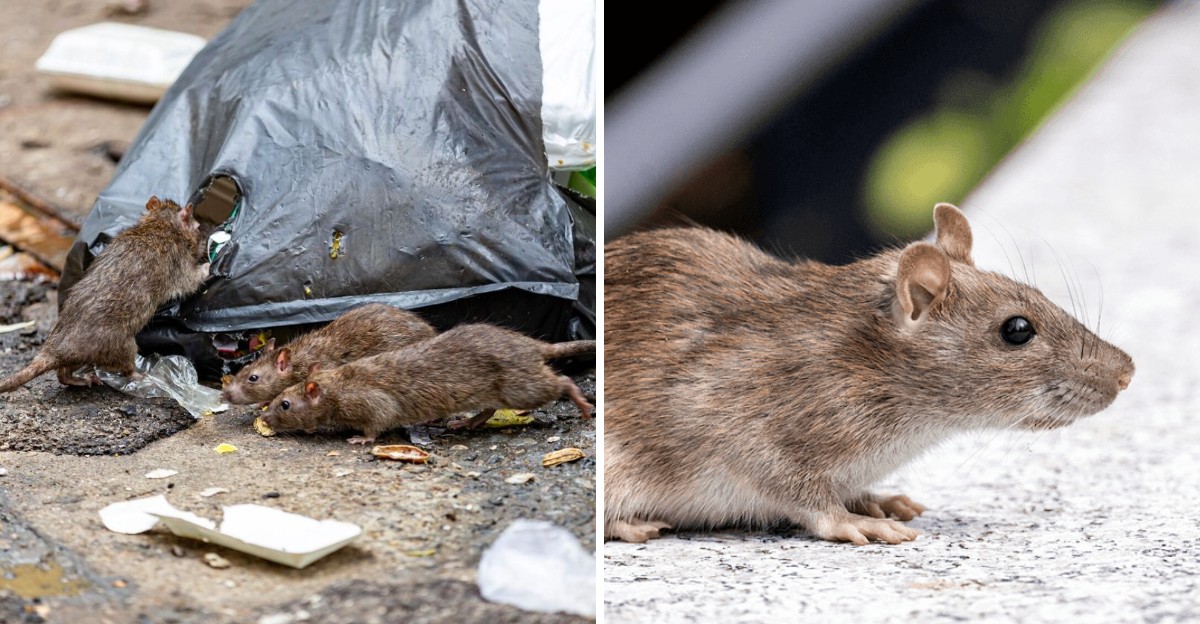
Fall arrives in Texas and so do rats. Not always visibly at first, but the signs tend to follow quickly.
Gnawed materials near the garage, disturbed mulch along the foundation, droppings in places that were clear just weeks ago.
The timing feels sudden, but the reasons behind it are predictable and well understood once you know what’s driving the movement.
Rats don’t move into Texas yards randomly in fall. They’re responding to specific conditions the change of season creates, and your yard is either making itself more attractive to that movement or less, often without you realizing which.
Understanding what fall changes in rat behavior and what your property is currently offering them is the most practical first step toward keeping them from settling in before winter.
1. Cooler Weather Pushes Them Indoors
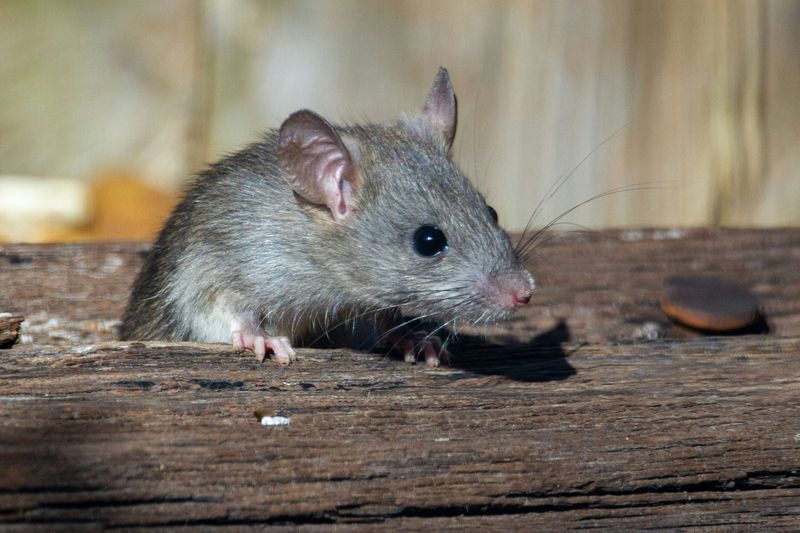
Fall in Texas feels amazing to us, but it also signals rats that summer is ending. Once nights turn chilly, rats start hunting for cozy spots to stay warm.
Your yard offers plenty of hiding places that trap heat. Piles of leaves, thick bushes, and wood stacks all make excellent shelters when the temperature drops.
Rats cannot handle cold as well as they handle heat. Their small bodies lose warmth quickly, so they seek out protected areas near buildings and homes.
The space under decks, sheds, and porches becomes very tempting. These places block the wind and hold onto warmth much longer than open ground.
Sometimes rats will move from open fields into neighborhoods just to escape the cooler air. Your yard, with all its cozy corners, looks like a five-star hotel to them.
You can make your Texas yard less inviting with a few easy steps. Clear away leaf piles and trim back bushes so there are fewer places to hide.
Move firewood stacks away from your house and lift them off the ground. This removes one of the warmest and safest spots rats love to use.
Check around your home for gaps and cracks near the foundation. Sealing these openings keeps rats from squeezing inside once the weather turns.
Taking action early in fall makes a huge difference. Once rats settle in, they are much harder to remove, so blocking their entry now saves you trouble later.
2. Food Becomes Harder To Find Outdoors

As the growing season winds down, the wild food rats depend on starts to disappear. Fewer seeds, fruits, and insects mean they must look elsewhere for meals.
Your backyard suddenly becomes a buffet. Fallen fruit, spilled birdseed, and pet food bowls left outside all draw hungry rats right to your door.
Rats have an incredible sense of smell. They can sniff out crumbs, garbage, and even compost piles from surprising distances away.
Gardens that produced veggies all summer often leave scraps behind. Rotting tomatoes or forgotten squash on the ground are like treasure to a rat looking for a quick snack.
Trash cans without tight lids are another big attraction. If a rat finds an easy meal once, it will keep coming back and may invite friends along.
Your Texas Garden Changes Every Week. Your Plan Should Too.
Gardening in Texas changes quickly throughout the season. Every Friday you’ll receive a simple weekly plan showing exactly what to plant, prune, fertilize, harvest, and protect so you never miss the right timing.
Keeping food sources out of reach is one of the best ways to protect your yard. Store pet food inside and never leave bowls out overnight.
Clean up fallen fruit and harvest your garden fully before the season ends. The less food lying around, the fewer reasons rats have to visit.
Secure your trash cans with lids that snap shut tight. If possible, keep bins in a garage or shed until pickup day.
Bird feeders can also be a problem, so use trays that catch dropped seeds. A tidy yard sends a clear message that no free meals are available here.
By cutting off their food supply early, you make your Texas yard far less appealing when fall hunger hits.
3. Warm Shelter Near Homes Attracts Them
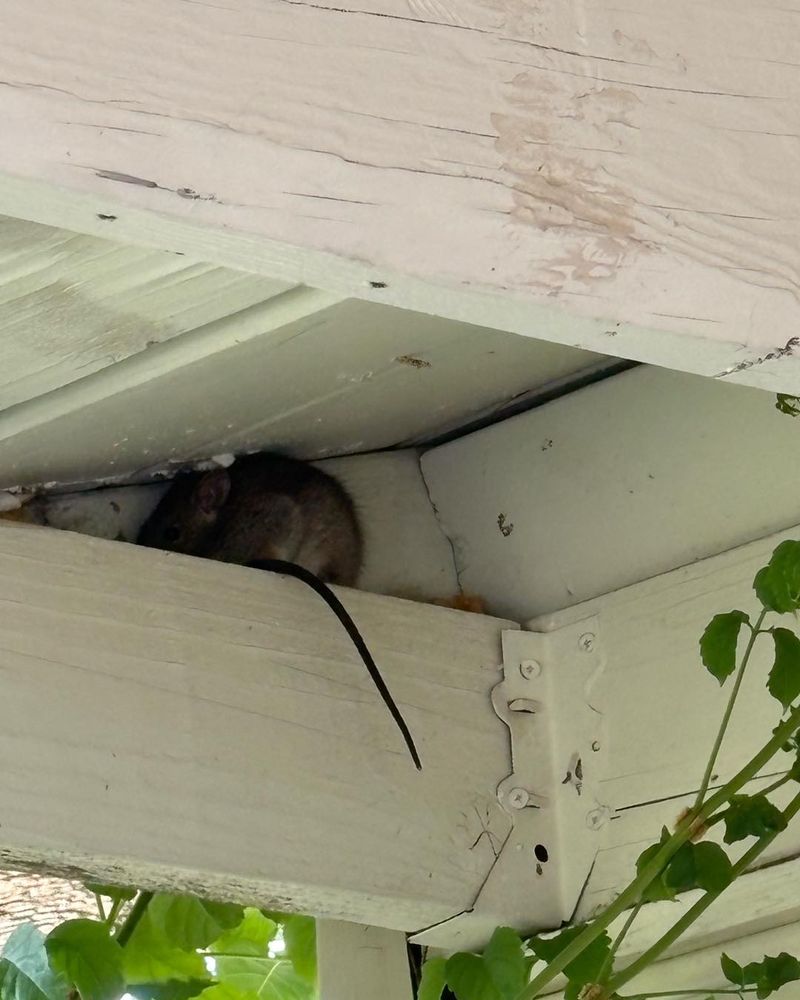
Homes give off warmth, and rats notice. When fall cools things down, the heat leaking from your house feels like a magnet to these small animals.
Gaps around pipes, vents, and doors let warm air escape. Rats follow that warmth straight toward your walls and crawl spaces.
Attics and garages are especially cozy. They stay warmer than the outdoors and offer quiet, dark corners where rats feel safe.
A rat only needs a hole the size of a quarter to squeeze through. Their bodies are flexible, letting them slip into spaces you might never expect.
Once inside a wall or attic, rats build nests using paper, insulation, and fabric. They quickly turn your warm home into their new headquarters.
You can stop this by checking your home for entry points. Walk around the outside and look for cracks, gaps, and worn spots near the roof.
Steel wool and caulk work well for sealing small openings. Rats find it hard to chew through metal, so this creates a strong barrier.
Pay attention to garage doors that do not close fully. Even a small gap at the bottom is an open invitation for a rat seeking warmth.
Vents should have sturdy covers or screens. These let air flow while keeping curious rats from crawling inside.
Taking time to seal your home before winter pays off big. A warm, sealed house keeps your family comfortable and keeps rats stuck outside where they belong.
4. Yard Clutter Creates Perfect Hiding Spots

Clutter might not seem like a big deal, but to a rat it looks like the perfect neighborhood. Stacks of junk give them cover from predators and weather.
Old flower pots, cardboard boxes, and unused equipment create shady tunnels. Rats love squeezing between objects where nothing can spot them.
Fall cleanup often gets pushed aside, and that works in a rat’s favor. The messier your yard, the more places they have to nest and hide.
Tall grass and overgrown weeds add even more cover. Rats can travel across your yard without ever stepping into the open.
Wood piles are a classic favorite. The gaps between logs stay dry and warm, making them ideal for raising young rats.
Cleaning up your yard removes these safe zones. Start by tossing out or storing items you no longer use.
Keep storage bins off the ground and sealed tightly. This stops rats from turning your belongings into a cozy den.
Mow the grass regularly and pull weeds before they grow thick. Short, open spaces make rats feel exposed and unwelcome.
Organize any tools or equipment inside a shed rather than leaving them scattered. A neat space gives rats fewer chances to settle in.
Rake leaves often instead of letting them build into big piles. Those crunchy heaps make surprisingly warm rat beds.
A clean, open yard is one of your best defenses. When there is nowhere to hide, rats usually move along to easier targets somewhere else.
5. They Search For Safe Nesting Places

Fall is nesting season for many rats, and they take it seriously. As the weather changes, they look for safe, quiet spots to raise their families.
A protected nest means their young have a better chance to grow. Your yard, with its many hidden corners, offers exactly what they need.
Rats gather soft materials like grass, paper, and insulation. They shape these into snug nests tucked away from wind and rain.
Sheds, garages, and hollow spaces under structures are top choices. These areas stay dry and give rats the privacy they crave.
A single female rat can have several litters, so one nest can quickly turn into a crowd. Stopping them early keeps the problem small.
You can discourage nesting by removing soft materials rats might use. Store rags, cardboard, and old fabric in sealed containers.
Check quiet corners of your garage and shed often. Catching a nest before it grows makes cleanup much easier.
Fill hollow spaces and block off dark gaps where rats might settle. The fewer private spots available, the less likely they are to stay.
Keep your storage areas bright and used regularly. Rats prefer places that feel abandoned and undisturbed.
Look for signs like shredded paper or small droppings. These clues warn you that a nest may be forming nearby.
Acting quickly when you spot these signs is important. By removing nesting materials and blocking safe spots, you make your yard a poor place for rats to start a family.
6. Water Sources Draw Them Closer
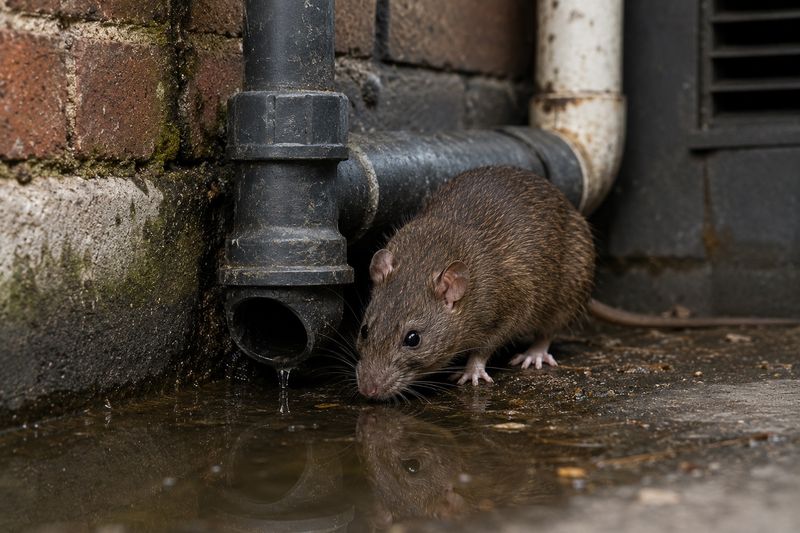
Every living thing needs water, and rats are no exception. When fall arrives and natural water sources shrink, they come looking for a reliable drink.
Your yard often has more water than you realize. Leaky hoses, pet bowls, and birdbaths all provide easy sips for a thirsty rat.
Even small puddles after a rain can attract them. Rats do not need much, so any standing water becomes a welcome stop.
Clogged gutters that hold water are another quiet attraction. Rats will visit these spots again and again once they find them.
Air conditioner drip lines and low spots in the yard also collect moisture. These hidden pools keep rats coming back for more.
Cutting off water is a smart way to make your yard less friendly. Fix any leaky hoses or dripping faucets right away.
Empty pet bowls at night and store them indoors. Leaving water out overnight is like ringing a dinner bell for rats.
Clean your gutters regularly so water flows freely instead of pooling. Dry gutters give rats one less reason to hang around.
Fill in low spots in your yard where rain tends to gather. A flat, well-drained yard stays far less inviting.
Check birdbaths and empty them if you notice rat activity nearby. You can refill them once the problem is under control.
Reducing water sources works hand in hand with removing food. When both are gone, rats have very little reason to choose your yard over another one.
7. Neighboring Activity Sends Rats Your Way
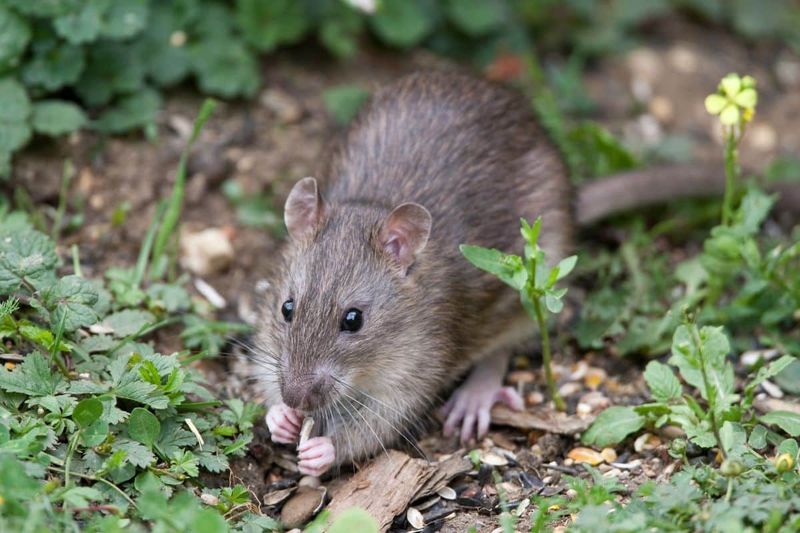
Sometimes rats show up in your yard through no fault of your own. Activity in nearby yards or construction projects can push them right toward your property.
When a neighbor cleans up their yard or seals their home, rats get displaced. Those homeless rats simply move next door looking for a new spot.
Construction and digging disturb the ground where rats once lived. Suddenly they scatter, and your yard might be the closest safe place.
Fall is also when many people do outdoor projects before winter. All that movement stirs up rats that were hiding quietly nearby.
Rats travel along fence lines and under bushes to stay hidden. These pathways make it easy for them to slip from yard to yard unnoticed.
You cannot control your neighbors, but you can protect your own space. Keep your yard clean so it does not become the easiest target on the block.
Talk with neighbors about handling rat problems together. Working as a group is far more effective than fighting alone.
Seal gaps in fences and block gaps under gates where rats sneak through. Cutting off these travel routes slows them down.
Trim plants that grow along shared fence lines. Open borders make rats feel exposed and less willing to cross.
Stay alert during nearby construction or big yard projects. Extra caution during these times helps you catch problems early.
By keeping your own yard uninviting, you give wandering rats a reason to keep moving. A well-kept space is your best shield against the ones passing through.