Fall Vegetables Virginia Gardeners Should Plant This Weekend
Ever notice how your garden gets a little dramatic once summer heat backs off? All that gasping and wilting stops, and suddenly everything perks up like it just found a second wind.
That’s fall gardening for you, and honestly, it might be the most underrated season Virginia growers have.
Here’s the fun part: while your neighbors are packing up their tomato cages and calling it quits, you’ll be out there planting away. Cooler soil means happier roots, fewer pests crashing the party, and some veggies actually taste sweeter once temperatures drop.
Kale getting nicer after a light frost? Not a myth.
So dust off that trowel and get your hands dirty one more time this year. These ten vegetables are ready to turn your fall garden into round two of something delicious.
1. Spinach For Quick Growth In Virginia’s Cooler Days
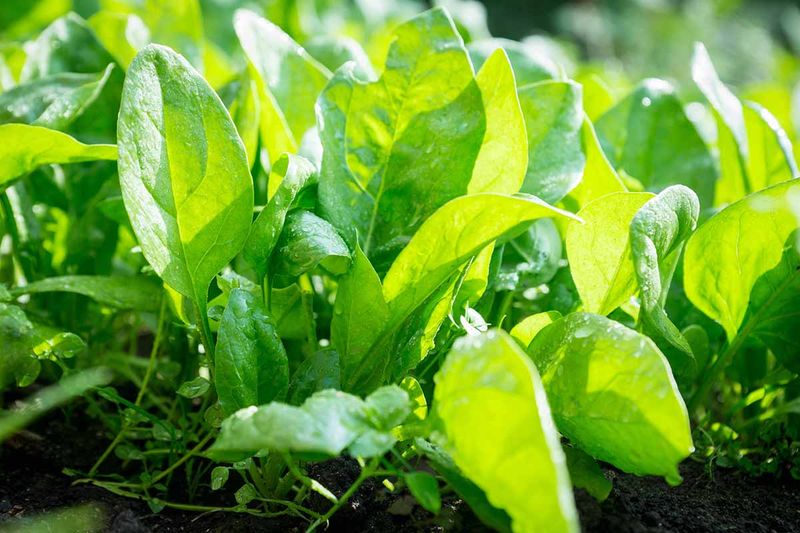
Few leafy greens love the chill quite like spinach does. When mornings turn crisp, this plant responds well by producing tender, flavorful leaves.
Spinach seeds germinate best when soil temperatures are cooler, which makes early fall a good planting window in Virginia. You can tuck the seeds about half an inch deep and keep the soil lightly moist until they sprout.
Within a couple of weeks, tiny green shoots will start poking through when growing conditions are favorable.
One of the nicest things about spinach is how quickly it can provide a harvest. Baby leaves can often be picked in about three to four weeks, while full-size leaves take longer depending on weather, variety, and growing conditions.
Pick the outer leaves first, and the plant can continue producing more from the center.
Cool temperatures can improve spinach flavor, and some gardeners notice sweeter-tasting leaves after exposure to light frost. Gardeners often find spinach handles cool nights much better than summer crops.
Try planting a small patch every two weeks for a steady supply. Fresh spinach tastes wonderful in salads, tossed into soups, or wilted with a little garlic.
Give it a spot with several hours of sun and decent drainage. With quick growth and a rewarding harvest, spinach is a smart choice to plant this weekend across many gardens.
2. Lettuce For Crisp Fall Salads From The Garden
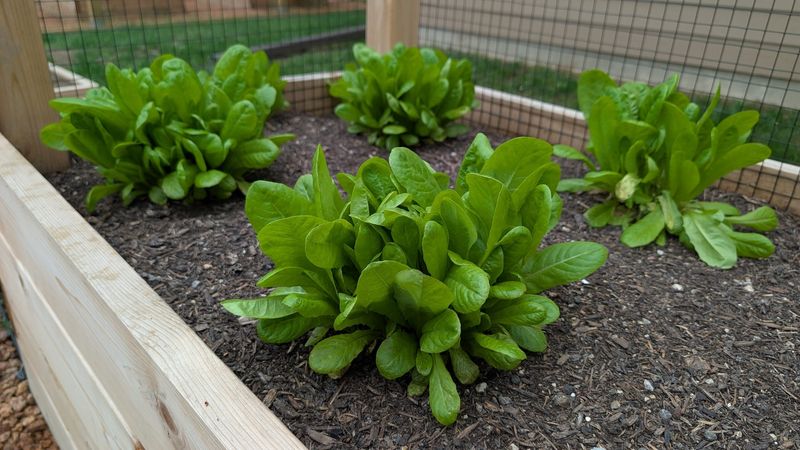
Cooler weather is exactly what lettuce prefers. During summer it can become bitter and send up flower stalks, but autumn conditions often help keep the leaves tender, crisp, and mild.
Loose-leaf varieties are friendly choices for beginners because you can harvest a few leaves at a time. Scatter the tiny seeds on top of loose soil and cover them very lightly, since lettuce seeds germinate best when they receive some light.
Keep the surface evenly moist until you spot green.
Within about a month, baby leaves may be ready to pick. Full heads generally take longer, but harvesting outer leaves can extend the harvest from a single planting.
Romaine, butterhead, and red-tinged types can all perform well when planted at the right time. Mixing several kinds in one bed creates a colorful patchwork that looks as good as it tastes.
Your Virginia Garden Changes Every Week. Your Plan Should Too.
Gardening in Virginia changes quickly throughout the season. Every Friday you’ll receive a simple weekly plan showing exactly what to plant, prune, fertilize, harvest, and protect so you never miss the right timing.
A light frost will not bother many lettuce varieties, though a simple cloth cover can help protect plants during colder nights. Planting additional rows every couple of weeks can help extend harvests.
With quick results and plenty of variety, lettuce belongs in many fall gardens. Set aside a sunny corner this weekend and get those seeds started.
3. Radishes For One Of Virginia’s Fastest Fall Harvests
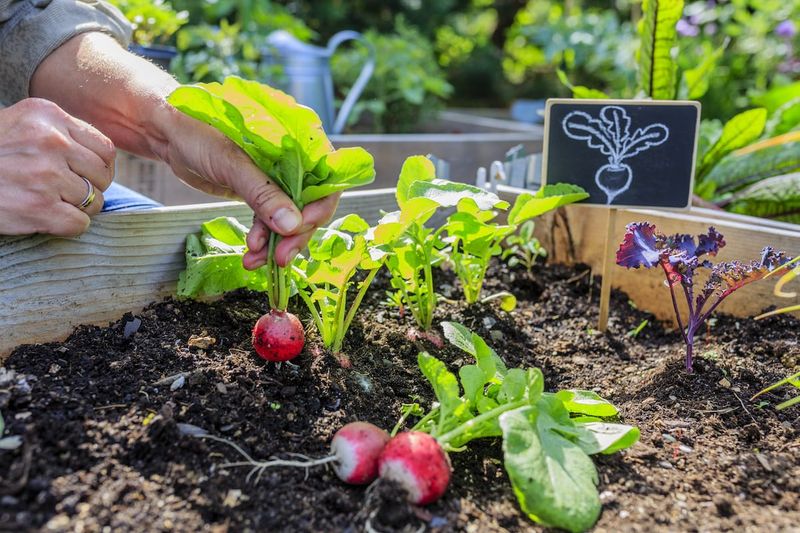
If patience is not your strong suit, radishes are a crop worth trying. These little roots can move from seed to harvest faster than many other garden vegetables.
Some varieties are ready to pull in as little as three weeks. That quick turnaround makes radishes a useful choice for gardeners who want a harvest before winter arrives.
Plant the seeds directly in loose soil, spacing them about an inch apart so the roots have room to develop. Thin crowded seedlings early, because radishes need space to form healthy roots.
Cool fall weather helps keep them crisp and mild instead of overly spicy. Warm summer conditions can cause radishes to become stronger tasting and lower in quality, which is why autumn is often a favorable season for growing them in Virginia.
Keep the soil evenly moist for the best texture. Uneven watering can contribute to cracking, so steady moisture helps support good root development.
Radishes also make useful garden companions because you can plant them between slower-growing crops and harvest them before larger plants need the space. This approach can help maximize smaller gardens.
Slice them into salads, roast them for a sweeter flavor, or eat them raw with a pinch of salt. The greens are also edible and can be cooked like other leafy vegetables.
Sow a row this weekend and enjoy a quick fall harvest.
4. Arugula For A Bold Flavor Before Winter
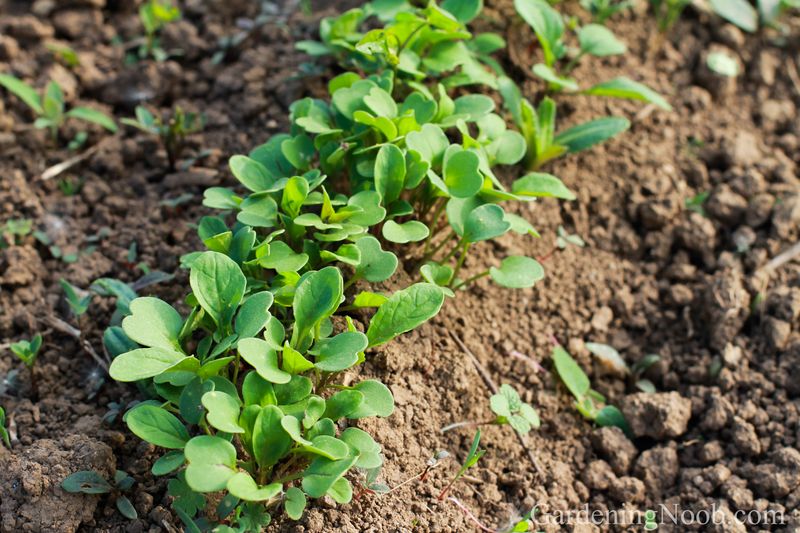
For gardeners who enjoy a little extra flavor in their greens, arugula delivers a peppery taste that adds character to many dishes. It is also a simple crop to grow, making it a good option for gardeners who want quick results.
Arugula grows best during cooler weather, and Virginia’s fall temperatures help keep the leaves tender and flavorful.
Warm summer conditions can make the leaves more intense and sometimes tougher, while cooler temperatures often produce a milder, more balanced flavor.
Sprinkle the seeds thinly over prepared soil and barely cover them. Germination can happen quickly, sometimes within a few days when conditions are favorable, which makes arugula a rewarding crop for fall gardens.
You can begin harvesting baby leaves in about three weeks. Cut the leaves above the growing point, and the plant can continue producing additional growth throughout the season.
A small patch can provide plenty of greens for a household, so arugula works well for gardeners with limited bed space or containers. It is a practical choice for gardeners looking to add variety without needing a large planting area.
Use the leaves fresh in salads, add them to pizza after baking, or blend them into a flavorful pesto. Their peppery taste pairs well with milder greens and other fresh ingredients.
Cool temperatures can help maintain tender leaves and a pleasant flavor, so there is no need to rush to cover plants at the first sign of cooler weather.
Plant a handful of seeds this weekend, and you can enjoy fresh greens before winter arrives in many parts of the state.
5. Mustard Greens For A Spicy Fall Addition In Virginia
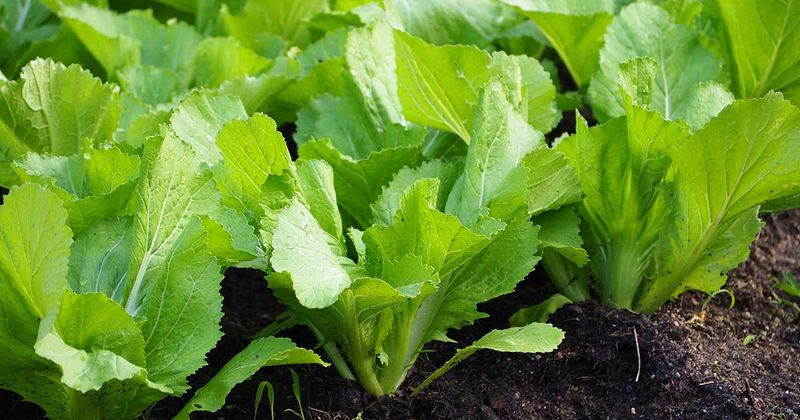
Mustard greens bring bold flavor to the garden with their textured leaves and spicy taste. They are a popular choice among gardeners who enjoy adding a little heat to their meals.
These greens grow quickly and handle cool weather well. As fall settles over Virginia, the leaves often develop a stronger mustard flavor that becomes milder when cooked.
Sow the seeds shallowly in fertile soil and keep the planting area consistently watered. Seedlings can emerge quickly, and young leaves may be ready for harvest in about four weeks depending on growing conditions.
Picking the outer leaves regularly encourages continued growth and allows you to enjoy tender new leaves. Older leaves often develop a stronger flavor, so harvesting earlier can provide a milder taste.
Mustard greens come in many colors, from bright green to deep purple, adding interest to fall garden beds. Some varieties have frilly edges that make them attractive as well as productive.
Cool temperatures can help improve the quality of mustard greens, which is why autumn plantings are often preferred over summer crops in this state. Light frost can also influence flavor and texture.
In the kitchen, they are often cooked with seasonings, garlic, or smoked meat in traditional Southern dishes. Young leaves can also be added raw to salads for a peppery bite.
They need regular sunlight and consistent moisture to grow well. Scatter some seeds this weekend, and your garden can provide a flavorful cool-season crop.
6. Kale For Harvests Through Virginia’s Cool Season
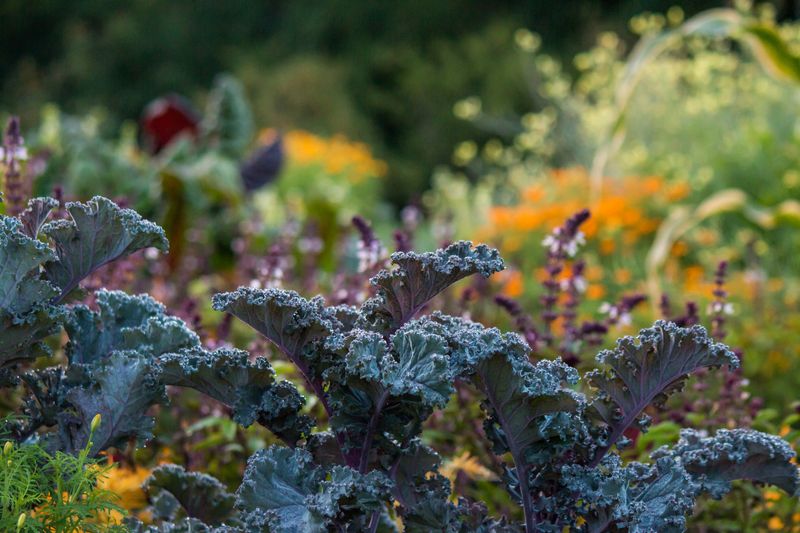
Kale is one of the most dependable vegetables for fall gardens, continuing to produce leaves while many warm-season crops finish for the year. Gardeners often grow it because of its cold tolerance and long harvest period.
Cool weather is where kale performs especially well. Cold temperatures can increase the plant’s sugar concentration, which may create a sweeter flavor in the leaves as temperatures drop.
Plant young seedlings or seeds in fertile, well-drained soil with plenty of sunlight. Give each plant about a foot of space, depending on the variety, so it has room to develop a full canopy of leaves.
Harvesting is simple and productive. Pick the lower leaves as they mature, and the plant can continue producing new growth from the center for many weeks.
Curly kale, lacinato, and red varieties each bring different textures and colors to the garden. Growing several types can add variety to both the landscape and the kitchen.
Kale tolerates cold temperatures better than many leafy greens. A layer of mulch around the base can help protect the soil and support the plants during colder periods.
Use the leaves in soups, bake them into chips, or add them to hearty salads. Cooler weather often improves the flavor and texture of fall-grown kale.
Few vegetables provide such a long harvest period with relatively simple care. Set a few plants in the ground this weekend and enjoy fresh greens throughout the cool season.
7. Collards For Classic Southern Fall Gardens
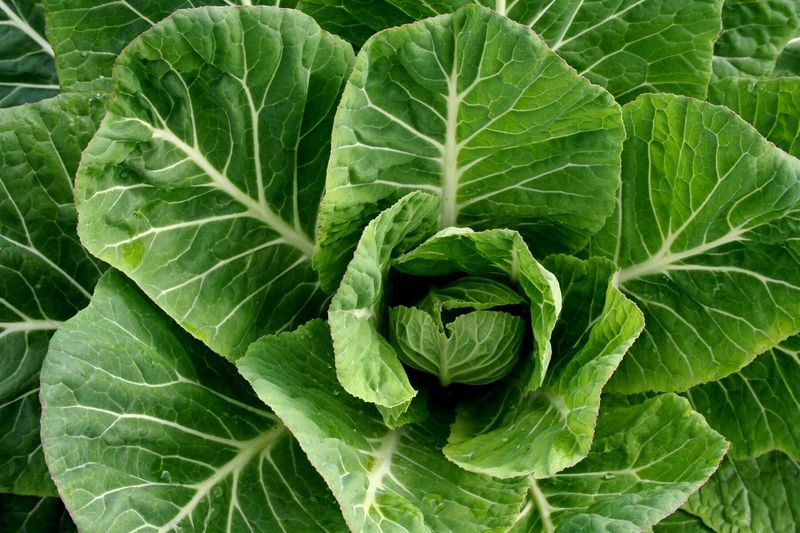
Collards have a long history in Southern gardens, and Virginia is no exception. These large, leafy plants remain a favorite because they produce generous harvests during the cooler months.
Warm temperatures can affect the texture and flavor of collard leaves, while fall growing conditions often produce tender, mild greens. Cool weather can also improve their flavor.
Set seedlings in fertile soil with enough space for the plants to spread. Water consistently and provide full sun for strong growth.
Harvest from the bottom upward, removing the lower leaves while allowing the plant to continue producing new growth. A single planting can provide harvests over many weeks.
Collards tolerate cold temperatures better than many other leafy vegetables, allowing them to remain productive during chilly periods. Mulching around the plants can help protect roots and maintain more consistent soil conditions.
Slow-simmered with seasonings or smoked meat, collards are a classic Southern dish. Younger leaves can also be chopped and used in stir-fries or other recipes.
Collards are related to kale and cabbage, all members of the brassica family. Their shared cool-season characteristics help explain why they perform well in fall gardens.
For gardeners who want a traditional vegetable with a long harvest window, collards are a strong choice for fall planting.
8. Beets For Two Harvests From One Virginia Planting
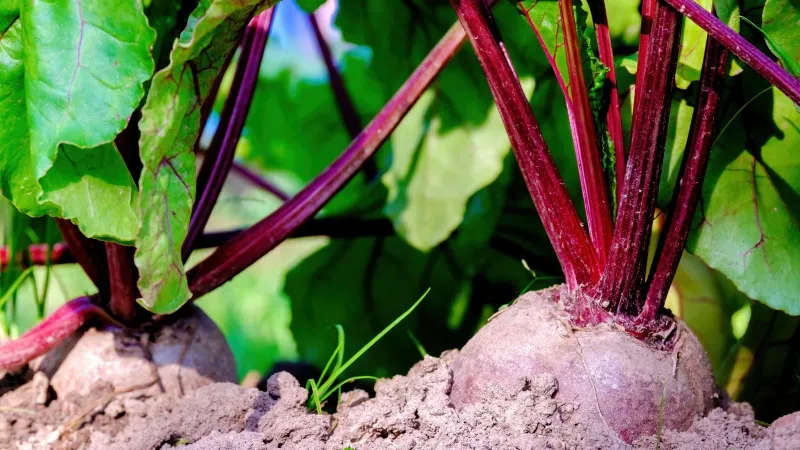
Beets provide two edible harvests from one planting because both the roots and leafy tops can be used. This makes them a practical choice for gardeners who want to get more from limited space.
Cool Virginia weather suits beets well. The roots often develop better flavor in cooler conditions, and the greens can remain tender during the fall season.
Plant the seeds about half an inch deep and keep the soil evenly moist. Each beet “seed” is actually a cluster that may produce multiple seedlings, so thinning is important to give the roots enough room to grow.
While waiting for the roots to mature, you can harvest young leaves for salads or cooking. This early harvest allows you to enjoy the crop before the roots are ready.
Roots are often ready in about eight weeks, depending on variety and growing conditions. Many gardeners harvest them when they reach a useful size, often around the size of a golf ball.
Beets come in ruby red, golden yellow, and striped varieties that add color to meals. Roasting can bring out their naturally sweet flavor.
The greens are edible and can be cooked similarly to Swiss chard. Using both parts of the plant makes beets an efficient addition to the fall garden.
Loose, rock-free soil helps roots develop more evenly, so prepare the planting area before sowing. Plant a row this weekend and enjoy both leafy greens and root vegetables later in the season.
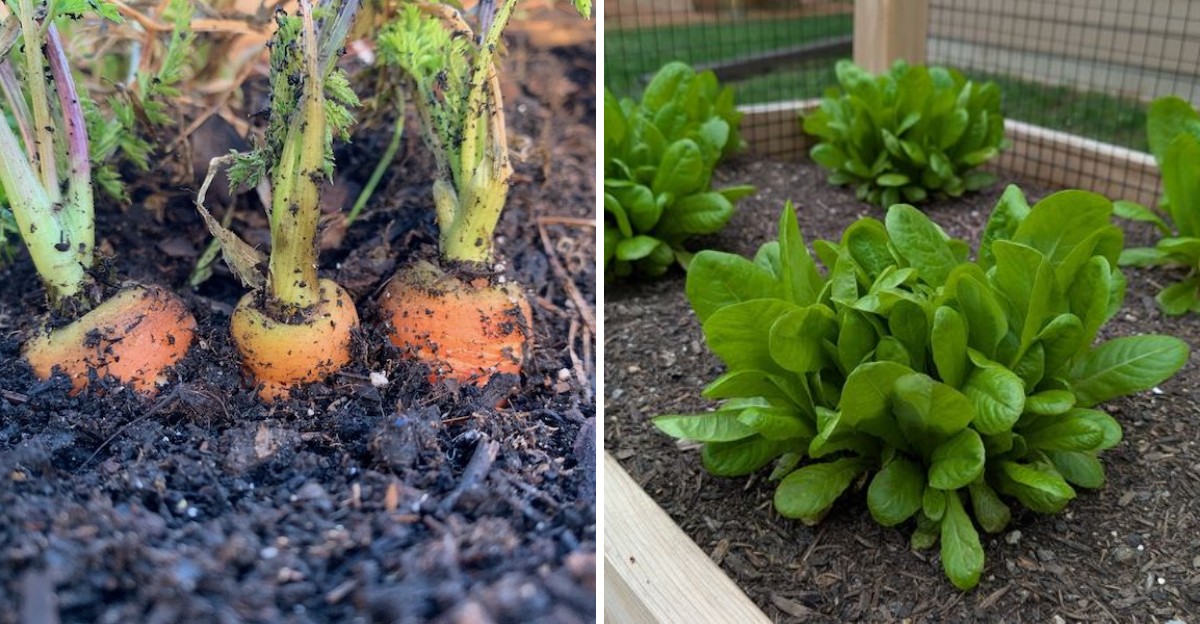
9. Carrots For Sweet Roots In Cool Soil
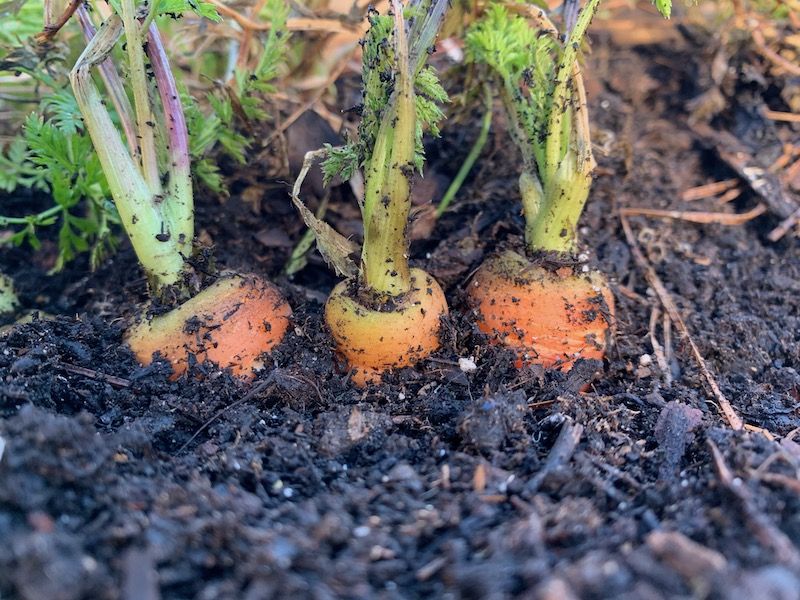
Carrots are a rewarding fall crop, especially when grown during Virginia’s cooler months. Their crisp texture and sweet flavor make them a favorite for home gardens.
Cool temperatures can encourage sweeter flavor in carrots, which is one reason fall-grown carrots are often appreciated by gardeners. Cooler conditions can support good root development without the stress of summer heat.
Sow the tiny seeds shallowly in loose soil so the roots can grow more easily. Rocky or compacted soil can cause forked or misshapen carrots, so preparing the bed beforehand helps improve results.
Patience is important because carrot seeds can take a couple of weeks to sprout. Keep the surface moist during germination, and thin seedlings once they appear so the roots have enough room.
Many carrot varieties take around two to three months to mature, so early fall planting can work well in parts of this state with enough remaining growing days. Some gardeners leave carrots in the ground and harvest them as needed.
Cool weather can improve carrot sweetness, and mulch can help protect roots during colder periods. Severe cold, however, can damage plants if they are not protected.
Try them roasted, grated into slaw, or eaten fresh for a crisp snack. Harvesting carrots from the garden is often a favorite experience for gardeners of all ages.
With good soil preparation and proper timing, carrots can be a productive addition to fall gardens. Loosen the soil and plant a row this weekend.
10. Turnips For A Dependable Fall Vegetable
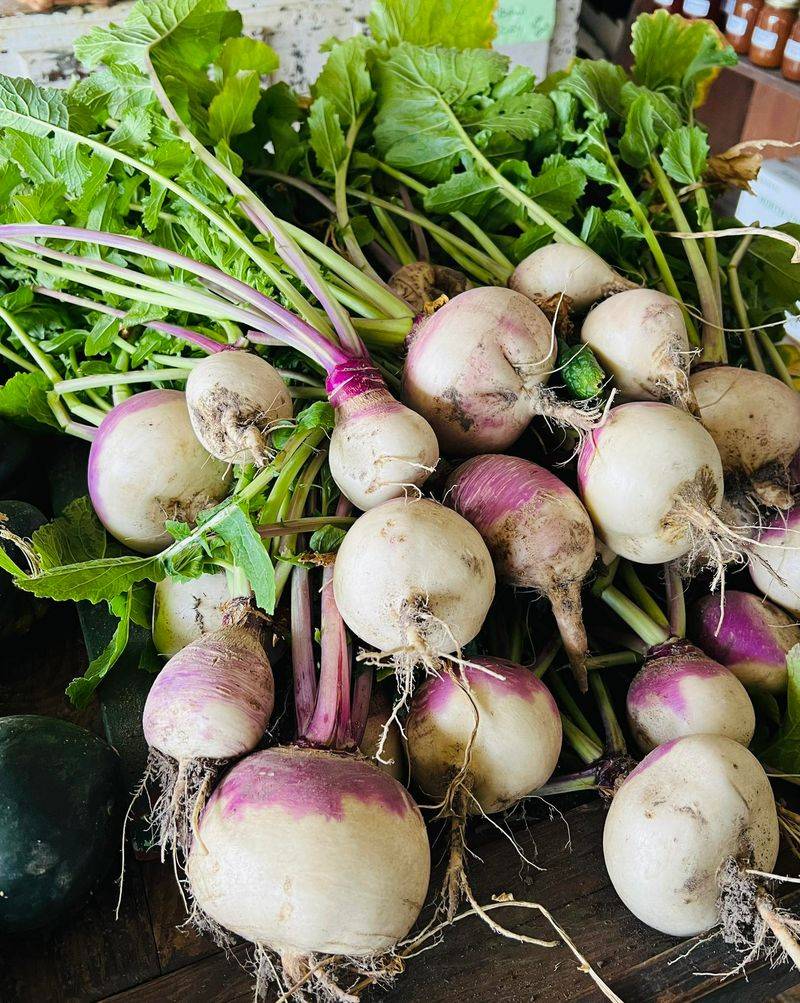
Turnips may not always receive the attention of flashier vegetables, but they remain a reliable choice for fall gardens. They grow quickly, tolerate cool weather, and provide both edible roots and greens.
Cool weather helps turnip roots develop a milder flavor and better texture. Autumn conditions are often suitable for growing these cool-season vegetables.
Plant the seeds directly in the ground about half an inch deep. They sprout quickly, and many varieties can be ready to harvest in about six weeks.
Thin the seedlings so each root has enough space to develop properly. Crowded plants often produce smaller roots, so spacing improves results.
The leafy tops are also edible and can be cooked like other greens. Harvesting a few leaves while allowing the roots to continue growing gives you more from each planting.
Smaller turnips are usually more tender, while older roots may become tougher or more fibrous. Harvesting at the right size helps provide the best texture.
Turnips store well under cool conditions, allowing gardeners to enjoy them after harvest. Their storage ability has helped make them a traditional cool-season vegetable.
Roast them, mash them, or cook the greens with seasonings for a comforting meal. Both parts of the plant can add variety to fall cooking.
For a low-maintenance crop that fits well into Virginia’s cool season, turnips are worth adding to the garden this weekend.