10 Benefits Of Simmering Pine Needles (And Why Virginia Gardeners Should Try It)
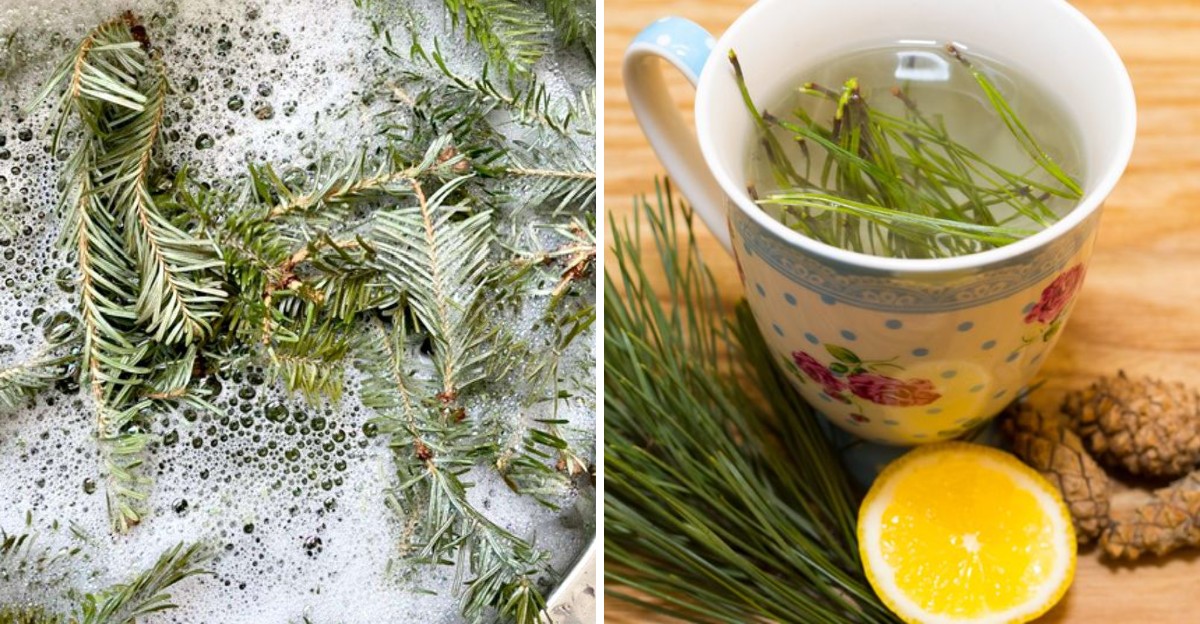
Fallen needles carry free fragrance, and you usually bag them for the curb. Your pine needles and herb sprigs release rich aroma when warmed.
Drop them in a pot of water and let the steam work. Their resin alone throws off a crisp scent that many candles struggle to match.
Pine needles add a sharp, clean edge that reads like a ski lodge. Toss in apple peels and your kitchen turns sweet, tangy, and warm.
Virginia trees drop this fragrance onto your lawn for weeks. Try it in place of synthetic oils or wax melts.
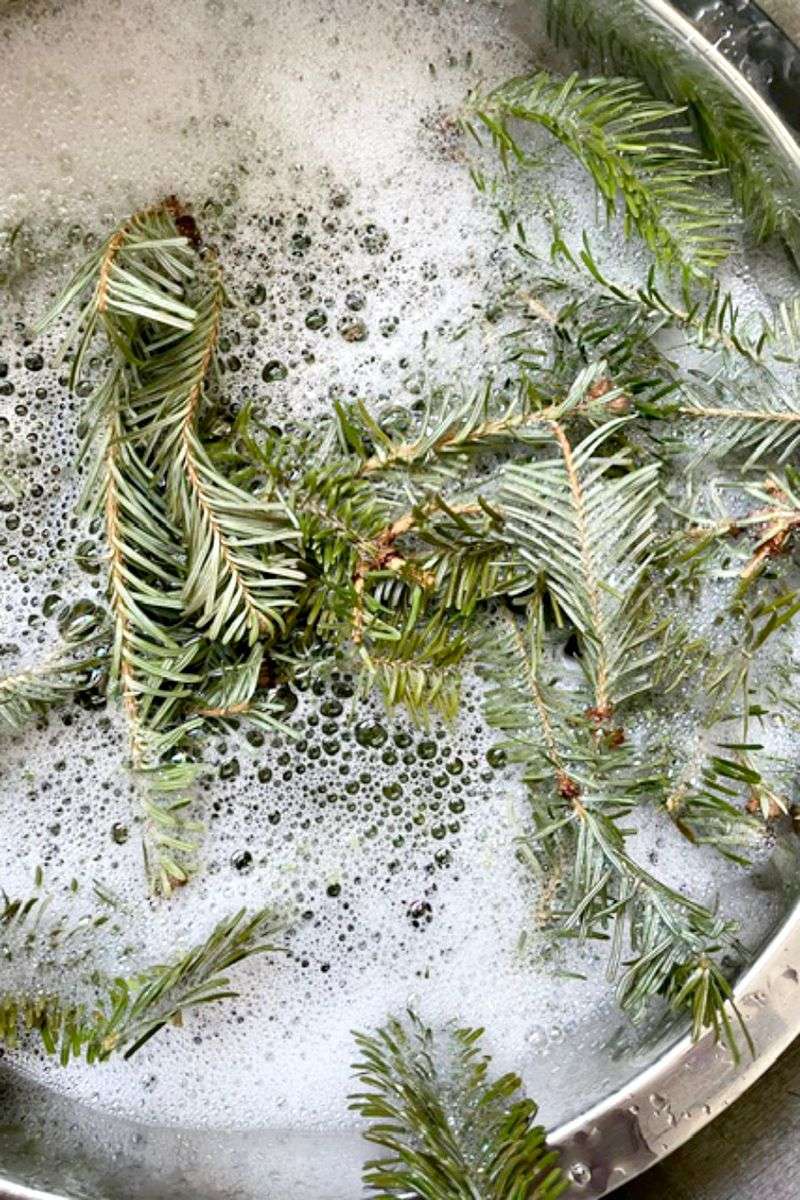
Rinse each handful and keep the needles green and fresh. Low heat pulls the aroma through your hallways and up your stairs.
Guests will ask which cabin you rented in Virginia. Grab a stockpot, because the best ingredient is waiting under your pines right now.
Fills The House With A Fresh Forest Scent
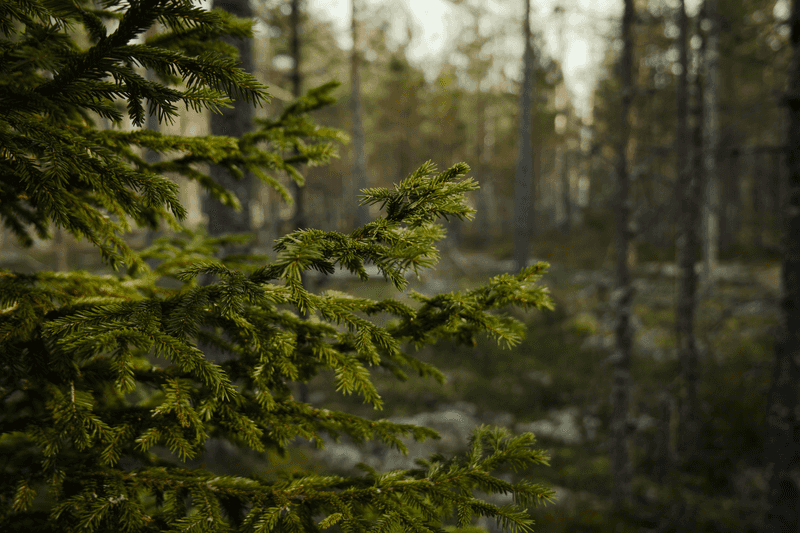
Picture walking into a mountain cabin after a long hike in the Blue Ridge. That clean, woodsy smell is close to what a pot of simmering needles can create indoors.
Pine needles hold natural oils that release slowly when warmed in water. The steam carries those oils through the house with a lighter, plant-based scent.
Start with two big handfuls of fresh needles and about four cups of water. Keep the burner on low so the pot barely bubbles instead of boiling hard.
Within twenty to thirty minutes, the scent can drift into hallways and up the stairs. Guests often ask which candle you lit, and you get to grin.
Check the water level every half hour and top it off as needed. A dry pot can burn and swaps that forest smell for a burnt one. Never leave the simmering pot unattended.
Adds Gentle Moisture To Dry Indoor Air
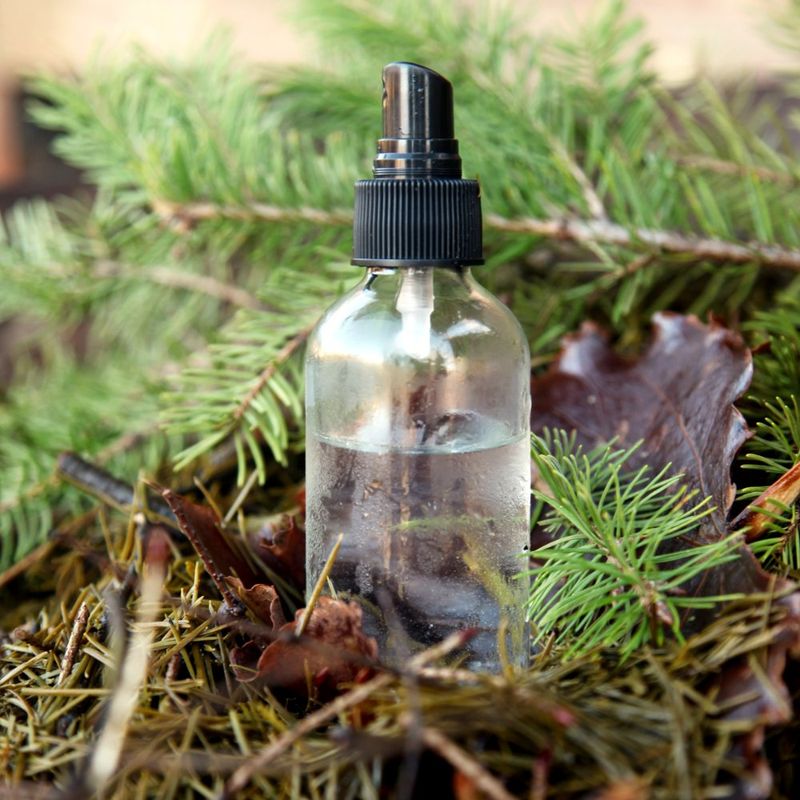
Cracked lips and staticky hair usually show up the week the furnace kicks on. October nights in Virginia turn cold fast, and indoor heating lowers the humidity.
A simmering pot works like a tiny old-fashioned humidifier. Steam rises steadily and adds a soft touch of moisture to the room around it.
Houseplants appreciate the bump too, especially ferns and peace lilies near the kitchen. The small boost in humidity may help them, though the effect is modest.
Place the pot on a back burner where kids and pets cannot bump it. Run it for an hour or two in the evening when dryness feels worst.
Skip it on muggy days, since extra moisture then just fogs windows. Save the trick for chilly, crisp stretches when your skin starts to feel tight.
Costs Nothing When You Gather Your Own
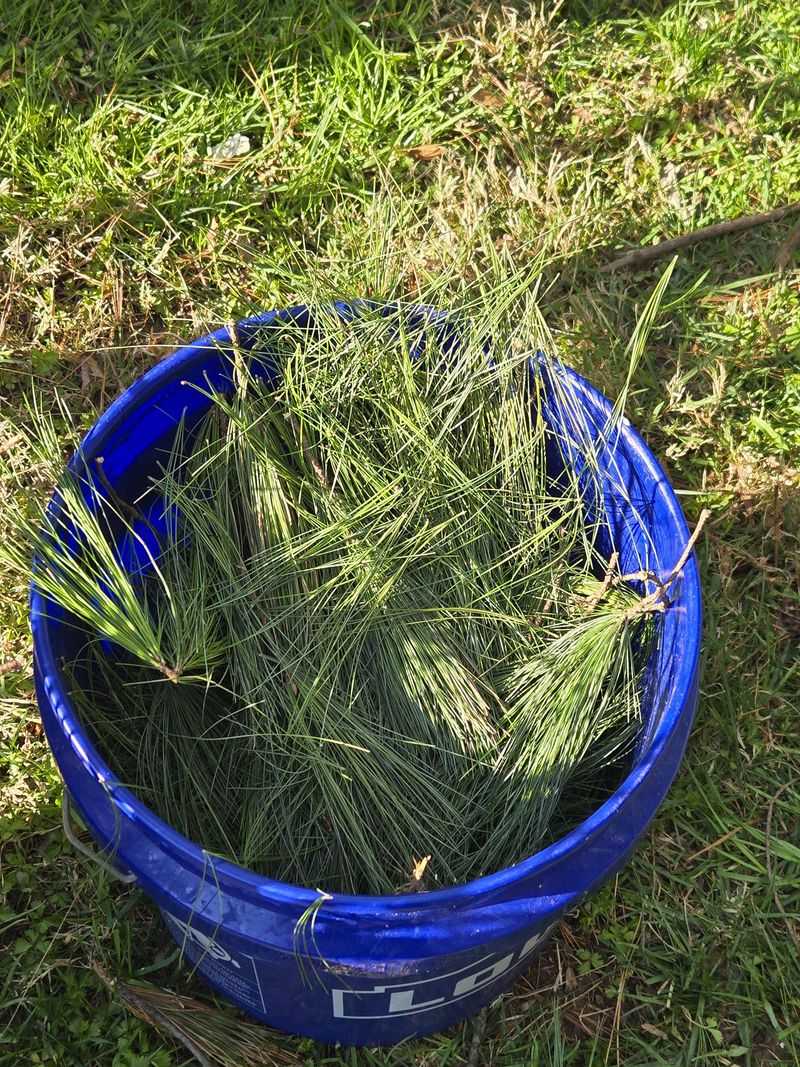
Free is a hard price to beat, and your yard drops new needles all season. Loblolly and white pines across Virginia shed needles steadily through fall.
Store-bought room sprays often cost several dollars a bottle, depending on the brand. Fancy candles often cost more, and they burn down quickly.
Grab a basket and collect needles that still look green and springy. Freshly fallen needles or ones snipped from low branches hold the most scent.
Your Virginia Garden Changes Every Week. Your Plan Should Too.
Gardening in Virginia changes quickly throughout the season. Every Friday you’ll receive a simple weekly plan showing exactly what to plant, prune, fertilize, harvest, and protect so you never miss the right timing.
Brown, brittle needles have lost most of their oils, so leave those for mulch. A quick rinse under the faucet removes dust, pollen, and the odd spider.
Store extra needles in a paper bag in the fridge and use them within a few days. That way, you can brew a fresh pot whenever the mood strikes.
Offers A Natural Alternative To Synthetic Air Fresheners
Ever sniffed an air freshener labeled Mountain Breeze and thought of a gym locker? Many sprays rely on lab-made fragrance blends that can bother sensitive noses.
Simmering needles keeps things simple with water, plants, and heat. You know every ingredient in the pot.
Some people who get headaches from strong perfumes find this softer scent easier to enjoy, though pine can bother sensitive noses too. It fades gently instead of clinging to curtains for days.
Families with little ones may like the plain ingredient list too. Still, keep kids and pets away from the hot pot and the needles, and do not drink the water.
Birds and cats are especially sensitive to airborne scents, so keep the pot well away from them.
Try swapping one plug-in for a weekly simmer and see how you feel. Some folks retire their sprays after a month of piney evenings.
Creates A Calming And Cozy Mood
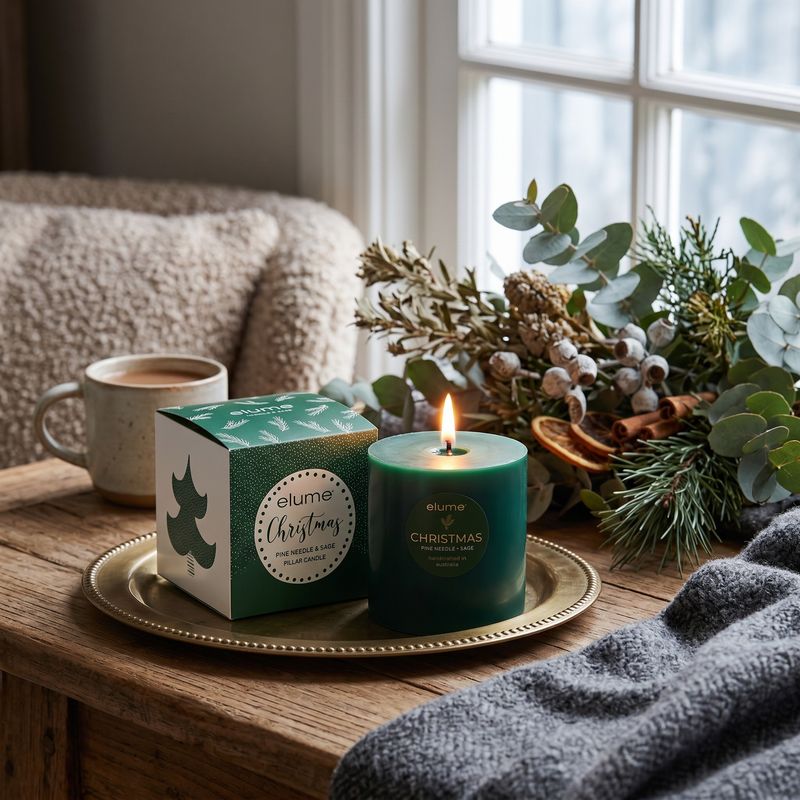
Smell has a sneaky shortcut straight to memory and mood. One whiff of pine can carry you back to holiday trips or summer camp cabins.
Many people find woodsy scents relaxing after a stressful day. The aroma pairs nicely with a blanket, a good book, and slippers.
Set a simmer pot going right after dinner as a signal to slow down. Dim the lights, pour some tea, and let the house wind down too.
Kids doing homework may even settle more easily in a calm space. A pleasant smell beats nagging, at least some of the time.
Pair the scent with soft music for an easy evening ritual. Before long, your brain links that smell with rest, and calm arrives faster each night.
Masks Cooking And Pet Odors
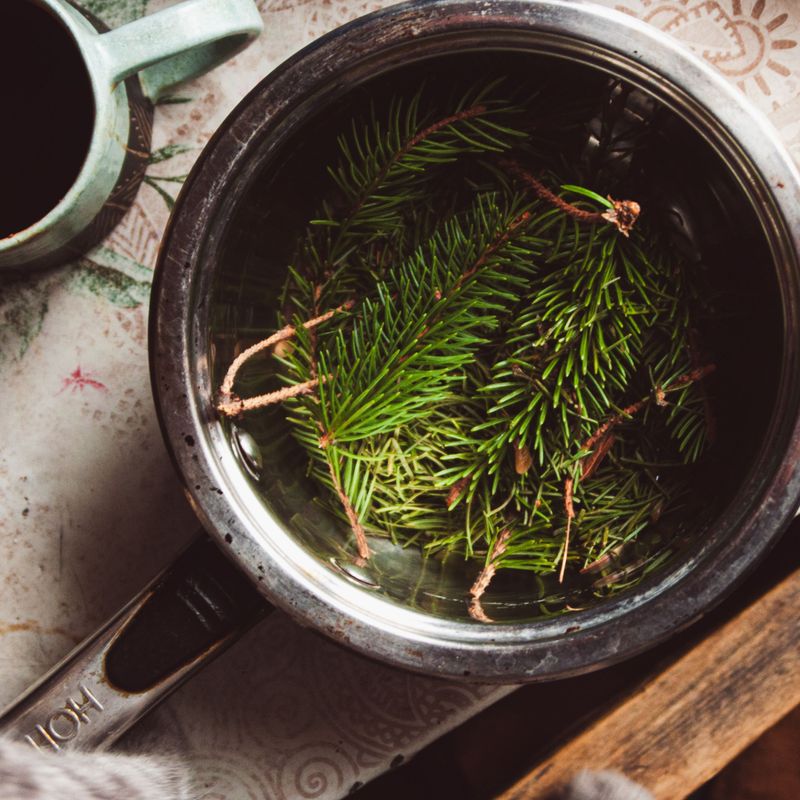
Last night’s fried fish does not need to stick around for breakfast. Pine steam helps cover lingering kitchen smells.
The strong, fresh aroma covers up odors from garlic, onions, and grease. It also helps when a wet dog shakes off in the mudroom.
Toss in a few lemon or orange peels for extra punch. Citrus and pine together can help cover stubborn smells.
Keep in mind that masking is not the same as cleaning. Wash pet beds and wipe counters, then let the pot handle what remains.
Run the simmer right after cooking for best results. By the time dishes are dry, your kitchen should smell more like forest than fish fry.
Pairs Beautifully With Fall Kitchen Scraps
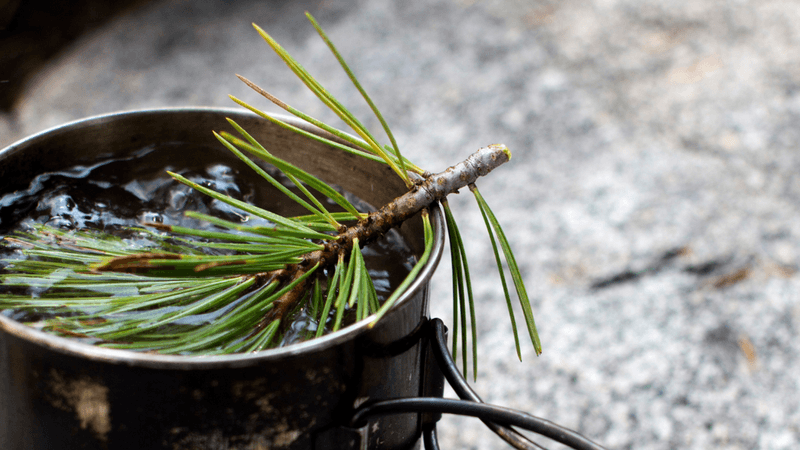
Apple peels from pie night usually head straight for the trash. Instead, drop them into your pine pot and see what happens.
Pine plays nicely with orange rinds, cinnamon sticks, cloves, and star anise. Each addition creates a new blend, so no two pots need to smell alike.
Try pine, apple, and cinnamon for a classic orchard feel. Pine, rosemary, and lemon smell bright and clean on gray afternoons.
Cranberries add a festive red color that looks lovely on the stove. A splash of vanilla extract softens everything into something almost dessert-like.
Keep a freezer bag for scraps all week long. Then on Sunday, empty it into the pot and enjoy a scent made from things you nearly tossed.
Gives Leftover Needles A Second Use In The Garden
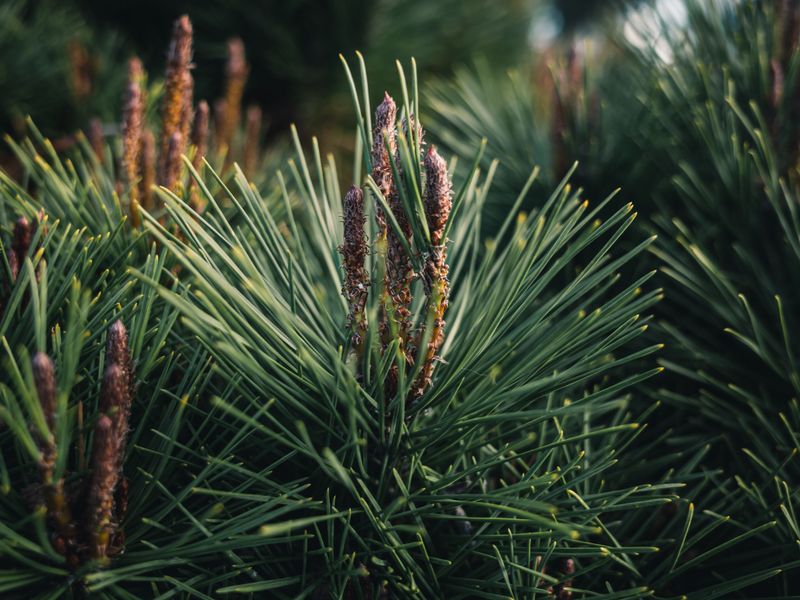
Once the scent fades, those soggy needles still have a job. Your garden beds will happily take them off your hands.
Spent needles make a light mulch around shrubs and perennials. They help hold moisture in soil and keep some weeds from sprouting.
Blueberries, azaleas, and rhododendrons do fine with a needle layer around their roots, though it changes soil acidity very little. Pine mulch breaks down slowly, so it lasts longer than shredded leaves.
Drain the needles and let them dry on newspaper for a day. Then sprinkle them around plants or toss them into the compost bin.
Remove any citrus or spice bits before mulching garden beds. That small step keeps critters from digging around for snacks. Very little goes to waste, and your plants get a protective layer before winter.
Makes Simple Homemade Gifts
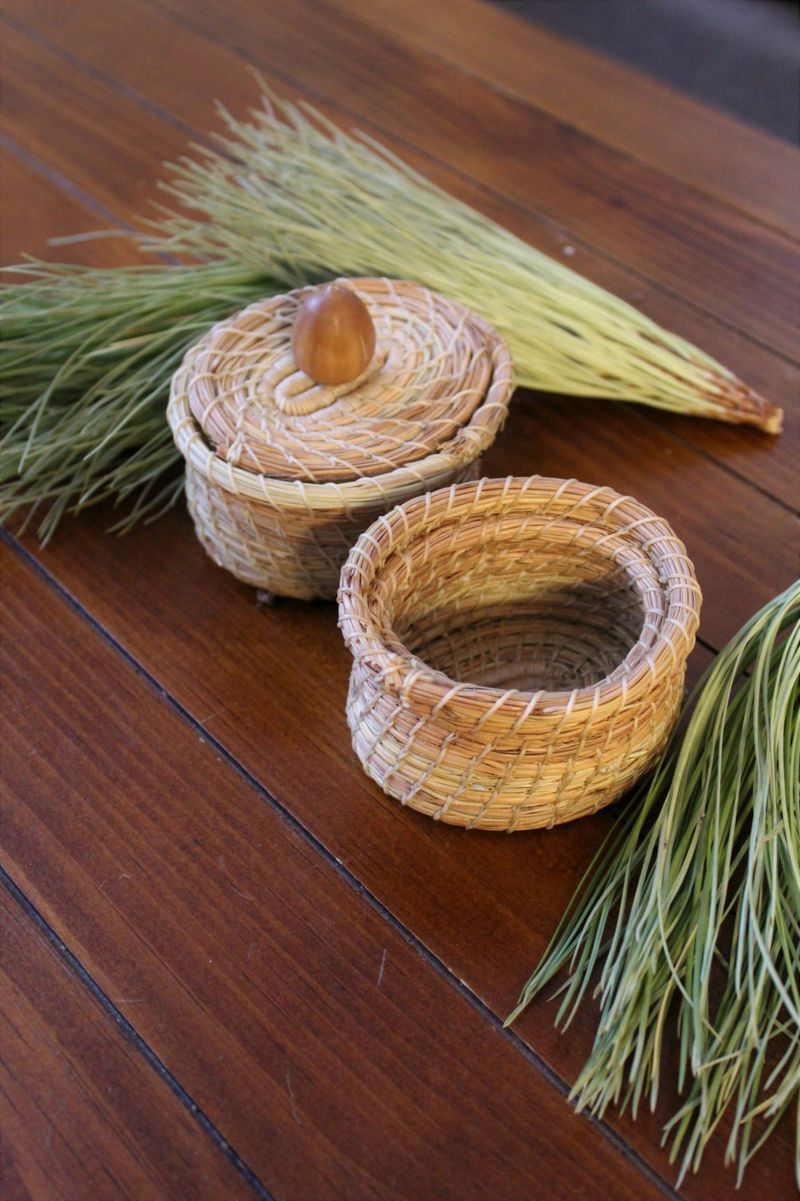
Teachers, neighbors, and that coworker who loves candles all need something special. A jar of simmer mix makes a charming and thoughtful present.
Fill a mason jar with dried pine needles, orange slices, cinnamon, and cloves. Tie on twine and a tag with simple simmering directions.
Dry orange slices in the oven at low heat for about three hours. Needles can air dry on a tray for a week in a warm room.
Kids love helping layer the ingredients like edible art. The finished jars look festive lined up on a counter.
Each jar costs pennies to make yet feels personal and warm. Start a batch in October, and you will be ready long before the holiday rush hits.
Connects You To Old Mountain Traditions
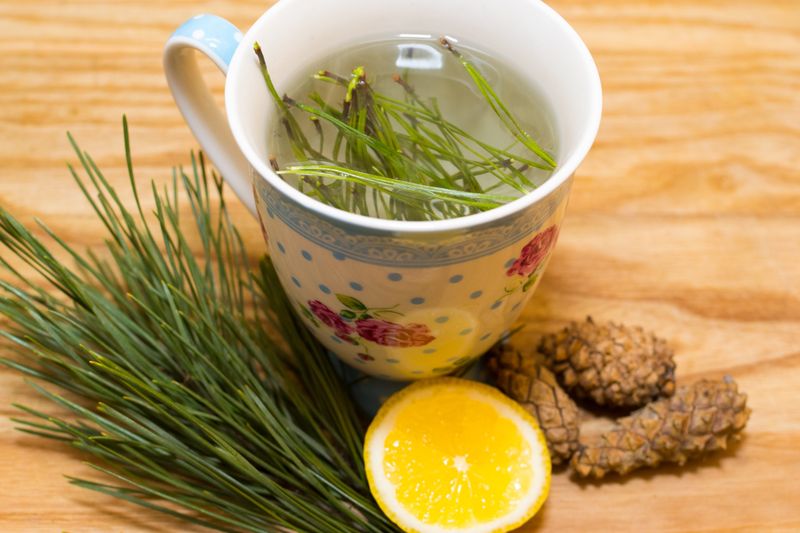
Long before plug-ins, many mountain families kept a kettle steaming on the wood stove. Pine boughs and herbs may have found their way into that pot.
Pine needle tea has a long history in North America as well. Native peoples and early settlers brewed it, partly for its vitamin C.
Simmering needles today echoes those old kitchen habits. It feels like borrowing a little wisdom from grandparents in the hills.
Ask older relatives about scents from their childhood homes. You might uncover a family recipe worth bringing back to life.
Sharing these stories with kids keeps traditions alive. A steaming pot becomes more than a scent, turning into a small link to the past. That beats any candle label claiming Grandma’s Kitchen.
Pines Are Common Across Virginia

Drive almost anywhere in the Commonwealth, and pines line the road. Loblolly, Virginia, eastern white, and shortleaf pines all grow in many parts of the state.
The loblolly pine ranks as one of the most common trees in Virginia. Its long needles come in bundles of three and smell wonderfully strong.
Eastern white pine offers softer, finer needles with a sweeter scent. Look for bundles of five, which make it easy to identify.
Chances are good that a pine grows in your yard or nearby park. Just ask permission before harvesting on property that is not yours.
Skip needles from roadsides or trees treated with chemicals. Avoid yew and Norfolk Island pine, which are not true pines. When unsure, snap a photo and use a plant ID app to confirm before gathering.
October Is A Good Time To Start
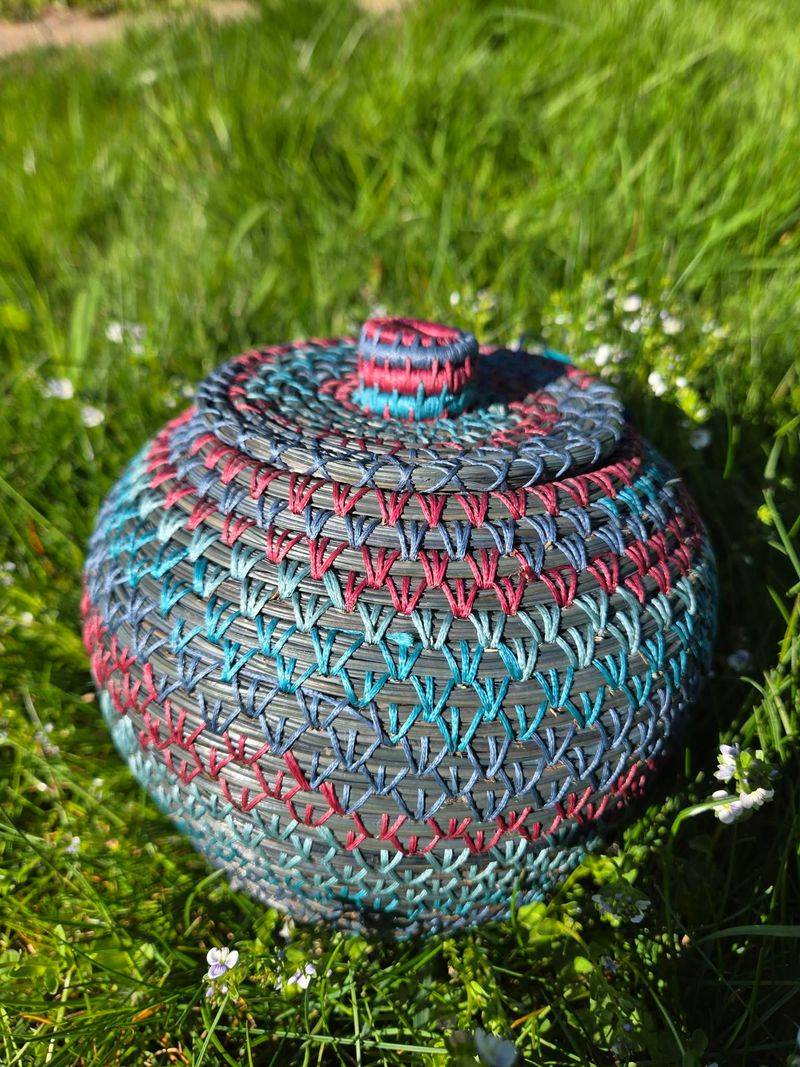
Fall marks needle drop season for many Virginia pines. Older inner needles turn yellow and drop as part of the tree’s natural cycle.
That means plenty of material sits right under your trees this month. Look closely and you will spot green ones mixed in with the gold.
Cooler weather also makes stovetop steam feel welcome again. In July, a simmering pot would just heat up an already sticky house.
October evenings stretch longer and darker, so cozy rituals matter more. Starting now builds a habit that carries you through the holiday season.
Gather a fresh batch every weekend while needles are easy to find. By December, you will have a few favorite blends tested and ready.
Gardeners Already Have Most Supplies On Hand
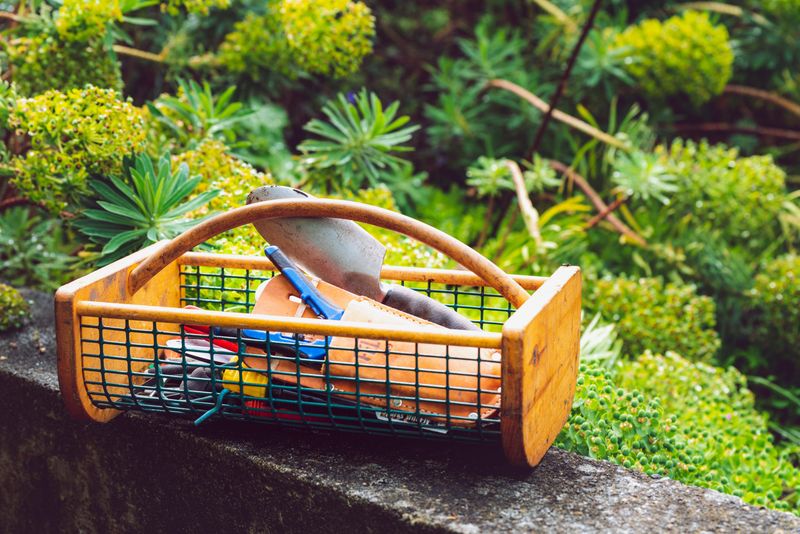
Gardeners own pruners, baskets, and drying racks for herbs. That gear is all you need to get started.
Your herb garden likely holds rosemary, sage, or thyme right now. These hardy herbs keep going into fall and blend nicely with pine.
Snip a few sprigs on the same trip you gather needles. One walk around the yard can supply a whole week of scents.
Many gardeners also save citrus peels for compost. Divert a few into the pot first, then send them to the bin later.
Since you already understand plants, experimenting feels natural. Jot down your favorite combos in a garden journal for next year. Your green thumb now works indoors as well as outside.
Tidies The Yard As You Gather
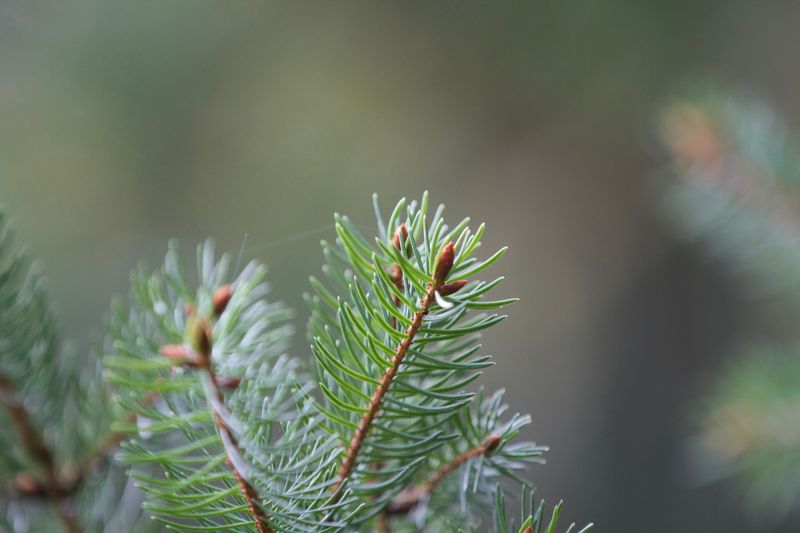
Raking pine needles feels endless when they keep falling all season. Why not give some of that chore a sweeter payoff?
Collecting needles for the pot clears a small patch of walkway or patio as you go. One task gives you a slightly tidier yard and a fragrant kitchen.
Needles on decks and gutters can trap moisture and grow slick. Grabbing fresh piles regularly keeps those spots safer underfoot.
Save the crisp brown needles for mulching paths or beds. Keep the greener ones aside in a basket for simmering inside.
Suddenly, yard work feels less like a burden and more like shopping. You walk out with a rake and come back with free fragrance. That trade sounds pretty fair on a crisp October afternoon.
Brings The Garden Inside Over Winter

Winter can feel long for anyone who loves digging in dirt. Beds go quiet, and seed catalogs only help so much.
A simmering pot keeps you connected to living plants through cold months. Pines stay green all winter, so fresh needles are available anytime.
Gathering needles gets you outside on bright days. Fresh air and a short walk lift spirits during gray January weeks.
The scent reminds you that spring planting is coming soon. Some gardeners sketch next year’s beds while the pot bubbles nearby.
Think of it as a tiny indoor garden that lives in a saucepan. It asks for no weeding, no watering beyond a refill, and no deer fencing. Virginia gardeners will appreciate that last perk.