The Virginia Weed That Keeps Coming Back And How To Finally Stop It
You yank it out on Saturday, and by Wednesday it is back, standing taller and greener than your lawn. Sound familiar?
Plenty of Virginia gardeners know this frustrating cycle well. The grass looks fine in spring, then a bright, shiny weed shoots up like it owns the place.
You can almost hear it laughing when you kneel in the damp grass to pull it again. The secret to its comeback is hiding where you cannot see it, just under your feet.
Once you understand how this sneaky plant works, you can finally stop wasting your weekends. Below, you will learn how to spot it, why it loves certain parts of your yard, and which tricks actually slow it down.
Yellow Nutsedge Is The Culprit
Meet the troublemaker behind your weekend headaches: yellow nutsedge. Many folks call it nutgrass, and it pops up in lawns and gardens all over Virginia.
Here is the funny part about the name. Nutgrass is not a grass at all, even though it looks a lot like one.
Botanists group it with sedges, a separate family of grass-like plants. Sedges grow differently and react differently to most lawn weed treatments.
Because of that, regular grass weed sprays often do very little. People spray and spray, then wonder why the weed keeps smiling back at them.
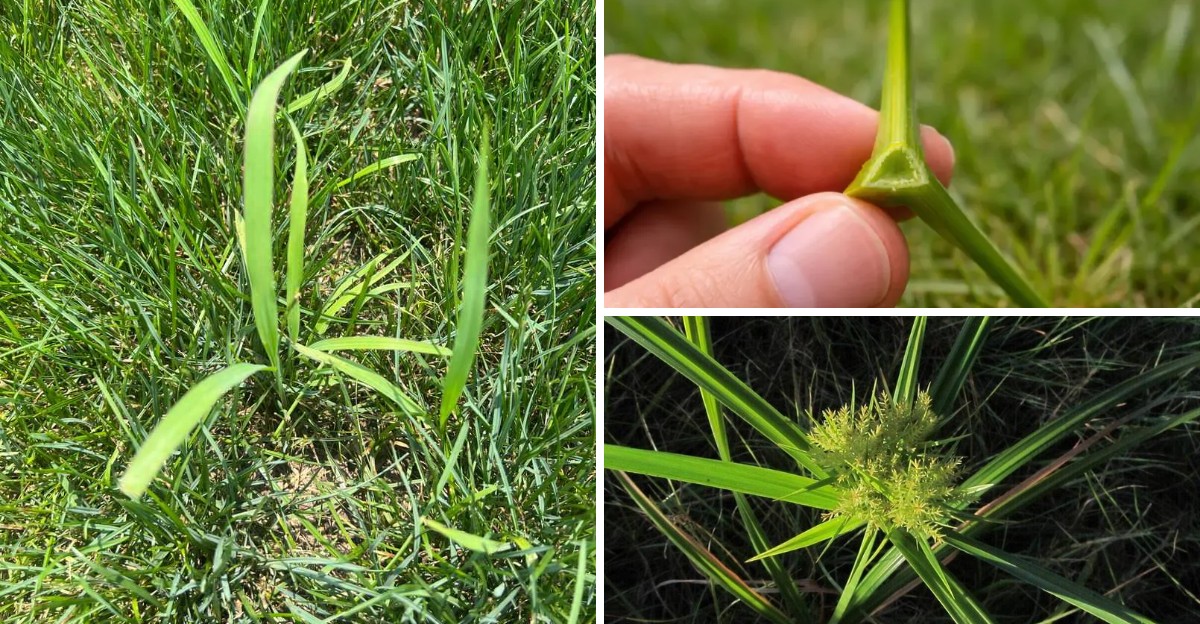
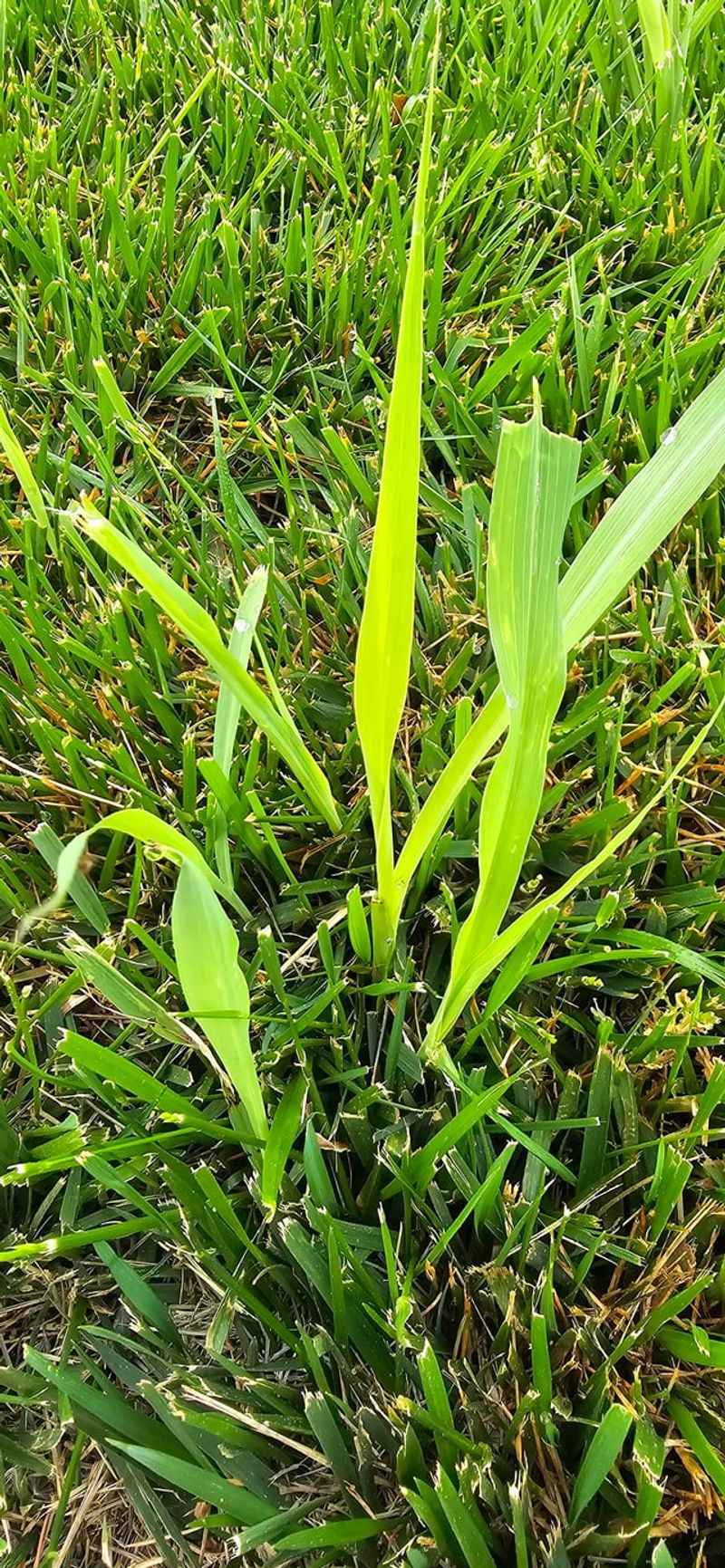
Spotting it is easier once you know the color. The leaves have a light, yellowish-green shade that stands out against darker turf.
Look closely and the blades seem shiny, almost waxy. They also tend to grow in clumps that rise above the rest of your lawn.
Across the United States, this weed ranks among the hardest to manage. Farmers, golf course crews, and home gardeners all battle it every year.
Knowing exactly what you face matters a lot. Treating the wrong weed wastes money, time, and plenty of sweat on hot afternoons.
So before you grab any product, take a slow walk around your yard. Note where those bright clumps appear and how quickly they shoot up.
A simple photo on your phone helps too. You can compare it later or show it to a local extension office for confirmation.
Correct identification is your first real win. Everything else in your plan builds on getting this step right.
Pulling Leaves Tubers Behind In The Soil
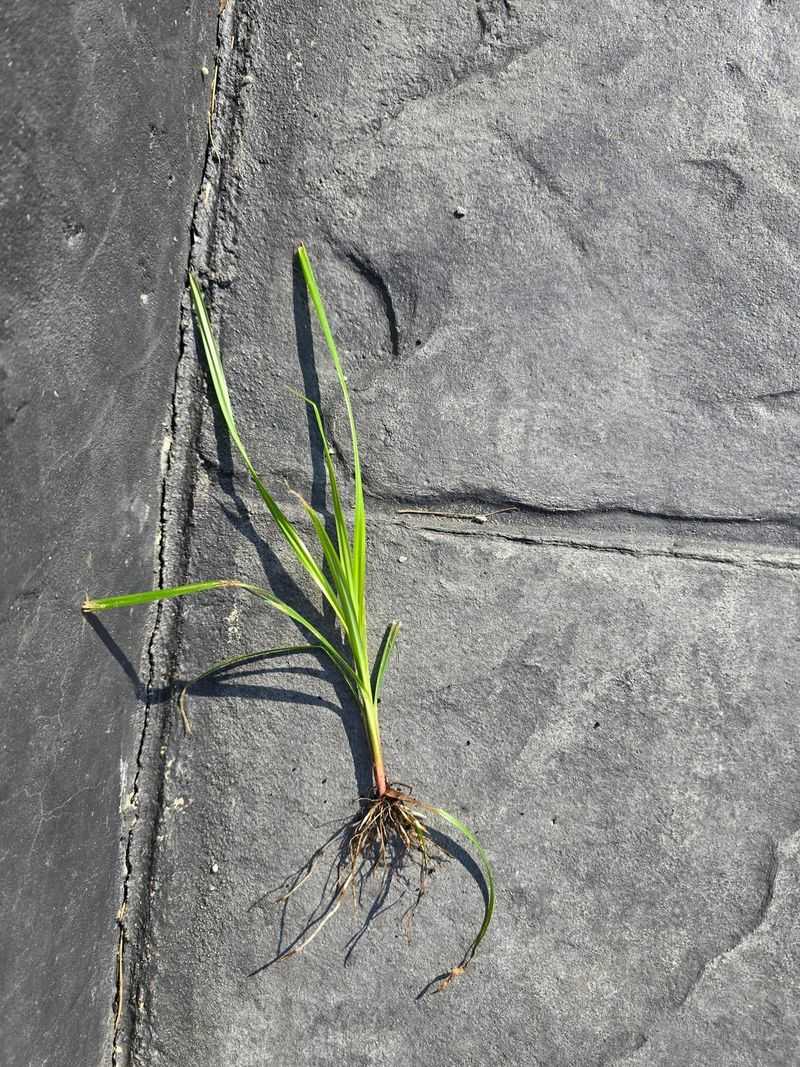
Picture a magician pulling a scarf from a hat, and the hat keeps refilling. Pulling nutsedge works a lot like that trick.
Underground, the plant grows small, round tubers often called nutlets. Thin runners called rhizomes connect them like strings on a necklace.
When you tug the leaves, those runners snap easily. The nutlets stay buried, tucked safely in the dirt where you cannot see them.
Each leftover nutlet acts like a tiny battery full of stored energy. Before long, it sends up a fresh shoot to replace the one you pulled.
Worse still, one pulled plant can leave several nutlets behind. So your hard work might accidentally create more weeds than you started with.
Your Virginia Garden Changes Every Week. Your Plan Should Too.
Gardening in Virginia changes quickly throughout the season. Every Friday you’ll receive a simple weekly plan showing exactly what to plant, prune, fertilize, harvest, and protect so you never miss the right timing.
Gardeners often feel tricked by this. They see a clean patch one day and a bigger crop the next week.
If you must remove it by hand, use a trowel or narrow shovel. Dig around the clump and lift the soil instead of yanking the stem.
Shake the dirt gently over a bucket. Pick out any round brown nutlets you find before tossing the soil back.
Bag those nutlets and put them in the trash. Composting them is risky, since many piles do not get hot enough to stop them.
Moist soil makes digging easier, so try after a light rain. Loose, damp earth lets the nutlets slide out without breaking free from the runners.
Patience pays off here. Small, careful digs beat quick, angry pulls every single time you head outside.
Triangular Stems Give It Away
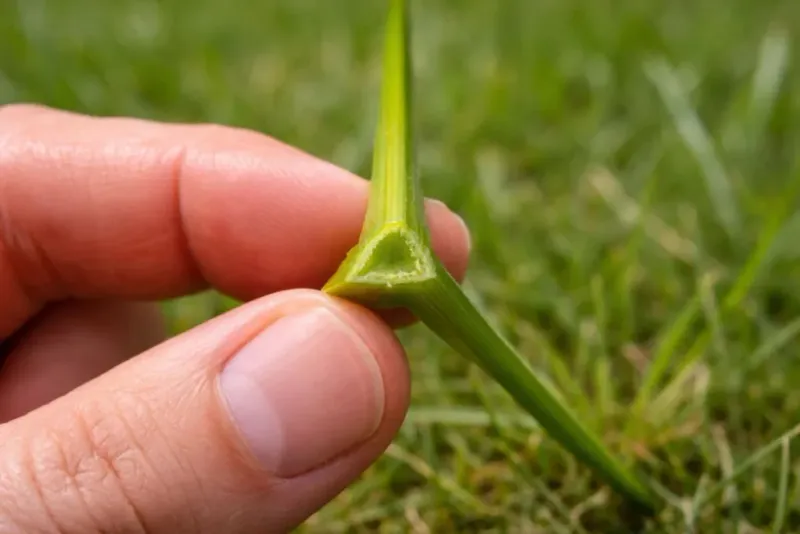
Old gardeners love a little rhyme: sedges have edges. That short saying might be the handiest identification tip you ever learn.
Grab a stem and roll it slowly between your thumb and finger. If you feel three flat sides with clear edges, you have found nutsedge.
True grasses feel different in your hand. Their stems are usually round or flat and roll smoothly without any corners.
For a closer look, snip a stem with scissors. The cut end shows a neat little triangle, almost like a slice of pizza.
Kids enjoy this test, so make it a backyard game. Hand them a few stems and let them sort grass from sedge.
Other clues help confirm what you see. Nutsedge leaves grow in sets of three from the base, creating a tidy fan shape.
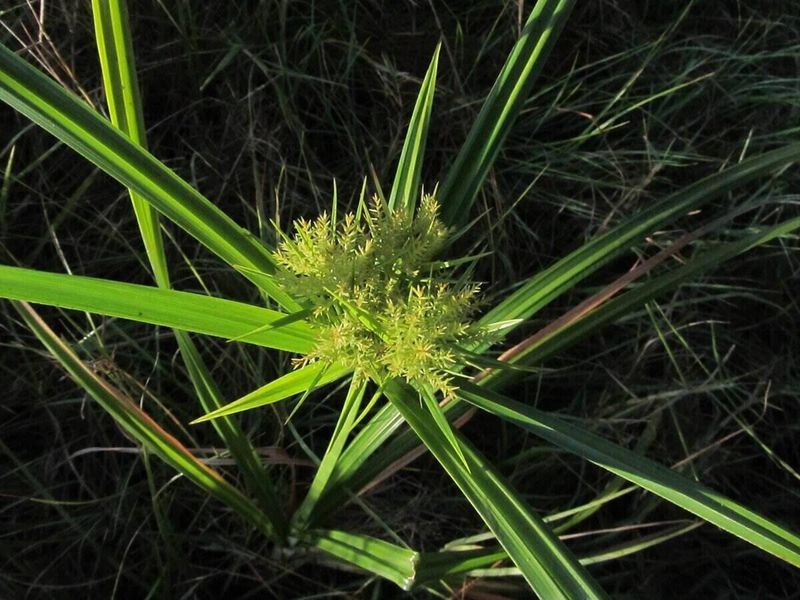
Later in summer, you might spot spiky, golden-brown flower heads on top. They look a bit like tiny fireworks frozen in place.
Purple nutsedge can also show up in some yards. Its flowers lean reddish-purple, and its nutlets form in chains along the runners.
Both types share the triangle stem trick. Knowing which one you have matters, since purple nutsedge can be even harder to manage.
Take a minute to check several clumps in different spots. You may find one patch of sedge beside regular crabgrass that only looks similar.
Getting this right saves effort later. A quick finger test costs nothing and points you toward the right plan.
It Thrives In Wet, Poorly Drained Spots
Got a soggy corner where puddles linger after every storm? Chances are good that nutsedge has already moved in there.
Wet ground is like a welcome mat for this weed. It loves low spots, clay soil, and places where water sits for hours.
In many yards, the trouble starts near downspouts or leaky spigots. Spots beside sprinkler heads that run too long also attract it.
Once settled, the weed grows bolder. It slowly creeps outward into drier parts of the lawn and garden beds.
Soil type barely slows it down. Nutsedge handles sandy coastal soils and heavy red Virginia clay with the same stubborn energy.
Think of a nutsedge patch as a message from your yard. It often points straight to a drainage problem you may not have noticed.
Here is a simple test you can try. After a good rain, walk the yard and mark any spot still squishy a day later.
Compare your marks with where the weed grows thickest. Most people find a close match, which tells them where to focus.
Watering habits matter too. Shallow, daily watering keeps the surface damp and makes nutsedge feel right at home.
Try watering deeply but less often instead. Early morning watering also lets the grass dry out during the day.
Paying attention to wet zones gives you a smart head start. You can tackle the cause instead of only chasing leaves.
One Plant Can Produce Hundreds Of New Tubers
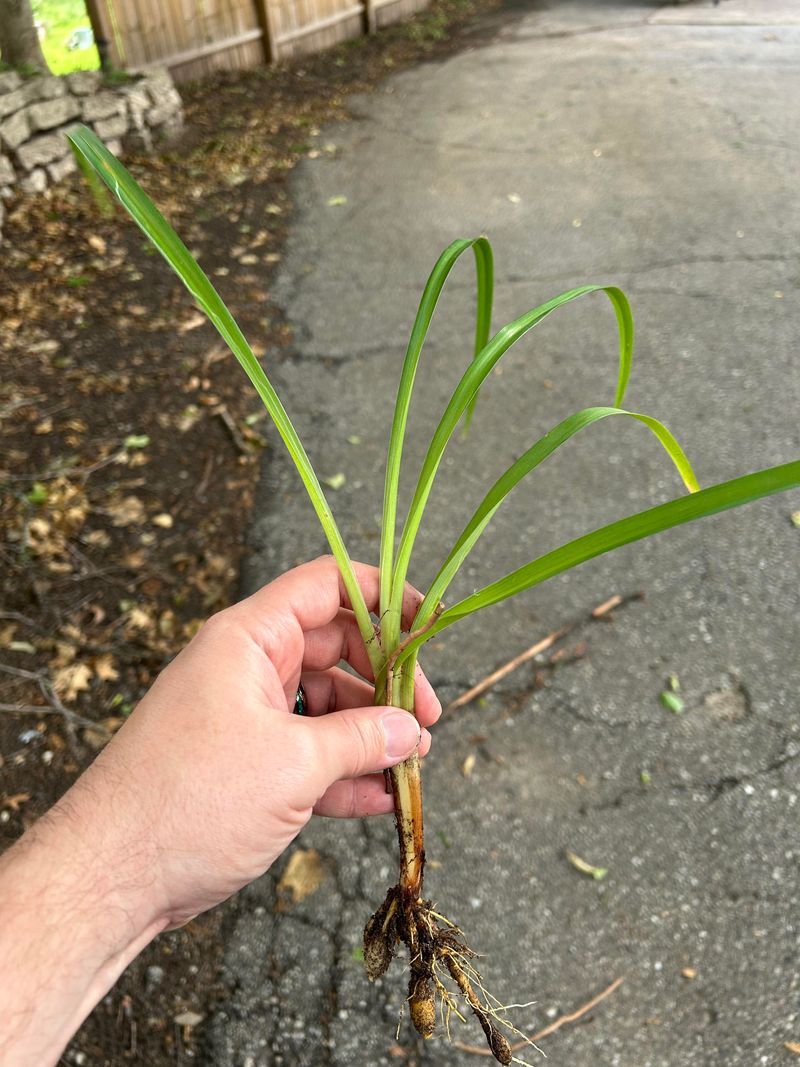
Here is a number that might make you groan. A single nutsedge plant can create several hundred new tubers in one season.
Some research suggests the count can climb into the thousands. That happens quietly underground while you are busy mowing above.
Each nutlet is a backup plan for the weed. If the top gets damaged, buried nutlets stand ready to sprout.
And they do not run out of time quickly. Many stay alive in the soil for several years, with some sources claiming over ten.
That long shelf life explains a lot. You might clear a bed, then see the weed return two summers later.
Think about how this adds up. One ignored clump in June can turn into a whole patch by next year.
The good news is that numbers can work for you too. Every plant you stop early means hundreds fewer nutlets later.
Moving soil is a big way these nutlets travel. Tillers, shovels, and even shoe treads can carry them to fresh ground.
Clean your tools after working in an infested area. A quick rinse with the hose takes less than a minute.
Be careful with bagged topsoil or fill dirt from unknown sources. Ask suppliers whether their soil is screened for weeds.
Fun fact: a close cousin, called tiger nut, is grown as food in some countries. People even make a sweet drink from its nutlets.
Your backyard version, though, is best kept out of the garden.
Dig Deep Before Plants Reach Five Leaves
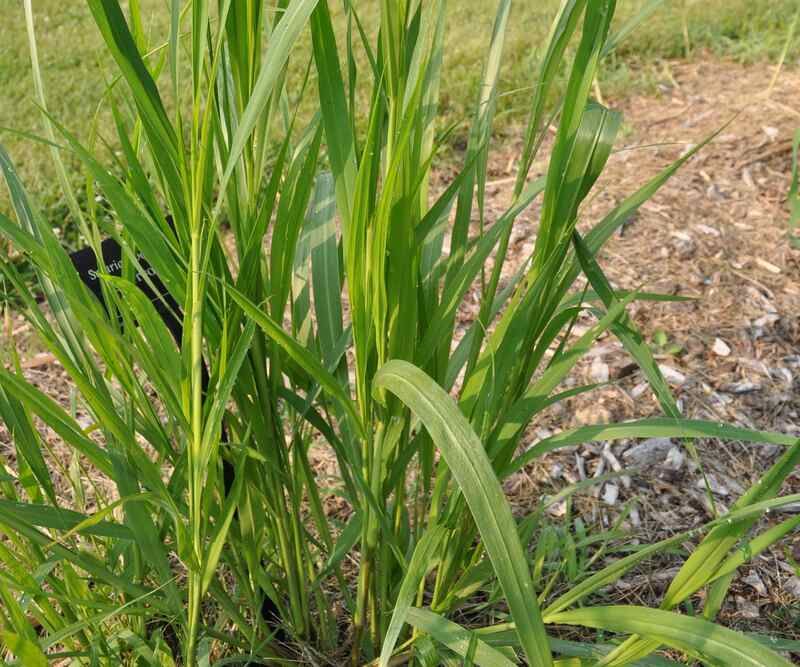
Timing is everything with this weed, a bit like catching a bus. Show up early and the ride is easy.
Young nutsedge plants have not built their underground supply yet. Most stop short of forming new nutlets until they reach about five or six leaves.
So count those leaves when you spot fresh shoots. If you see three or four, you have a golden window to act.
Grab a narrow trowel or a dandelion digger. Push it deep beside the plant, aiming several inches below the surface.
Lift the whole plug of soil gently. Then crumble it with your fingers to catch the original nutlet hiding inside.
In Virginia, these early shoots usually appear in late spring. Mark your calendar for weekly checks starting around mid-May.
Small vegetable plots respond well to light, repeated hoeing. Shallow cultivation before six leaves can wear down the nutlets over time.
Each new shoot uses up stored energy from the nutlet. Removing shoots again and again slowly drains that energy reserve.
Do not expect one round to finish the job. Plan on several passes across the season for steady progress.
A simple routine helps a lot. Walk the yard with your coffee each weekend and pull or dig any baby shoots you see.
Those ten minutes can save hours later. Early action keeps a few weeds from turning into a sprawling carpet.
Fixing Drainage Makes It Less Welcome
Imagine throwing a party and forgetting to send invites. Fixing drainage is a lot like that for nutsedge, since the weed stops feeling welcome.
Start with the easy stuff. Extend downspouts so roof water flows away from your lawn and garden beds.
Check for leaky faucets and broken sprinkler heads. A slow drip can keep one corner soggy all summer long.
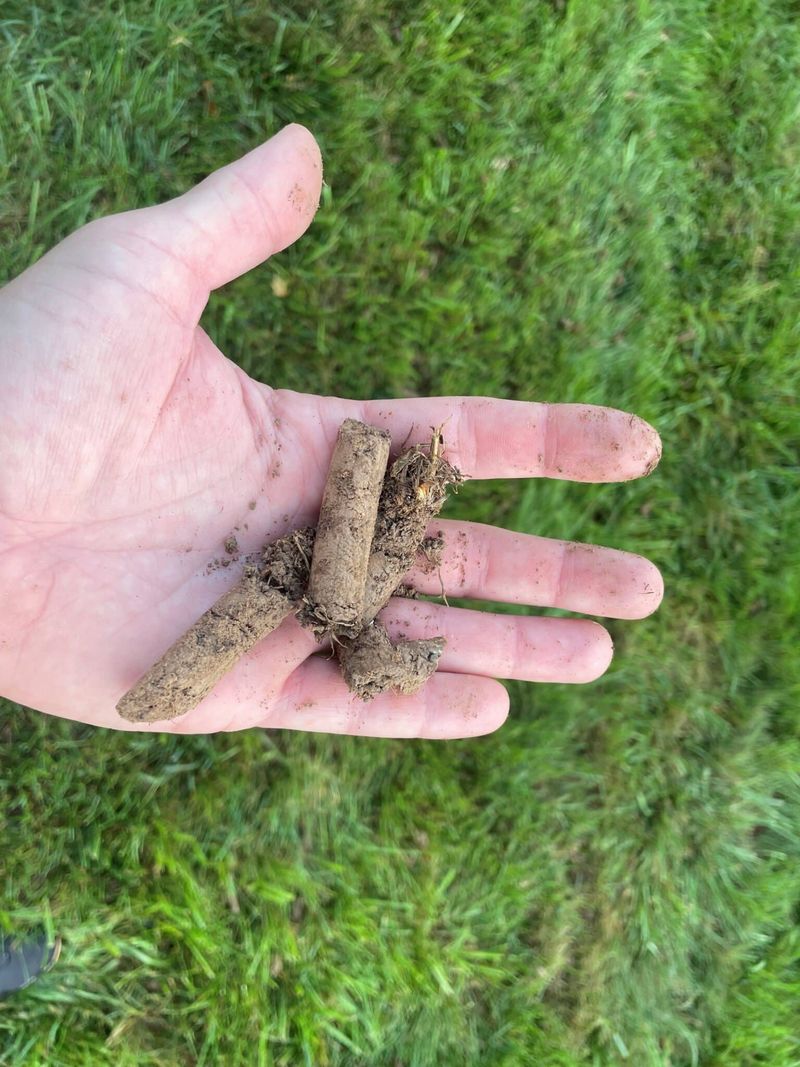
Heavy clay soil holds water like a sponge. Core aeration pulls out small plugs and lets water soak down instead of pooling.
Many lawn pros suggest aerating cool-season grass in early fall. Adding compost afterward helps loosen the soil even more.
For stubborn wet spots, think bigger. A French drain or rain garden can redirect water and turn a problem into a pretty feature.
Healthy grass is another strong defense. Thick turf shades the soil and crowds out weeds looking for space.
Get a soil test from your local extension office. It tells you exactly which nutrients and pH level your lawn needs.
Fertilize based on those results, not guesswork. Proper feeding helps grass grow dense enough to compete.
Mowing height matters as well. Keeping tall fescue around three to four inches gives it extra muscle against invaders.
None of these steps will wipe out nutsedge overnight. Still, they tip the balance so your grass wins more battles than the weed.
Over a season or two, you should notice fewer bright clumps popping up.
Thick Mulch Slows It But Won’t Stop It
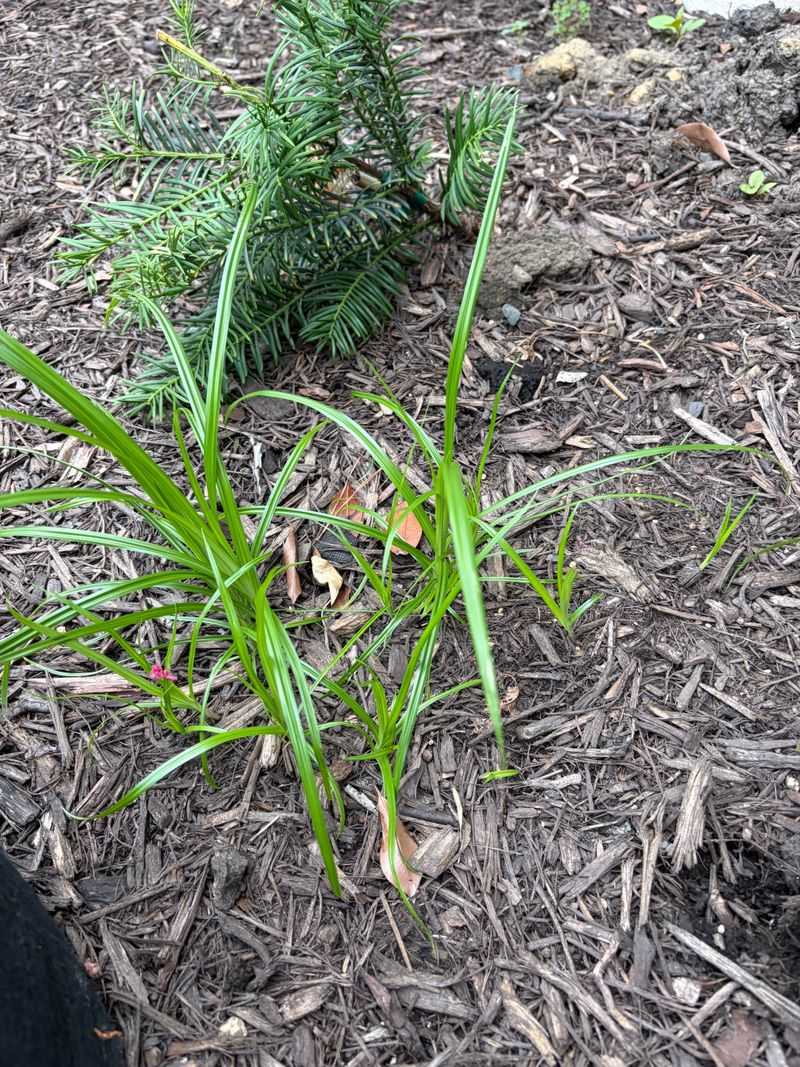
Mulch feels like a magic blanket for most weeds. Nutsedge, sadly, did not get that memo.
Those buried nutlets pack a lot of stored energy. Their sharp shoots can poke right through wood chips, straw, and shredded bark.
Gardeners often post photos of spiky green blades rising through fresh mulch. It looks almost like the weed is showing off.
Still, mulch is not useless here. A thick layer slows things down and makes the weed easier to spot and remove.
Aim for about three inches of organic mulch in beds. Thin layers barely bother nutsedge at all.
Landscape fabric helps a little, but shoots can pierce it too. Their pointy tips act like tiny spears.
Black plastic sheeting works better in vegetable gardens. Thick polyethylene blocks light and gives nutsedge a much harder time.
Some growers pair mulch with a pre-emergent product. That combo often offers stronger control than mulch alone.
Watch the edges of plastic or fabric closely. Shoots love to sneak out through planting holes and seams.
Pull or dig any that escape right away. Catching them early stops new nutlets from forming under your cover.
Think of mulch as a speed bump, not a brick wall. It buys you time, keeps soil moist for plants, and makes beds look neat.
Used with other tactics, it becomes a helpful part of a bigger plan.
Selective Herbicides Work Better Than Pulling
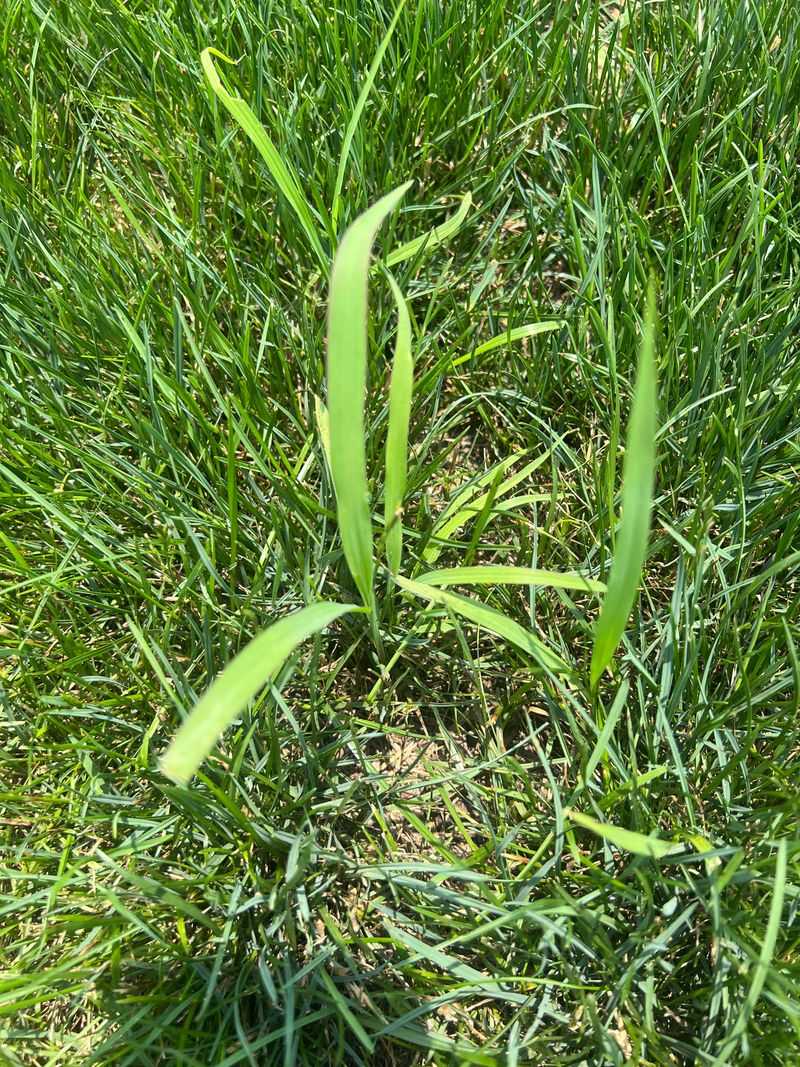
Sometimes the smartest move is admitting your hands are not enough. For large patches, selective herbicides usually beat pulling by a wide margin.
Look for products made especially for sedges. Halosulfuron, found in Sedgehammer, and sulfentrazone, found in Image, are common choices.
These products are systemic, meaning they travel inside the plant. They move downward and reach the nutlets that pulling leaves behind.
Glyphosate is a different story. It moves through the plant too, but it reaches few of the buried nutlets and gives only modest control.
It also harms your grass, so it is a poor fit for lawns. Selective products target sedges while leaving most turf safe.
Read the label carefully before you spray. It lists which grasses tolerate the product and how much to use.
Spray when plants are young and actively growing. Hold off on mowing for a couple of days before and after treatment.
Many products work better with a surfactant added. That helper liquid makes spray stick to the slick, waxy leaves.
Expect to repeat treatments. Most yards need several applications across two or more seasons for lasting control.
Wear gloves and follow every safety note on the label. Keep kids and pets off treated areas until the spray dries.
Virginia Cooperative Extension offices can suggest products suited to your grass type. Their advice is free and tailored to local conditions.
Steady, patient treatment brings the best payoff.
Summer Is When It Grows Fastest
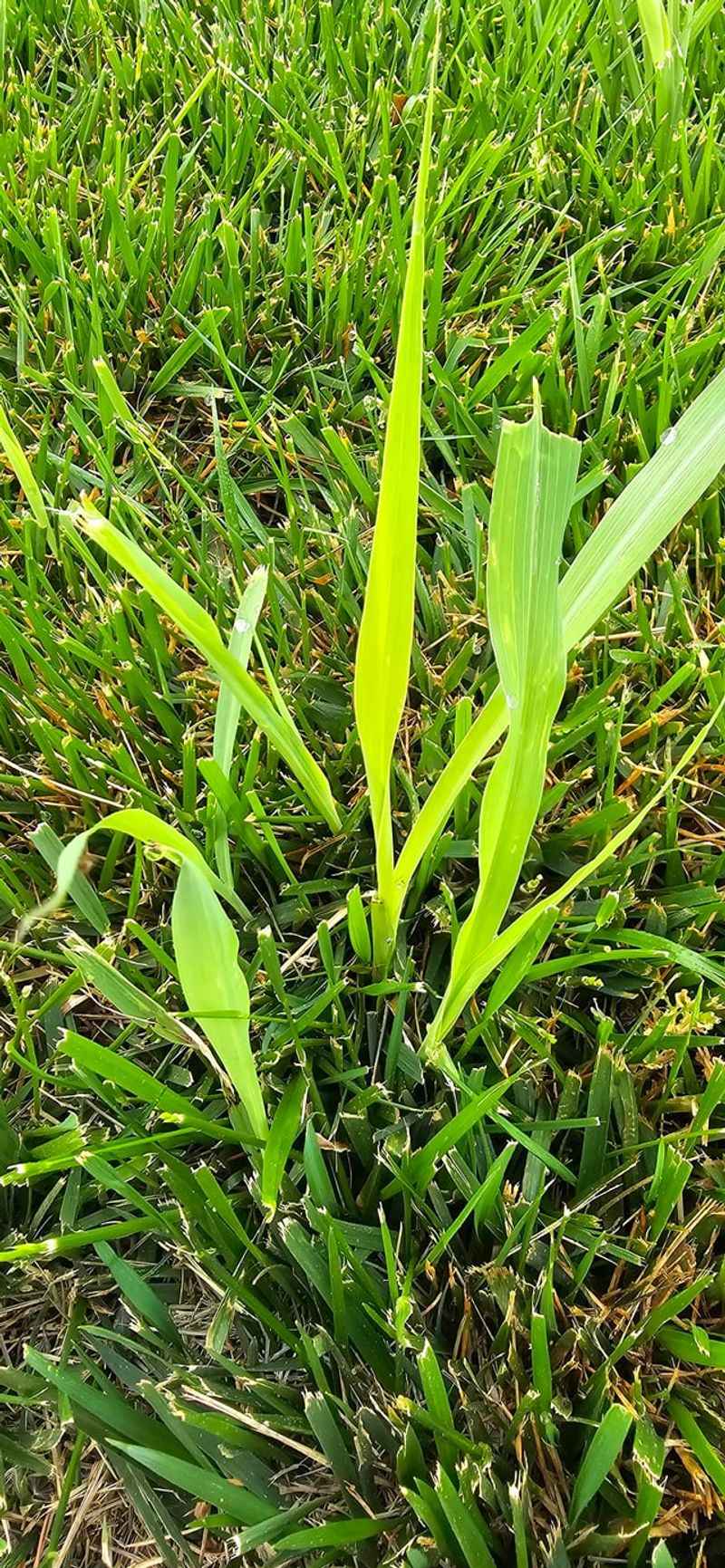
Hot, sticky Virginia summers make most of us slow down. Nutsedge does the opposite and kicks into high gear.
As a warm-season perennial, it wakes up when soil warms in late spring. By June, it often grows faster than anything else in the yard.
Cool-season grasses like tall fescue tend to struggle in summer heat. That slowdown gives nutsedge an open door to take over.
Two days after mowing, you may already see bright blades towering over the lawn. Their quick growth makes patches easy to notice.
Use that visibility to your advantage. Summer is the season to scout, treat, and dig while the plants are actively feeding.
Herbicides work best on these lively, growing plants. Treating in early to mid-summer hits them before many new nutlets form.
Avoid scalping your lawn during heat waves. Taller grass stays stronger and shades out some of those eager shoots.
When fall frost arrives, the leaves brown and fade away. Many folks relax, thinking the problem has finally gone.
Underground, the nutlets are simply napping. They rest through winter and wait for spring warmth to try again.
Keep a simple yard journal each season. Note where patches showed up and what treatments you used.
That record makes next year easier to plan. With steady effort, your lawn can slowly shift back toward healthy green grass.
Small wins add up to a yard you actually enjoy.