The Underrated Herb North Carolina Gardeners Are Growing To Handle Water Restrictions

With drought conditions and water restrictions affecting parts of North Carolina this year, many gardeners are turning to a drought-tolerant herb that requires far less irrigation than typical garden vegetables.
This particular herb has deep, established root systems once mature, allowing it to access moisture well below the surface long after topsoil has dried out.
It also tends to thrive in the kind of lean, well-draining soil that many other plants struggle with during extended dry periods.
Because it needs so little supplemental watering once established, it’s become a practical choice for gardeners trying to maintain some productivity despite ongoing restrictions.
This resilient herb offers a way to keep gardening meaningfully even when water use has to stay limited.
1. Rosemary Needs Less Water Once Established

Once rosemary settles into a garden, it becomes wonderfully low-maintenance. Its roots become well established over time, helping it handle dry periods better once the plant is mature.
Many herbs like basil and cilantro wilt fast when the ground gets thirsty. Rosemary handles those same dry stretches with barely a shrug.
That difference matters a lot when your county sets limits on how often you can run the hose.
The secret lies in how the plant stores and uses water. Rosemary’s narrow, waxy leaves reduce water loss, helping the plant tolerate dry conditions.
This built-in protection lets it push through long gaps between watering without looking sad or stressed.
Gardeners in North Carolina appreciate this because summer weather can swing between soaking storms and dry, baking days. A plant that copes with both keeps your garden looking green without draining the water supply.
Give a young rosemary plant a full season to grow strong roots, and it rewards you with real independence.
After that point, you can often skip regular watering and let rainfall do most of the work. During the hottest weeks, a deep soak now and then keeps it happy.
This easygoing habit makes rosemary a smart pick for anyone trying to garden responsibly. You get fresh herbs for cooking, a pleasant scent in the yard, and a plant that respects tight water rules. Few herbs offer that kind of balance.
2. Its Mediterranean Origin Explains Its Drought Tolerance
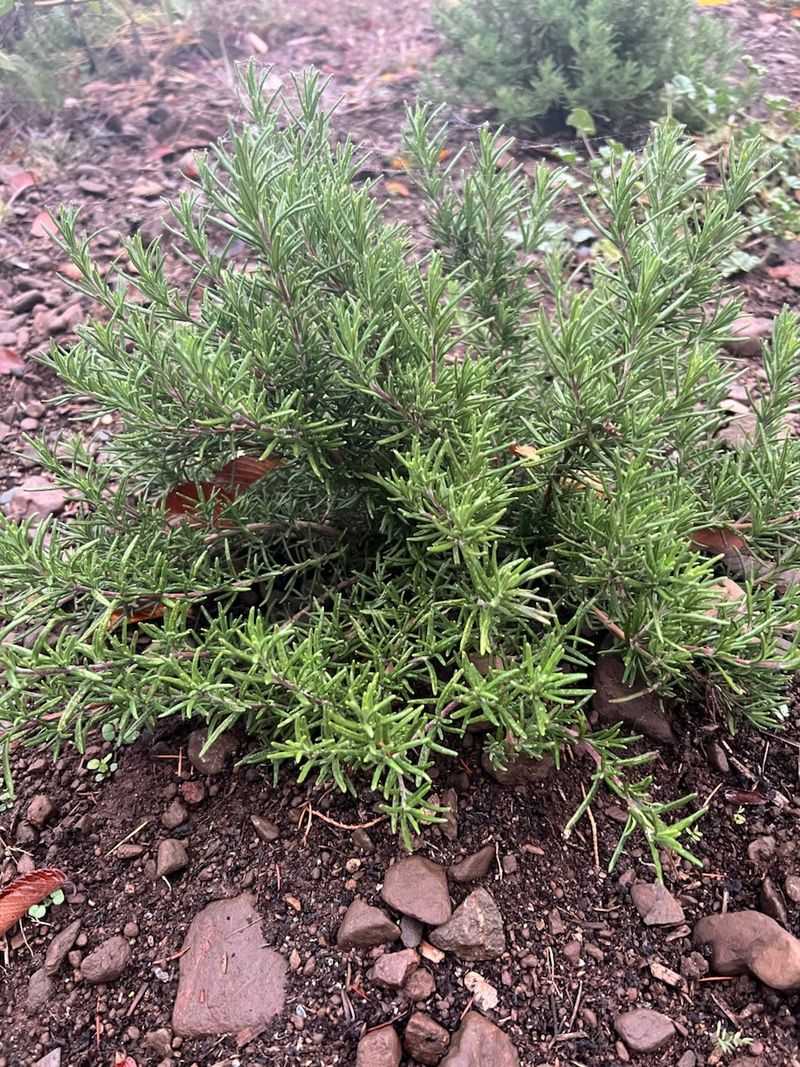
Rosemary comes from the sunny coasts around the Mediterranean Sea, where rocky hills bake under bright skies for months. That homeland shaped everything about how this herb survives.
In those places, rain often disappears for long stretches, and the soil stays lean and dry. Plants that lived there had to learn how to make the most of little water. Rosemary became a champion at exactly that.
Over time, it developed narrow leaves with a waxy coating that slows water loss. Those same leaves give off that famous piney smell you notice when you brush past the plant. So the scent you love is actually part of its survival toolkit.
When you grow rosemary in North Carolina, you are basically giving it a taste of home whenever the weather turns hot and dry. Warm days and plenty of sun feel natural to this herb, so it keeps growing while thirstier plants struggle.
Your North Carolina Garden Changes Every Week. Your Plan Should Too.
Gardening in North Carolina changes quickly throughout the season. Every Friday you’ll receive a simple weekly plan showing exactly what to plant, prune, fertilize, harvest, and protect so you never miss the right timing.
Knowing where rosemary came from helps you treat it right. Instead of babying it with constant watering, you can let it lean on its natural strengths.
It actually prefers a bit of tough love over a pampered, soggy life. This connection to a dry, sunny climate is the reason rosemary fits so neatly into water-conscious gardens. You are working with the plant’s nature, not against it.
That partnership means less effort for you and a steady supply of fragrant herbs, even when the skies stay clear for weeks at a time.
3. Good Drainage Is More Important Than Constant Water

Here is something that surprises new gardeners: rosemary cares far more about drainage than about frequent watering. Soggy soil is its biggest enemy, not dryness.
When water sits around the roots for too long, the plant struggles to breathe. Its roots start to rot, and the whole bush can decline even though it looks like it is getting plenty of moisture. Too much love, in this case, backfires.
Well-drained soil lets extra water flow away quickly, keeping the roots healthy and happy. That kind of setup also means you can water less often, because the plant never feels waterlogged between drinks.
To create good drainage, mix some sand or fine gravel into heavy clay soil, which is common across parts of North Carolina. Raised beds and containers work great too, since they naturally shed extra water faster than flat ground.
Think of it this way: rosemary would rather be a little thirsty than sit in a puddle. Once you give it loose, airy soil, it forgives you for skipping the hose on busy days.
This trait ties directly into handling water restrictions. A plant that thrives with occasional watering and quick-draining soil fits perfectly into a low-water garden plan.
You spend less time worrying and less water keeping it alive. Check your soil before planting by watering a spot and seeing how fast it drains. If puddles linger, improve the area first.
Getting drainage right from the start sets your rosemary up for years of steady, carefree growth.
4. Full Sun Helps Rosemary Thrive
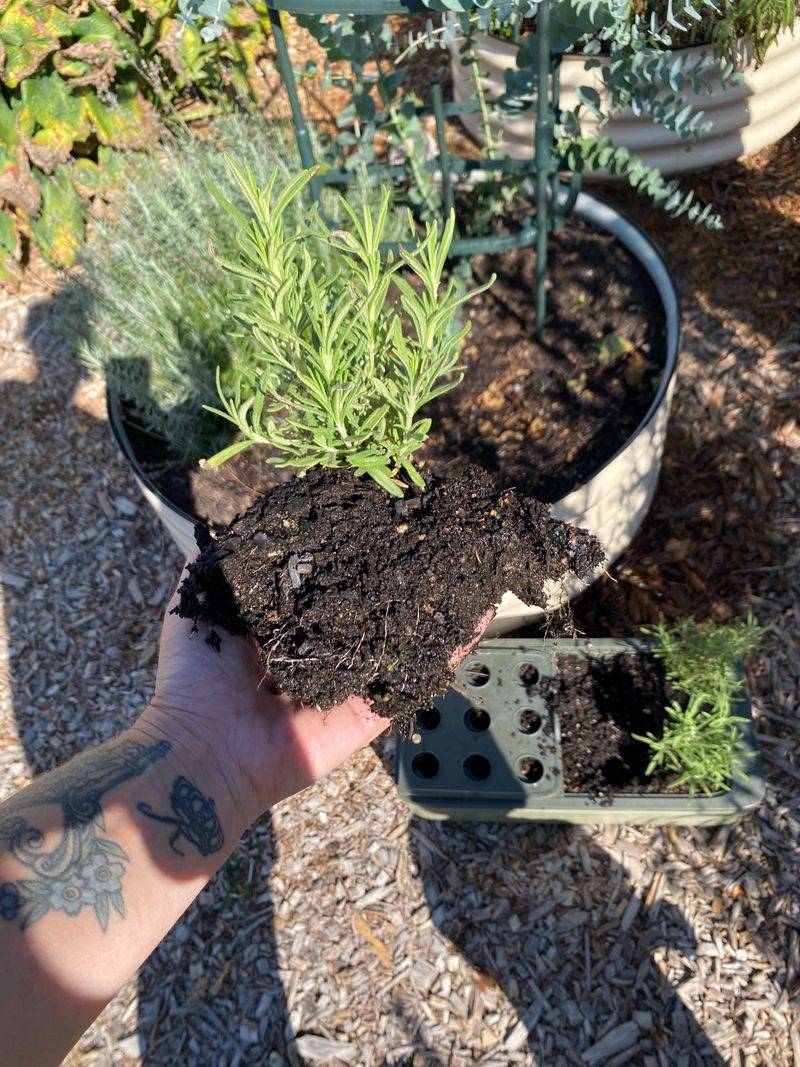
Sunshine is rosemary’s best friend. Give this herb a spot that soaks up six to eight hours of direct light each day, and it grows sturdy, bushy, and full of flavor.
Plants grown in shady corners tend to stretch out and look thin and floppy. They also hold onto moisture longer, which can lead to the very root troubles rosemary hates. A sunny home fixes both problems at once.
Bright light helps the plant dry out its leaves and soil surface quickly after rain or watering. That quick drying keeps the roots healthy and lowers the chance of disease.
Sun and good drainage really work as a team. Strong sunlight also boosts those fragrant oils packed inside the leaves. So a rosemary bush in a bright spot smells and tastes better than one hiding in the shade.
Cooks definitely notice the difference. In North Carolina, most yards get plenty of sun, which makes rosemary an easy match. Pick an open area away from tall trees or fences that cast heavy shadows during the day.
Here is a nice bonus: a sun-loving plant handles dry weather better because it is already used to intense light and heat. That toughness lines up perfectly with water-saving goals.
When you plan your garden, save your sunniest, warmest spot for rosemary. It will reward you with dense growth, plenty of harvestable stems, and a strong ability to shrug off dry days.
Few herbs make such good use of sunshine while asking for so little water in return.
5. New Plants Still Need Regular Water
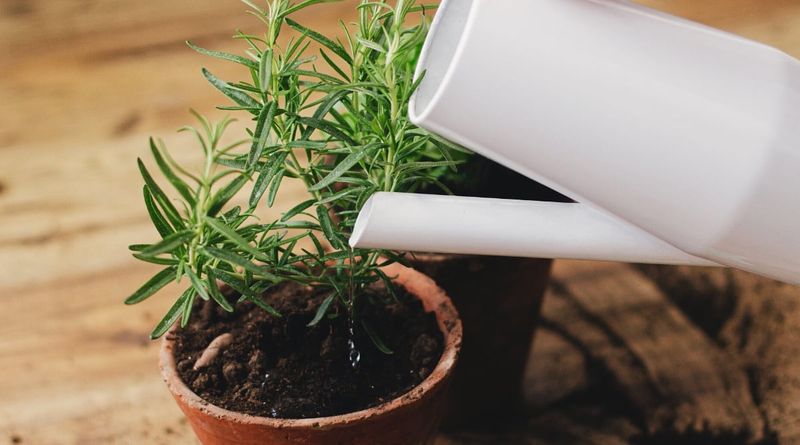
Drought-tolerant does not mean drought-proof, especially for a young rosemary just starting out. During those first weeks, the plant still needs steady moisture to build its underground foundation.
A brand-new rosemary has shallow, short roots that cannot yet reach deep water. If the soil dries out completely too soon, the little plant struggles before it ever gets strong. Patience pays off here.
Plan to water a new rosemary regularly for the first few months. Keep the soil lightly moist but never soggy, letting the top layer dry a bit between drinks. This gentle routine encourages roots to spread down and out.
As those roots grow deeper, the plant slowly earns its independence. By the end of the first season, most rosemary plants can handle much longer dry stretches on their own. That transition is the whole payoff.
Timing matters too. Planting in spring or early fall gives rosemary cooler weather and natural rain to help it settle in without stress.
Summer planting works, but it means more careful watering while temperatures climb.
Think of this early care as a short-term investment for long-term savings. A few weeks of attention now leads to years of low-water growth later.
That trade-off is well worth it during water restrictions. Watch your young plant closely and adjust based on the weather. After a rainy stretch, hold off.
During a dry, hot week, offer a good soak. Once your rosemary is established, you can finally relax and let it fend mostly for itself.
6. Mulch Can Reduce Water Loss
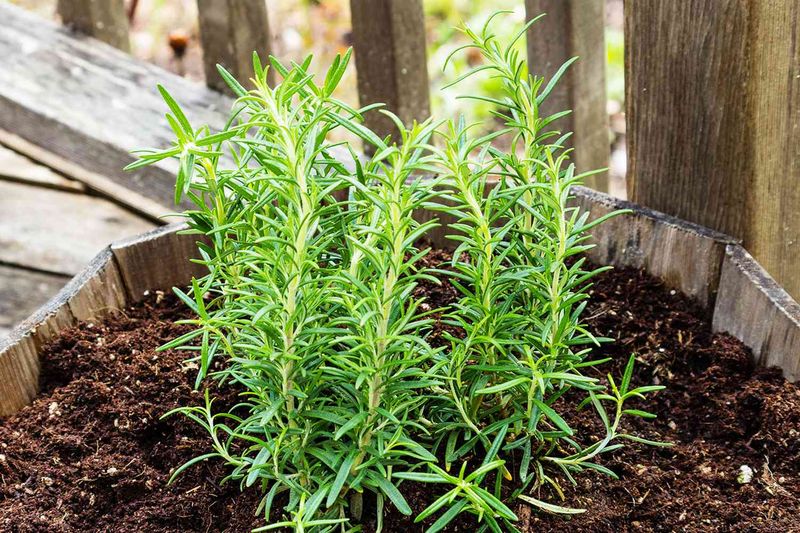
A simple layer of mulch can work wonders for a water-wise rosemary bed. Spread around the plant, it acts like a cozy blanket that keeps moisture in the soil where roots can use it.
On hot days, bare soil loses water fast as the sun bakes the surface. Mulch slows that evaporation way down, so the ground stays damp longer after each watering or rainfall.
It also helps keep soil temperatures steady, protecting roots from wild swings between scorching afternoons and cooler nights. Steady soil means a calmer, healthier plant overall.
Use an organic mulch like bark chips, straw, or shredded leaves. As these materials break down over time, they gently improve the soil too, giving you extra benefits for free.
One important tip: keep mulch pulled back a few inches from the woody base of the rosemary. Piling it right against the crown traps too much moisture there and can invite rot, which is exactly what this herb wants to avoid.
A layer about two inches thick usually does the job nicely. That is enough to lock in moisture without smothering the plant or blocking air from reaching the soil.
For North Carolina gardeners juggling water limits, mulch stretches every drop further. You water less often, yet the plant still gets what it needs. That is a smart win during dry summer months.
Refresh the mulch once a year as it settles and thins out. This tiny bit of upkeep keeps your rosemary comfortable and helps your whole garden hold onto precious water.
7. Avoid Overwatering During Rainy Periods
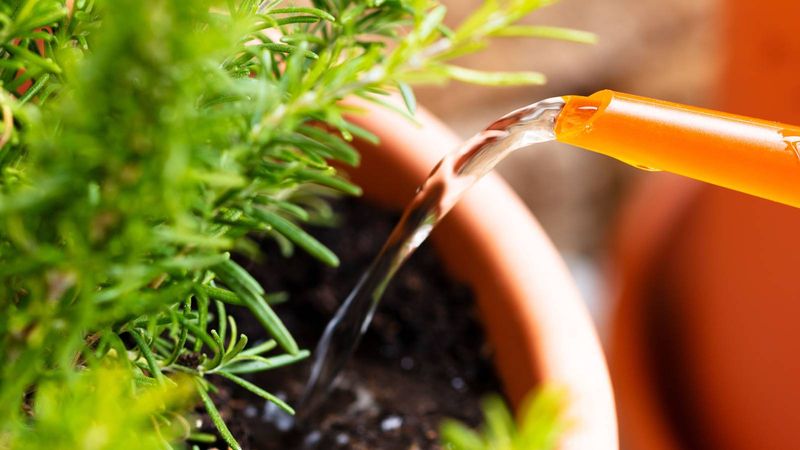
Rain can be a gardener’s best helper, but it also fools people into overwatering. When storms roll through North Carolina, the soil often holds plenty of moisture already.
Adding more water on top of soaked ground is a common mistake. Rosemary sitting in wet soil for too long faces the same root troubles it hates, and that can undo all your careful planting.
The fix is easy: check the soil before you ever grab the hose. Push a finger a couple of inches into the dirt near the plant. If it feels damp, hold off and let nature handle things.
Only water when the soil feels dry beneath the surface. This simple habit saves water and keeps your rosemary in the healthy, slightly dry conditions it prefers.
During rainy weeks, you might not need to water at all. Let the clouds do the work while you enjoy a break from garden chores. Your plant will thank you for the restraint.
Rainy spells also remind us that plants do not run on a strict schedule. Watering by the calendar ignores what the weather is actually doing. Watering by feel matches the plant’s real needs.
This approach fits perfectly with water restrictions, since you naturally use less by skipping unneeded watering. You stay within the rules without any extra effort.
Keep an eye on the forecast too. If heavy rain is coming, there is no reason to water beforehand. A little awareness goes a long way toward keeping rosemary happy and your water use low.
8. Rosemary Can Replace Thirstier Herbs In Some Beds
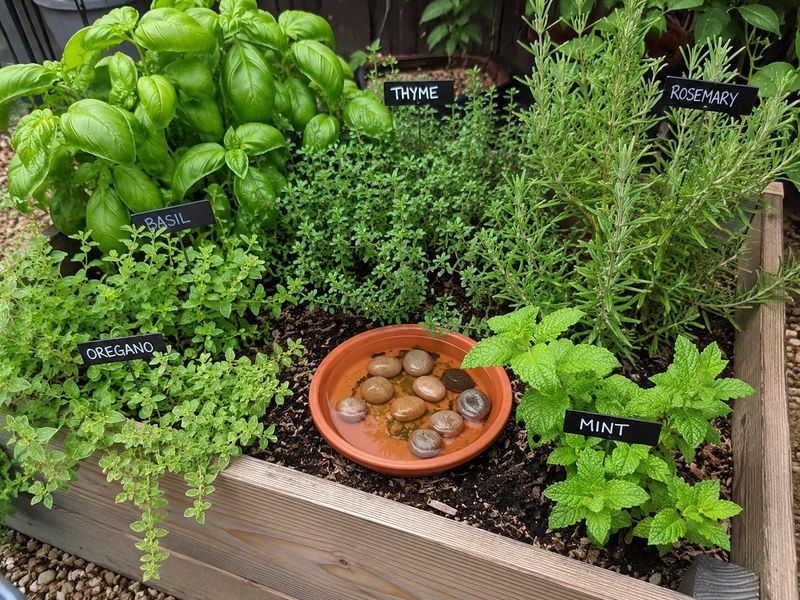
Swapping thirsty plants for rosemary is one of the smartest moves a water-conscious gardener can make. Where you once grew herbs that demanded daily watering, a rosemary bush stays lush with far less fuss.
Pair it with other tough, low-water herbs like thyme, oregano, sage, and lavender. Together they create a fragrant garden bed that sips water instead of gulping it. Your whole planting becomes easier to maintain.
These herbs share similar needs, which makes grouping them a clever idea. They all love sun, good drainage, and only occasional watering, so you can care for the entire bed with one simple routine.
The result is a beautiful, useful garden that respects tight water rules. You still snip fresh herbs for cooking while cutting back on the amount of watering the space requires.
Still, plant choice should always match your specific spot. Look at how much sun the area gets, how the soil drains, and how quickly water moves through it. Even drought-tolerant herbs struggle in the wrong conditions.
Before you dig in, test the site by watching how it handles rain and sun over a few days. A little observation helps you place each plant where it will truly thrive.
For North Carolina yards, this kind of low-water herb garden makes a lot of sense. It looks great, smells amazing, and keeps your water bill and usage down all season.
Rosemary anchors the whole design with its sturdy, year-round presence. Build your bed around it, and you gain a garden that handles dry spells with ease and rewards you with flavor.