15 Fruit Trees Arizona Gardeners Plant Once And Harvest From For Years In Rock-Hard Caliche
Growing fruit in Arizona sounds tough when your shovel bounces off rock-hard caliche and the sun cooks everything by June. The good news is that plenty of fruit trees actually love this heat and shrug off our alkaline desert soil.
Once they settle in, these trees pay you back with baskets of fruit year after year with very little fuss. Here are 15 tough, water-wise fruit trees that low-desert gardeners can plant once and enjoy for a long time.
1. Pomegranate
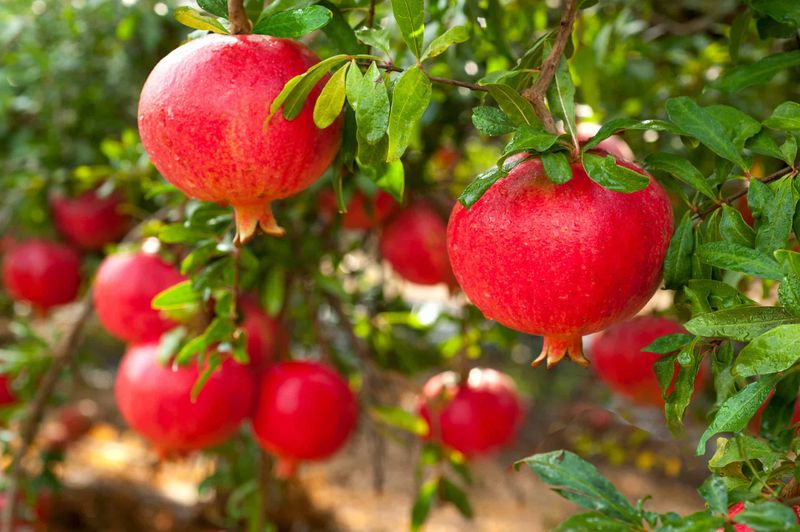
Few trees laugh at Arizona heat quite like the pomegranate. It soaks up full sun, brushes off alkaline soil, and keeps fruiting even when the water bill makes you nervous.
The classic ‘Wonderful’ variety loads its branches with glossy red fruit every fall, and the leathery rind protects the juicy seeds inside from cracking heat. Once its roots break through the caliche, this tree becomes remarkably drought-tolerant, needing far less pampering than most orchard trees.
Pomegranates also earn their spot as a working plant, not just a pretty one. The dense, thorny growth gives songbirds a safe place to nest, and the fiery orange spring blooms pull in bees and other pollinators when your yard needs the color.
Plant it in fall so the roots settle before summer, dig a wide hole to loosen that packed desert soil, and mulch to hold moisture. You can grow it as a tall shrub or prune it into a small tree.
With minimal care, one pomegranate can crank out fruit for decades in the low desert.
2. Fig
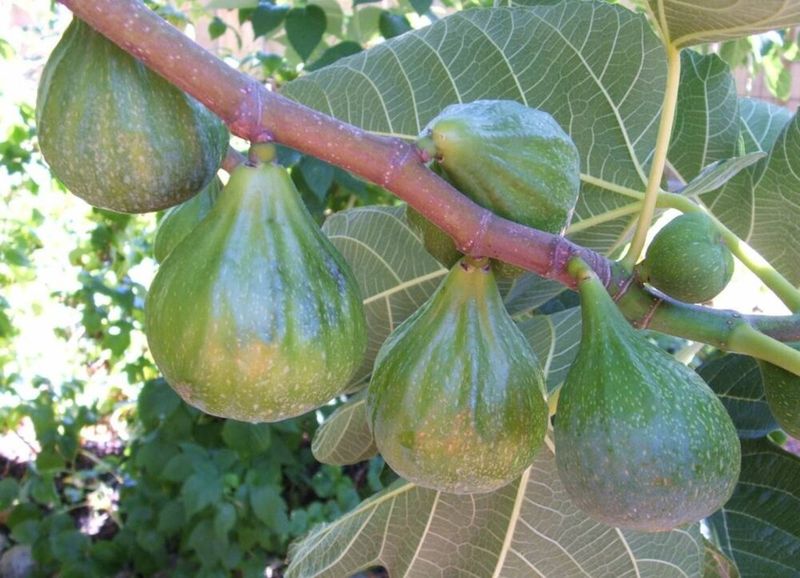
If you want a nearly foolproof fruit tree for the desert, the fig deserves a long look. It thrives in dry heat, needs very few chill hours, and rarely gets bothered by pests or disease.
Even better, figs often hand you two crops in a single year, one in early summer and another in late summer. Self-pollinating varieties like ‘Black Mission’, ‘Brown Turkey’, and ‘Kadota’ mean you only need one tree to start harvesting sweet fruit.
Figs also grow fast and cast generous shade, which is a real gift when the thermometer hits 110. That leafy canopy can cool a patio or west-facing wall while feeding your family at the same time.
Their roots handle caliche well once established, and mature figs are impressively drought-tolerant. Deep, occasional soaks beat frequent shallow watering here.
Birds love ripe figs, so you may end up sharing, though that just means more wildlife visiting your yard. Plant in fall or early spring, give it room to spread, and this tough tree will reward you for many years.
3. Lemon
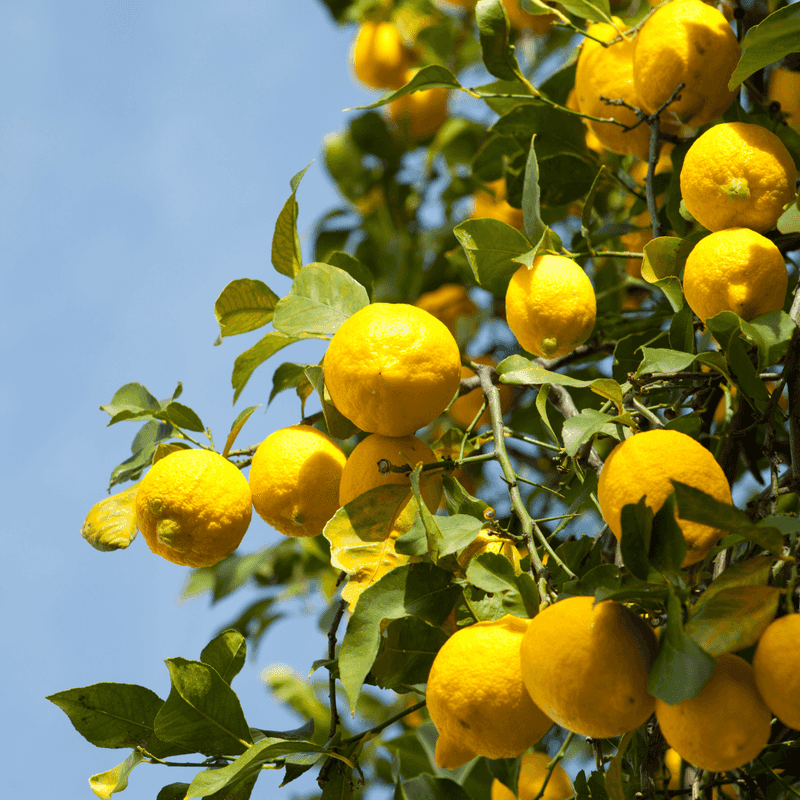
Ask any longtime Phoenix gardener for an easy first fruit tree, and lemons usually top the list. They handle relentless sun, produce heavily, and live for decades with just basic care.
‘Eureka’ and ‘Lisbon’ pump out tart, juicy fruit almost year-round, while the ‘Improved Meyer’ offers a sweeter, thin-skinned lemon perfect for cooking and drinks. A single tree can leave you gifting bags of lemons to neighbors.
Your Arizona Garden Changes Every Week. Your Plan Should Too.
Gardening in Arizona changes quickly throughout the season. Every Friday you’ll receive a simple weekly plan showing exactly what to plant, prune, fertilize, harvest, and protect so you never miss the right timing.
Citrus roots dislike soggy caliche, so plant on a slight mound or in a well-draining spot, and water deeply but not too often. A layer of mulch kept away from the trunk helps hold moisture through the worst of summer.
The fragrant white blossoms are a magnet for bees, giving your yard a busy, pollinator-friendly buzz in late winter and spring.
Young trees appreciate some afternoon shade and trunk protection from sunburn during their first couple of summers. Wrap the trunk or paint it with diluted white latex to prevent damage.
Once settled, a lemon tree becomes one of the most productive, low-fuss plants in the low desert.
4. Orange
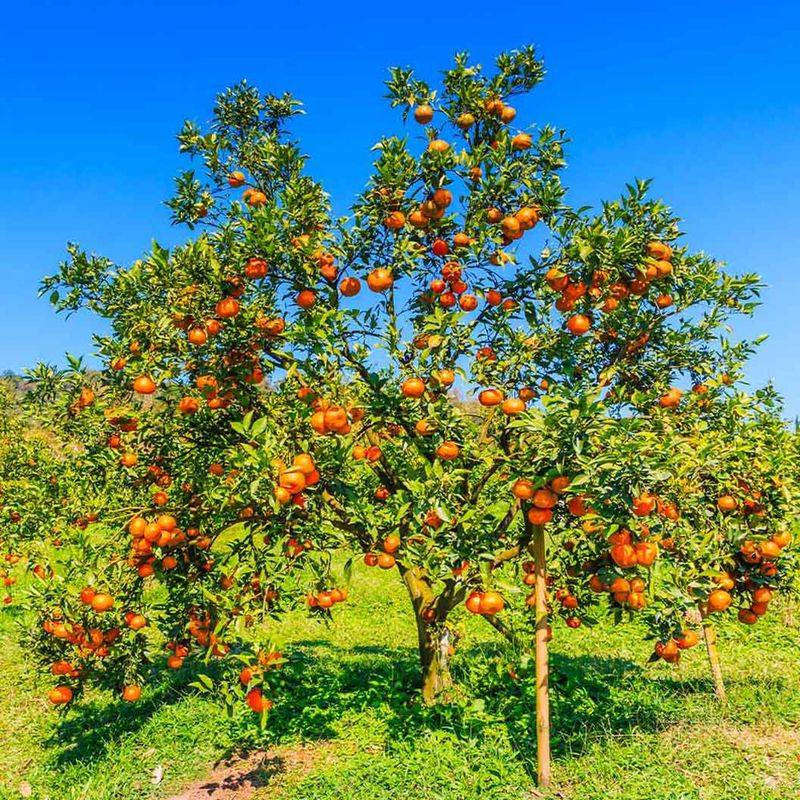
The orange tree is practically a symbol of the desert Southwest, and for good reason. It shrugs off intense heat, lives a long life, and rewards patient gardeners with heavy crops of sweet fruit.
For fresh eating, navel types like ‘Robertson’, ‘Cara Cara’, and ‘Washington’ are hard to beat. If juice is your goal, ‘Valencia’, ‘Arizona Sweet’, ‘Trovita’, or ‘Macetera’ deliver buckets of it through the season.
Oranges want good drainage, so break up that hardpan caliche when planting and set the tree a touch high to keep roots from sitting in water. Deep, spaced-out watering keeps them happy and healthy.
The waxy evergreen leaves provide year-round shade and shelter, while spring blossoms release a perfume that carries across the whole neighborhood and draws in pollinators.
Protect the trunk from sunburn and give young trees a little grace during their first summers. A frost cloth on rare cold nights guards tender fruit.
Plant in early spring or fall, and an orange tree can anchor your desert landscape and your breakfast table for generations.
5. Grapefruit
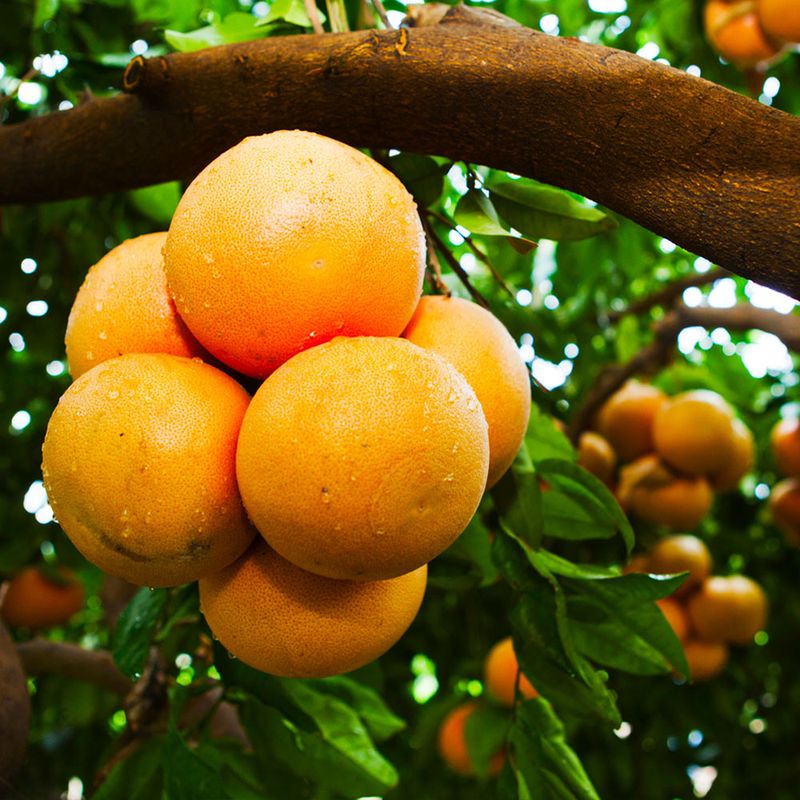
Grapefruit trees seem tailor-made for the low desert, growing large and living long while producing fruit that gets sweeter the hotter it is. Our brutal summers actually improve the flavor.
Varieties like ‘Rio Red’, ‘Oro Blanco’, and ‘Redblush’ give you juicy, honey-sweet fruit that ripens through winter, right when you crave something fresh and cool. A mature tree can be almost overwhelming in its output.
Because grapefruit trees grow big, they double as living shade for a patio or the hot side of the house. That dense canopy can knock several degrees off a scorching afternoon.
Like all citrus, they resent standing water in caliche, so plant high with excellent drainage and water slowly and deeply. Keep mulch a few inches from the trunk to avoid rot.
Fragrant spring flowers invite bees and other pollinators, adding life and movement to your yard.
Give a young grapefruit trunk protection from sunscald and shield it during rare freezes. Set it in fall or early spring, and it can crank out breakfast fruit for decades in the Phoenix and Tucson metros.
6. Lime
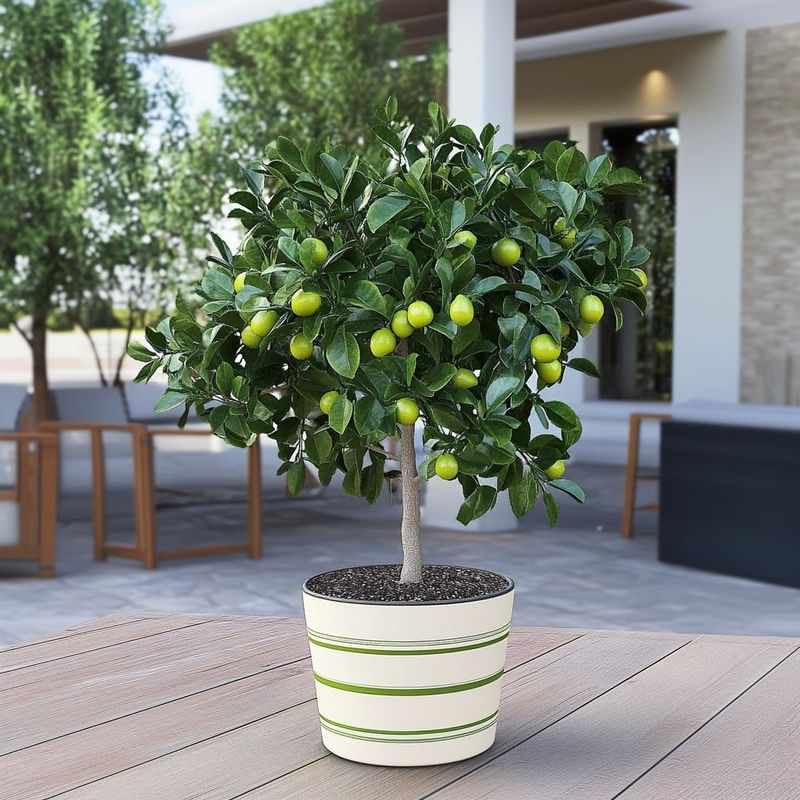
Craving fresh limes for your summer drinks? A lime tree fits right into the low desert and takes the heat like a champ.
The ‘Mexican (Key) Lime’ stays small and even grows happily in a large pot, making it perfect for patios or tight yards. Its tiny, aromatic fruit packs a punch of flavor far beyond its size.
For bigger, seedless limes, the ‘Bearss Lime’ is a reliable producer that handles our climate well. Both thrive in full sun and reward you nearly year-round once established.
Because container growing is an option, limes give apartment dwellers and small-lot gardeners a real shot at homegrown citrus. Just remember pots dry out fast in summer, so check the soil often.
Key limes are a bit frost-tender, so tuck them near a warm wall or bring pots to a sheltered spot on rare cold nights. A frost cloth works too.
The blossoms hum with bees during bloom, adding pollinator activity to your space. Plant in spring after the frost risk fades, give good drainage, and enjoy limes for years.
7. Mandarin
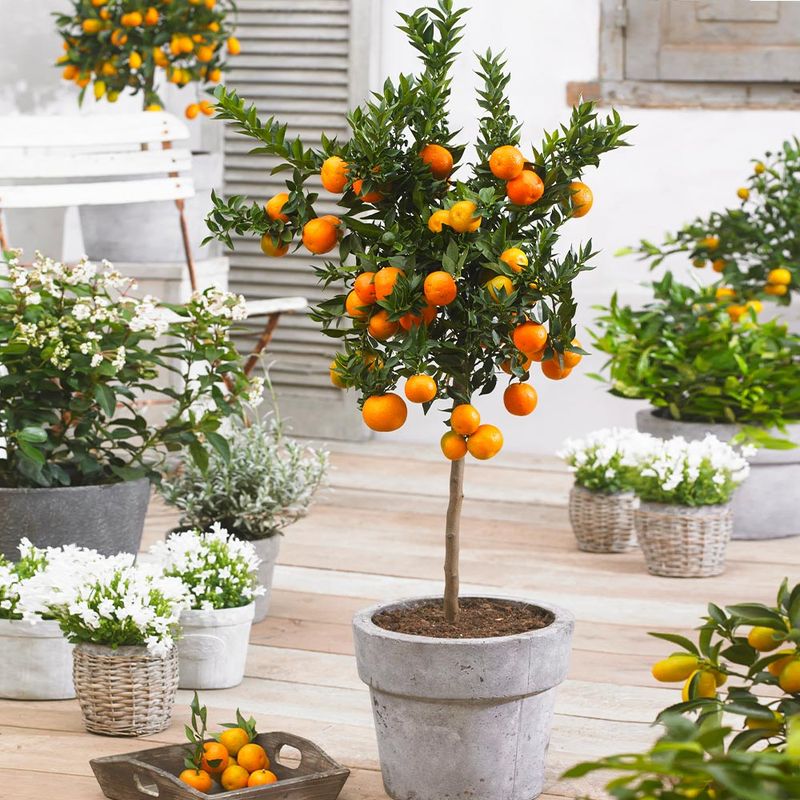
For sweet, easy-to-peel snacks straight off the branch, mandarins are hard to top in the low desert. Kids especially love pulling the little fruits apart with zero mess.
Varieties such as ‘Daisy’ and ‘Honey’ handle Arizona’s warm climate beautifully and produce loads of flavorful, seed-light fruit. They ripen through the cooler months, giving you fresh citrus when the garden is otherwise quiet.
Mandarin trees tend to stay more compact than oranges or grapefruit, which makes them a smart pick for smaller yards or spots near a patio. Their tidy shape needs little pruning.
Good drainage matters, so loosen the caliche at planting time and set the root ball slightly high. Deep, occasional watering suits them far better than frequent sprinkles.
The white spring blossoms are fragrant and pollinator-friendly, bringing bees into your yard when the desert is waking up.
Young trees benefit from trunk protection against sunburn and a frost cloth during rare freezes. Plant in early spring or fall, give them full sun, and a mandarin will supply sweet handfuls of fruit for many seasons.
8. Jujube
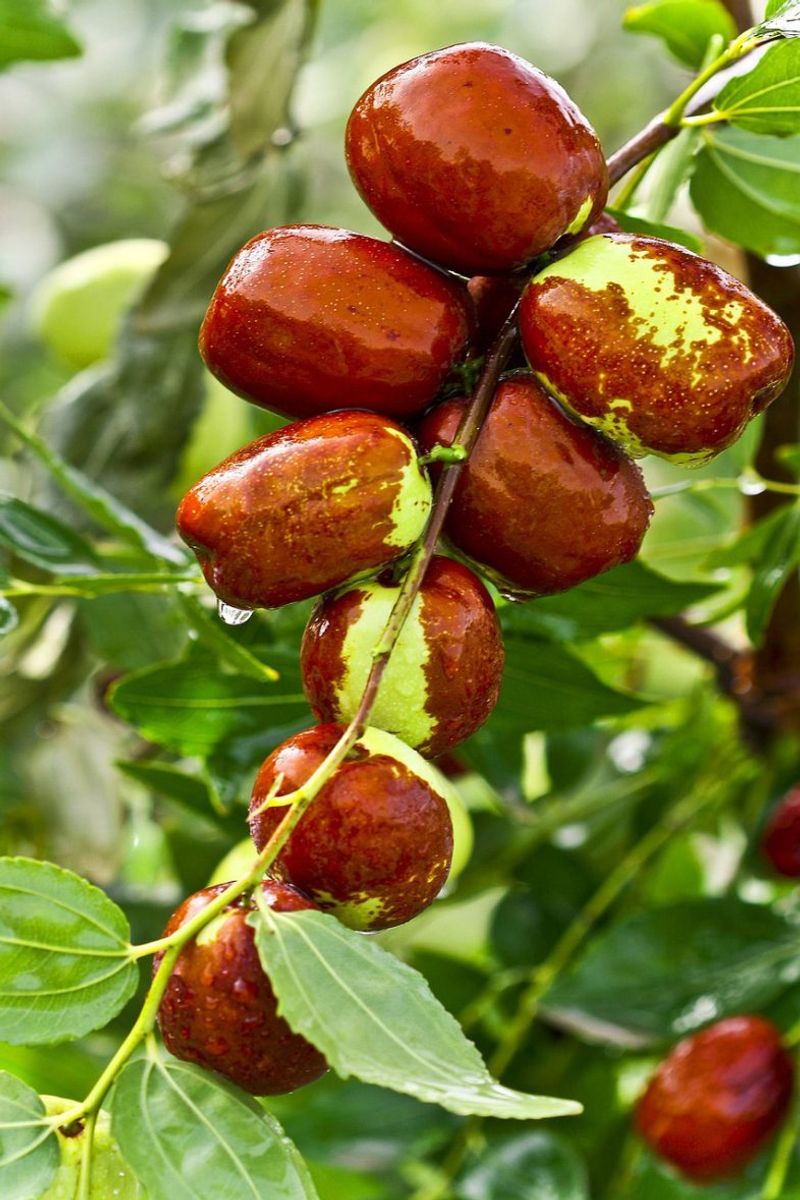
Meet the toughest fruit tree many Arizonans have never heard of: the jujube, also called Chinese date. Drop it in dry, difficult ground and it just keeps going.
Jujubes are built for arid climates, taking blazing heat and poor, alkaline soil in stride. Their fruit starts out crisp like a tiny apple, then wrinkles and sweetens into something like a date as it dries on the branch.
What makes this tree stand out is its almost stubborn resilience. Once established, it needs very little water and rarely struggles with the pests or diseases that plague fussier fruit trees.
The thorny branches offer birds cover and nesting spots, so your yard gains a bit of wildlife habitat along with the harvest. Small spring flowers attract pollinators too.
Jujubes do send up suckers, so keep an eye out and remove them if you want a single trunk. Otherwise, care is refreshingly minimal.
Plant in spring, give it full sun, and be patient the first year while roots dig into the caliche. After that, this hardy survivor rewards you with fruit for decades.
9. Mulberry
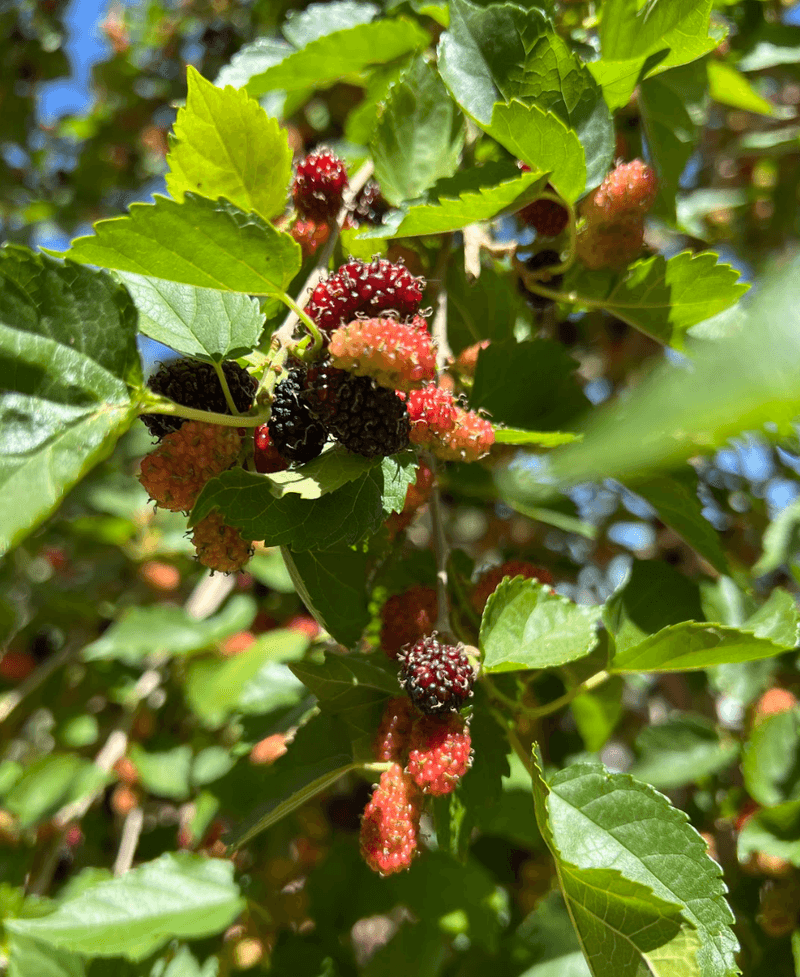
Want fruit and serious shade in a hurry? The mulberry grows fast enough to make a difference in just a few seasons, and it hands you sweet berries in the bargain.
Tough and relatively drought-tolerant once its roots are down, mulberry brushes off most pests and diseases, keeping your workload light. It handles alkaline desert soil far better than many delicate fruit trees.
The berries are wonderfully sweet, though the dark-fruited types can stain patios and cars. Fruitless or white mulberry varieties skip the mess while still throwing generous shade over your yard.
That broad canopy is a genuine weapon against 110-degree afternoons, cooling patios, play areas, and the hot side of the house. Fewer scorching hours mean lower cooling costs too.
Fruiting mulberries also draw a crowd of birds, turning your yard into a lively habitat when the berries ripen. If you prefer to keep the fruit for yourself, the fruitless kinds are the way to go.
Plant in fall or early spring, water deeply while young, and this fast, forgiving tree will shade and feed you for years.
10. Persimmon
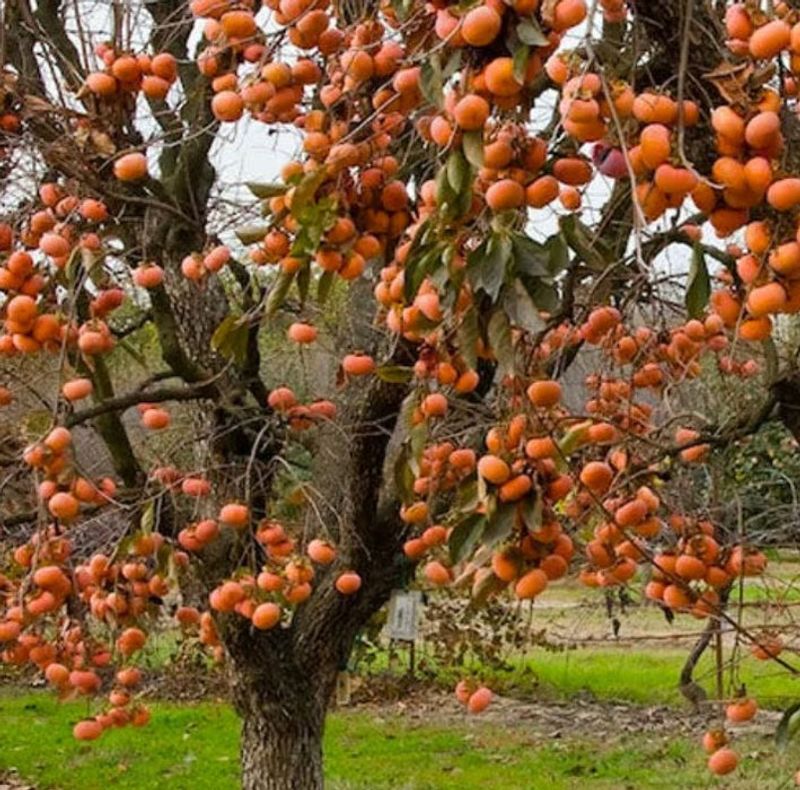
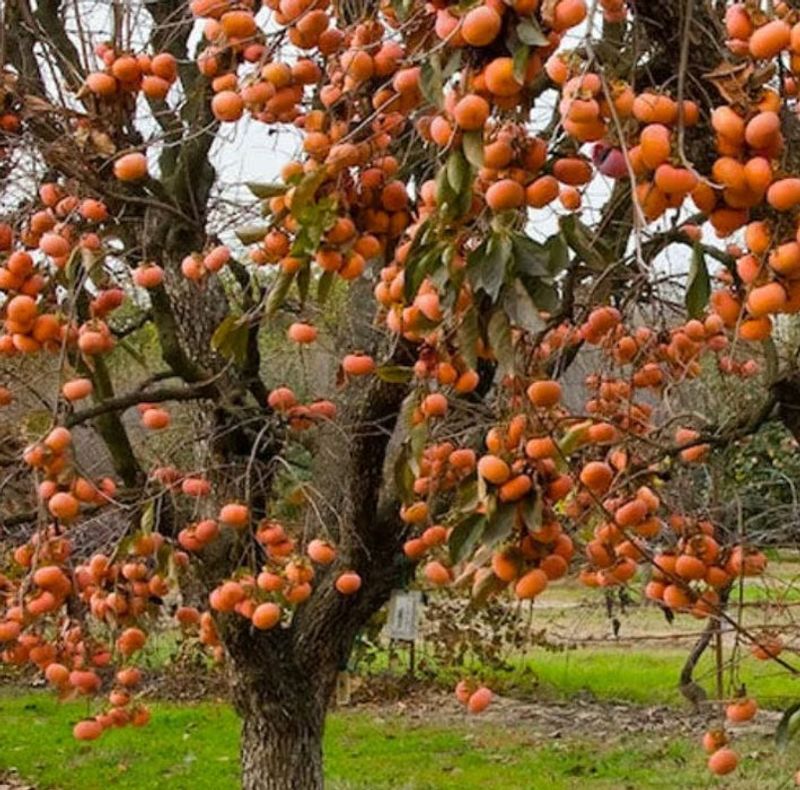
When fall arrives, few trees put on a show like a persimmon dangling glowing orange fruit from bare branches. It looks like the yard hung its own ornaments.
With the right variety, persimmons do surprisingly well in the low desert once they settle in and toughen up to the heat. The ‘Fuyu’ is a favorite, giving crisp, sweet fruit you can eat like an apple.
One of the best things about persimmons is how little they ask of you. They adapt to a range of soils, need almost no pruning or fertilizing, and stay relatively pest-free.
The tree also offers real shade during the growing season, then drops its leaves in winter to let sunlight warm your yard when you want it. That seasonal swing is handy in the desert.
Birds appreciate the lingering fruit, adding a little autumn wildlife activity to your space.
Give young trees some afternoon protection and a deep, steady watering routine while they establish. Plant in fall or early spring, loosen that stubborn caliche, and you will enjoy jewel-toned fruit season after season.
11. Low-Chill Peach
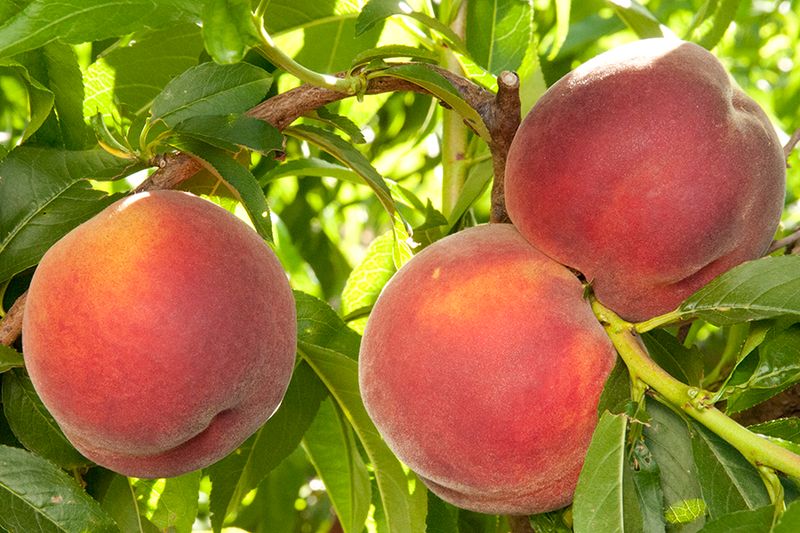
Think you can’t grow peaches in the desert? Low-chill varieties prove otherwise, ripening juicy fruit before summer even hits its stride.
Cultivars like ‘Desert Gold’ and ‘Florida Prince’ were bred for warm regions and need far fewer winter chill hours than standard peaches. That’s the secret to peaches in Phoenix and Tucson.
These are medium-sized, fast-growing trees that start producing reliably once established, with fruit often ready by late spring. Getting fresh peaches that early feels almost like cheating the season.
Because they leaf out and bloom early, the pink spring blossoms are a beautiful, pollinator-drawing bonus. Bees flock to them, adding cheerful movement to your yard.
Peaches want good drainage, so break up the caliche well and consider planting on a mound to keep roots from staying wet. Regular deep watering during fruiting keeps the peaches plump.
A bit of annual pruning helps the tree stay productive and manageable, and thinning young fruit gives you larger peaches.
Plant in winter or early spring while the tree is dormant, and this quick producer can hand you sweet, sun-warmed peaches for years.
12. Low-Chill Apple
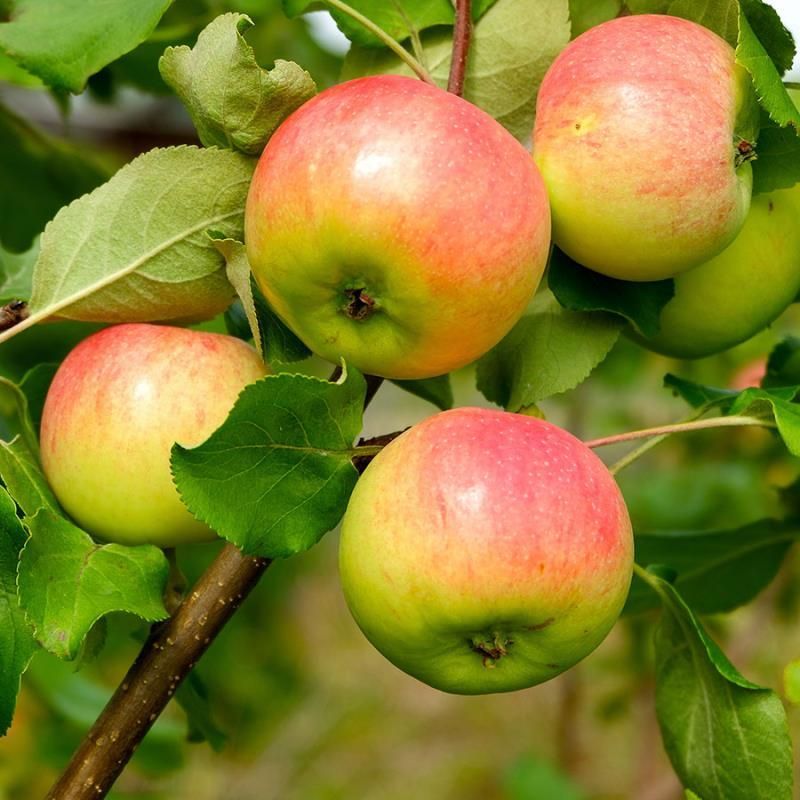
Homegrown apples in the low desert are absolutely possible, as long as you pick the right varieties. Standard apples need cold winters we simply don’t get.
The stars here are ‘Anna’ and ‘Dorsett Golden’, both bred to fruit with very few chill hours. ‘Anna’ can set fruit on its own, though planting a ‘Dorsett Golden’ nearby boosts the harvest for both.
Other solid choices include ‘Ein Shemer’ and ‘Tropic Sweet’, all handling the heat far better than their northern cousins. Crisp, homegrown apples off your own tree taste like a small miracle in Phoenix.
Well-drained soil is a must, so dig deep to break the caliche and avoid low spots where water lingers. Roots sitting in wet ground will struggle fast.
The spring blossoms bring bees buzzing through your yard, supporting the pollination the trees need to set fruit.
Young apple trees appreciate trunk protection from sunscald and a steady, deep watering schedule during their first summers. A little dormant-season pruning keeps them shaped and productive.
Plant while dormant in winter, and these clever low-chill apples can produce for many desert seasons.
13. Loquat
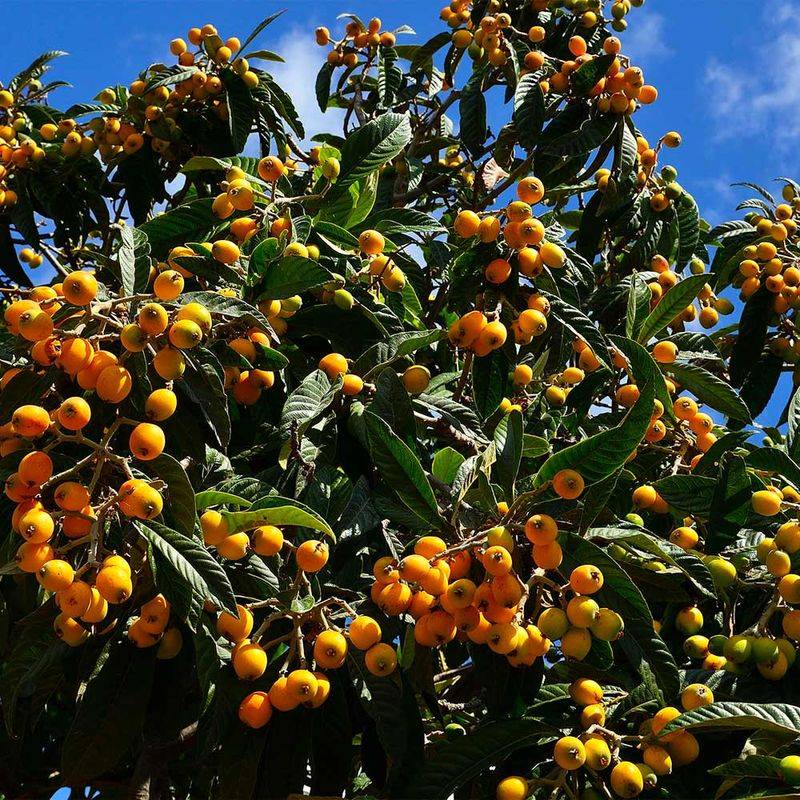
The loquat is a bit of a hidden gem, an evergreen beauty that quietly produces tangy-sweet fruit while looking good all year. Its big, tropical-looking leaves add a lush note to desert yards.
Unlike most fruit trees, loquats bloom in fall and ripen fruit in late winter or early spring, filling a gap when little else is producing. That off-season timing makes them a fun addition.
The dense evergreen canopy provides steady shade and shelter, giving birds a year-round place to perch and hide. Some wildlife will happily share the small orange fruits with you.
Loquats do have one weak spot: they can be frost-sensitive, and a hard freeze may damage flowers or young fruit. Planting near a warm wall or under a bit of overhead cover helps protect them.
They tolerate our alkaline soil reasonably well and, once established, don’t demand heavy watering. Deep soaks spaced out work best.
Give young trees some afternoon shade during their first summers and a frost cloth on cold nights. Plant in fall, and this handsome evergreen can offer both beauty and fruit for years in the low desert.
14. Olive (Fruiting Varieties)
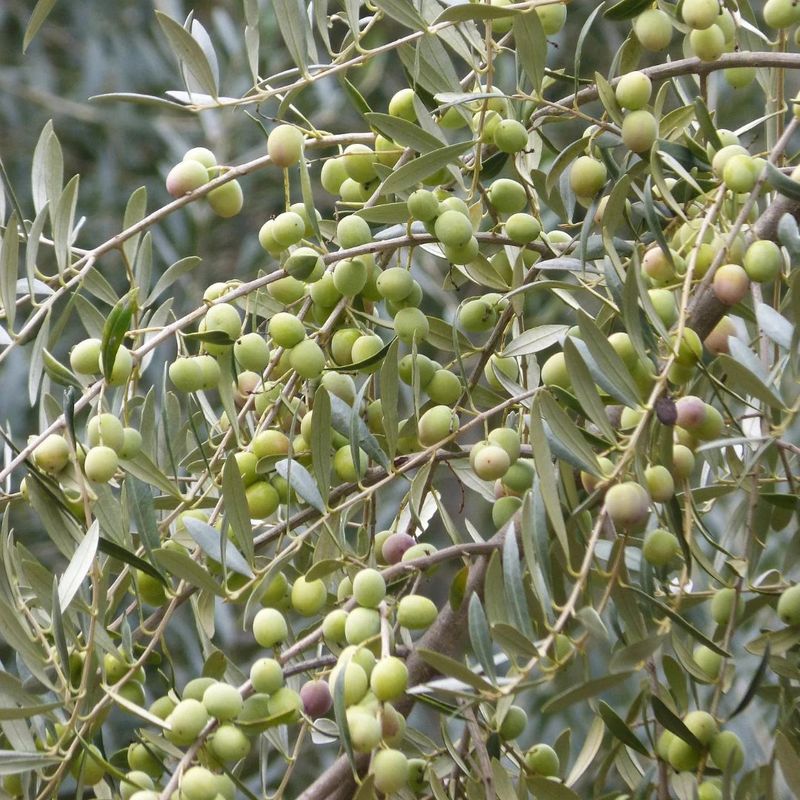
Silvery leaves shimmering in the heat, an olive tree brings a Mediterranean calm to the desert and thrives in exactly the dry, sunny conditions we have plenty of.
Fruiting olive varieties grow well in Arizona’s warm, arid climate and are famously long-lived and tough. Their deep roots and waxy foliage make them remarkably drought-tolerant once established.
Beyond the fruit, olives handle alkaline soil and searing summers with ease, asking very little in return. They’re one of the more forgiving trees you can plant in caliche country.
The soft gray-green canopy offers filtered shade and a striking contrast against typical desert plants, and it stays evergreen year-round. Birds use the branches for cover and perching.
Keep in mind that some cities regulate fruiting olives because of pollen and fruit drop, so check local rules and choose your variety carefully. Curing the olives takes patience but pays off with homegrown table fruit.
Plant in fall or spring, water deeply while young, and then step back as the tree establishes. Few fruit trees combine this much beauty, toughness, and longevity in the low desert.
15. Date Palm
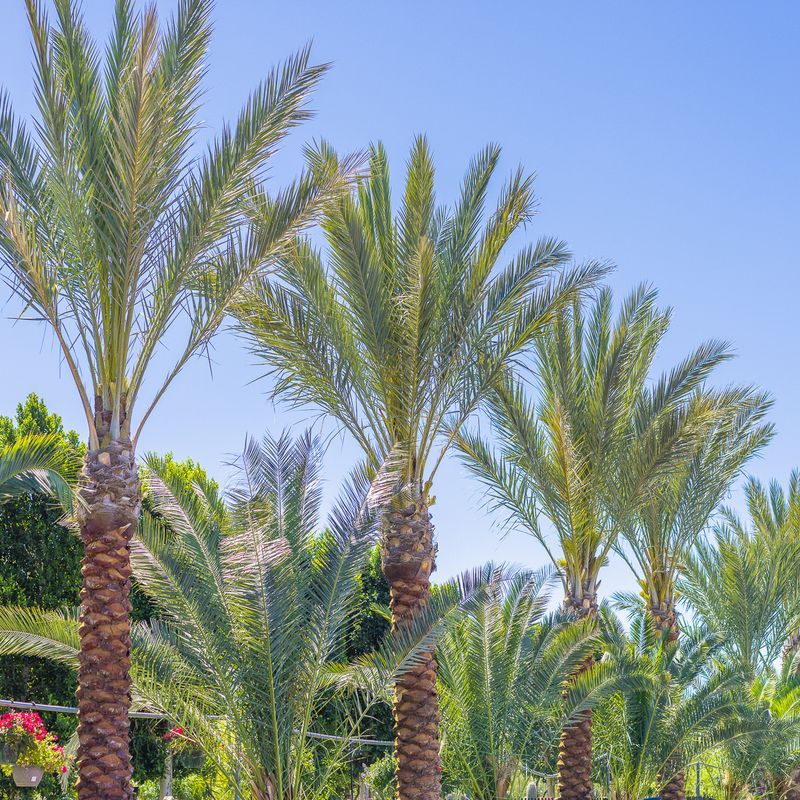
Nothing says desert quite like a towering date palm, and here’s the thing, it genuinely loves our climate. Dry heat that punishes other plants is exactly what dates crave.
Date palms are long-lived and can produce fruit for many years, thriving in the intense sun and low humidity of the low desert. They practically define the classic Arizona skyline.
One quirk to know: dates usually need both a male and a female tree to produce fruit, so growers often hand-pollinate or plant with harvest in mind. If fruit is your goal, plan the pairing early.
Even without heavy fruiting, these palms deliver dramatic height and a bit of high shade, and their fronds shelter birds and other wildlife. Sweet, chewy homegrown dates are a special reward for the patient.
Once established, date palms are impressively drought-tolerant and undemanding, handling alkaline soil without complaint. Deep, occasional watering keeps them thriving.
They do need space to reach their full stature, so give them room to grow tall. Plant in the warm months, be patient through the early years, and a date palm can anchor your desert landscape for generations.